The Oddfellows Rose® bedding floribunda – pharmaROSA® NEONATAL
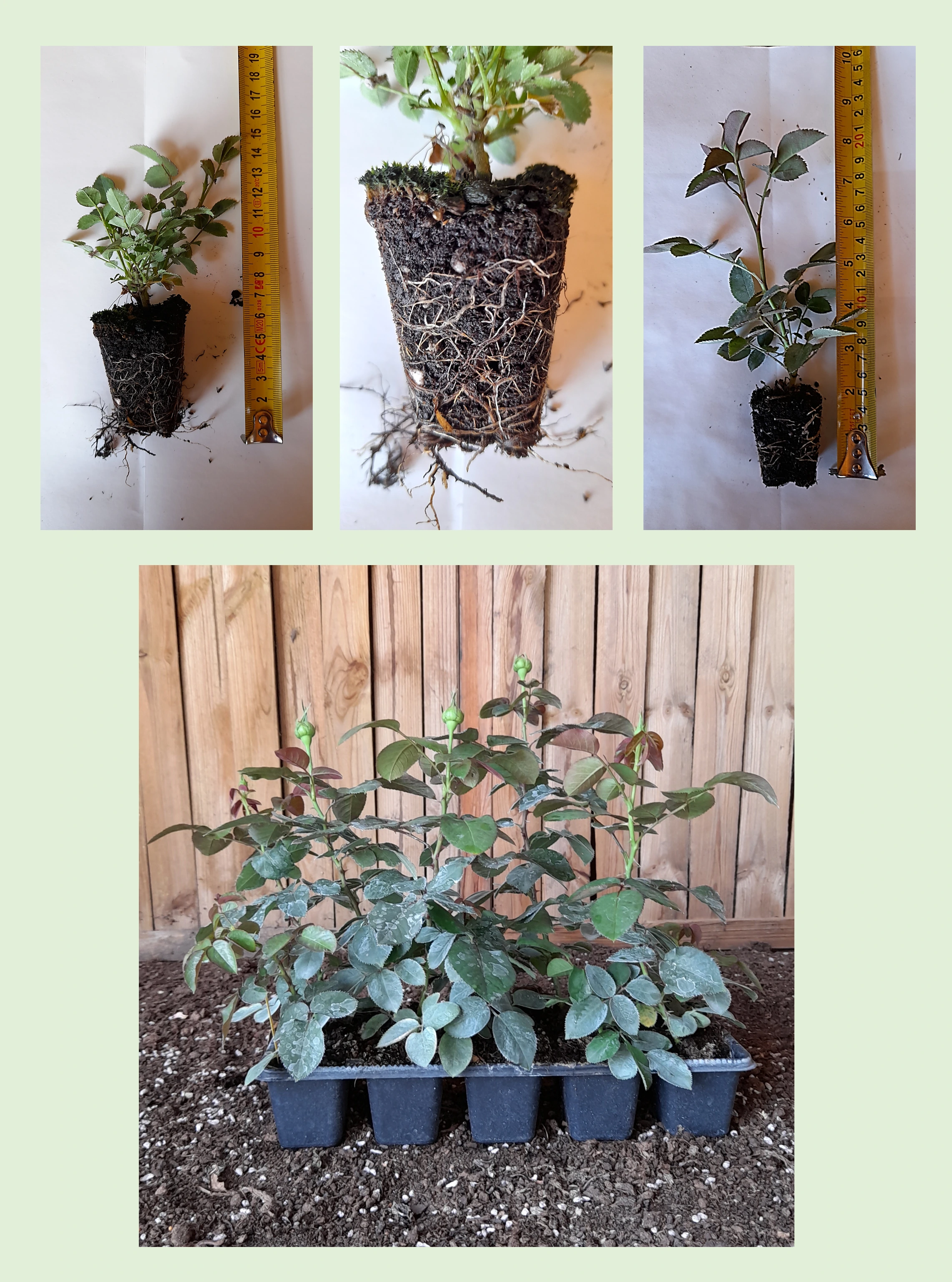
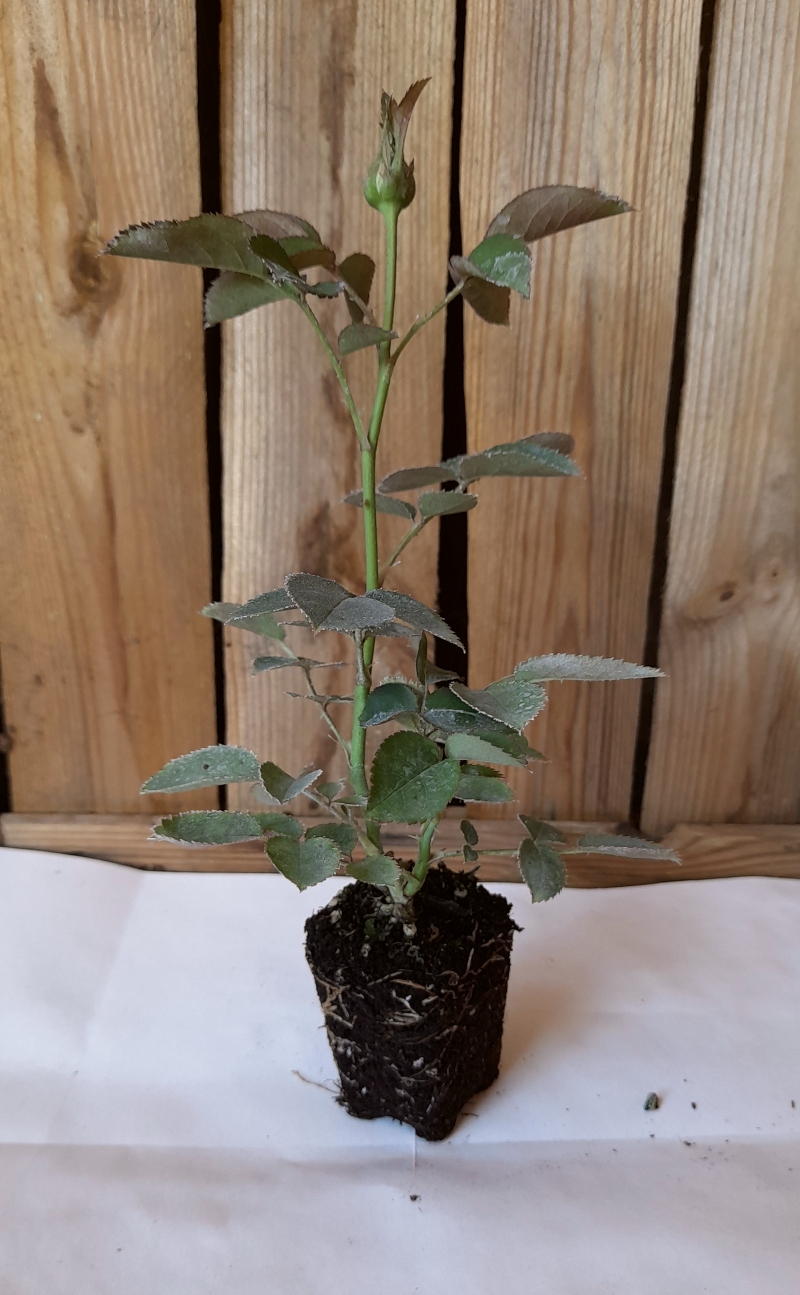
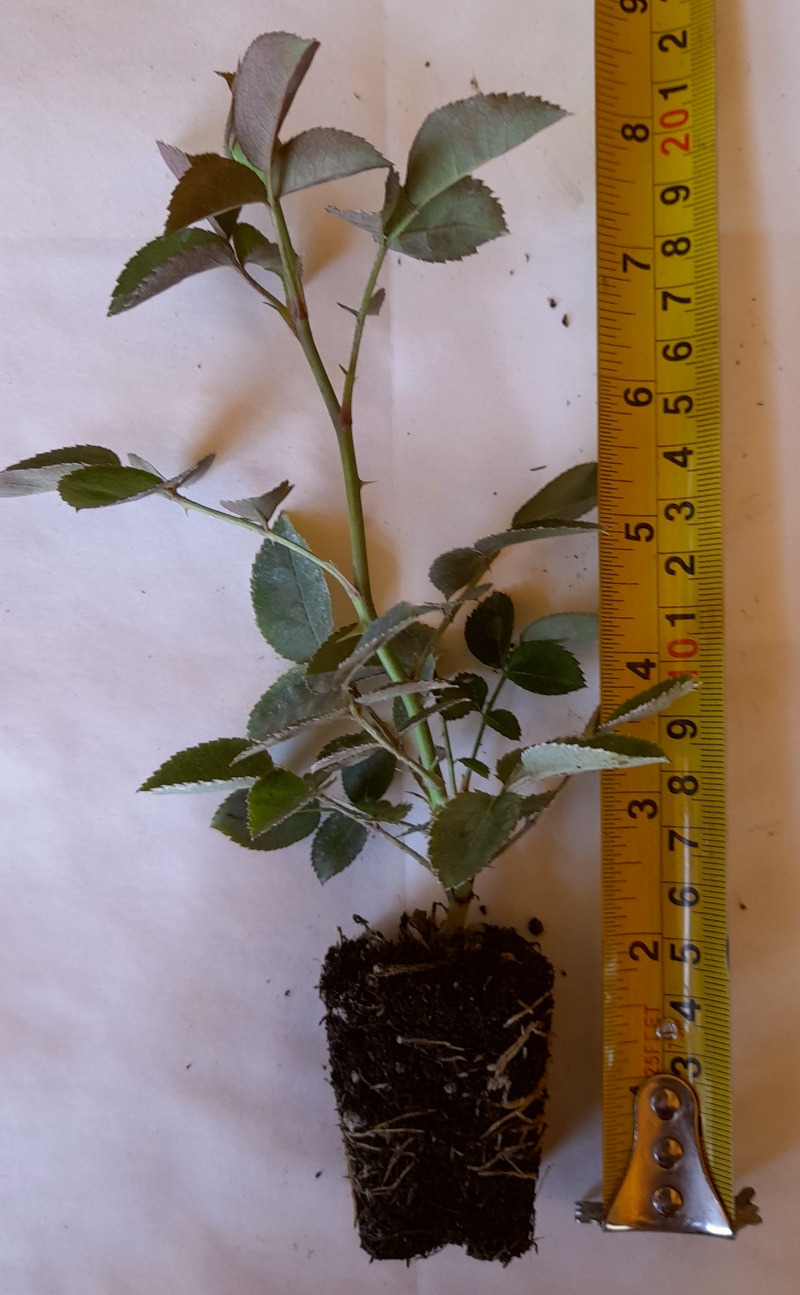
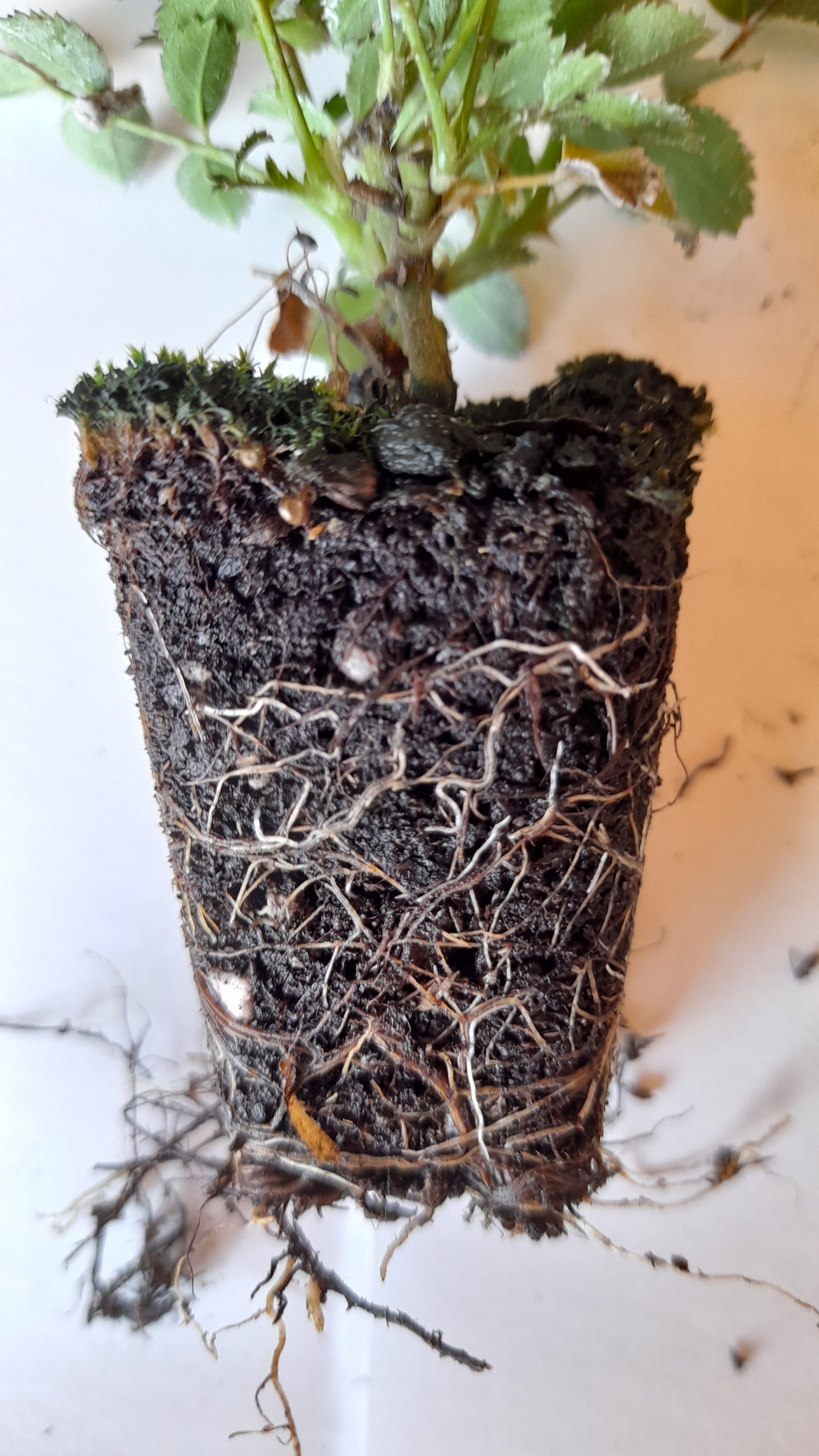
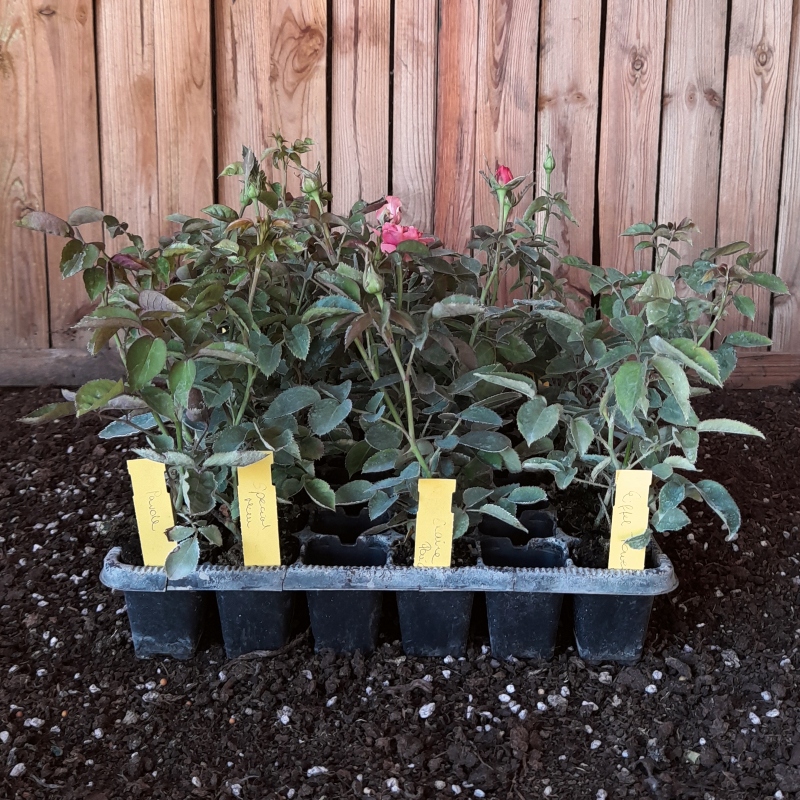
Floribunda performance in The Oddfellows Rose® translates well into predictable, tray-rooted propagation for nursery beds and 2–3 L containers, supporting reliable retail programmes and park-supply ranges. Its bushy, compact habit, dense, glossy dark-green foliage, and remontant, cluster-flowered blooming make it a practical choice where homogeneous, medium-maintenance beds are required and long-term own-root longevity and regeneration support stable capacity over multiple production cycles, particularly valuable for nursery networks serving cooler, wind-exposed regions across Scotland and northern England.
Usage options
Finished-product ideas
- 2–3 L floribunda bedding line – compact, bush-trained bushes in standard 2–3 L pots, highlighting reliable remontant flowering and dense foliage for flower beds and edging – targeted at retail / reseller bedding benches.
- Municipal park floribunda block – volume production of own-root plants for mass bedding, using hardiness and medium maintenance needs to support cost-effective park and urban green space schemes – targeted at public-realm suppliers.
- Purple-pink theme collection pot – curated 2–3 L assortment built around the distinctive crimson-pink to lilac colour range and named identity for thematic rose gardens – targeted at specialist rose nurseries and show-garden partners.
- Landscape edging container units – 40–50 L containers combining bushy habit and moderate height for permanent edging or entrance features in institutional landscapes – targeted at landscape contractors and facilities managers.
- Own-root liner packs for networks – pharmaROSA NEONATAL batches supplied as uniform rooted cuttings to feed regional nurseries’ standard container programmes, leveraging predictability and regeneration – targeted at integrator networks and wholesale partners.
Technical cultivar profile
| Characteristic |
Data |
| Name and registration |
Floribunda bedding rose, registered as FRYriviera, marketed as The Oddfellows Rose® Bedding rose FRYriviera; ARS exhibition name The Oddfellows Rose, commercial bed rose type. |
| Origin and breeding |
Bred by Gareth Fryer at Fryer’s Roses, Knutsford, Cheshire, United Kingdom, with parentage unknown; introduced in 2011 by Fryer’s Roses and Fryer’s Nurseries Ltd. in the United Kingdom. |
| Awards and recognition |
not provided |
| Growth and structural characteristics |
Bushy, compact bush-trained habit reaching about 95–125 cm in height with a 60–90 cm spread; dense, glossy dark-green foliage and slightly thorny stems provide solid bedding structure. |
| Flower morphology |
Semi-double, cupped, cluster-flowered blooms with 13–25 petals and medium flower size around 1.5–2.75 inches, remontant with a plentiful second flowering flush through the season. |
| Colour data and phenology |
Intense crimson-pink to purple-pink with lilac veiling, ARS Mb, RHS 67B outer and 65A inner; colour fades moderately, developing a subtle mauve-lilac tinge towards the end of flowering. |
| Fragrance and aroma |
Mild fragrance with a fresh, fruity character; semi-double flowers offer partial pollinator interest, though accessibility of stamens is reduced compared with simple, single-petalled roses. |
| Hip characteristics |
Produces spherical, red hips 7–13 mm in diameter in moderate quantities, adding seasonal interest where hips are allowed to develop after flowering has finished. |
| Resistance and winter hardiness |
Hardy to about –26 to –23 °C, RHS H7, Swedish zone 4, USDA 5b; moderate resistance to powdery mildew, black spot and rust; no specific data available on heat or drought tolerance. |
| Horticultural recommendations |
Best for flower beds, edging, parks and urban green spaces; medium maintenance with occasional pest and disease control; recommended as bush-trained plants in standard 2–3 L containers from own-root cuttings. |
The Oddfellows Rose® offers compact floribunda habit, hardy bedding suitability and reliable remontant colour on a predictable, regenerative own-root base, making it a practical option where you wish to align long-term capacity and scheduling.