| Premium 5–7 L flowering container line |
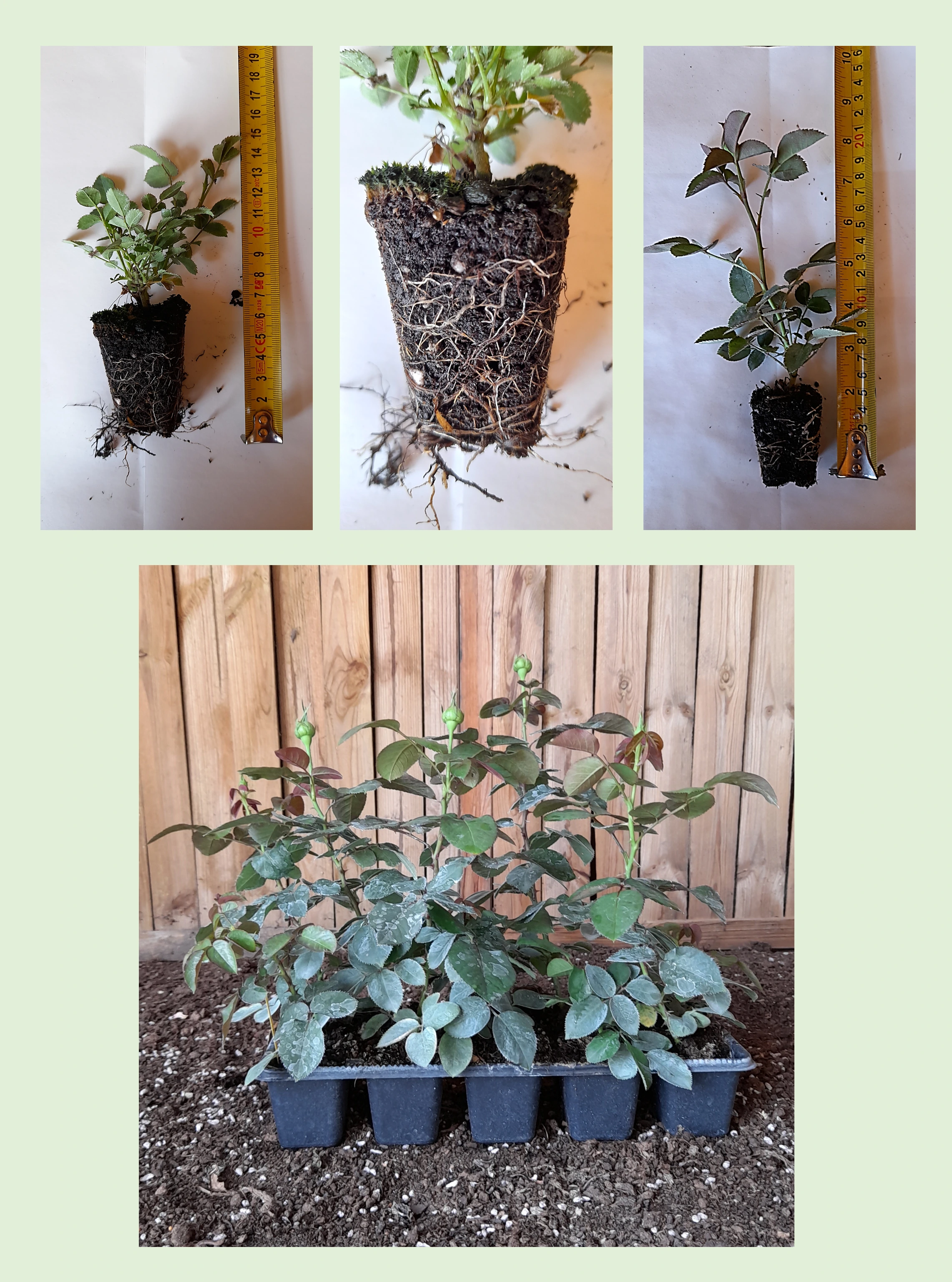
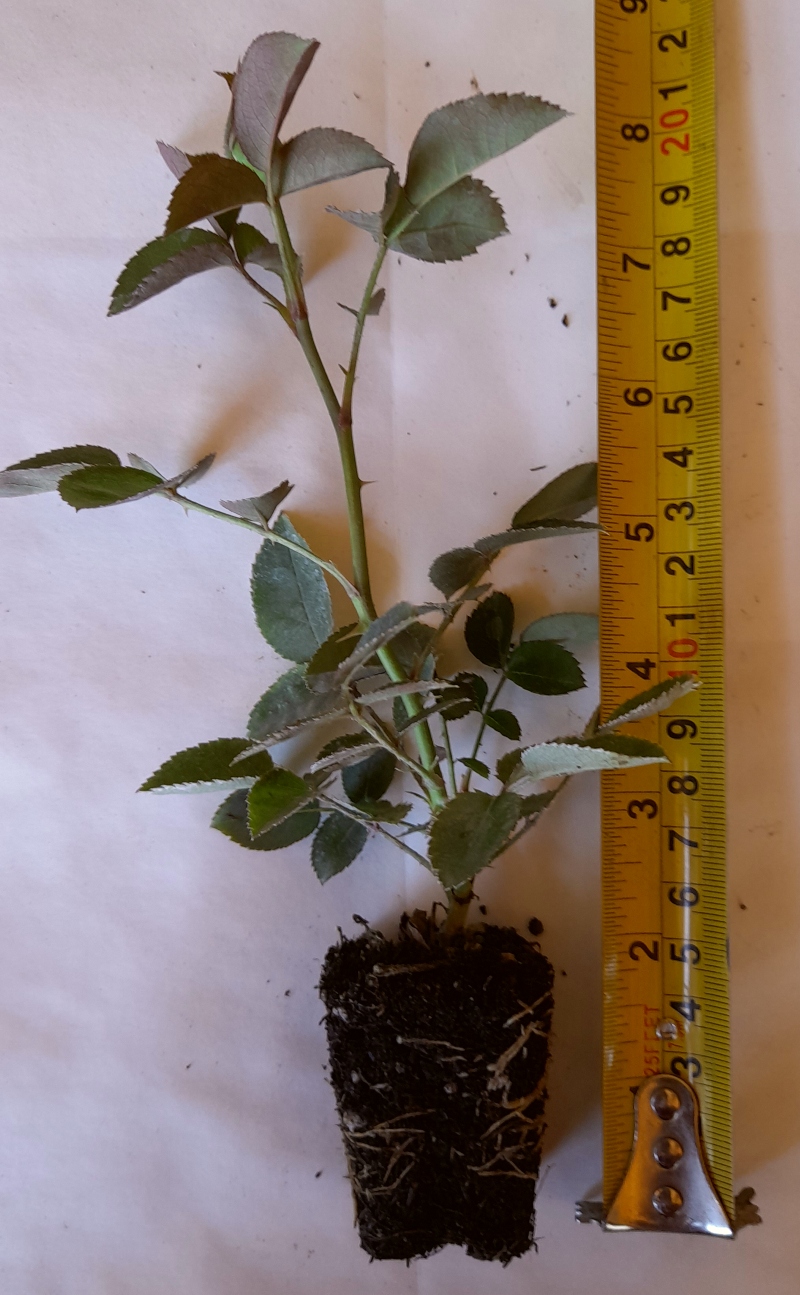
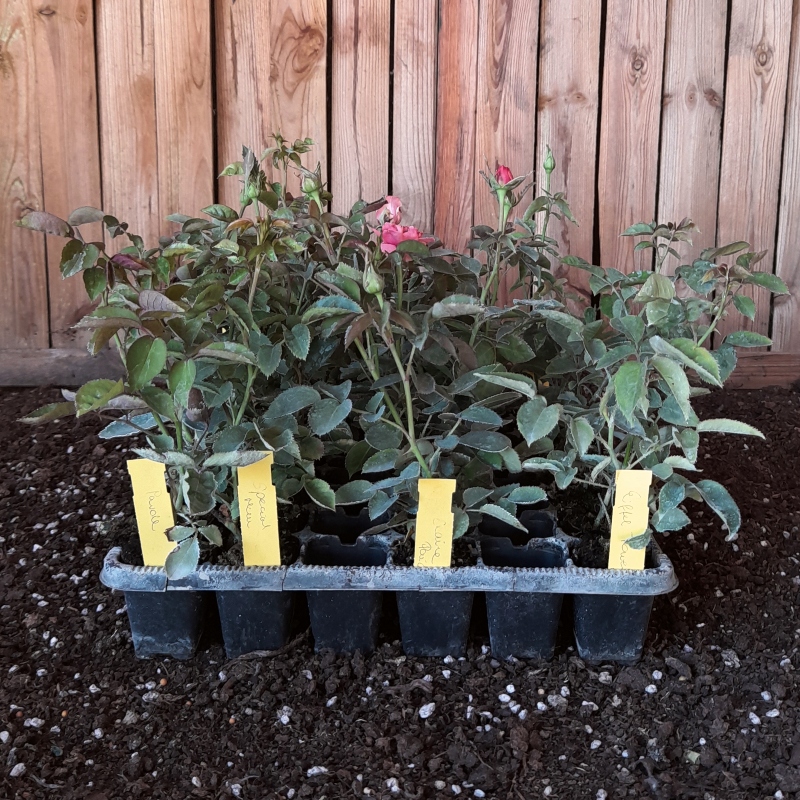
The bush-trained framework with 3–5 strong canes fits directly into a premium container route, giving fast structural fill in 5–7 L pots and an exclusive finished product. The remontant, very full blooms and strong myrrh scent support a high-value, flower-quality proposition for retail/reseller partners focused on romantic English shrub ranges, while own-root stability reduces replacement rates and simplifies scheduling for premium container programmes aimed at retail / reseller |
| 40–50 L specimen production for show and thematic gardens |
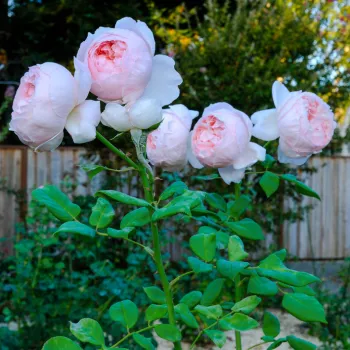
Vigorous, bushy growth to 120–180 cm and 80–110 cm spread transitions well into 40–50 litre containers, producing substantial, multi-year specimens for thematic and collection-style plantings. The hardiness rating (to around -32 °C, RHS H7) and good disease resistance allow longer field or container standing without heavy intervention, aligning with own-root longevity and regeneration benefits for public-realm and show-garden supply, supporting curated romantic English rose collections for public-realm suppliers |
| Cut-flower shrub blocks for fragrant stems |
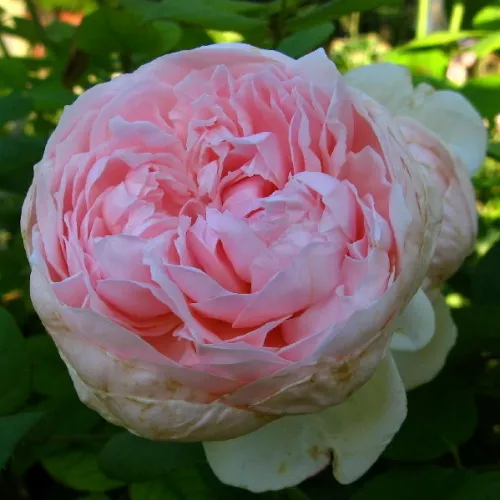
The exhibition category includes fragrant cut flower, backed by very full, large (approx. 7–10 cm) cup-shaped blooms in soft pale pink, repeat flowering through the season. In nursery blocks or container beds, the bushy habit and good self-cleaning provide a clean foliage backdrop while allowing regular, selective cutting. Own-root plants tolerate repeated harvesting cycles with better long-term stand structure, supporting premium, scented cut-stem offers tied to romantic English branding for florist-oriented resellers |
| Low-intervention nursery beds for stock and mother-plant roles |
Good resistance to powdery mildew, black spot and rust, together with low maintenance requirements, makes this cultivar suitable for mother-plant or stock rows where chemical input and labour must be controlled. Own-root stands provide renewable growth, easier rejuvenation and predictable identity, assisting nursery networks in maintaining reliable parent material for high-volume propagation into premium containers and specimen formats, serving integrated propagation chains for nursery networks |
| Feature edging and flower bed lines for institutional projects |
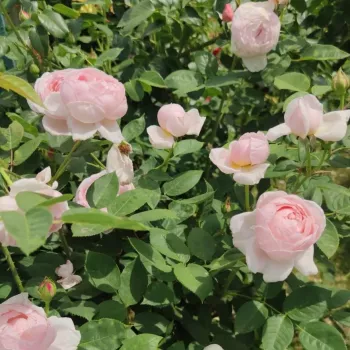
The moderately dense, grey-green foliage and bushy habit work well in edging and flower bed schemes, creating coherent, romantic borders. The remontant flowering pattern offers extended seasonal interest, while own-root plants provide long lifespan and homogeneous stands, reducing replanting in institutional or municipal contexts. Winter and wind tolerance supports production and deployment in northern UK and Scottish projects where durable structure and predictable performance are required for public and institutional contractors |
| Premium containerised specimen for exclusive retail branding |
The combination of English Rose collection branding, romantic commercial group and exclusive positioning lends itself to private-label or branded premium SKUs. Flower quality and form are the primary value drivers, with generous second flowering enhancing bench appeal in 5–7 L and larger pots. Own-root material ensures consistent presentation across volumes, strengthening brand reputation and reducing claims, an advantage for retailers building curated romantic English rose ranges for brand-focused resellers |
| Collection and reference plantings in dedicated rose gardens |
As an English Rose with documented parentage and identity, this cultivar suits collection beds and reference plantings in dedicated rose gardens. The clear naming trail (AUSmit, St. Cecilia) supports accurate labelling, while own-root technology secures long-term stand stability and easier renewal. Good disease resistance keeps display areas visually clean with modest maintenance, important in show-garden and heritage-style settings curated by thematic garden operators |
| Container-based edging and mixed schemes for reseller programmes |
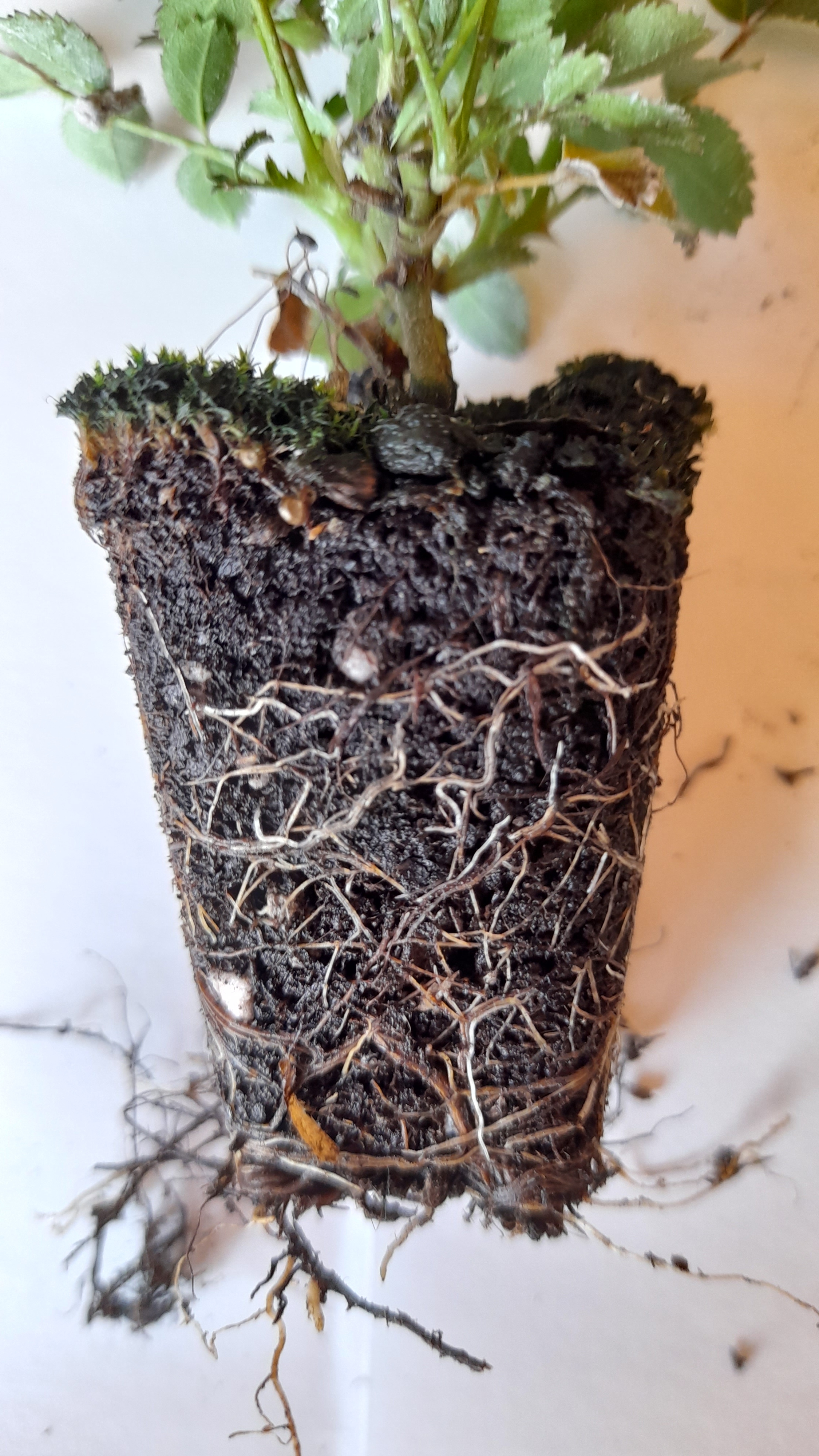
Primary uses include flower bed, edging, container and specimen, providing flexibility for growers assembling mixed trolley loads. Bush-trained NEONATAL material plugs neatly into standard nursery container flows, easing storage and scheduling. In UK production systems, its hardiness allows overwintering with lower risk, while own-root predictability supports homogeneous batches for multi-site nursery networks, underpinning consistent romantic rose assortments aimed at garden-centre chains |