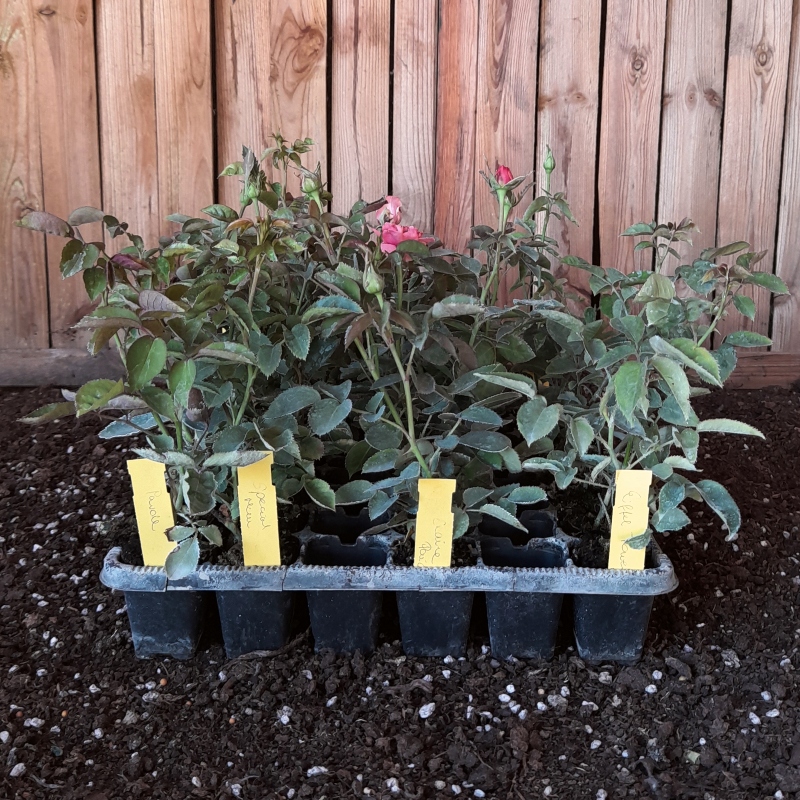
Hybrid tea rose

21-332-1
21-332-2

Senlitsu

Hybrid tea rose

- – Keiji Kunieda

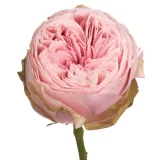
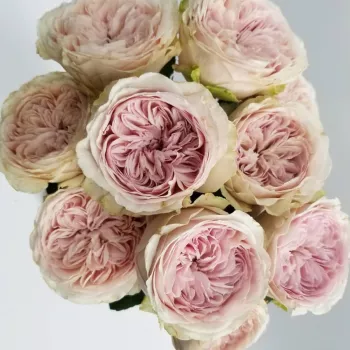
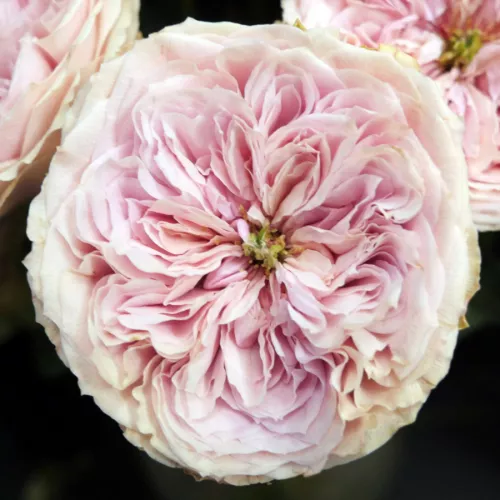
Delicate, pure light-pink base colour, developing a faint lavender-tinge over time. - hybrid tea rose - mild, subtly scented rose - pleasant, harmonious character

– Elegant pastel pink blooms with lavender tones
– Very double, cup-shaped flowers for premium looks
– Good remontancy with abundant second flush
– Dense dark green foliage on upright, compact plant
– Good disease and heat resistance
– Special feature: Ornamental orange-red hips extend autumn interest.
Exclusive finished product
Senlitsu
pharmaROSA® NEONATAL rooted rose cutting
29,58 £
Due to courier service regulations – and the introduction of customs clearance – delivery to Ireland is temporarily suspended.
5 (6791)
facebook   twitter

SENLITSU – pink hybrid tea rose – Kunieda

SENLITSU offers an elegant, exclusive hybrid tea profile on an own-root platform designed for scalable nursery production and premium container programmes. Its remontant flowering, consistently refined bud and bloom quality, and dense, upright habit support predictable, high-grade output for 5–7 litre finishing and beyond, including 40–50 litre show specimens for thematic rose gardens and collection projects. The cultivar combines low-intervention, disease-resistant performance with good hardiness and heat tolerance, helping to stabilise quality in UK nursery networks exposed to varied climates, including sites with reliably cold winters and strong winds. Mild, harmonious fragrance, pastel light-pink to lavender-tinged colour dynamics, and ornamental hips extend its visual window, while the own-root form underpins renewable growth and homogeneous stands as plants move from Year 1 rooting to Year 2 framework build-up and full ornamental value from Year 3.


Usage options

Target area Reasoning
Premium 5–7 L container production for retail/reseller The upright habit, 80–110 cm height and dense foliage provide a balanced structure that finishes cleanly in 5–7 litre containers along the recommended premium container route. Good hardiness and disease resistance reduce loss and grading variability, aligning well with exclusive finished product positioning for retail and reseller partners who require reliable shelf presentation for nursery and garden centre channels.
Cut-flower oriented garden and pot lines Large, very double, solitary hybrid tea blooms with high form and a mild, harmonious fragrance make this cultivar suitable for cut-flower oriented garden and patio pots. Its remontant habit supports repeated harvest from bush-trained plants with 3–5 framework canes, and own-root resilience sustains long-term cutting stands, supporting exclusive flower-quality driven offers for specialist florist-linked resellers.
Low-intervention thematic rose gardens Resistant foliage (powdery mildew, black spot, rust) and generally low maintenance requirements limit spray and labour, valuable in thematic and collection gardens where large blocks must remain visually coherent with minimal intervention. Own-root regeneration supports long lifespan and stable planting geometry, useful for public or institutional schemes marketed as exclusive yet dependable for public-realm and institutional suppliers.
Heat-tolerant collection beds and display blocks Good heat tolerance and controlled colour fading allow the pastel pink–lavender blooms to retain ornamental value in warmer sites, provided regular irrigation in extended drought. This suits display beds in nurseries and show gardens following the premium container path, positioning the finished plants as exclusive hybrid tea statements for south-facing retail display areas.
Show specimens in 40–50 L containers The bush-trained release form with 3–5 strong framework canes scales effectively into 40–50 litre containers, where height and dense foliage create an impactful, upright specimen. Own-root stability and hardiness support multi-year reuse of large pots in show gardens and curated collections, reinforcing an exclusive image for estate, hospitality and showcase garden projects.
Colour-focused cultivar collections The subtle pastel pink base with lavender and silvery-lilac nuances provides refined colour gradation of interest to collectors and curators. In nursery propagation beds and 5–7 litre grow-on, consistent colour expression simplifies batch planning, while disease resistance and remontant flowering sustain display value for exclusive, flower-form led ranges for specialist rose collection resellers.
Autumn-interest beds with hips and late blooms The production of spherical, orange-red hips (10–14 mm) adds an additional seasonal layer after the main flowering cycles. In combination with remontant flowering, this extends the merchandising window for premium containers and bed plantings. Own-root plants tolerate repeated cropping and seasonal turnover, supporting exclusive, high-perceived-value autumn tables for independent garden retailers.
Stable wholesale stock blocks for propagation and resale Robust disease resistance, H7 hardiness and own-root longevity create durable stock blocks that maintain identity and output quality over time, useful where nursery networks need predictable, homogeneous stands, even in regions with cold, exposed winters and strong winds. This underpins secure supply for exclusive, flower-quality centred hybrid tea assortments for integrated nursery–wholesale platforms.

Finished-product ideas

  • Premium 5–7 L patio hybrid tea – Bush-trained, remontant plants finished in 5–7 L pots, highlighting flower form, colour nuance and low disease intervention along the premium container route – target: retail and specialist rose resellers.
  • Collector’s pastel hybrid tea series – Curated range where SENLITSU represents the pastel pink–lavender segment, leveraging colour refinement and upright habit in 7 L and 40 L options – target: thematic and show-garden project suppliers.
  • Cut-and-enjoy garden rose line – Solitary, very double blooms, good stem presentation and mild fragrance framed as garden cut-flower types in 5–7 L containers – target: high-service garden centres and premium DIY chains.
  • Low-intervention project rose selection – Disease-resistant, hardy own-root bushes positioned for public and institutional beds where maintenance budgets are tight but flower quality must remain high – target: public-realm and landscape contractors.
  • Autumn-hip feature hybrid tea – Finished 7–10 L plants marketed for late-season sales via their pastel blooms transitioning to orange-red hips, extending bench life and visual interest – target: independent retailers and autumn promotional programmes.

Technical cultivar profile
Parameter Data
Name and registration Hybrid tea rose for cut-flower and garden use; current trade name SENLITSU Hybrid tea rose Kunieda; collection Hybrid tea rose; other formal registration data not provided.
Origin and breeding Second-generation bud mutation from ‘Yūzen’, bred by Keiji Kunieda, Rose Farm Keiji, Shiga Prefecture, Japan; breeding year 2011, introduced by Wabara in 2018.
Growth and structural characteristics Upright bush, 80–110 cm high and 50–70 cm spread, dense, dark green, slightly glossy foliage, moderately thorny shoots; weak self-cleaning so deadheading is recommended.
Flower morphology Large, very double, solitary, cup-shaped hybrid tea blooms with over 40 petals; remontant with an abundant second flush, suitable for cut-flower and premium bed applications.
Colour data and phenology Delicate light-pink base with pastel, lilac-lavender overtones; colour deepens in cool conditions and lightens in strong sun; ARS LP, RHS 65C and 76D, with subtle silvery shading.
Fragrance and aroma Mild yet pleasant fragrance with a harmonious character; valued more for visual and form qualities than scent intensity, aligning with refined, exclusive presentation requirements.
Hip characteristics Produces a moderate quantity of small, spherical orange-red hips in autumn, 10–14 mm diameter, offering additional ornamental value and seasonal interest where hips are retained.
Resistance and winter hardiness Classed as resistant to powdery mildew, black spot and rust; hardiness to approximately −21 to −18 °C, RHS H7, Swedish zone 3, USDA 6b; good heat tolerance with irrigation in drought.
Horticultural recommendations Primary uses cut flower, flower bed and pot; bush-trained release form with 3–5 strong canes; premium container product path, 5–7 L target pot; low maintenance needs and limited intervention.

SENLITSU Hybrid tea rose Kunieda combines remontant, high-form blooms, disease-resistant, hardy growth and own-root longevity for predictable, long-term stock blocks and premium containers; we would welcome a discussion on alignment of volume, timing and logistics.
Detailed product attributes

Product Identification Data

Product Name: SENLITSU – pink hybrid tea rose - Kunieda
Product Type: pharmaROSA® NEONATAL - rooted rose cutting
Cultivar Authenticity: Verified:11.09.2025
Cultivar Quality Rating: premium silver
Item Number: [1325] 21-332 (14.02.2026) pharmarosaneonatal.co.uk

Name and Registration

Meaning of Cultivar Name: The name means "melody" in Japanese.
Current Trade Name: Senlitsu Hybrid tea rose Kunieda
Rose Group: Hybrid Tea
Commercial Type: hybrid tea rose
Commercial Group: Hybrid tea rose
Exhibition Category: cut flowers
Collection: Hybrid tea rose

Origin and Breeding

Initial Distributor: Wabara (Japan)
Registration Year: Data not available
Breeder: Keiji Kunieda
Breeding Company / Institution: Rose Farm Keiji (Shiga Prefecture, Japan)
Breeding Year: Japan, 2011
Parentage: second-generation bud mutation from 'Yūzen'

Growth and Structural Characteristics

Height: 2.6-3.6ft (80-110 cm)
Spread: 1.6-2.3ft (50-70 cm)
Growth Habit: upright
Foliage: The variety's foliage is dense. The leaves have a slightly glossy surface and a dark green hue.
Prickliness: moderately thorny
Self-Cleaning Description: Spent flowers often remain on the plant and require deadheading.
Self-Cleaning Intensity: Self-cleaning: weak

Flower Morphology

Flower Fullness: very double-flowered
Flower Shape: cup-shaped
Flower Size: L (2,75-3,95 in)
Inflorescence Type: solitary
Colour Code: ARS code: LP RHS code: 65C, 76D
Repeat Flowering: It remonts well; its second flush is also abundant.

Colour Data and Phenology

Colour: pink
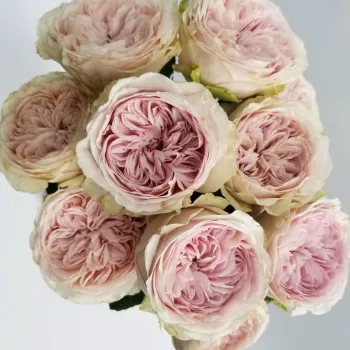
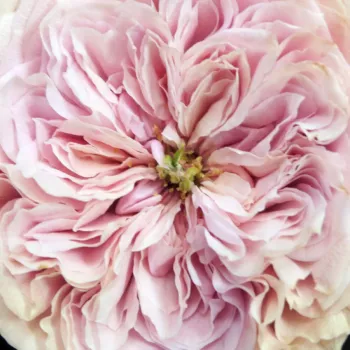
Flower Colour Description: Delicate, pure light-pink base colour, developing a faint lavender-tinge over time.
Closed Bud: Soft pink, with a delicate silvery-lilac veil on the outer petals.
Newly Opened Flower: Pastel pink cupped bloom with a slight mauve tinge in the inner recesses.
Full Bloom: Uniform pale pink, with powder‑lilac tones in the inner petal centres.
Before Fading: Almost creamy pale pink, with silvery-lavender shading on the outer edges.
Colour Fading Description: In strong sunlight and hot conditions it takes on a lighter shade; in cool conditions it develops a deeper tone.

Fragrance and Aroma

Fragrance Strength: mild, subtly scented rose
Fragrance Character: pleasant, harmonious character
Pollinator Attraction: Because its flowers are very double (fully double), tightly closed and have inaccessible stamens, it attracts pollinators poorly.
Pollinator-Friendly Rating: Not pollinator-friendly; a variety valued primarily for its ornamental qualities

Hip Characteristics

Hip Shape: spherical
Hip Colour: orange-red
Hip Comment: Produces a moderate quantity of spherical, orange‑red rose hips in autumn, 10–14 mm in diameter, with ornamental value.

Resistance and Hardiness

Hardiness (°C): -21–-18 °C
Heat and Drought Tolerance Description: Tolerates heat well; requires regular watering during extended periods of drought.
Disease Resistance: resistant
  • powdery mildew – resistant
  • black spot – resistant
  • rust – resistant

Horticultural Recommendations

Recommended product path: Premium container
Release form: Bush-trained, with 3–5 strong framework canes
Recommended use: Maintenance requirement low; good disease resistance, generally requires little intervention.
Primary Uses: cut flower, flower bed, pot

Comments

Positioning: Exclusive finished product
Target customer/channel: Retail / reseller
Main value proposition: Flower quality, form
SENLITSU – pink hybrid tea rose - Kunieda
Delicate, pure light-pink base colour, developing a faint lavender-tinge over time. - hybrid tea rose - mild, subtly scented rose - pleasant, harmonious character
Online rose purchase - pink - mild, subtly scented rose - Senlitsu - hybrid tea rose - (2.6-3.6ft (80-110 cm))
Inflorescence: solitary Height: 2.6-3.6ft (80-110 cm) Flower shape: cup-shaped Winter hardiness: 5b pink - Wabara (Japan) hybrid tea rose - Flower size: L (2,75-3,95 in) Flower size: L (2,75-3,95 in) - Height: 2.6-3.6ft (80-110 cm) Height: 2.6-3.6ft (80-110 cm) - Flower fullness: very double-flowered Senlitsu - Roses in the garden | pharmaROSA® Neonatal - premium silver Keiji Kunieda

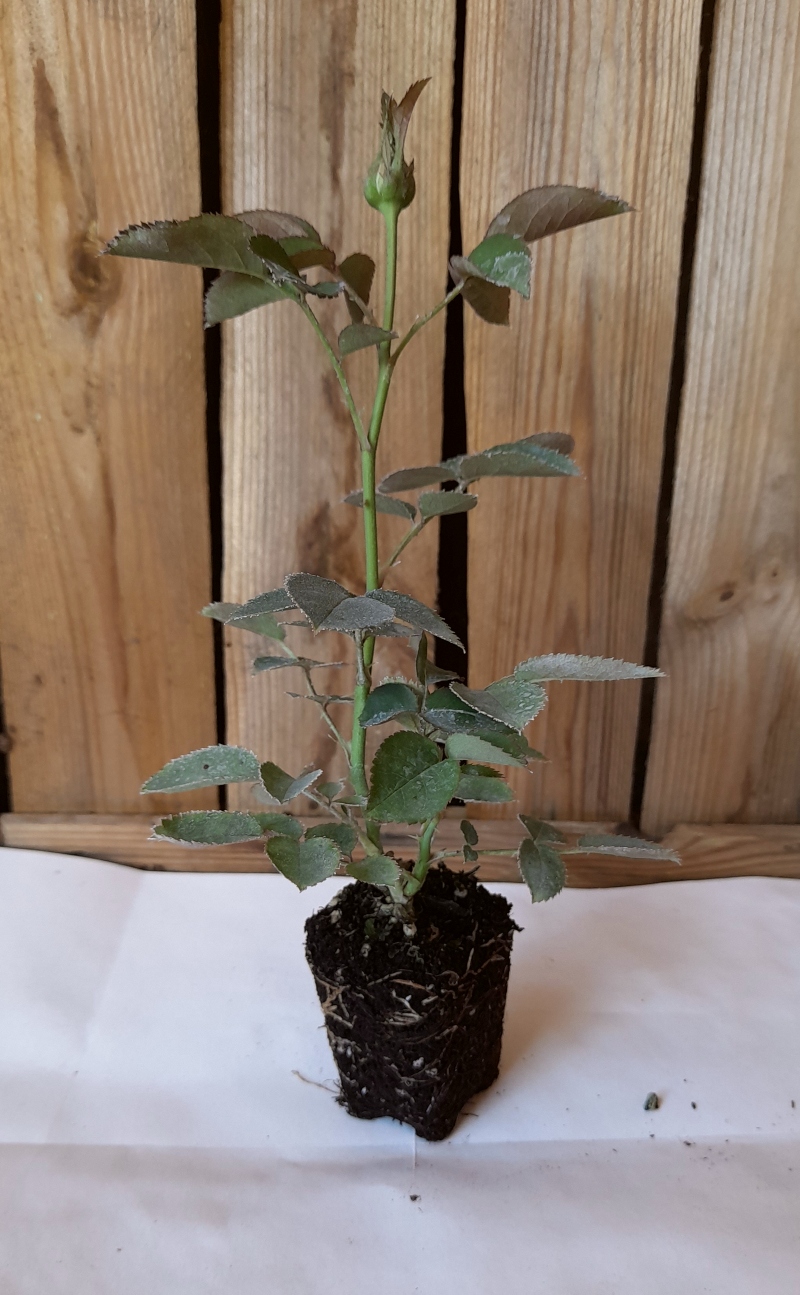
We showcase the external appearance of the roses available for online purchase from our webshop.


Which product type is right for you?


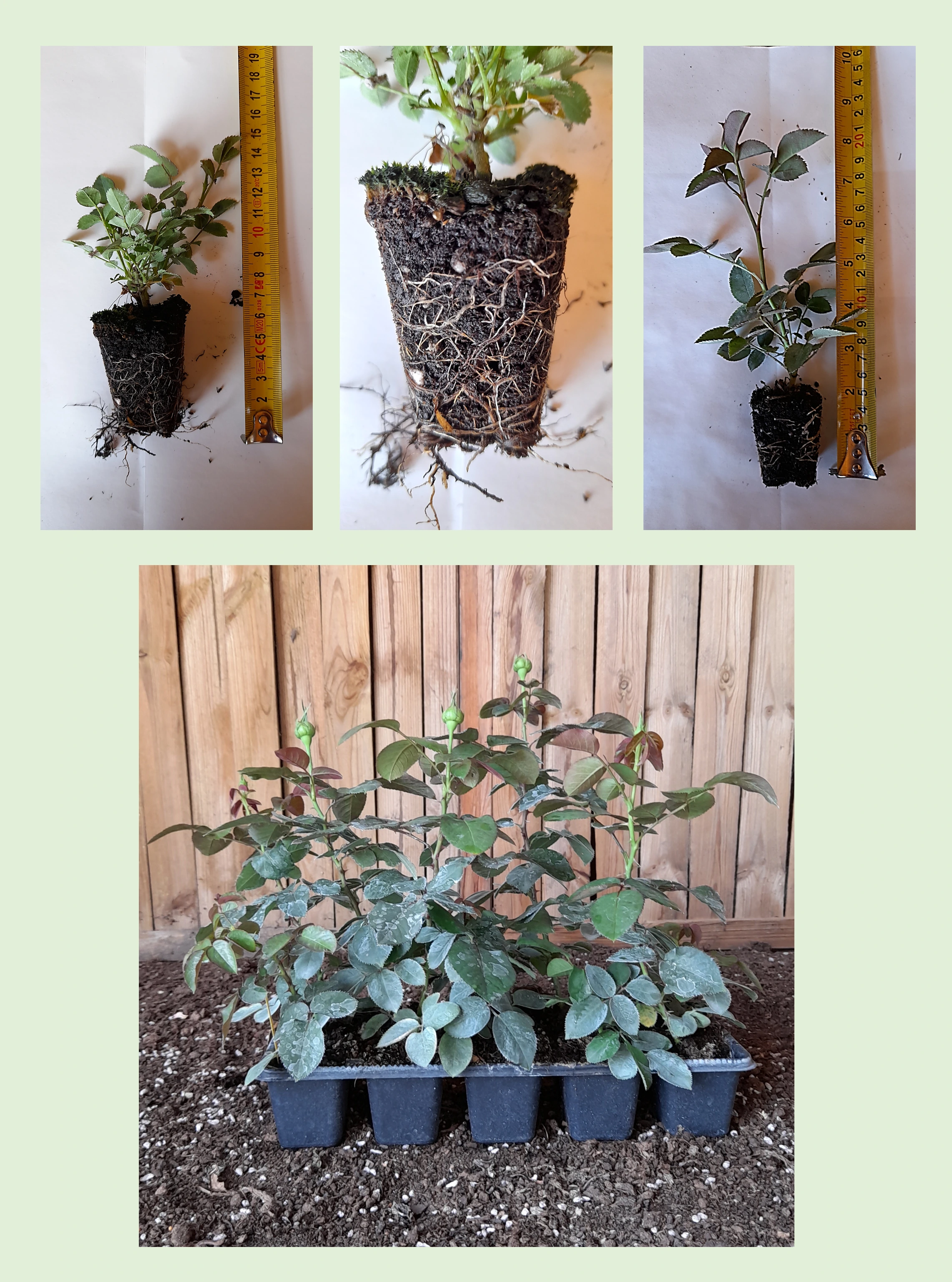
PharmaRosa® NEONATAL is the cost‑effective starting point for rose product production.

As a uniform, own‑rooted propagation material, it provides a stable basis for further growing-on and can be integrated flexibly into different finished product production technologies.
Rooted in trays (rooted), 3–6‑month‑old, own‑rooted rose cutting.
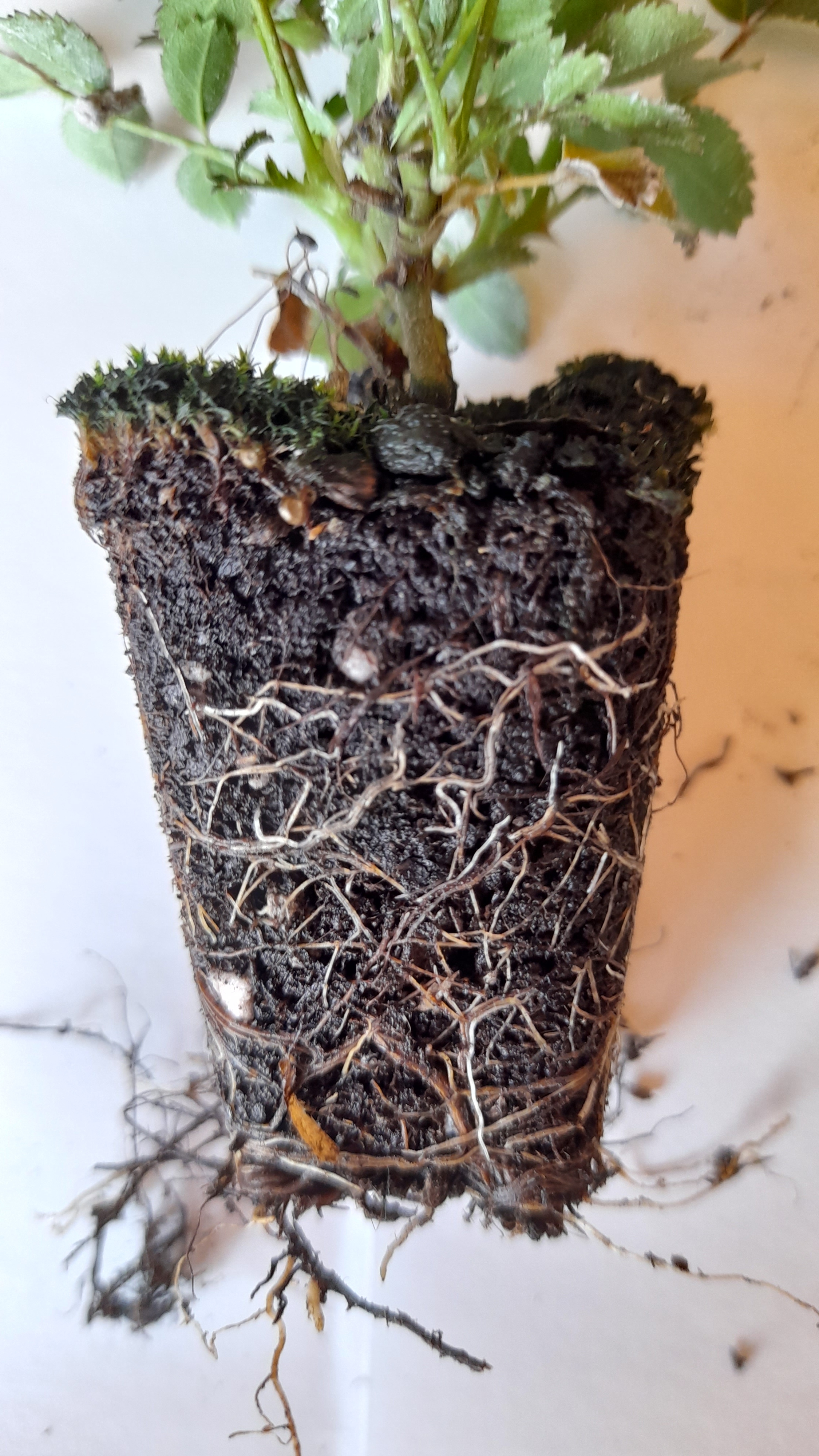
Uniform developmental stage, with a root system that has thoroughly penetrated the plug.
For professional growing‑on.
Tray packaging: 10 pcs/tray.
Quality and varietal identity: production supported by a dedicated identification and traceability logic.
Can be transplanted during frost‑free periods, designed for finished product production.

PharmaRosa® NEONATAL provides a controlled, uniform starting stock for planned growing‑on that can be integrated into your own technology – especially where scheduling and varietal identity are paramount.


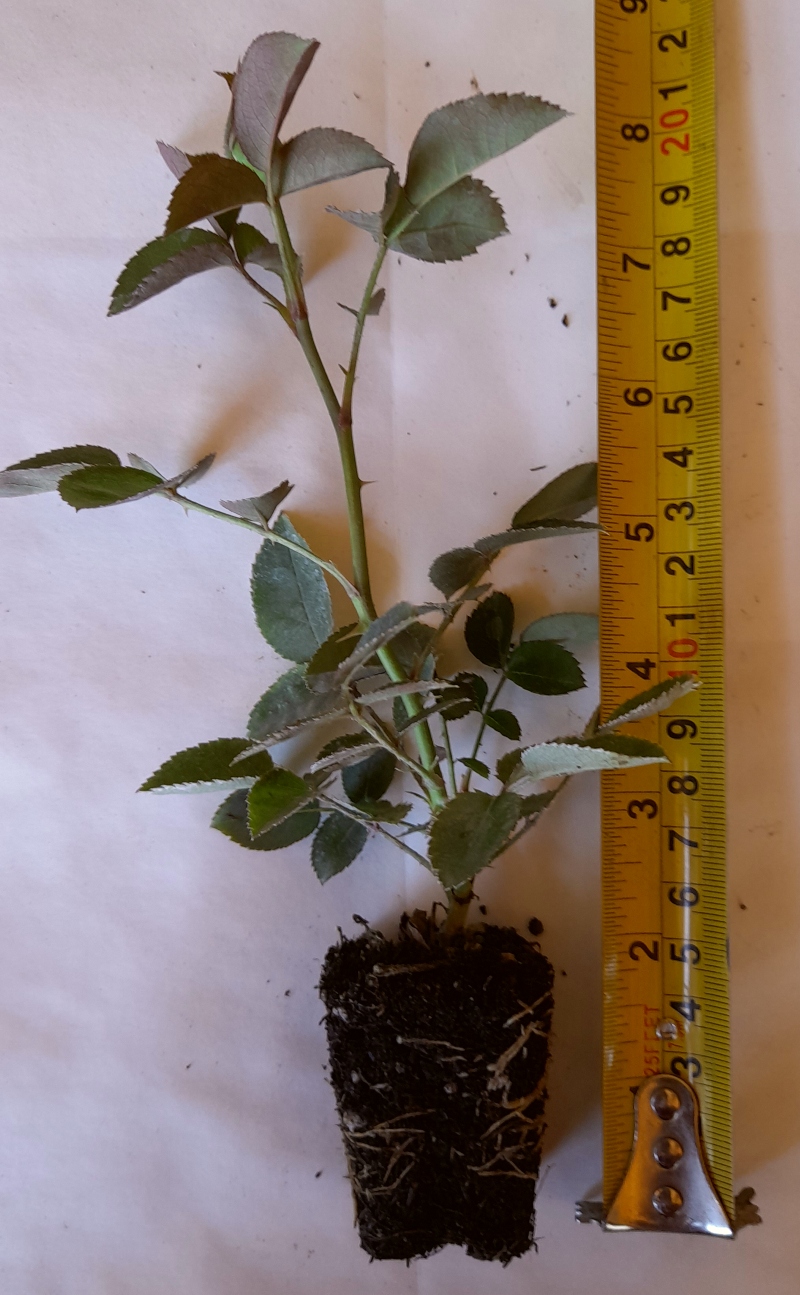
PharmaRosa® NEONATAL own-rooted rose propagation material in a plug, with a root system penetrating the plug (semi-finished product / semi-finished rose). PharmaRosa® NEONATAL rose propagation material size: 3–6‑month‑old, own-rooted cutting with a uniform developmental stage. PharmaRosa® NEONATAL rose propagation material root system: plug densely penetrated by well-developed white roots (root system detail). PharmaRosa® NEONATAL tray stock: own-rooted rose propagation material in trays, uniform developmental stage (10 pcs/tray).

Captions (from left to right): Semi-finished product (NEONATAL own-rooted rose propagation material in a plug with a fully developed root system) • Size demonstration (3–6‑month‑old, uniform cutting) • Root system detail (plug penetrated by the root system) • Tray stock (10 pcs/tray, uniform developmental stage)

pharmarosaneonatal.hupharmarosaneonatal.atpharmarosaneonatal.co.ukpharmarosaneonatal.czpharmarosaneonatal.depharmarosaneonatal.ropharmarosaneonatal.sipharmarosaneonatal.skpharmarosaneonatal.itpharmarosaneonatal.frpharmarosaneonatal.nlpharmarosaneonatal.plpharmarosaneonatal.lupharmarosaneonatal.ptpharmarosaneonatal.espharmarosaneonatal.ltpharmarosaneonatal.sepharmarosaneonatal.lvpharmarosaneonatal.eepharmarosaneonatal.fi

Which product type is right for you?

Pages for private customers
Garden roses for the family garden, with minimal care  → ORIGINAL®
Premium garden roses – instant impact, a truly showpiece garden  → EXTRA®
Pages for professionals and private customers
Roses for public spaces – large areas, sustainable maintenance  → NATURAL®
Roses for projects – hedge and row planting, fast implementation  → RAPID®
For professional partners only
Production – propagation material for garden roses, wholesale  → NEONATAL®

Company details

PharmaRosa Ltd.
Company registration number: 01-09-717479
VAT number: 13075314-2-43
Plant health registration no.: HU130721
Bank account (IBAN):
HU85117631891388688400000000
BIC (SWIFT): OTPVHUHB
Bank name: OTP Bank Nyrt.