Climbing rose

20-082-1
20-082-2

Zebrina™

Climbing rose

- – Discovered by - pharmaROSA®

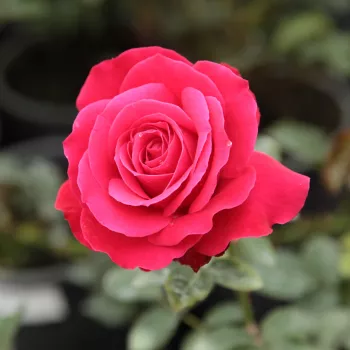
Vibrant, mid-deep red shade. - climbing rose, climbing rose - medium strength, distinctly scented rose - pleasant, spicy character

– Vibrant, mid-deep red blooms all season.
– Medium-sized, double, cup-shaped flowers.
– Reliable Climbing rose for arches and walls.
– Dense, dark green foliage for strong coverage.
– Medium disease resistance, hardy to RHS H7.
– Special feature: Distinctly spicy fragrance adds character to vertical plantings.
Exclusive, space-defining – specialty
Zebrina™
pharmaROSA® NEONATAL rooted rose cutting
26,95 £
Due to courier service regulations – and the introduction of customs clearance – delivery to Ireland is temporarily suspended.
5 (10823)
facebook   twitter

Zebrina™ Climbing rose pharmaROSA® – pharmaROSA® NEONATAL own-root propagation material

Vertical own-root Zebrina™ propagation material supports reliable, medium-maintenance training for pergolas, arches, gates and walls where a feature climber with dense, dark green foliage and distinctly scented, vibrant red flowers is required. The pharmaROSA® NEONATAL tray-rooted format offers uniform 3–6‑month plants set up for wholesale propagation beds and container grow-on, with staked, 3–5 cane material suited to the recommended 5–7 L route as a trained climber finished product. Own-root structure underpins stable, long-term stands, supporting show-garden style, thematic rose collections and retail / reseller ranges that need predictable structure on pergolas and arches, while also aligning with projects in cooler parts of the UK where winter and wind resilience is important across exposed sites. In production terms, you can plan Year 1 for rooting and frame establishment, Year 2 for extension growth and first display, and Year 3 for full ornamental value and commercial presentation.


Usage options

Target area Reasoning
Pergola and rose-arch climber production (5–7 L, trained) The 6.6–9.8 ft climbing habit with 3–5 pre-trained canes lends itself directly to pergola and arch-focused trained climber finished products in 5–7 L containers. Own-root material supports long-lived, renewable growth with lower replacement over time, ideal where retailers promote exclusive, space-defining vertical features. Using pharmaROSA® NEONATAL as a stable base simplifies scheduling for nurseries building thematic or collection-style offers aimed at premium retail / reseller partners serving design-conscious private gardens and small public entrances. Retail / reseller
Fence and boundary structures (linear trained climber lines) The dense, slightly glossy dark foliage provides continuous cover along fences and gates, giving strong visual structure even when flower flushes are lighter later in the season. Medium maintenance with occasional pest and disease control is realistic for UK nursery clients and end users managing linear boundary plantings. Own-root stands cope well with pruning and regeneration cycles, giving predictable volumes for boundary solutions promoted as vertical garden features in exclusive, space-defining garden zones. This aligns with nurseries building repeatable SKUs for collection-themed fence and boundary solutions. Retail / reseller
Wall-trained climber lines for show and thematic gardens The combination of moderate height, clustered, mid-sized double flowers and a pleasant spicy fragrance makes Zebrina™ well suited to curated wall displays in thematic rose gardens and collection beds. The recommended trained climber route in 5–7 L supports straightforward handling for show-garden builders and public-realm suppliers needing consistent batches. The own-root base gives reliable long-term wall coverage, aiding planning for multi-year displays where exclusive, space-defining vertical features are required to anchor collection narratives. Retail / reseller
Collection and cultivar-maintenance blocks (gene-bank style) Verified cultivar authenticity and own-root propagation are advantageous for nurseries maintaining cultivar libraries or gene-bank style stands, ensuring identity stability over time. Medium disease resistance and hardiness to approximately -21 – -18 °C (H7, Swedish zone 3, USDA 6b) give practical robustness for stock beds in the UK, including more exposed northern and inland locations. NEONATAL tray-rooted cuttings integrate well into nursery networks that need uniform mother-plant lines supporting private-label offers centred on vertical garden feature climbers. Retail / reseller
Step-up production from 5–7 L to large feature containers (>40–50 L) While the standard recommendation is a 5–7 L trained climber, the climbing habit and dense foliage mean that selected plants can be stepped on into 40–50 L and larger containers to create higher-impact vertical features for entrances, courtyards or commercial forecourts. Own-root plants tolerate these production loads and subsequent rejuvenation pruning, extending product lifespan and reducing replacement costs in high-visibility sites. This suits nurseries servicing exclusive, space-defining vertical garden feature lines for higher-value retail and institutional contracts. Retail / reseller
Public-realm and institutional vertical accents (selected, supervised sites) Medium maintenance requirements, including some deadheading due to weak self-cleaning, are manageable where site supervision is available, such as civic entrances or institutional courtyards. Hardiness data and medium disease resistance enable use in UK schemes where winters and winds can be significant, provided management plans include basic rose care. NEONATAL own-root material offers homogeneous batches that simplify tender-based supply for vertical garden features in public-realm schemes that call for distinctive, space-defining climbers in cooler, wind-exposed installations. Retail / reseller
Fragrance-led vertical features in retail-focused concepts The pleasant, medium-strength spicy fragrance adds another layer of value versus purely visual climbers, supporting differentiated ranges in garden-centre or specialist-retail channels. Clustered, mid-sized double blooms provide repeated scented points even where the second flush is less abundant, which is acceptable in premium, character-driven concepts. Using own-root NEONATAL propagation as the base reduces variability in fragrance expression across production batches, supporting coherent, exclusive vertical feature ranges for brandable retail lines. Retail / reseller
Colour-focused red climber programmes and promotions The vibrant, mid-deep red colour with scarlet–raspberry shifts through the bloom cycle positions Zebrina™ as a characterful red climber within colour-themed programmes. Although colour retention is described as poor, the evolving tones can be marketed as dynamic interest within red-based vertical features, especially when training emphasises eye-level display. Own-root uniformity allows nurseries to plan coherent colour blocks within private-label or branded red-rose ranges targeting exclusive, space-defining vertical garden feature promotions. Retail / reseller

Finished-product ideas

  • 5–7 L trained pergola climber – NEONATAL own-root plants finished as 3–5 cane, 5–7 L units for pergolas and arches, leveraging the climbing frame, dense foliage and spicy fragrance – target: premium retail / reseller vertical-feature ranges
  • Fence and gate vertical kit – pre-trained 5–7 L climbers with clear usage labelling for fences and gates, using the structured height and medium maintenance profile – target: garden-centre programmes emphasising vertical garden features
  • Wall-feature collection line – curated, labelled climbers for thematic and show-garden style wall plantings, built on own-root longevity and distinctive red colour dynamics – target: nurseries supplying designers and public-realm projects
  • Large container statement climber – selected plants stepped from 5–7 L into 40–50 L+ containers, creating mobile vertical accents where regeneration and own-root stability protect long-term value – target: commercial forecourt and institutional suppliers
  • Fragrance-led red climber series – a branded line highlighting spicy fragrance and vibrant red clusters on trained 5–7 L climbers, supported by predictable own-root batches – target: specialist retailers and collection-focused garden centres

Technical cultivar profile
Parameter Data
Name and registration Collection: Climbing rose; Rose group: Climber; Current trade name: Zebrina™ Climbing rose pharmaROSA®; exhibition and registration data not provided; other registration details not provided.
Origin and breeding Parentage unknown; discovered by pharmaROSA®; breeding company or institution not provided; introduction, registration and breeding years not provided; initial distributor data not provided.
Growth and structural characteristics Climbing habit reaching approximately 200–300 cm in height with 60–120 cm spread; dense, dark green, slightly glossy foliage; moderately thorny; weak self-cleaning, so spent blooms generally remain and require deadheading.
Flower morphology Medium-sized, cup-shaped, double flowers with roughly 26–39 petals; blooms appear mainly in clusters; remontant with a second flush that is less abundant than the first, giving intermittent repeat flowering through the season.
Colour data and phenology Vibrant, mid-deep red overall; buds rich scarlet–carmine; newly opened flowers vivid scarlet with warm bases; colour shifts through scarlet–raspberry to brick–mahogany before fading; colour retention is described as poor, but transitional tones are notable.
Fragrance and aroma Flowers have a pleasant, spicy character with medium fragrance strength; distinctly scented in use, adding sensory value in vertical plantings; double flowers limit stamen accessibility, so pollinator benefits are considered limited and mainly ornamental.
Hip characteristics Expected to produce a small number of bright red, spherical hips approximately 9–15 mm in diameter; hips form after flowering where deadheading is reduced or omitted, adding some late-season ornamental interest on trained structures.
Resistance and winter hardiness Medium disease resistance overall, with medium tolerance to powdery mildew, black spot and rust; hardiness approximately -21 – -18 °C, RHS H7, Swedish zone 3, USDA 6b; no specific heat or drought tolerance data are available at present.
Horticultural recommendations Primary uses include pergolas, rose arches, fences, gates and walls; recommended as a trained climber finished product from staked, 3–5 cane material, typically in 5–7 L pots; maintenance requirements are medium with some pest, disease and deadheading work.

Zebrina™ Climbing rose pharmaROSA® combines a reliable climbing frame, dense foliage and spicy fragrance with own-root longevity and regeneration to support predictable, space-defining vertical ranges; please contact us to discuss volumes, scheduling and integration into your offer.


Detailed product attributes

Product Identification Data

Product Name: ZEBRINA™ – red climbing rose - pharmaROSA®
Product Type: pharmaROSA® NEONATAL - rooted rose cutting
Cultivar Authenticity: Verified:23.05.2025
Item Number: [80] 20-082 (14.02.2026) pharmarosaneonatal.co.uk

Name and Registration

Original Trade Name: Zebrina™
Current Trade Name: Zebrina™ Climbing rose pharmaROSA®
Rose Group: Climber
Commercial Type: climbing rose, climbing rose
Commercial Group: Climbing rose
Collection: Climbing rose

Origin and Breeding

Introduction Year: Data not available
Registration Year: Data not available
Breeder: Discovered by - pharmaROSA®
Breeding Company / Institution: unknown / no data
Parentage: unknown

Growth and Structural Characteristics

Height: 6.6-9.8ft (200-300 cm)
Spread: 2-3.9ft (60-120 cm)
Growth Habit: climbing
Foliage: The variety has dense foliage. Its leaves have a slightly glossy surface and a dark green hue.
Prickliness: moderately thorny
Self-Cleaning Description: Most spent flowers remain on the plant and require deadheading.
Self-Cleaning Intensity: self-cleaning weak

Flower Morphology

Petal Count: 26-39
Flower Fullness: double flowered
Flower Shape: cup-shaped
Flower Size: M (1,5-2,75 in)
Inflorescence Type: clustered
Colour Code: ARS code: M RHS code: RHS N79A (outer), RHS 75B (inner)
Repeat Flowering: Remontant; the second flowering is not as abundant.

Colour Data and Phenology

Colour: red
Flower Colour Description: Vibrant, mid-deep red shade.
Closed Bud: Rich scarlet–carmine red, slightly darkening towards the tips.
Newly Opened Flower: Vivid scarlet tone with a slightly warm, orange-reddish flush at the petal bases; the outer edges are cooler, with raspberry shading.
Full Bloom: Uniform, medium-deep scarlet–raspberry-pink overall colour; the edges gently lighten.
Before Fading: The red softens and shifts to a brick‑mahogany/raspberry shade.
Colour Fading Description: During opening the vivid scarlet lightens to a mid‑deep scarlet–raspberry pink, then before fading it mutes and shifts towards a brick‑mahogany hue.

Fragrance and Aroma

Fragrance Strength: medium strength, distinctly scented rose
Fragrance Character: pleasant, spicy character
Pollinator Attraction: Because of its double flowers it is unlikely to attract pollinators much, as the flower form (simple / semi‑double / double) and the accessibility of the stamens strongly influence pollinator attraction.
Pollinator-Friendly Rating: Its double flowers partially conceal the stamens, pollinator-friendliness is limited, primarily an ornamental cultivar

Hip Characteristics

Hip Shape: spherical
Hip Colour: bright red
Hip Comment: Expected to produce a small quantity of spherical, bright red rose hips 9–15 mm in diameter.

Resistance and Hardiness

Hardiness (°C): -21–-18 °C
Heat and Drought Tolerance Description: No data are available on heat–drought tolerance.
Disease Resistance: medium
  • powdery mildew – medium
  • black spot – medium
  • rust – medium

Horticultural Recommendations

Recommended product path: Trained climber finished product
Release form: Staked, trained (3–5 main canes)
Recommended use: Maintenance requirement medium; may occasionally require pest and disease control.
Primary Uses: pergola, rose arch, fence, gate, wall

Comments

Positioning: Exclusive, space-defining – specialty
Target customer/channel: Retail / reseller
Main value proposition: Vertical garden feature, distinctive habit
ZEBRINA™ – red climbing rose - pharmaROSA®
Vibrant, mid-deep red shade. - climbing rose, climbing rose - medium strength, distinctly scented rose - pleasant, spicy character
Online rose purchase - red - medium strength, distinctly scented rose - Zebrina™ - climbing rose, climbing rose - (6.6-9.8ft (200-300 cm))
Inflorescence: clustered Height: 6.6-9.8ft (200-300 cm) Flower shape: cup-shaped Winter hardiness: 6b red - - climbing rose, climbing rose - Flower size: M (1,5-2,75 in) Flower size: M (1,5-2,75 in) - Height: 6.6-9.8ft (200-300 cm) Height: 6.6-9.8ft (200-300 cm) - Flower fullness: double flowered Zebrina™ - Roses in the garden | pharmaROSA® Neonatal - standard Discovered by - pharmaROSA®

We showcase the external appearance of the roses available for online purchase from our webshop.


Which product type is right for you?


PharmaRosa® NEONATAL is the cost‑effective starting point for rose product production.

As a uniform, own‑rooted propagation material, it provides a stable basis for further growing-on and can be integrated flexibly into different finished product production technologies.
Rooted in trays (rooted), 3–6‑month‑old, own‑rooted rose cutting.
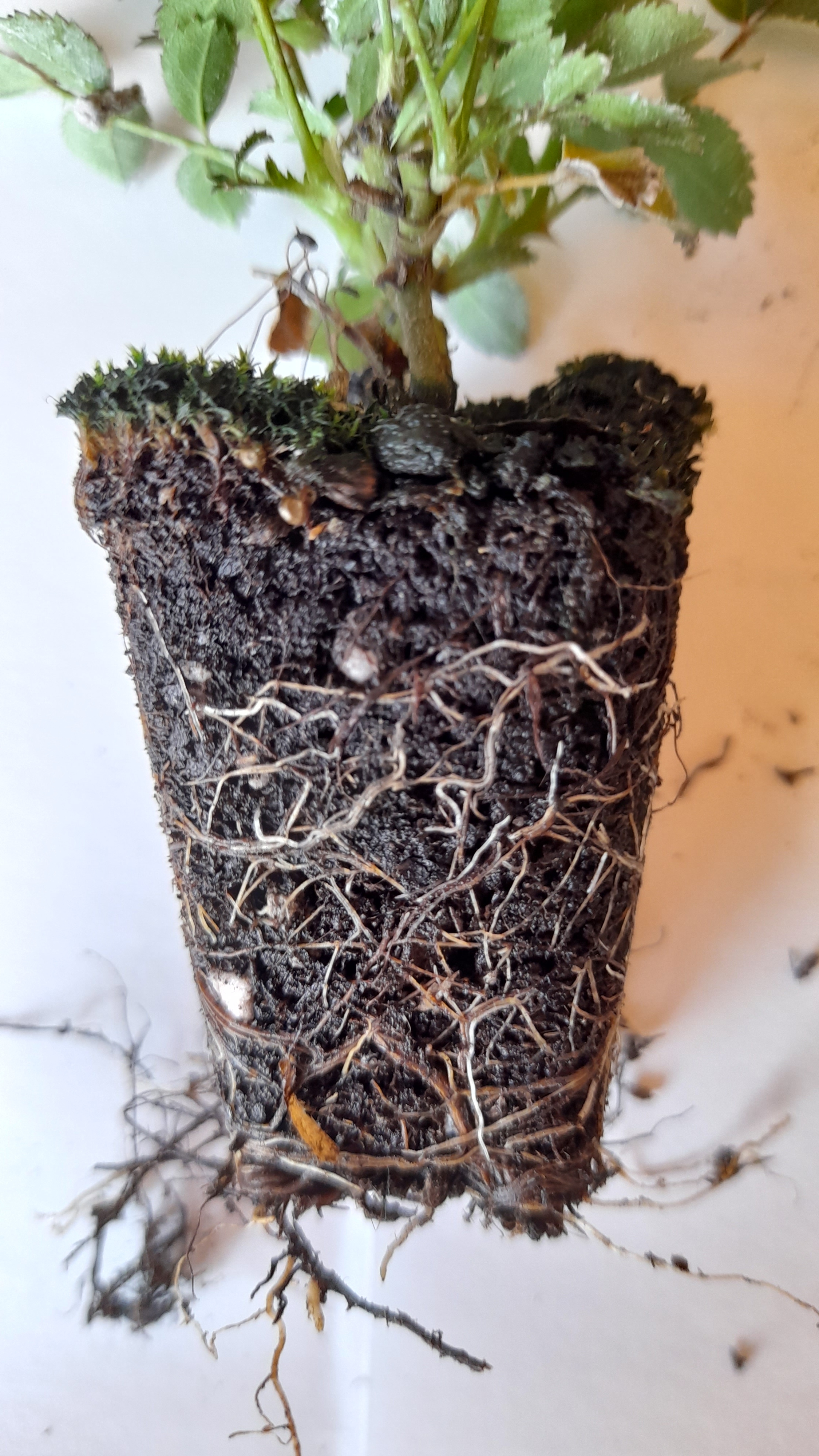
Uniform developmental stage, with a root system that has thoroughly penetrated the plug.
For professional growing‑on.
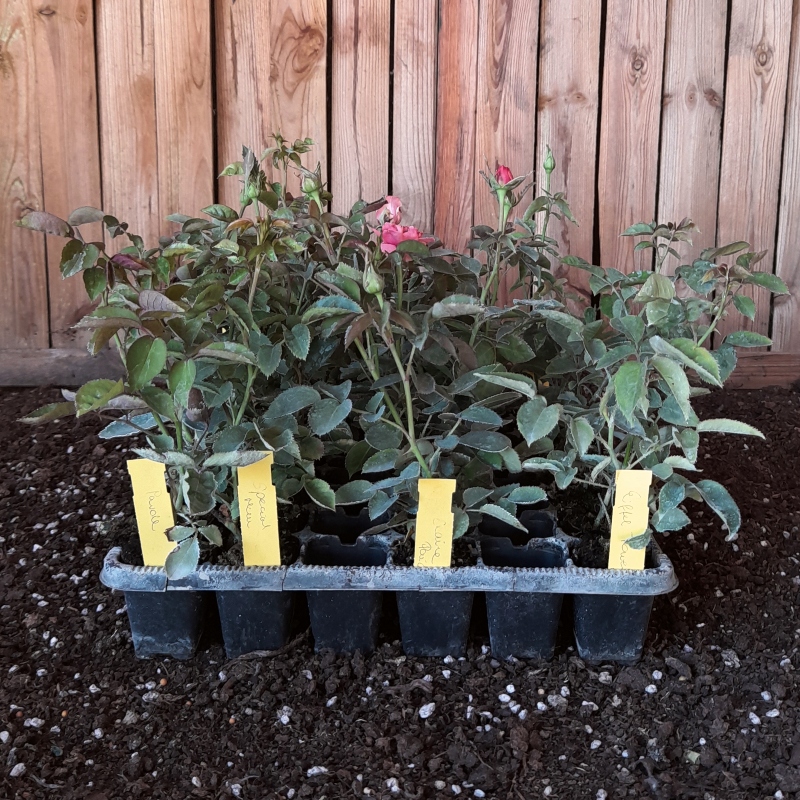
Tray packaging: 10 pcs/tray.
Quality and varietal identity: production supported by a dedicated identification and traceability logic.
Can be transplanted during frost‑free periods, designed for finished product production.

PharmaRosa® NEONATAL provides a controlled, uniform starting stock for planned growing‑on that can be integrated into your own technology – especially where scheduling and varietal identity are paramount.


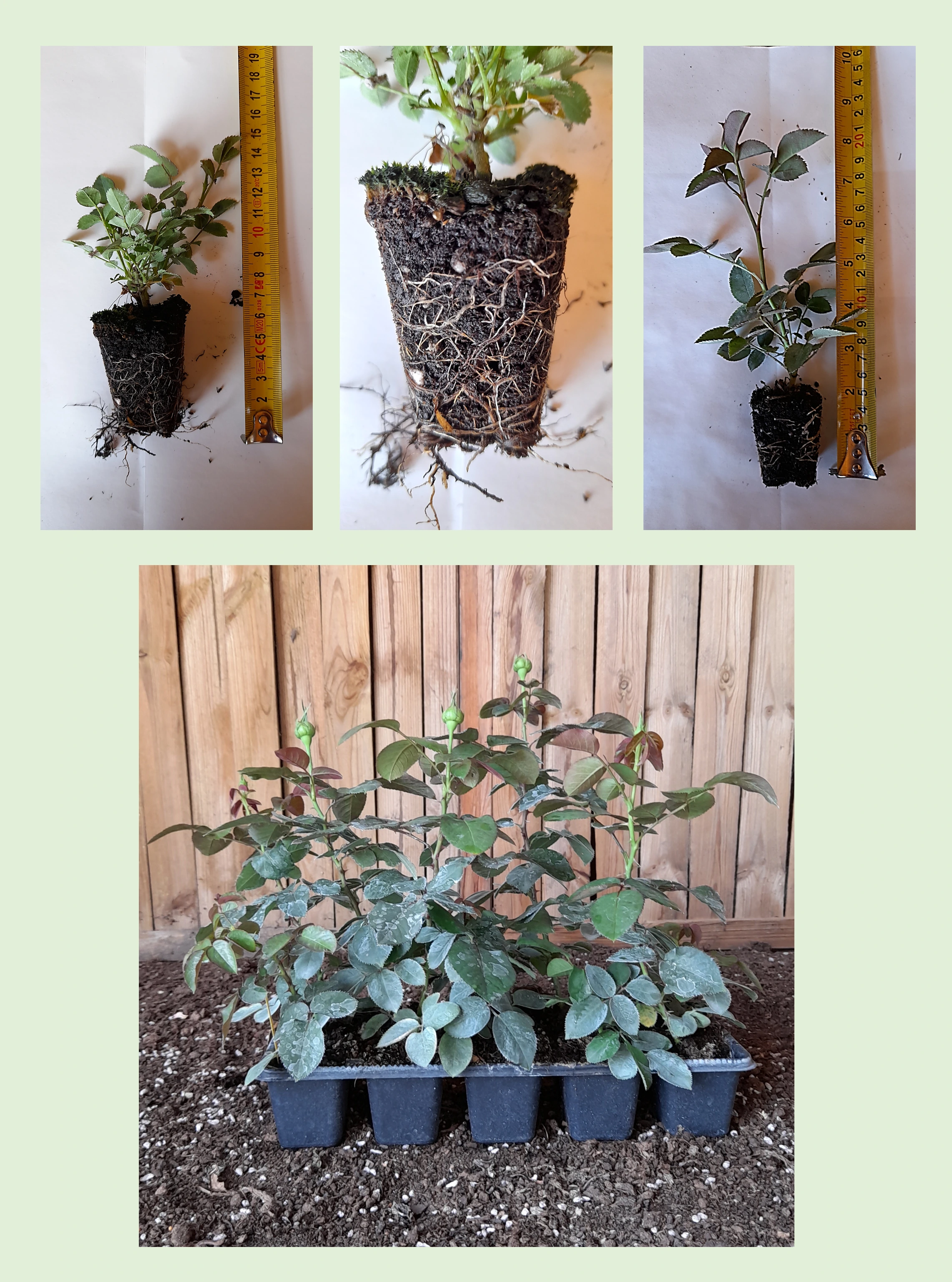
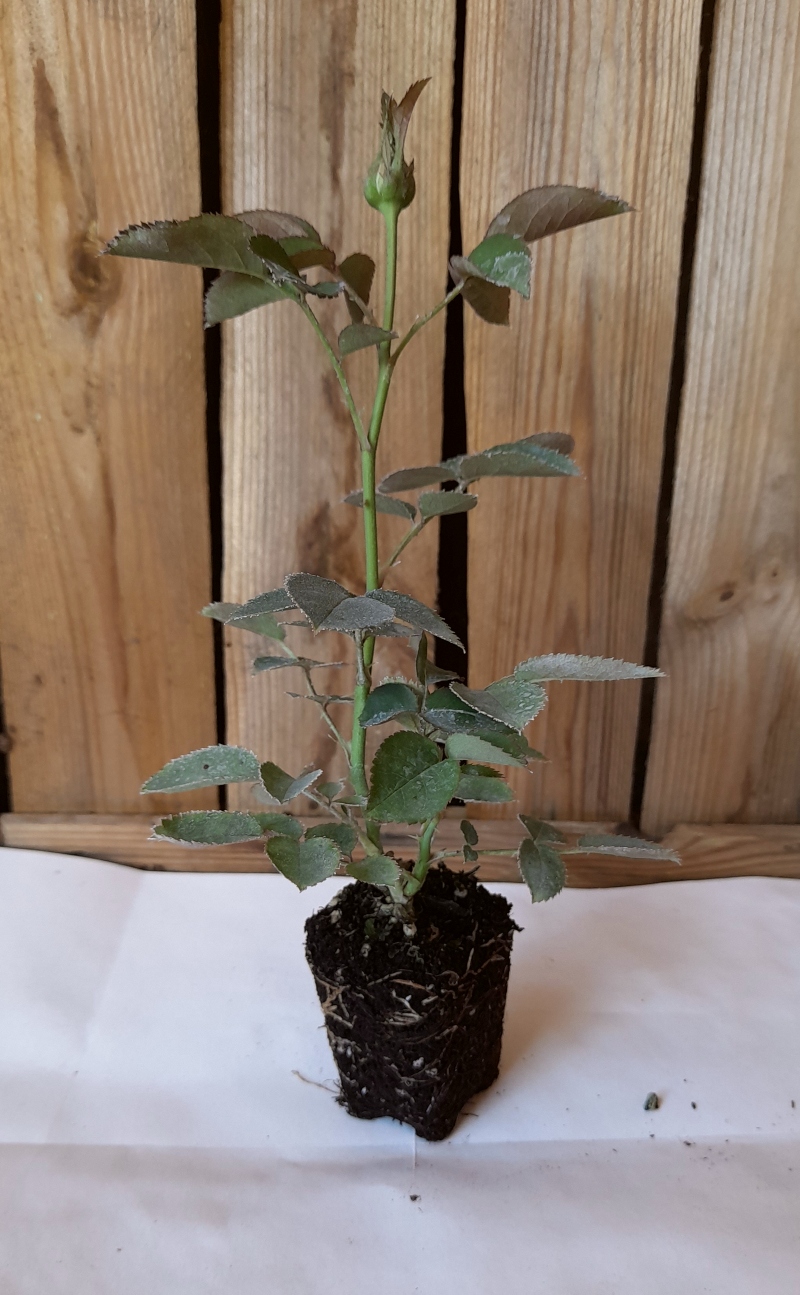
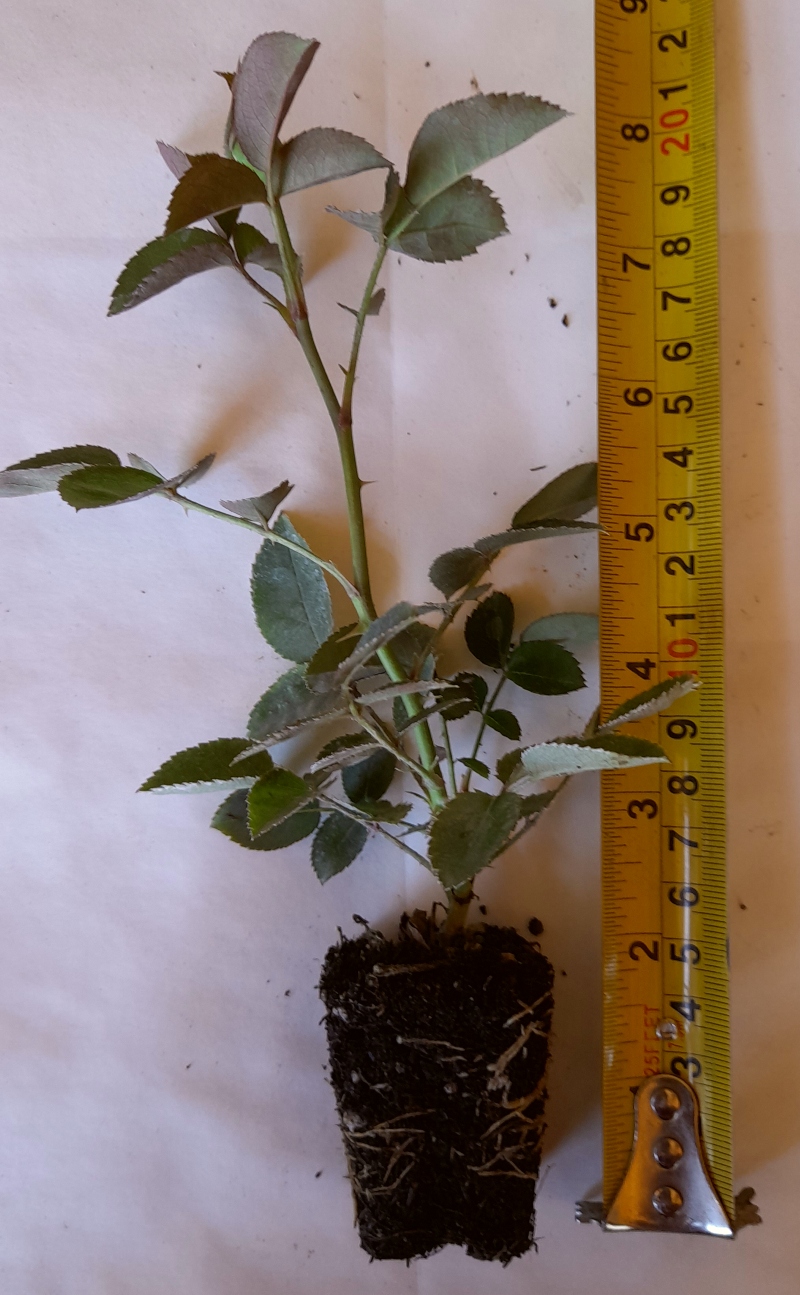
PharmaRosa® NEONATAL own-rooted rose propagation material in a plug, with a root system penetrating the plug (semi-finished product / semi-finished rose). PharmaRosa® NEONATAL rose propagation material size: 3–6‑month‑old, own-rooted cutting with a uniform developmental stage. PharmaRosa® NEONATAL rose propagation material root system: plug densely penetrated by well-developed white roots (root system detail). PharmaRosa® NEONATAL tray stock: own-rooted rose propagation material in trays, uniform developmental stage (10 pcs/tray).

Captions (from left to right): Semi-finished product (NEONATAL own-rooted rose propagation material in a plug with a fully developed root system) • Size demonstration (3–6‑month‑old, uniform cutting) • Root system detail (plug penetrated by the root system) • Tray stock (10 pcs/tray, uniform developmental stage)

pharmarosaneonatal.hupharmarosaneonatal.atpharmarosaneonatal.co.ukpharmarosaneonatal.czpharmarosaneonatal.depharmarosaneonatal.ropharmarosaneonatal.sipharmarosaneonatal.skpharmarosaneonatal.itpharmarosaneonatal.frpharmarosaneonatal.nlpharmarosaneonatal.plpharmarosaneonatal.lupharmarosaneonatal.ptpharmarosaneonatal.espharmarosaneonatal.ltpharmarosaneonatal.sepharmarosaneonatal.lvpharmarosaneonatal.eepharmarosaneonatal.fi

Which product type is right for you?

Pages for private customers
Garden roses for the family garden, with minimal care  → ORIGINAL®
Premium garden roses – instant impact, a truly showpiece garden  → EXTRA®
Pages for professionals and private customers
Roses for public spaces – large areas, sustainable maintenance  → NATURAL®
Roses for projects – hedge and row planting, fast implementation  → RAPID®
For professional partners only
Production – propagation material for garden roses, wholesale  → NEONATAL®

Company details

PharmaRosa Ltd.
Company registration number: 01-09-717479
VAT number: 13075314-2-43
Plant health registration no.: HU130721
Bank account (IBAN):
HU85117631891388688400000000
BIC (SWIFT): OTPVHUHB
Bank name: OTP Bank Nyrt.