Adelaide Hoodless – park shrub rose propagation material
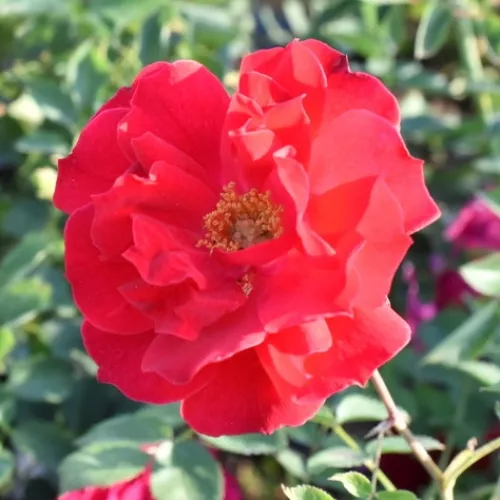
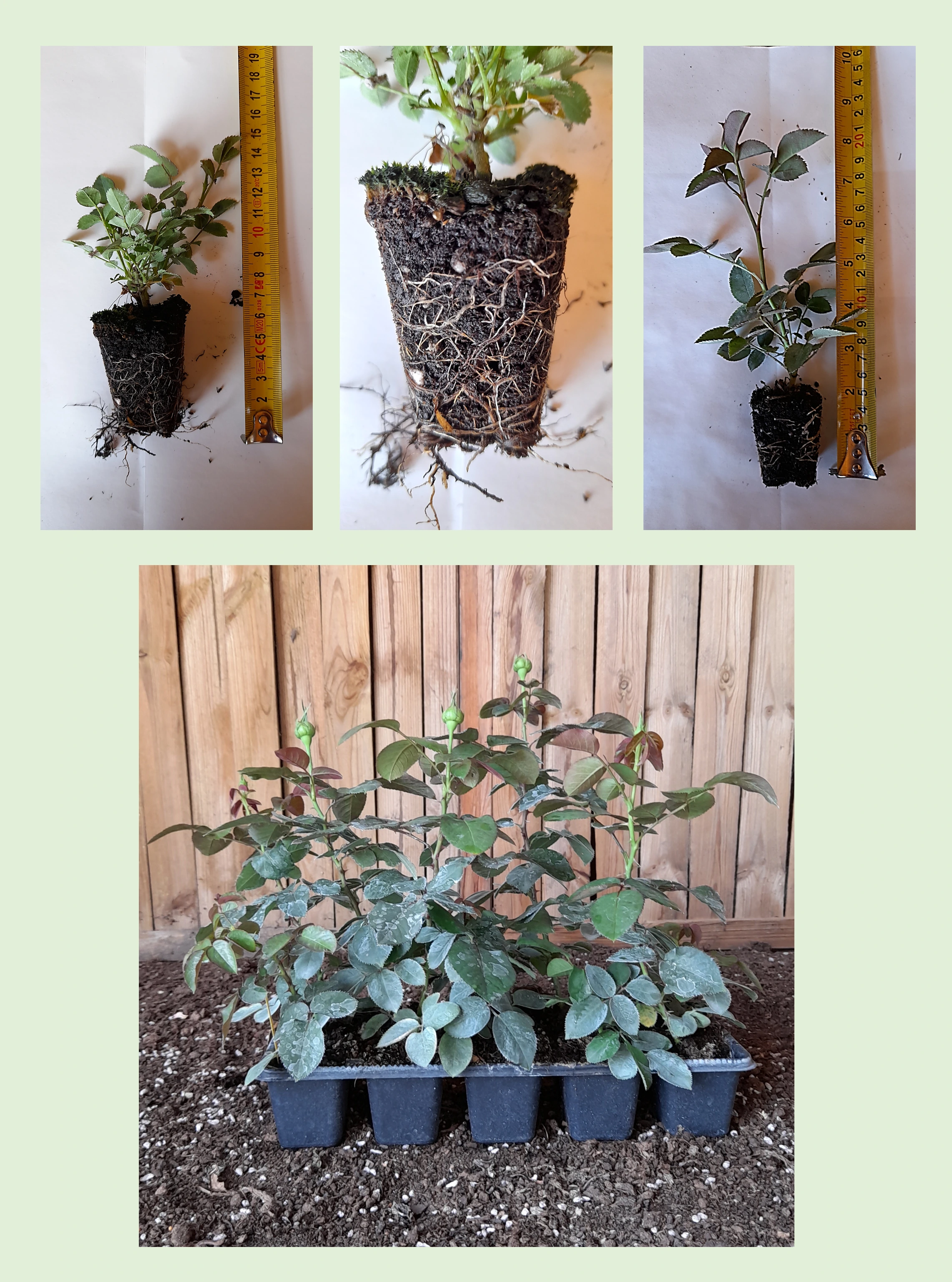
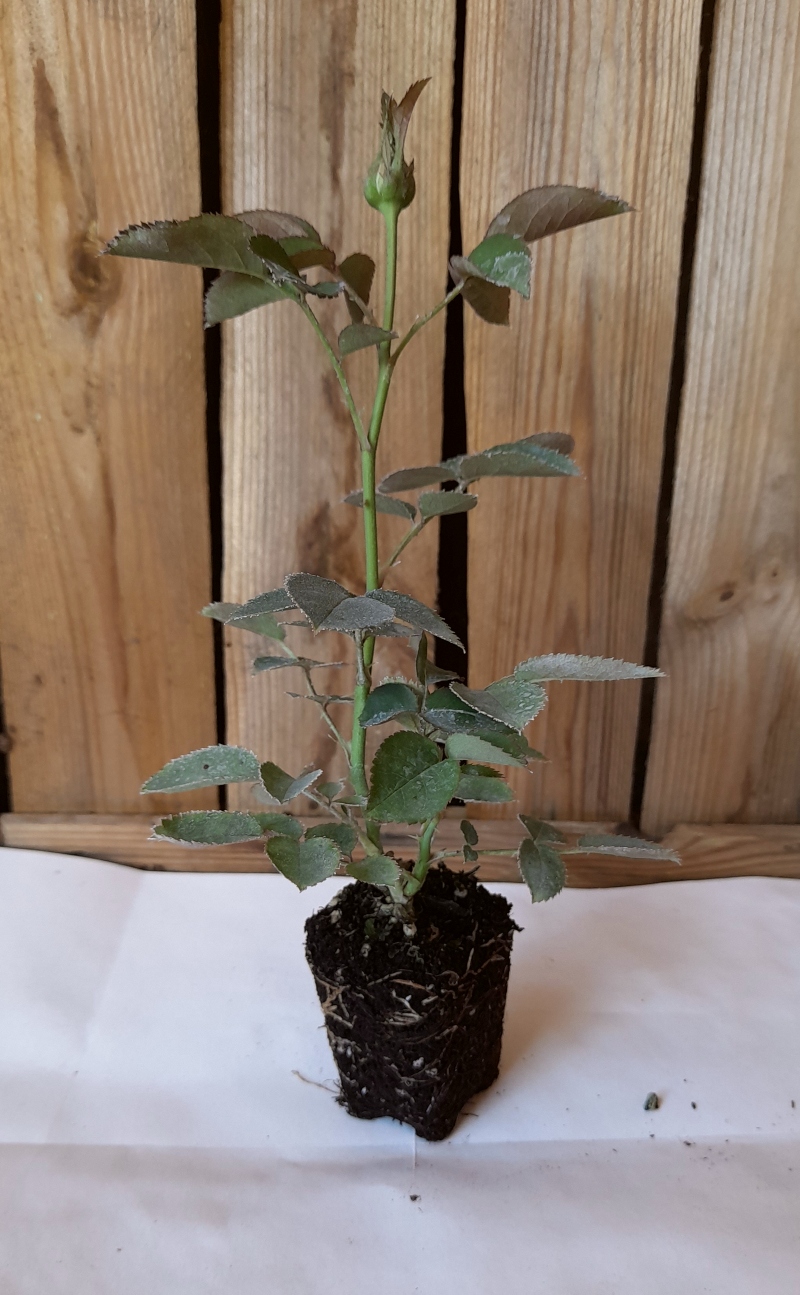
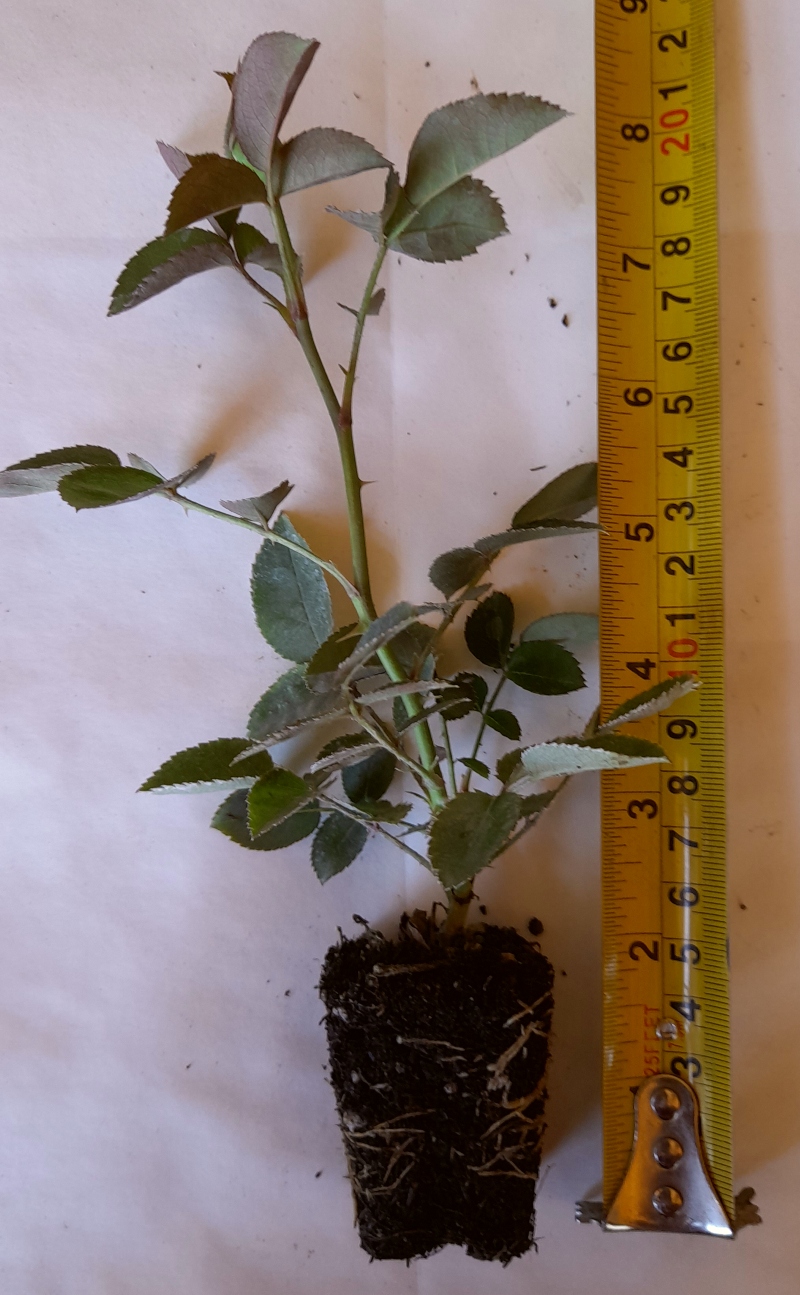
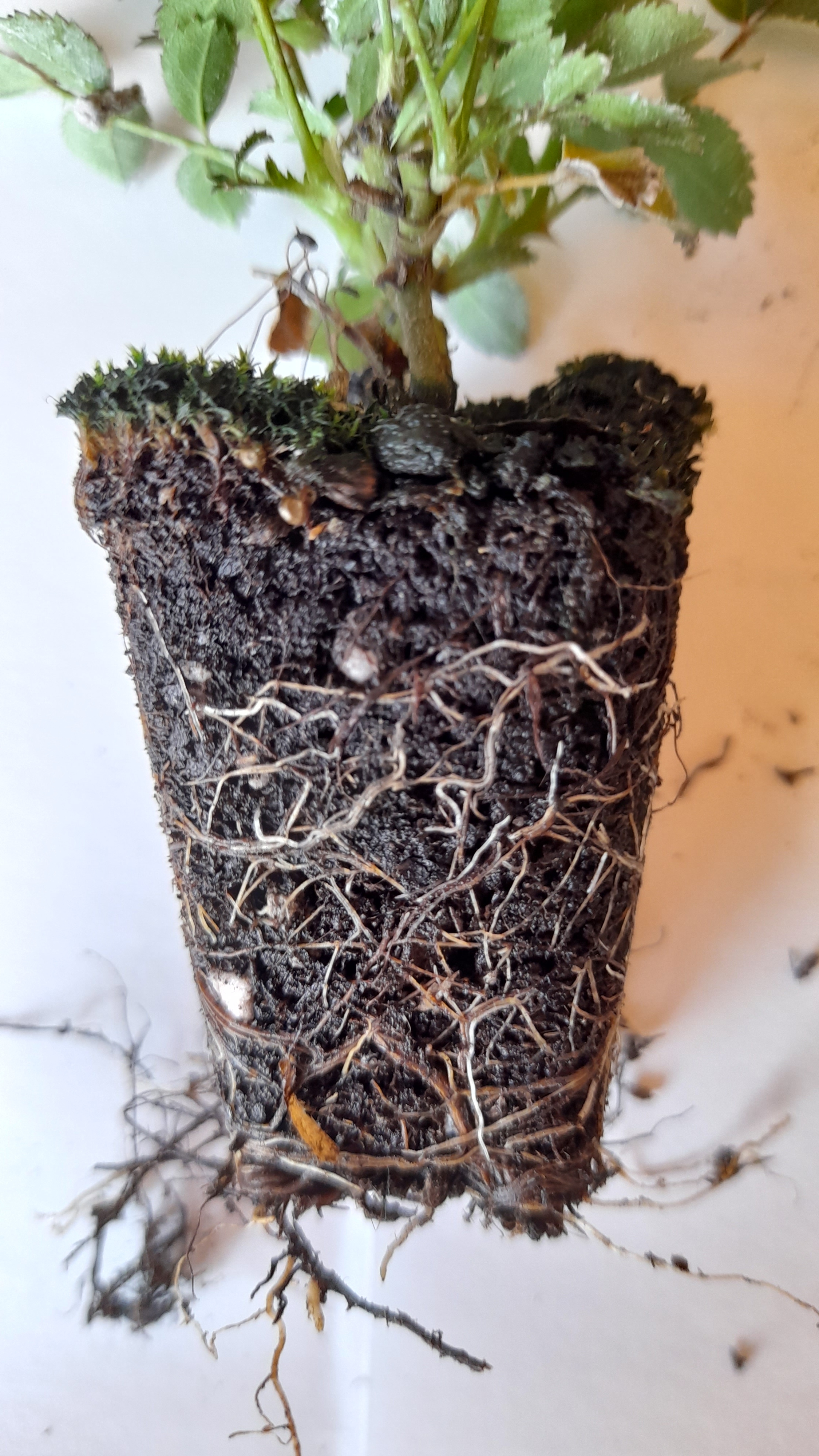
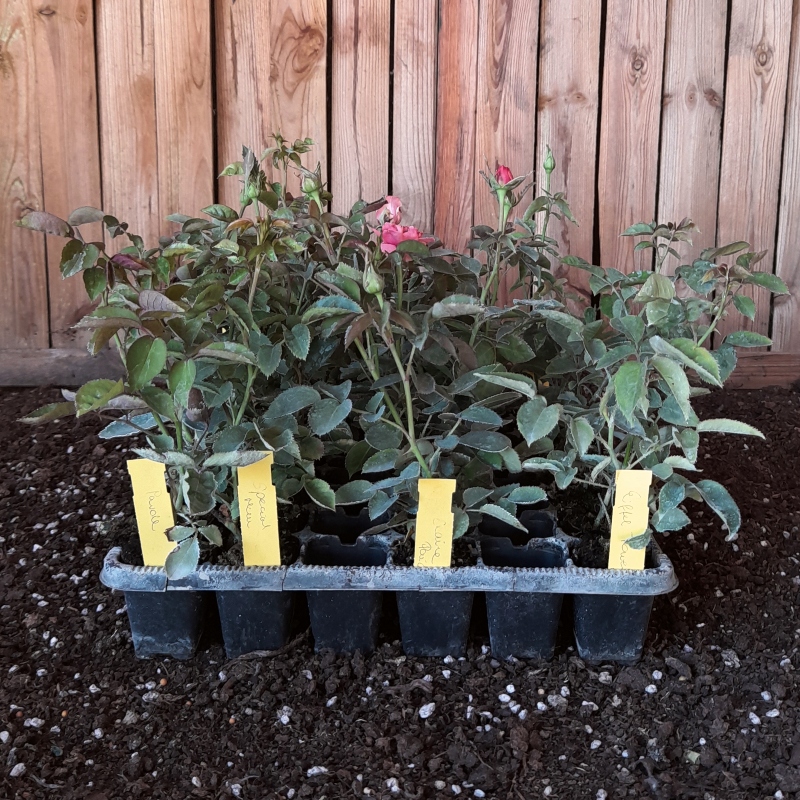
For nurseries and wholesalers aiming to build reliable park and landscape rose programmes, Adelaide Hoodless offers a resilient shrub option in pharmaROSA® NEONATAL own‑root form. This compact, bush‑trained material supports standard‑container workflows (recommended standard 2–3 L route, scalable upwards into 40–50 litre landscape formats) while balancing upright vigour with dense foliage for structured, uniform plantings. Its combination of very strong winter hardiness and good heat tolerance supports UK production planning across regions, including cooler northern sites where winter and wind exposure are common. The variety’s remontant, cluster‑flowered flowering habit and medium‑red colour positioning match “reliable garden performance” expectations for retail and reseller channels, especially in thematic and collection plantings. Own‑root technology underpins long‑term sustainability of stock blocks and collection beds, offering predictable renewal and low replacement over time; typically roots establish in the first year, shoots bulk in the second, and full ornamental performance is expressed from the third season in finished landscape or collection settings. With recognised garden merit and stable, moderate maintenance of plant form, Adelaide Hoodless fits well into wholesale‑scale offers where consistent supply and cultivar identity are priorities.
Usage options
Finished-product ideas
- 2–3 L park shrub line – Upright, compact bush form and bright mid‑red clusters positioned as a “standard finished product” in 2–3 L containers, built from own‑root NEONATAL for reliable garden performance – target: garden centres and retail chains.
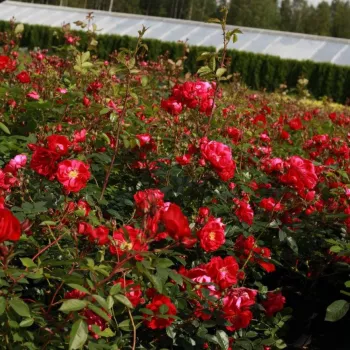
- Landscape 40–50 L feature shrub – Use strong hardiness and heat/drought resilience to produce larger 40–50 litre specimens from own‑root stock for public parks and urban green‑space schemes – target: landscape contractors via wholesale nurseries.
- Thematic collection accession – Introduce this awarded park shrub as a named accession in rose collections, propagated on own roots in standard containers before field or large‑pot establishment – target: show gardens and institutional collections.
- Colour‑coded red shrub series – Integrate its stable medium‑red flowering and upright shrub habit into a colour‑tiered shrub series, using uniform 2–3 L containers for clear bench presentation – target: retailers seeking structured shrub assortments.
- Cold‑climate hardy range – Build a hardy shrub range anchored by this very winter‑resistant cultivar, propagated as own‑root cuttings then finished in standard pots for northern and exposed sites – target: regional wholesalers and export‑oriented growers.
Technical cultivar profile
| Parameter |
Data |
| Name and registration |
Shrub rose in the Park – shrub rose collection, commercial type park rose; current trade name Adelaide Hoodless Park – shrub rose Marshall; ARS exhibition name Adelaide Hoodless; former and registered names not provided. |
| Origin and breeding |
Bred by Dr Henry H. Marshall at Agriculture and Agri‑Food Canada, Morden Research Station, from ‘Fire King’ floribunda × (‘J.W. Fargo’ × ‘Assiniboine’) seedling; bred 1964, introduced and registered in 1973 via Canadian Ornamental Plant Foundation. |
| Awards and recognition |
Holds the RHS Award of Garden Merit, indicating independently verified, dependable performance under garden conditions when grown with appropriate care and protection; no other awards or collector recommendations provided. |
| Growth and structural characteristics |
Upright shrub with dense, dark green, glossy foliage; height and spread 110–190 cm; moderately thorny shoots. Self‑cleaning is moderate, with most spent flowers dropping but light dead‑heading advised to support stronger reblooming cycles. |
| Flower morphology |
Semi‑double, small (0.5–1.5 in) flat flowers produced in clusters; petal count 13–25. Remontant behaviour with an abundant second flowering phase, giving extended seasonal interest when cultural and protection requirements are met. |
| Colour data and phenology |
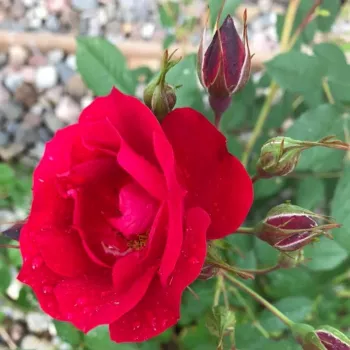
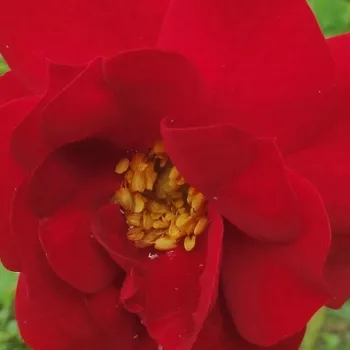
Colour class red with ARS MR and RHS 53B outer / 53A inner codes; clear medium‑red on opening, uniform bright mid‑red in full bloom, slightly darker petal undersides, fading in heat and strong sun towards a softer raspberry‑red tone. |
| Fragrance and aroma |
Very weak fragrance overall, with only a delicate rosy character detectable at close range; not positioned as a scented cultivar and not specified for fragrance‑oriented uses or cosmetic or soap applications in professional production. |
| Hip characteristics |
Hip production generally low; when present, forms ovoid, orange‑red hips about 7–13 mm diameter. Hips are incidental to the main ornamental value and should not be relied on as a primary fruiting feature in design or product planning. |
| Resistance and winter hardiness |
Extremely hardy, down to approximately −43 to −40 °C (RHS H7, Swedish zone 7, USDA 2b). Disease profile mixed: resistant to black spot but very sensitive to powdery mildew and rust, requiring regular plant protection and higher maintenance regimes. |
| Horticultural recommendations |
Recommended for flower beds, parks, specimen use, cut flower cutting and urban green spaces. Maintenance requirement is high due to disease sensitivity; works best in professionally managed plantings with standard container production from bush‑trained, compact material. |
Adelaide Hoodless combines upright shrub structure, proven hardiness and own‑root longevity into a predictable, regenerating propagation base that can anchor reliable park‑shrub assortments; we suggest aligning early on volumes, timelines and mother‑stock planning.