Park shrub rose

21-449-1
21-449-2

Adelaide Hoodless

Park - shrub rose

- – Dr. Henry H. Marshall

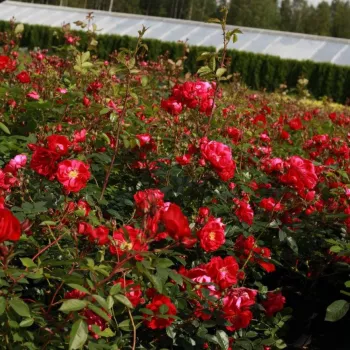
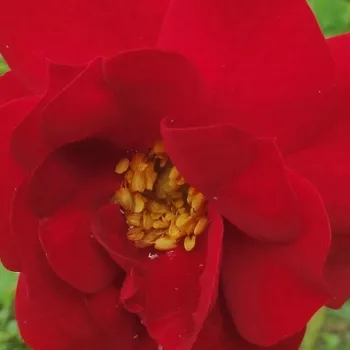
Uniform, bright mid-red shade with a slightly warm tone. - park rose - very weak, barely noticeable scented rose - delicate, rosy character

– Compact, upright shrub for borders and parks.
– Abundant cluster-flowered, semi-double blooms.
– Clear, bright mid-red colour holds well.
– Excellent winter hardiness to USDA zone 2b.
– Tolerates heat and moderate drought once established.
Special feature: Recognised with the RHS Award of Garden Merit for reliable garden performance.
Standard finished product
Adelaide Hoodless
pharmaROSA® NEONATAL rooted rose cutting
28,34 £
Due to courier service regulations – and the introduction of customs clearance – delivery to Ireland is temporarily suspended.
4 (5809)
facebook   twitter

Adelaide Hoodless – park shrub rose propagation material

For nurseries and wholesalers aiming to build reliable park and landscape rose programmes, Adelaide Hoodless offers a resilient shrub option in pharmaROSA® NEONATAL own‑root form. This compact, bush‑trained material supports standard‑container workflows (recommended standard 2–3 L route, scalable upwards into 40–50 litre landscape formats) while balancing upright vigour with dense foliage for structured, uniform plantings. Its combination of very strong winter hardiness and good heat tolerance supports UK production planning across regions, including cooler northern sites where winter and wind exposure are common. The variety’s remontant, cluster‑flowered flowering habit and medium‑red colour positioning match “reliable garden performance” expectations for retail and reseller channels, especially in thematic and collection plantings. Own‑root technology underpins long‑term sustainability of stock blocks and collection beds, offering predictable renewal and low replacement over time; typically roots establish in the first year, shoots bulk in the second, and full ornamental performance is expressed from the third season in finished landscape or collection settings. With recognised garden merit and stable, moderate maintenance of plant form, Adelaide Hoodless fits well into wholesale‑scale offers where consistent supply and cultivar identity are priorities.


Usage options

Target area Reasoning
Landscape and park bed production (standard containers) The upright shrub habit and dense foliage structure translate into visually solid, repeatable park and flower‑bed units in the recommended standard 2–3 L container route. As own‑root, this material lends itself to building long‑term nursery stock for public and institutional projects, supporting “reliable garden performance” specifications for retail/reseller lines feeding into municipal frameworks. Once established, strong winter and wind tolerance help maintain stands in exposed UK northern sites, aligning with large‑scale landscape supply. For nurseries building landscape-capable retail ranges
Collection and thematic rose gardens Recognition through a major garden merit award and its defined park–shrub classification make Adelaide Hoodless a credible choice for thematic and collection plantings where named cultivars matter. Own‑root NEONATAL material is well suited to cultivar maintenance blocks and gene‑bank style beds, using the standard container route as a staging step before field or large‑pot planting (40–50 litre and above) in show gardens. The positioning around reliable garden performance increases confidence in long‑term inclusion within curated ranges. For curators and specialist collection nurseries
Cold‑climate and overwintered production programs With hardiness down to around −40 °C and a high RHS hardiness class, this cultivar integrates efficiently into overwintered container or field programmes where loss rates must be tightly controlled. Using 3–6‑month own‑root cuttings into standard 2–3 L pots enables staged hardening and reliable carry‑over of stock, while still serving the “standard finished product” positioning. This combination supports predictable capacity for northern UK and export‑oriented growers supplying cold‑exposed planting schemes. For growers prioritising robust overwintered shrub roses
High‑turnover shrub rose for retail / reseller lines The compact, bush‑trained character and cluster‑flowered, medium‑red presentation provide a clear, easily communicated product identity within mainstream shrub assortments. The recommended standard container path fits common retail specifications, allowing efficient bench density and logistics. Own‑root production offers longevity in mother beds and stable quality across batches, helping retailers uphold a “reliable garden performance” promise over successive seasons without frequent re‑selections. For volume-focused retail and garden-centre suppliers
Remontant flowering feature for continuous‑colour schemes Adelaide Hoodless combines semi‑double, cluster‑flowered morphology with remontant behaviour and an abundant second flush, which is useful for planners building continuous‑colour shrub mixes. Using NEONATAL cuttings into 2–3 L pots allows growers to time crop cycles so that finished material is in active or near‑bud stage at dispatch. This supports retail and reseller positioning where dependable repeat flowering underpins customer satisfaction in beds, borders, and public‑realm schemes. For programme managers planning season-long colour windows
Heat‑tolerant, drought‑resilient shrub in mixed climate portfolios The combination of good heat tolerance and moderate drought resilience after establishment allows this cultivar to act as a bridging item in portfolios serving projects from cooler to warmer UK regions. Own‑root stock stands in nursery beds handle production loads and periodic stress with lower long‑term replacement, especially when grown first in standard 2–3 L pots then shifted into 40–50 litre units for demanding sites. This supports the “reliable garden performance” value proposition across varied project briefs. For suppliers covering diverse regional climate contracts
Colour‑defined red shrub for structured assortment planning The uniform, bright mid‑red colour, with controlled fading toward a soft raspberry tone, allows precise placing of Adelaide Hoodless within red shrub price and colour ladders. Semi‑double, small‑flowered clusters give a clear visual signature in benches and catalogues. With own‑root propagation, nurseries can keep a stable cultivar identity in stock beds and production cycles, supporting consistent listing as a standard finished product in retailer assortments. For category managers building balanced red shrub segments
Managed‑care lines where regular plant protection is accepted This cultivar’s disease profile, with sensitivity to powdery mildew and rust, suits professional programmes where regular plant protection and higher maintenance are standard practice. In such frameworks, own‑root NEONATAL plants provide the structural benefit of upright growth and dense foliage while growers integrate protective regimes into standard 2–3 L shrub schedules. In return, retailers can still trade on its proven garden merit and reliable performance narrative. For professionally managed nursery networks with established protection protocols

Finished-product ideas

  • 2–3 L park shrub line – Upright, compact bush form and bright mid‑red clusters positioned as a “standard finished product” in 2–3 L containers, built from own‑root NEONATAL for reliable garden performance – target: garden centres and retail chains.
  • Landscape 40–50 L feature shrub – Use strong hardiness and heat/drought resilience to produce larger 40–50 litre specimens from own‑root stock for public parks and urban green‑space schemes – target: landscape contractors via wholesale nurseries.
  • Thematic collection accession – Introduce this awarded park shrub as a named accession in rose collections, propagated on own roots in standard containers before field or large‑pot establishment – target: show gardens and institutional collections.
  • Colour‑coded red shrub series – Integrate its stable medium‑red flowering and upright shrub habit into a colour‑tiered shrub series, using uniform 2–3 L containers for clear bench presentation – target: retailers seeking structured shrub assortments.
  • Cold‑climate hardy range – Build a hardy shrub range anchored by this very winter‑resistant cultivar, propagated as own‑root cuttings then finished in standard pots for northern and exposed sites – target: regional wholesalers and export‑oriented growers.

Technical cultivar profile
Parameter Data
Name and registration Shrub rose in the Park – shrub rose collection, commercial type park rose; current trade name Adelaide Hoodless Park – shrub rose Marshall; ARS exhibition name Adelaide Hoodless; former and registered names not provided.
Origin and breeding Bred by Dr Henry H. Marshall at Agriculture and Agri‑Food Canada, Morden Research Station, from ‘Fire King’ floribunda × (‘J.W. Fargo’ × ‘Assiniboine’) seedling; bred 1964, introduced and registered in 1973 via Canadian Ornamental Plant Foundation.
Awards and recognition Holds the RHS Award of Garden Merit, indicating independently verified, dependable performance under garden conditions when grown with appropriate care and protection; no other awards or collector recommendations provided.
Growth and structural characteristics Upright shrub with dense, dark green, glossy foliage; height and spread 110–190 cm; moderately thorny shoots. Self‑cleaning is moderate, with most spent flowers dropping but light dead‑heading advised to support stronger reblooming cycles.
Flower morphology Semi‑double, small (0.5–1.5 in) flat flowers produced in clusters; petal count 13–25. Remontant behaviour with an abundant second flowering phase, giving extended seasonal interest when cultural and protection requirements are met.
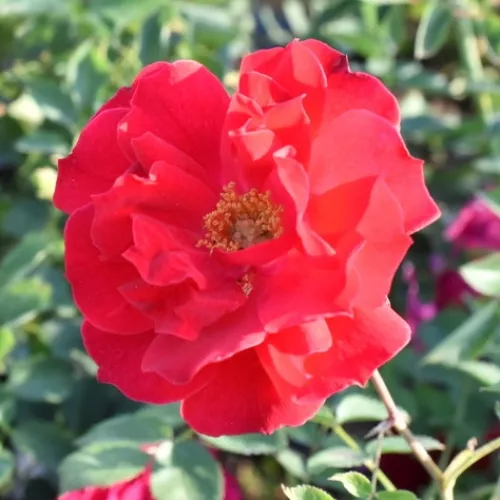
Colour data and phenology Colour class red with ARS MR and RHS 53B outer / 53A inner codes; clear medium‑red on opening, uniform bright mid‑red in full bloom, slightly darker petal undersides, fading in heat and strong sun towards a softer raspberry‑red tone.
Fragrance and aroma Very weak fragrance overall, with only a delicate rosy character detectable at close range; not positioned as a scented cultivar and not specified for fragrance‑oriented uses or cosmetic or soap applications in professional production.
Hip characteristics Hip production generally low; when present, forms ovoid, orange‑red hips about 7–13 mm diameter. Hips are incidental to the main ornamental value and should not be relied on as a primary fruiting feature in design or product planning.
Resistance and winter hardiness Extremely hardy, down to approximately −43 to −40 °C (RHS H7, Swedish zone 7, USDA 2b). Disease profile mixed: resistant to black spot but very sensitive to powdery mildew and rust, requiring regular plant protection and higher maintenance regimes.
Horticultural recommendations Recommended for flower beds, parks, specimen use, cut flower cutting and urban green spaces. Maintenance requirement is high due to disease sensitivity; works best in professionally managed plantings with standard container production from bush‑trained, compact material.

Adelaide Hoodless combines upright shrub structure, proven hardiness and own‑root longevity into a predictable, regenerating propagation base that can anchor reliable park‑shrub assortments; we suggest aligning early on volumes, timelines and mother‑stock planning.

Detailed product attributes

Product Identification Data

Product Name: ADELAIDE HOODLESS – red park rose - Marshall
Product Type: pharmaROSA® NEONATAL - rooted rose cutting
Cultivar Authenticity: Verified:25.07.2025
Cultivar Quality Rating: premium bronze
Item Number: [1442] 21-449 (14.02.2026) pharmarosaneonatal.co.uk

Name and Registration

Meaning of Cultivar Name: The name is a female given name.
Original Trade Name: Adelaide Hoodless
Current Trade Name: Adelaide Hoodless Park - shrub rose Marshall
Rose Group: Shrub
Commercial Type: park rose
Commercial Group: Park - shrub rose
Exhibition Category: shrub rose
Collection: Park - shrub rose

Origin and Breeding

Initial Distributor: Canadian Ornamental Plant Foundation (Canada)
Breeder: Dr. Henry H. Marshall
Breeding Company / Institution: Agriculture and Agri‑Food Canada, Morden Research Station (Manitoba, Canada)
Breeding Year: Canada, 1964
Parentage: ‘Fire King’ floribunda × (‘J.W. Fargo’ × ‘Assiniboine’) seedling

Awards and Honours

Horticultural Ratings and Recommendations: RHS Award of Garden Merit
Competition and Show Awards: RHS Award of Garden Merit

Growth and Structural Characteristics

Height: 3.6-6.2ft (110-190 cm)
Spread: 3.6-6.2ft (110-190 cm)
Growth Habit: upright
Foliage: This variety has dense foliage, with leaves that have a glossy surface and a dark green hue.
Prickliness: moderately thorny
Self-Cleaning Description: Most spent flowers fall off by themselves, but for better reblooming it is advisable to remove them.
Self-Cleaning Intensity: Self-cleaning: moderate.

Flower Morphology

Petal Count: 13-25
Flower Fullness: semi-double
Flower Shape: flat
Flower Size: S (0,5-1,5 in)
Inflorescence Type: cluster-flowered
Colour Code: ARS code: MR RHS code: 53B (outer), 53A (inner)
Repeat Flowering: Remontant, with an abundant second flowering.

Colour Data and Phenology

Colour: red
Flower Colour Description: Uniform, bright mid-red shade with a slightly warm tone.
Closed Bud: Deep, velvety red with a subtle sheen.
Newly Opened Flower: Clear, medium‑red petals with a barely darkening shade at the edge.
Full Bloom: Uniform medium red, with the undersides of the petals a slightly darker shade.
Before Fading: The red colour slightly fades, shifting towards a soft raspberry-red shade.
Colour Fading Description: In hot weather and strong sunlight the colour may lighten slightly.

Fragrance and Aroma

Fragrance Strength: very weak, barely noticeable scented rose
Fragrance Character: delicate, rosy character
Pollinator Attraction: Its heavily double flowers make it poorly attractive to pollinators, as double (rather than simple or semi‑double) forms often conceal the stamens and limit access to pollen and nectar.
Pollinator-Friendly Rating: Despite its semi-double flowers, it is not very attractive to pollinators, so its pollinator-friendliness is limited.

Hip Characteristics

Hip Shape: ovoid
Hip Colour: orange-red
Hip Comment: Hip production is expected to be low; occasionally produces egg-shaped, orange-red hips 7–13 mm in diameter.

Resistance and Hardiness

Hardiness (°C): -43–-40 °C
Heat and Drought Tolerance Description: Tolerates heat well; once established it withstands moderate drought.
Disease Resistance: sensitive
  • powdery mildew – very sensitive
  • black spot – resistant
  • rust – very sensitive

Horticultural Recommendations

Recommended product path: Standard container
Release form: Bush-trained, compact plant
Recommended use: Maintenance requirement high; regular plant protection is necessary due to poor disease resistance.
Primary Uses: flower bed, park, specimen, cut flower, urban green space

Comments

Positioning: Standard finished product
Target customer/channel: Retail / reseller
Main value proposition: Reliable garden performance
ADELAIDE HOODLESS – red park rose - Marshall
Uniform, bright mid-red shade with a slightly warm tone. - park rose - very weak, barely noticeable scented rose - delicate, rosy character
Online rose order - red - very weak, barely noticeable scented rose - Adelaide Hoodless - park rose - (3.6-6.2ft (110-190 cm))
Inflorescence: cluster-flowered Height: 3.6-6.2ft (110-190 cm) Flower shape: flat Winter hardiness: 6b red - Canadian Ornamental Plant Foundation (Canada) park rose - Flower size: S (0,5-1,5 in) Flower size: S (0,5-1,5 in) - Height: 3.6-6.2ft (110-190 cm) Height: 3.6-6.2ft (110-190 cm) - Flower fullness: semi-double Adelaide Hoodless - Roses in the garden | pharmaROSA® Neonatal - premium bronze Dr. Henry H. Marshall

We showcase the external appearance of the roses available for online purchase from our webshop.


Which product type is right for you?


PharmaRosa® NEONATAL is the cost‑effective starting point for rose product production.

As a uniform, own‑rooted propagation material, it provides a stable basis for further growing-on and can be integrated flexibly into different finished product production technologies.
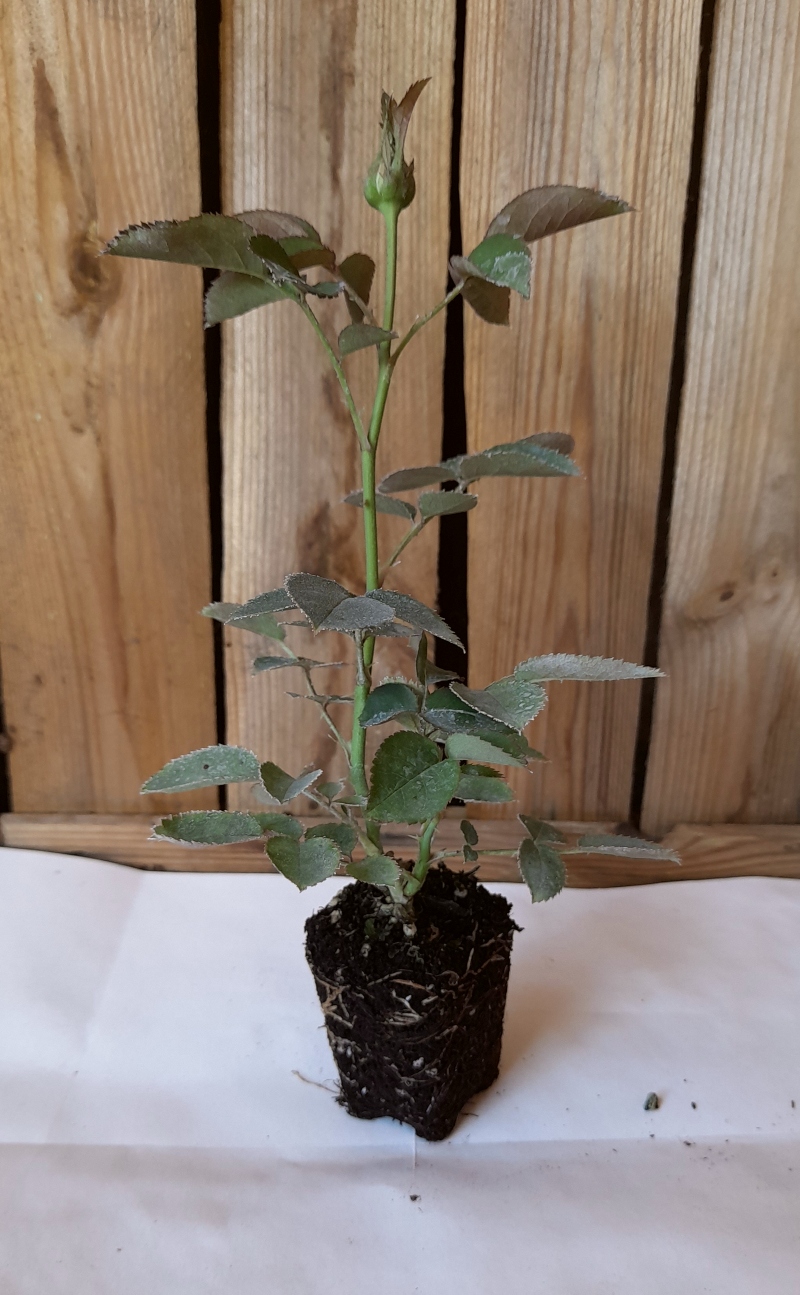
Rooted in trays (rooted), 3–6‑month‑old, own‑rooted rose cutting.

Uniform developmental stage, with a root system that has thoroughly penetrated the plug.
For professional growing‑on.
Tray packaging: 10 pcs/tray.
Quality and varietal identity: production supported by a dedicated identification and traceability logic.
Can be transplanted during frost‑free periods, designed for finished product production.

PharmaRosa® NEONATAL provides a controlled, uniform starting stock for planned growing‑on that can be integrated into your own technology – especially where scheduling and varietal identity are paramount.


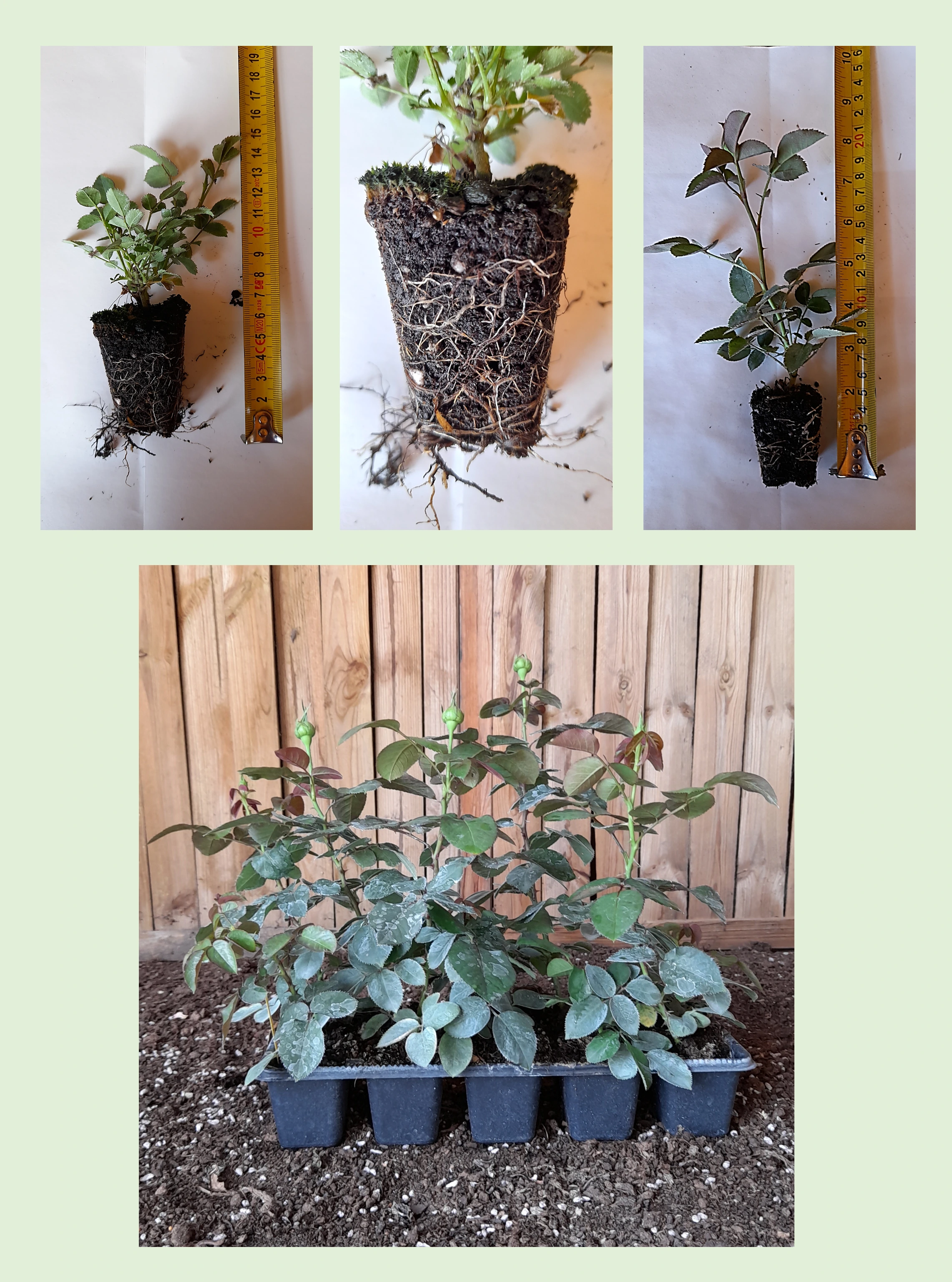
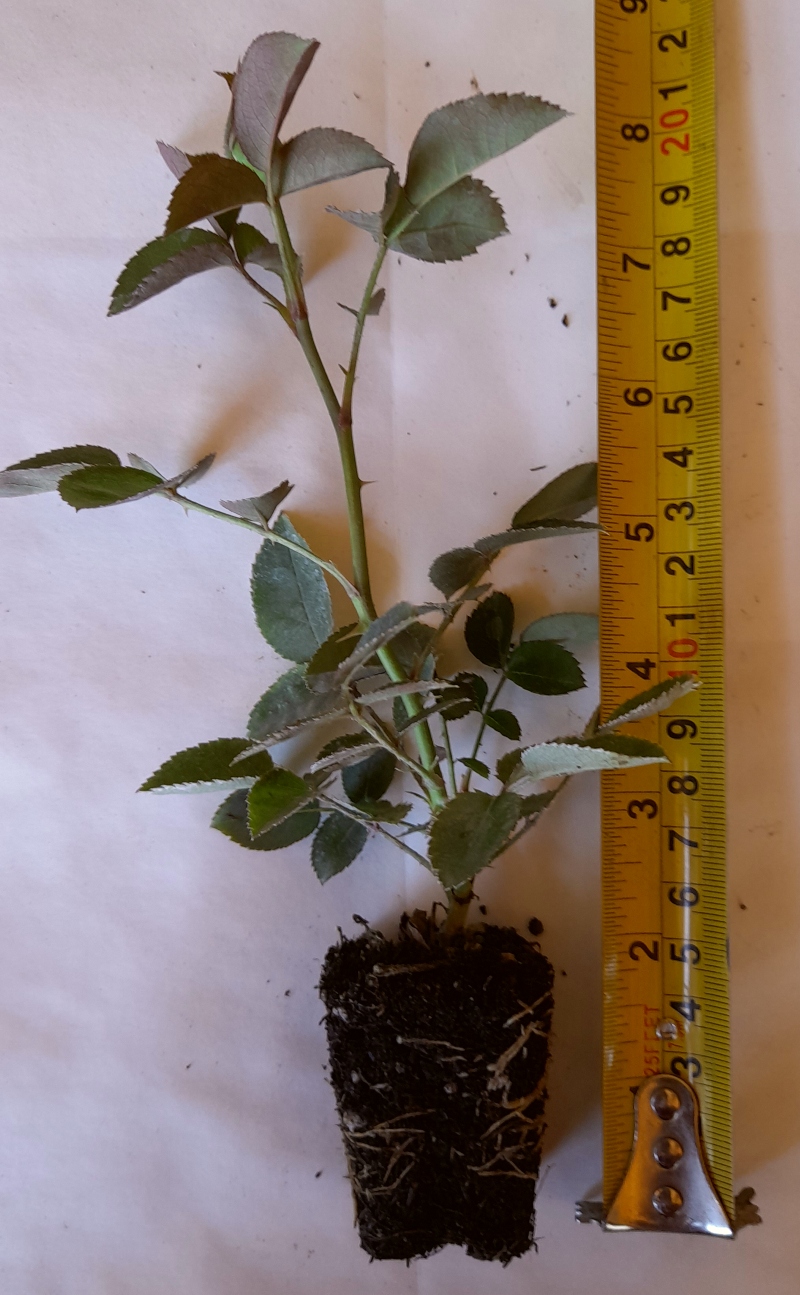
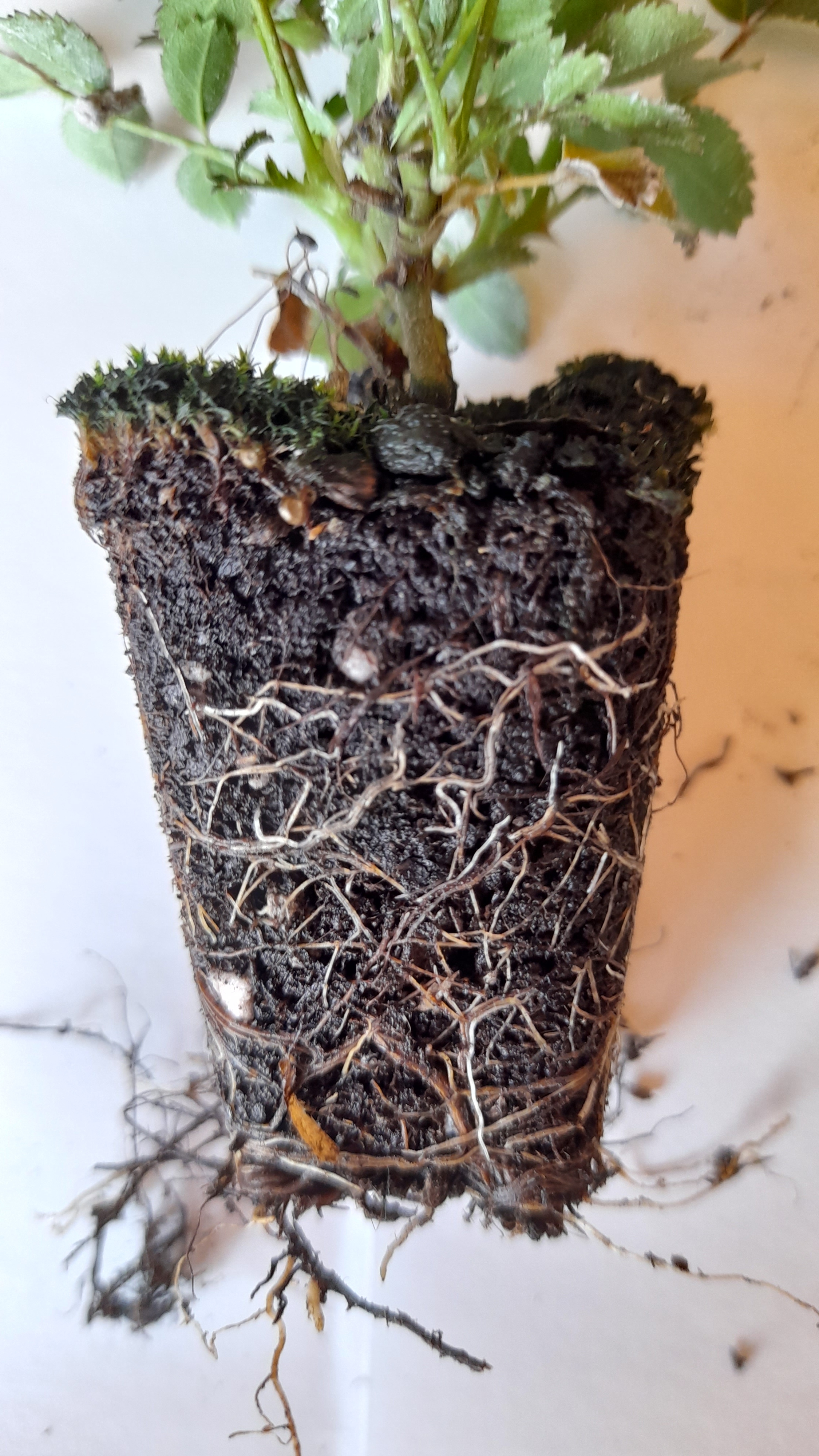
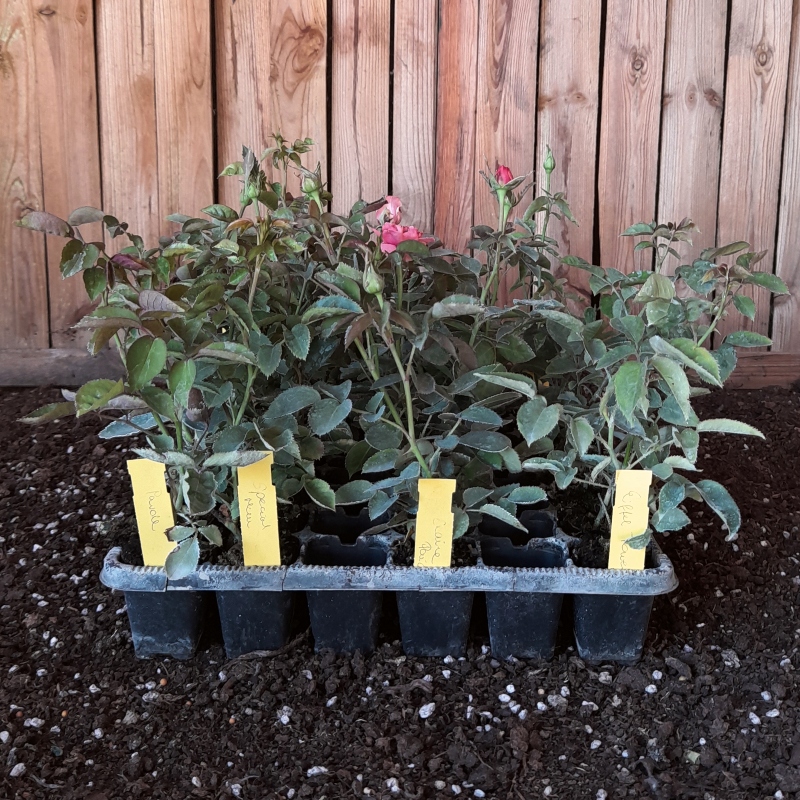
PharmaRosa® NEONATAL own-rooted rose propagation material in a plug, with a root system penetrating the plug (semi-finished product / semi-finished rose). PharmaRosa® NEONATAL rose propagation material size: 3–6‑month‑old, own-rooted cutting with a uniform developmental stage. PharmaRosa® NEONATAL rose propagation material root system: plug densely penetrated by well-developed white roots (root system detail). PharmaRosa® NEONATAL tray stock: own-rooted rose propagation material in trays, uniform developmental stage (10 pcs/tray).

Captions (from left to right): Semi-finished product (NEONATAL own-rooted rose propagation material in a plug with a fully developed root system) • Size demonstration (3–6‑month‑old, uniform cutting) • Root system detail (plug penetrated by the root system) • Tray stock (10 pcs/tray, uniform developmental stage)

pharmarosaneonatal.atpharmarosaneonatal.co.ukpharmarosaneonatal.hupharmarosaneonatal.czpharmarosaneonatal.depharmarosaneonatal.ropharmarosaneonatal.sipharmarosaneonatal.skpharmarosaneonatal.itpharmarosaneonatal.frpharmarosaneonatal.nlpharmarosaneonatal.plpharmarosaneonatal.lupharmarosaneonatal.ptpharmarosaneonatal.espharmarosaneonatal.ltpharmarosaneonatal.sepharmarosaneonatal.lvpharmarosaneonatal.eepharmarosaneonatal.fi

Which product type is right for you?

Pages for private customers
Garden roses for the family garden, with minimal care  → ORIGINAL®
Premium garden roses – instant impact, a truly showpiece garden  → EXTRA®
Pages for professionals and private customers
Roses for public spaces – large areas, sustainable maintenance  → NATURAL®
Roses for projects – hedge and row planting, fast implementation  → RAPID®
For professional partners only
Production – propagation material for garden roses, wholesale  → NEONATAL®

Company details

PharmaRosa Ltd.
Company registration number: 01-09-717479
VAT number: 13075314-2-43
Plant health registration no.: HU130721
Bank account (IBAN):
HU85117631891388688400000000
BIC (SWIFT): OTPVHUHB
Bank name: OTP Bank Nyrt.