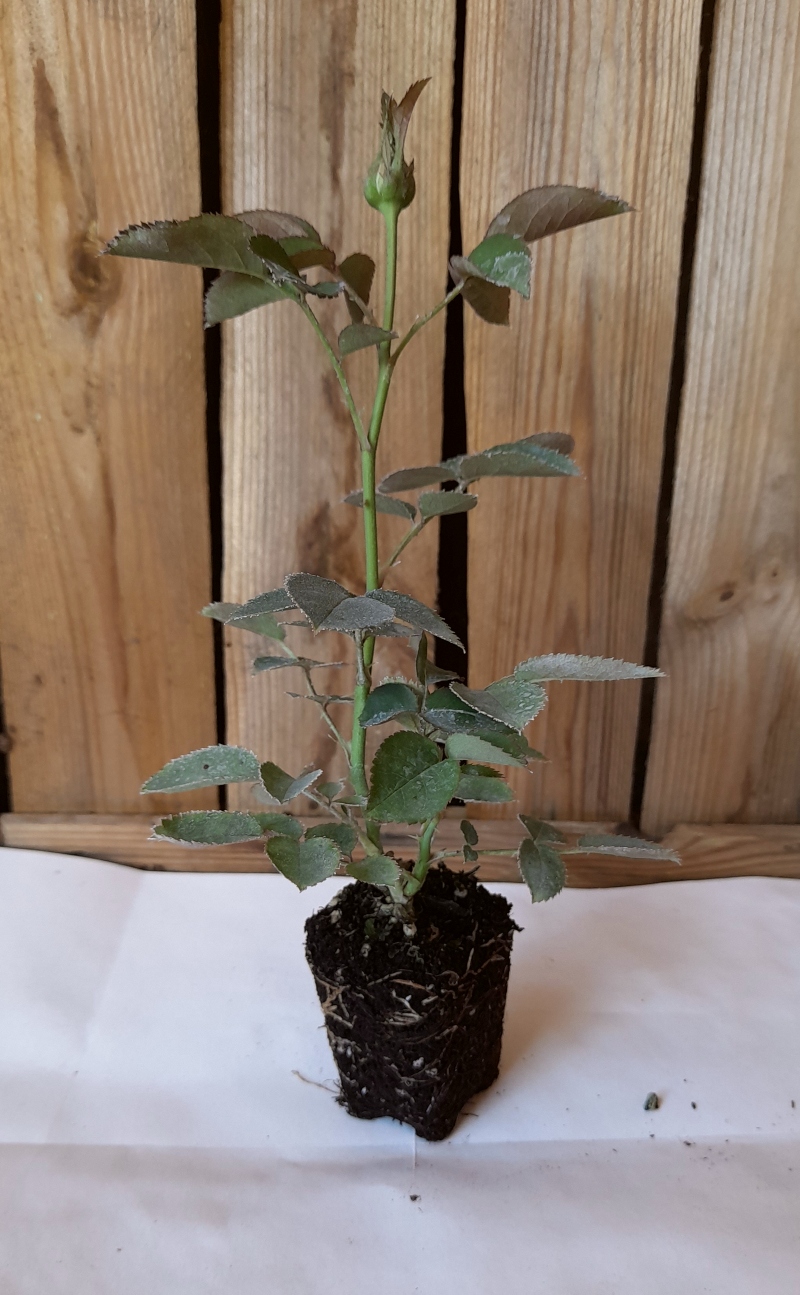
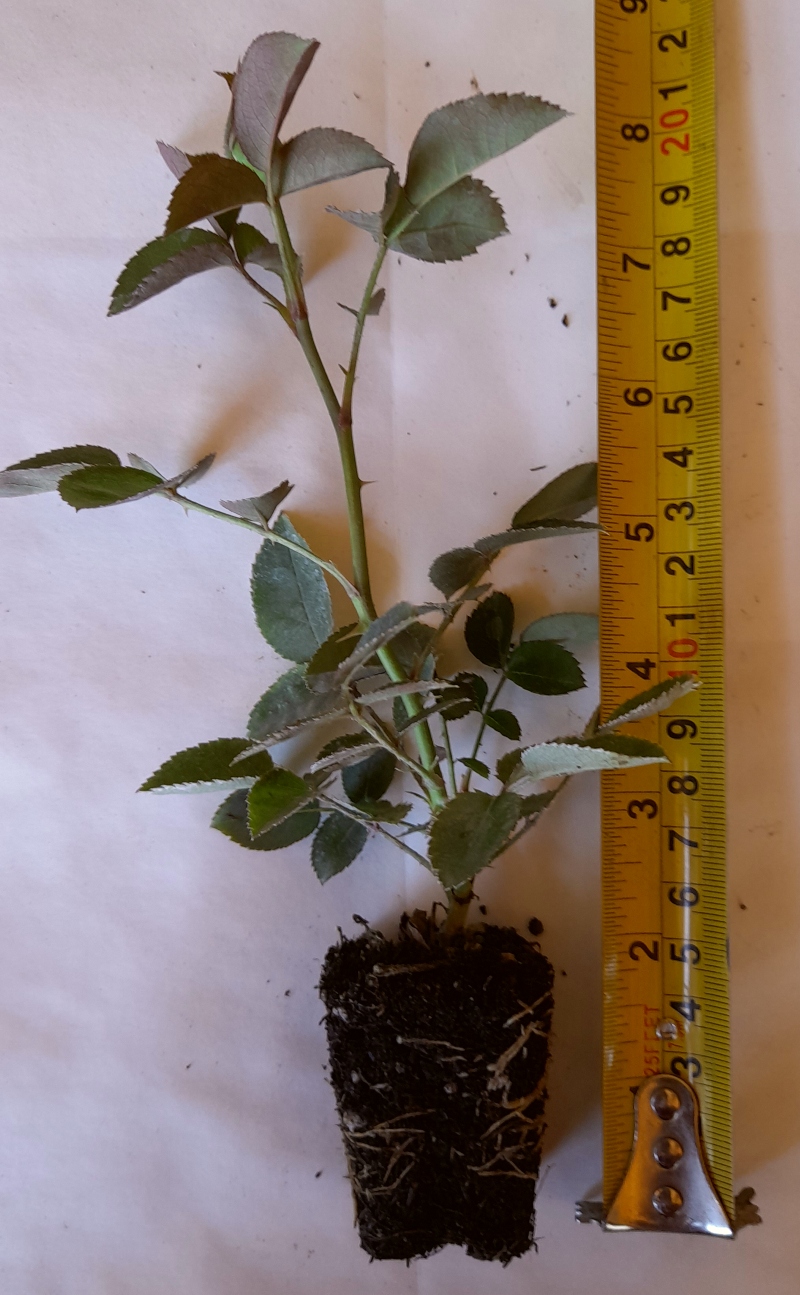
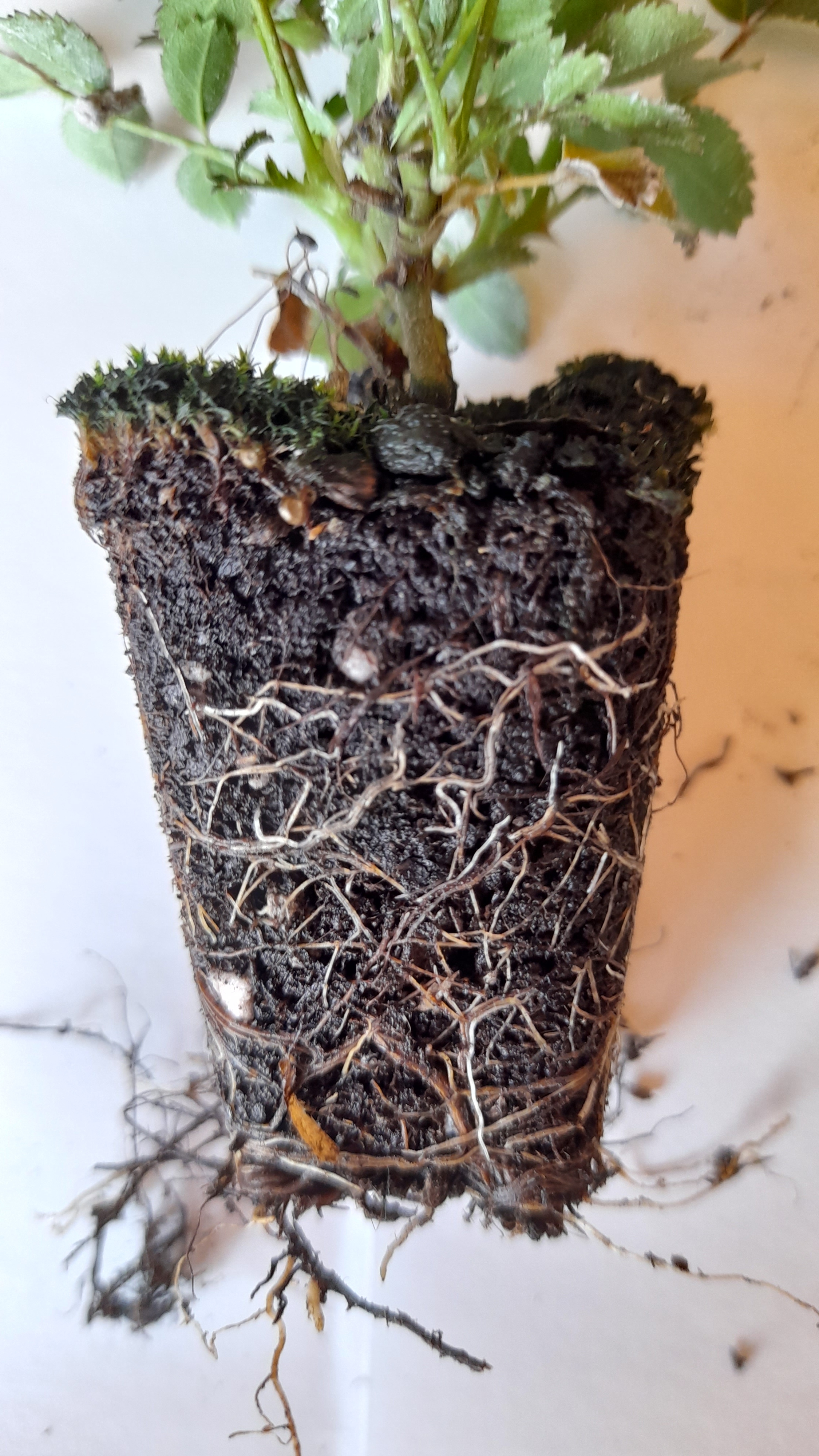
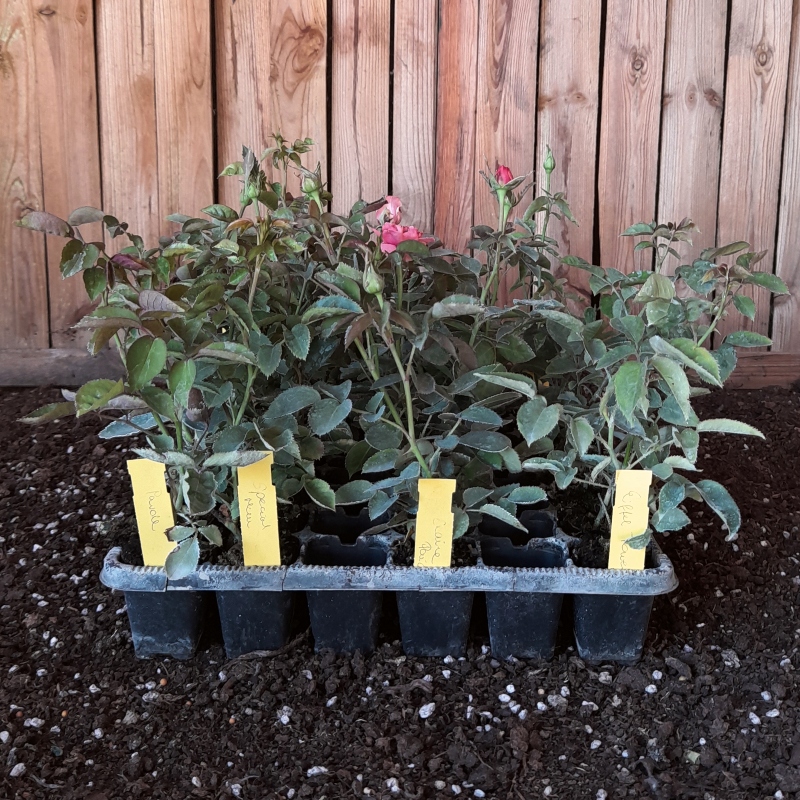
Albéric Barbier – pharmaROSA® NEONATAL own-root propagation material
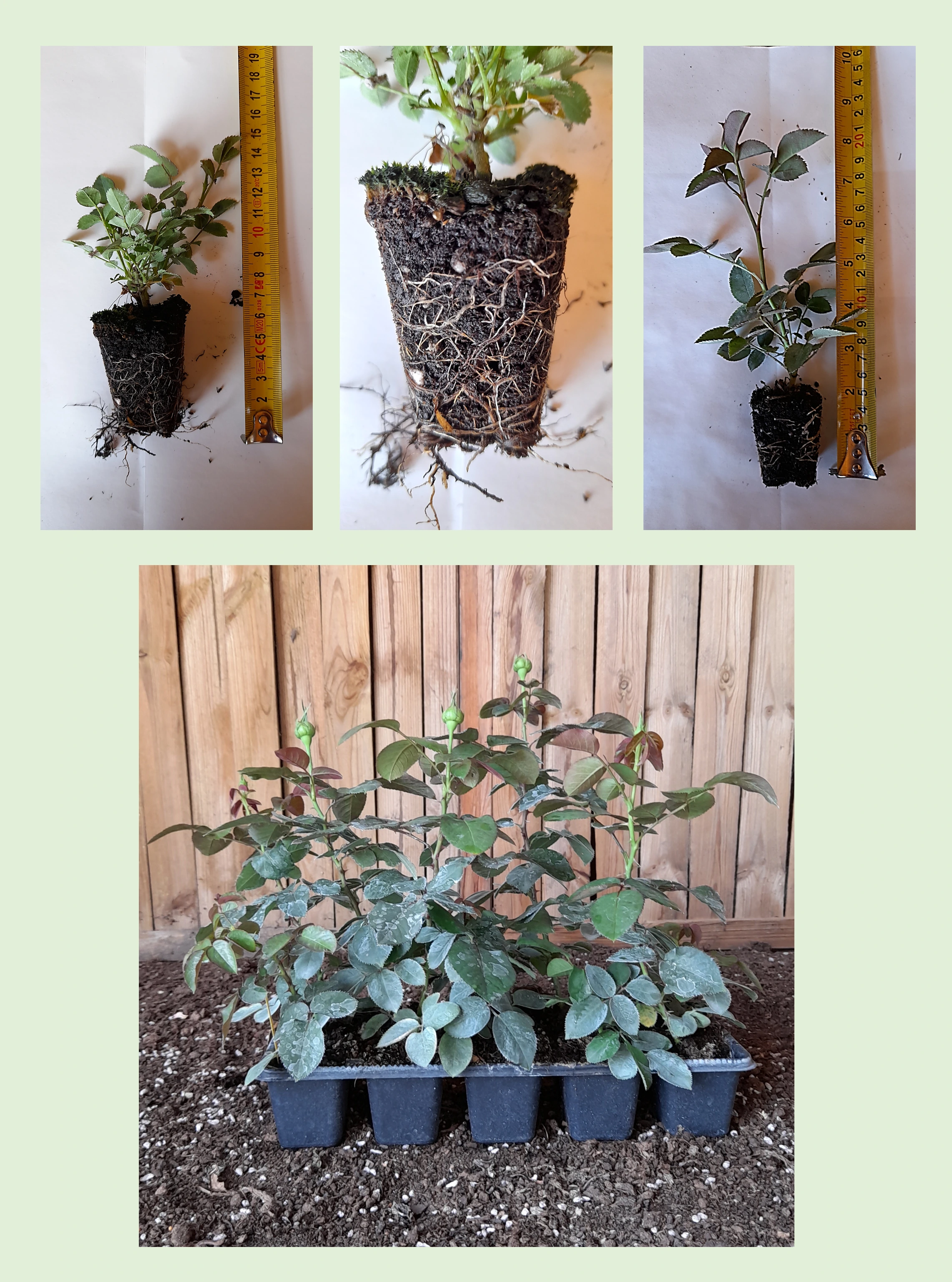
Historical own-root rambler material such as Albéric Barbier gives professional growers a vertically dominant yet sparsely-thorned structure rose for pergolas, arbours and landscape walls, with dense, glossy foliage and strong, sweet-fruity fragrance supporting premium park and collection plantings. As tray-grown pharmaROSA® NEONATAL rooted cuttings, these plants form a predictable base for staked, pre-trained 3–5 cane climber production in 5–7 L containers, aligning easily with nursery systems serving exclusive, space-defining projects in public and private schemes, while its H6 hardiness and reliable performance in cooler, exposed regions help support nationwide UK supply planning. The once-flowering, double rosette, cream-white blooms with a buttery-yellow centre and RHS-recognised garden merit suit thematic and show garden ranges where heritage character matters and own-root longevity underpins renewal over the first year for roots, the second year for structural shoots and the third year for full ornamental value across a stable vertical canopy with reduced replacement risk and dependable capacity for nursery and wholesale networks.
Usage options
Finished-product ideas
- 5–7 L trained pergola climber – NEONATAL own-root material grown on to 3–5 main canes in 5–7 L pots, using the long creeping habit and dense foliage to deliver ready-to-fix pergola units – retail garden centres and landscape wholesalers
- Wall-trained heritage climber – heritage-labelled 5–7 L plants pre-trained on stakes for walls and fences, emphasising historical origin and Award of Garden Merit with own-root longevity – specialist rose nurseries and mail-order resellers
- Fragrance-hero arbour pair – matched, strongly scented climbers in mid-size containers, selected for structure and fragrance to frame garden entrances or arbours – high-end garden centres and design-led landscapers
- Low-prickle walkway tunnel kit – batch-selected, sparsely thorned plants trained for tunnel structures, optimising safety and handling in public or private walkways – municipal suppliers and estate contractors
- Historical rambler collection line – own-root Albéric Barbier included as a key SKU in a curated historical rambler range, supplied in 5–7 L trained form for thematic rose gardens – wholesale distributors and public-realm frameworks
Technical cultivar profile
| Parameter |
Data |
| Name and registration |
Current trade name Albéric Barbier, historical rambler rose; ARS exhibition name Albéric Barbier. No registered cultivar name recorded; classified within the Historical rose commercial group. |
| Origin and breeding |
Hybrid Wichurana rambler bred by René Barbier, Barbier Frères & Compagnie, France. Parentage Rosa wichurana × ‘Shirley Hibberd’ yellow tea hybrid; introduced around 1900 as a garden climber. |
| Awards and recognition |
Recognised with the Royal Horticultural Society Award of Garden Merit (1993), confirming reliable garden and landscape performance under UK conditions when grown and maintained appropriately. |
| Growth and structural characteristics |
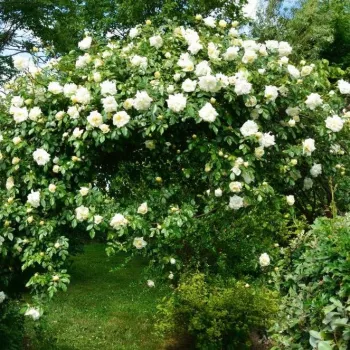
Very vigorous, creeping rambler with 5–7.5 m height and 2.5–5 m spread. Dense, glossy dark green foliage, sparse prickles, suited to training on arbours, pergolas, walls, trees and large park structures. |
| Flower morphology |
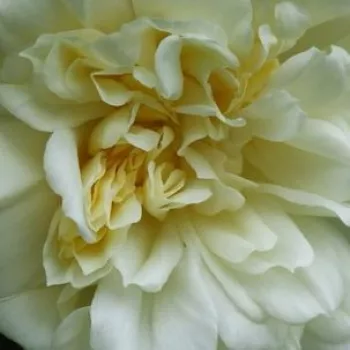
Medium-sized, double, rosette-shaped blooms with 26–39 petals, usually solitary. Non-remontant, giving one main flowering period that can be timed as a concentrated seasonal display on trained frameworks. |
| Colour data and phenology |
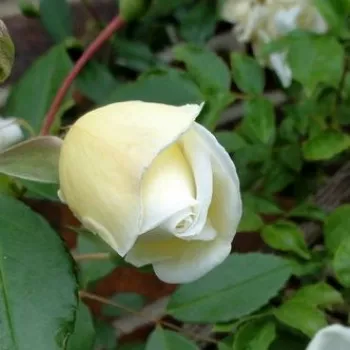
Delicate creamy-white flowers with a pale buttery-yellow centre, fading rapidly to white. Buds tinted greenish-white with faint pink; overall effect soft cream-white then bright white in full bloom, ARS W, RHS 155C/11D. |
| Fragrance and aroma |
Strong, noticeable fragrance with sweetish, fruity and almond notes. Fully double rosette flowers largely enclose stamens, so display is primarily ornamental, with limited pollinator access compared with simpler forms. |
| Hip characteristics |
Hip set generally limited because of the full double form; where present, small 6–10 mm, spherical, orange-red hips can appear sparsely, adding only modest ornamental or wildlife interest in most plantings. |
| Resistance and winter hardiness |
Good heat and drought tolerance with shade and irrigation in extremes; winter hardy to about −20 to −15 °C, RHS H6, Swedish zone 2, USDA 7b. Disease profile: powdery mildew resistant, black spot and rust medium. |
| Horticultural recommendations |
Medium maintenance; occasional plant protection required. Best as trained climber finished product on supports, 5–7 L pots. Use for pergolas, arbours, walls, fences, tree training and park structures in vertical schemes. |
Albéric Barbier offers vigorous, long-range vertical coverage, dense glossy foliage and strong fragrance on predictable, regenerative own-root stands, making it a dependable choice for trained climber programmes where we can jointly plan timing and volumes.