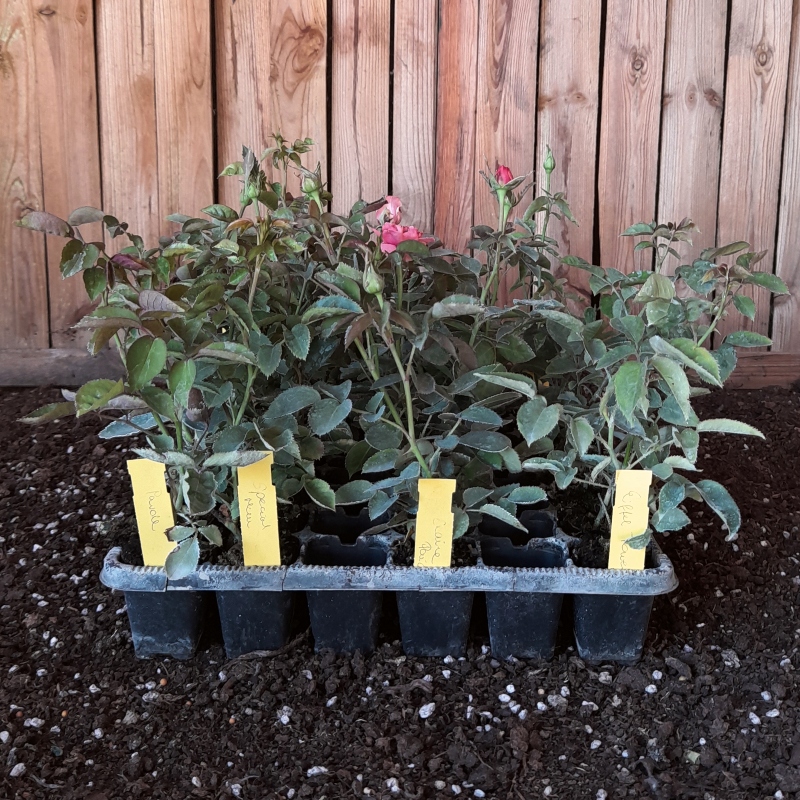
ALEXANDER MACKENZIE – pink climbing rose – Svejda
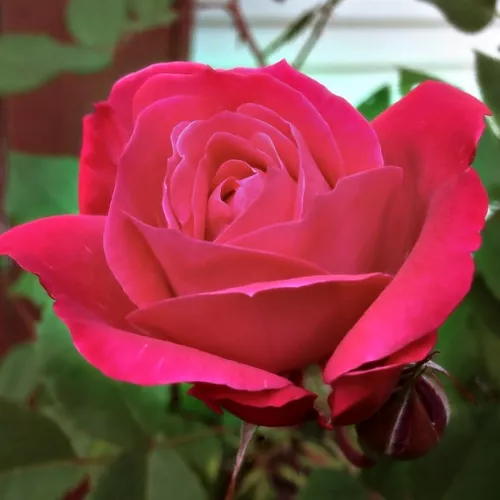
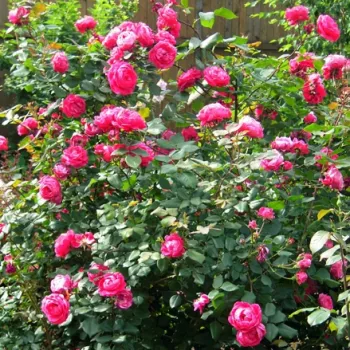
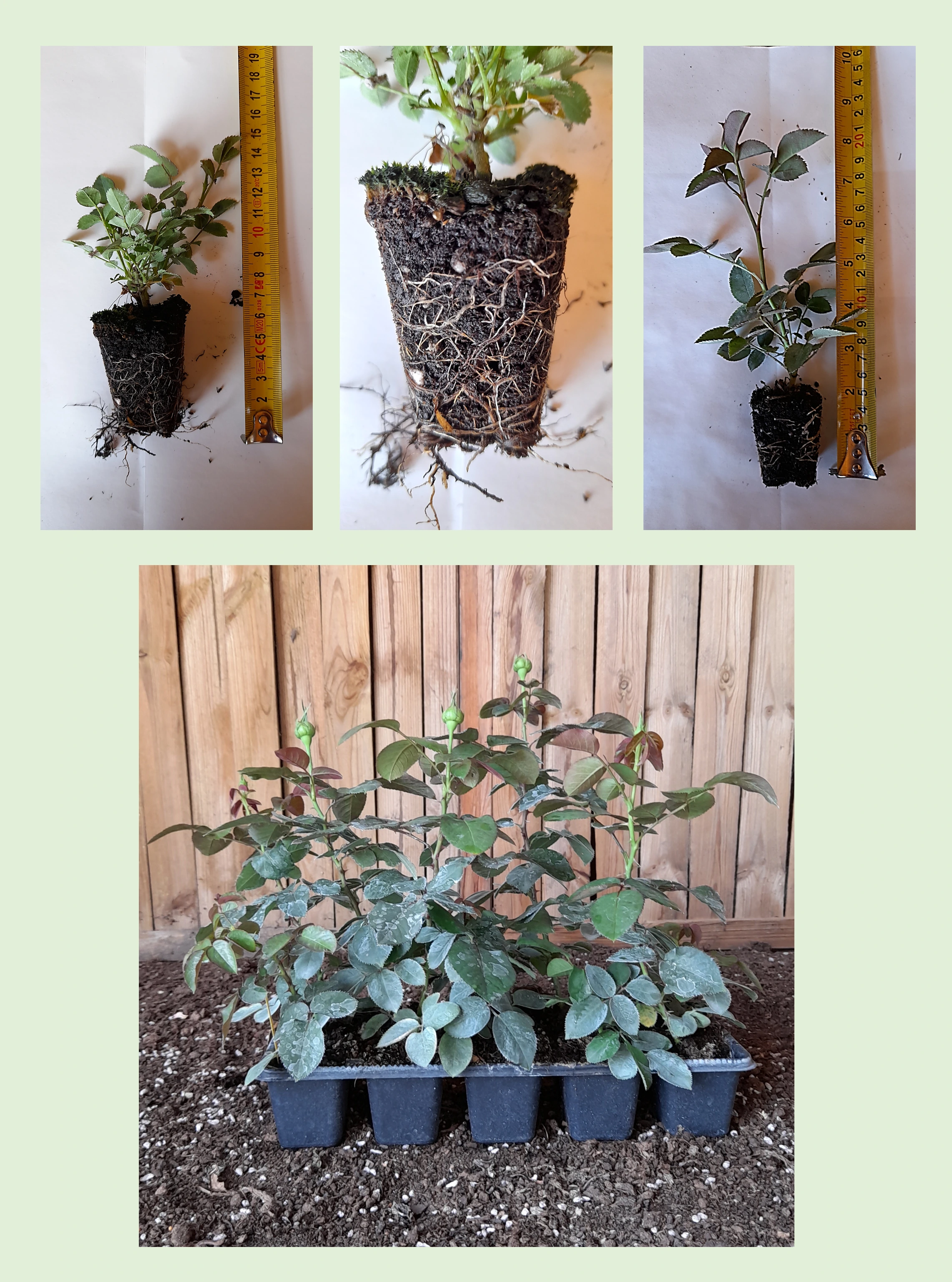
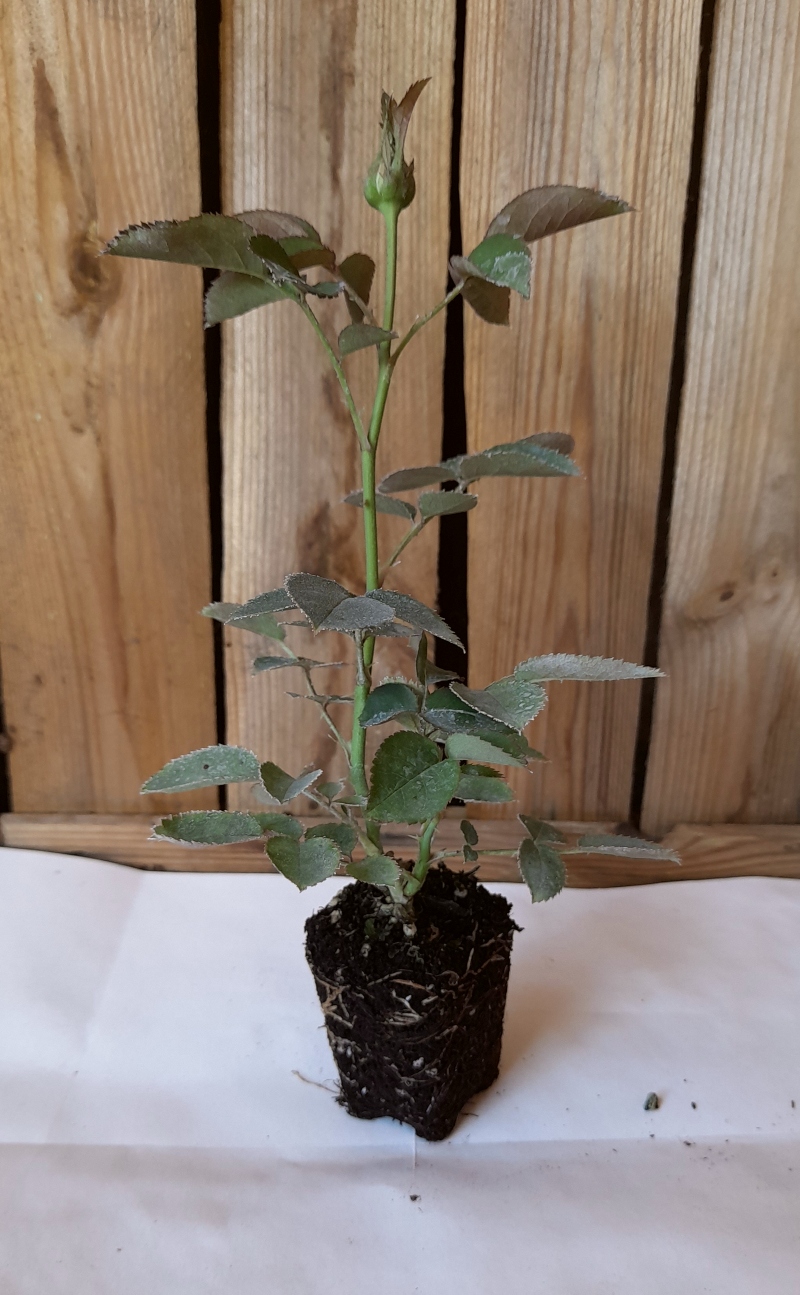
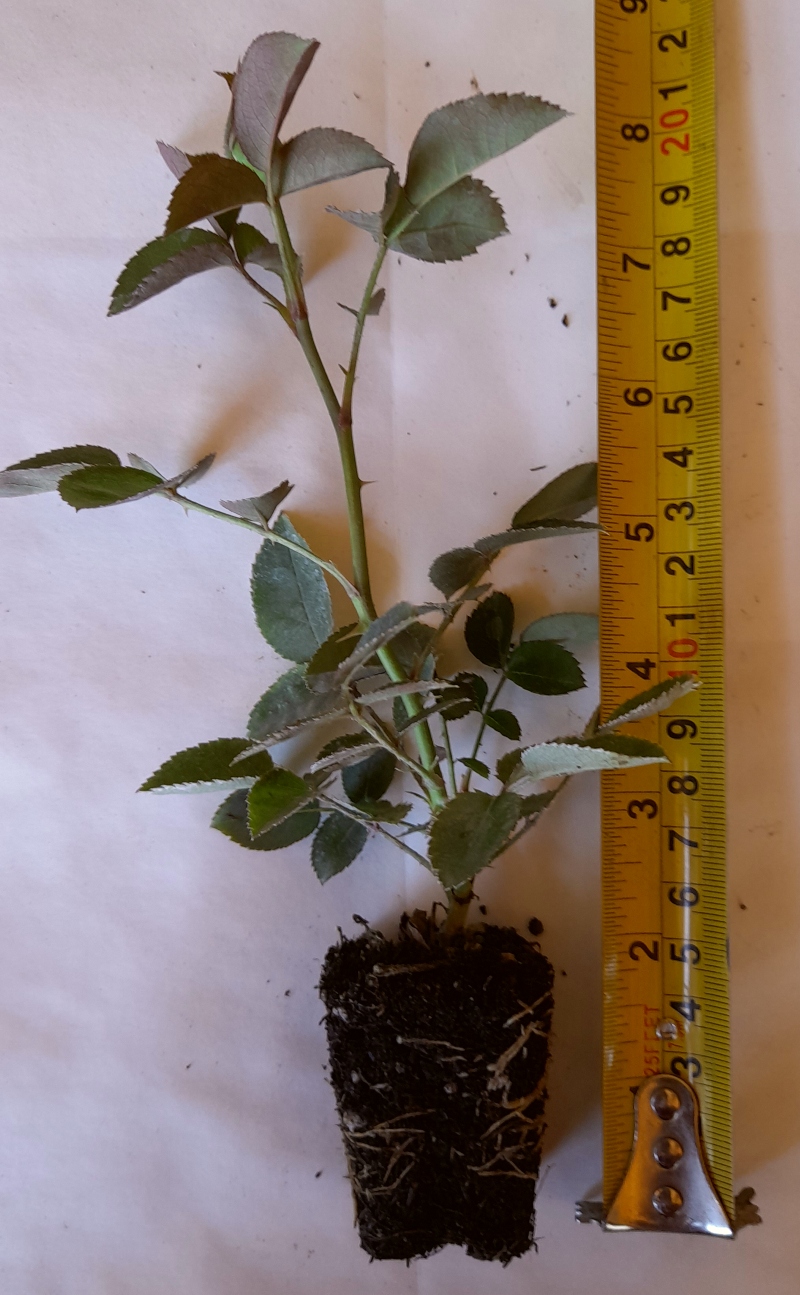
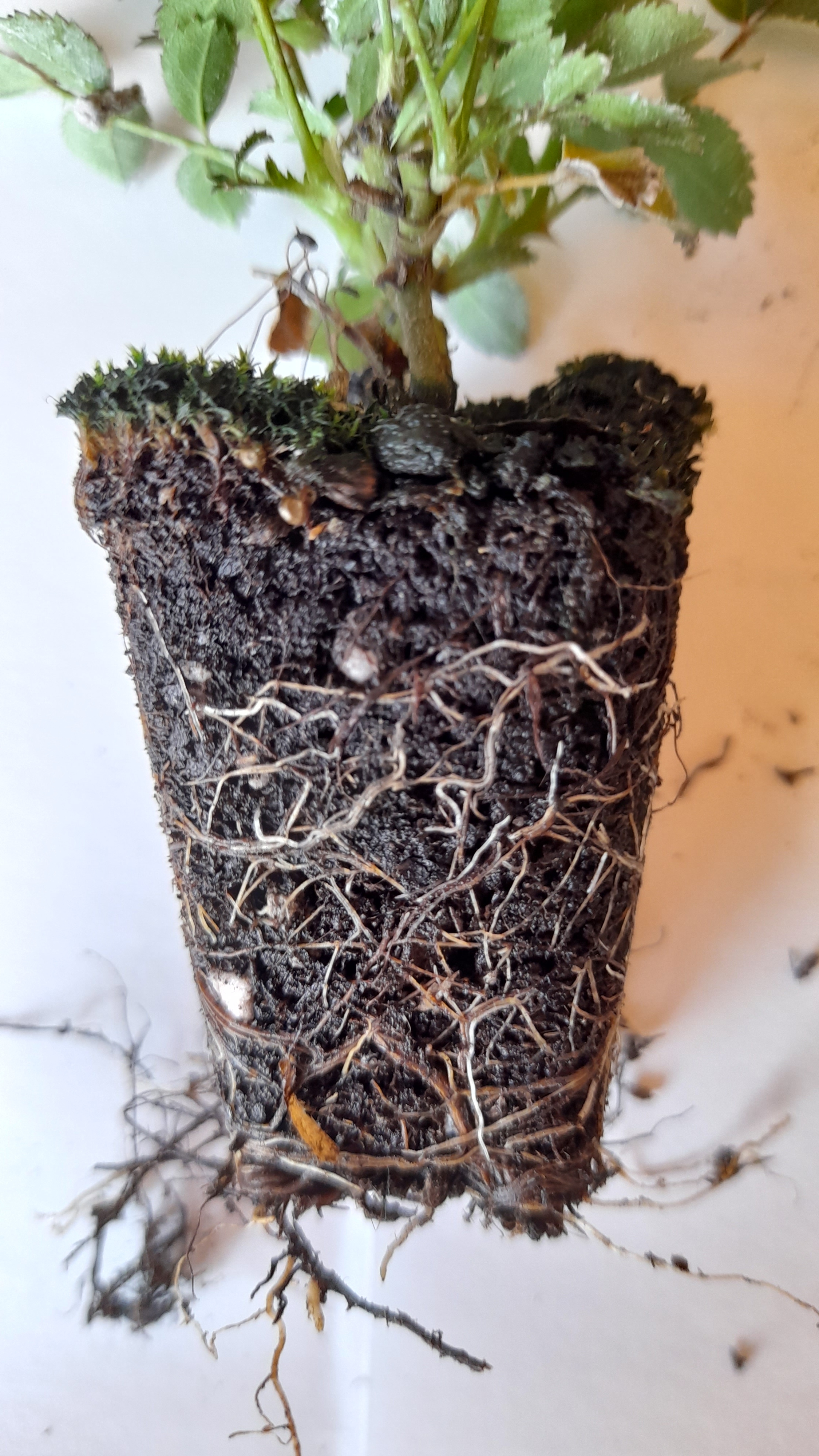
As a pharmaROSA® NEONATAL own-root climber, ALEXANDER MACKENZIE offers a reliable framework for growers planning vertically structured, space-defining ranges that complement UK project work in exposed public and private schemes where reliable winter tolerance in colder, windier districts is valuable. The upright, cane-forming habit, dense mid-green glossy foliage and substantial height and spread support efficient training into a premium, staked and pre-formed climber line, ready for onward grow-on in 5–7 litre containers and larger 40–50 litre and above feature pots. Its very double, cluster-flowering raspberry-pink blooms with medium, clearly detectable, delicately fruity fragrance underpin an exclusive, vertical garden feature offer, particularly for retail and reseller partners positioning distinctive, space-making climbers. Own-root production provides regenerative longevity, homogeneous stands and predictable capacity across nursery networks, following a steady development arc from root establishment in year one, structural cane build-up in year two and full ornamental expression from year three onwards.
Usage options
Finished-product ideas
- 5–7 L trained climber – Own-root NEONATAL plants trained to 3–5 main canes and supported stakes, focused on colour-rich, fragrant vertical performance for small structures; fits retail/reseller vertical garden feature benches.
- 40–50 L terrace statement pot – Vigorous, upright plants grown on into 40–50 litre containers as long-term terrace or courtyard accents, exploiting hardiness and dense foliage; ideal for project-led and premium retail outdoor zones.
- Park archway set – Matched batches of trained climbers for planting in pairs at arches and pergola entrances, using homogeneous own-root stock for consistent height and flower effect; aimed at municipal and estate framework tenders.
- Collection-label Canadian climber – Clearly branded, story-backed Alexander MacKenzie units in 5–7 litre pots, highlighting breeding origin for thematic rose collections; targeted to specialist nurseries and curated show gardens.
- Urban boundary screen line – Upright, moderately prickly climbers in robust containers positioned as flowering boundary and screening units, capitalising on structural habit and remontant display; suited to contractor and public-realm supply chains.
Technical cultivar profile
| Parameter |
Data |
| Name and registration |
ALEXANDER MACKENZIE – pink climbing rose – Svejda; current trade name with ARS exhibition name A. Mackenzie, classified as a climber and shrub within the Climbing rose commercial group. |
| Origin and breeding |
Bred by Felicitas Svejda at Agriculture and Agri-Food Canada, Ottawa, from ‘Queen Elizabeth’ × (‘Red Dawn’ × ‘Suzanne’), introduced and registered in 1985 by the same institution. |
| Growth and structural characteristics |
Upright, vigorous climber reaching about 180–300 cm high and 150–250 cm wide, with dense mid-green, glossy foliage, moderately spiny canes and weak self-cleaning, so spent blooms need periodic removal. |
| Flower morphology |
Medium-sized, very double, globular to pompon blooms in clusters, typically with 40 or more petals, producing an abundant second flowering flush and giving a full ornamental impact on trained structures. |
| Colour data and phenology |
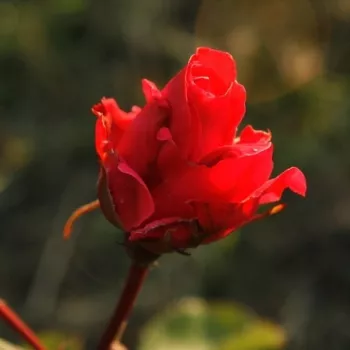
Uniform, intense raspberry-pink with vivid scarlet overtones, buds dark carmine–crimson; colour lightens towards pink in strong sun, with moderate retention and a cool purplish tone in shade before gradually softening. |
| Fragrance and aroma |
Medium-strength, clearly noticeable scent with a delicately fruity character; the very double flowers partly cover stamens, providing mainly ornamental appeal with limited pollinator value in production or landscape settings. |
| Hip characteristics |
Occasionally forms ovoid orange-red hips around 15–25 mm in diameter, adding modest seasonal interest where spent flowers are not removed, though hip set is not a primary production focus. |
| Resistance and winter hardiness |
Extremely hardy to about −37 to −34 °C (RHS H7, Swedish zone 6, USDA 3b) but very susceptible to powdery mildew, black spot and rust, so nursery and landscape use requires regular plant protection and monitoring. |
| Horticultural recommendations |
Best used as a trained climber for parks, specimens, hedging and urban green spaces; recommended as a high-use, vertically focused product with staked, pre-trained canes and planned plant protection regimes. |
ALEXANDER MACKENZIE combines vigorous upright structure, strong winter hardiness and richly double, fragrant raspberry-pink display on a predictable own-root base, making it a dependable candidate for exclusive vertical ranges where we can jointly plan capacity and scheduling.