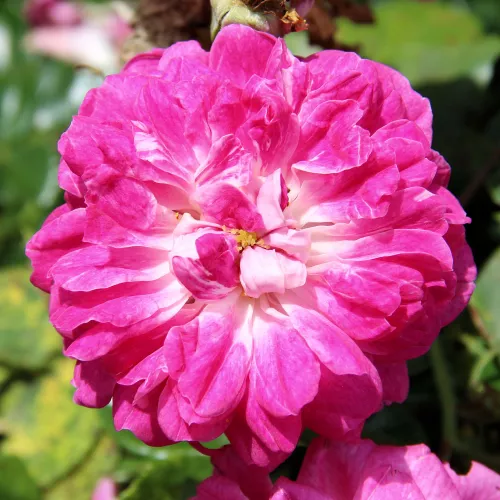
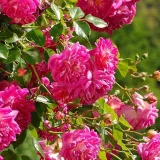
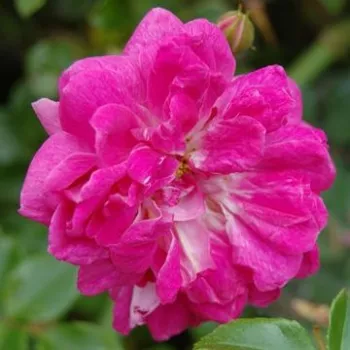
Alexandre Girault – pink rambler climbing rose – Barbier
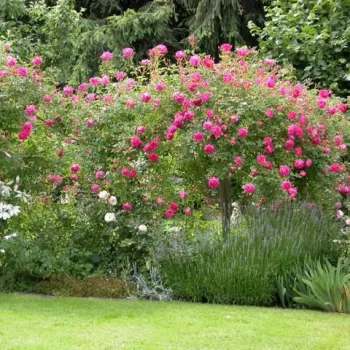
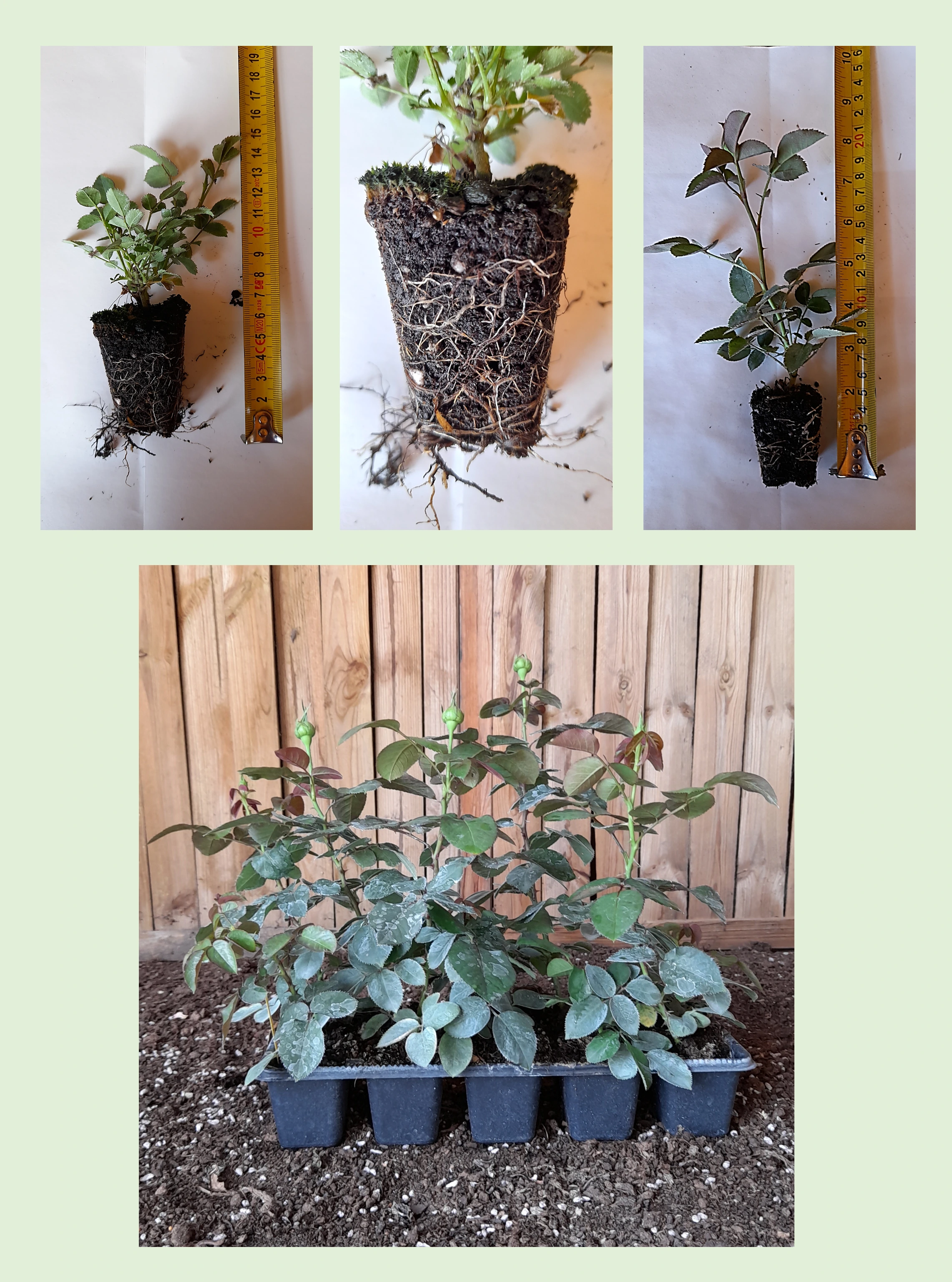
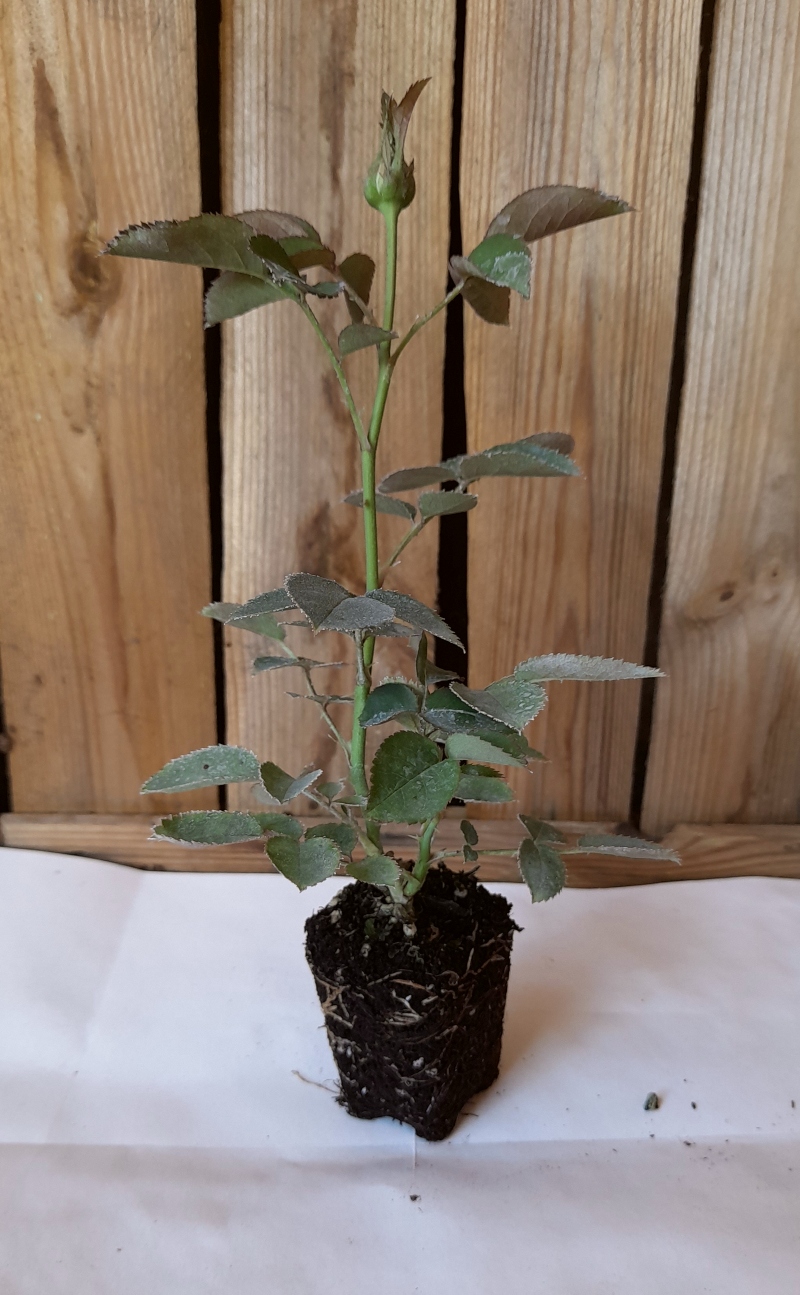
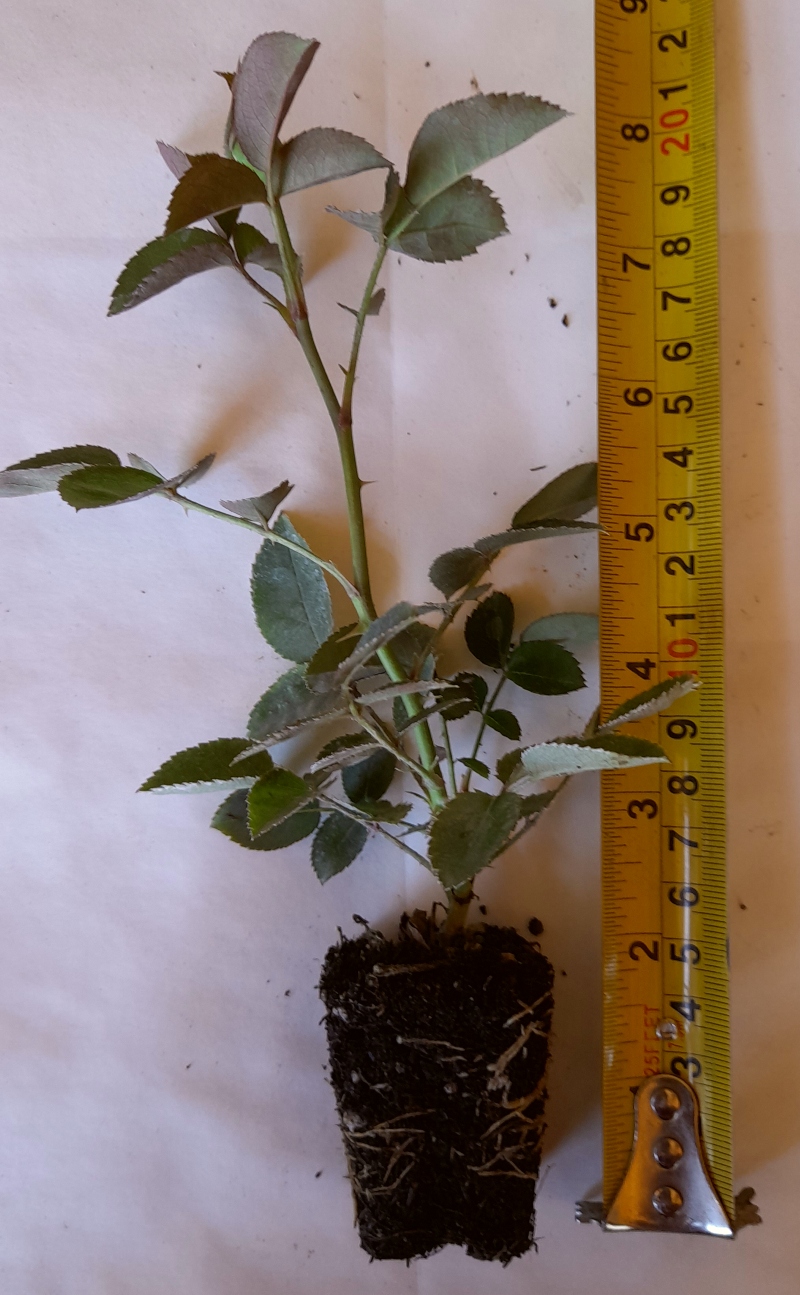
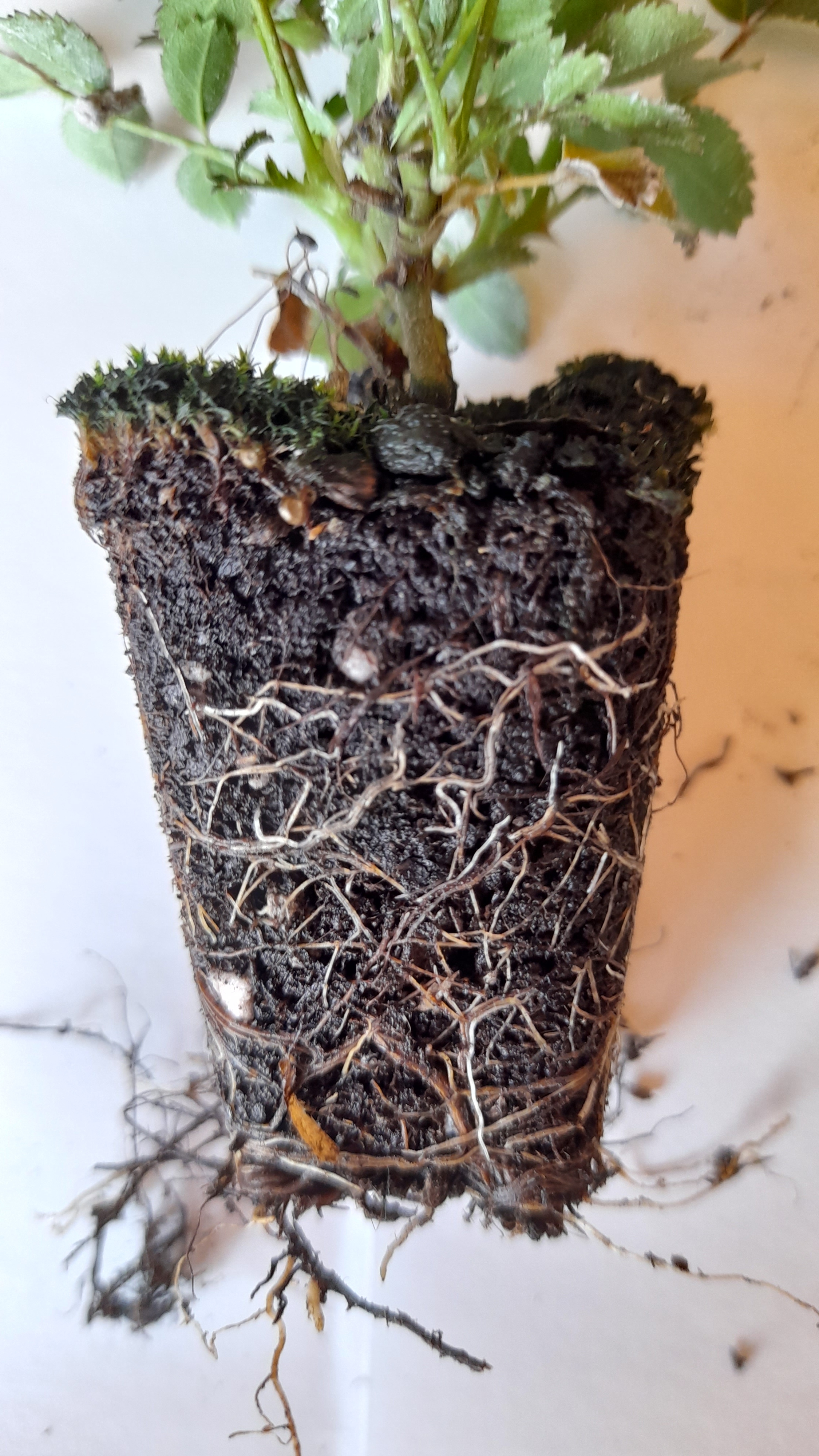
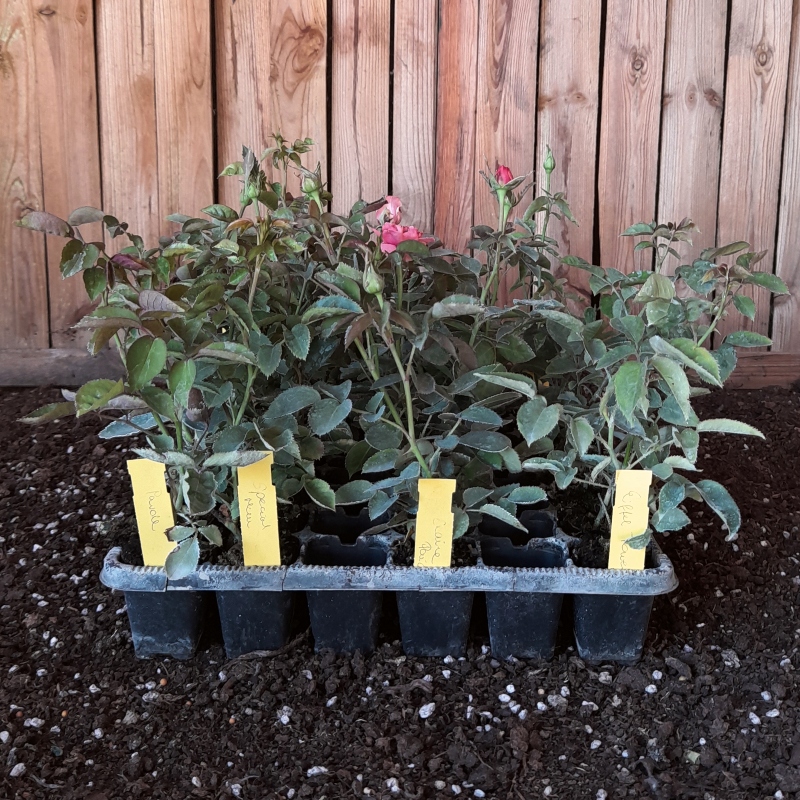
Rambler production of Alexandre Girault via pharmaROSA® NEONATAL own-root material offers a reliable way to build exclusive, space-defining vertical features for walls, pergolas and arbours in UK nursery and landscape supply. The vigorous rambling growth with dense, glossy foliage and barely thorny canes suits staked, pre-trained 5–7 L lines, supporting efficient handling and presentation in retail and reseller channels. Once-flowering, strongly fragrant clusters in rich cherry-pink with very good colour retention allow You to position it as a distinctive, specialist garden climber for thematic rose collections and show gardens. Own-root architecture supports long-term regeneration and predictable stands for project-based and public-realm planting schemes, with development typically moving from root establishment in year one through framework shoot building in year two to full ornamental impact from year three onwards, while its suitability for cooler, exposed sites mirrors conditions where winter and wind tolerance is essential for UK-wide distribution.
Usage options
Finished-product ideas
- 5–7 L pre-trained pergola climber – NEONATAL own-root plants grown on to 3–5-cane, staked climbers with a strong once-flowering cherry-pink display and fruity fragrance, positioned as an exclusive vertical feature SKU – retail / reseller climber benches.
- Heritage award climber collection – Curated line highlighting Barbier origin and RNRS Award of Garden Merit, finished as uniform 5–7 L trained climbers from own-root propagation beds – specialist rose nurseries and heritage garden shops.
- Estate and park arbor range – Vigorous, barely thorny ramblers pre-trained on simple nursery frames, ready to transfer to arbours and tunnels, with predictable stands from own-root material – public-realm suppliers and landscape contractors.
- Fragrance showcase vertical feature – Strong, long-lasting fruity scent and dense, very double clusters marketed as seasonal focal points, supplied as trained climbers for pergolas and walls – premium garden centres and thematic rose gardens.
- Collection-grade tree-trained climber – Long, flexible canes and dense foliage used to create pre-trained units for growing into trees or large shrubs, leveraging own-root longevity and reduced replacement – estate managers and show garden projects.
Technical cultivar profile
| Parameter |
Data |
| Name and registration |
Current trade name: Alexandre Girault Climbing rose Barbier; American Rose Society exhibition name: Alexandre Girault; group: rambler Hybrid Wichurana climbing rose; unregistered cultivar with verified authenticity data. |
| Origin and breeding |
Bred by René Barbier in France around 1907, introduced by Barbier Frères & Compagnie in 1909; parentage Rosa lucieae × ‘Papa Gontier’, placing it within the historic Barbier rambler breeding line. |
| Awards and recognition |
Holds the Royal National Rose Society Award of Garden Merit (2012), confirming sustained garden reliability and ornamental performance under temperate landscape and garden conditions over extended evaluation. |
| Growth and structural characteristics |
Very vigorous rambling climber reaching about 600–950 cm in height and 280–460 cm spread; dense, glossy dark green foliage on canes noted as barely thorny, providing strong vertical coverage for trained structures. |
| Flower morphology |
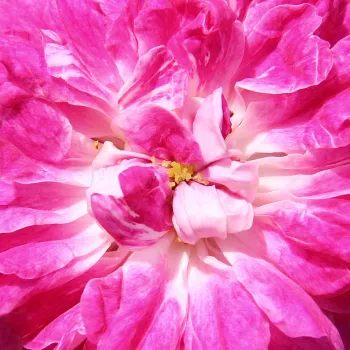
Very double, medium-sized flowers (approximately 1.5–2.75 inches), flat and cluster-flowered; non-remontant with one main bloom period, offering a concentrated seasonal display on established trained frameworks. |
| Colour data and phenology |
Rich deep cherry-pink with yellowish-white bases, RHS 53C outer and 57A inner; colour holds well, slowly paling to lighter pink with whitish edges before fading, providing a prolonged, high-impact once-seasonal show. |
| Fragrance and aroma |
Strong, long-lasting fruity fragrance character; bred as an ornamental garden and landscape climber rather than for pollinator support, as the highly double blooms largely obscure stamens and accessible nectar. |
| Hip characteristics |
Rose-hip set generally poor due to very double flowers; where formed, hips are small globular red spheres around 8–12 mm in diameter, adding modest late-season interest without being a primary feature. |
| Resistance and winter hardiness |
Rated to approximately -21 – -18 °C (RHS H7, Swedish zone 3, USDA 6b); disease resistance classed as moderate for powdery mildew, black spot and rust, with heat tolerance good and extended drought tolerated moderately. |
| Horticultural recommendations |
Recommended for walls, pergolas, arbours, training into trees and park use; moderate maintenance with occasional plant protection; best marketed as a trained climber in 5–7 L pots using staked, pre-trained own-root plants. |
Alexandre Girault offers vigorous, low-prickle rambling growth with a strong fragrant once-flowering display on predictable, regenerative own-root stands, making it a sound option to discuss scheduling, capacity and long-term climber range planning.