Bedding rose

21-222-1
21-222-2

Alsace

NIRPAYSAGE

PEKtarampe – Paul Pekmez

The flower surface is a pure, rich ruby-red shade. - landscape shrub rose - very weak, barely perceptible-scented rose - floral character

– Compact, bushy habit for neat low hedges.
– Small, cup-shaped single flowers in clusters.
– Vivid ruby-red colour, fading to raspberry tones.
– Good self-cleaning, minimal deadheading needed.
– Especially attractive to bees and other pollinators.
Special feature: Ideal for fast, uniform ground coverage in mass plantings.
Project (landscape architecture / mass use)
Alsace
pharmaROSA® NEONATAL rooted rose cutting
28,34 £
Due to courier service regulations – and the introduction of customs clearance – delivery to Ireland is temporarily suspended.
5 (6776)
facebook   twitter

Alsace NIRPAYSAGE PEKtarampe – pharmaROSA® NEONATAL rooted cutting

Alsace offers landscape producers a dense, bushy shrub architecture that establishes quickly from pharmaROSA® NEONATAL own-root cuttings, creating uniform red blocks for project mass planting. Its naturally compact 85–115 cm habit supports tight bed layouts and edging, while the clustered, single blooms give strong colour impact with very good retention, ideal for repeatable schemes in public and commercial sites. The variety remonts well, providing abundant coverage after the first flush and sustaining ornamental presence through the season with good petal drop and minimal deadheading on production beds. Single, open flowers with exposed stamens deliver clear pollinator value for thematic and collection-style displays, aligning with public-realm biodiversity goals. Own-root production underpins long-term stability and renewable growth, supporting predictable capacity for nursery and wholesale networks working to tight framework contracts. Development follows a pragmatic arc of root establishment in year one, structural canopy build in year two and full ornamental value from year three onward, suiting planned volume roll-outs. As an established plant it copes with heat and moderate drought in UK schemes, supporting dependable supply where resilient project plantings across regions are specified.


Usage options

Target area Reasoning
Mass flower beds for public projects The compact, bushy structure (85–115 cm) and dense foliage create fast, even visual blocks, matching the main value proposition of fast coverage and uniformity. As a uniform, dense, bush-trained finished product in 1.5–2 L, it fits project mass planting routes where reliable bed roses are required at volume. Own-root material supports low replacement and predictable stands for thematic rose gardens and public-realm projects, particularly where resilient schemes across varied UK climates are planned for large-scale landscape contractor supply.
Edging and pathway definition The naturally rounded, bushy habit with equal height and spread allows precise edging lines without intensive formative pruning, valuable in parks and institutional grounds. Producing a uniform, dense, bush-trained product in smaller 1.5–2 L containers keeps logistics efficient while still delivering structure quickly after planting. Own-root plants regenerate well after trimming, helping maintain defined edges in high-traffic projects and supporting professional ranges aimed at curated collection and show-garden style installations for project-serving wholesaler channels.
Urban parks and multi-row hedging Regular height and spread support rhythmic, repeating planting modules for hedges and park borders, simplifying design replication across estates. Project mass planting routes with a consistent 1.5–2 L release form ease scheduling across multi-phase sites. Own-root stands offer long lifespan and stable ornamental value, important where nurseries underpin long-term framework contracts for municipal and institutional landscapes in the UK and need dependable volumes for public-realm supplier projects.
Pollinator-oriented rose collections The single, cup-shaped flowers with easily accessible stamens provide clear pollinator interest, aligning with biodiversity-focused specifications in public gardens. A uniform, dense, bush-trained product in 1.5–2 L containers integrates smoothly into thematic rose collections and show-garden plantings. Own-root production supports cultivar maintenance and long-lived collection blocks, allowing nurseries to supply stable, identity-true material into specialist rose gardens and curated schemes for thematic-garden specialist buyers.
Colour-focused, high-impact schemes Very good colour retention and the rich ruby-red tone that mellows gradually give sustained visual impact in formal beds and urban green spaces. As a project mass planting rose in 1.5–2 L pots, it scales well for large, uniform red fields or repeating colour accents. Own-root propagation supports homogeneous colour stands over time, useful for private-label ranges and public-realm schemes where consistent visual identity is important for brand-oriented nursery partners.
Cutting garden and short-stem cut flower rows Freely repeating flowering with abundant second flush provides a steady supply of small, single blooms for short-stem and informal cut use in project-linked cutting gardens. The recommended uniform, dense, bush-trained form in 1.5–2 L lends itself to tight production spacing on nursery beds. Own-root longevity and regeneration allow repeated cutting without undermining plant structure, supporting predictable output for integrators and wholesalers servicing institutional and hospitality-linked display contracts for project floriculture outlets.
High-visibility urban green-space blocks Fast canopy formation and strong coverage support quick establishment in prominent roadside, tramway or plaza beds, directly aligned with the stated fast coverage–uniformity value proposition. Using the project mass planting path with 1.5–2 L stock allows phased but consistent supply into large infrastructure schemes. Own-root durability ensures stable, low-gap stands in exposed urban sites, helping nurseries and wholesalers meet service-level expectations for nationwide, wind- and winter-exposed public-realm contracts in the UK for infrastructure-greening clients.
Park and estate feature beds with maintenance capacity Although disease susceptibility is high and regular plant protection is required, this can be managed in professionally maintained estates and showcase parks where visual impact justifies higher inputs. A uniform, dense, bush-trained product from 1.5–2 L pots allows tight, formal feature beds within rose collections or thematic gardens. Own-root stands provide structural reliability and long-term framework plants, letting producers support curated, high-profile rose displays that form part of broader project-oriented offers for estate-management customers.

Finished-product ideas

  • Project bed block, 2 L – Uniform, dense, bush-trained shrubs in 2 L pots for fast-cover mass planting, leveraging compact structure and strong colour retention for municipal and commercial beds – target: landscape contractor / project wholesalers
  • Pollinator red drift, 2 L – Single-flowered, bushy plants in 2 L containers positioned as pollinator-supporting red drifts for public parks and thematic rose gardens – target: public-realm and biodiversity-focused suppliers
  • Formal edging line, 2 L – Tight, evenly sized bushes in 2 L pots for pathway edging and parterre outlines, using the compact habit and fast coverage promise – target: estate and heritage-garden maintenance contractors
  • Collection block, 2 L – Own-root 2 L plants supplied as cultivar-true units for Alsace-themed or regional rose collections, built on long-term stability and repeat flowering – target: show-garden and collection-oriented nurseries
  • Urban feature red mass, 2 L – High-volume, 2 L project units designed for central reservations, plazas and urban squares, combining strong colour presence with predictable own-root stands – target: integrators serving large infrastructure schemes

Technical cultivar profile
Parameter Data
Name and registration Modern shrub (landscape shrub) rose, registered as PEKtarampe, marketed as Alsace NIRPAYSAGE PEKtarampe; ARS exhibition name Alsace; collection: NIRPAYSAGE; commercial group: bed rose.
Origin and breeding Bred by Paul Pekmez, NIRP International, France; parentage unknown; bred and registered in 1992, initially distributed by NIRP International (France) for landscape and project applications.
Awards and recognition Not provided; no competition, show or lifetime awards are listed, and no specific external recommendations or collector ratings are documented for this cultivar in the available data.
Growth and structural characteristics Bushy growth habit with dense, slightly glossy dark green foliage; height and spread both 85–115 cm; moderately thorny shoots; forms a compact, even shrub canopy suited to massed bedding and edging applications.
Flower morphology Single-flowered, cup-shaped blooms with 5–12 petals, produced in clustered inflorescences; small flower size (0.5–1.5 in); remonts well with an abundant second flowering, giving extended seasonal interest under managed conditions.
Colour data and phenology Ruby-red blooms with ARS code R; RHS 46A outer and 46B inner; buds dark scarlet red; colour mellows from vivid ruby to warm raspberry, with very good retention and a uniform medium-deep red glow at full bloom.
Fragrance and aroma Fragrance is very weak, with a barely perceptible floral character; visual and structural qualities rather than scent are the primary ornamental attributes described for this cultivar in production and landscape use.
Hip characteristics Hip set is expected to be minimal; where present, hips are small, spherical, around 8–12 mm in diameter, and red coloured, with limited visual or production significance in most project settings.
Resistance and winter hardiness Very susceptible to powdery mildew, black spot and rust, requiring regular plant protection; hardy to approximately −21 to −18 °C, RHS H7, Swedish zone 3, USDA zone 6b; established plants tolerate heat and moderate drought if watered in prolonged dry spells.
Horticultural recommendations Recommended primarily for flower beds, edging, parks, urban green spaces, hedges and some cut use; maintenance requirement high; supplied as uniform, dense, bush-trained finished product for project mass planting, typically in 1.5–2 L pots.

Alsace NIRPAYSAGE PEKtarampe combines compact, fast-cover structure, strong colour retention and reliable own-root regeneration to support predictable, long-lived landscape blocks; we would be pleased to discuss scheduling and capacity for your project programmes.


Detailed product attributes

Product Identification Data

Product Name: ALSACE – red landscape shrub rose - Pekmez
Product Type: pharmaROSA® NEONATAL - rooted rose cutting
Cultivar Authenticity: Verified:11.11.2025
Cultivar Quality Rating: premium bronze
Item Number: [1250] 21-222 (14.02.2026) pharmarosaneonatal.co.uk

Name and Registration

Meaning of Cultivar Name: The name is derived from the Alsace region of France.
Cultivar Synonym: Alsace Rosapaysage
Current Trade Name: Alsace NIRPAYSAGE PEKtarampe
Rose Group: Modern shrub (Landscape Shrub)
Commercial Type: landscape shrub rose
Commercial Group: Bed rose
Exhibition Category: shrub rose
Collection: NIRPAYSAGE

Origin and Breeding

Initial Distributor: NIRP International (France, 1992)
Introduction Year: Data not available
Breeder: Paul Pekmez
Breeding Company / Institution: NIRP International (France)
Breeding Year: France, 1992
Parentage: unknown

Growth and Structural Characteristics

Height: 2.8-3.8ft (85-115 cm)
Spread: 2.8-3.8ft (85-115 cm)
Growth Habit: bushy
Foliage: The variety has dense foliage; the leaves have a slightly glossy surface and a dark green hue.
Prickliness: moderately thorny
Self-Cleaning Description: According to the descriptions, most single, open flowers shed their spent petals naturally after flowering.
Self-Cleaning Intensity: Its self-cleaning is probably good.

Flower Morphology

Petal Count: 5–12
Flower Fullness: single-flowered
Flower Shape: cup-shaped
Flower Size: S (0,5-1,5 in)
Inflorescence Type: clustered
Colour Code: ARS code: R RHS code: 46A (outer), 46B (inner)
Repeat Flowering: It remonts well and its second flowering is abundant.

Colour Data and Phenology

Colour: red
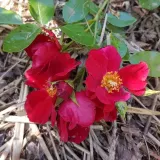
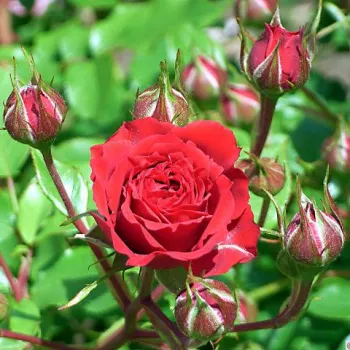
Flower Colour Description: The flower surface is a pure, rich ruby-red shade.
Closed Bud: The bud's outer surface is dark scarlet red, its shade deepening to a purplish tone at the tip.
Newly Opened Flower: The outer petals are bright ruby red, the inner surface slightly paler.
Full Bloom: The petals are a uniform, medium‑deep red with a slight fiery‑red glow in sunlight.
Before Fading: The red hue fades, shifting towards a warm raspberry-red tone.
Colour Fading Description: On opening the vivid ruby red mellows to a mid‑deep red, then lightens to a warm raspberry red before the blooms fade.

Fragrance and Aroma

Fragrance Strength: very weak, barely perceptible-scented rose
Fragrance Character: floral character
Pollinator Attraction: Its single (simple) flower form and readily accessible stamens make it especially attractive to pollinators.
Pollinator-Friendly Rating: It can be considered pollinator-friendly due to its single flowers.

Hip Characteristics

Hip Shape: spherical
Hip Colour: red
Hip Comment: Rose hip formation is expected to be minimal.

Resistance and Hardiness

Hardiness (°C): -21–-18 °C
Heat and Drought Tolerance Description: As an established plant it tolerates heat and moderate drought; during prolonged drought it requires watering.
Disease Resistance: very susceptible
  • powdery mildew – very susceptible
  • black spot – very susceptible
  • rust – very susceptible

Horticultural Recommendations

Recommended product path: Project mass planting
Release form: Uniform, dense, bush-trained finished product
Recommended use: Maintenance requirement high; highly susceptible to diseases, requires regular plant protection.
Primary Uses: flower bed, edging, park, urban green space, cut flower, hedge

Comments

Positioning: Project (landscape architecture / mass use)
Target customer/channel: Landscape contractor, project-serving wholesaler / maintenance
Main value proposition: Fast coverage – uniformity
ALSACE – red landscape shrub rose - Pekmez
The flower surface is a pure, rich ruby-red shade. - landscape shrub rose - very weak, barely perceptible-scented rose - floral character
Rose Shopping Online - red - very weak, barely perceptible-scented rose - Alsace - landscape shrub rose - (2.8-3.8ft (85-115 cm))
Inflorescence: clustered Height: 2.8-3.8ft (85-115 cm) Flower shape: cup-shaped Winter hardiness: 6b red - NIRP International (France, 1992) landscape shrub rose - Flower size: S (0,5-1,5 in) Flower size: S (0,5-1,5 in) - Height: 2.8-3.8ft (85-115 cm) Height: 2.8-3.8ft (85-115 cm) - Flower fullness: single-flowered Alsace - Roses in the garden | pharmaROSA® Neonatal - premium bronze Paul Pekmez

We showcase the external appearance of the roses available for online purchase from our webshop.


Which product type is right for you?


PharmaRosa® NEONATAL is the cost‑effective starting point for rose product production.

As a uniform, own‑rooted propagation material, it provides a stable basis for further growing-on and can be integrated flexibly into different finished product production technologies.

Rooted in trays (rooted), 3–6‑month‑old, own‑rooted rose cutting.
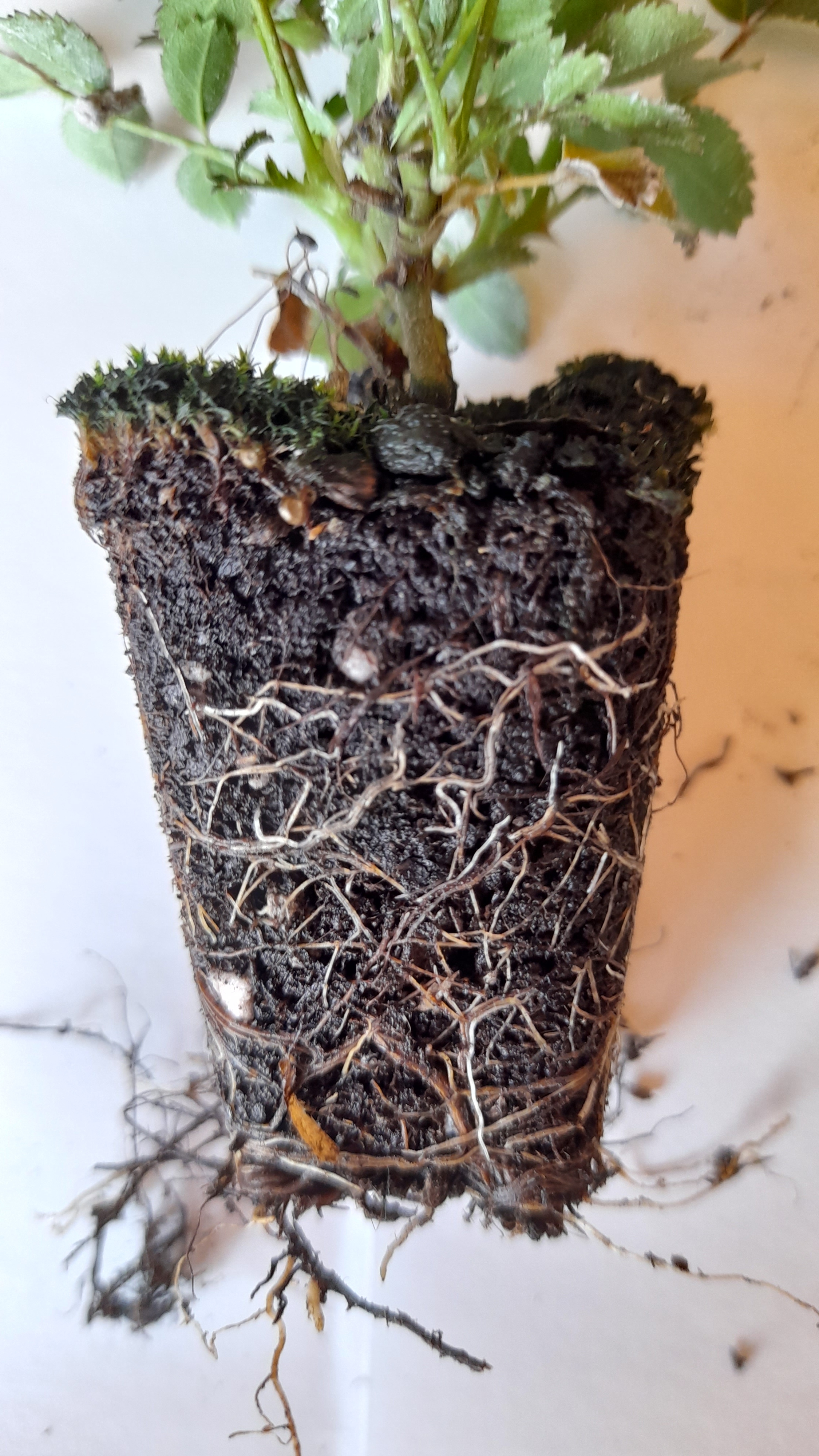
Uniform developmental stage, with a root system that has thoroughly penetrated the plug.
For professional growing‑on.
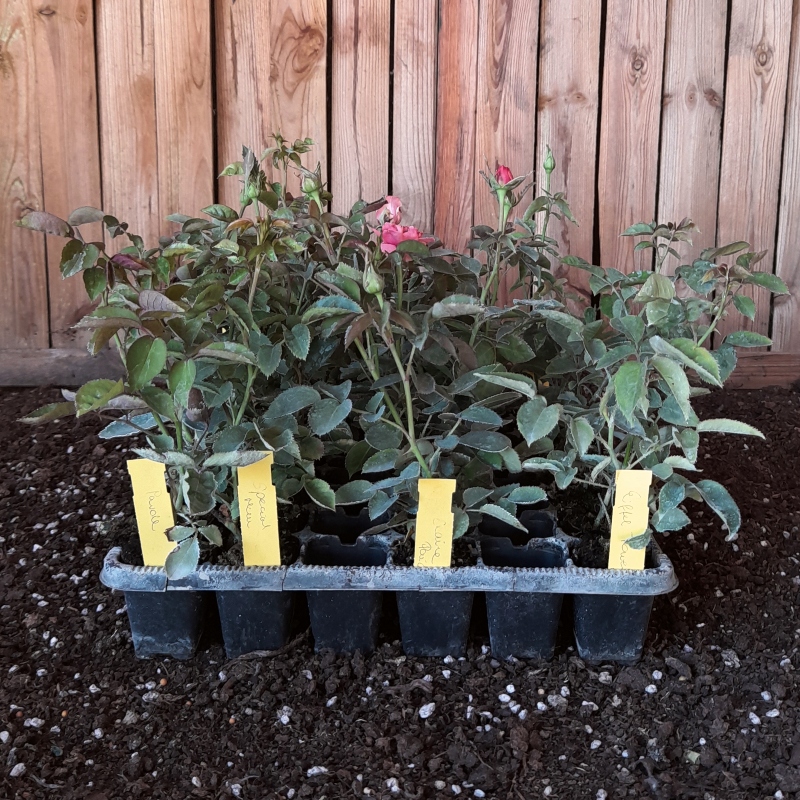
Tray packaging: 10 pcs/tray.
Quality and varietal identity: production supported by a dedicated identification and traceability logic.
Can be transplanted during frost‑free periods, designed for finished product production.

PharmaRosa® NEONATAL provides a controlled, uniform starting stock for planned growing‑on that can be integrated into your own technology – especially where scheduling and varietal identity are paramount.


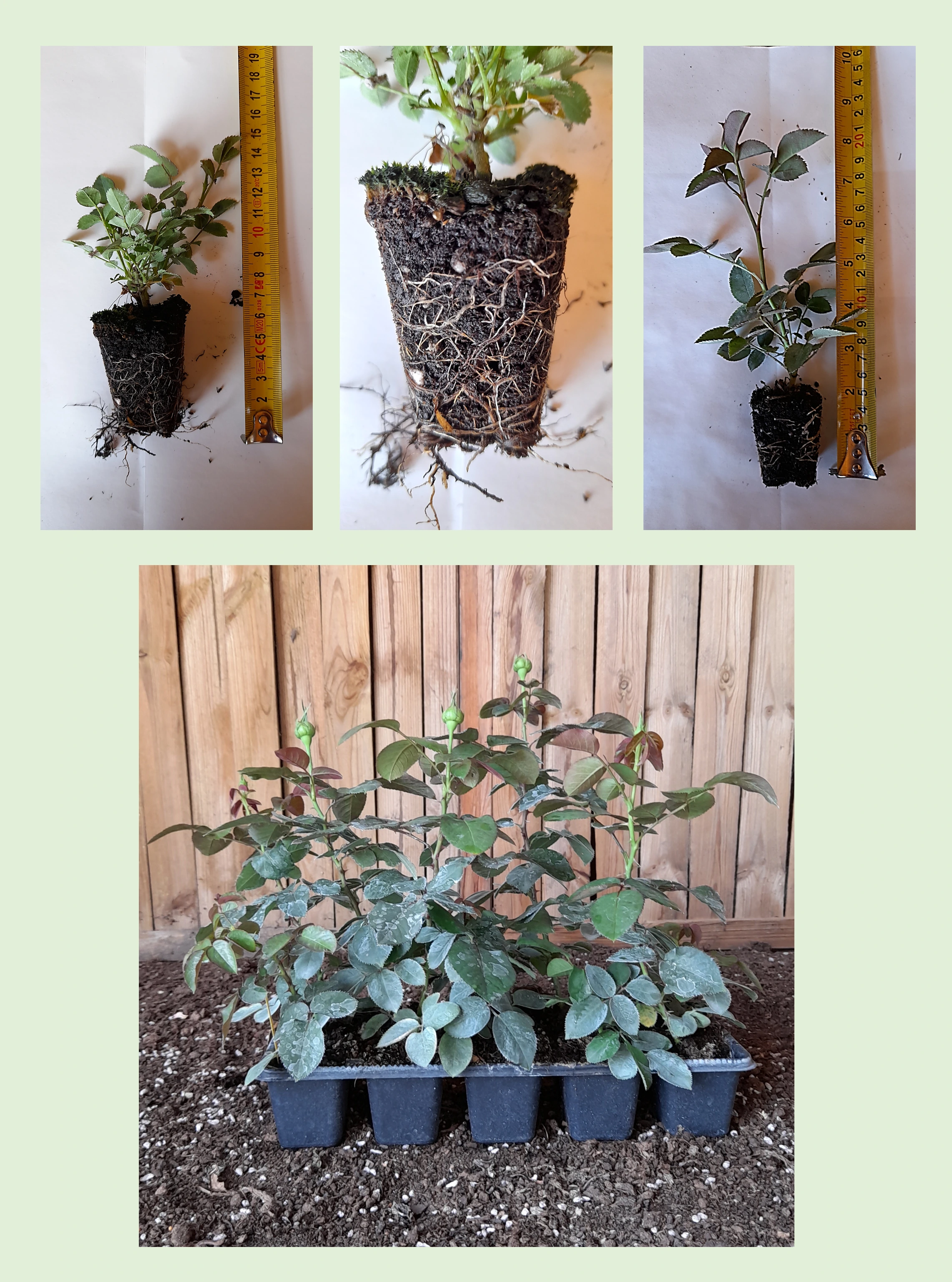
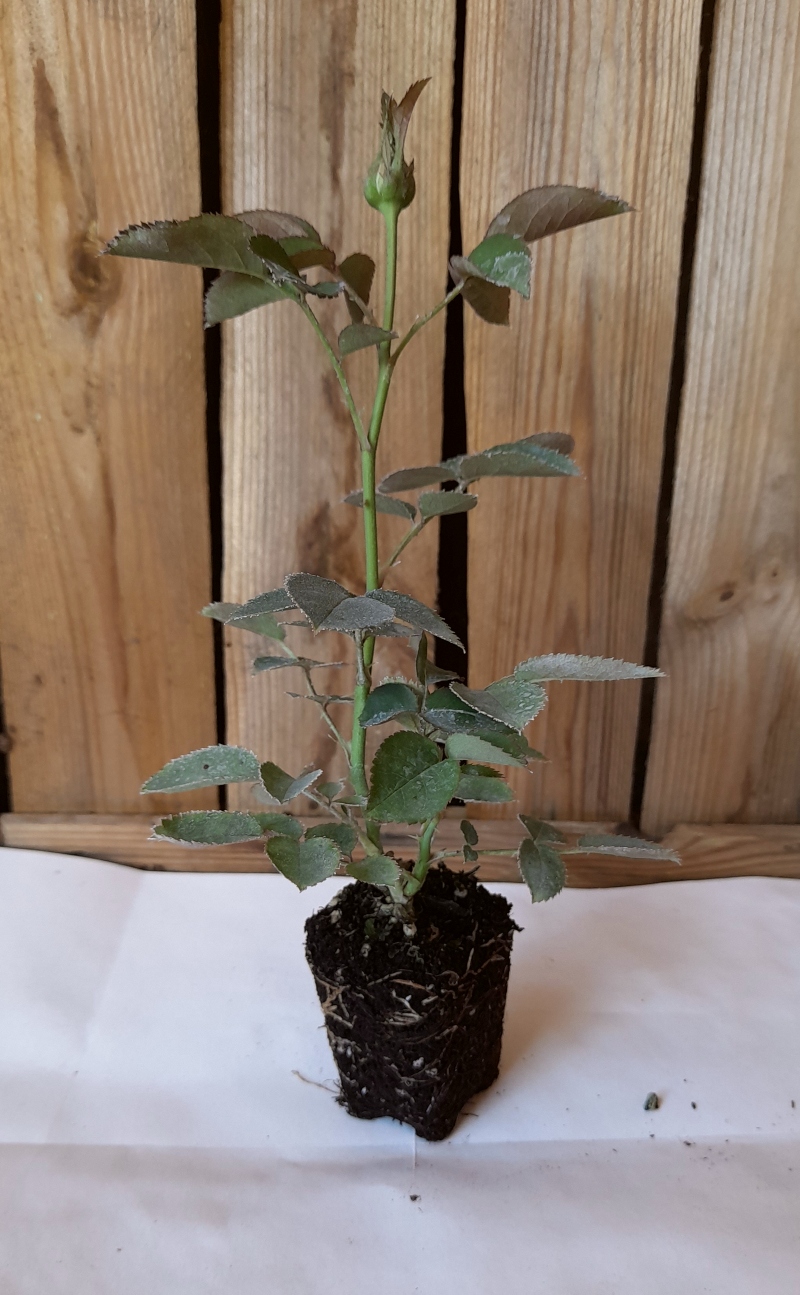
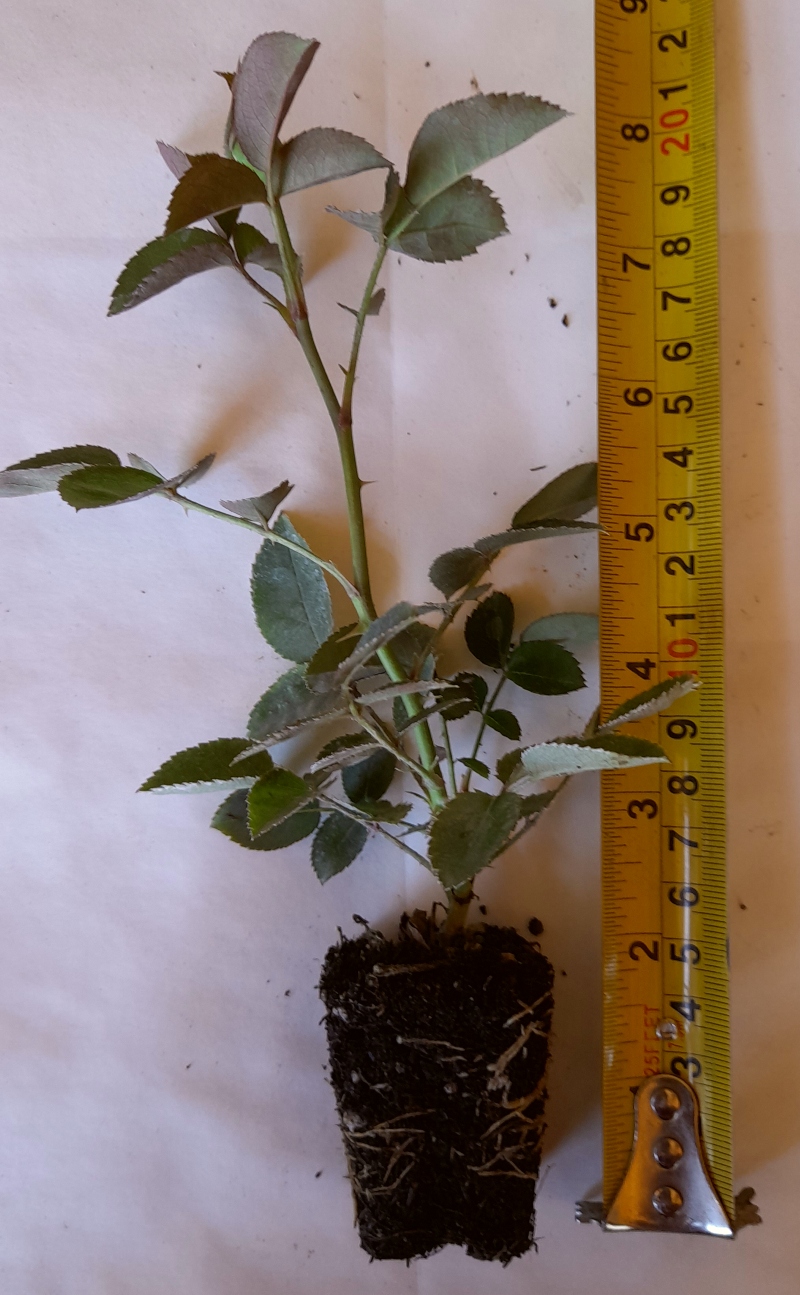
PharmaRosa® NEONATAL own-rooted rose propagation material in a plug, with a root system penetrating the plug (semi-finished product / semi-finished rose). PharmaRosa® NEONATAL rose propagation material size: 3–6‑month‑old, own-rooted cutting with a uniform developmental stage. PharmaRosa® NEONATAL rose propagation material root system: plug densely penetrated by well-developed white roots (root system detail). PharmaRosa® NEONATAL tray stock: own-rooted rose propagation material in trays, uniform developmental stage (10 pcs/tray).

Captions (from left to right): Semi-finished product (NEONATAL own-rooted rose propagation material in a plug with a fully developed root system) • Size demonstration (3–6‑month‑old, uniform cutting) • Root system detail (plug penetrated by the root system) • Tray stock (10 pcs/tray, uniform developmental stage)

pharmarosaneonatal.hupharmarosaneonatal.atpharmarosaneonatal.co.ukpharmarosaneonatal.czpharmarosaneonatal.depharmarosaneonatal.ropharmarosaneonatal.sipharmarosaneonatal.skpharmarosaneonatal.itpharmarosaneonatal.frpharmarosaneonatal.nlpharmarosaneonatal.plpharmarosaneonatal.lupharmarosaneonatal.ptpharmarosaneonatal.espharmarosaneonatal.ltpharmarosaneonatal.sepharmarosaneonatal.lvpharmarosaneonatal.eepharmarosaneonatal.fi

Which product type is right for you?

Pages for private customers
Garden roses for the family garden, with minimal care  → ORIGINAL®
Premium garden roses – instant impact, a truly showpiece garden  → EXTRA®
Pages for professionals and private customers
Roses for public spaces – large areas, sustainable maintenance  → NATURAL®
Roses for projects – hedge and row planting, fast implementation  → RAPID®
For professional partners only
Production – propagation material for garden roses, wholesale  → NEONATAL®

Company details

PharmaRosa Ltd.
Company registration number: 01-09-717479
VAT number: 13075314-2-43
Plant health registration no.: HU130721
Bank account (IBAN):
HU85117631891388688400000000
BIC (SWIFT): OTPVHUHB
Bank name: OTP Bank Nyrt.