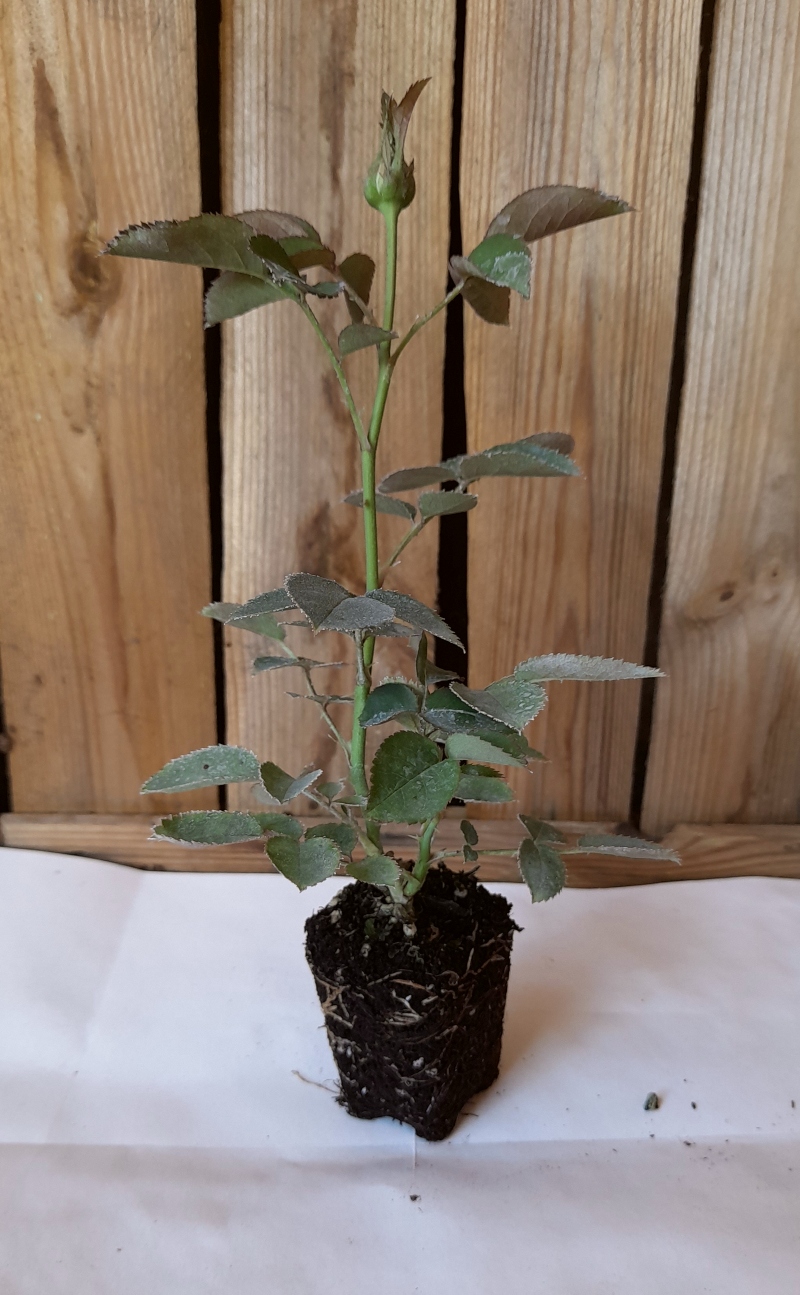
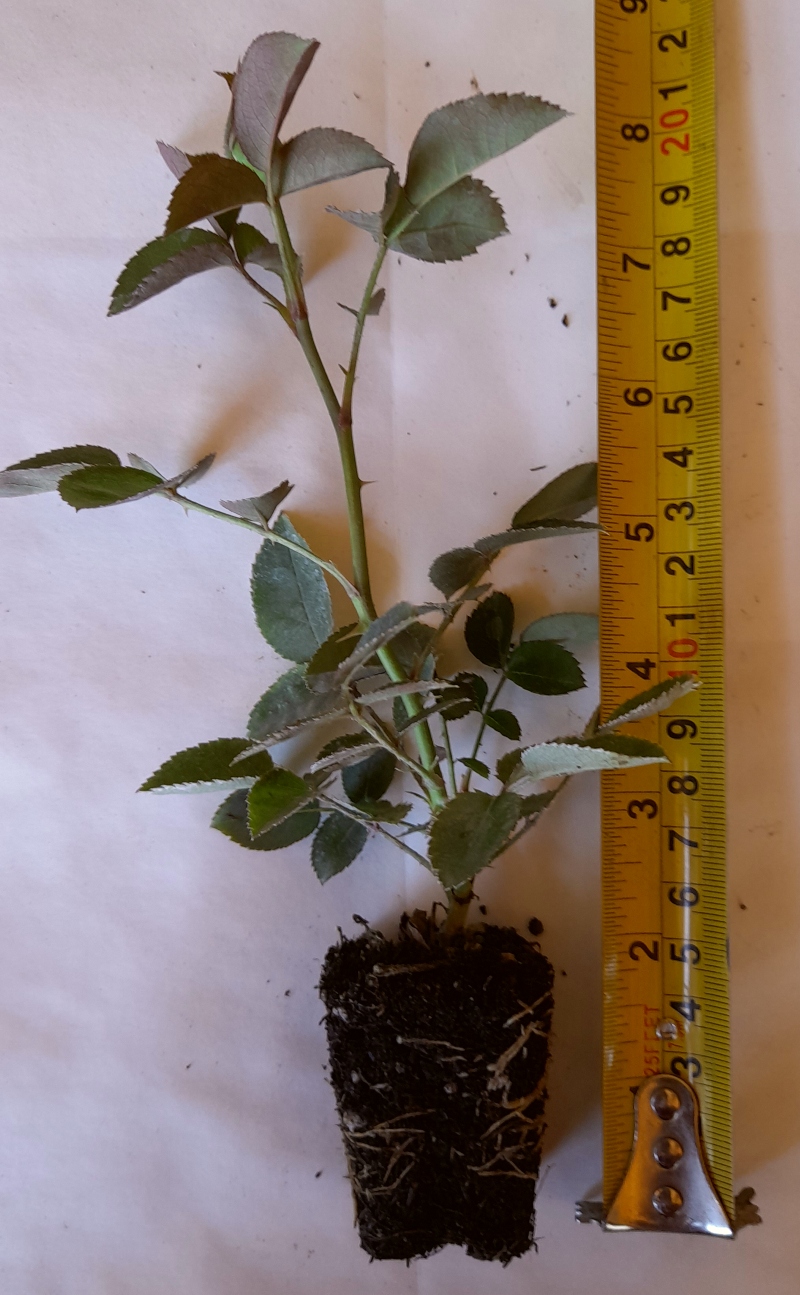
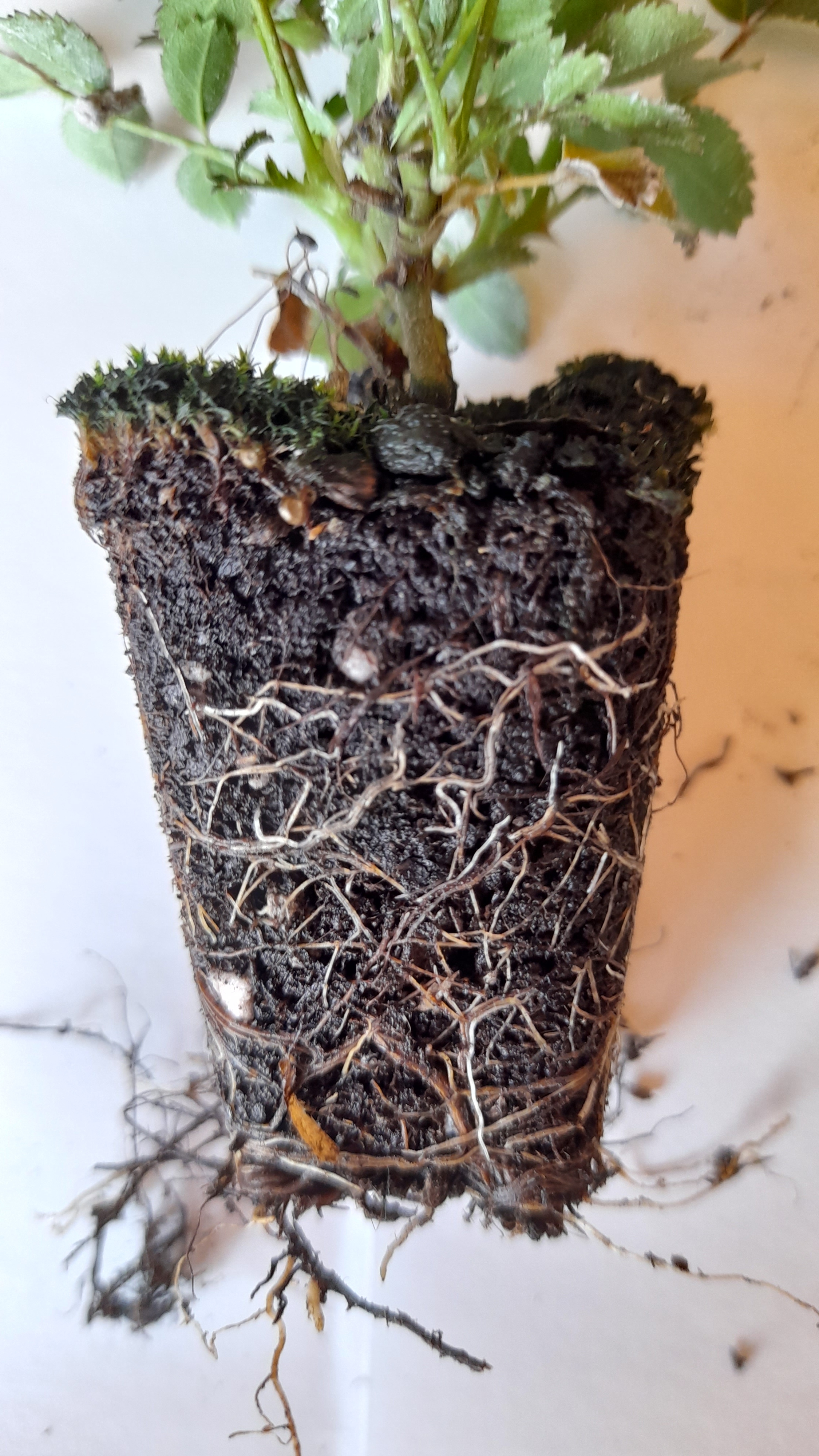
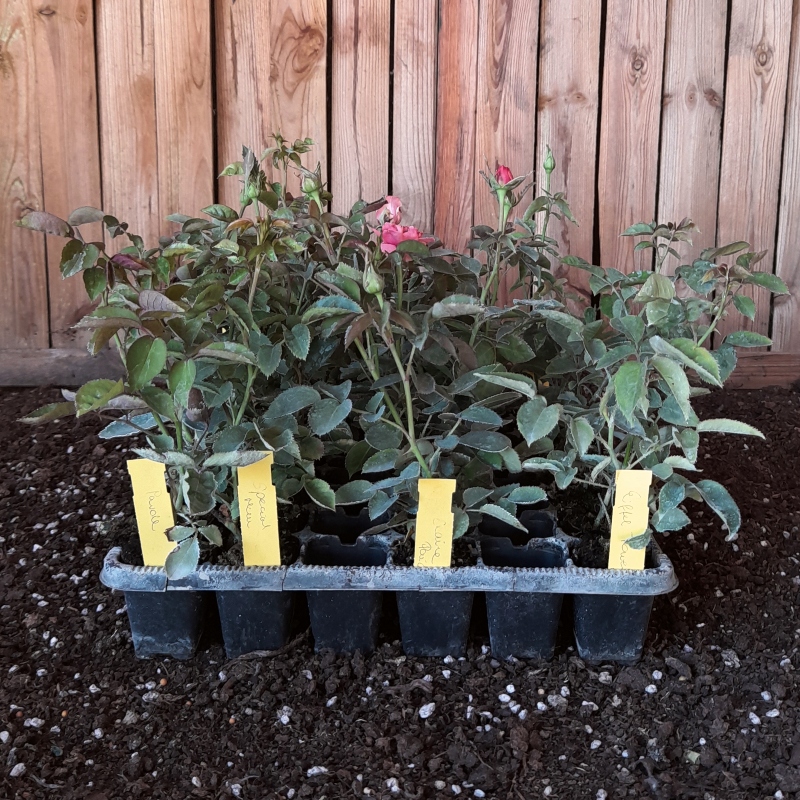
Apricot Queen Elizabeth – pharmaROSA® NEONATAL rooted cutting
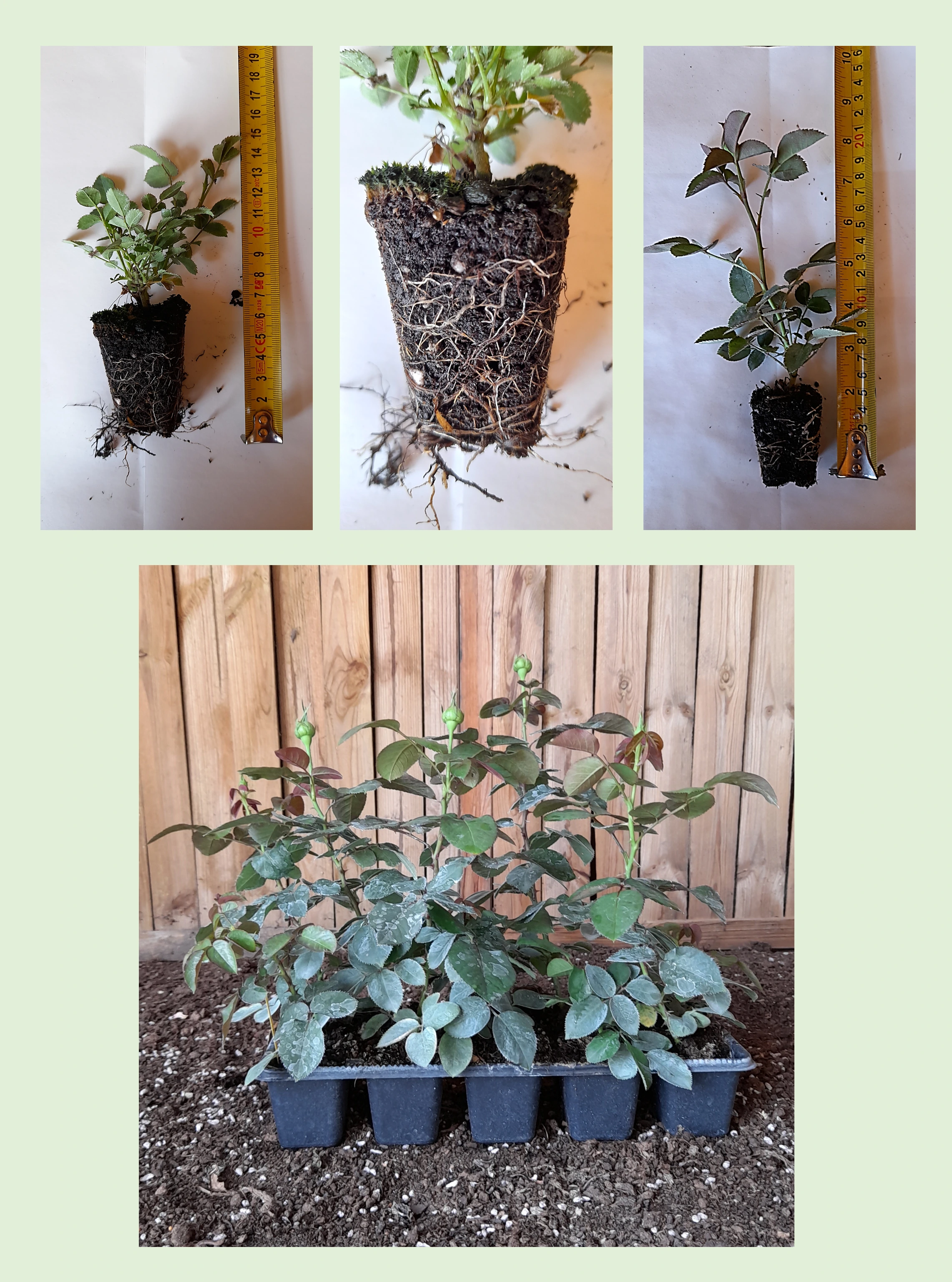
Capacity planning for nursery and wholesale production is supported by this own-root, bush-trained, compact grandiflora, offering upright, bushy structure, dense glossy foliage and a reliable remontant habit for standard container routes in 2–3 L. Its strong, long-lasting fragrance, large double clusters and apricot-peach colour spectrum suit thematic rose gardens, collection plantings and retail-ready bed roses where consistent garden performance is expected. Own-root material gives a durable base for renewable growth and predictable stands, with Year 1 focused on root establishment, Year 2 on structural shoot development and Year 3 delivering full ornamental value. With hardiness suitable for exposed northern sites, it integrates well into UK nursery systems serving public and private landscapes where dependable flowering and medium maintenance are required. This NEONATAL tray-rooted format offers scalable logistics, aligning with integrator supply chains and rose-led assortment building across collections.
Usage options
Finished-product ideas
- 2–3 L apricot bedding grandiflora line – Upright, bushy plants with dense glossy foliage and remontant cluster-flowering finished in standard 2–3 L containers as a core bed-rose SKU – retail / reseller programmes.
- Fragrance feature bench selection – Strong, long-lasting fragrance and large double blooms presented in uniform 2–3 L pots from own-root material as a scented highlight group – independent garden centres.
- Cold-hardy rose bed mix – H7 hardy, compact bush-trained plants used in mixed hardy rose trays, supporting reliable bed performance when planted out from standard containers – public-realm and regional authority tenders.
- Exhibition and collection sport series – Sport of ‘Queen Elizabeth’ with show recognition grouped with related cultivars from NEONATAL stock to build a named grandiflora and exhibition shrub series – show gardens and specialist nurseries.
- Park and housing-scheme bed rose – Medium-maintenance, remontant clusters and moderate disease resistance grown in 2–3 L containers for fast establishment of decorative beds and solitary accents – landscape contractors and project integrators.
Technical cultivar profile
| Parameter |
Data |
| Name and registration |
Current trade name Apricot Queen Elizabeth, bedding grandiflora rose, exhibition name Apricot Queen Elizabeth; collection classification bedding rose; registered cultivar name not provided. |
| Origin and breeding |
Sport of the ‘Queen Elizabeth’ cultivar, bred and initially distributed by H.A. Verschuren & Zonen, Netherlands, with introduction in 1980; breeding and registration year details otherwise not provided. |
| Awards and recognition |
Holds Top-Rose competition or show recognition, supporting its use in exhibition shrub rose contexts and as a dependable, proven cultivar within professional assortments and rose collections. |
| Growth and structural characteristics |
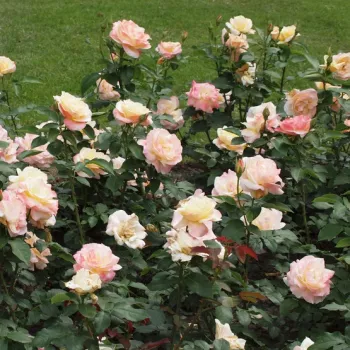
Upright, bushy habit with dense, glossy dark green foliage; bush-trained compact plant form, height approximately 75–105 cm and spread 50–70 cm; moderately thorny with medium self-cleaning requiring periodic deadheading. |
| Flower morphology |
Large L-size, double cup-shaped flowers with 26–39 petals, borne in clusters on a grandiflora framework; remontant behaviour delivers an abundant second flush, supporting prolonged seasonal display in beds and as cut stems. |
| Colour data and phenology |
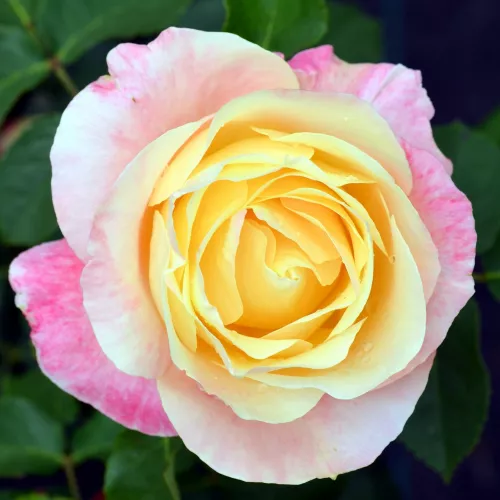
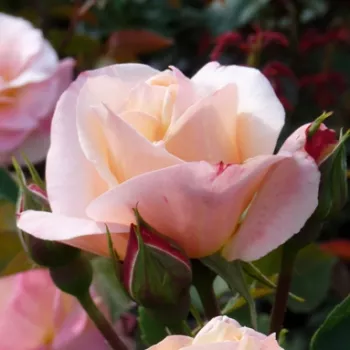
Peach-pink flowers in warm peach and salmon-pink shades with delicate orange tinge; RHS 24C outer and 25B inner; colour lightens in strong sun yet stays more vivid in cooler conditions, giving a refined apricot-cream progression. |
| Fragrance and aroma |
Strong, long-lasting fragrant rose with a slightly sweet character; double-flowered form conceals stamens, making it primarily an ornamental variety with limited pollinator appeal in professional garden and landscape settings. |
| Hip characteristics |
Hip production generally low due to double flowers; where present, produces occasional ovoid, orange-red hips around 13–17 mm in diameter, offering modest additional seasonal interest without dominating the ornamental effect. |
| Resistance and winter hardiness |
Moderate overall disease resistance with black spot resistance and moderate tolerance to powdery mildew and rust; tolerates heat and short moderate drought; hardy to about -26 to -23 °C, corresponding to RHS H7 and USDA Zone 5b. |
| Cultural and production recommendations |
Suited to flower beds, solitary and park plantings and cut use; medium maintenance with occasional pest control; recommended as bush-trained compact plants via standard container routes in 2–3 L pots; larger 40–50 L containers for feature specimens are feasible. |
Apricot Queen Elizabeth offers a hardy, upright bushy structure, strong fragrance and reliable remontant flowering on own roots, supporting predictable, long-lived stands for professional programmes; please contact us to align on volumes and scheduling.