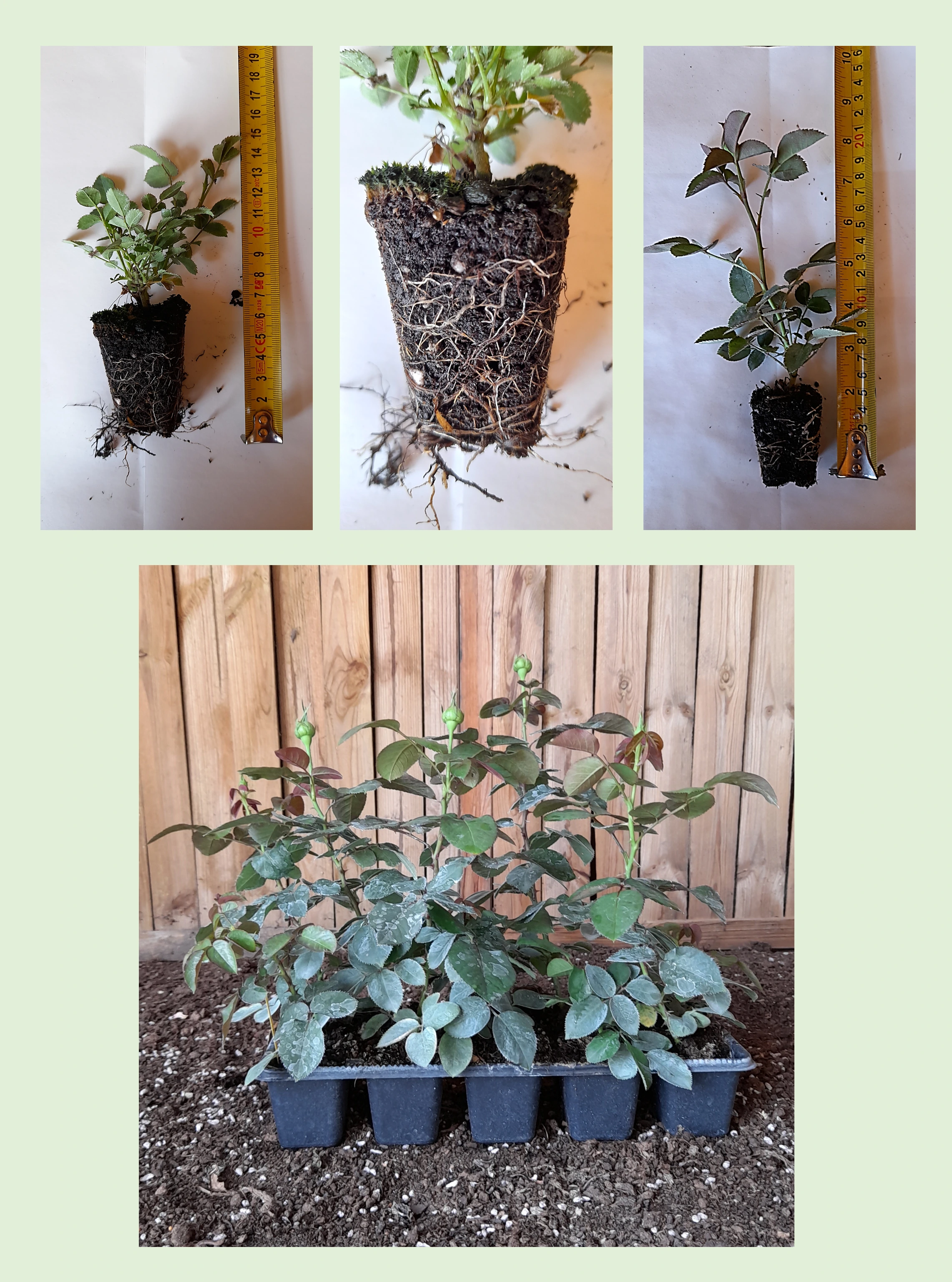
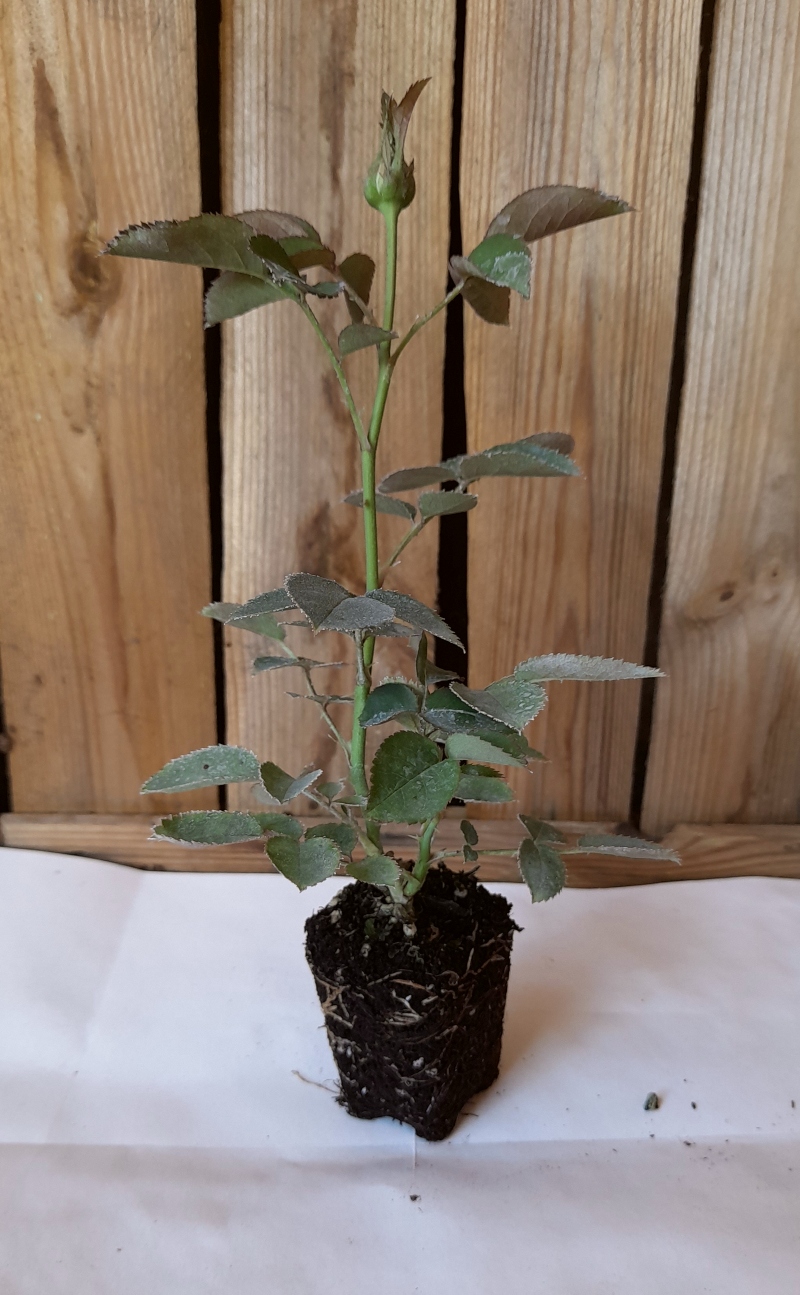
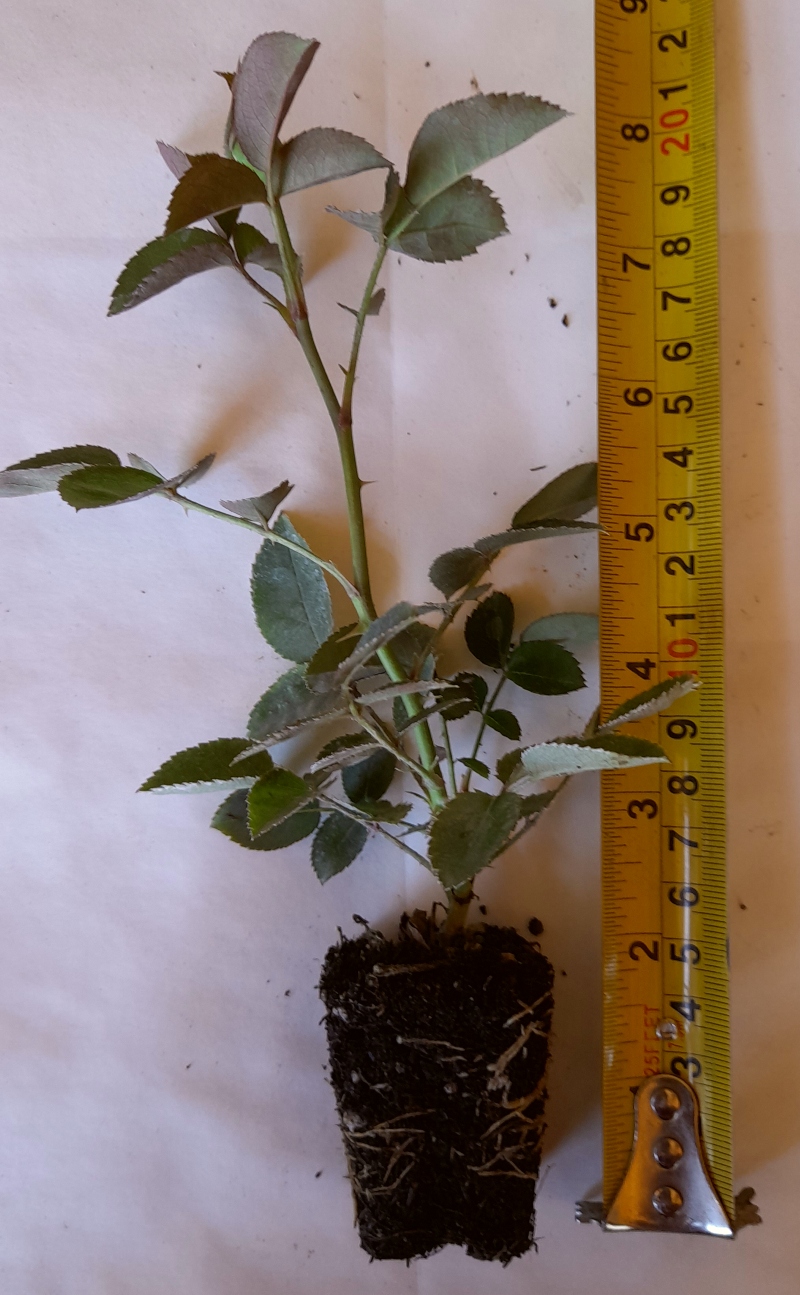
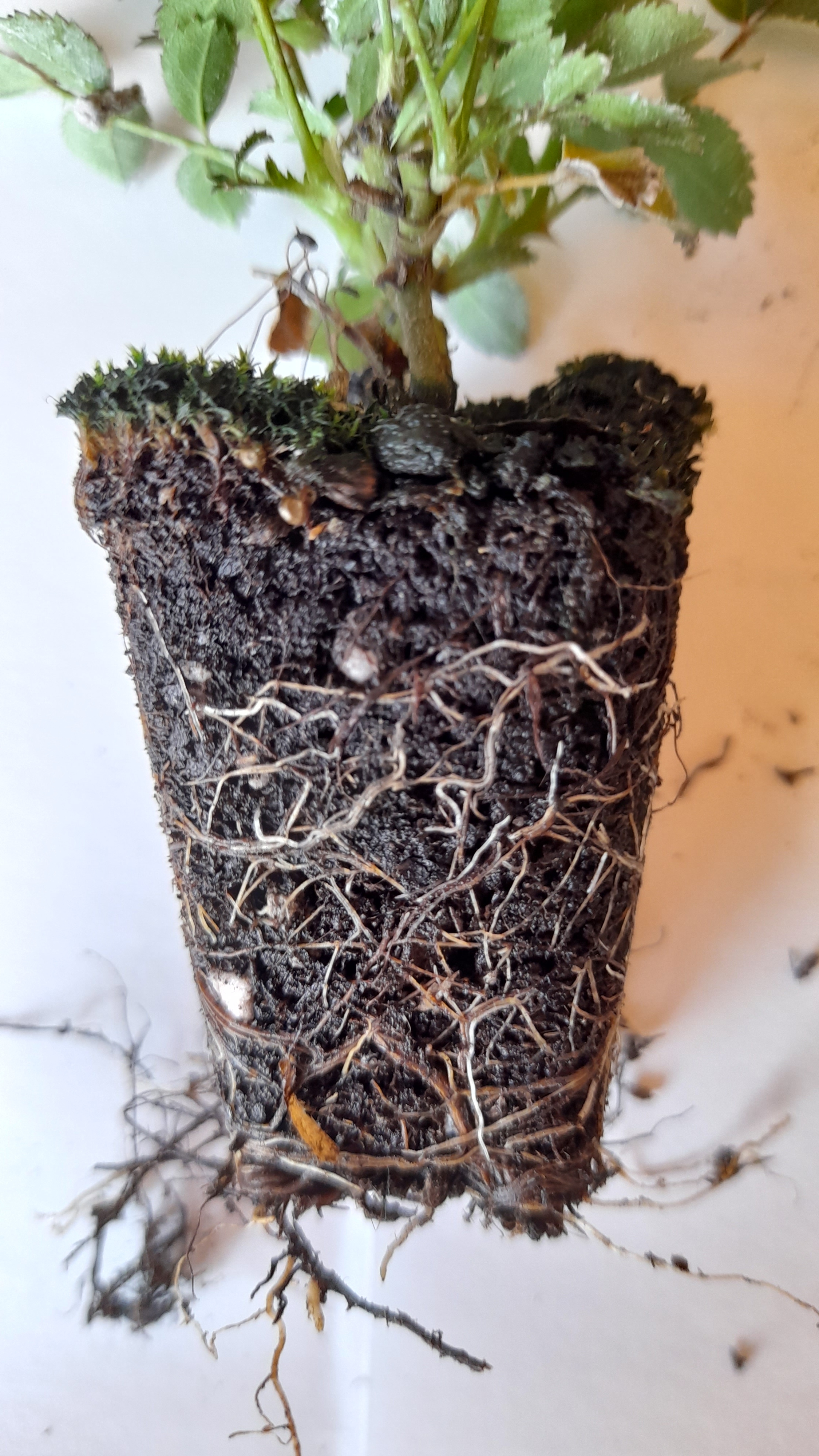
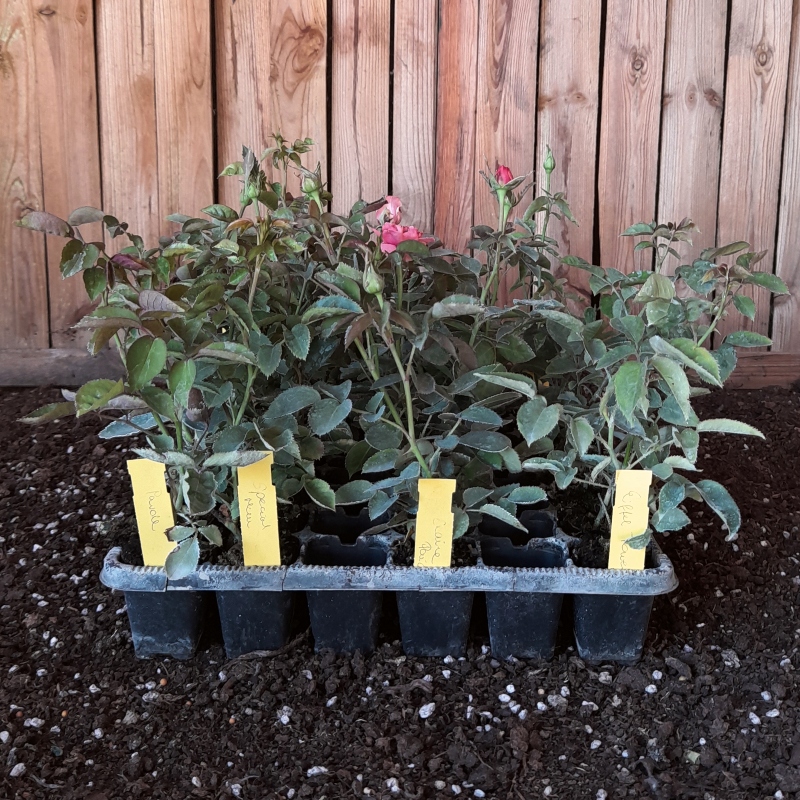
| Premium historic rose collections in 5–7 L containers |
The strong historic Damask heritage and Dowager-category positioning translate into a recognisable name for premium, collection-grade 5–7 L container production, where the emphasis is on authenticity and story. Low maintenance needs and good disease resistance ease routine care in dense container blocks, while own-root material supports long-term stock plants for repeated cutting cycles. This fits a premium container, specialty route serving retail/collector channels seeking traditional fragrance gardens and historical ambiance, particularly in structured thematic rose gardens for professional-collector. |
| Fragrance-focused specimen roses for parks and estates |
The extremely strong, classic rose-like fragrance and very full, solitary blooms lend themselves to standalone or grouped specimen use in park and estate plantings, where scented impact is a core brief. Bushy, upright growth at 80–130 cm allows clear underplanting and maintenance access, while own-root robustness supports regeneration after pruning or environmental stress, reducing replacement risk. A premium container or field-grown route into 40–50 litre final units positions this cultivar as a high-value, long-lived fragrance feature for public-realm and institutional projects via wholesale-specifier. |
| Historical-theme borders in public and private gardens |
The combination of historical rose status, Damask group identity and introduction in 1855 makes this cultivar an authentic anchor for themed borders in public displays and private show gardens. Repeat flowering, even if the second flush is lighter, still contributes season-long interest when integrated with complementary varieties. The upright, moderately dense foliage canopy reads well in linear planting, and own-root stands provide stable identity for long-term thematic schemes. Production through premium 5–7 L containers supports flexible deployment by nursery-retail. |
| Cut-flower niche for scented, historic stems |
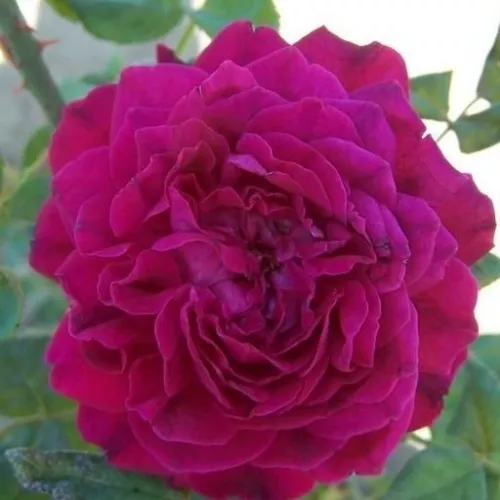
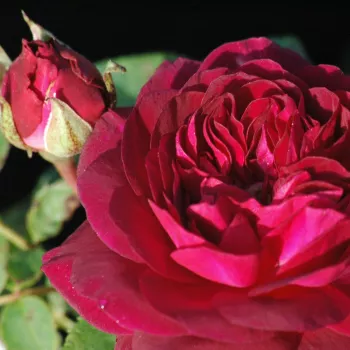
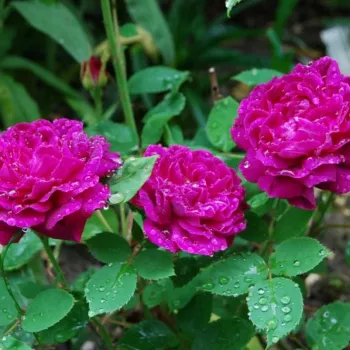
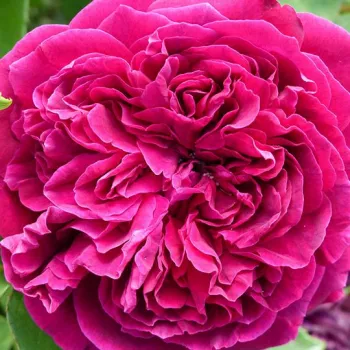
Medium-sized, very full, cupped blooms with deep crimson-red tonality and extremely strong fragrance suit a specialist cut-flower offer where narrative and scent trump stem length uniformity. Solitary flowering on bushy plants is manageable for targeted cutting from own-root mother blocks, especially given the variety’s generally low intervention needs and disease resistance. Using pharmaROSA® NEONATAL material as a propagation base allows You to maintain consistent clone identity for recurrent cutting cycles, fitting premium, small-batch lines for florist-collector. |
| Cold-climate stock for northern UK and similar regions |
With hardiness down to approximately -32–-29 °C, RHS H7, this cultivar offers reassurance for nursery networks and public-realm suppliers working into colder and more exposed catchments, where winter damage can undermine long-term contracts. Own-root propagation supports recovery after severe weather and helps preserve stand uniformity over time, reducing write-offs. Tray-rooted NEONATAL material slots into container and field programs dedicated to robust, long-lived historical cultivars for municipal and institutional planting in regions where reliable performance in colder, wind-exposed sites is essential for northern-contracts. |
| Low-intervention heritage plantings for managed landscapes |
The combination of good resistance to powdery mildew, black spot and rust with generally low maintenance requirements is particularly relevant for large managed landscapes where labour inputs must be controlled. Even though self-cleaning is weak and spent blooms may need periodic removal, the overall health profile supports longer spray intervals and simplified care regimes. Own-root technology further reduces long-term replacement and supports homogeneous stands across multi-site programmes. This aligns with premium historic, fragrance-driven concepts for landscape-wholesale. |
| Colour-contrast focal points in heritage beds |
The deep, velvety dark-crimson tonality, with burgundy–purple nuances and very good colour retention, provides strong contrast against lighter historical cultivars in themed beds. While the colour can fade somewhat in strong heat, it remains intense in cooler conditions, supporting dependable display across typical UK seasons. Using own-root NEONATAL material helps secure consistent colour expression across production batches and successive years. Premium 5–7 L containers give retailers and collection gardens a ready-to-place focal cultivar for display-retail. |
| Cultivar maintenance blocks and gene-bank style collections |
As a historic Damask rose with specific parentage from ‘Géant des Batailles’, this cultivar is a logical inclusion in maintenance blocks and gene-bank style collections where traceable origin and authenticity matter. Own-root propagation minimises graft-related variation and secures genetic continuity in long-term beds, supporting curator-level work in thematic and show gardens. pharmaROSA® NEONATAL tray-rooted cuttings simplify scheduling and storage for nurseries servicing collection managers and heritage sites, especially where winter-hardy, historically documented cultivars are prioritised for collection-institutions. |