| Premium 5–7 L container production for retail / reseller ranges |
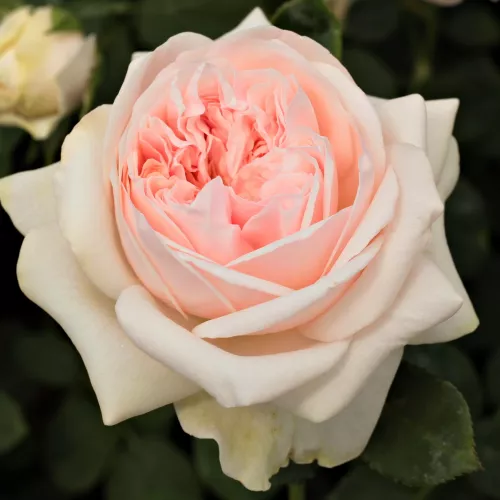
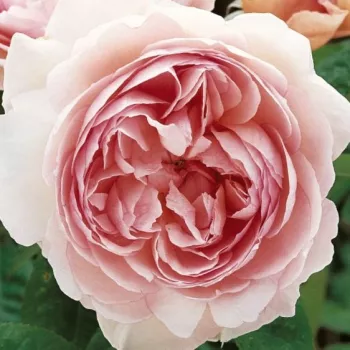
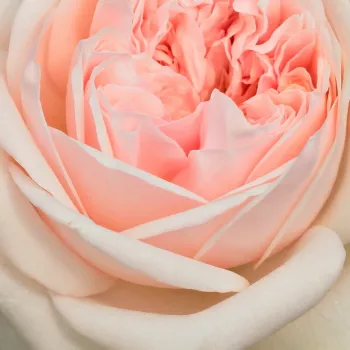
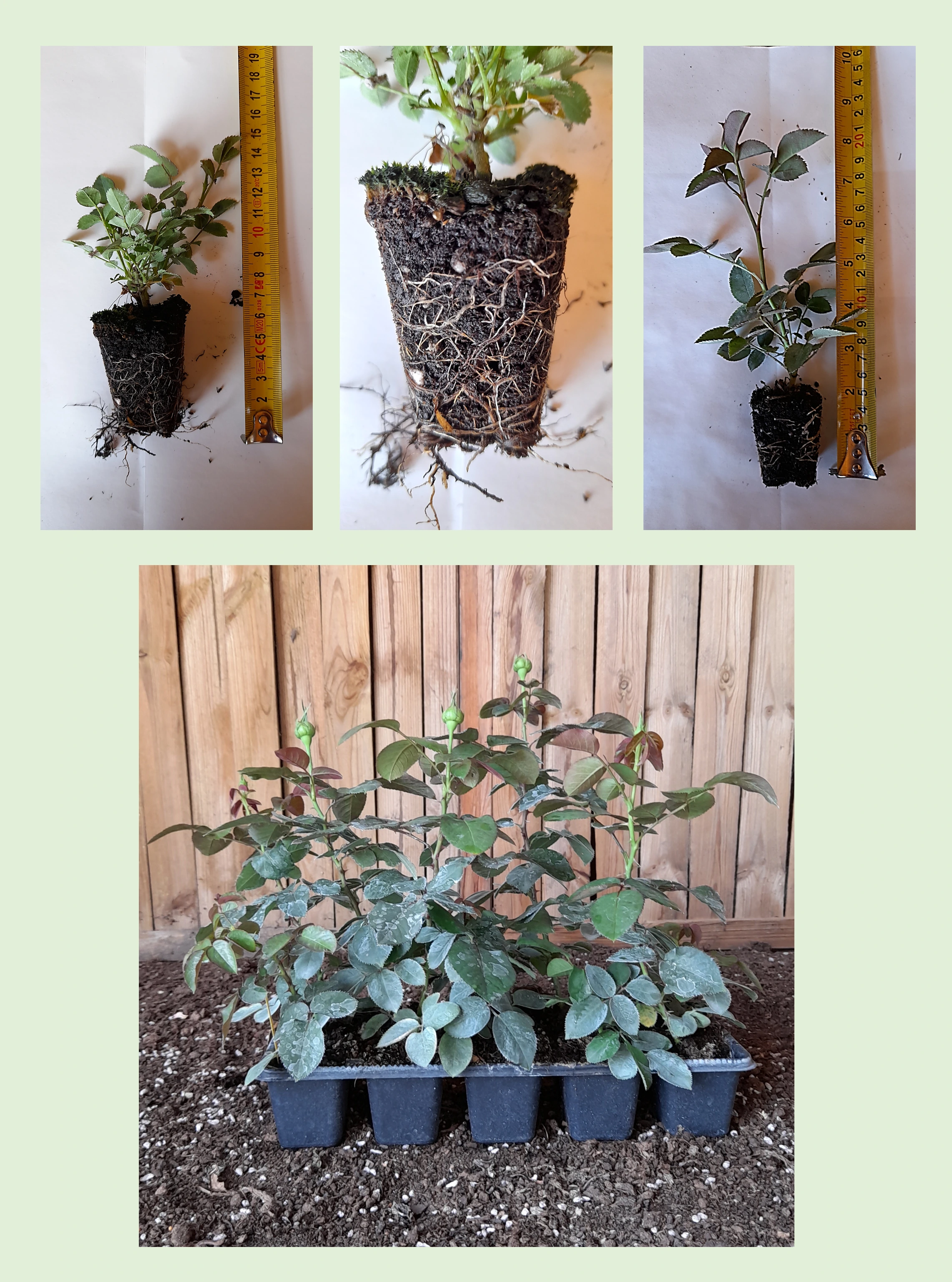
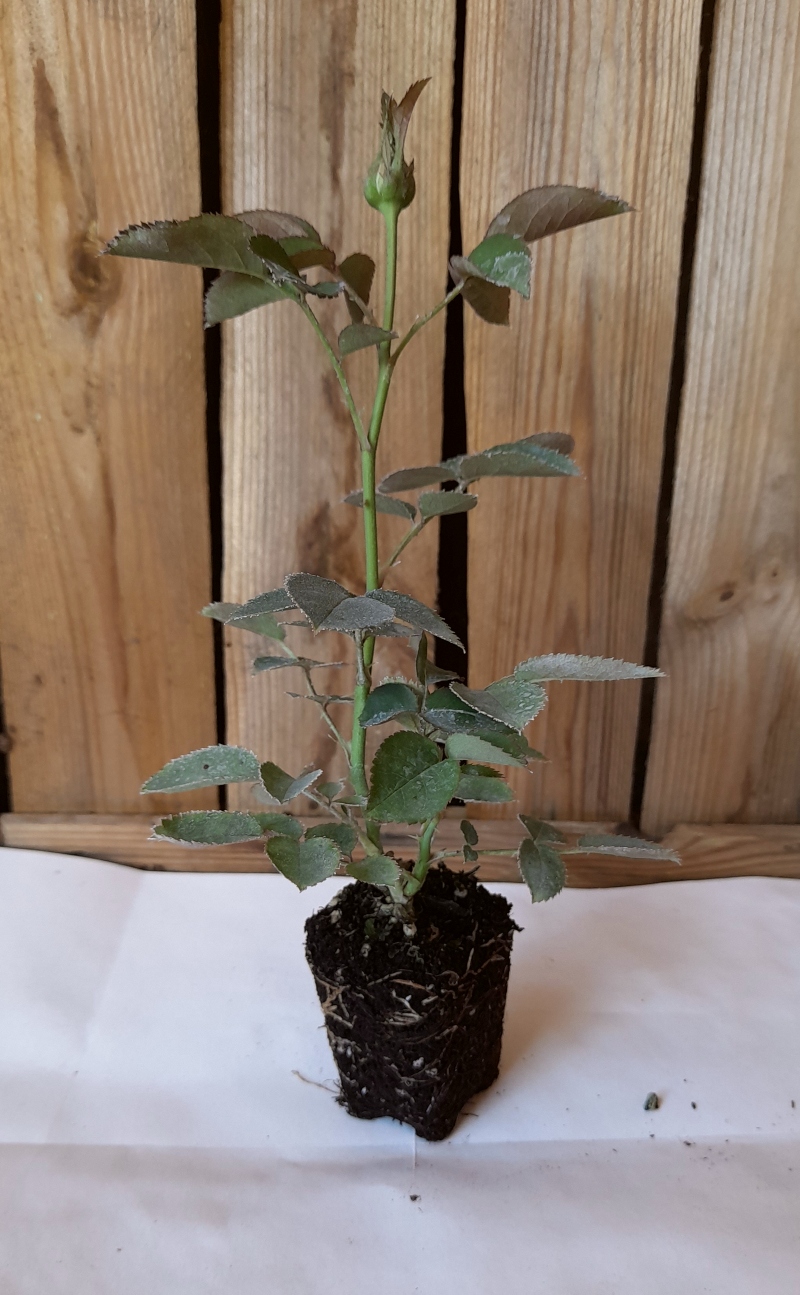
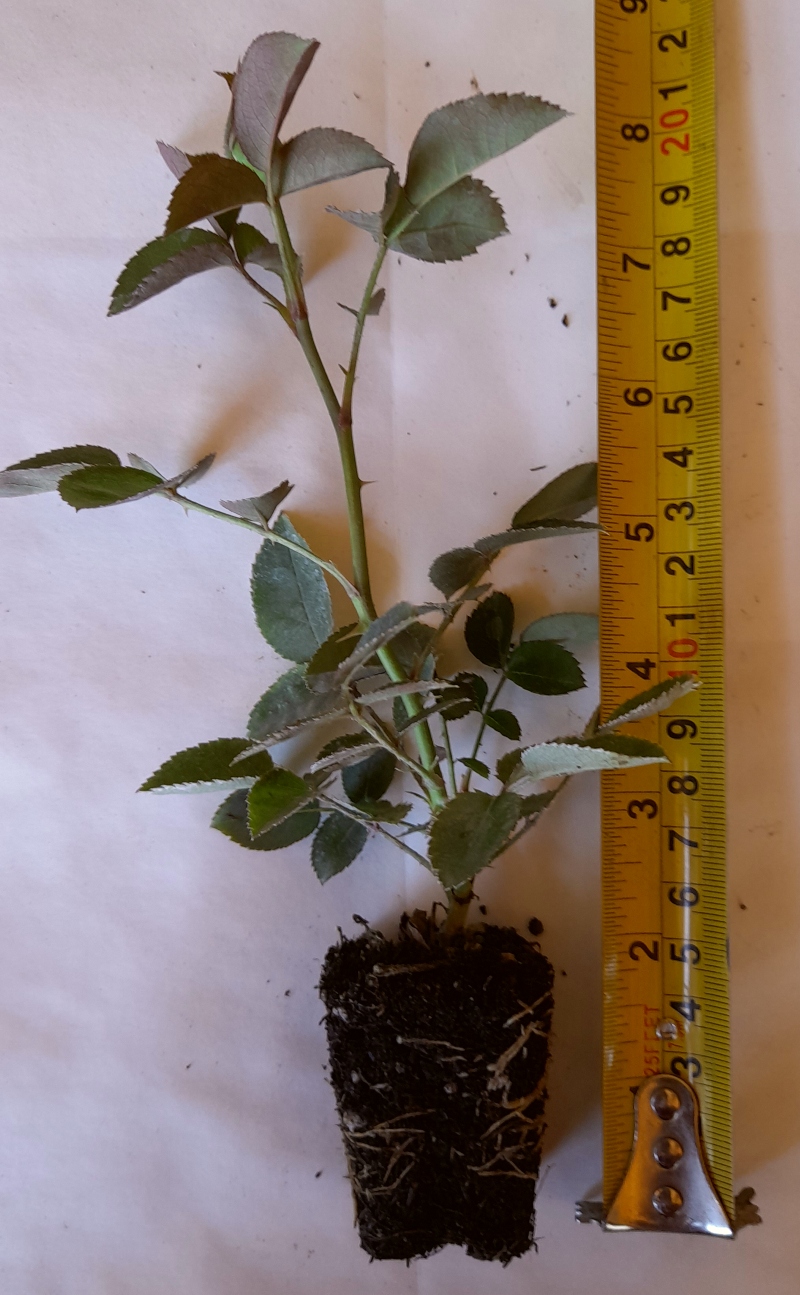
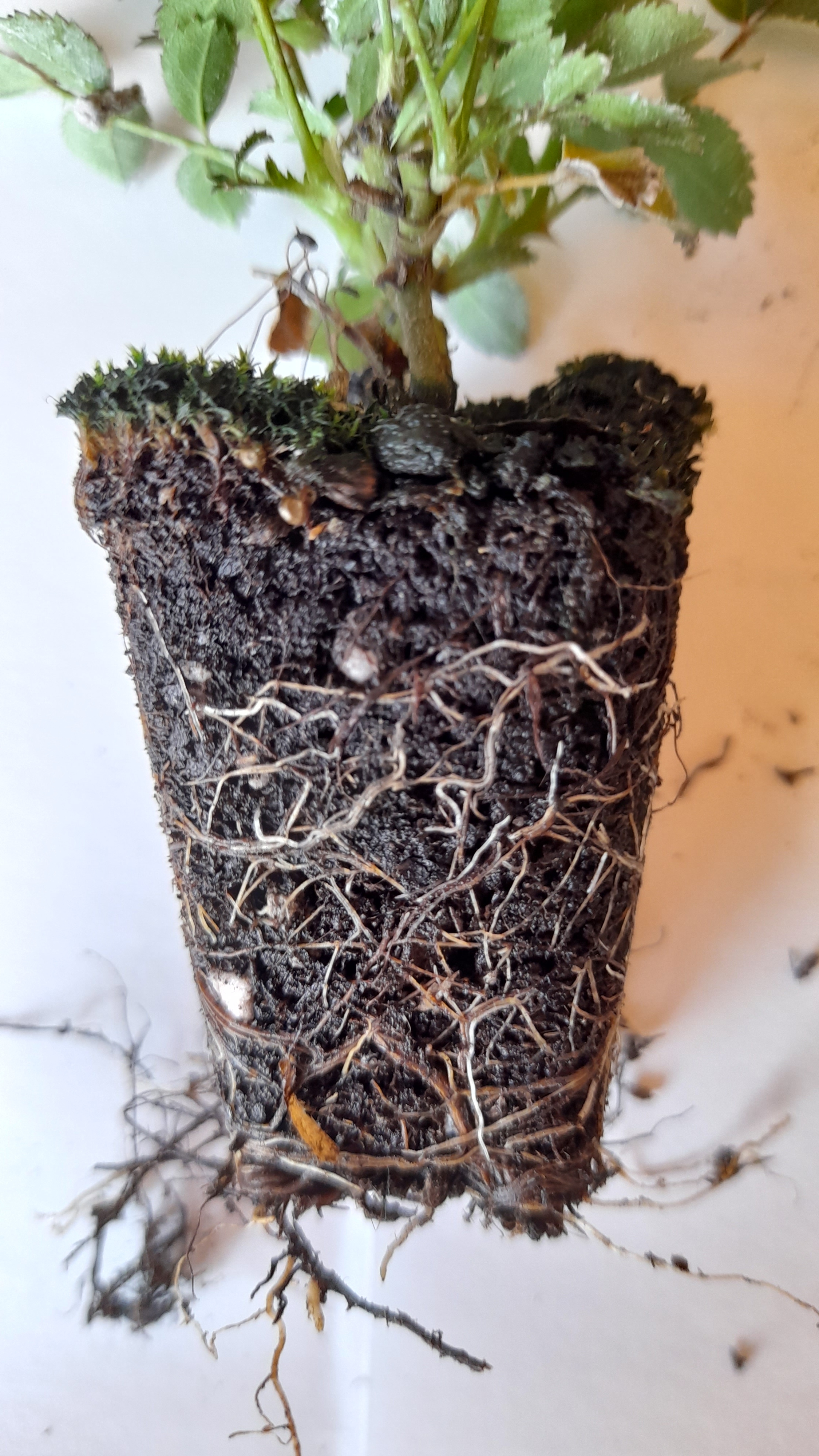
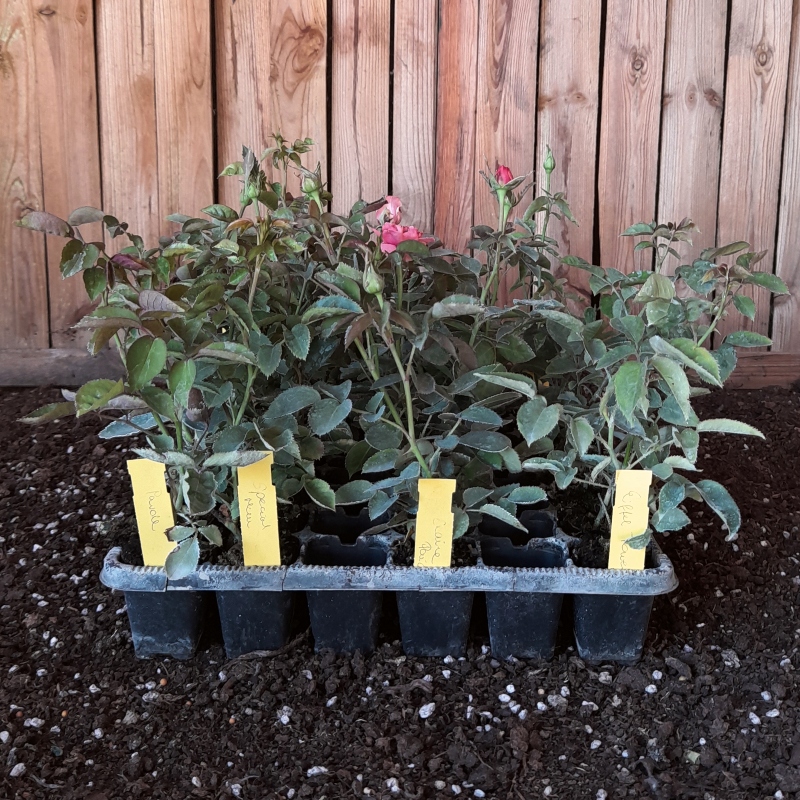
Auslight’s very full, porcelain-effect pale pink blooms and strong, classic fragrance align closely with an exclusive finished-product position where flower quality and form drive value. In a premium container route with 5–7 L pots, own-root, bush-trained NEONATAL material builds a solid 3–5 cane framework that supports homogeneous, sale-ready plants with clear English Rose identity. This fits retailer-focused ranges where a romantic rose look and reliable repeat flushes justify a higher unit price for retail / reseller partners. |
| Flower-bed and park plantings for show and collection gardens |
The upright, bushy, 150–210 cm framework and 100–150 cm spread make Auslight suitable as a structural shrub in formal flower beds and park schemes within thematic or English-style rose gardens. Using NEONATAL own-root material in propagation beds, then shifting to premium container production, supports even stands with reduced replacement over time, which is important where identity and continuity matter, such as curated collections and show gardens aimed at public-realm suppliers. |
| Cut-flower oriented shrub blocks in nursery settings |
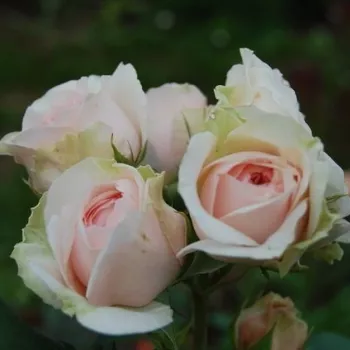
Large, very full rosette blooms with 40+ petals, good stem length and clustered 3–5 flowers per stem allow Auslight to double as a shrub-based cut-flower line for niche, garden-style bunches. Own-root NEONATAL plants deliver a long-lived productive base; once framework canes are established in 5–7 L containers or field beds, growers can manage pruning for stem length and repeated cutting, maintaining a premium, fragrant offer for independent floristry-linked nurseries. |
| Heat-exposed beds and containers in southern and urban schemes |
With good tolerance of heat and short dry periods (subject to irrigation in prolonged drought), Auslight adapts well to southern, more urban or paved environments where reflected heat is a factor. Propagating own-root material into premium 5–7 L containers ensures strong rooting volume to buffer moisture fluctuations, while the exclusive positioning and English Rose character support upmarket residential and hospitality schemes delivered by landscape-focused growers. |
| Cold-tolerant backbone for northern and inland nursery ranges |
Hardiness down to approximately −26 to −23 °C (H7, USDA 5b, Swedish zone 4) allows Auslight to function as a reliable shrub option in colder Scottish and northern English markets, supporting long-term planting in exposed or inland projects. Own-root NEONATAL plants form durable, regenerating bushes, reducing winter-loss replacement risk for nurseries supplying municipal and institutional buyers seeking romantic-style roses that still cope with demanding climates for public and municipal contracts. |
| Medium-maintenance premium shrub for managed gardens |
Moderate disease resistance with good powdery mildew resistance and medium needs for plant protection suits professionally maintained sites where scheduled care is available but not excessive. Poor self-cleaning means some deadheading is required; however, this is acceptable in premium private and institutional gardens where flower quality and fragrance take priority. Own-root structure supports long-term shrubs that respond well to rejuvenation pruning for full-service garden managers. |
| Feature specimens and focal points in high-end projects |
The combination of strong, long-lasting fragrance, romantic pale pink rosettes and a tall, upright habit makes Auslight a convincing choice as a specimen shrub in key sightlines or near seating areas. Bush-trained own-root plants in 5–7 L (or up to 40–50 L) containers provide the framework needed to present a mature, immediate impact at installation, aligning with exclusive finished-product positioning for premium landscape contractors. |
| Curated English Rose and romantic rose collections |
As a David Austin-bred English Rose with clear romantic rose classification, Auslight fits naturally into curated collections and thematic displays where provenance and style coherence are important. Own-root NEONATAL propagation underpins long-term cultivar maintenance, supporting collection beds and gene-bank style stands with predictable identity and stable performance, particularly useful in cooler, wind-exposed northern show gardens served by collection-oriented nurseries. |