Romantic rose

20-001-1
20-001-2

Ausmas

English Rose

- – David Charles Henshaw Austin

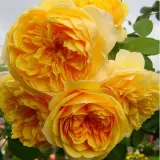
Rich, warm golden-yellow-toned petals. - english rose - strong, long-lasting scented rose - rich, reminiscent of old roses, damask character

– Strong, long-lasting old rose fragrance
– Large, very full rosette blooms
– Rich golden yellow, gently fading tones
– Reliable repeat flowering through the season
– Proven garden performer with major awards
Special feature: World Federation of Rose Societies Hall of Fame “World’s Favourite Rose” (2009).
Exclusive finished product
Ausmas
pharmaROSA® NEONATAL rooted rose cutting
30,92 £
Due to courier service regulations – and the introduction of customs clearance – delivery to Ireland is temporarily suspended.
5 (8386)
facebook   twitter

AUSmas – yellow English rose – Austin

As a rooted own-root cutting, AUSmas offers a romantic English Rose profile tailored to premium container production, combining medium-vigour upright growth with controlled height for 5–7 L formats and bush-trained, 3–5 cane structure. Its very double rosette blooms and strong, long-lasting old-rose fragrance underpin an exclusive finished product for retail and reseller ranges, while the remontant, abundant flowering supports reliable, repeat display in nursery and garden-centre contexts. With H7 hardiness and USDA 5b performance, it fits UK nursery networks that must cope with colder regions and exposed sites, offering dependable winter hardiness for stock beds and collection plantings. Own-root production supports long-term renewal and homogeneous stands suitable for thematic English Rose collections, where cultivar identity and continuity are critical. The year-on-year development arc—from root consolidation in year one, structural framework in year two and full ornamental expression from year three—aligns well with premium crop scheduling and multi-season planning for wholesale partners.


Usage options

Target area Reasoning
Premium 5–7 L container crop for English Rose retail programmes The strong, long-lasting fragrance is a primary differentiator in premium English Rose ranges, supporting an “exclusive finished product” positioning. In 5–7 L premium containers, bush-trained plants with 3–5 framework canes present a mature, scented canopy suitable for high-end retail/reseller benches. Own-root form underpins predictable regrowth after pruning, stabilising repeat cropping for planned premium container releases and supporting exclusive flower-quality led assortments for retail partners.
Thematic English Rose and romantic rose collections for show gardens The rich golden-yellow rosette flowers and romantic English Rose character make AUSmas visually coherent in themed, collection-style plantings, where flower form and colour story drive selection. For nursery propagation beds and own show or display gardens, bush-trained 3–5 cane plants in 5–7 L pots deliver presentable material that can later be field-planted into collection blocks. Own-root longevity and regeneration are advantageous for long-term thematic and show-garden projects supplied by public‑realm specialists.
Specimen shrubs for premium landscape and park contracts Its upright habit, 130–180 cm height and 100–150 cm spread allow AUSmas to function as a medium-sized specimen in beds and park settings, supporting the “specimen” and “park” use profile. Container-grown bush-trained plants can be stepped up from 5–7 L into 40–50 L final containers where landscape contractors require instant effect stock. Own-root structure supports stable, renewable framework over time, reducing replacement risk in contract-based plantings for landscape contractors.
Flower-bed and mixed border lines for branded English Rose blocks The remontant, abundant flowering with large, 2.75–3.95 in clusters supports dense colour presentation in flower beds and mixed borders, suitable for structured production of homogeneous lines. For growers building private-label English Rose ranges, the premium container route (5–7 L) combined with bush training gives consistent crown architecture across batches. Own-root stability improves stand uniformity and capacity planning for repeat seasonal programmes targeting garden‑centre chains.
Fragrance-focused ranges and “scent hero” bench groupings The cultivar’s strong, damask-style fragrance, recognised by major international awards, is a natural anchor for fragrance-led assortments and “scent hero” display tables. When grown as a premium 5–7 L container shrub with 3–5 canes, the canopy supports multiple highly scented blooms at point of sale. Own-root plants re-flush strongly after retail pruning, supporting reliable restocking and maintaining flower-quality centred brand promises for specialist rose nurseries.
Climbing-style use on arches and fences from shrub base With 130–180 cm height and upright, moderately thorny shoots, AUSmas can be trained along low fences and garden arches, matching its “fence, arch” use recommendation from a shrub base. Producing robust bush-trained material allows customers to fan out canes after planting, creating an informal, romantic coverage. Own-root resilience supports regrowth after harder training cuts and supports medium-maintenance regimes in decorative structures specified by design‑led retailers.
Cut-flower side line from landscape and stock plantings The large, very double, rosette blooms with rich fragrance permit limited cut use, adding value for nurseries or estates managing dual-purpose plantings. Premium-container plants can be moved into field or large 40–50 L positions as mother stock, producing stems for local cut sales while retaining ornamental function. Own-root plants tolerate this production load by regenerating framework wood, supporting ongoing flower-quality driven positioning for horticultural estates.
Cold-tolerant stock beds for UK-wide nursery networks H7 hardiness with performance down to around -26 °C allows AUSmas to overwinter reliably in colder nursery zones and exposed stock fields, supporting UK networks that must service northern and inland climates. Premium 5–7 L bush-trained plants can be held in outdoor beds, then used as propagation or step-up material. Owning cold-tolerant own-root stands helps reduce winter losses, keeping supply stable and predictable for integrated wholesale systems.

Finished-product ideas

  • Premium 5–7 L English Rose shrub – own-root, bush-trained AUSmas with 3–5 framework canes in 5–7 L pots, emphasising strong fragrance and romantic rosette blooms as an exclusive English Rose SKU – target audience/channel: retail / reseller.
  • Fragrance collection feature plant – highlighted, award-backed fragrance hero in coordinated premium container runs, integrating remontant flowering and scent into a curated “scented roses” bench – target audience/channel: garden-centre chains.
  • Landscape specimen in 40–50 L – step-up from 5–7 L to 40–50 L final containers for instant-effect golden-yellow specimens in parks and representative plantings, using own-root resilience for long-term framework stability – target audience/channel: landscape contractors.
  • Romantic arch and fence set – paired premium shrubs selected for upright habit and cane strength, sold as “arch/fence” solutions where customers train canes post-planting, leveraging remontant flowering for extended display – target audience/channel: design-led retailers.
  • Collection-grade English Rose stock plant – own-root AUSmas plants maintained in nursery beds or large containers as long-term mother stock, supporting cultivar maintenance and small-scale cut-flower or show-garden use – target audience/channel: specialist rose nurseries.

Technical cultivar profile
Parameter Data
Name and registration Registered as AUSmas, marketed as Ausmas English Rose AUSmas and known in commerce as the English Rose ‘Graham Thomas’, belonging to the English Rose Collection, shrub / garden ornamental category.
Origin and breeding Bred by David Charles Henshaw Austin in the United Kingdom from ‘Charles Austin’ × (‘Iceberg’ × unnamed seedling), introduced and registered in 1983 by David Austin Roses Ltd for international distribution.
Awards and recognition Holder of Royal Horticultural Society Award of Garden Merit and World Federation of Rose Societies Hall of Fame “World’s Favourite Rose”, plus the Henry Edland Medal fragrance award, underlining proven garden and scent performance.
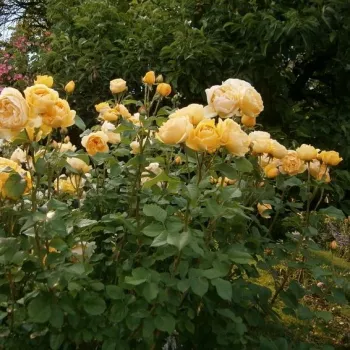
Growth and structural characteristics Upright shrub reaching about 130–180 cm in height and 100–150 cm spread, with medium-density, medium green foliage and moderate prickliness; growth habit supports shrub, specimen and informal training uses in premium production.
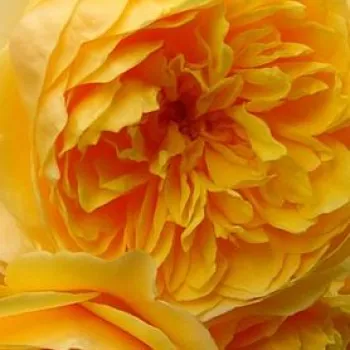
Flower morphology Large 2.75–3.95 inch blooms of very double, rosette form borne in clusters; remontant flowering with a notably abundant second flush, providing extended display suitable for decorative shrub and premium container use.
Colour data and phenology Rich golden-yellow flowers, ARS LP, RHS 65C outer and 65D inner; deep golden centres fading through sunny yellow to buttery yellow, with colour lightening further in strong sun but retaining a warm, romantic appearance in bloom.
Fragrance and aroma Strong, long-lasting fragrance of old-rose, damask character; decorative rather than pollinator-oriented, as the strongly double structure encloses the stamens and offers limited nectar and pollen access to visiting insects.
Hip characteristics Produces rose hips only sparsely; where present, hips are spherical, golden-yellow, approximately 12–18 mm in diameter, adding occasional seasonal interest without significantly impacting ornamental flower production.
Resistance and winter hardiness Rated H7 with approximate hardiness down to -26 to -23 °C, USDA zone 5b and Swedish zone 4; disease tolerance moderate for powdery mildew, black spot and rust, with medium maintenance and occasional plant protection advised.
Horticultural recommendations Suited for flower beds, parks, specimen use, fences, arches and limited cut use; requires regular watering under heat, medium maintenance, bush training with 3–5 strong canes, and is best marketed via premium container routes.

AUSmas offers award-recognised fragrance, remontant golden-yellow flowering and cold-tolerant, own-root reliability that together support predictable, long-lived premium crops; we would be pleased to discuss scheduling and capacity for your programmes.
Detailed product attributes

Product Identification Data

Product Name: AUSMAS – yellow English rose - Austin
Product Type: pharmaROSA® NEONATAL - rooted rose cutting
Cultivar Authenticity: Verified:08.06.2025
Cultivar Quality Rating: premium gold
Item Number: [732] 20-001 (14.02.2026) pharmarosaneonatal.co.uk

Name and Registration

Meaning of Cultivar Name: The name is a male given name.
Cultivar Synonym: Graham Thomas; Lemon Parody
Original Trade Name: Graham Thomas
Current Trade Name: Ausmas English Rose AUSmas
Rose Group: English Rose Collection, Shrub
Commercial Type: english rose
Commercial Group: Romantic rose
Exhibition Category: shrub rose / garden ornamental (not cut flower)
Collection: English Rose

Origin and Breeding

Initial Distributor: David Austin Roses Ltd. (United Kingdom)
Breeder: David Charles Henshaw Austin
Breeding Company / Institution: David Austin Roses Ltd
Breeding Year: United Kingdom, 1983
Parentage: ‘Charles Austin’ × (‘Iceberg’ × unnamed seedling)

Awards and Honours

Global and Lifetime Awards: World Federation of Rose Societies Hall of Fame; "World’s Favourite Rose" (2009)
Horticultural Ratings and Recommendations: Royal Horticultural Society Award of Garden Merit (1993)
Competition and Show Awards: Henry Edland Medal – Fragrance Award (2000); Royal Horticultural Society Award of Garden Merit (1993); World Federation of Rose Societies Hall of Fame – 'World’s Favourite Rose' (2009)

Growth and Structural Characteristics

Height: 4.3-5.9ft (130-180 cm)
Spread: 3.3-4.9ft (100-150 cm)
Growth Habit: upright
Foliage: The variety has foliage of medium density. The leaf surface characteristics are not clearly classifiable and the leaves are a medium green colour.
Prickliness: moderately thorny
Self-Cleaning Description: No data on self-cleaning.
Self-Cleaning Intensity: No data on the strength of self‑cleaning.

Flower Morphology

Flower Fullness: very double-flowered
Flower Shape: rosette
Flower Size: L (2,75-3,95 in)
Inflorescence Type: clustered
Colour Code: ARS code: LP RHS code: 65C (outer), 65D (inner)
Repeat Flowering: Remontant, its second flowering is also abundant.

Colour Data and Phenology

Colour: yellow
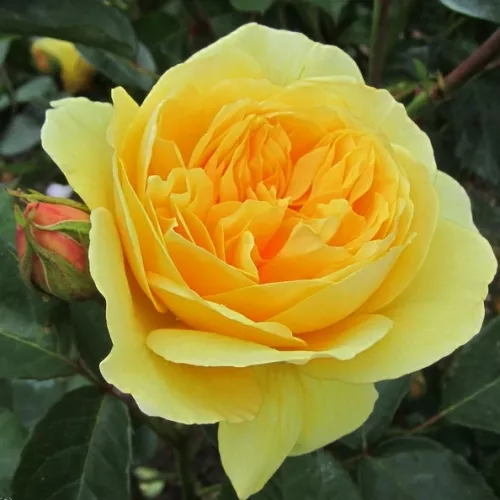
Flower Colour Description: Rich, warm golden-yellow-toned petals.
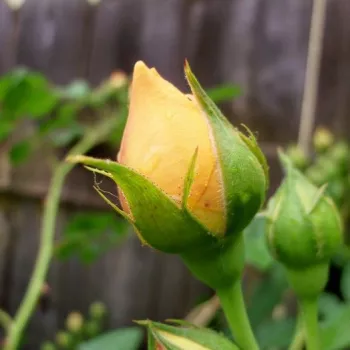
Closed Bud: Deep, warm golden yellow with amber-tinged tips.
Newly Opened Flower: The inner petals are an intense golden yellow; the outer whorl of petals lightens to a buttery yellow.
Full Bloom: High-contrast bloom: deep golden at the centre, blending outward into sunny yellow and then buttery yellow.
Before Fading: The yellow tone fades, mellowing from deep gold to a softer shade.
Colour Fading Description: As the flower opens, the deep golden yellow gradually fades to sunny yellow and then to buttery yellow; in strong sunlight it lightens further.

Fragrance and Aroma

Fragrance Strength: strong, long-lasting scented rose
Fragrance Character: rich, reminiscent of old roses, damask character
Pollinator Attraction: The cultivar's heavily double flower form (double rather than single or semi‑double) and reduced stamen accessibility make it poorly attractive to pollinators.
Pollinator-Friendly Rating: Strongly double blooms enclose the stamens; primarily a decorative variety.

Hip Characteristics

Hip Shape: spherical
Hip Colour: golden-yellow
Hip Comment: Sparsely produced, 12–18 mm in diameter, golden-yellow, spherical rose hips.

Resistance and Hardiness

Hardiness (°C): -26–-23 °C
Heat and Drought Tolerance Description: Tolerates heat well but not prolonged drought; requires regular watering.
Disease Resistance: moderate
  • powdery mildew – moderate
  • black spot – moderate
  • rust – moderate

Horticultural Recommendations

Recommended product path: Premium container
Release form: Bush-trained, with 3–5 strong framework canes
Recommended use: Maintenance requirement medium; occasionally requires plant protection.
Primary Uses: flower bed, park, specimen, fence, arch, cut flower

Comments

Positioning: Exclusive finished product
Target customer/channel: Retail / reseller
Main value proposition: Flower quality, form
AUSMAS – yellow English rose - Austin
Rich, warm golden-yellow-toned petals. - english rose - strong, long-lasting scented rose - rich, reminiscent of old roses, damask character
Online rose purchase - yellow - strong, long-lasting scented rose - Ausmas - english rose - (4.3-5.9ft (130-180 cm))
Inflorescence: clustered Height: 4.3-5.9ft (130-180 cm) Flower shape: rosette Winter hardiness: - yellow - David Austin Roses Ltd. (United Kingdom) english rose - Flower size: L (2,75-3,95 in) Flower size: L (2,75-3,95 in) - Height: 4.3-5.9ft (130-180 cm) Height: 4.3-5.9ft (130-180 cm) - Flower fullness: very double-flowered Ausmas - Roses in the garden | pharmaROSA® Neonatal - premium gold David Charles Henshaw Austin

We showcase the external appearance of the roses available for online purchase from our webshop.


Which product type is right for you?


PharmaRosa® NEONATAL is the cost‑effective starting point for rose product production.

As a uniform, own‑rooted propagation material, it provides a stable basis for further growing-on and can be integrated flexibly into different finished product production technologies.

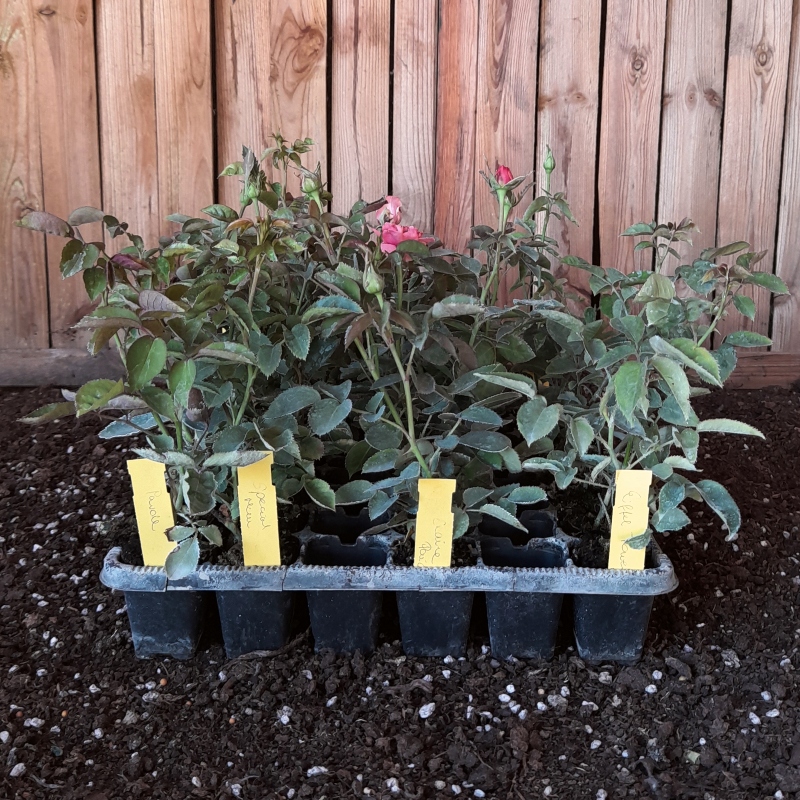
Rooted in trays (rooted), 3–6‑month‑old, own‑rooted rose cutting.
Uniform developmental stage, with a root system that has thoroughly penetrated the plug.
For professional growing‑on.
Tray packaging: 10 pcs/tray.
Quality and varietal identity: production supported by a dedicated identification and traceability logic.
Can be transplanted during frost‑free periods, designed for finished product production.

PharmaRosa® NEONATAL provides a controlled, uniform starting stock for planned growing‑on that can be integrated into your own technology – especially where scheduling and varietal identity are paramount.


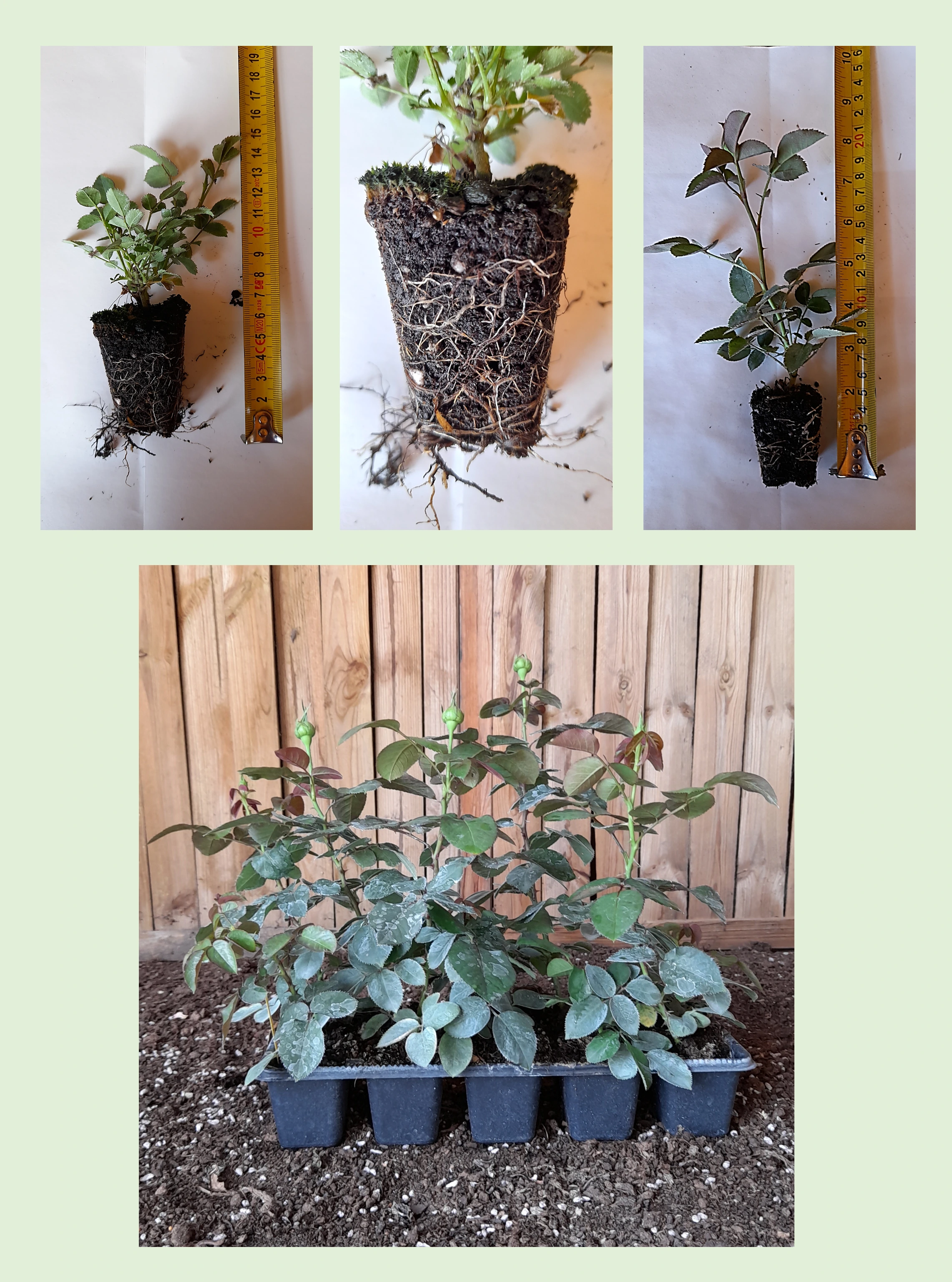
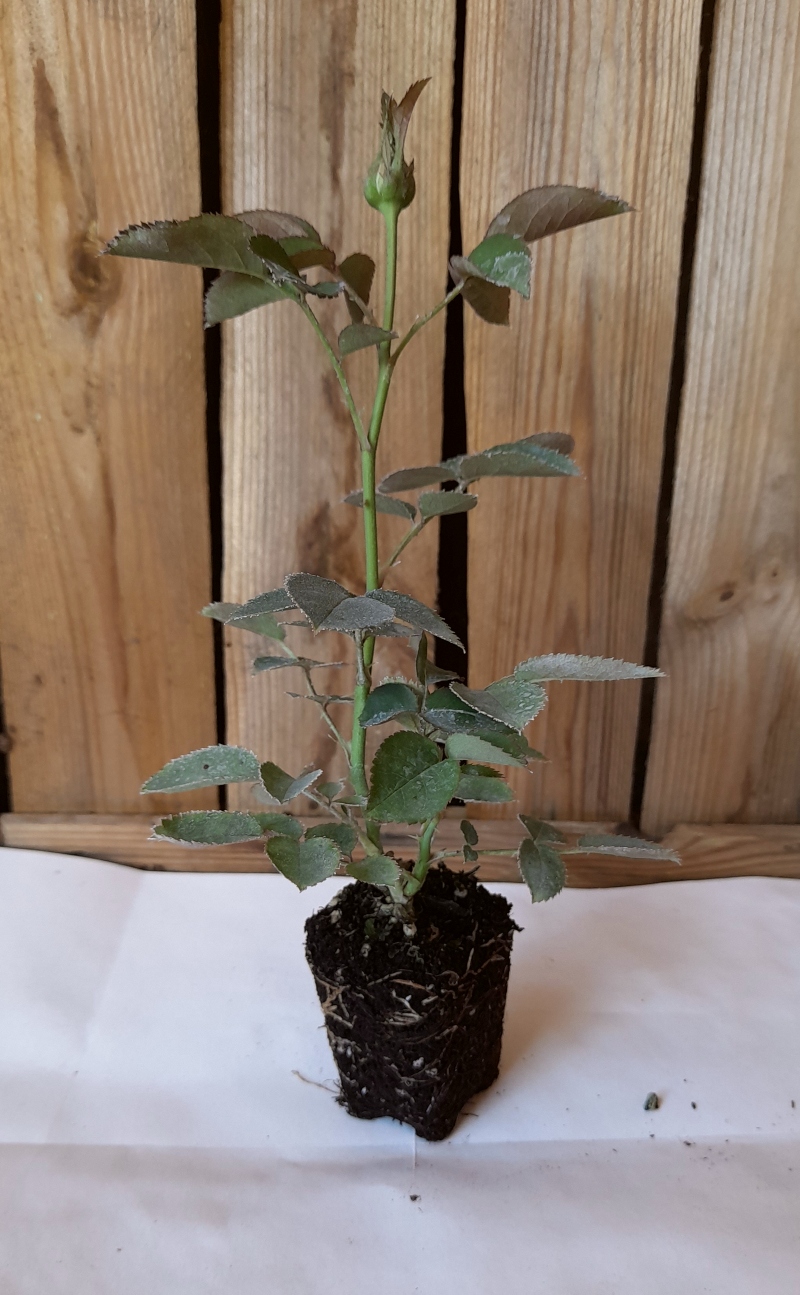
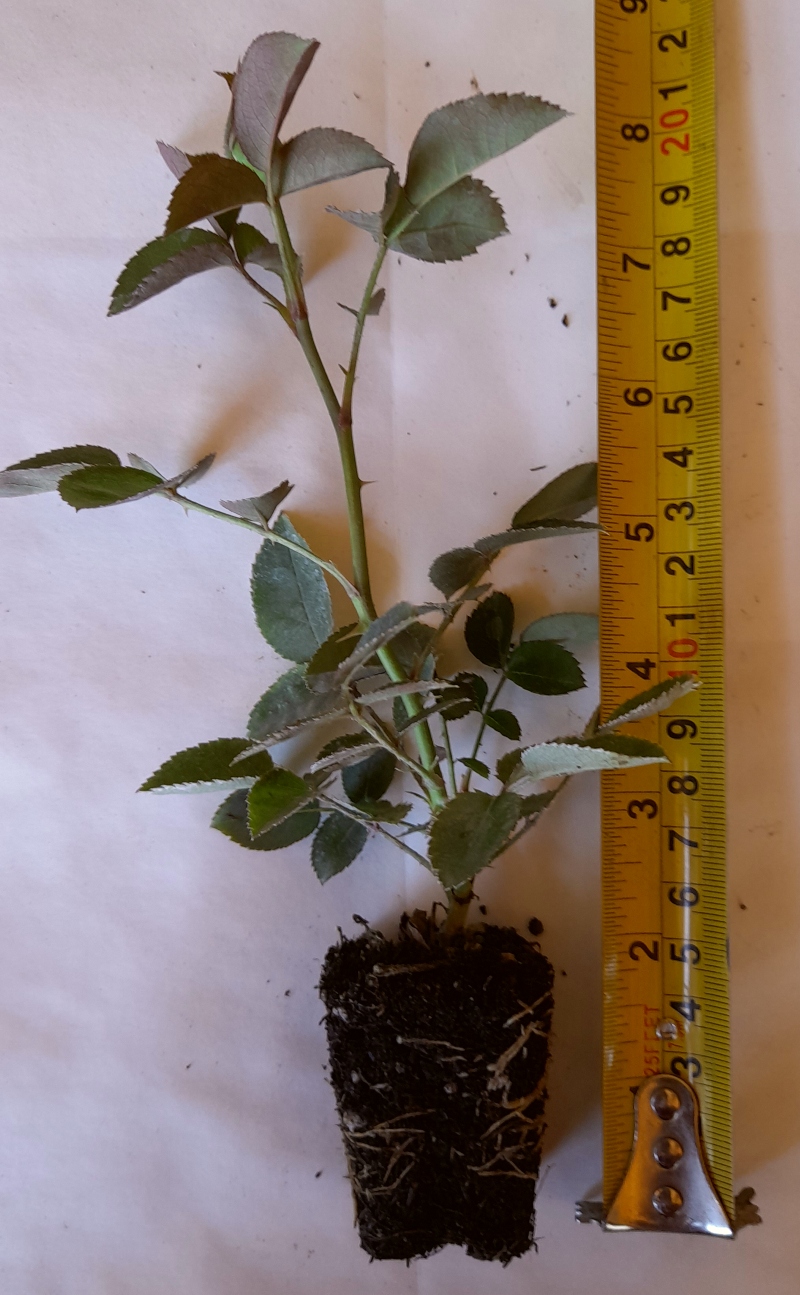
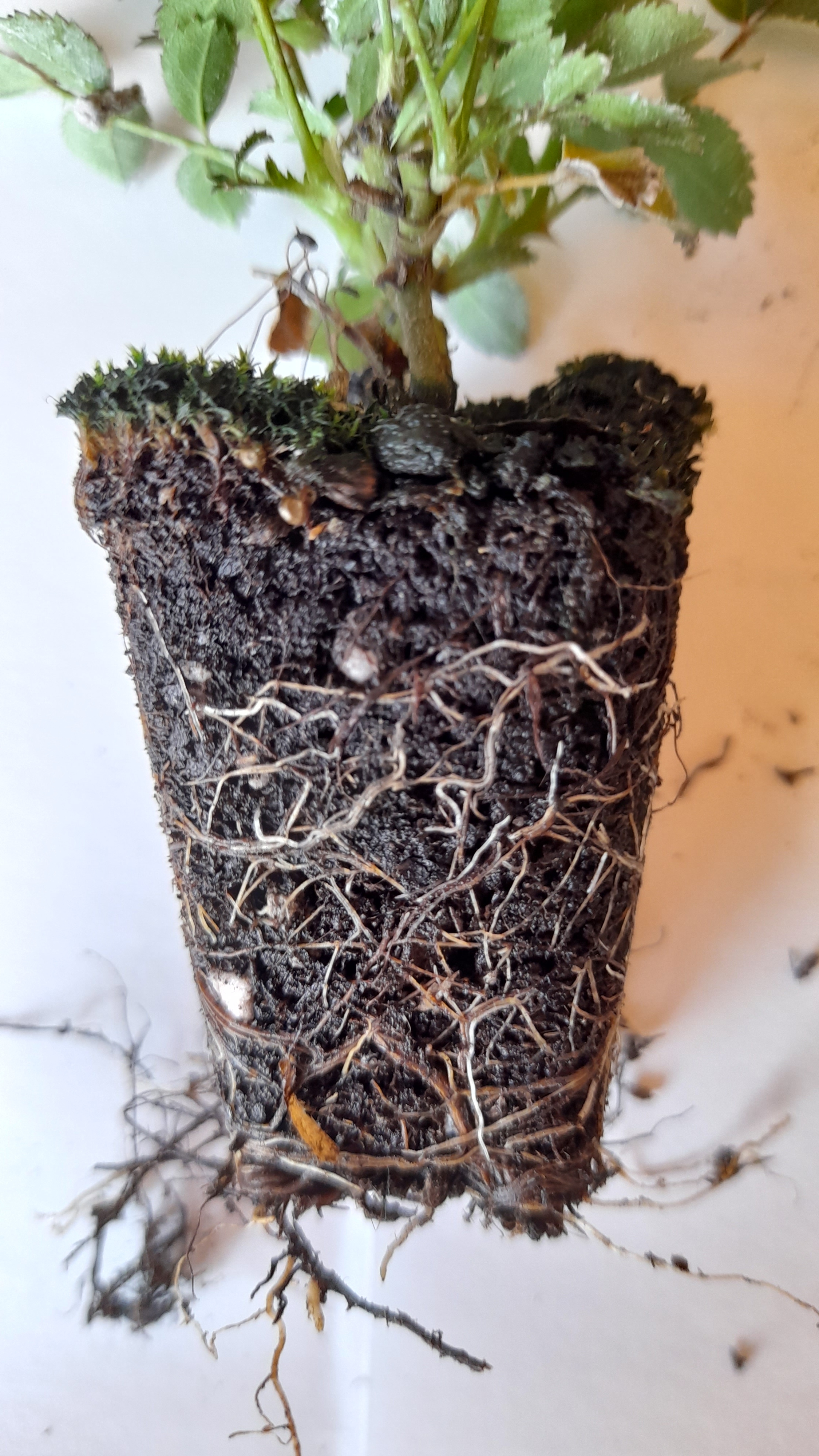
PharmaRosa® NEONATAL own-rooted rose propagation material in a plug, with a root system penetrating the plug (semi-finished product / semi-finished rose). PharmaRosa® NEONATAL rose propagation material size: 3–6‑month‑old, own-rooted cutting with a uniform developmental stage. PharmaRosa® NEONATAL rose propagation material root system: plug densely penetrated by well-developed white roots (root system detail). PharmaRosa® NEONATAL tray stock: own-rooted rose propagation material in trays, uniform developmental stage (10 pcs/tray).

Captions (from left to right): Semi-finished product (NEONATAL own-rooted rose propagation material in a plug with a fully developed root system) • Size demonstration (3–6‑month‑old, uniform cutting) • Root system detail (plug penetrated by the root system) • Tray stock (10 pcs/tray, uniform developmental stage)

pharmarosaneonatal.hupharmarosaneonatal.co.ukpharmarosaneonatal.depharmarosaneonatal.skpharmarosaneonatal.ropharmarosaneonatal.sipharmarosaneonatal.czpharmarosaneonatal.atpharmarosaneonatal.frpharmarosaneonatal.itpharmarosaneonatal.plpharmarosaneonatal.espharmarosaneonatal.nlpharmarosaneonatal.ptpharmarosaneonatal.lupharmarosaneonatal.sepharmarosaneonatal.fipharmarosaneonatal.lvpharmarosaneonatal.ltpharmarosaneonatal.ee

Which product type is right for you?

Pages for private customers
Garden roses for the family garden, with minimal care  → ORIGINAL®
Premium garden roses – instant impact, a truly showpiece garden  → EXTRA®
Pages for professionals and private customers
Roses for public spaces – large areas, sustainable maintenance  → NATURAL®
Roses for projects – hedge and row planting, fast implementation  → RAPID®
For professional partners only
Production – propagation material for garden roses, wholesale  → NEONATAL®

Company details

PharmaRosa Ltd.
Company registration number: 01-09-717479
VAT number: 13075314-2-43
Plant health registration no.: HU130721
Bank account (IBAN):
HU85117631891388688400000000
BIC (SWIFT): OTPVHUHB
Bank name: OTP Bank Nyrt.