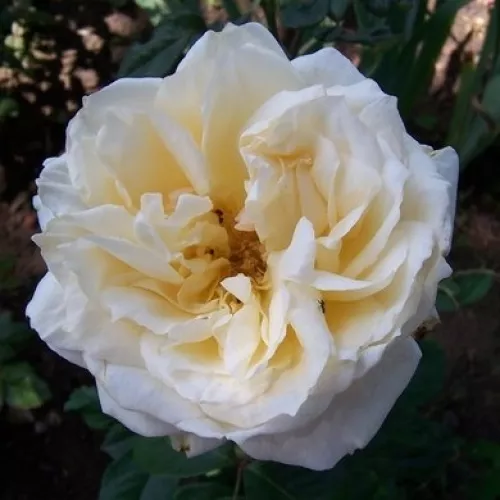
Bad Homburg – hybrid tea rose – PLAcharm
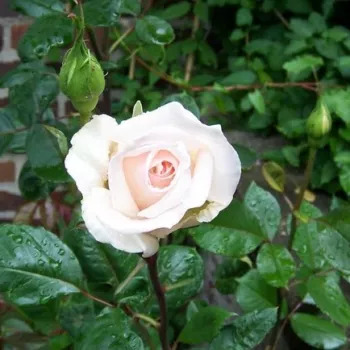
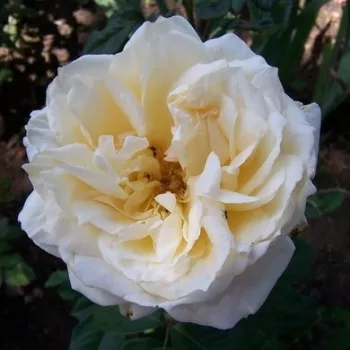
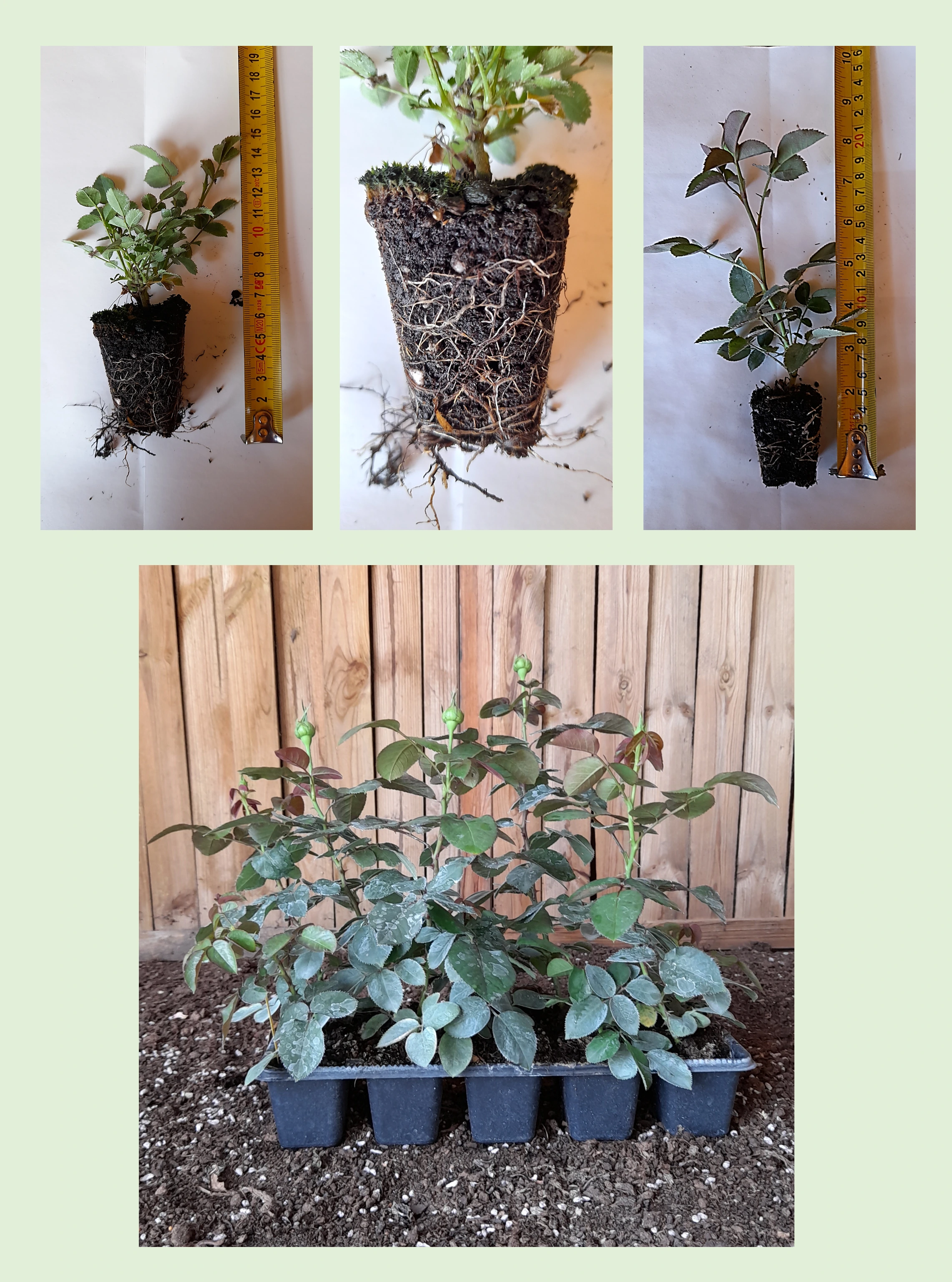
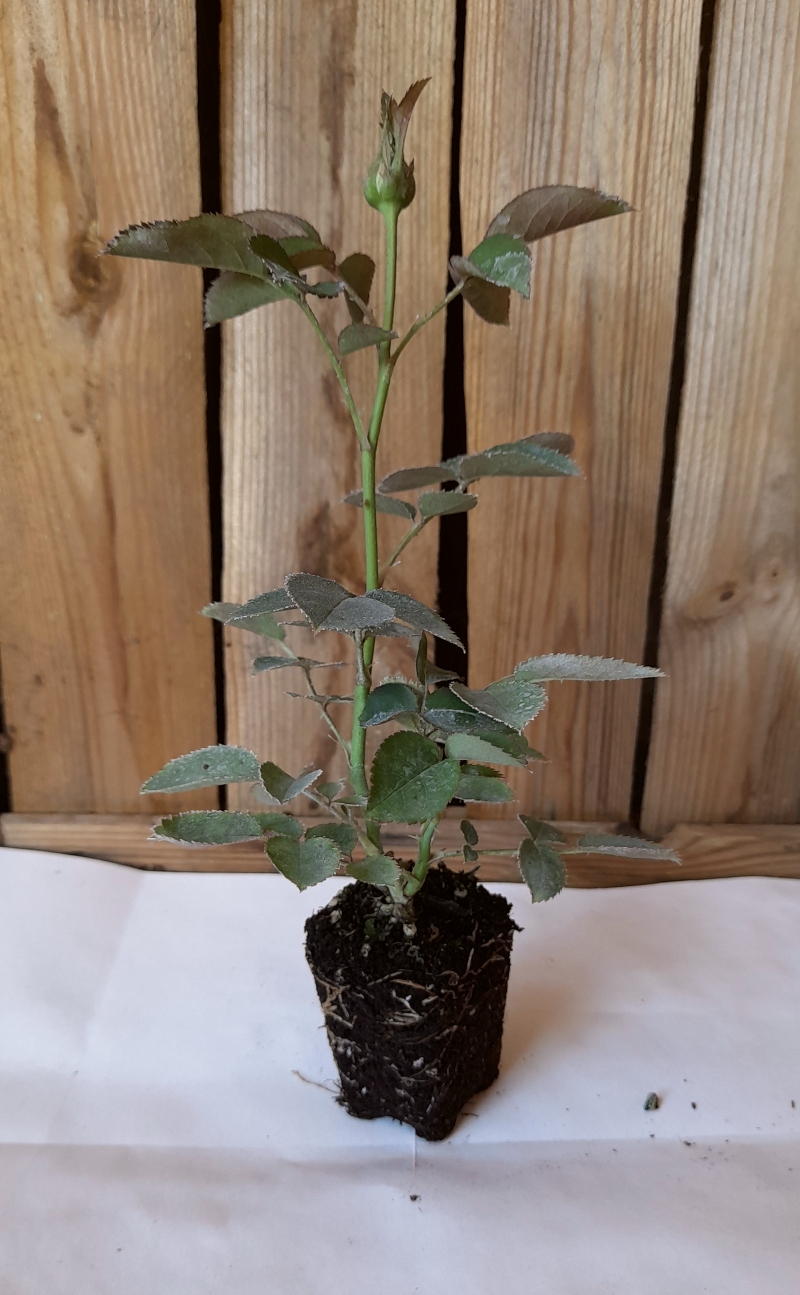
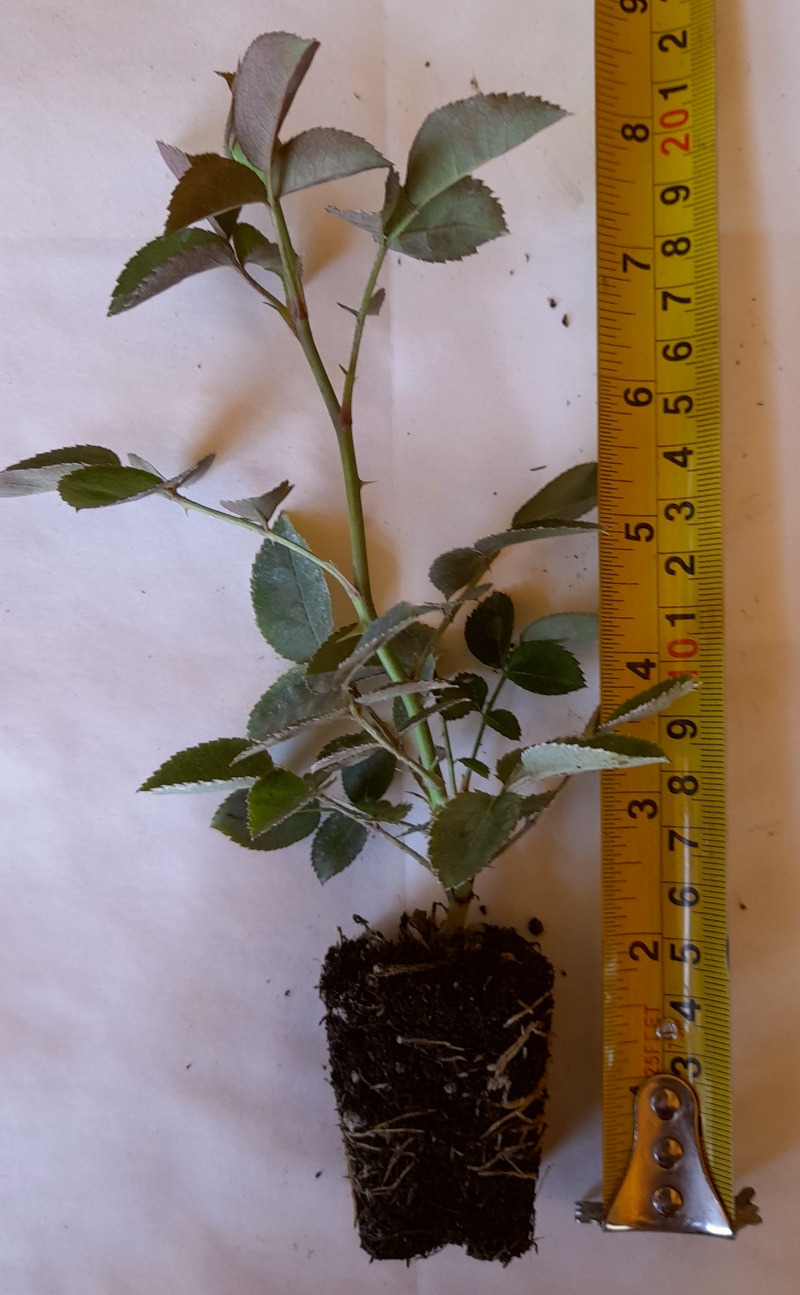
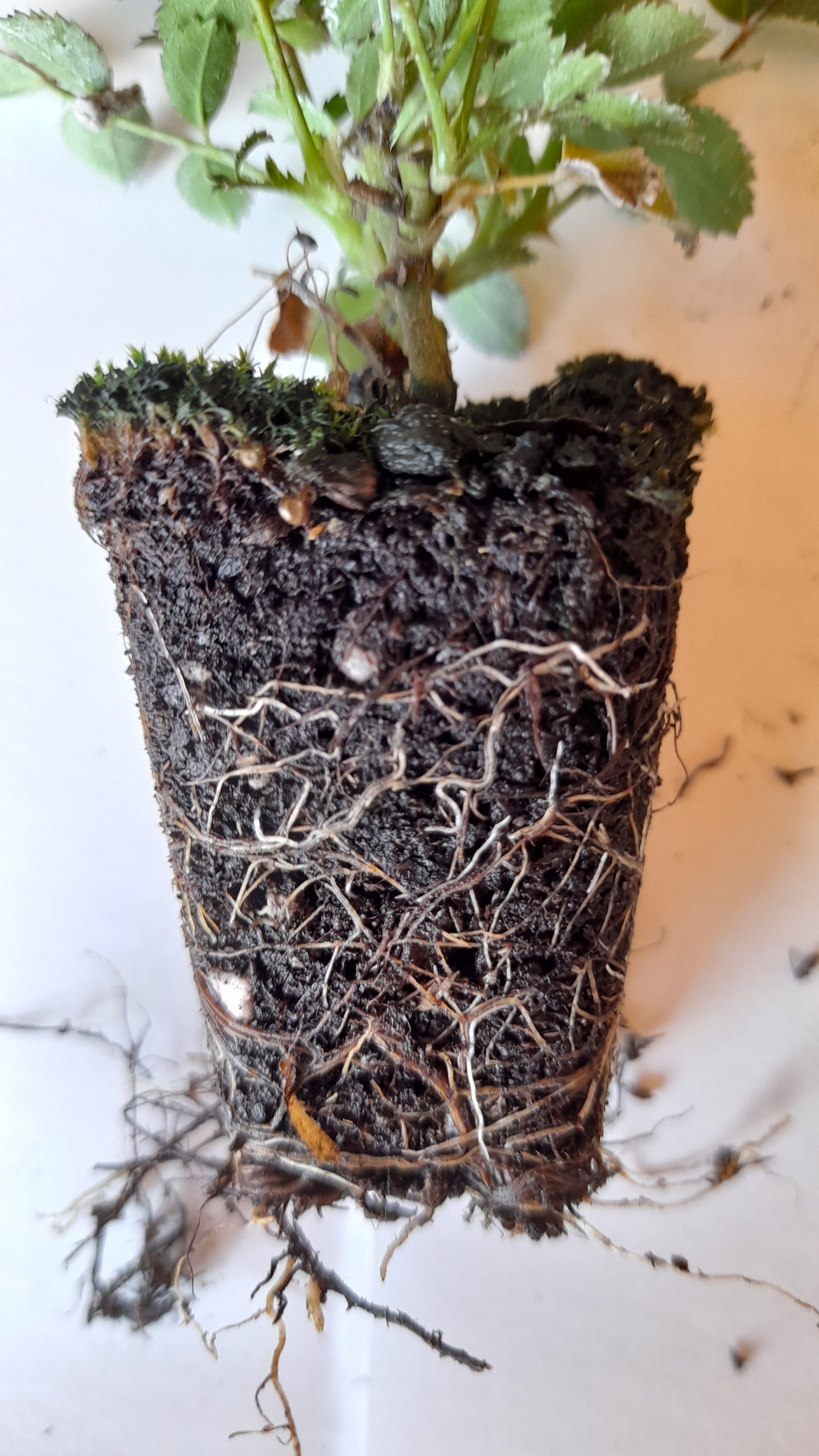
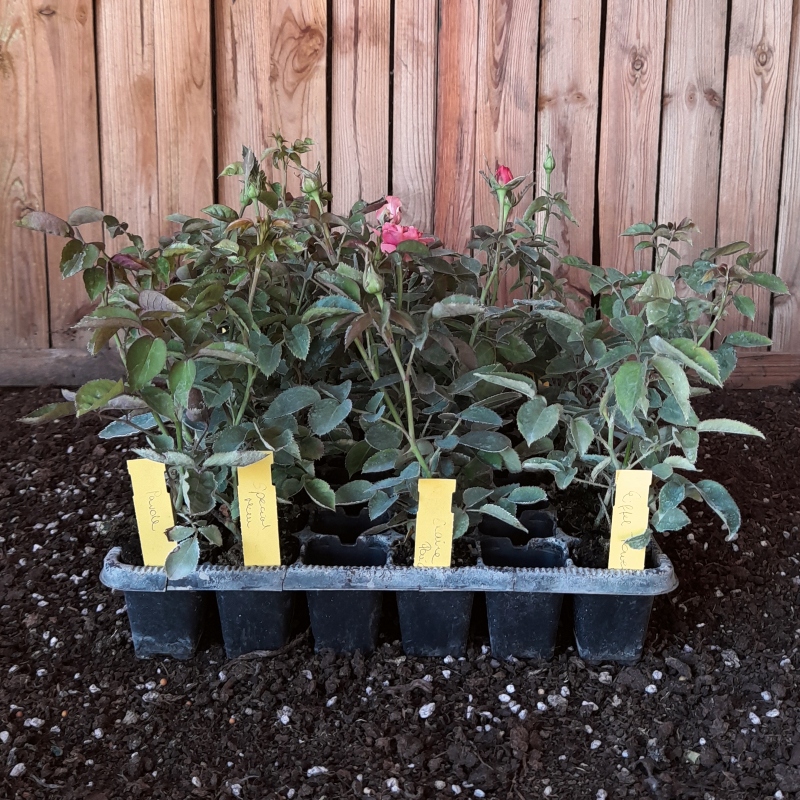
Premium own‑root pharmaROSA® NEONATAL material of Bad Homburg gives nurseries a stable, long‑term base for an exclusive cut‑flower and exhibition‑grade hybrid tea route, combining verified cultivar identity with predictable, upright, bush‑trained growth. With dense, dark‑green foliage, remontant flowering and large, very double, cream to butter‑yellow blooms, it is well suited to premium container production in 5–7 L, and scalable into 40–50‑litre statement units where a single plant must reliably carry visual impact. Own‑root plants support renewable lifespan, regeneration after cropping and low replacement in nursery propagation beds, helping You maintain homogeneous stands and predictable capacity in nursery networks and public‑realm supply chains, even under colder, wind‑exposed northern UK and coastal conditions where reliable winter performance is expected. The development arc from strong root establishment in year one, framework shoot build‑up in year two and full ornamental value from year three underpins long‑term collection and thematic rose garden projects, while the cultivar’s flower quality and form align naturally with an exclusive retail and reseller‑oriented finished‑product positioning.
Usage options
Finished-product ideas
- Premium 5–7 L hybrid tea feature rose – Upright, bushy plants with dense foliage and large, very double blooms presented in 5–7 L premium containers, maximising flower form and colour progression for an exclusive retail bench offer – target audience/channel: retail / reseller.
- Exhibition-grade container cut-rose starter – Bush-trained plants with 3–5 strong framework canes in 7 L pots, optimised for growers who will crop for cut flowers and exhibition blooms, leveraging remontant flowering and hybrid tea form – target audience/channel: cut-flower specialists.
- Cold-hardy collection specimen in 40–50 L – Own-root, frameworked shrubs stepped into 40–50‑litre containers as long-lived specimens for thematic and show gardens in cooler climates, relying on hardiness and structural stability – target audience/channel: public-realm and show-garden projects.
- Low-maintenance disease-resistant display line – A bench of uniform 5–7 L plants marketed on low maintenance needs and strong disease resistance, supporting dependable performance for end users while simplifying nursery care – target audience/channel: garden centres and quality retailers.
- Named cultivar collection series – Bad Homburg integrated into a curated, own-root hybrid tea collection, with each cultivar in 5–7 L premium containers, capitalising on cultivar authenticity and distinctive colour for collectors – target audience/channel: specialist nurseries and mail-order partners.
Technical cultivar profile
| Parameter |
Data |
| Name and registration |
Hybrid tea rose, registered as PLAcharm and traded as Bad Homburg Hybrid tea rose PLAcharm; American Rose Society exhibition name Bad Homburg; name refers to the German spa town Bad Homburg. |
| Origin and breeding |
Hybrid Tea from cross 'Goldina' × ('Arthur Bell' × 'Prominent'); bred by Ewald Liebig in Germany, breeding and registration 1997; initially distributed by Pflanzen-Kontor (Germany); breeding institution data not provided. |
| Growth and structural characteristics |
Upright, bushy habit reaching about 80–110 cm tall and 50–70 cm spread; dense, slightly glossy dark green foliage; moderately thorny shoots; bush-trained form with 3–5 strong framework canes recommended for premium container production. |
| Flower morphology |
Large L-sized, very double flowers with 40+ petals, borne mainly singly on stems; cup-shaped hybrid tea form; remontant with abundant second flowering; weak self-cleaning so finished blooms may remain and benefit from deadheading in production or display. |
| Colour data and phenology |
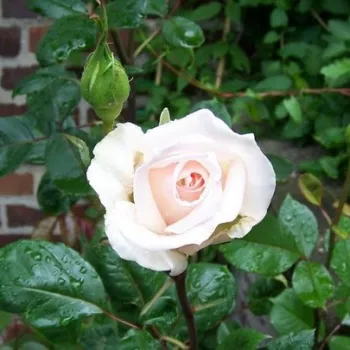
Warm creamy butter-yellow overall; buds white with pale buttery-yellow glow; newly opened blooms cream-white outside with soft butter–lemon centre; colour lightens to ivory–porcelain white with pastel yellow centre; generally good colour retention in full bloom. |
| Fragrance and aroma |
Mild, restrained fragrance with a soft, elegant character; primarily ornamental rather than a strong scent rose; very double flower form limits nectar and pollen access so pollinator appeal is correspondingly reduced and it is not positioned for biodiversity plantings. |
| Hip characteristics |
Occasionally produces spherical orange-red rose hips about 9–15 mm in diameter; hips are incidental rather than a key ornamental or production feature and will be less frequent if spent blooms are removed or stems are regularly cut for flowers. |
| Resistance and winter hardiness |
Classed as resistant to powdery mildew, black spot and rust; hardiness indicated to around -21 – -18 °C, corresponding to RHS H7, Swedish hardiness Zone 3 and USDA Zone 6b; no specific quantified data on heat or drought tolerance provided. |
| Horticultural recommendations |
Suitable for flower beds, specimen use and cut flowers; best routed as a premium container product in 5–7 L pots, bush-trained on 3–5 canes; maintenance demand low under nursery conditions due to good disease resistance and limited need for chemical intervention. |
Bad Homburg offers large, remontant, exhibition-quality blooms, strong disease resistance and cold-hardy, own-root longevity that supports predictable, low-replacement stands; please contact us to align on propagation capacity and scheduling.