Hybrid tea rose

21-357-1
21-357-2

Princess Meiko

Hybrid tea rose

- – Keiji Kunieda

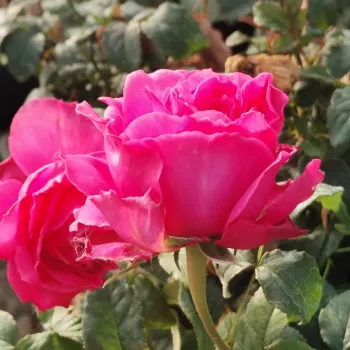
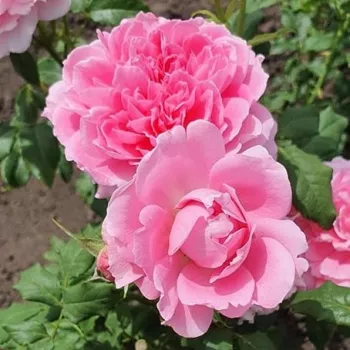
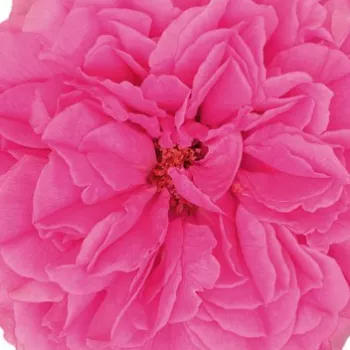
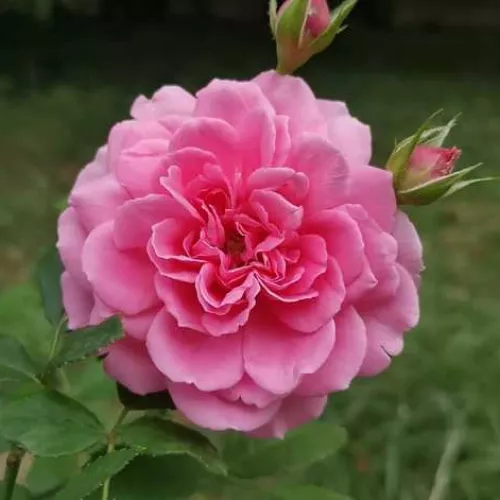
The entire flower is covered in a uniform, rich and radiant vivid pink shade. - hybrid tea rose - unscented rose - no noticeable fragrance

– Vivid, rich pink blooms hold colour well.
– Very double, rosette flowers with premium form.
– Compact, bushy habit ideal for containers.
– Glossy, dark green foliage enhances display.
– Excellent disease resistance, including black spot.
Special feature: Gold medal winner, Moscow 2019.
Exclusive finished product
Princess Meiko
pharmaROSA® NEONATAL rooted rose cutting
30,85 £
Due to courier service regulations – and the introduction of customs clearance – delivery to Ireland is temporarily suspended.
4.5 (6720)
facebook   twitter

PRINCESS MEIKO – hybrid tea rose rooted cutting for professional production

Premium own-root PRINCESS MEIKO forms a bush-trained, bushy hybrid tea with dense, dark green foliage and compact 70–95 cm height, delivering uniform propagation lots for UK nursery and wholesale systems where stability of colour and form is key in thematic rose gardens and show collections. Its vivid, pink, very double rosette blooms (40+ petals, ARS DP, RHS 57B/57C) were recognised with a Moscow Russian Gold Medal in 2019 and offer reliable exhibition-grade quality for exclusive finished product routes. Onward production from 3–6‑month, tray-rooted cuttings supports predictable year‑1 root establishment, year‑2 shoot framework, and year‑3 full ornamental value, while own-root longevity and regeneration help maintain homogeneous stands with low replacement in integrated nursery networks. With hardiness to RHS H7 and zoned to USDA 6b, PRINCESS MEIKO fits UK climates, including cooler Scottish and northern sites where winter and wind tolerance underpin reliable stock fields. Low maintenance demand and strong disease resistance simplify large-scale management, while the recommended 5–7 L premium container route supports an exclusive retail profile and reseller partnerships, and can be extended into 40–50 L and larger show-garden specimens as collection anchors.


Usage options

Target area Reasoning
Premium 5–7 L container production for exclusive retail The compact 70–95 cm hybrid tea framework with dense, glossy foliage lends itself to premium 5–7 L containers where an exclusive finished product with strong flower form is required. Using bush-trained, 3–5 cane own-root NEONATAL material stabilises long-term stock, supports low replacement, and aligns well with retail / reseller concepts focused on flower quality and form for thematic rose benches aimed at discerning customers. Retail / reseller
Show-garden and collection supply for vivid colour impact The intense, uniform vivid pink rosette flowers, small but very double and remontant, make PRINCESS MEIKO a strong candidate for show gardens and curated collections where clear colour coding matters. Propagating from own-root cuttings into 5–7 L or 40–50 L containers allows nurseries to deliver consistent colour blocks to thematic rose gardens, supporting exhibition-grade displays with reliable cultivar identity that underpin exclusive finished product profiles in collection-oriented channels. Show-garden contractors
Cut-flower orientated stock for boutique rose ranges With a primary use as cut flower and a rosette, solitary hybrid tea bloom structure, this cultivar can underpin boutique cut-flower lines when grown in bush-trained form from NEONATAL trays. Concentrated 5–7 L premium containers in nursery beds enable repeated cutting while maintaining plant health, aided by own-root regeneration and low maintenance needs, supporting exclusive, flower-quality-led ranges for retailers promoting distinctive, named hybrid tea cut stems. Specialist floriculture partners
Low-intervention nursery beds for reliable propagation blocks Good resistance to powdery mildew, black spot, and rust, combined with low general maintenance demand, reduces intervention across nursery beds. When PRINCESS MEIKO is established from 3–6-month NEONATAL cuttings, it develops into stable, homogeneous blocks ideal for continuous liner or container production, reinforcing stock reliability in integrated nursery networks that serve exclusive finished product programmes where predictable supply and appearance are core promises. Nursery networks
Cold-tolerant lines for northern and exposed UK sites Hardiness to around -21–-18 °C (RHS H7, Swedish Zone 3, USDA 6b) makes PRINCESS MEIKO suitable for production destined for cooler or more exposed regions, including northern sites and open public plantings. Own-root structure reduces winter-loss replacements and supports long-term stands from 5–7 L and larger pots, providing nurseries with dependable stock for projects that must still deliver an exclusive, flower-led hybrid tea profile in challenging climates for retail / reseller partners. Public-realm suppliers
High-visual, compact plants for dense merchandising layouts The bushy 45–60 cm spread and moderate height enable dense benching and trolley loading without loss of definition per plant. From NEONATAL cuttings, bush training on 3–5 framework canes produces strong, upright units in 5–7 L containers that show clearly individual value while packing efficiently, a useful trait for retailers positioning an exclusive hybrid tea range where flower quality, form, and neat habit must stand out on limited floor space. Garden-centre buyers
Colour-stable hybrid tea offers for sunny retail forecourts The rich pink colour is reported to hold well with good retention and no specific fading issues, giving reliable presentation across sales cycles in brighter, exposed retail positions. Own-root plants grown from NEONATAL trays into premium containers maintain ornamental value even after repeated flushes, supporting sales areas and project plantings that count on stable colour and flower form as key promises in exclusive hybrid tea assortments for retail / reseller distribution. Independent nurseries
Gene-bank and collection plantings for named hybrid tea lines The named, award-winning hybrid tea background and limited hip formation, due to heavily double blooms, make this cultivar suitable for dedicated collection beds where vegetative identity and flower form are more important than seed set. Establishing own-root stands from NEONATAL material in 40–50 L and field settings supports long-lived reference blocks and show specimens, helping nurseries curate named assortments that reinforce exclusive, flower-quality-focused hybrid tea branding. This is particularly relevant where winter and wind tolerance support dependable long-term displays in professional rose collections. Collection managers

Finished-product ideas

  • Premium 5–7 L hybrid tea feature rose – Bush-trained, compact own-root plants in 5–7 L containers showcasing vivid, uniform pink rosette blooms and low disease intervention, positioned as an exclusive hybrid tea highlight on premium retail benches – retail / reseller.
  • Collection-grade 40–50 L show specimen – Larger 40–50 L containers built from NEONATAL stock to create dense, dark green bushes with award-recognised flower form, ideal as anchor plants in thematic rose gardens and curated hybrid tea displays – show-garden and project buyers.
  • Boutique cut-flower mother block – Bush-trained, own-root nursery beds providing stable, regenerating plants with uniform solitary blooms for small-batch cutting, aligning with premium flower-quality propositions in branded hybrid tea cut-stem programmes – specialist floriculture partners.
  • Cold-hardy exhibition range for northern outlets – H7-hardy 5–7 L units grown from NEONATAL material to supply northern retailers with reliable, exclusive hybrid tea colour and form, reducing winter-loss risk and underpinning long-term stock planning – garden-centre chains and regional wholesalers.
  • Named hybrid tea collection line – Uniform own-root plants developed into mid-size containers to form clear, labelled hybrid tea collections, with dense foliage and stable pink colour supporting identity-focused, exclusive assortment concepts – nurseries building branded rose collections.

Technical cultivar profile
Parameter Data
Name and registration Princess Meiko hybrid tea rose Kunieda; trade name PRINCESS MEIKO – pink tea-hybrid rose - Kunieda; hybrid tea commercial group; exhibition use as cut flower and show garden rose; registered name not provided.
Origin and breeding Bred by Keiji Kunieda in Japan (breeding year 2018) within the Rose Farm Keiji / Wabara programme at Moriyama, Shiga Prefecture; introduced commercially in 2019, with initial distribution by Alexandra Farms (further data not provided).
Awards and recognition Recognised with a Russian Gold Medal in Moscow in 2019, underlining its exhibition potential and confirming the high standard of its flower quality and form; no additional global or collectors’ awards are currently documented.
Growth and structural characteristics Bushy hybrid tea shrub reaching approximately 70–95 cm in height with a 45–60 cm spread; dense, dark green glossy foliage (RHS 137A) on moderately thorny stems; bush-trained forms typically built on 3–5 strong framework canes.
Flower morphology Very double rosette blooms with more than 40 petals, primarily solitary on the stems and classed as small-flowered (around 0.5–1.5 inches in diameter); remontant habit with an abundant second flowering period; self-cleaning behaviour not provided.
Colour data and phenology Uniform vivid pink bloom colour, coded ARS DP and RHS 57B outer, 57C inner; deep hot-pink buds open to rich, radiant rosettes with generally good colour retention, only slight fading, and no specific issues recorded under strong sunlight.
Fragrance and aroma No noticeable fragrance reported; fragrance strength rated as unscented, making it primarily an ornamental, visually focused cultivar rather than one selected for scent; highly double form also limits its value for pollinator-attraction purposes.
Hip characteristics Rose hips are expected to form only to a limited degree due to the highly double blooms; when present they are small, spherical, around 7–10 mm diameter, and red in colour (RHS 40A); hips are not a primary ornamental or production feature.
Resistance and winter hardiness Good disease profile with documented resistance to powdery mildew, black spot, and rust; winter hardy to approximately -21 to -18 °C, corresponding to RHS H7, Swedish hardiness zone 3, and USDA zone 6b; no specific heat or drought data provided.
Horticultural recommendations Primarily recommended for cut flowers and exclusive finished products; maintenance requirement is reported as low, with generally good disease resistance; advised release as bush-trained plants with 3–5 canes in premium 5–7 L containers from own-root cuttings.

PRINCESS MEIKO combines compact bushy habit, vivid award-recognised pink blooms, strong disease resistance, and long-lived own-root predictability, providing nurseries with a stable, exclusive hybrid tea line it is worth aligning capacity and scheduling around in discussion.
Detailed product attributes

Product Identification Data

Product Name: PRINCESS MEIKO – pink tea-hybrid rose - Kunieda
Product Type: pharmaROSA® NEONATAL - rooted rose cutting
Cultivar Authenticity: Verified:31.10.2025
Cultivar Quality Rating: premium gold
Item Number: [1350] 21-357 (14.02.2026) pharmarosaneonatal.co.uk

Name and Registration

Meaning of Cultivar Name: The name is a female given name.
Cultivar Synonym: Prosperous
Original Trade Name: Princess Meiko™
Current Trade Name: Princess Meiko Hybrid tea rose Kunieda
Rose Group: Hybrid Tea
Commercial Type: hybrid tea rose
Commercial Group: Hybrid tea rose
Exhibition Category: cut flower; show garden rose
Collection: Hybrid tea rose

Origin and Breeding

Initial Distributor: Alexandra Farms (data not available)
Registration Year: Data not available
Breeder: Keiji Kunieda
Breeding Company / Institution: Rose Farm Keiji; Wabara (Moriyama, Shiga Prefecture, Japan)
Breeding Year: Japan, 2018
Parentage: unknown

Growth and Structural Characteristics

Height: 2.3-3.1ft (70-95 cm)
Spread: 1.5-2ft (45-60 cm)
Growth Habit: bushy
Foliage: The variety has dense foliage; the leaves have a glossy surface and a dark green shade (RHS 137A).
Prickliness: moderately thorny
Self-Cleaning Description: No data available on self-cleaning.
Self-Cleaning Intensity: No data on self‑cleaning strength.

Flower Morphology

Flower Fullness: very double-flowered
Flower Shape: rosette
Flower Size: S (0,5-1,5 in)
Inflorescence Type: solitary
Colour Code: ARS code: DP RHS code: 57B (outer), 57C (inner)
Repeat Flowering: Remontant, with an abundant second flowering.

Colour Data and Phenology

Colour: pink
Flower Colour Description: The entire flower is covered in a uniform, rich and radiant vivid pink shade.
Closed Bud: Deep, hot-pink toned, with no shade variation.

Newly Opened Flower: A uniform, intense pink colour appears on both the outer and inner petals.
Full Bloom: The rosette’s petals are a vivid, rich pink and show no signs of fading.
Before Fading: The pink hue fades slightly, but retains its fullness and freshness.
Colour Fading Description: According to the descriptions, its colour holds well; there is no specific mention of fading in strong sunlight.

Fragrance and Aroma

Fragrance Strength: unscented rose
Fragrance Character: no noticeable fragrance
Pollinator Attraction: Because of its heavily double flower form and the reduced accessibility of the stamens, it attracts pollinating insects poorly.
Pollinator-Friendly Rating: Its highly double flowers conceal the stamens; primarily an ornamental variety.

Hip Characteristics

Hip Shape: spherical
Hip Colour: red (RHS 40A)
Hip Comment: Rose hip formation is expected to be limited because of the double blooms.

Resistance and Hardiness

Hardiness (°C): -21–-18 °C
Heat and Drought Tolerance Description: No data are available on heat–drought tolerance.
Disease Resistance: resistant
  • powdery mildew – resistant
  • black spot – resistant
  • rust – resistant

Horticultural Recommendations

Recommended product path: Premium container
Release form: Bush-trained, with 3–5 strong framework canes
Recommended use: Maintenance requirement low; good disease resistance, generally requires little intervention.

Primary Uses: cut flowers

Comments

Positioning: Exclusive finished product
Target customer/channel: Retail / reseller
Main value proposition: Flower quality, form
PRINCESS MEIKO – pink tea-hybrid rose - Kunieda
The entire flower is covered in a uniform, rich and radiant vivid pink shade. - hybrid tea rose - unscented rose - no noticeable fragrance
Rose Shopping Online - pink - unscented rose - Princess Meiko - hybrid tea rose - (2.3-3.1ft (70-95 cm))
Inflorescence: solitary Height: 2.3-3.1ft (70-95 cm) Flower shape: rosette Winter hardiness: 6b pink - Alexandra Farms (data not available) hybrid tea rose - Flower size: S (0,5-1,5 in) Flower size: S (0,5-1,5 in) - Height: 2.3-3.1ft (70-95 cm) Height: 2.3-3.1ft (70-95 cm) - Flower fullness: very double-flowered Princess Meiko - Roses in the garden | pharmaROSA® Neonatal - premium gold Keiji Kunieda

We showcase the external appearance of the roses available for online purchase from our webshop.


Which product type is right for you?


PharmaRosa® NEONATAL is the cost‑effective starting point for rose product production.

As a uniform, own‑rooted propagation material, it provides a stable basis for further growing-on and can be integrated flexibly into different finished product production technologies.
Rooted in trays (rooted), 3–6‑month‑old, own‑rooted rose cutting.
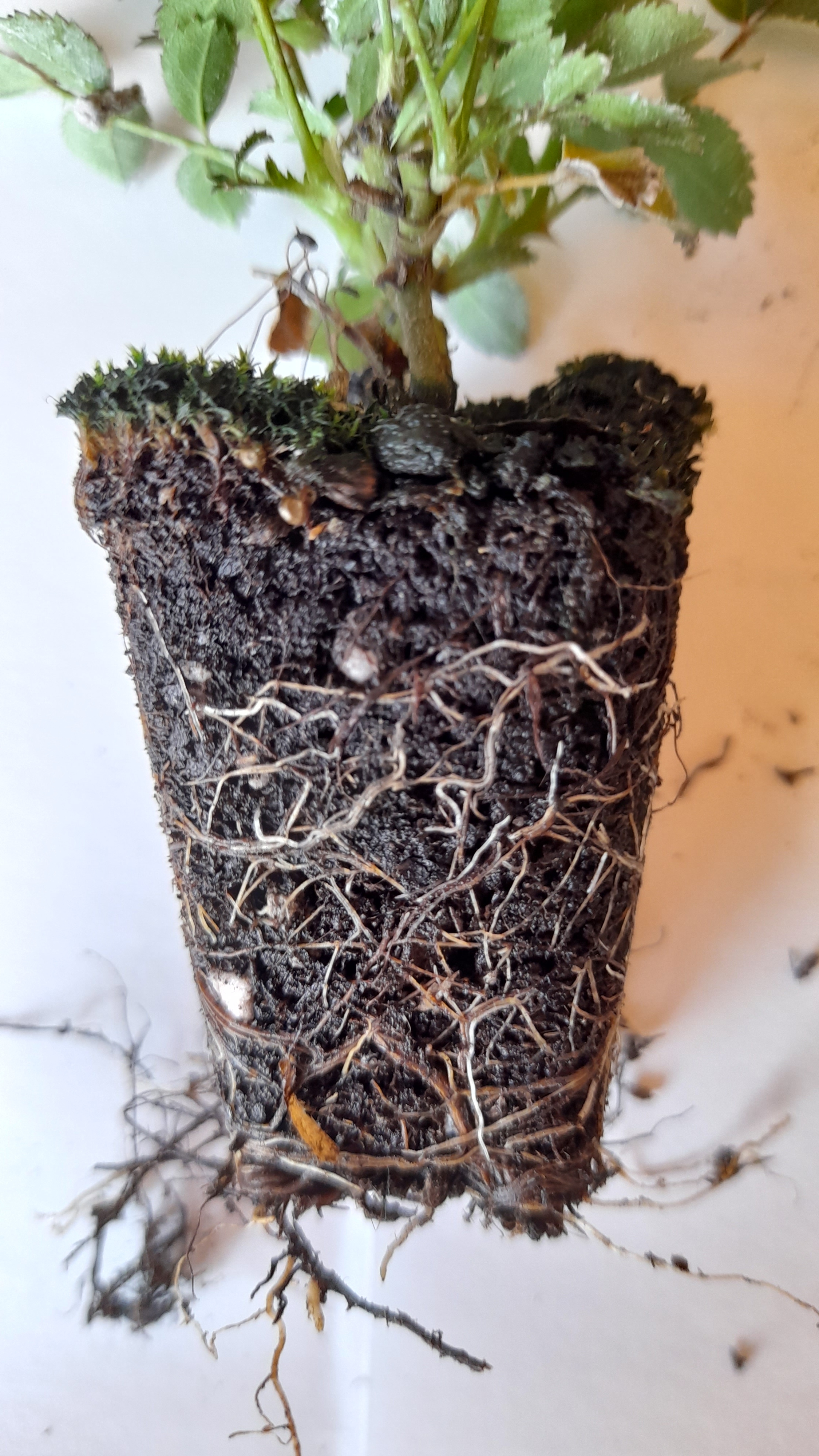
Uniform developmental stage, with a root system that has thoroughly penetrated the plug.
For professional growing‑on.
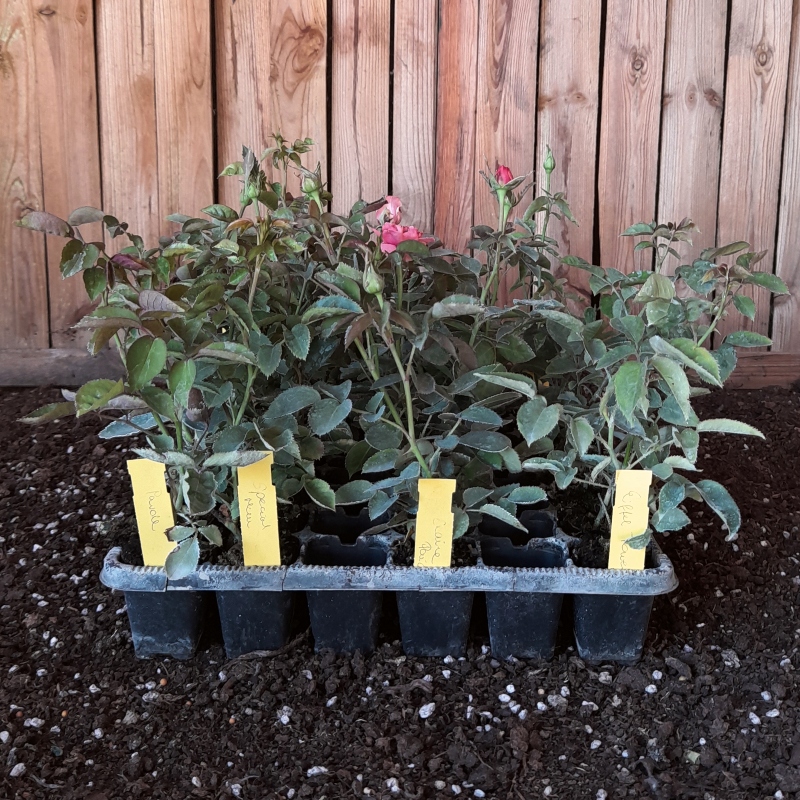
Tray packaging: 10 pcs/tray.
Quality and varietal identity: production supported by a dedicated identification and traceability logic.
Can be transplanted during frost‑free periods, designed for finished product production.

PharmaRosa® NEONATAL provides a controlled, uniform starting stock for planned growing‑on that can be integrated into your own technology – especially where scheduling and varietal identity are paramount.


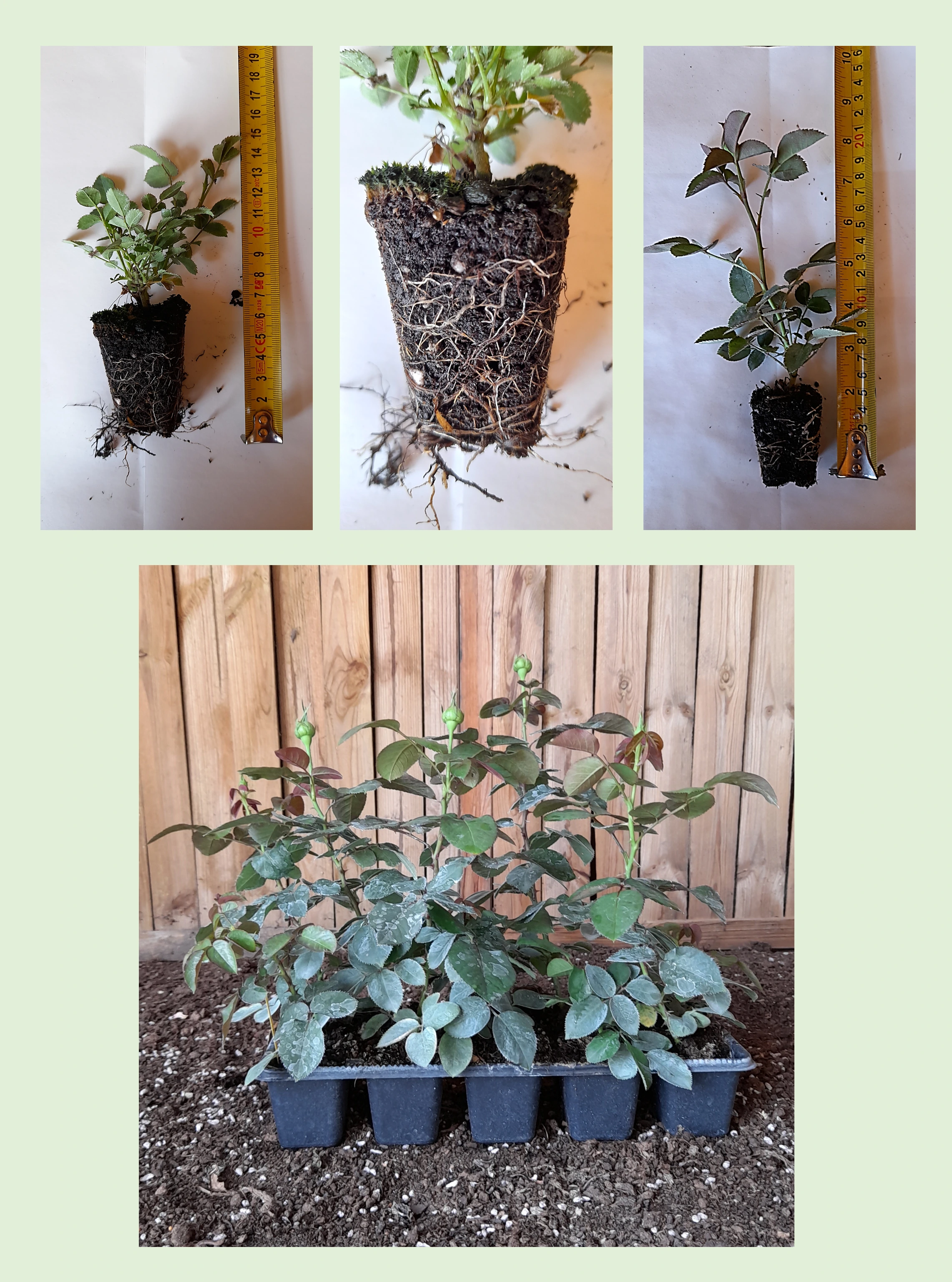
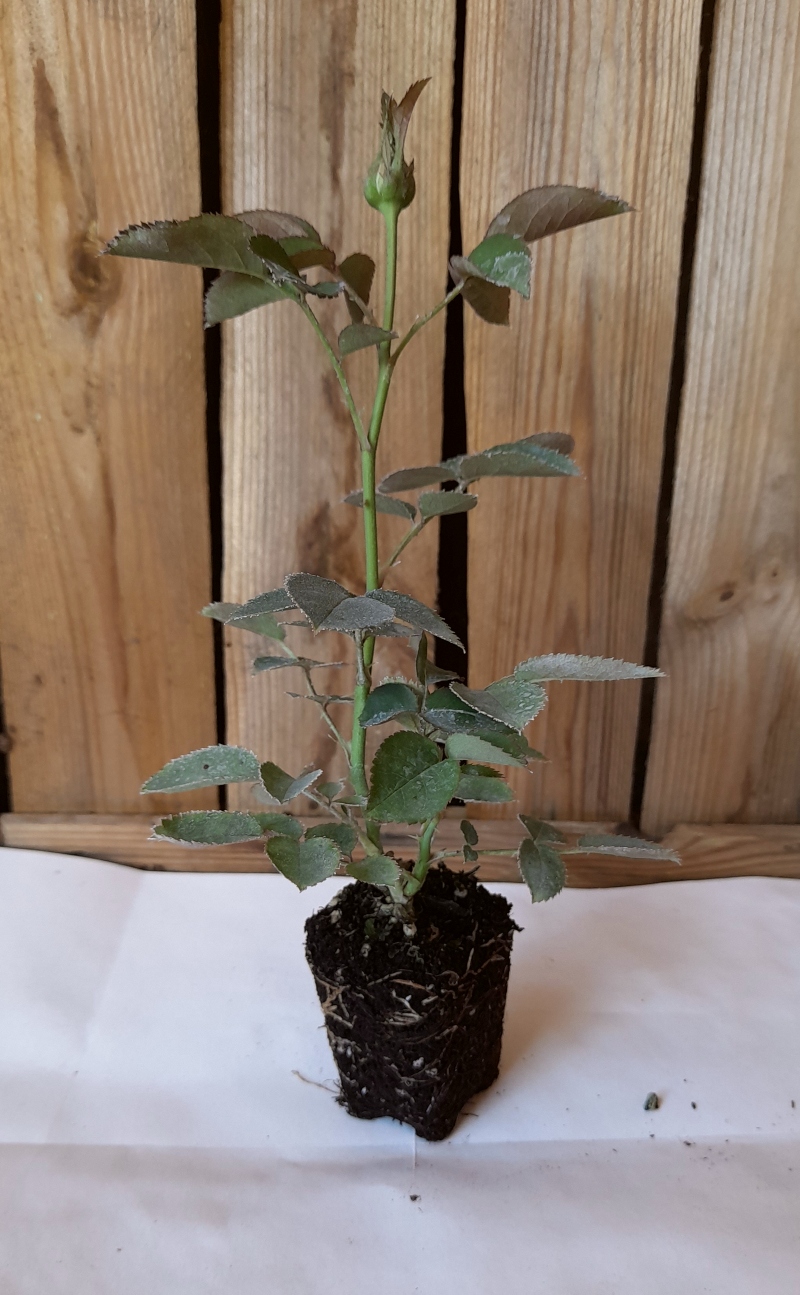
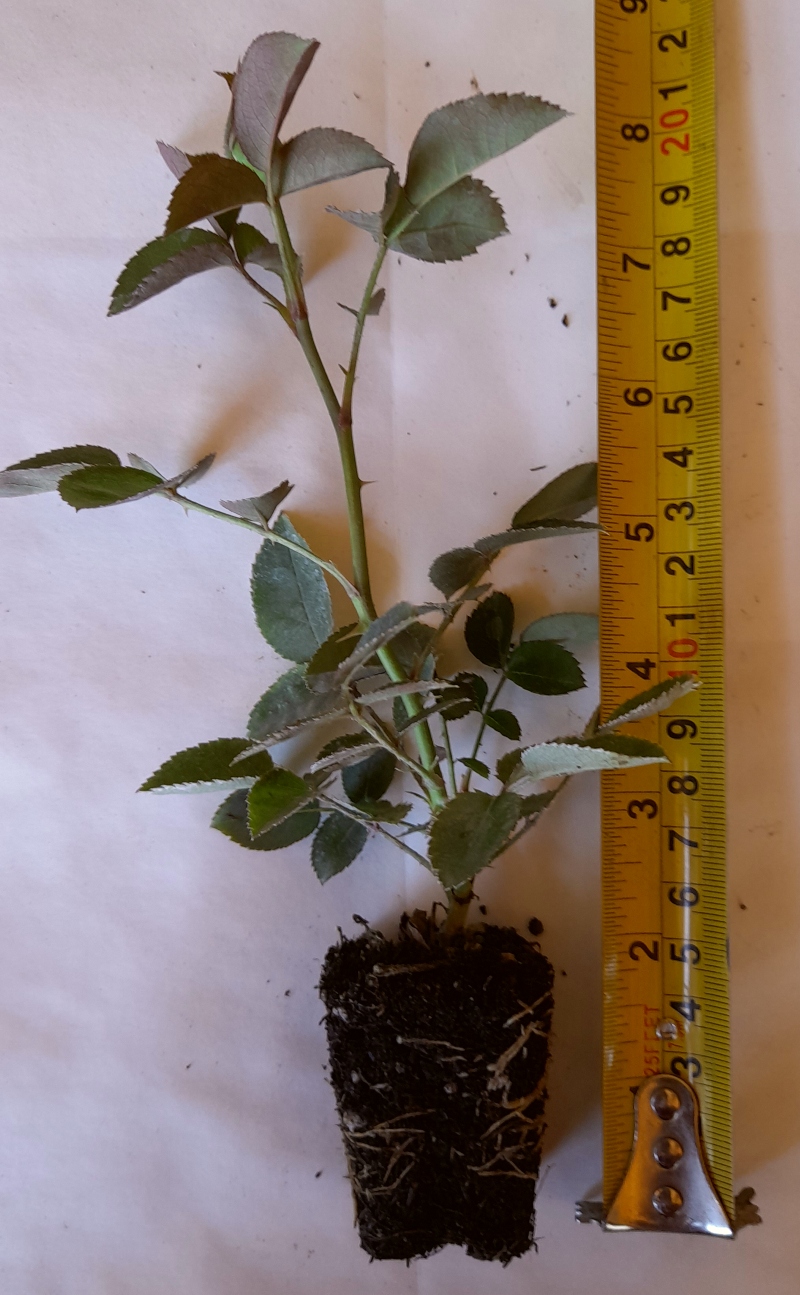
PharmaRosa® NEONATAL own-rooted rose propagation material in a plug, with a root system penetrating the plug (semi-finished product / semi-finished rose). PharmaRosa® NEONATAL rose propagation material size: 3–6‑month‑old, own-rooted cutting with a uniform developmental stage. PharmaRosa® NEONATAL rose propagation material root system: plug densely penetrated by well-developed white roots (root system detail). PharmaRosa® NEONATAL tray stock: own-rooted rose propagation material in trays, uniform developmental stage (10 pcs/tray).

Captions (from left to right): Semi-finished product (NEONATAL own-rooted rose propagation material in a plug with a fully developed root system) • Size demonstration (3–6‑month‑old, uniform cutting) • Root system detail (plug penetrated by the root system) • Tray stock (10 pcs/tray, uniform developmental stage)

pharmarosaneonatal.hupharmarosaneonatal.atpharmarosaneonatal.co.ukpharmarosaneonatal.czpharmarosaneonatal.depharmarosaneonatal.ropharmarosaneonatal.sipharmarosaneonatal.skpharmarosaneonatal.itpharmarosaneonatal.frpharmarosaneonatal.nlpharmarosaneonatal.plpharmarosaneonatal.lupharmarosaneonatal.ptpharmarosaneonatal.espharmarosaneonatal.ltpharmarosaneonatal.sepharmarosaneonatal.lvpharmarosaneonatal.eepharmarosaneonatal.fi

Which product type is right for you?

Pages for private customers
Garden roses for the family garden, with minimal care  → ORIGINAL®
Premium garden roses – instant impact, a truly showpiece garden  → EXTRA®
Pages for professionals and private customers
Roses for public spaces – large areas, sustainable maintenance  → NATURAL®
Roses for projects – hedge and row planting, fast implementation  → RAPID®
For professional partners only
Production – propagation material for garden roses, wholesale  → NEONATAL®

Company details

PharmaRosa Ltd.
Company registration number: 01-09-717479
VAT number: 13075314-2-43
Plant health registration no.: HU130721
Bank account (IBAN):
HU85117631891388688400000000
BIC (SWIFT): OTPVHUHB
Bank name: OTP Bank Nyrt.