| Thematic and historic rose collections |
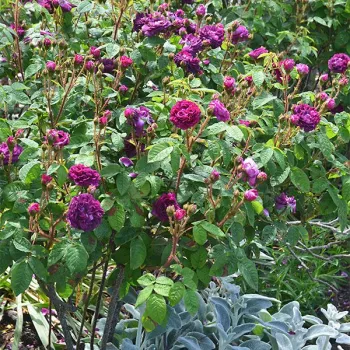
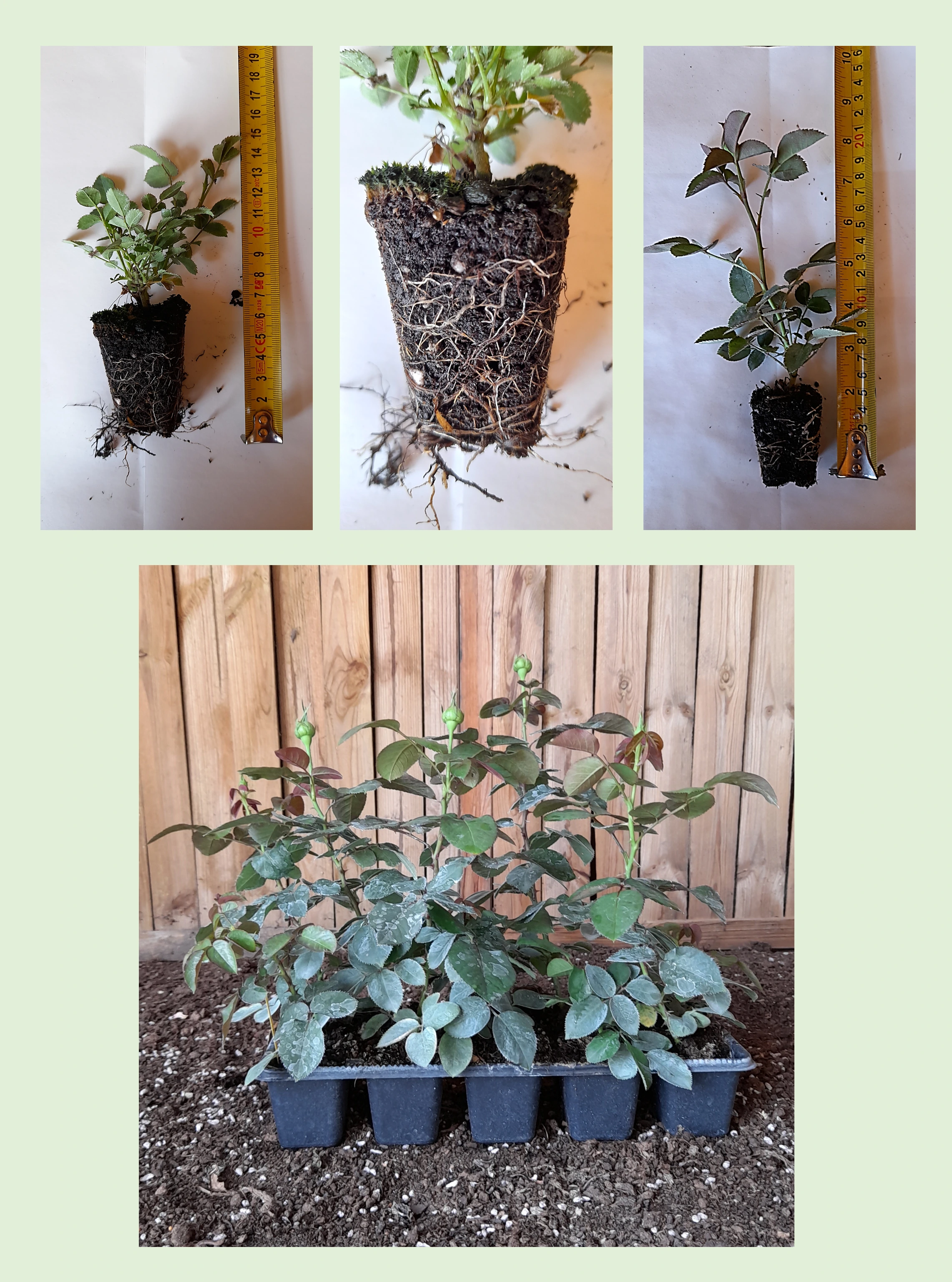
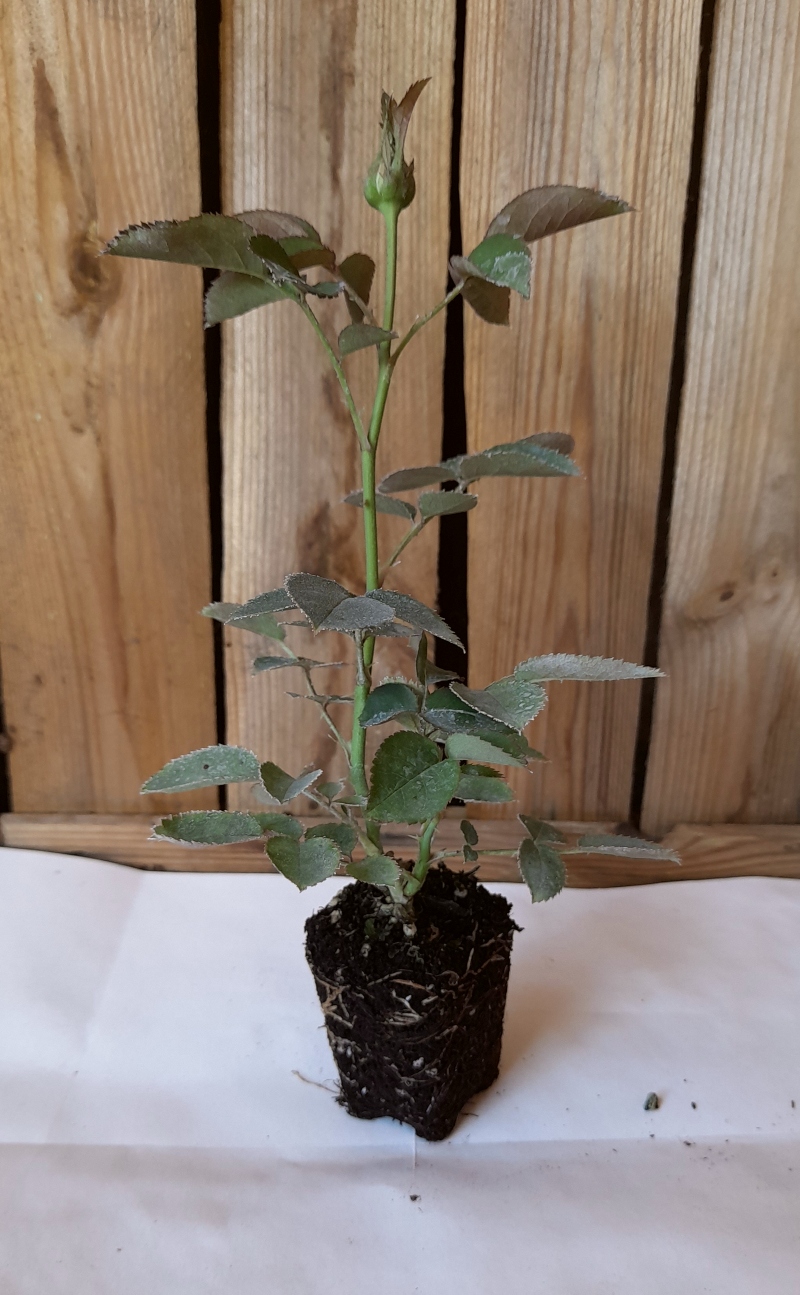
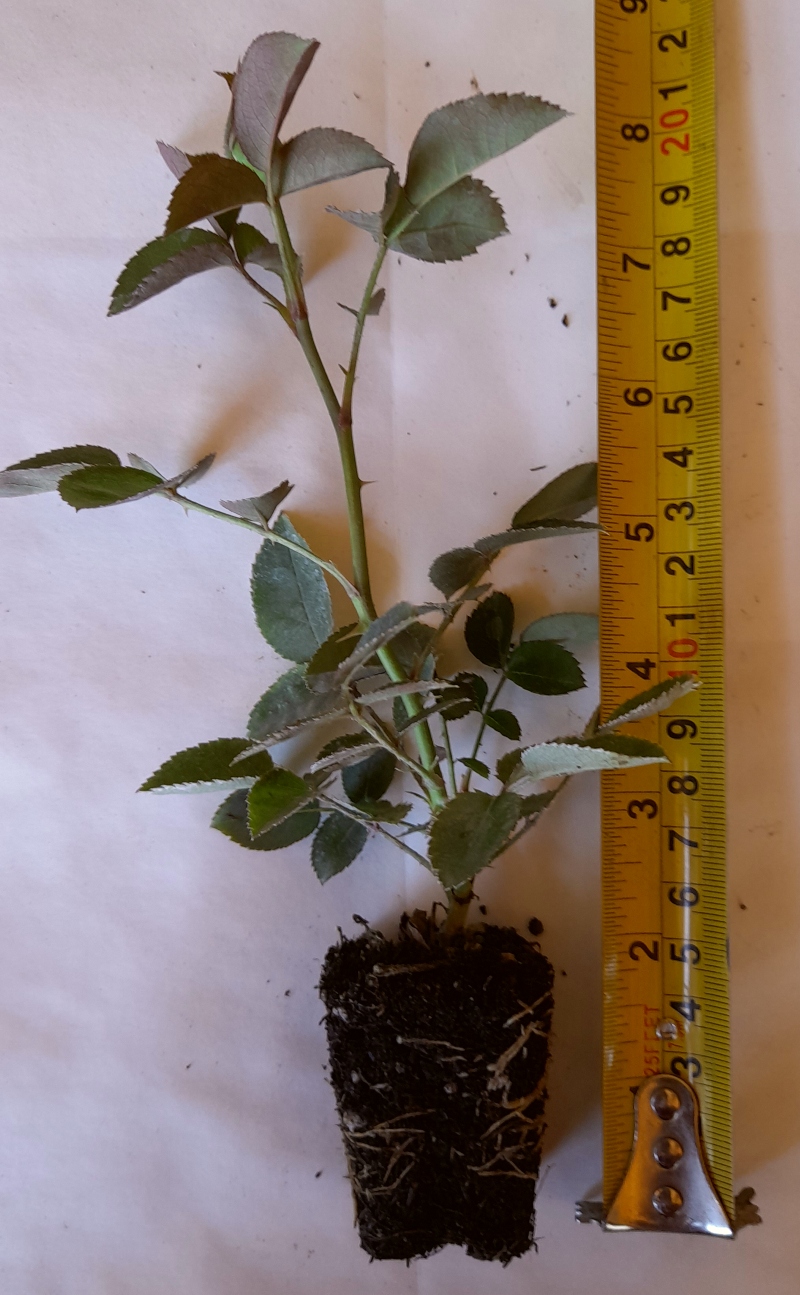
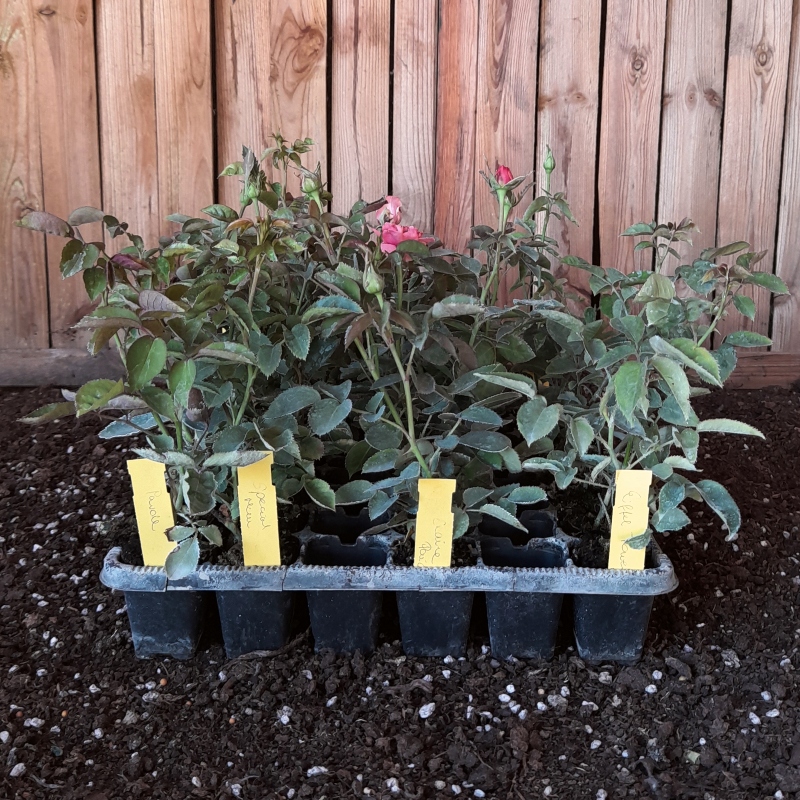
The moss-group, historical character of Capitaine John Ingram fits selection/specialty positioning where authenticity and rarity are central. As a pharmaROSA® NEONATAL own-root cutting, it is well suited to 5–7 L premium container programmes that feed retail/collector distribution. Bush-trained plants with discreet support can be used to anchor historic shrub sections in thematic gardens, with own-root material supporting long-term identity stability for collection plantings and curated ranges, aligning well to dedicated rose gardens and specialist retail benches serving retail/collector. |
| Premium scented feature plants |
The extremely strong, garden-filling fragrance and deeply spicy aroma justify a premium container, specialty route where scent-led differentiation matters more than ease of maintenance. NEONATAL rooted cuttings give a uniform starting point for 5–7 L production, allowing you to time a single, once-blooming display as a seasonal highlight. In retail this supports a clear value story around fragrance and historic character, channelled to fragrance-focused ranges and specialist promotions for retail/collector. |
| Specimen shrubs for beds and parks |
The bushy, slightly spreading habit (around 120–190 cm high, 80–120 cm spread) allows Capitaine John Ingram to perform as a specimen in beds and small park settings where a single, dramatic flowering is desirable. Bush-trained release with discreet support from 5–7 L containers offers a controlled, presentable structure on dispatch. This suits selection/specialty lines for designers and project buyers specifying distinctive historic shrubs, particularly where robust winter performance in colder, windier UK areas is needed for public-realm suppliers. |
| Cut-flower stems for niche heritage assortments |
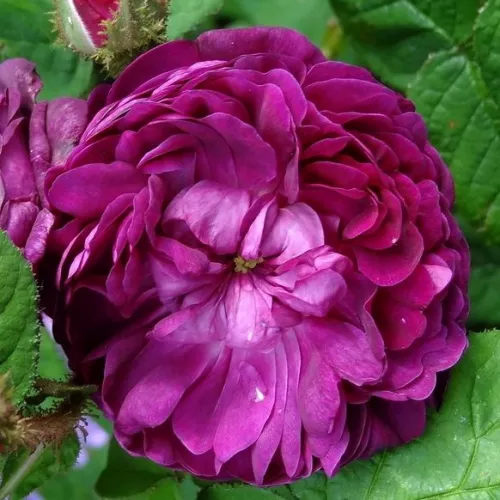
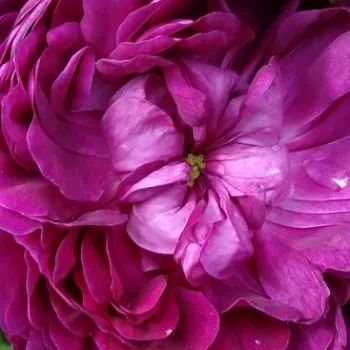
Medium, double, rosette blooms in a deep crimson-purple palette can support short-run, heritage-themed cut-flower offerings, despite the once-blooming nature. NEONATAL material allows you to organise propagation beds for predictable, one-off flush timing, using 5–7 L mother plants as a base. This suits specialist floristry supply where story, period character and fragrance outweigh continuous cropping, reinforcing a selection/specialty proposition for wholesale floristry. |
| Own-root stock for gene-bank and conservation blocks |
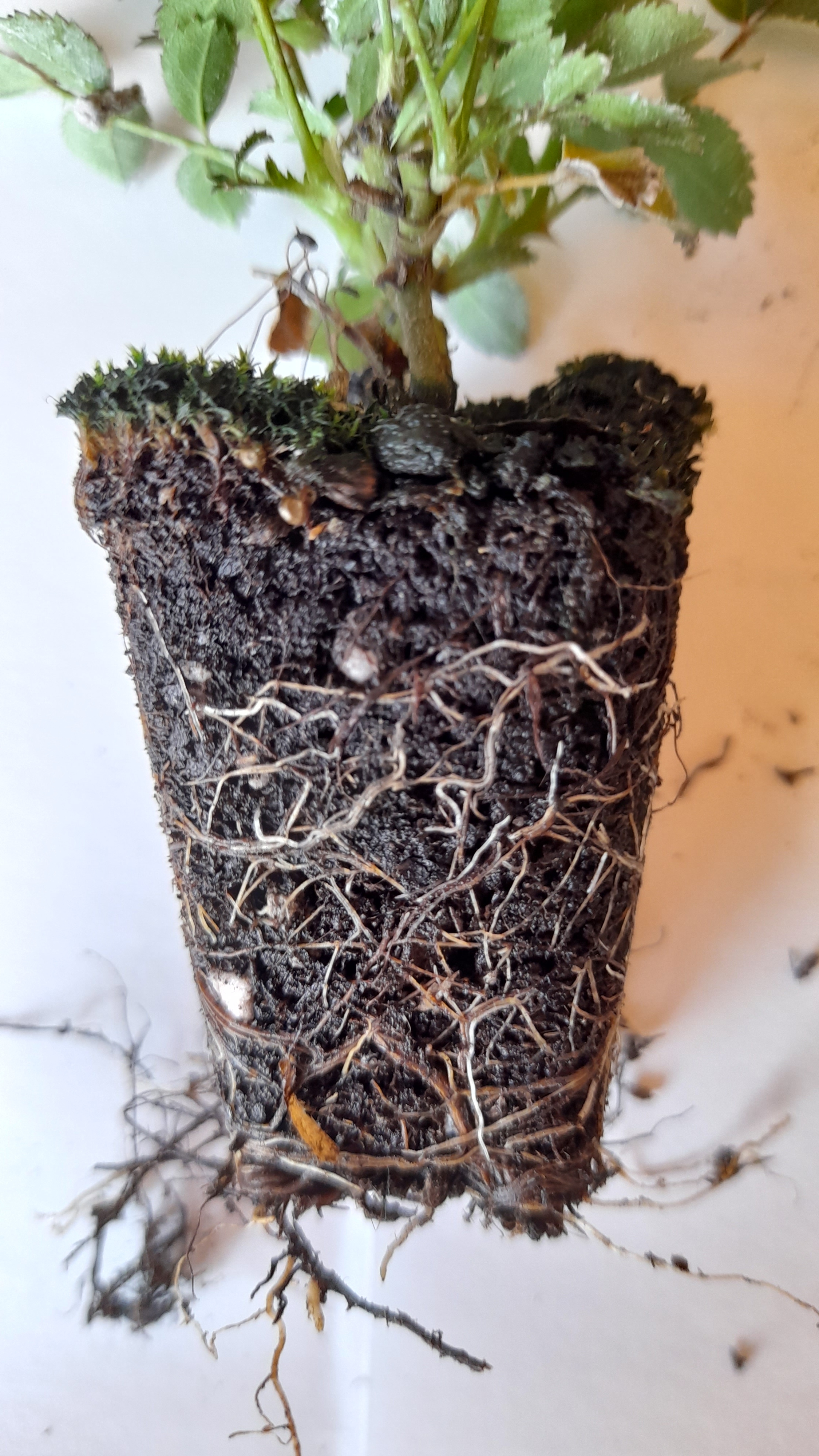
As a historic French introduction from 1854, Capitaine John Ingram is a logical candidate for conservation, gene-bank and cultivar maintenance stands. Own-root NEONATAL cuttings support long-lived, renewable stock, simplifying long-term identity control compared with budded material. Bush-trained plants in nursery beds or larger containers can underpin future propagation cycles and backup collections, aligning with thematic rose gardens, institutional collections and historic-rose conservation programmes supplied via institutional partners. |
| High-touch specialty retail lines |
The variety is very susceptible to major foliar diseases and has high maintenance needs, which favours informed, high-service retail channels rather than mass distribution. By routing NEONATAL plants through a premium container, specialty path, you can frame it clearly as a collector’s showpiece that requires regular plant protection. This allows honest positioning, with emphasis on fragrance and rarity, into advisory-led outlets and specialist e-commerce for retail/collector. |
| Thematic park and show-garden installations |
The intense once-a-season display, coupled with deep, velvet crimson colouring and strong scent, makes this cultivar suitable for focal points in show gardens and period-themed park installations where maintenance teams can manage higher disease pressure. NEONATAL own-root propagation supports consistent batches for timed projects, with 5–7 L containers stepping into 40–50 L final positions where a larger specimen is required. This supports project-led supply into curated public and show spaces through public-realm suppliers. |
| Specialist nursery propagation beds |
For nurseries maintaining a broad historic range, Capitaine John Ingram can be run as a dedicated propagation block: own-root cuttings standardise starting quality, while bush-trained plants with discreet support in beds or containers allow repeat cutting harvests. Its non-remontant flowering simplifies scheduling around a defined flush, helping integrate it into broader historic rose portfolios that serve collectors and thematic garden clients through nursery networks. |