Historical Rose

20-600-1
20-600-2

Capitaine John Ingram

Historic rose

- – Jean Laffay

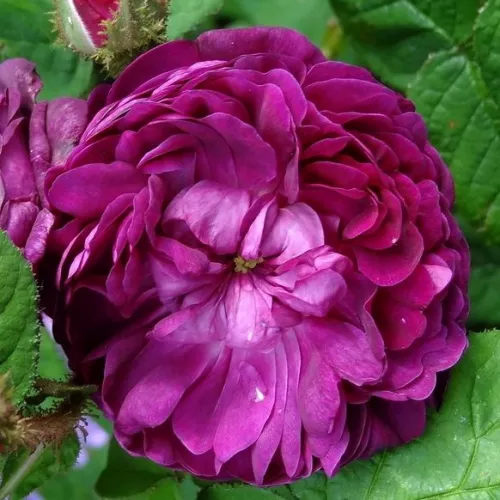
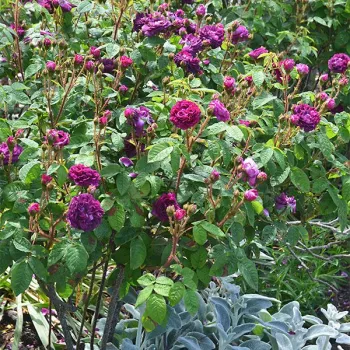
Uniformly deep crimson red with a slight purplish hue. - heritage rose, moss rose - extremely strong, garden-filling scented rose - deeply spicy aroma

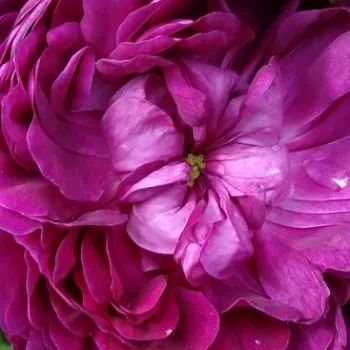
– Intense, velvety crimson‑purple heritage blooms.
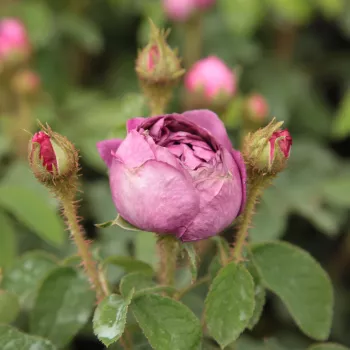
– Strongly mossed buds with unique antique charm.
– Extremely strong, garden‑filling spicy fragrance.
– Tall, bushy shrub for standout specimen planting.
– Excellent winter hardiness down to RHS H7.
– Special feature: Rare 1854 moss rose, prized collectors’ showpiece.
Selection / specialty
Capitaine John Ingram
pharmaROSA® NEONATAL rooted rose cutting
28,30 £
Due to courier service regulations – and the introduction of customs clearance – delivery to Ireland is temporarily suspended.
4.5 (6552)
facebook   twitter

Capitaine John Ingram – pharmaROSA® NEONATAL rooted cutting

Historic moss heritage fragrance collector specimen container gene-bank Capitaine John Ingram is supplied as pharmaROSA® NEONATAL own-root propagation material for premium container and specialty routes, giving nurseries a stable, uniform base for a rare historic shrub rose with deeply spicy, garden-filling scent. Its bushy, slightly spreading habit suits 5–7 L step-up production and discreetly supported, bush-trained release forms, supporting high-value, selection/specialty positioning into retail/collector channels. Own-root material supports predictable, renewable growth and long-term stock maintenance under UK nursery conditions, while helping you build distinctive thematic and collection plantings for dedicated rose gardens and curated ranges, suitable for regions where winter and wind resilience remain a planning consideration; development typically moves from root establishment in year one, shoot structure in year two, and full ornamental expression by year three.


Usage options

Target area Reasoning
Thematic and historic rose collections The moss-group, historical character of Capitaine John Ingram fits selection/specialty positioning where authenticity and rarity are central. As a pharmaROSA® NEONATAL own-root cutting, it is well suited to 5–7 L premium container programmes that feed retail/collector distribution. Bush-trained plants with discreet support can be used to anchor historic shrub sections in thematic gardens, with own-root material supporting long-term identity stability for collection plantings and curated ranges, aligning well to dedicated rose gardens and specialist retail benches serving retail/collector.
Premium scented feature plants The extremely strong, garden-filling fragrance and deeply spicy aroma justify a premium container, specialty route where scent-led differentiation matters more than ease of maintenance. NEONATAL rooted cuttings give a uniform starting point for 5–7 L production, allowing you to time a single, once-blooming display as a seasonal highlight. In retail this supports a clear value story around fragrance and historic character, channelled to fragrance-focused ranges and specialist promotions for retail/collector.
Specimen shrubs for beds and parks The bushy, slightly spreading habit (around 120–190 cm high, 80–120 cm spread) allows Capitaine John Ingram to perform as a specimen in beds and small park settings where a single, dramatic flowering is desirable. Bush-trained release with discreet support from 5–7 L containers offers a controlled, presentable structure on dispatch. This suits selection/specialty lines for designers and project buyers specifying distinctive historic shrubs, particularly where robust winter performance in colder, windier UK areas is needed for public-realm suppliers.
Cut-flower stems for niche heritage assortments Medium, double, rosette blooms in a deep crimson-purple palette can support short-run, heritage-themed cut-flower offerings, despite the once-blooming nature. NEONATAL material allows you to organise propagation beds for predictable, one-off flush timing, using 5–7 L mother plants as a base. This suits specialist floristry supply where story, period character and fragrance outweigh continuous cropping, reinforcing a selection/specialty proposition for wholesale floristry.
Own-root stock for gene-bank and conservation blocks As a historic French introduction from 1854, Capitaine John Ingram is a logical candidate for conservation, gene-bank and cultivar maintenance stands. Own-root NEONATAL cuttings support long-lived, renewable stock, simplifying long-term identity control compared with budded material. Bush-trained plants in nursery beds or larger containers can underpin future propagation cycles and backup collections, aligning with thematic rose gardens, institutional collections and historic-rose conservation programmes supplied via institutional partners.
High-touch specialty retail lines The variety is very susceptible to major foliar diseases and has high maintenance needs, which favours informed, high-service retail channels rather than mass distribution. By routing NEONATAL plants through a premium container, specialty path, you can frame it clearly as a collector’s showpiece that requires regular plant protection. This allows honest positioning, with emphasis on fragrance and rarity, into advisory-led outlets and specialist e-commerce for retail/collector.
Thematic park and show-garden installations The intense once-a-season display, coupled with deep, velvet crimson colouring and strong scent, makes this cultivar suitable for focal points in show gardens and period-themed park installations where maintenance teams can manage higher disease pressure. NEONATAL own-root propagation supports consistent batches for timed projects, with 5–7 L containers stepping into 40–50 L final positions where a larger specimen is required. This supports project-led supply into curated public and show spaces through public-realm suppliers.
Specialist nursery propagation beds For nurseries maintaining a broad historic range, Capitaine John Ingram can be run as a dedicated propagation block: own-root cuttings standardise starting quality, while bush-trained plants with discreet support in beds or containers allow repeat cutting harvests. Its non-remontant flowering simplifies scheduling around a defined flush, helping integrate it into broader historic rose portfolios that serve collectors and thematic garden clients through nursery networks.

Finished-product ideas

  • 5–7 L Historic Collector Bush – Bush-trained, discreetly supported plants in 5–7 L premium containers, sold as a selection/specialty historic shrub with extreme fragrance and moss character – target: specialist garden centres and mail-order retail/collector channels.
  • Fragrance Feature Specimen 40–50 L – Upsized own-root specimens grown on from NEONATAL material into 40–50 L containers for use as high-impact, once-blooming focal points in period beds and parks – target: landscape contractors and public-realm suppliers.
  • Heritage Cut-Flower Mother Stock – Structured nursery rows or large-container mother plants raised from NEONATAL cuttings to supply limited heritage cut stems in season – target: artisan florists and niche wholesale floristry buyers.
  • Curated Historic Moss Range – Integrated historic moss assortment built on uniform own-root 5–7 L plants, positioned as a premium, high-maintenance but distinctive collector line – target: nurseries and retailers building thematic rose collections.
  • Conservation and Gene-Bank Block – Own-root propagation and long-term maintenance stands dedicated to Capitaine John Ingram, ensuring reliable identity and renewal capacity for future propagation – target: institutional collections, botanic gardens and historic rose conservancies.

Technical cultivar profile
Parameter Data
Name and registration Current trade name Capitaine John Ingram, classified as a historical moss shrub rose; American Rose Society exhibition name Capitaine John Ingram, unregistered cultivar, heritage commercial positioning.
Origin and breeding Bred by Jean Laffay and introduced in France in 1854 by Laffay; parentage and breeding institution data are unknown, typical of many early historic moss roses from that period.
Growth and structural characteristics Bushy, slightly spreading shrub reaching about 120–190 cm high with 80–120 cm spread; moderately dense, matt, mid-green foliage and densely thorned shoots, with no data available regarding self-cleaning behaviour.
Flower morphology Medium-sized, double, rosette-form flowers with approximately 26–39 petals, carried mainly solitary; a once-blooming, non-remontant variety, so flowering is concentrated into a single seasonal flush.
Colour data and phenology Uniform deep crimson-red flowers with a purplish hue; buds dark velvety crimson, opening to deep burgundy-crimson with lilac tones, then showing smoky, brownish-purplish darkening and moderate colour retention under strong sun.
Fragrance and aroma Extremely strong, garden-filling scent with a deeply spicy fragrance character; the very double flower form limits pollinator access, so the variety functions primarily as an ornamental, scent-focused historic shrub.
Hip characteristics Fruit set is generally poor due to the double flower form, but spherical orange-red hips of around 10–15 mm diameter may occasionally develop, contributing minor late-season ornamental interest.
Resistance and winter hardiness Very susceptible to powdery mildew, black spot and rust, requiring regular plant protection; hardy to about -26 to -23 °C (RHS H7, Swedish zone 4, USDA 5b), with moderate tolerance of heat and drier periods when watered.
Horticultural recommendations Suited for flower beds, parks, specimen planting and limited cut use; release as bush-trained plants with discreet support via premium container, specialty routes, acknowledging high maintenance and disease-susceptible behaviour.

Capitaine John Ingram offers intense historic character, exceptional fragrance and reliable own-root longevity for stable specialist stocks; please contact us to coordinate propagation volumes and delivery scheduling for your programmes.

Detailed product attributes

Product Identification Data

Product Name: CAPITAINE JOHN INGRAM – crimson-purple historic moss rose - Laffay
Product Type: pharmaROSA® NEONATAL - rooted rose cutting
Cultivar Authenticity: Verified:13.08.2025
Cultivar Quality Rating: premium bronze
Item Number: [10] 20-600 (14.02.2026) pharmarosaneonatal.co.uk

Name and Registration

Meaning of Cultivar Name: The name honours Captain John Ingram.
Cultivar Synonym: Captain Ingram
Original Trade Name: Capitaine John Ingram
Current Trade Name: Capitaine John Ingram Historic rose Laffay
Rose Group: Moss
Commercial Type: heritage rose, moss rose
Commercial Group: Historical rose
Exhibition Category: historic shrub rose
Collection: Historic rose

Origin and Breeding

Initial Distributor: Laffay (France, 1854)
Registration Year: unregistered variety
Breeder: Jean Laffay
Breeding Company / Institution: unknown / no data
Breeding Year: France, 1854
Parentage: unknown

Growth and Structural Characteristics

Height: 3.9-6.2ft (120-190 cm)
Spread: 2.6-3.9ft (80-120 cm)
Growth Habit: bushy, slightly spreading
Foliage: The variety has moderately dense foliage; its leaves have a matt surface and a mid-green shade.
Prickliness: densely thorned
Self-Cleaning Description: No data on self-cleaning.
Self-Cleaning Intensity: No data available on self‑cleaning strength.

Flower Morphology

Petal Count: 26-39
Flower Fullness: double-flowered
Flower Shape: rosette
Flower Size: M (1,5-2,75 in)
Inflorescence Type: solitary
Colour Code: ARS code: m RHS code: 187A (outer), 187B (inner)
Repeat Flowering: Non-remontant, blooms once.

Colour Data and Phenology

Colour: crimson-red
Flower Colour Description: Uniformly deep crimson red with a slight purplish hue.
Closed Bud: Dark, velvety crimson red.
Newly Opened Flower: Deep burgundy-crimson petals, with a delicate lilac tone inside.
Full Bloom: Velvety, deep burgundy shade with a faint lilac shimmer in the centre.
Before Fading: Brownish to purplish darkening, with a smoky purple tinge at the edges.
Colour Fading Description: Under strong sunlight the colour lightens slightly; it varies with lighting conditions.

Fragrance and Aroma

Fragrance Strength: extremely strong, garden-filling scented rose
Fragrance Character: deeply spicy aroma
Pollinator Attraction: Its strongly double flower form and the reduced accessibility of its stamens make it only weakly attractive to pollinators.
Pollinator-Friendly Rating: Its double flowers partially conceal the stamens, so it attracts pollinators only to a limited extent and is primarily an ornamental variety.

Hip Characteristics

Hip Shape: spherical
Hip Colour: orange-red
Hip Comment: Fruit set is expected to be poor because of the double flowers; it occasionally produces spherical, orange-red hips 10–15 mm in diameter.

Resistance and Hardiness

Hardiness (°C): -26–-23 °C
Heat and Drought Tolerance Description: Tolerates heat and drier periods moderately; requires watering during prolonged drought.
Disease Resistance: very susceptible
  • powdery mildew – very susceptible
  • black spot – very susceptible
  • rust – very susceptible

Horticultural Recommendations

Recommended product path: Premium container, specialty
Release form: Bush-trained + discreet support
Recommended use: Maintenance requirement high; very susceptible to diseases, regular plant protection required.
Primary Uses: flower bed, park, specimen plant, cut flower

Comments

Positioning: Selection / specialty
Target customer/channel: Retail/collector
Main value proposition: Distinctive, rare character – collector’s showpiece
CAPITAINE JOHN INGRAM – crimson-purple historic moss rose - Laffay
Uniformly deep crimson red with a slight purplish hue. - heritage rose, moss rose - extremely strong, garden-filling scented rose - deeply spicy aroma
The rose webshop. - crimson-red - extremely strong, garden-filling scented rose - Capitaine John Ingram - heritage rose, moss rose - (3.9-6.2ft (120-190 cm))
Inflorescence: solitary Height: 3.9-6.2ft (120-190 cm) Flower shape: rosette Winter hardiness: - crimson-red - Laffay (France, 1854) heritage rose, moss rose - Flower size: M (1,5-2,75 in) Flower size: M (1,5-2,75 in) - Height: 3.9-6.2ft (120-190 cm) Height: 3.9-6.2ft (120-190 cm) - Flower fullness: double-flowered Capitaine John Ingram - Roses in the garden | pharmaROSA® Neonatal - premium bronze Jean Laffay

We showcase the external appearance of the roses available for online purchase from our webshop.


Which product type is right for you?


PharmaRosa® NEONATAL is the cost‑effective starting point for rose product production.

As a uniform, own‑rooted propagation material, it provides a stable basis for further growing-on and can be integrated flexibly into different finished product production technologies.
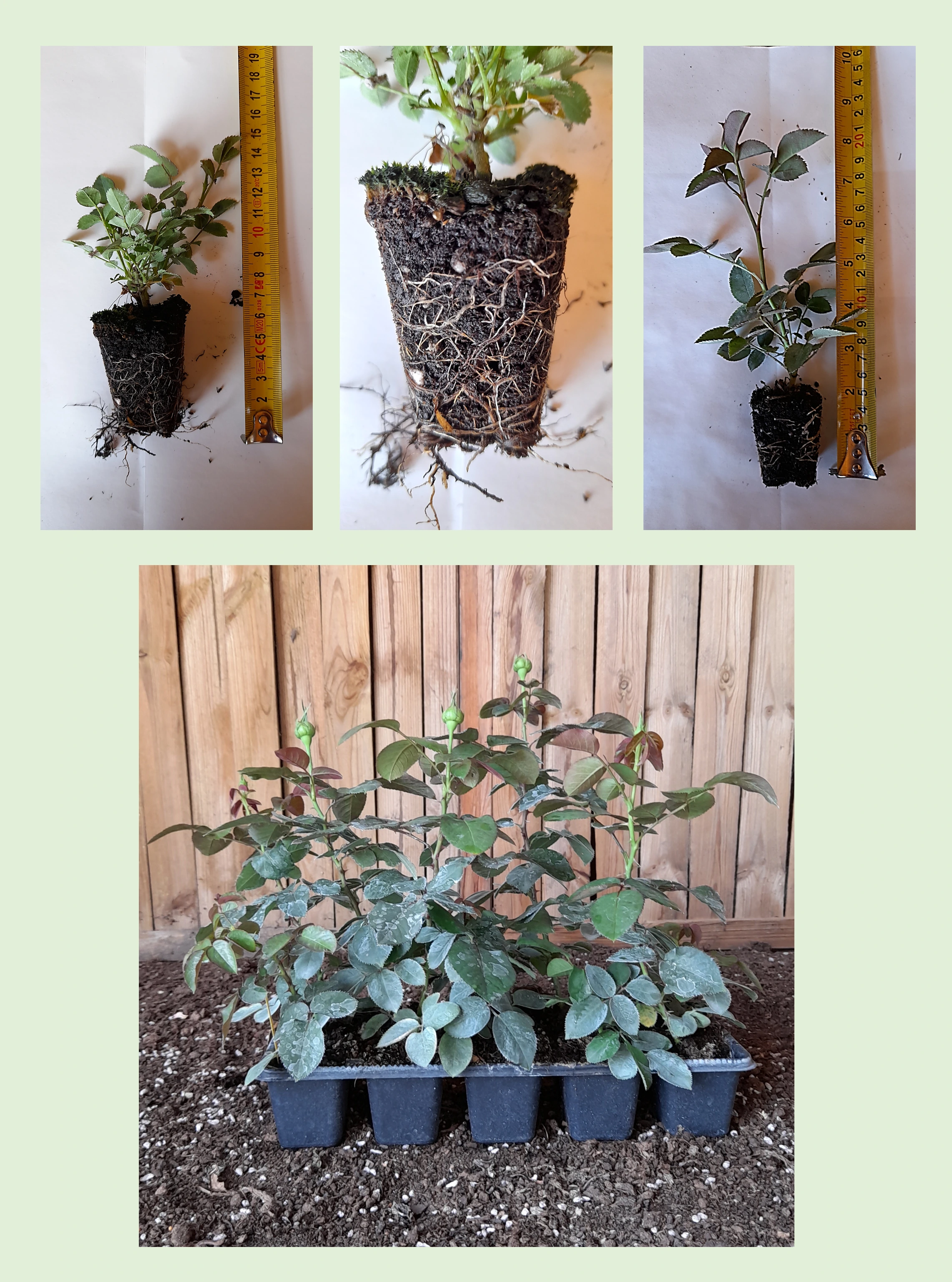
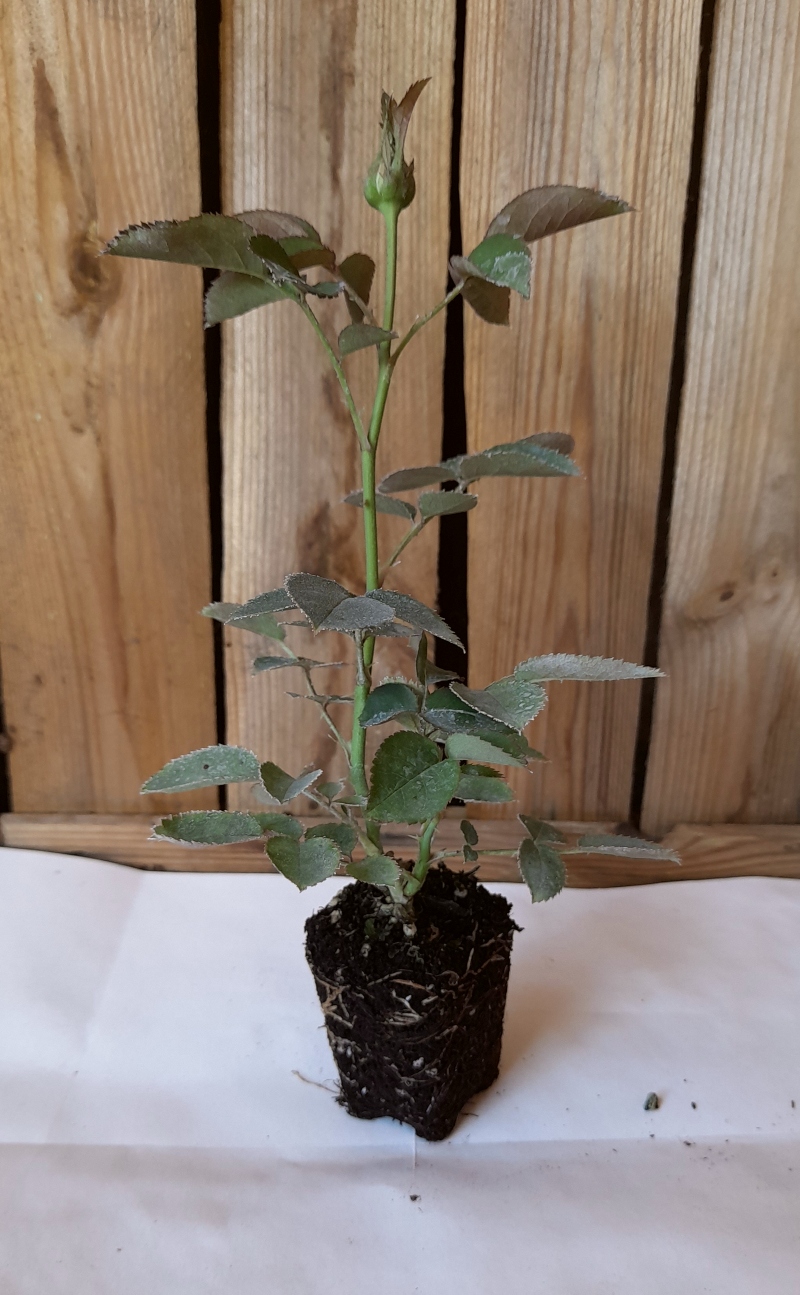
Rooted in trays (rooted), 3–6‑month‑old, own‑rooted rose cutting.
Uniform developmental stage, with a root system that has thoroughly penetrated the plug.
For professional growing‑on.
Tray packaging: 10 pcs/tray.
Quality and varietal identity: production supported by a dedicated identification and traceability logic.
Can be transplanted during frost‑free periods, designed for finished product production.

PharmaRosa® NEONATAL provides a controlled, uniform starting stock for planned growing‑on that can be integrated into your own technology – especially where scheduling and varietal identity are paramount.


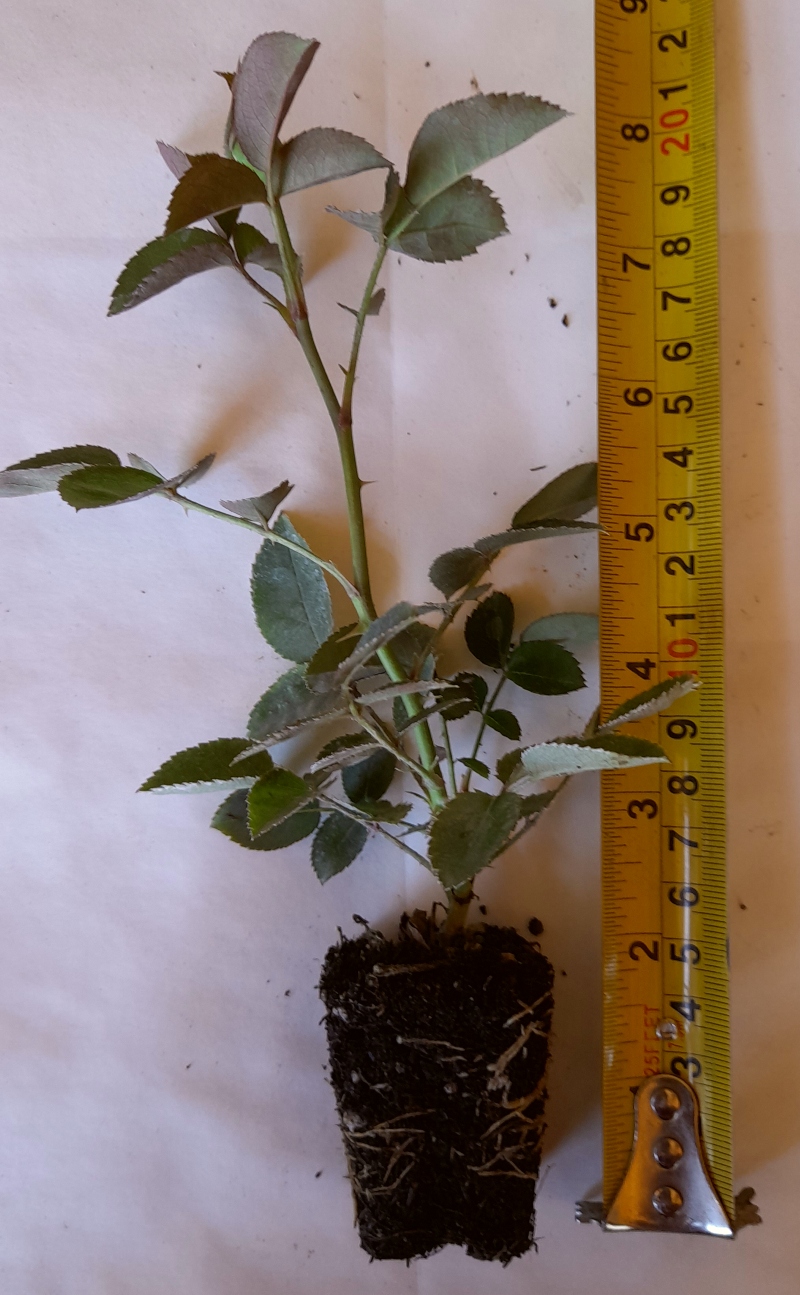
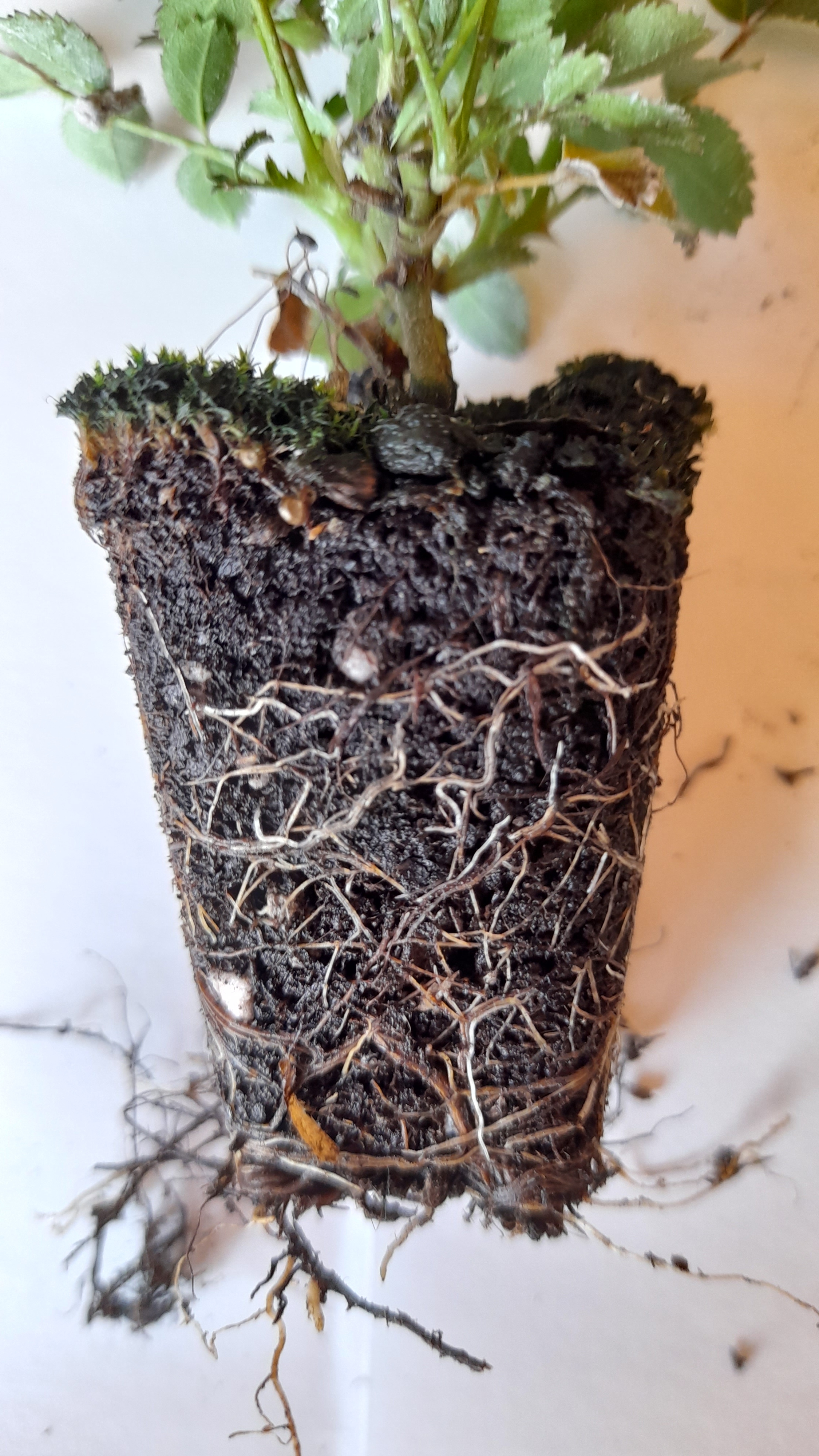
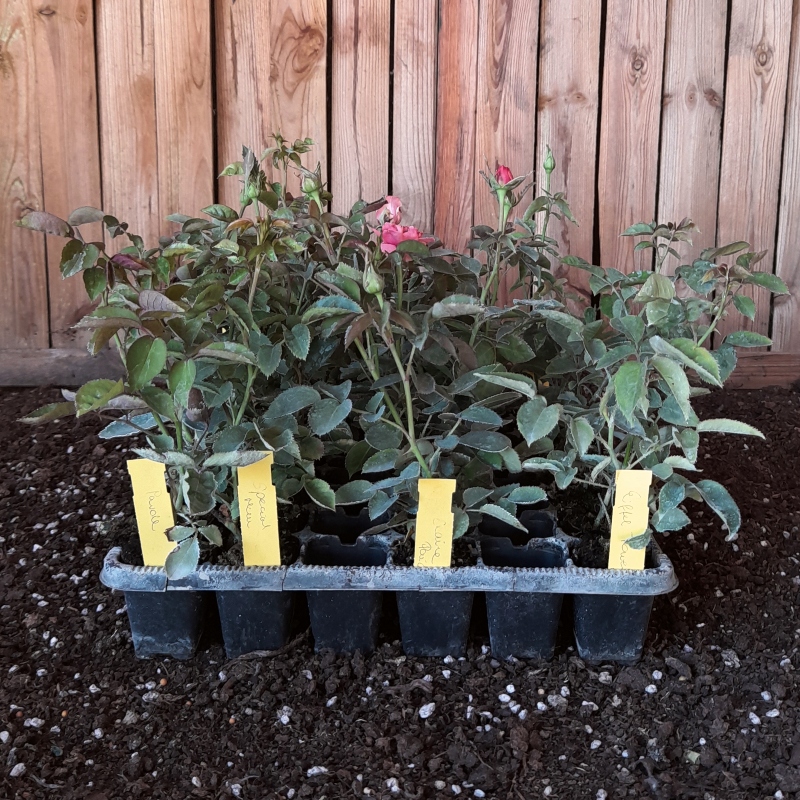
PharmaRosa® NEONATAL own-rooted rose propagation material in a plug, with a root system penetrating the plug (semi-finished product / semi-finished rose). PharmaRosa® NEONATAL rose propagation material size: 3–6‑month‑old, own-rooted cutting with a uniform developmental stage. PharmaRosa® NEONATAL rose propagation material root system: plug densely penetrated by well-developed white roots (root system detail). PharmaRosa® NEONATAL tray stock: own-rooted rose propagation material in trays, uniform developmental stage (10 pcs/tray).

Captions (from left to right): Semi-finished product (NEONATAL own-rooted rose propagation material in a plug with a fully developed root system) • Size demonstration (3–6‑month‑old, uniform cutting) • Root system detail (plug penetrated by the root system) • Tray stock (10 pcs/tray, uniform developmental stage)

pharmarosaneonatal.skpharmarosaneonatal.ropharmarosaneonatal.depharmarosaneonatal.co.ukpharmarosaneonatal.hupharmarosaneonatal.sipharmarosaneonatal.czpharmarosaneonatal.atpharmarosaneonatal.itpharmarosaneonatal.frpharmarosaneonatal.plpharmarosaneonatal.espharmarosaneonatal.nlpharmarosaneonatal.ptpharmarosaneonatal.lupharmarosaneonatal.sepharmarosaneonatal.lvpharmarosaneonatal.fipharmarosaneonatal.ltpharmarosaneonatal.ee

Which product type is right for you?

Pages for private customers
Garden roses for the family garden, with minimal care  → ORIGINAL®
Premium garden roses – instant impact, a truly showpiece garden  → EXTRA®
Pages for professionals and private customers
Roses for public spaces – large areas, sustainable maintenance  → NATURAL®
Roses for projects – hedge and row planting, fast implementation  → RAPID®
For professional partners only
Production – propagation material for garden roses, wholesale  → NEONATAL®

Company details

PharmaRosa Ltd.
Company registration number: 01-09-717479
VAT number: 13075314-2-43
Plant health registration no.: HU130721
Bank account (IBAN):
HU85117631891388688400000000
BIC (SWIFT): OTPVHUHB
Bank name: OTP Bank Nyrt.