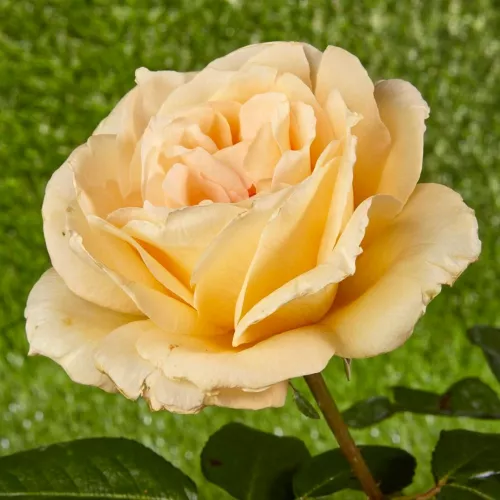
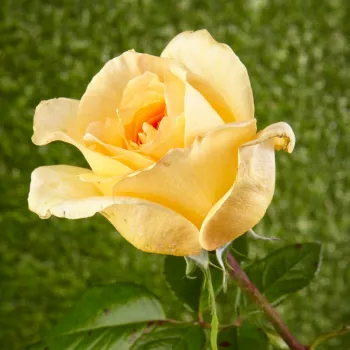
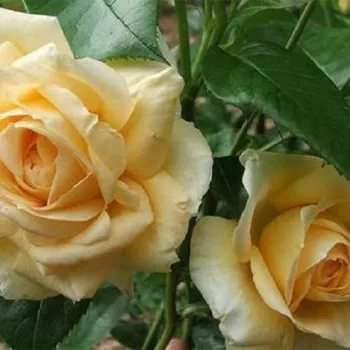
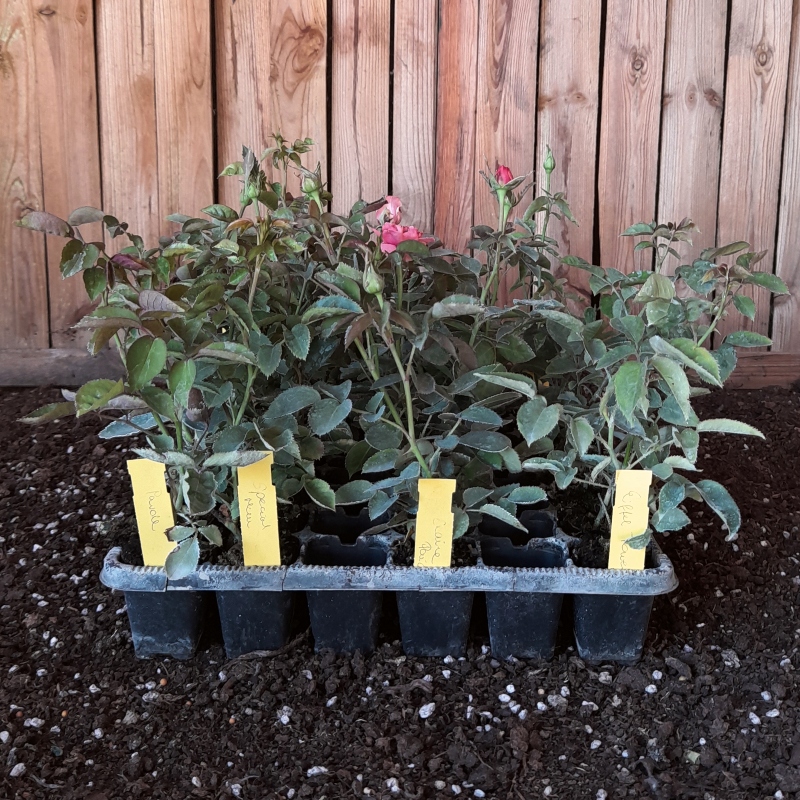
Casanova – pale yellow hybrid tea rose – McGredy
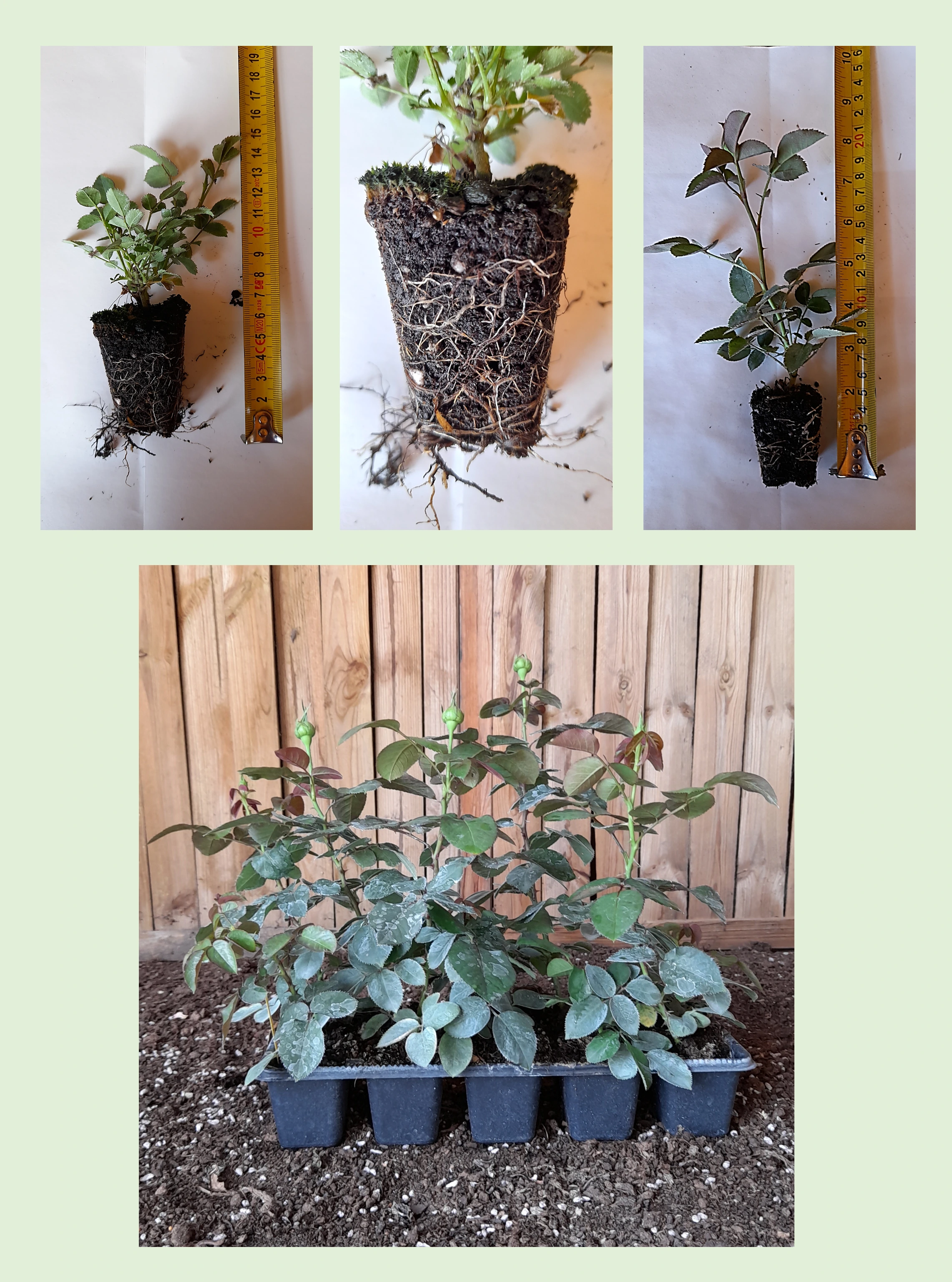
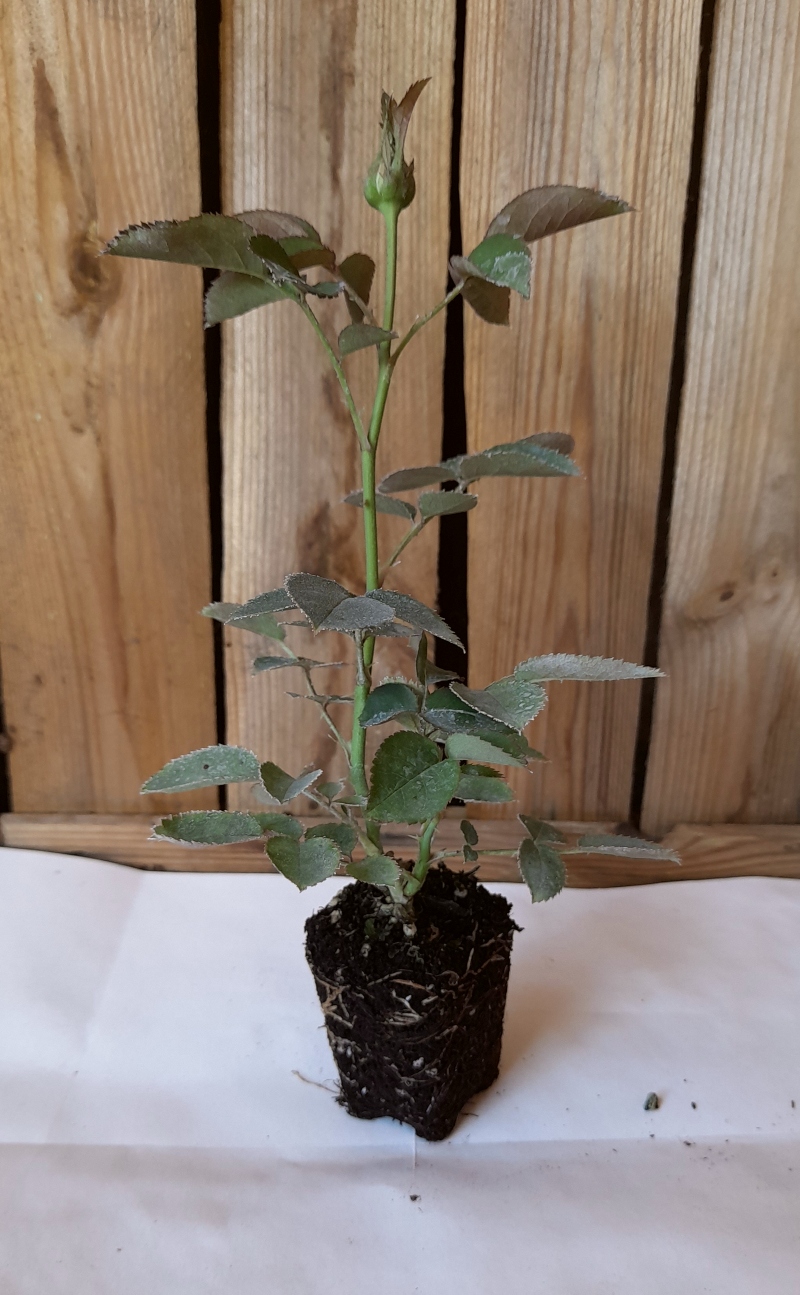
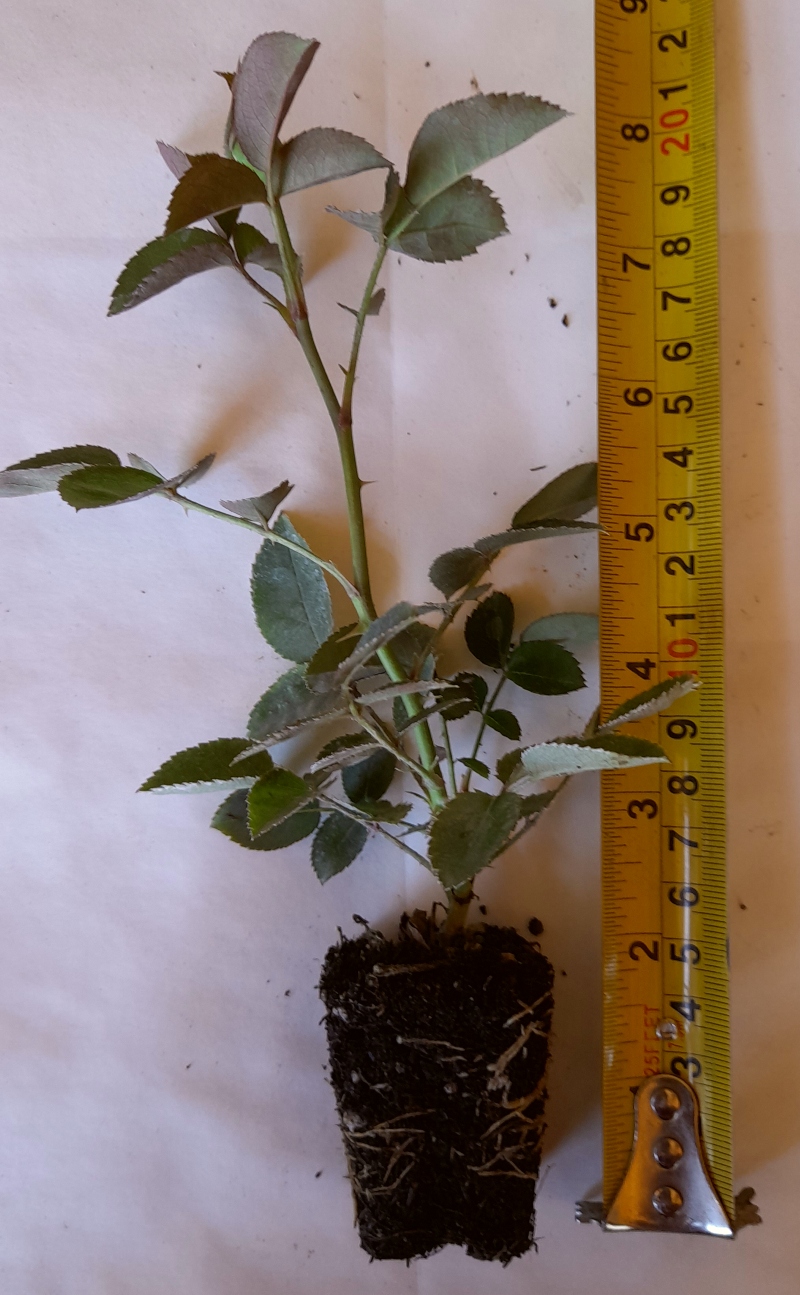
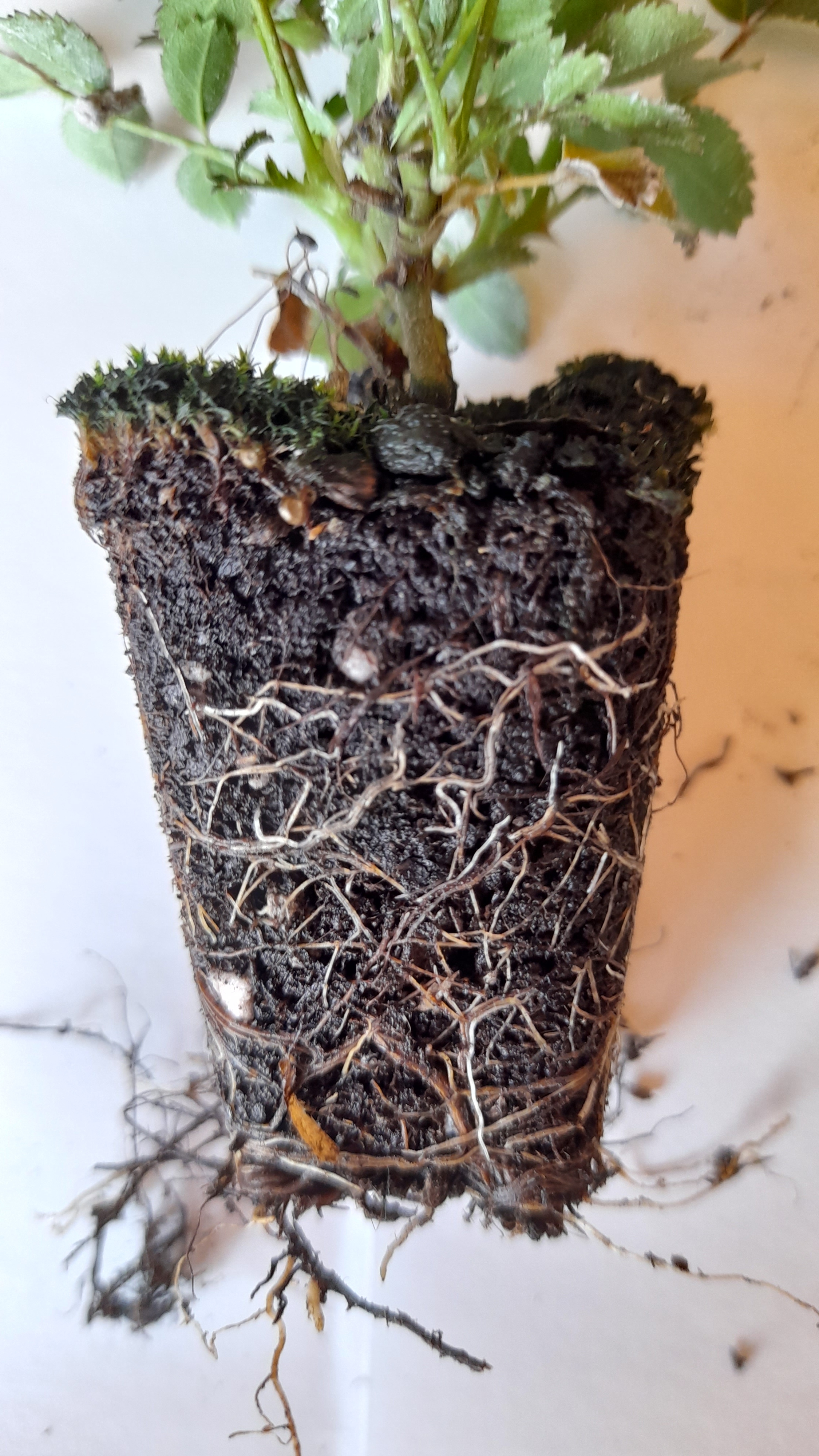
Exhibition performance, flower quality and form make Casanova a focused option where you need a premium hybrid tea in nursery beds and 5–7 L container production. This own-root material delivers an upright, bush-trained framework with 3–5 strong canes, suited to a premium container route and exclusive finished-product positioning into retail and reseller channels. Onward producers gain a predictable cut-flower and specimen candidate with medium, high-centred, pointed buds and pastel pale-yellow tonality that reads consistently on benches. Disease resistance reduces spraying needs and supports low-intervention regimes typical of UK nursery networks serving thematic rose gardens and collection displays, while its good winter performance offers reliable cropping even in colder, wind-exposed regions of Scotland and Northern England. Own-root propagation supports long-term bed renewal and stable, homogeneous stands where replacement must stay low and capacity remains predictable, following a natural development arc from root establishment in year one, structural build in year two and full ornamental expression from year three. This combination of quality traits allows you to align Casanova confidently with exclusive, high-margin rose offerings in coordinated wholesale programmes.
Usage options
Finished-product ideas
- Premium 5–7 L exhibition hybrid tea – Own-root bush-trained plants with 3–5 canes, finished in 5–7 L pots as a bench-ready exhibition-type hybrid tea, leveraging flower form, pale-yellow colour and disease resistance – retail and high-end garden-centre channels
- Cut-flower bench selection Casanova – Blocks of uniformly trained plants targeted for home cutting and exhibition use, highlighting solitary, high-centred blooms and reliable rebloom, supplied in branded 7 L containers – specialist florist resellers and destination garden centres
- Historic McGredy collection feature – Curated line built around Casanova’s McGredy origin and 1960s heritage, using own-root material for long-term thematic and show garden plantings with low replacement needs – public gardens and institutional buyers via wholesalers
- Disease-resilient pale-yellow focus line – Production emphasising resistance to key foliar diseases, allowing reduced intervention while maintaining premium flower quality in 5–7 L stock – sustainability-focused retail chains and procurement-driven buyers
- Specimen-grade lemon-cream centrepiece – Selected strong plants stepped up from 5–7 L into 40–50 L containers to create upright, specimen-grade features with high-centred blooms and sweet fragrance – landscape contractors and prestige project suppliers
Technical cultivar profile
| Parameter |
Data |
| Name and registration |
Casanova hybrid tea rose, commercial type and group hybrid tea; American Rose Society exhibition name Casanova; unregistered cultivar in formal registration terms. |
| Origin and breeding |
Bred by Samuel Darragh McGredy IV, Samuel McGredy & Son, Portadown; cross of ‘Queen Elizabeth’ × ‘Perfecta’; bred in England 1957, introduced 1964 United Kingdom by Fisons Horticulture Ltd. |
| Awards and recognition |
Geneva Certificate of Merit at the Geneva Rose Trials in 1963, underpinning its established reputation for flower quality and performance in formal trial conditions. |
| Growth and structural characteristics |
Upright bush habit, typically 100–140 cm high and 55–85 cm spread; medium-density light green foliage, sparsely thorned shoots; bush-trained framework with 3–5 strong canes recommended. |
| Flower morphology |
Double-flowered hybrid tea with 26–39 petals; high-centred, pointed-budded, solitary blooms in an exhibition-style form; large flower size around 2.75–3.95 inches diameter on upright stems. |
| Colour data and phenology |
Pale pastel creamy-yellow blooms; straw-yellow base lightening to cream yellow at petal edges; ARS LY, RHS 12B inner and 11D outer; colour can fade to cream-white in strong sun, reblooms well with abundant second flush. |
| Fragrance and aroma |
Medium strength scent with a clearly perceived, sweet fragrance character; ornamental emphasis rather than functional perfumery use, but with a noticeable scent contribution in plantings and cut-flower use. |
| Hip characteristics |
Limited hip formation expected due to double blooms; occasionally produces small ovoid orange-red hips around 10–14 mm diameter, without significant impact on production decisions. |
| Resistance and winter hardiness |
Rated resistant to powdery mildew, black spot and rust; hardy approximately to -21 – -18 °C (USDA 6b, RHS H7, Swedish Zone 3); poor tolerance of prolonged drought and high heat, needing reliable irrigation and moderate exposure. |
| Horticultural recommendations |
Primary uses: flower bed, cut flower and specimen roles; low maintenance requirement with generally little intervention; best routed as premium container production in 5–7 L pots using own-root pharmaROSA NEONATAL propagation material. |
Casanova hybrid tea rose offers exhibition-grade flower form, strong disease resistance and reliable rebloom on long-lived own-root plants, providing predictable, low-replacement stands for premium programmes where we can jointly plan capacity and timing.