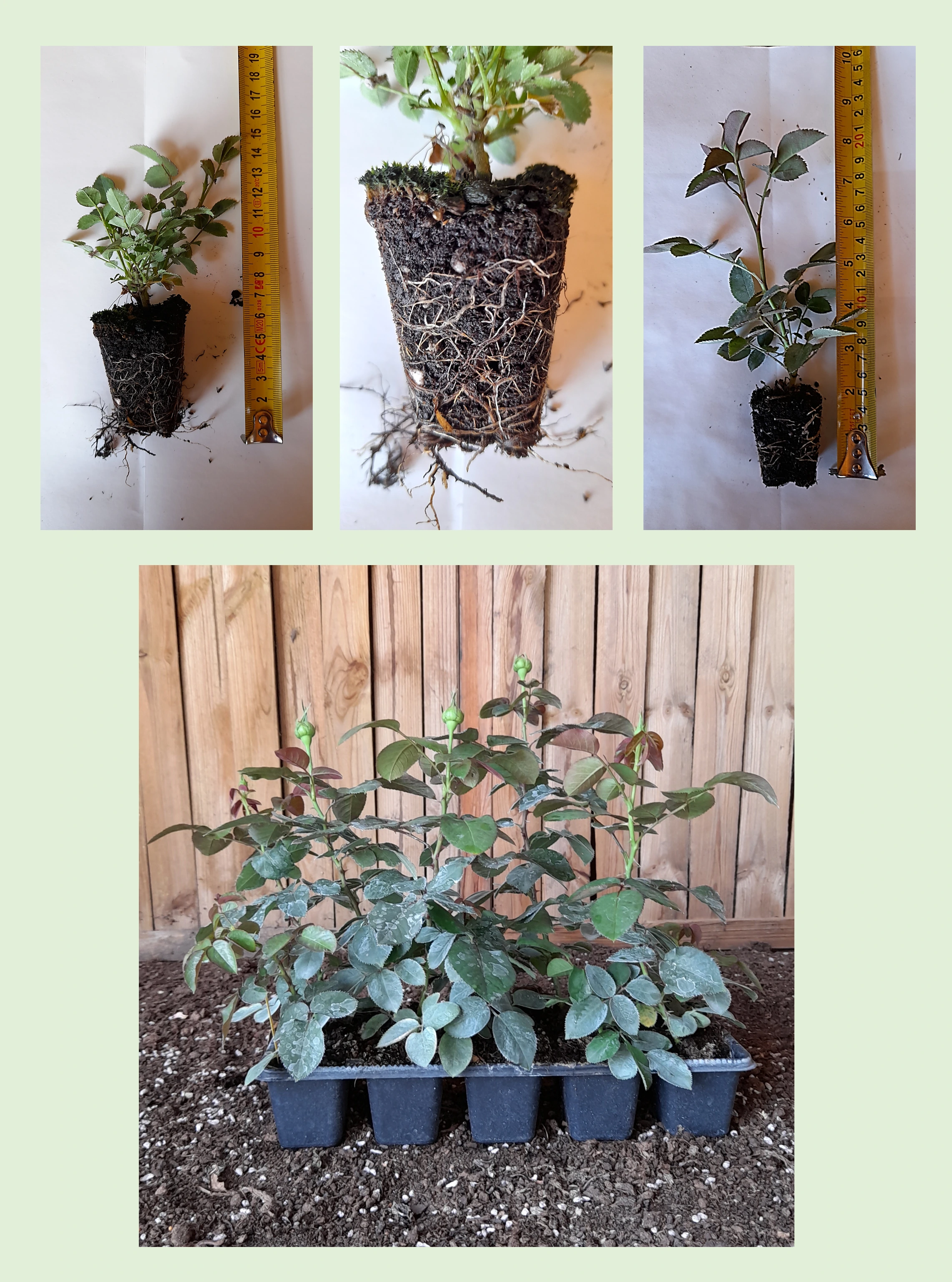
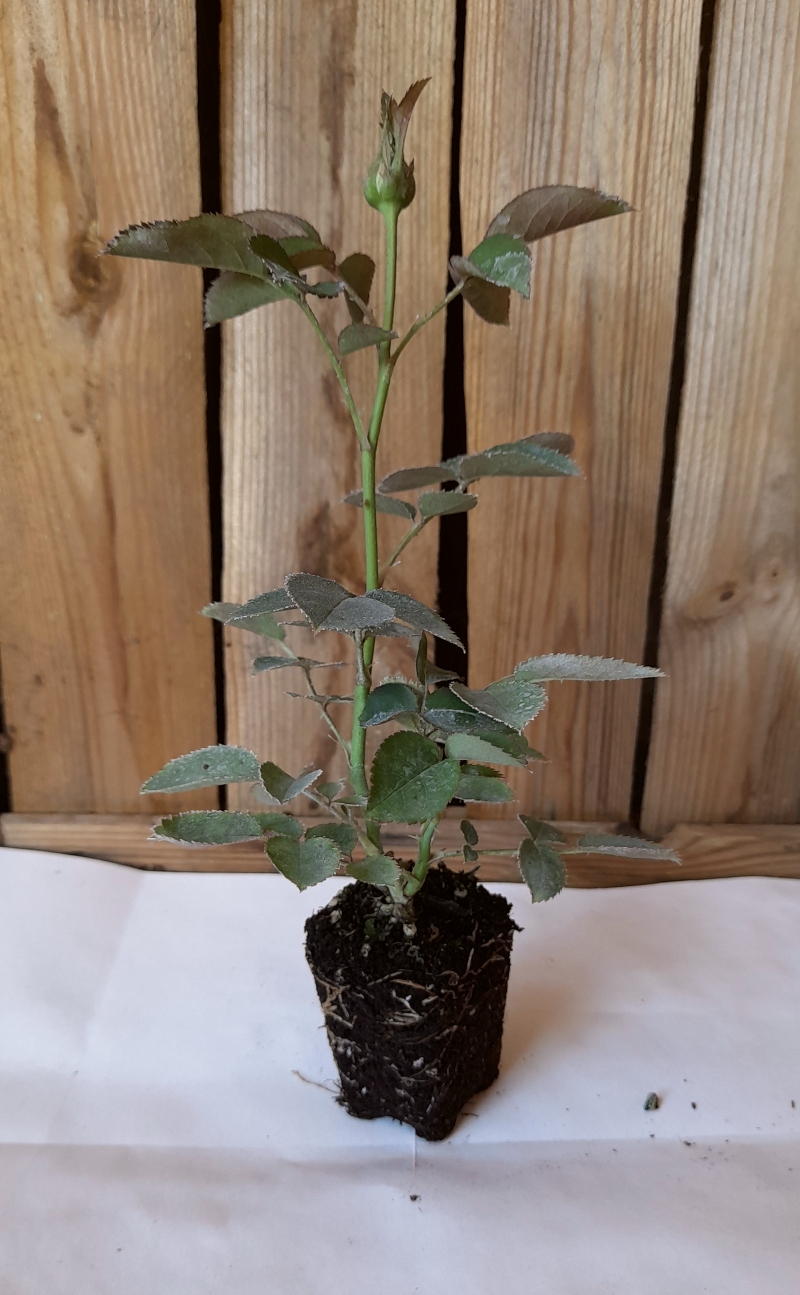
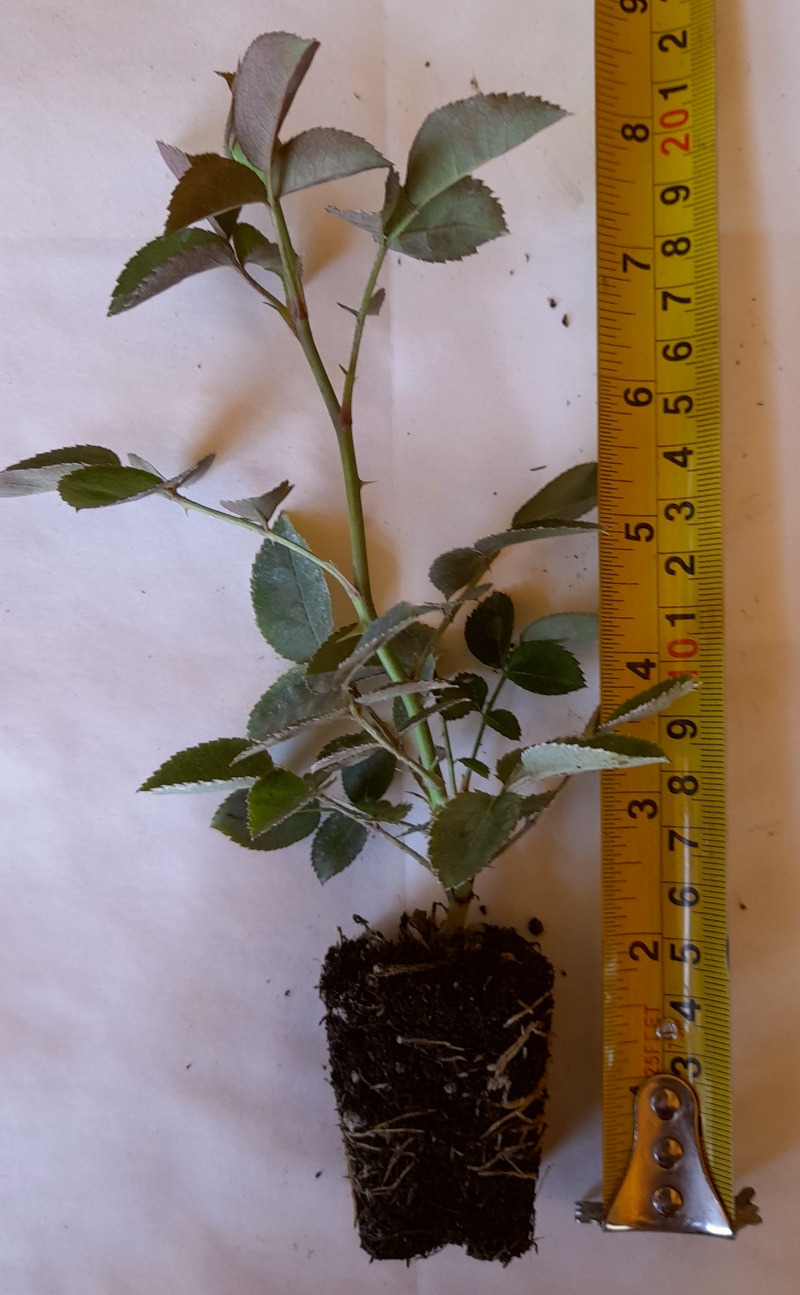
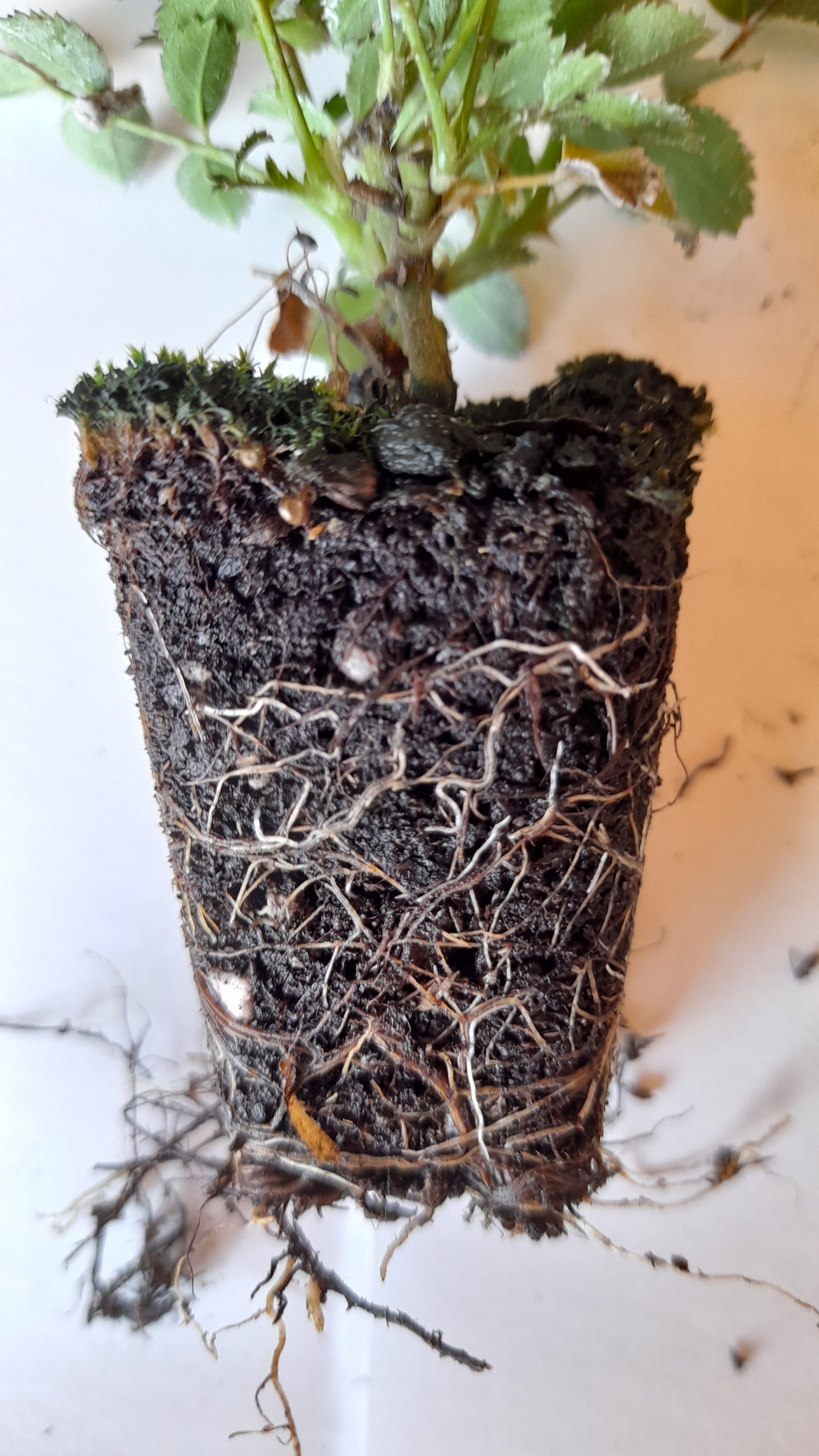
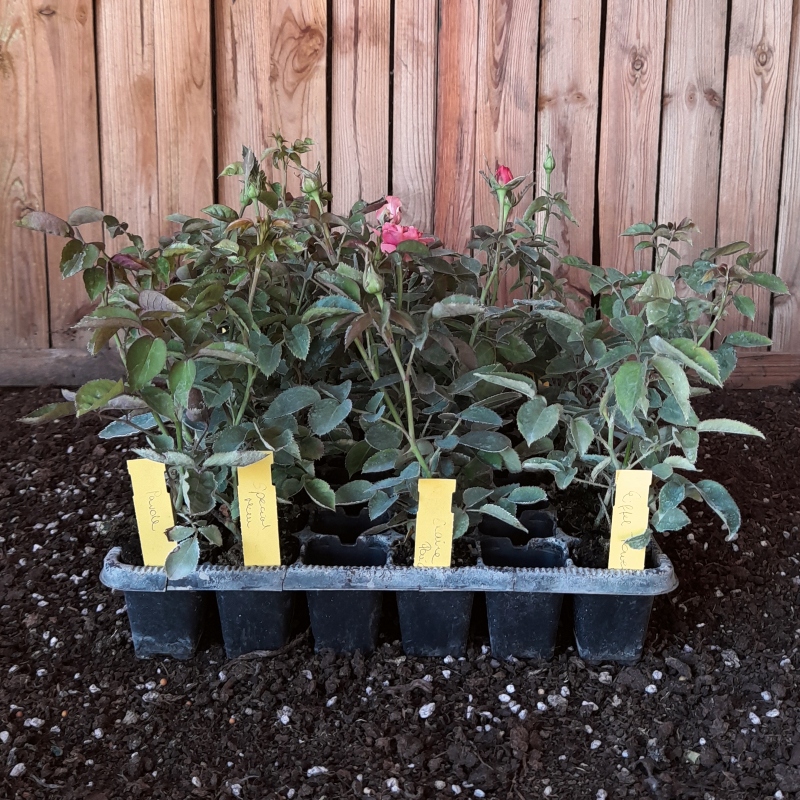
CONSTANCE SPRY – pink climbing rose – Austin – pharmaROSA® NEONATAL rooted cutting
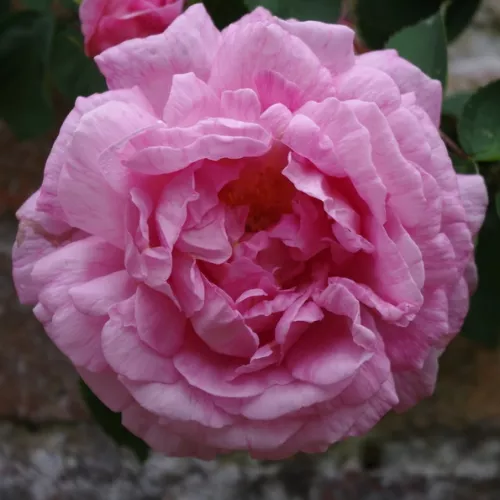
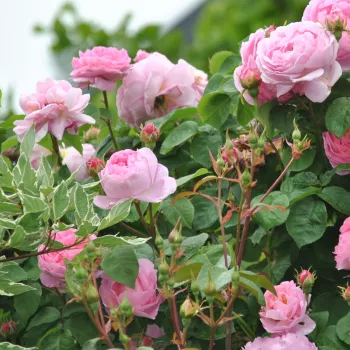
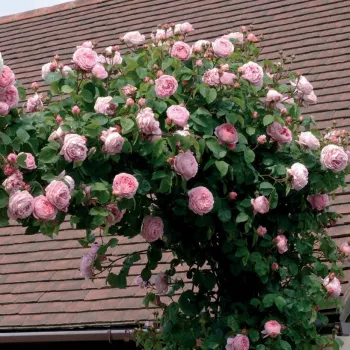
Constance Spry offers professional growers a vigorous, upright climbing habit ideal for pergolas, arbours, walls and fences, delivering an exclusive, space-defining finished product for vertical projects. As tray-grown pharmaROSA® NEONATAL own-root material, it provides a stable base for trained climber production, easy to integrate into nursery propagation beds and 5–7 L container programmes. Its dense, matt light-green foliage frames large, very double rosette blooms in a warm mid-pink, creating a distinctive, collection-worthy feature for thematic rose gardens and show plantings in the UK market, supporting schemes where winter and wind exposure are common in northern sites. Non-remontant but abundant, once-per-season flowering combines with very strong, myrrh-scented fragrance and abundant ornamental hips to support speciality, high-value lines. The own-root form underpins long-term stand stability and predictable quality for nursery networks, moving from root establishment in year one through strong cane development in year two to full ornamental presence from year three onwards.
Usage options
Finished-product ideas
- Trained 5–7 L climber for pergolas – Own-root, staked 3–5 cane plants with vigorous, upright growth, trained in 5–7 L pots as a ready-to-install pergola solution; positioned as an exclusive vertical feature line for retail and reseller programs.
- Wall and fence coverage series – Uniform NEONATAL-derived batches grown into dense, disease-resistant climbers for wall and fence use, presented as a coordinated vertical garden feature sub-range for nursery and garden centre chains.
- Fragrant English heritage climber – Emphasising very strong myrrh fragrance and English Rose collection value, supplied as trained climbers in 5–7 L containers, targeting premium branded benches and collector-focused retailers.
- Autumn-hip display climber – Marketed for its abundant ornamental, edible hips extending seasonality, produced as own-root trained climbers suitable for pergolas and arbours, aimed at public gardens, estates and thematic rose collections.
- Cold-hardy vertical specimen – Highlighting robust winter hardiness and long-lived own-root stands, offered as a space-defining climber for exposed sites, serving regional wholesalers and public-realm suppliers seeking reliable vertical accents.
Technical cultivar profile
| Parameter |
Data |
| Name and registration |
Registered as Constance Spry, marketed as Constance Spry English Rose Constance Spry; ARS exhibition name Constance Spry; collection: English Rose; exhibition category bush and exhibition shrub rose; group: climber, shrub. |
| Origin and breeding |
Bred by David Charles Henshaw Austin from ‘Belle Isis’ × ‘Dainty Maid’; breeding year 1960 in the United Kingdom, introduced and registered in 1961 by David Austin Roses Ltd, who also served as initial distributor. |
| Awards and recognition |
Holds the Royal Horticultural Society Award of Garden Merit (1993), the Royal National Rose Society Award of Garden Merit (1996), and a Modern Shrub Rose award at the Rose Society of Tucson Show (1999), supporting its proven garden performance. |
| Growth and structural characteristics |
Large, vigorous upright habit reaching about 250–400 cm high with 180–320 cm spread; dense, matt light-green foliage and moderate prickliness; weak self-cleaning so spent flowers generally remain and benefit from deadheading in production and display. |
| Flower morphology |
Very double, large mid-pink rosette blooms with over 40 petals, presented mainly in clusters; non-remontant single main flowering flush; flower size approximately 2.75–3.95 inches, suitable for both garden display and speciality cutting uses. |
| Colour data and phenology |
Mid-pink, slightly warm tone; RHS 65D outer and 57C inner, ARS code mp; colour lightens in strong sun but stays stronger in cooler conditions; buds open from vibrant mid-pink to even rosettes, fading later to a homogeneous soft pastel pink. |
| Fragrance and aroma |
Very strong, full myrrh fragrance that is noticeable from a distance, giving high sensory value; described as suitable for fragrance-focused plantings, though no specific cosmetic or soap-use recommendations are provided in the current data. |
| Hip characteristics |
Produces abundant ellipsoidal hips, about 14–22 mm diameter, in orange-red RHS 40A; hips are both ornamental and edible, extending the decorative season into autumn and offering potential for speciality use where hips are valued. |
| Resistance and winter hardiness |
Rated resistant to powdery mildew, black spot and rust; hardiness listed as approximately –26 to –23 °C, RHS H7, Swedish zone 4, USDA 5b; heat and drought tolerance is poor, so regular watering is recommended under prolonged heat or dry conditions. |
| Horticultural recommendations |
Primarily recommended for pergolas, arbours, walls, fences, specimen roles and as cut flowers; best used as a staked, trained climber finished product from 5–7 L containers; maintenance described as low, with good disease resistance and minimal intervention needed. |
Constance Spry combines vigorous vertical growth, strong fragrance and ornamental hips in a reliable own-root form that supports long-lived, predictable trained climber production; we would be pleased to discuss schedules, capacity planning and specification needs.