Climbing rose

21-337-1
21-337-2

Constance Spry

English Rose

- – David Charles Henshaw Austin

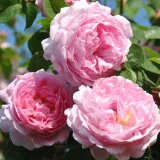
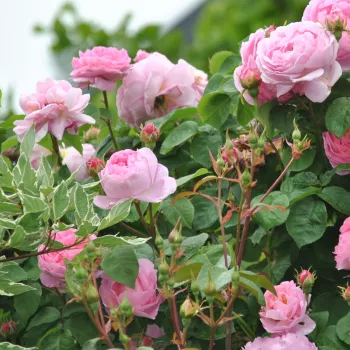
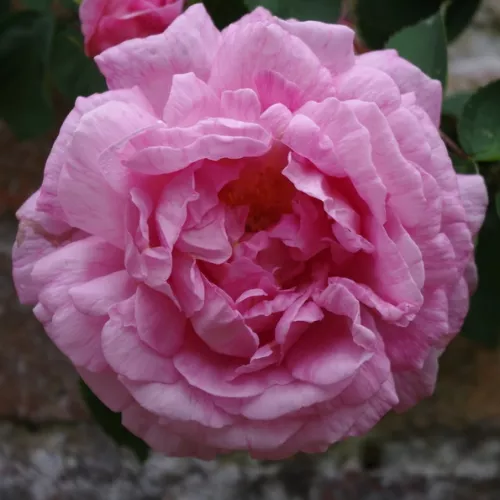
Mid-pink, a slightly warm-toned shade. - climber, climbing rose - very strong, scent noticeable from a distance rose - full, myrrh-scented

– Classic English Rose climbing form.
– Large, very double mid‑pink rosette blooms.
– Very strong, distinctive myrrh fragrance.
– Excellent disease resistance in garden use.
– Hardy to RHS H7, tolerates severe cold.
– Special feature: Abundant edible, decorative hips after flowering.
Exclusive, space-defining – specialty
Constance Spry
pharmaROSA® NEONATAL rooted rose cutting
30,05 £
Due to courier service regulations – and the introduction of customs clearance – delivery to Ireland is temporarily suspended.
3.5 (5598)
facebook   twitter

CONSTANCE SPRY – pink climbing rose – Austin – pharmaROSA® NEONATAL rooted cutting

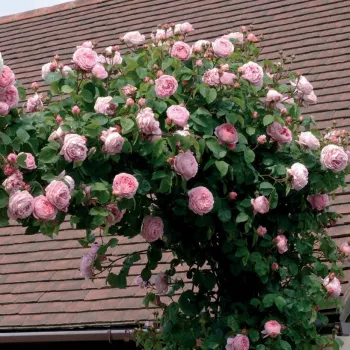
Constance Spry offers professional growers a vigorous, upright climbing habit ideal for pergolas, arbours, walls and fences, delivering an exclusive, space-defining finished product for vertical projects. As tray-grown pharmaROSA® NEONATAL own-root material, it provides a stable base for trained climber production, easy to integrate into nursery propagation beds and 5–7 L container programmes. Its dense, matt light-green foliage frames large, very double rosette blooms in a warm mid-pink, creating a distinctive, collection-worthy feature for thematic rose gardens and show plantings in the UK market, supporting schemes where winter and wind exposure are common in northern sites. Non-remontant but abundant, once-per-season flowering combines with very strong, myrrh-scented fragrance and abundant ornamental hips to support speciality, high-value lines. The own-root form underpins long-term stand stability and predictable quality for nursery networks, moving from root establishment in year one through strong cane development in year two to full ornamental presence from year three onwards.


Usage options

Target area Reasoning
Vertical feature climber for pergolas and arbours The large, vigorous, upright growth habit with 8.2–13.1 ft height and 5.9–10.5 ft spread allows nurseries to offer a visually dominant trained climber for pergolas and arbours. Using staked, trained 3–5 cane material in 5–7 L pots aligns well with a trained climber finished-product route and supports the “vertical garden feature, distinctive habit” positioning at retail and reseller level, particularly appealing to nursery-partners.
Space-defining wall and fence coverage Dense foliage and strong structural vigour make this cultivar effective for creating a continuous, space-defining surface on walls and fences, suited to project-based specifications. Propagating from pharmaROSA NEONATAL own-root cuttings into a trained climber line enables consistent form and reliable coverage. Low maintenance requirements and good disease resistance help integrators and wholesalers supply predictable, low-claim stock under an exclusive, speciality vertical feature offer for project-suppliers.
High-impact, once-flowering collection specimen The non-remontant, once-per-season flowering is compensated by a heavy flush of large, very double mid-pink rosette blooms that suit thematic rose gardens and curated collections. Own-root propagation supports long-term stand renewal, giving curators confidence for collection beds and show gardens. Producing staked, trained 5–7 L plants as a dedicated climber SKU underlines its exclusive, space-defining character for collection-buyers.
Premium fragrant climber line Very strong, myrrh-scented fragrance noticeable from a distance supports a premium, story-rich climber category alongside its English Rose heritage. Professional growers can build a fragrance-led trained climber series in 5–7 L pots, capitalising on low maintenance needs to keep production handling reasonable. The vertical garden feature promise plays well in UK retail and reseller channels seeking characterful, named fragrant cultivars for fragrance-focused.
Cut-flower capable garden climber Large, very double, cluster-flowered rosettes and long, vigorous canes allow dual-purpose use as a garden climber and source of speciality cut stems. Using tray-rooted NEONATAL material as the propagation base, growers can standardise cane training for a repeatable trained climber product. The exclusive, space-defining positioning supports higher perceived value in retail collections, while own-root stands provide consistent cane regeneration and harvest reliability for boutique-growers.
Low-intervention disease-resistant range component Documented resistance to powdery mildew, black spot and rust, combined with low maintenance requirements, simplifies after-sales performance for growers and reduces the risk of returns. This reliability is valuable in nursery networks and public-realm supply chains where service capacity is limited. NEONATAL own-root plants help maintain homogeneous, long-lived vertical features, supporting a stable trained climber line for landscape-contracts.
Hip and autumn-interest speciality climber Abundant, ellipsoidal, edible and ornamental orange-red hips extend the ornamental season beyond flowering, supporting autumn-interest concepts and thematic plantings. With a trained climber product route, nurseries can promote this as an added feature in vertical schemes. Own-root plants help sustain hip production year after year with minimal replanting, fitting well with exclusive, space-defining vertical offers aimed at public-gardens.
Cold-resilient vertical feature for exposed UK sites Hardiness down to approximately –26 to –23 °C (RHS H7, Swedish Zone 4, USDA 5b) enables confident use in colder and more exposed UK locations, supporting a nationwide offer where northern and inland sites see harsher winters. NEONATAL own-root material allows nurseries to build durable stock blocks and finished plants that regenerate well after winter stress. When grown on as staked, trained climbers in 5–7 L containers, this supports reliable vertical features even where winter and wind are recurring factors, giving confidence to regional-wholesalers.

Finished-product ideas

  • Trained 5–7 L climber for pergolas – Own-root, staked 3–5 cane plants with vigorous, upright growth, trained in 5–7 L pots as a ready-to-install pergola solution; positioned as an exclusive vertical feature line for retail and reseller programs.
  • Wall and fence coverage series – Uniform NEONATAL-derived batches grown into dense, disease-resistant climbers for wall and fence use, presented as a coordinated vertical garden feature sub-range for nursery and garden centre chains.
  • Fragrant English heritage climber – Emphasising very strong myrrh fragrance and English Rose collection value, supplied as trained climbers in 5–7 L containers, targeting premium branded benches and collector-focused retailers.
  • Autumn-hip display climber – Marketed for its abundant ornamental, edible hips extending seasonality, produced as own-root trained climbers suitable for pergolas and arbours, aimed at public gardens, estates and thematic rose collections.
  • Cold-hardy vertical specimen – Highlighting robust winter hardiness and long-lived own-root stands, offered as a space-defining climber for exposed sites, serving regional wholesalers and public-realm suppliers seeking reliable vertical accents.

Technical cultivar profile
Parameter Data
Name and registration Registered as Constance Spry, marketed as Constance Spry English Rose Constance Spry; ARS exhibition name Constance Spry; collection: English Rose; exhibition category bush and exhibition shrub rose; group: climber, shrub.
Origin and breeding Bred by David Charles Henshaw Austin from ‘Belle Isis’ × ‘Dainty Maid’; breeding year 1960 in the United Kingdom, introduced and registered in 1961 by David Austin Roses Ltd, who also served as initial distributor.
Awards and recognition Holds the Royal Horticultural Society Award of Garden Merit (1993), the Royal National Rose Society Award of Garden Merit (1996), and a Modern Shrub Rose award at the Rose Society of Tucson Show (1999), supporting its proven garden performance.
Growth and structural characteristics Large, vigorous upright habit reaching about 250–400 cm high with 180–320 cm spread; dense, matt light-green foliage and moderate prickliness; weak self-cleaning so spent flowers generally remain and benefit from deadheading in production and display.
Flower morphology Very double, large mid-pink rosette blooms with over 40 petals, presented mainly in clusters; non-remontant single main flowering flush; flower size approximately 2.75–3.95 inches, suitable for both garden display and speciality cutting uses.
Colour data and phenology Mid-pink, slightly warm tone; RHS 65D outer and 57C inner, ARS code mp; colour lightens in strong sun but stays stronger in cooler conditions; buds open from vibrant mid-pink to even rosettes, fading later to a homogeneous soft pastel pink.
Fragrance and aroma Very strong, full myrrh fragrance that is noticeable from a distance, giving high sensory value; described as suitable for fragrance-focused plantings, though no specific cosmetic or soap-use recommendations are provided in the current data.
Hip characteristics Produces abundant ellipsoidal hips, about 14–22 mm diameter, in orange-red RHS 40A; hips are both ornamental and edible, extending the decorative season into autumn and offering potential for speciality use where hips are valued.
Resistance and winter hardiness Rated resistant to powdery mildew, black spot and rust; hardiness listed as approximately –26 to –23 °C, RHS H7, Swedish zone 4, USDA 5b; heat and drought tolerance is poor, so regular watering is recommended under prolonged heat or dry conditions.
Horticultural recommendations Primarily recommended for pergolas, arbours, walls, fences, specimen roles and as cut flowers; best used as a staked, trained climber finished product from 5–7 L containers; maintenance described as low, with good disease resistance and minimal intervention needed.

Constance Spry combines vigorous vertical growth, strong fragrance and ornamental hips in a reliable own-root form that supports long-lived, predictable trained climber production; we would be pleased to discuss schedules, capacity planning and specification needs.

Detailed product attributes

Product Identification Data

Product Name: CONSTANCE SPRY – pink climbing rose - Austin
Product Type: pharmaROSA® NEONATAL - rooted rose cutting
Cultivar Authenticity: Verified:13.06.2025
Cultivar Quality Rating: premium gold
Item Number: [1330] 21-337 (14.02.2026) pharmarosaneonatal.co.uk

Name and Registration

Meaning of Cultivar Name: The name is a female given name.
Registered Cultivar Name: Constance Spry
Original Trade Name: Constance Spry
Current Trade Name: Constance Spry English Rose Constance Spry
Rose Group: Climber, Large -Flowered Climber, Shrub
Commercial Type: climber, climbing rose
Commercial Group: Climbing rose
Exhibition Category: bush rose; exhibition shrub rose
Collection: English Rose

Origin and Breeding

Initial Distributor: David Austin Roses Ltd. (United Kingdom)
Breeder: David Charles Henshaw Austin
Breeding Company / Institution: David Austin Roses Ltd
Breeding Year: United Kingdom, 1960
Parentage: ‘Belle Isis’ × ‘Dainty Maid’

Awards and Honours

Horticultural Ratings and Recommendations: Royal Horticultural Society Award of Garden Merit (1993); Royal National Rose Society Award of Garden Merit (1996)
Competition and Show Awards: Royal Horticultural Society Award of Garden Merit (1993); Royal National Rose Society Award of Garden Merit (1996); Modern Shrub Rose – Rose Society of Tucson Show (1999)

Growth and Structural Characteristics

Height: 8.2-13.1ft (250-400 cm)
Spread: 5.9-10.5ft (180-320 cm)
Growth Habit: upright (large, vigorous)
Foliage: The variety has dense foliage. The leaves have a matt surface and a light green hue.
Prickliness: moderately prickly
Self-Cleaning Description: Most of the spent flowers remain on the plant and will require deadheading.
Self-Cleaning Intensity: Self-cleaning: weak

Flower Morphology

Flower Fullness: very double-flowered
Flower Shape: rosette
Flower Size: L (2,75-3,95 in)
Inflorescence Type: cluster-flowered
Colour Code: ARS code: mp RHS code: 65D (outer), 57C (inner)
Repeat Flowering: Non-remontant; blooms once.

Colour Data and Phenology

Colour: pink
Flower Colour Description: Mid-pink, a slightly warm-toned shade.
Closed Bud: Vibrant mid-pink outer petals with subtle light-pink veining.
Newly Opened Flower: The outer petals are pale pink, gradually deepening to a richer pink towards the centre.
Full Bloom: Even mid-pink rosette, with petal edges slightly paler.
Before Fading: The petals fade to a soft pastel pink and the shade remains homogeneous.
Colour Fading Description: In strong sunlight the colour lightens, while in cooler conditions it remains more intense.

Fragrance and Aroma

Fragrance Strength: very strong, scent noticeable from a distance rose
Fragrance Character: full, myrrh-scented
Pollinator Attraction: Its open, single flowers with readily accessible stamens attract pollinators; flower form (single/semi‑double/double) and the accessibility of the stamens affect how attractive it is to them.
Pollinator-Friendly Rating: Specifically pollinator-friendly variety, its flowers attract pollinators well.

Hip Characteristics

Hip Shape: ellipsoidal
Hip Colour: red-orange (RHS 40A)
Hip Comment: Produces abundant rose hips; the ellipsoid fruits measure 14–22 mm in diameter, are orange‑red (RHS 40A), and are both edible and ornamental.

Resistance and Hardiness

Hardiness (°C): -26–-23 °C
Heat and Drought Tolerance Description: Tolerates prolonged heat and drought only to a limited extent; requires regular watering.
Disease Resistance: resistant
  • powdery mildew – resistant
  • black spot – resistant
  • rust – resistant

Horticultural Recommendations

Recommended product path: Trained climber finished product
Release form: Staked, trained (3–5 main canes)
Recommended use: Maintenance requirement low; good disease resistance, generally requires minimal intervention.
Primary Uses: pergola, arbour, wall, fence, specimen, cut flowers

Comments

Positioning: Exclusive, space-defining – specialty
Target customer/channel: Retail / reseller
Main value proposition: Vertical garden feature, distinctive habit
CONSTANCE SPRY – pink climbing rose - Austin
Mid-pink, a slightly warm-toned shade. - climber, climbing rose - very strong, scent noticeable from a distance rose - full, myrrh-scented
Rose Shopping Online - pink - very strong, scent noticeable from a distance rose - Constance Spry - climber, climbing rose - (8.2-13.1ft (250-400 cm))
Primary Uses: pergola, arbour, wall, fence, specimen, cut flowers + Height: 8.2-13.1ft (250-400 cm) Colour: pink + Commercial Type: climber, climbing rose Repeat Flowering: Non-remontant; blooms once. + Primary Uses: pergola, arbour, wall, fence, specimen, cut flowers Primary Uses: pergola, arbour, wall, fence, specimen, cut flowers + Growth Habit: upright (large, vigorous) Flower Size: L (2,75-3,95 in) + Height: 8.2-13.1ft (250-400 cm) Flower Fullness: very double-flowered + Flower Shape: rosette Colour: pink + Repeat Flowering: Non-remontant; blooms once. Flower Fullness: very double-flowered + Height: 8.2-13.1ft (250-400 cm) Commercial Type: climber, climbing rose + Flower Size: L (2,75-3,95 in) Inflorescence Type: cluster-flowered + Flower Size: L (2,75-3,95 in) Growth Habit: upright (large, vigorous) + Height: 8.2-13.1ft (250-400 cm) Primary Uses: pergola, arbour, wall, fence, specimen, cut flowers + Height: 8.2-13.1ft (250-400 cm) Colour: pink + Flower Fullness: very double-flowered Breeder: David Charles Henshaw Austin + Colour: pink

We showcase the external appearance of the roses available for online purchase from our webshop.


Which product type is right for you?


PharmaRosa® NEONATAL is the cost‑effective starting point for rose product production.

As a uniform, own‑rooted propagation material, it provides a stable basis for further growing-on and can be integrated flexibly into different finished product production technologies.
Rooted in trays (rooted), 3–6‑month‑old, own‑rooted rose cutting.
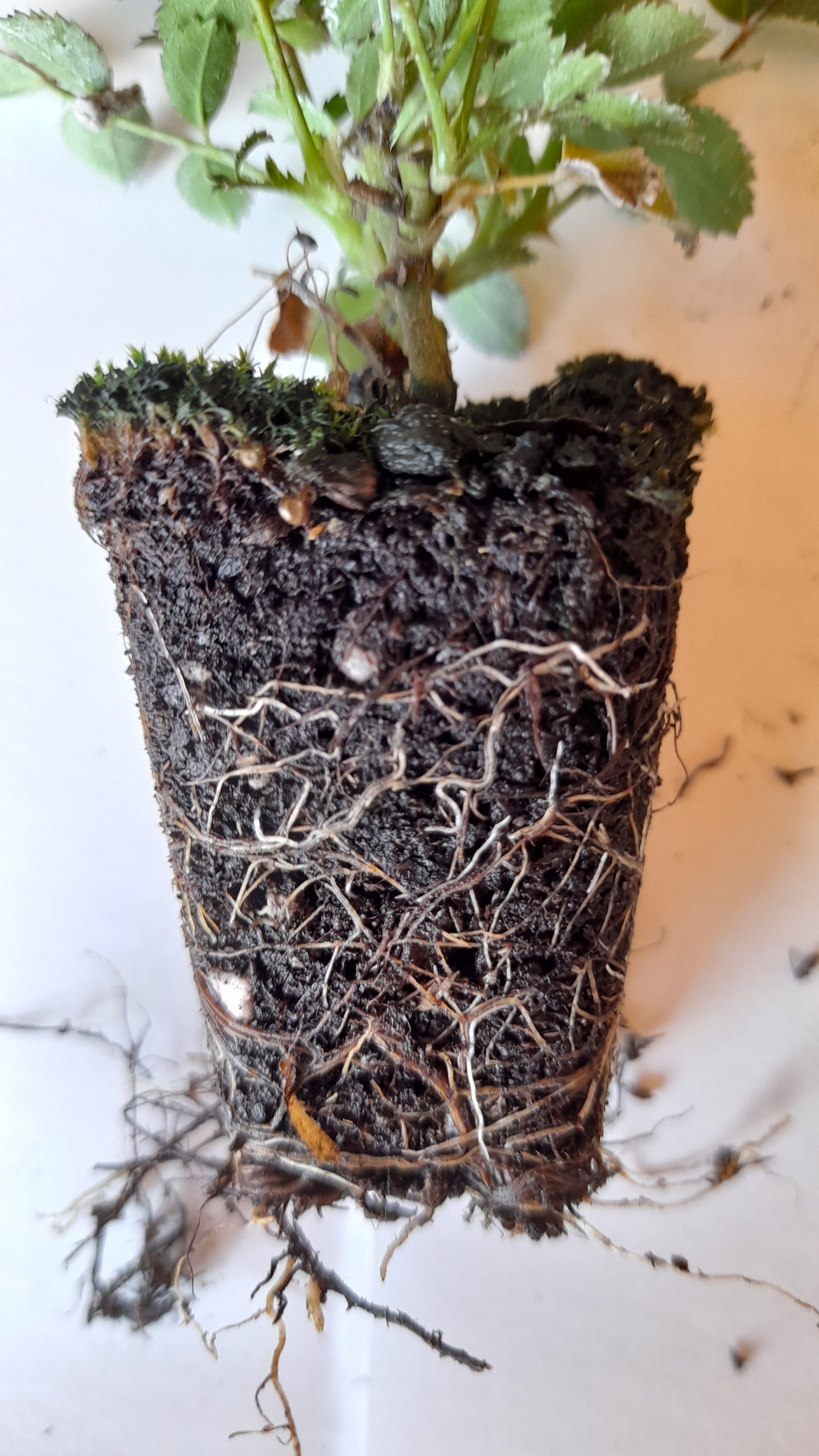
Uniform developmental stage, with a root system that has thoroughly penetrated the plug.
For professional growing‑on.
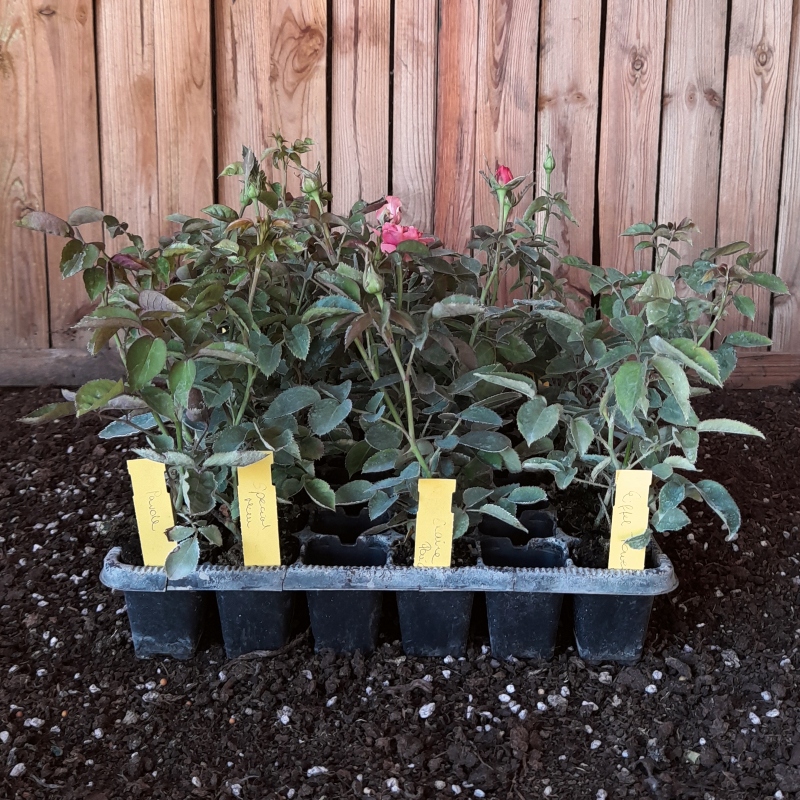
Tray packaging: 10 pcs/tray.
Quality and varietal identity: production supported by a dedicated identification and traceability logic.
Can be transplanted during frost‑free periods, designed for finished product production.

PharmaRosa® NEONATAL provides a controlled, uniform starting stock for planned growing‑on that can be integrated into your own technology – especially where scheduling and varietal identity are paramount.


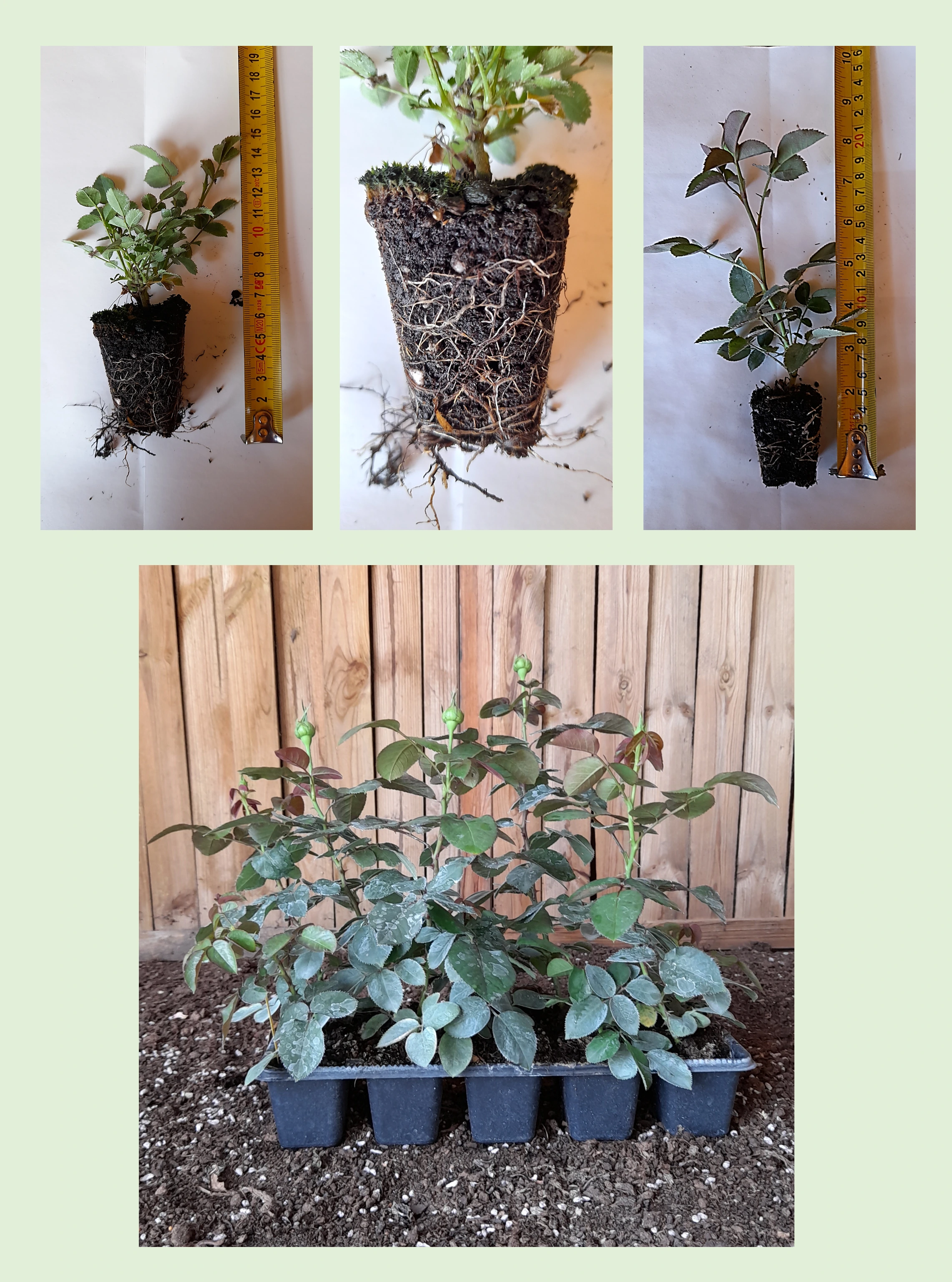
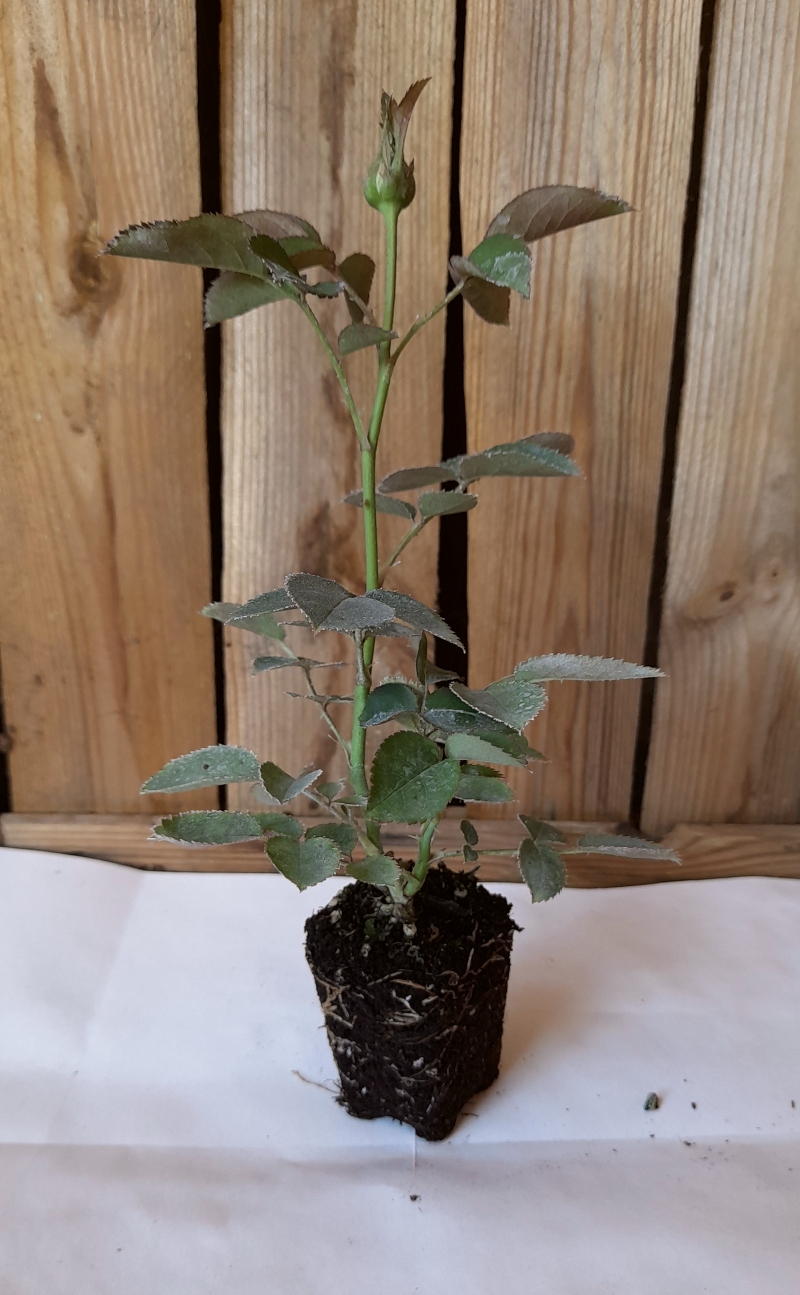
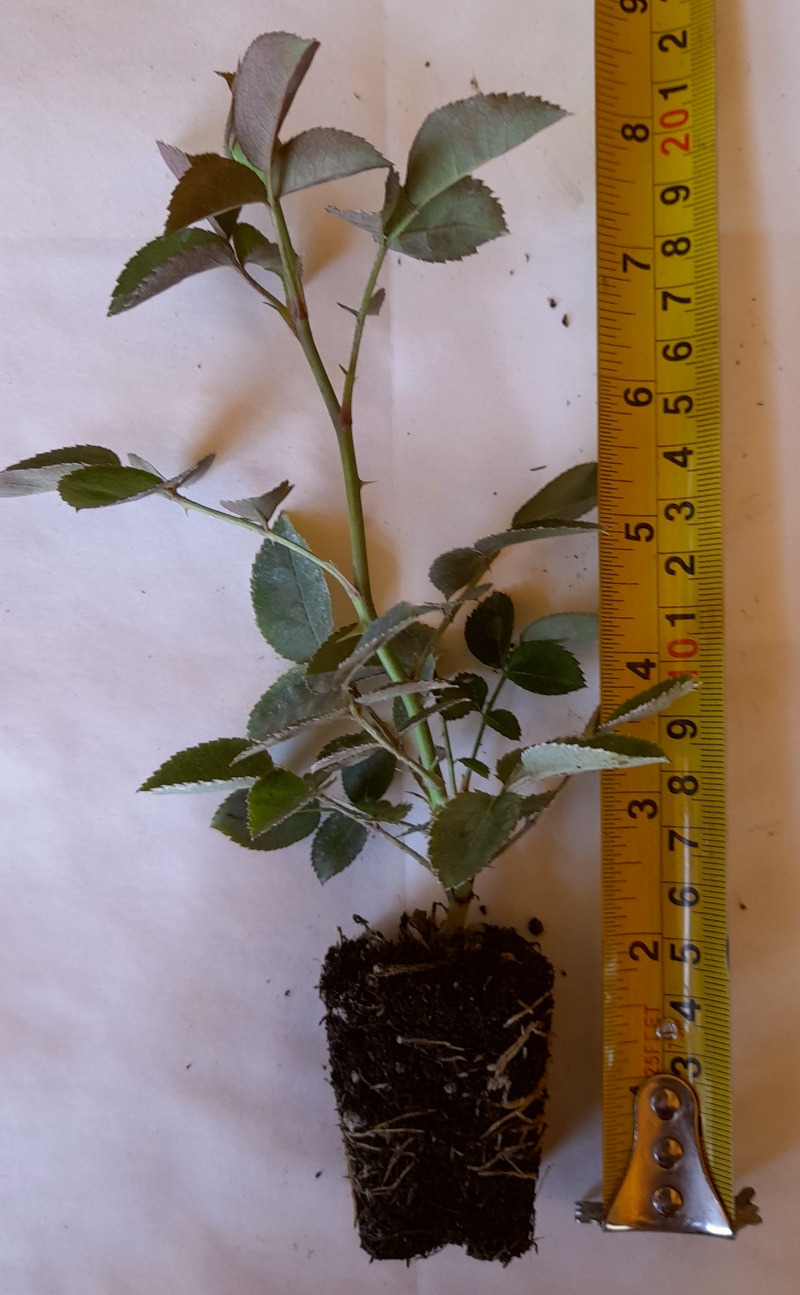
PharmaRosa® NEONATAL own-rooted rose propagation material in a plug, with a root system penetrating the plug (semi-finished product / semi-finished rose). PharmaRosa® NEONATAL rose propagation material size: 3–6‑month‑old, own-rooted cutting with a uniform developmental stage. PharmaRosa® NEONATAL rose propagation material root system: plug densely penetrated by well-developed white roots (root system detail). PharmaRosa® NEONATAL tray stock: own-rooted rose propagation material in trays, uniform developmental stage (10 pcs/tray).

Captions (from left to right): Semi-finished product (NEONATAL own-rooted rose propagation material in a plug with a fully developed root system) • Size demonstration (3–6‑month‑old, uniform cutting) • Root system detail (plug penetrated by the root system) • Tray stock (10 pcs/tray, uniform developmental stage)

pharmarosaneonatal.hupharmarosaneonatal.atpharmarosaneonatal.co.ukpharmarosaneonatal.czpharmarosaneonatal.depharmarosaneonatal.ropharmarosaneonatal.sipharmarosaneonatal.skpharmarosaneonatal.itpharmarosaneonatal.frpharmarosaneonatal.nlpharmarosaneonatal.plpharmarosaneonatal.lupharmarosaneonatal.ptpharmarosaneonatal.espharmarosaneonatal.ltpharmarosaneonatal.sepharmarosaneonatal.lvpharmarosaneonatal.eepharmarosaneonatal.fi

Which product type is right for you?

Pages for private customers
Garden roses for the family garden, with minimal care  → ORIGINAL®
Premium garden roses – instant impact, a truly showpiece garden  → EXTRA®
Pages for professionals and private customers
Roses for public spaces – large areas, sustainable maintenance  → NATURAL®
Roses for projects – hedge and row planting, fast implementation  → RAPID®
For professional partners only
Production – propagation material for garden roses, wholesale  → NEONATAL®

Company details

PharmaRosa Ltd.
Company registration number: 01-09-717479
VAT number: 13075314-2-43
Plant health registration no.: HU130721
Bank account (IBAN):
HU85117631891388688400000000
BIC (SWIFT): OTPVHUHB
Bank name: OTP Bank Nyrt.