Historical Rose

20-410-1
20-410-2

Dainty Bess

Heritage rose

- – William Edward Basil Archer

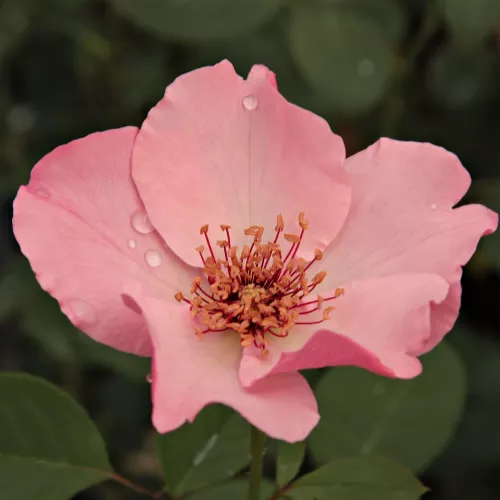
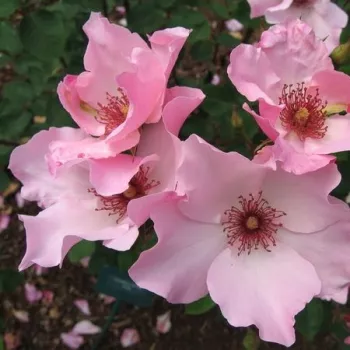
Soft, silky light-pink shade with a delicate silvery tone. - historic, tea rose - medium-strength, clearly scented rose - tea-scented, spicy

– Graceful single blooms with silvery pink tones
– Distinct tea-spice fragrance, clearly perceptible
– Reliable repeat flowering through the season
– Good resistance to powdery mildew and black spot
– Very hardy rose, tolerates down to –26 °C
– Special feature: Historic 1927 Hybrid Tea, cherished in RNRS trials for its elegant, pollinator‑friendly flowers and decorative hips.
Selection / specialty
Dainty Bess
pharmaROSA® NEONATAL rooted rose cutting
28,30 £
Due to courier service regulations – and the introduction of customs clearance – delivery to Ireland is temporarily suspended.
5 (7388)
facebook   twitter

Dainty Bess – pharmaROSA® NEONATAL rooted cutting

Historic hybrid-tea elegance with verified authenticity makes Dainty Bess a precise choice for nursery propagation beds and premium 5–7 L container production where collector-grade identity matters and specialist ranges define your offer. Its remontant, single blooms combine exhibition value, medium-height upright habit and a clearly defined tea-spicy fragrance, supporting cut-flower oriented and specimen-led concepts in thematic or heritage rose collections. Own-root production gives a renewable, long-lived base that fits UK nursery and public-realm supply chains, including sites facing colder winters and strong winds in northern regions, helping you plan stable stands and predictable volumes from propagation through to specialty retail and project-focused portfolios.


Usage options

Target area Reasoning
Premium 5–7 L heritage container line Dainty Bess delivers an upright, medium-sized bush suited to 5–7 L premium containers, aligning with the recommended specialty route and bush-trained release form. Its historic hybrid-tea character and remontant single flowers underpin a clear selection/specialty position for retail collectors seeking named heritage material, while own-root production supports stable identity and predictable capacity in nursery networks and integrator systems serving specialist-retail.
Thematic and heritage rose collections The cultivar’s 1927 UK origin, hybrid-tea pedigree and verified authenticity make it highly credible for themed and historical plantings where provenance matters. As an own-root NEONATAL cutting, it offers renewable growth and long lifespan, supporting long-term collection beds and gene-bank style stands with medium maintenance input, matching the specialty positioning and heritage narrative valued by public-collections.
Border and specimen plant production Its 100–140 cm upright habit, dark green foliage and large, flat, single blooms in soft light pink allow growers to market clearly defined specimen and border plants in 5–7 L premium containers. The tea-spicy medium fragrance and strong visual contrast of burgundy stamens provide a distinct selling point within mixed borders, while own-root robustness supports homogeneous stands and low replacement for project-supply.
Cut-flower oriented boutique production As an exhibition hybrid tea and recognised cut-flower variety, Dainty Bess fits small-scale, higher-value cut-flower programmes linked to heritage or collector themes. The remontant flowering habit supports sequential cutting, and the bush-trained form with discreet support enables structured, manageable plants in propagation and grow-on. Own-root material tolerates repeated harvesting loads, suiting integrated nursery–florist chains and niche wholesale.
Pollinator-friendly heritage ranges The simple, open flowers with 5–12 petals and exposed stamens make it notably attractive to pollinators, supporting pollinator-friendly themed ranges that also emphasise historical value. This aligns with public-realm and institutional demand for biodiversity-conscious planting using recognisable heritage roses, while own-root stability allows nurseries to maintain consistent multi-year supply for public-realm.
Cold-tolerant UK outdoor production With hardiness down to -26 – -23 °C (H7, USDA 5b, Swedish zone 4), Dainty Bess is suited to UK field and container production even in colder districts, including northern and more exposed sites with regular winter stress and strong winds. Own-root plants recover reliably from winter damage, giving growers confidence in multi-year cropping and long-term stock blocks for nationwide-nursery.
Medium-maintenance, reliable quality programmes Moderate disease resistance, with resistance to powdery mildew and black spot and medium maintenance needs, supports quality-focused programmes that accept occasional plant protection for a clearly differentiated heritage product. In own-root form, Year 1 focuses on root establishment, Year 2 on structural shoots, and Year 3 on full ornamental expression, helping growers plan scheduling and quality release for premium-retail.
Hip and late-season interest lines Moderately produced, orange-red, ellipsoid hips of 10–14 mm add discrete late-season interest, supporting extended-season sales messages for heritage or collection-focused ranges. When positioned as a specialty border or specimen rose in 5–7 L containers, the hip display complements the delicate flower and fragrance story, providing added value for collector-market.

Finished-product ideas

  • 5–7 L Heritage Collector Bush – Own-root, bush-trained plants in 5–7 L premium containers, highlighting verified historic provenance, remontant flowering and tea-spicy fragrance – specialist heritage retail and mail-order collectors.
  • Thematic Exhibition Hybrid Tea Line – Uniform, upright bushes selected for flower form and stem quality, presented for exhibition hybrid tea and cut-flower use, with clear labelling of origin and RNRS show history – rose societies, specialist shows, connoisseur outlets.
  • Pollinator-Friendly Historic Border Rose – Border-ready bushes marketed for simple, open, pollinator-attractive blooms and soft pink colour, combining moderate disease resistance with heritage appeal – public-realm suppliers and independent nurseries.
  • Specimen Feature Rose for Gardens – Premium 5–7 L specimens emphasising structure, fragrance and hip interest, suited to focal planting in thematic gardens and private-label heritage collections – landscape-oriented retailers and project contractors.
  • Boutique Heritage Cut-Flower Bush – Bush-trained plants with discreet support for small-scale cut-flower harvesting, leveraging remontant flowering and distinctive single blooms – artisan cut-flower growers and niche floristry partners.

Technical cultivar profile
Parameter Data
Name and registration Dainty Bess, a historic Hybrid Tea in the Heritage rose collection, marketed as Dainty Bess Heritage rose Dainty Bess; ARS exhibition name Dainty Bess, unregistered but with verified cultivar authenticity.
Origin and breeding Bred by William Edward Basil Archer in the United Kingdom in 1925 from ‘Ophelia’ × ‘Kitchener of Khartoum’, introduced by Hazlewood Bros. Pty. Ltd. in 1927 and long established in heritage rose circles.
Awards and recognition Recognised historically with Royal National Rose Society Show & Trials certificates in 1930, 1931, 1934, 1936, 1937 and 1953, underlining its enduring exhibition and collector appeal in hybrid tea circles.
Growth and structural characteristics Upright bush habit, around 100–140 cm high and 80–110 cm wide, with medium-density dark green foliage (RHS 137A) and moderate prickliness; self-cleaning behaviour is not documented for this cultivar.
Flower morphology Large, flat, single to semi-single blooms with 5–12 petals, borne mainly solitary on stems; remontant with a generous second flush, making it suitable for repeated ornamental display and light cutting use.
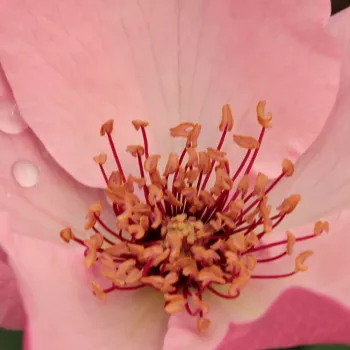
Colour data and phenology Soft, silky light pink with a delicate silvery tone; buds light pink with a silvery veil, opening to silvery-pink flowers that fade to very pale, almost translucent pink with silvery edges and dark burgundy stamens.
Fragrance and aroma Clearly perceptible, medium-strength fragrance with a tea-scented, spicy character, supporting its use as a scented border, specimen, or cut-flower rose in premium and collector-focused production ranges.
Hip characteristics Produces moderate numbers of small, 10–14 mm ellipsoid hips in orange-red, which can add discrete ornamental and seasonal interest to plantings or container displays late in the season.
Resistance and winter hardiness Hardy to approximately -26 – -23 °C (H7, USDA 5b, Swedish zone 4); disease resistance is moderate overall, with resistance to powdery mildew and black spot, and moderate susceptibility to rust.
Horticultural recommendations Recommended as a border, specimen or cut-flower bush, medium maintenance with occasional plant protection; best released bush-trained with discreet support as a premium, specialty product in 5–7 L containers.

Dainty Bess offers a verified historic hybrid tea with remontant, fragrant single blooms and reliable winter hardiness on an own-root base that supports predictable, regenerative stands; we suggest discussing scheduling and volume alignment for your programmes.

Detailed product attributes

Product Identification Data

Product Name: DAINTY BESS – pink historic tea rose - Archer
Product Type: pharmaROSA® NEONATAL - rooted rose cutting
Cultivar Authenticity: Verified:31.05.2025
Cultivar Quality Rating: premium bronze
Item Number: [687] 20-410 (14.02.2026) pharmarosaneonatal.co.uk

Name and Registration

Meaning of Cultivar Name: The name "Dainty Bess" refers to Archer's wife, Elizabeth (Bess), denoting her delicate, graceful nature.
Original Trade Name: Dainty Bess
Current Trade Name: Dainty Bess Heritage rose Dainty Bess
Rose Group: Hybrid Tea
Commercial Type: historic, tea rose
Commercial Group: Historical rose
Exhibition Category: exhibition hybrid tea; cut flower
Collection: Heritage rose

Origin and Breeding

Initial Distributor: Hazlewood Bros. Pty. Ltd. (Australia)
Registration Year: unregistered variety
Breeder: William Edward Basil Archer
Breeding Company / Institution: Wm. E. B. Archer & Daughter (United Kingdom)
Breeding Year: United Kingdom, 1925
Parentage: ‘Ophelia’ × ‘Kitchener of Khartoum’

Awards and Honours

Competition and Show Awards: Royal National Rose Society (RNRS) – Show & Trials certificates (1930, 1931, 1934, 1936, 1937, 1953)

Growth and Structural Characteristics

Height: 3.3-4.6ft (100-140 cm)
Spread: 2.6-3.6ft (80-110 cm)
Growth Habit: upright
Foliage: The cultivar's foliage is of medium density; the leaf surface texture is not clearly classifiable, and the colour is a dark green shade (RHS 137A).
Prickliness: moderately thorny
Self-Cleaning Description: No data on self-cleaning.
Self-Cleaning Intensity: No data available on self-cleaning strength

Flower Morphology

Petal Count: 5–12
Flower Fullness: single-flowered
Flower Shape: flat
Flower Size: L (2,75-3,95 in)
Inflorescence Type: solitary
Colour Code: ARS code: lp RHS code: 65C (outer), 65D (inner)
Repeat Flowering: It is remontant, with a bountiful second flush of flowers.

Colour Data and Phenology

Colour: pink
Flower Colour Description: Soft, silky light-pink shade with a delicate silvery tone.
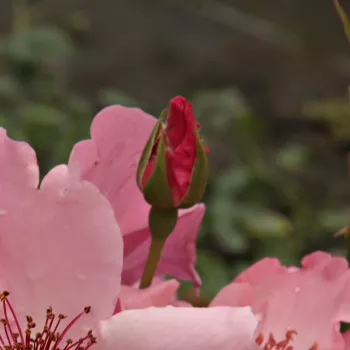
Closed Bud: Light pink with a faint silvery veil on the outer side.
Newly Opened Flower: Pale silvery‑pink petals with a slightly deeper pink tone at the centre.
Full Bloom: Uniform, soft light pink, accentuated by the vivid contrast of deep burgundy stamens.
Before Fading: The petals fade to a translucent, pale pink, with a silvery shimmer along their edges.
Colour Fading Description: During opening the soft light pink gradually fades; before the bloom fades it becomes translucent, very pale pink with a silvery edge.

Fragrance and Aroma

Fragrance Strength: medium-strength, clearly scented rose
Fragrance Character: tea-scented, spicy
Pollinator Attraction: Its open flowers, bearing 5–12 petals, and their accessible stamens attract pollinators, as simple or semi‑double forms with exposed stamens are more attractive than fully double blooms with concealed stamens.
Pollinator-Friendly Rating: Its simple, open flower form makes it pollinator-friendly.

Hip Characteristics

Hip Shape: ellipsoid shaped
Hip Colour: orange-red
Hip Comment: Moderately produced, 10–14 mm in diameter, ellipsoid, orange-red rose hip; may have ornamental value.

Resistance and Hardiness

Hardiness (°C): -26–-23 °C
Heat and Drought Tolerance Description: No data are available on heat–drought tolerance.
Disease Resistance: moderate
  • powdery mildew – resistant
  • black spot – resistant
  • rust – moderate

Horticultural Recommendations

Recommended product path: Premium container, specialty
Release form: Bush-trained + discreet support
Recommended use: Maintenance requirement medium; requires occasional plant protection.
Primary Uses: border, cut flower, specimen

Comments

Positioning: Selection / specialty
Target customer/channel: Retail/collector
Main value proposition: Delicate elegance and fragrance
DAINTY BESS – pink historic tea rose - Archer
Soft, silky light-pink shade with a delicate silvery tone. - historic, tea rose - medium-strength, clearly scented rose - tea-scented, spicy
Online rose purchase - pink - medium-strength, clearly scented rose - Dainty Bess - historic, tea rose - (3.3-4.6ft (100-140 cm))
Inflorescence: solitary Height: 3.3-4.6ft (100-140 cm) Flower shape: flat Winter hardiness: - pink - Hazlewood Bros. Pty. Ltd. (Australia) historic, tea rose - Flower size: L (2,75-3,95 in) Flower size: L (2,75-3,95 in) - Height: 3.3-4.6ft (100-140 cm) Height: 3.3-4.6ft (100-140 cm) - Flower fullness: single-flowered Dainty Bess - Roses in the garden | pharmaROSA® Neonatal - premium bronze William Edward Basil Archer

We showcase the external appearance of the roses available for online purchase from our webshop.


Which product type is right for you?


PharmaRosa® NEONATAL is the cost‑effective starting point for rose product production.

As a uniform, own‑rooted propagation material, it provides a stable basis for further growing-on and can be integrated flexibly into different finished product production technologies.
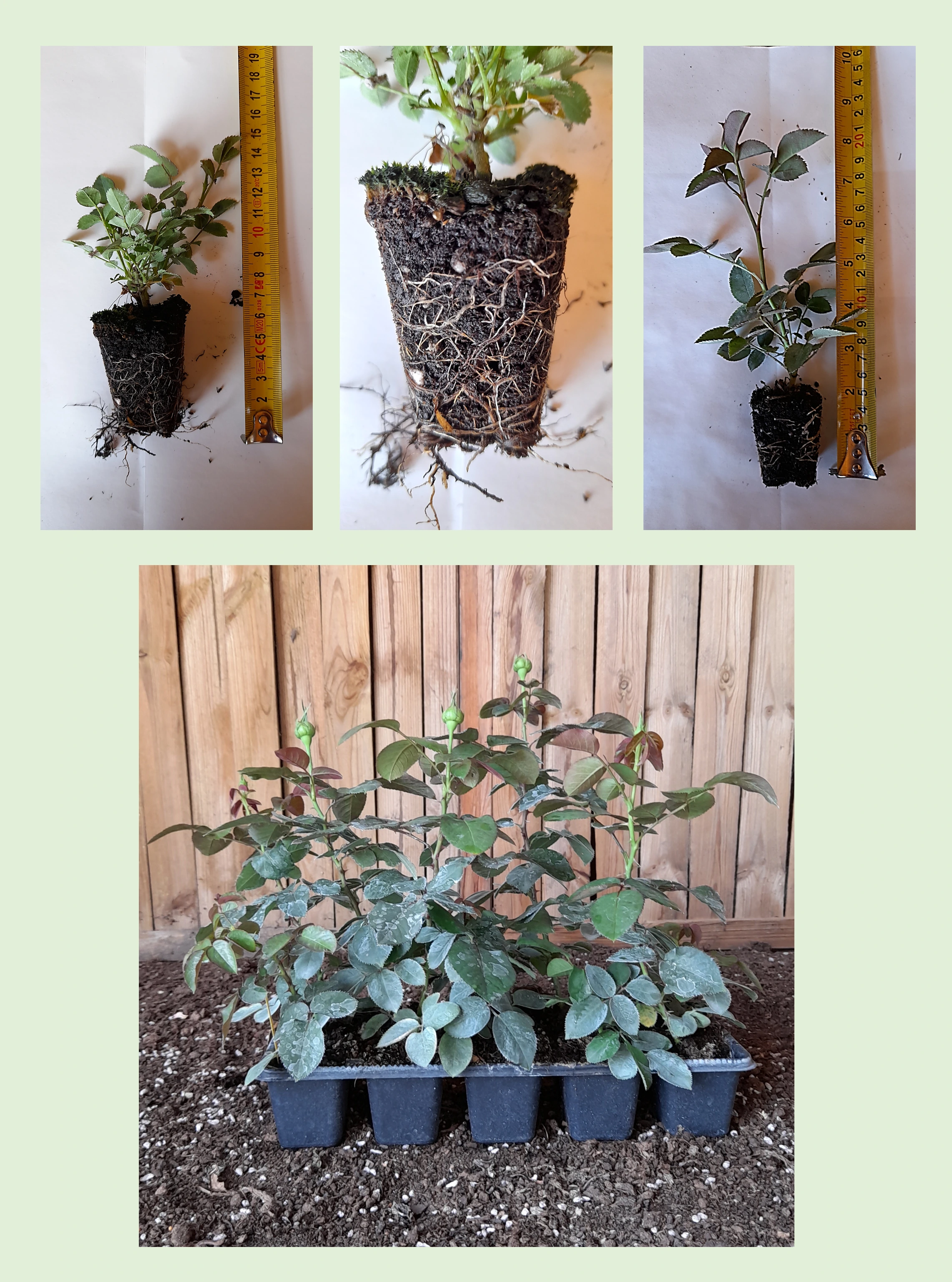
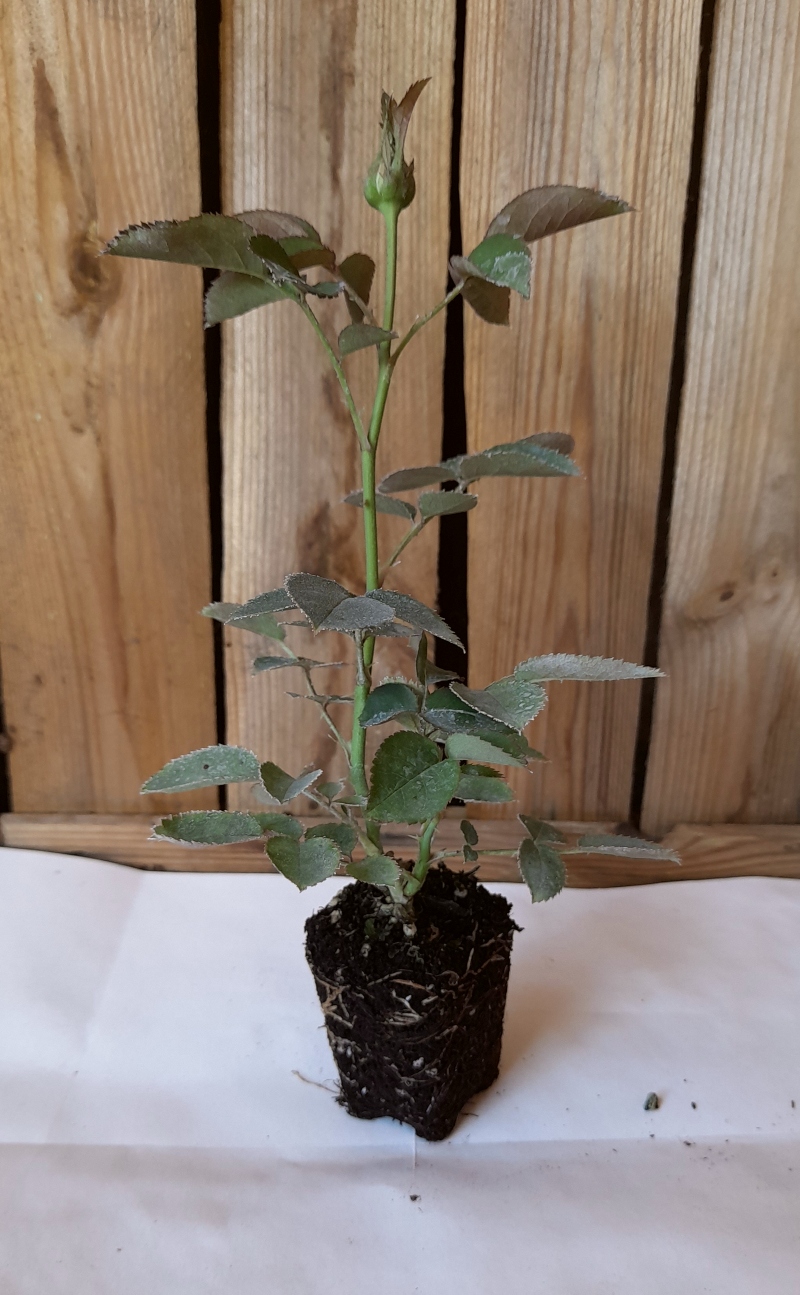
Rooted in trays (rooted), 3–6‑month‑old, own‑rooted rose cutting.
Uniform developmental stage, with a root system that has thoroughly penetrated the plug.
For professional growing‑on.
Tray packaging: 10 pcs/tray.
Quality and varietal identity: production supported by a dedicated identification and traceability logic.
Can be transplanted during frost‑free periods, designed for finished product production.

PharmaRosa® NEONATAL provides a controlled, uniform starting stock for planned growing‑on that can be integrated into your own technology – especially where scheduling and varietal identity are paramount.


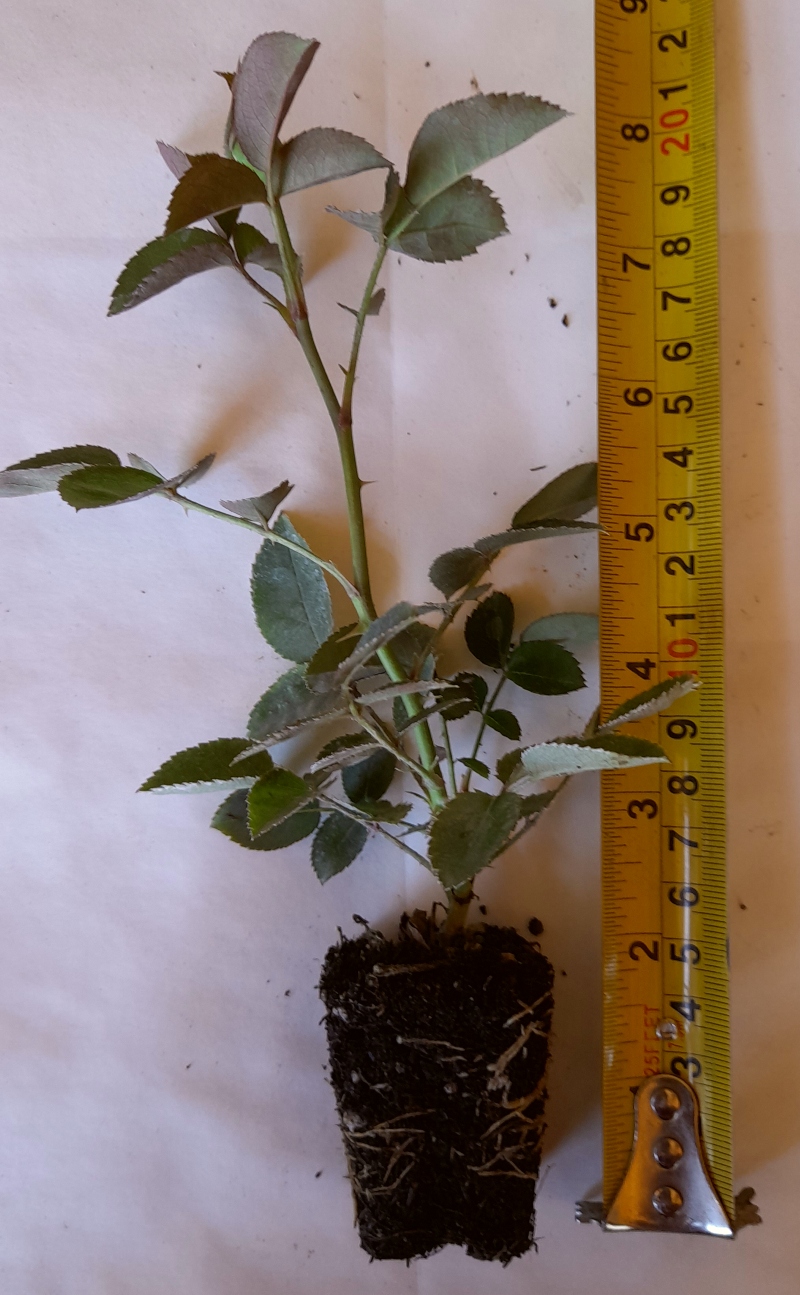
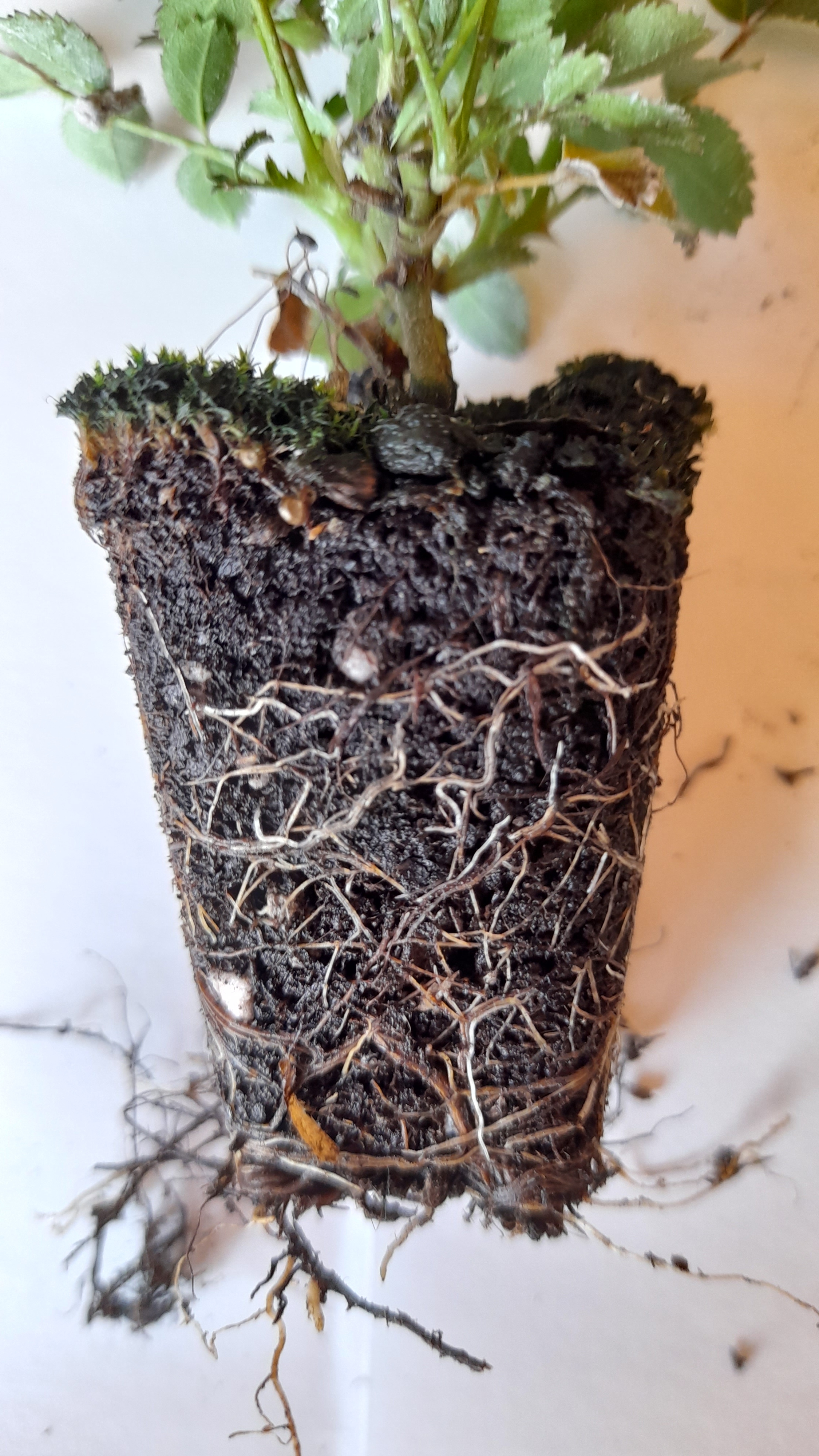
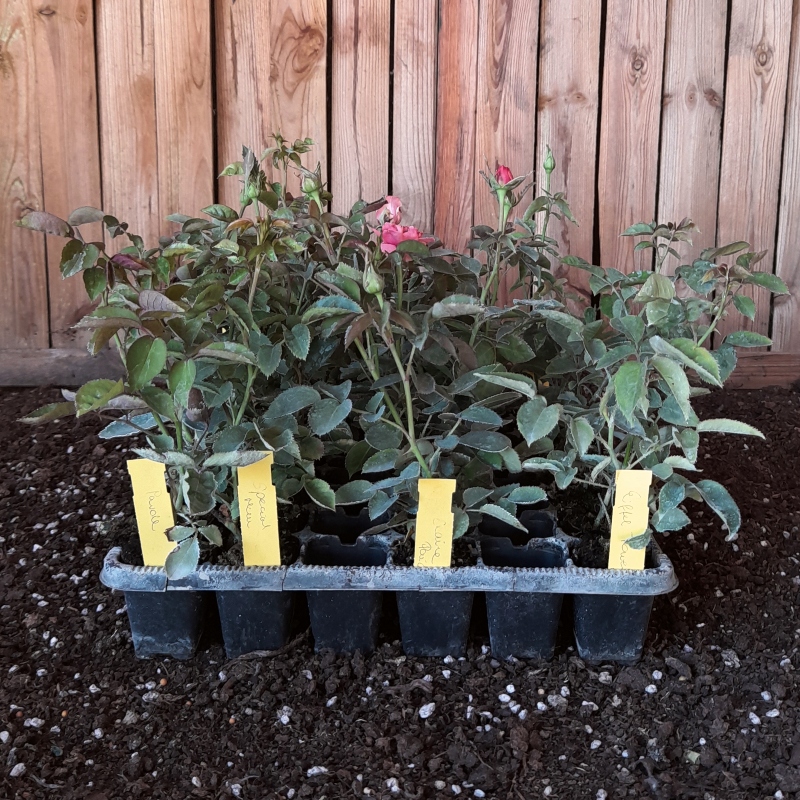
PharmaRosa® NEONATAL own-rooted rose propagation material in a plug, with a root system penetrating the plug (semi-finished product / semi-finished rose). PharmaRosa® NEONATAL rose propagation material size: 3–6‑month‑old, own-rooted cutting with a uniform developmental stage. PharmaRosa® NEONATAL rose propagation material root system: plug densely penetrated by well-developed white roots (root system detail). PharmaRosa® NEONATAL tray stock: own-rooted rose propagation material in trays, uniform developmental stage (10 pcs/tray).

Captions (from left to right): Semi-finished product (NEONATAL own-rooted rose propagation material in a plug with a fully developed root system) • Size demonstration (3–6‑month‑old, uniform cutting) • Root system detail (plug penetrated by the root system) • Tray stock (10 pcs/tray, uniform developmental stage)

pharmarosaneonatal.hupharmarosaneonatal.skpharmarosaneonatal.ropharmarosaneonatal.depharmarosaneonatal.co.ukpharmarosaneonatal.sipharmarosaneonatal.czpharmarosaneonatal.atpharmarosaneonatal.itpharmarosaneonatal.frpharmarosaneonatal.plpharmarosaneonatal.espharmarosaneonatal.nlpharmarosaneonatal.ptpharmarosaneonatal.lupharmarosaneonatal.sepharmarosaneonatal.lvpharmarosaneonatal.fipharmarosaneonatal.ltpharmarosaneonatal.ee

Which product type is right for you?

Pages for private customers
Garden roses for the family garden, with minimal care  → ORIGINAL®
Premium garden roses – instant impact, a truly showpiece garden  → EXTRA®
Pages for professionals and private customers
Roses for public spaces – large areas, sustainable maintenance  → NATURAL®
Roses for projects – hedge and row planting, fast implementation  → RAPID®
For professional partners only
Production – propagation material for garden roses, wholesale  → NEONATAL®

Company details

PharmaRosa Ltd.
Company registration number: 01-09-717479
VAT number: 13075314-2-43
Plant health registration no.: HU130721
Bank account (IBAN):
HU85117631891388688400000000
BIC (SWIFT): OTPVHUHB
Bank name: OTP Bank Nyrt.