| Premium 5–7 L heritage container line |
Dainty Bess delivers an upright, medium-sized bush suited to 5–7 L premium containers, aligning with the recommended specialty route and bush-trained release form. Its historic hybrid-tea character and remontant single flowers underpin a clear selection/specialty position for retail collectors seeking named heritage material, while own-root production supports stable identity and predictable capacity in nursery networks and integrator systems serving specialist-retail. |
| Thematic and heritage rose collections |
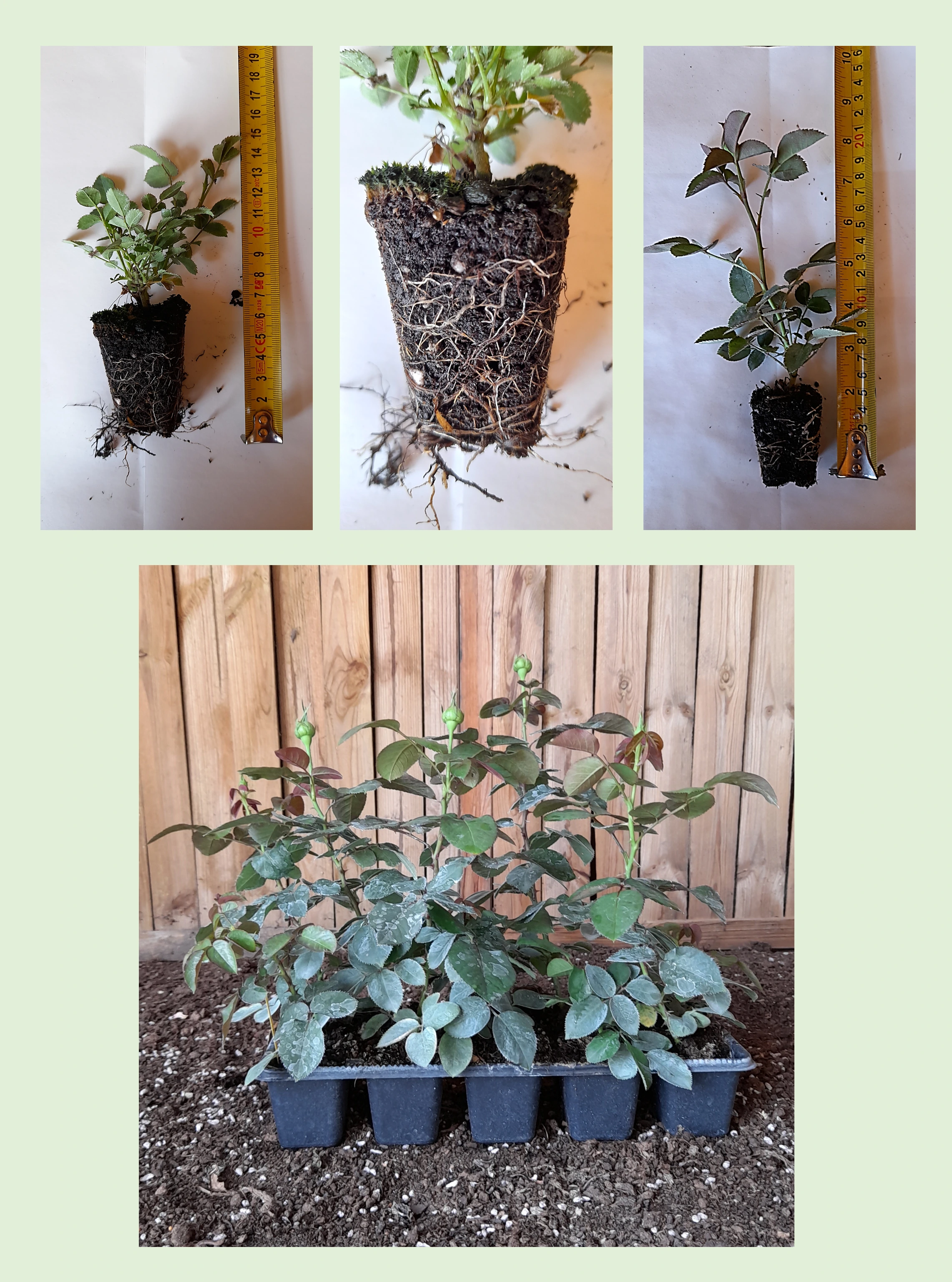
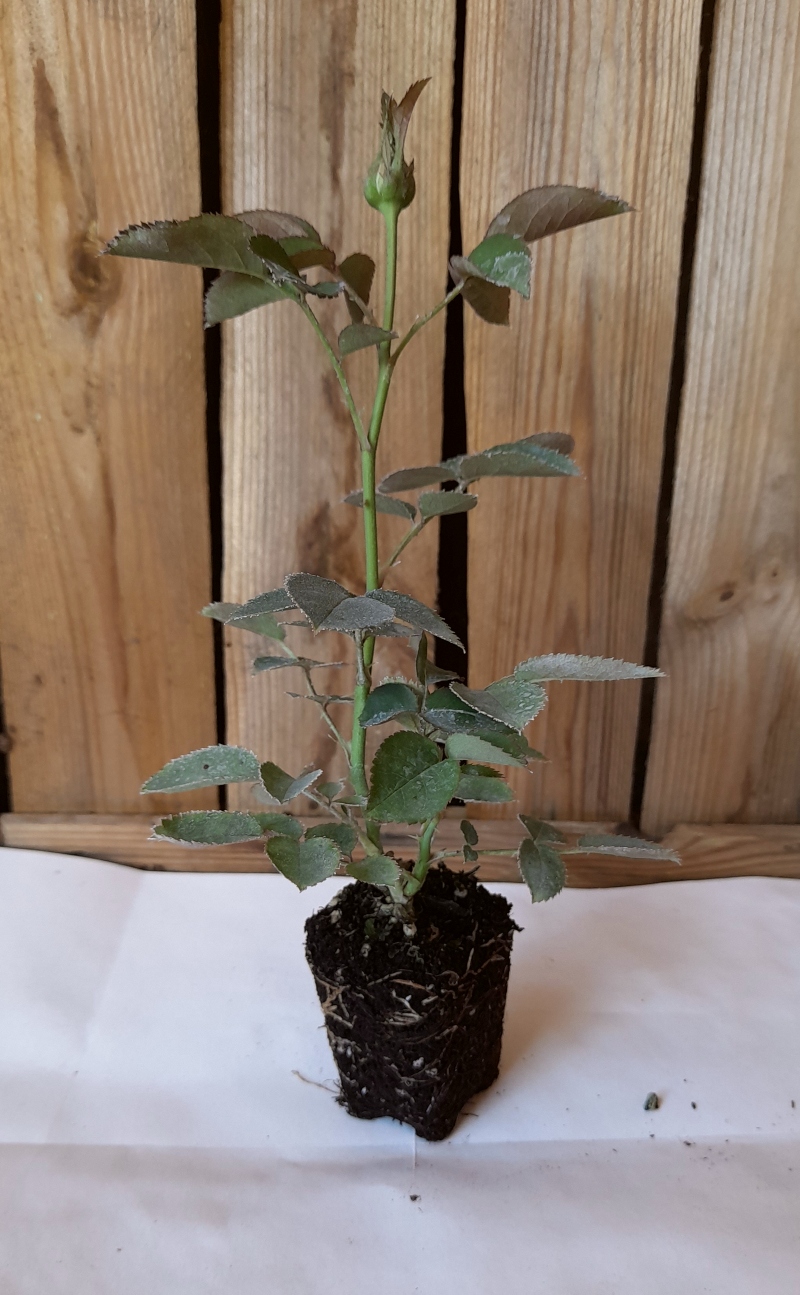
The cultivar’s 1927 UK origin, hybrid-tea pedigree and verified authenticity make it highly credible for themed and historical plantings where provenance matters. As an own-root NEONATAL cutting, it offers renewable growth and long lifespan, supporting long-term collection beds and gene-bank style stands with medium maintenance input, matching the specialty positioning and heritage narrative valued by public-collections. |
| Border and specimen plant production |
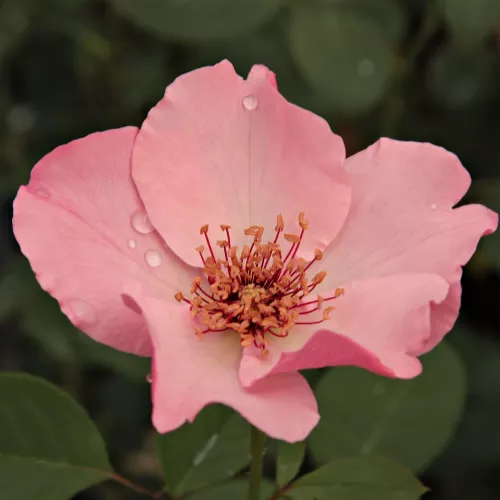
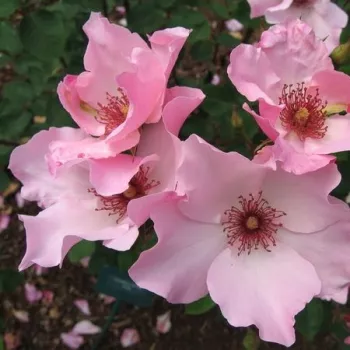
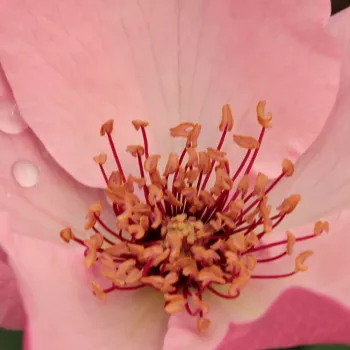
Its 100–140 cm upright habit, dark green foliage and large, flat, single blooms in soft light pink allow growers to market clearly defined specimen and border plants in 5–7 L premium containers. The tea-spicy medium fragrance and strong visual contrast of burgundy stamens provide a distinct selling point within mixed borders, while own-root robustness supports homogeneous stands and low replacement for project-supply. |
| Cut-flower oriented boutique production |
As an exhibition hybrid tea and recognised cut-flower variety, Dainty Bess fits small-scale, higher-value cut-flower programmes linked to heritage or collector themes. The remontant flowering habit supports sequential cutting, and the bush-trained form with discreet support enables structured, manageable plants in propagation and grow-on. Own-root material tolerates repeated harvesting loads, suiting integrated nursery–florist chains and niche wholesale. |
| Pollinator-friendly heritage ranges |
The simple, open flowers with 5–12 petals and exposed stamens make it notably attractive to pollinators, supporting pollinator-friendly themed ranges that also emphasise historical value. This aligns with public-realm and institutional demand for biodiversity-conscious planting using recognisable heritage roses, while own-root stability allows nurseries to maintain consistent multi-year supply for public-realm. |
| Cold-tolerant UK outdoor production |
With hardiness down to -26 – -23 °C (H7, USDA 5b, Swedish zone 4), Dainty Bess is suited to UK field and container production even in colder districts, including northern and more exposed sites with regular winter stress and strong winds. Own-root plants recover reliably from winter damage, giving growers confidence in multi-year cropping and long-term stock blocks for nationwide-nursery. |
| Medium-maintenance, reliable quality programmes |
Moderate disease resistance, with resistance to powdery mildew and black spot and medium maintenance needs, supports quality-focused programmes that accept occasional plant protection for a clearly differentiated heritage product. In own-root form, Year 1 focuses on root establishment, Year 2 on structural shoots, and Year 3 on full ornamental expression, helping growers plan scheduling and quality release for premium-retail. |
| Hip and late-season interest lines |
Moderately produced, orange-red, ellipsoid hips of 10–14 mm add discrete late-season interest, supporting extended-season sales messages for heritage or collection-focused ranges. When positioned as a specialty border or specimen rose in 5–7 L containers, the hip display complements the delicate flower and fragrance story, providing added value for collector-market. |