DICK KOSTER™ – pink bedding polyantha for massed professional planting
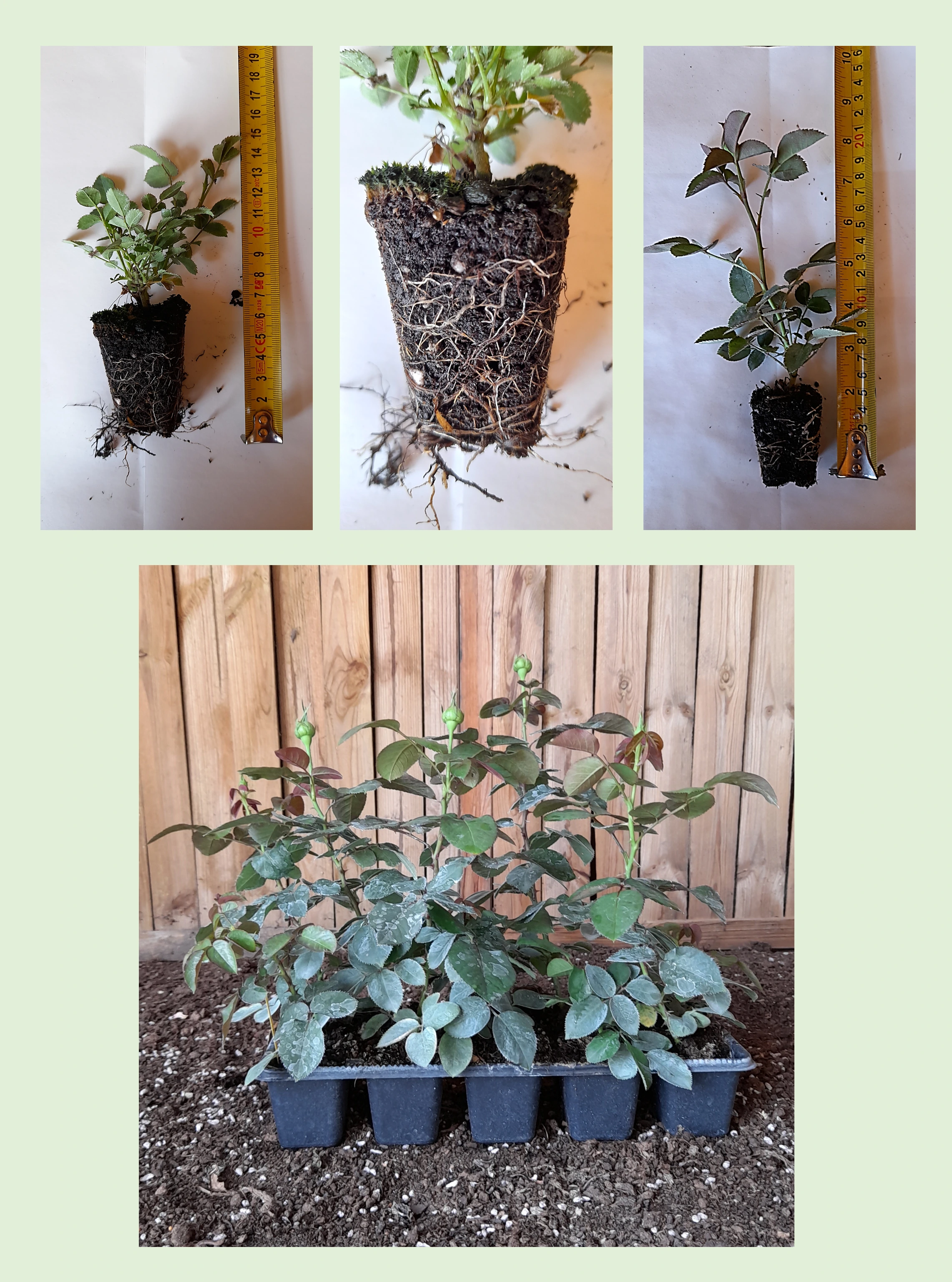
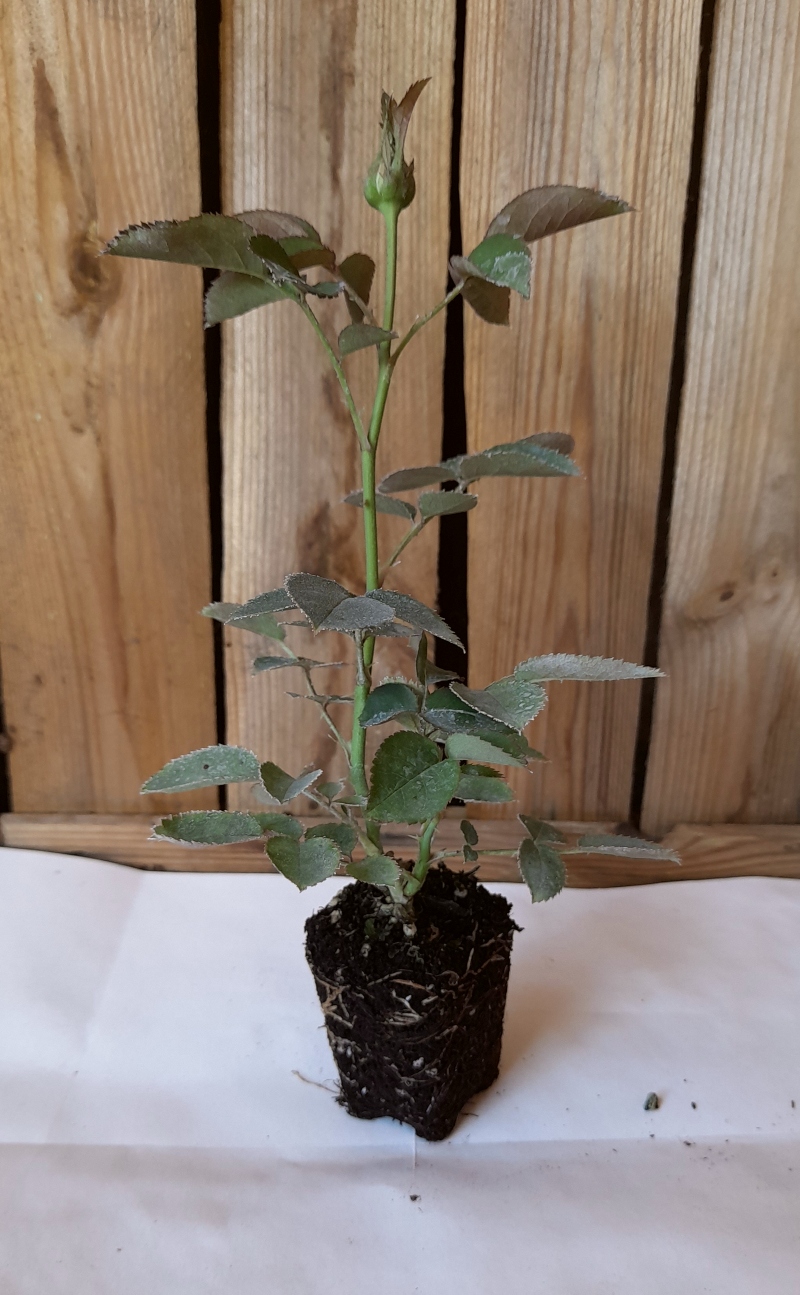
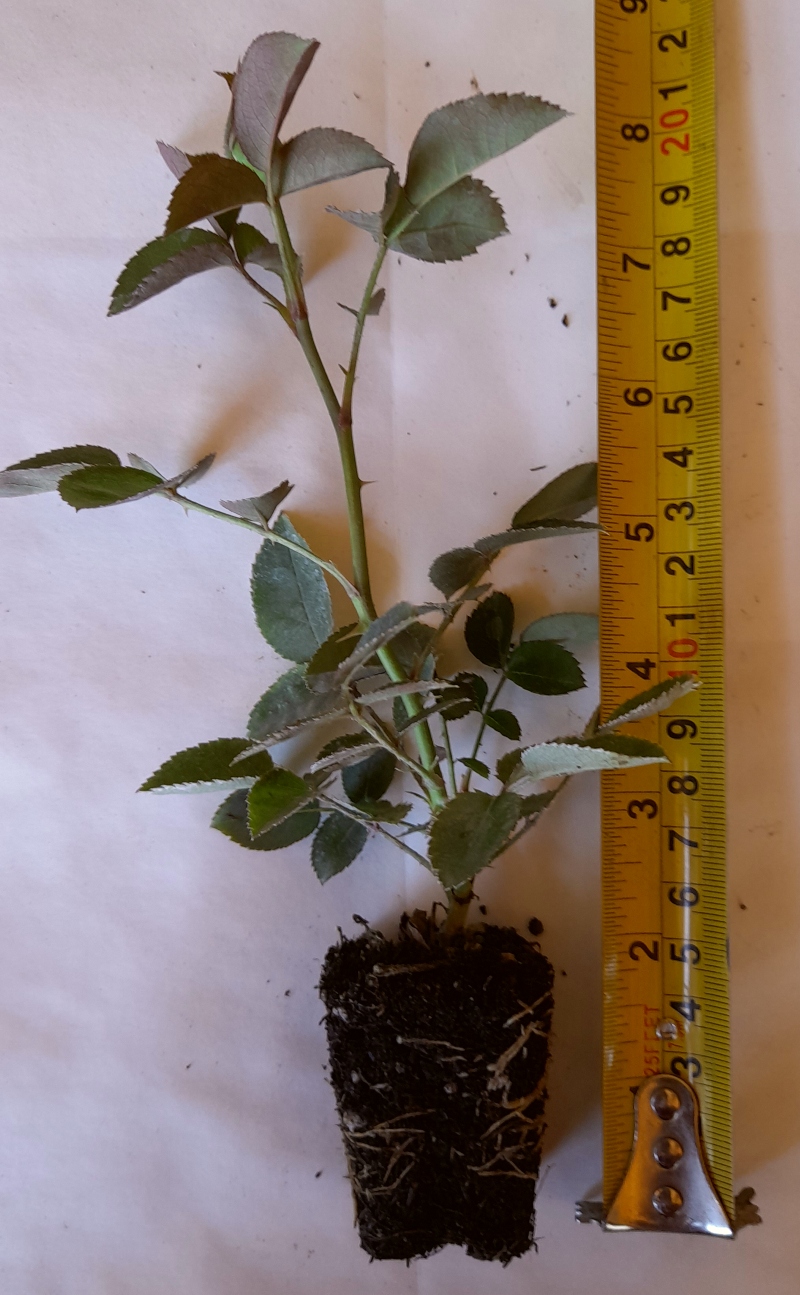
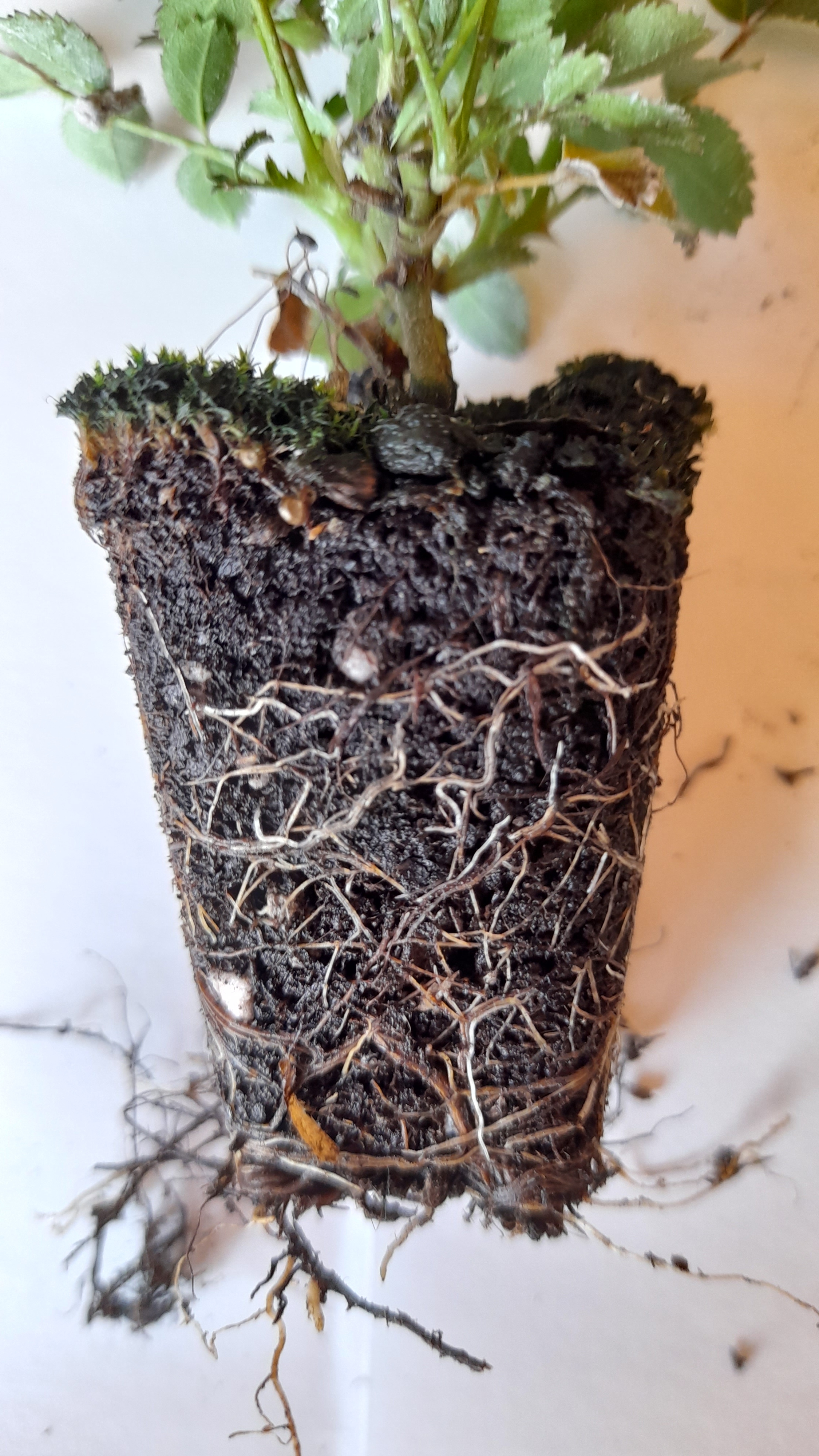
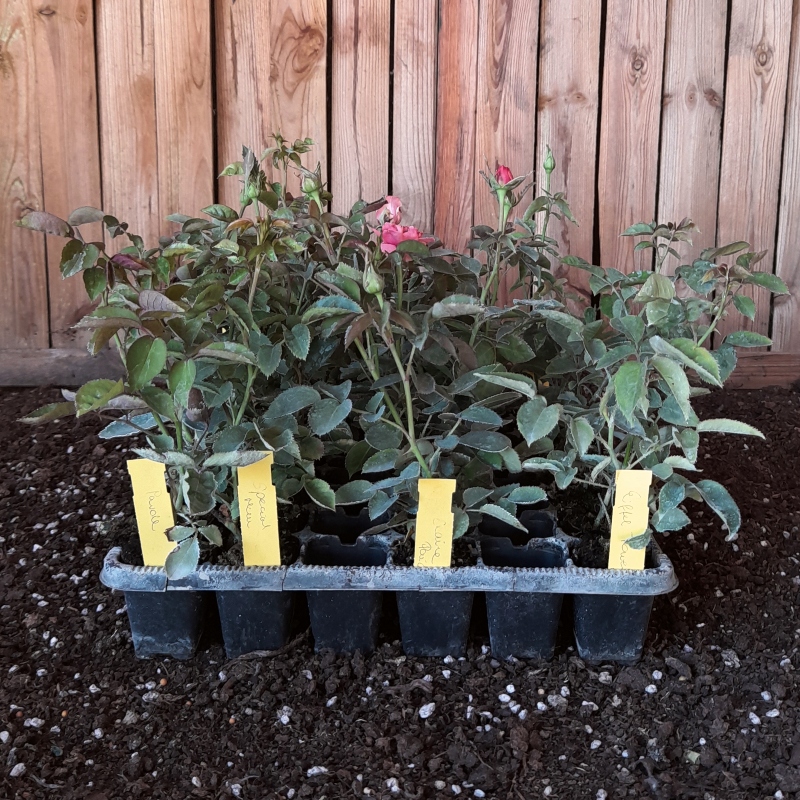
Uniformity and compactness make DICK KOSTER™ a reliable choice for pharmaROSA® NEONATAL own‑root production where consistent, tray‑raised cuttings support predictable 1.5–2 L container programmes and project mass planting schemes. The dense, glossy foliage gives fast coverage over a low canopy, ideal for edging, flower beds and urban green spaces where a clean, bush‑trained, cluster‑flowered finish is expected. Its prolific, remontant flowering in small, deep pink pompon clusters underpins visually continuous blocks for landscape contractors and collection plantings, while own‑root durability supports long‑term beds in public‑realm projects with reduced replacement and stable ornamental value. Medium disease tolerance and H7 winter hardiness allow it to slot into UK nursery networks serving colder regions, with dependable performance even in Scottish and northern exposure conditions, offering winter and wind‑tolerant landscape potential. The semi‑double, moderately pollinator‑attractive pompons add seasonal biodiversity interest without complicating maintenance, while moderate self‑cleaning eases grooming workloads in high‑volume production. pharmaROSA® NEONATAL material gives a practical progression from root development in year one through structural canopy in year two to fully expressed ornamental value by year three, fitting planning cycles for wholesalers. As a sport of ‘Anneke Koster’ with historic heritage, it supports curated bed ranges and thematic rose collections, with own‑root regeneration capacity providing a stable, renewable base for nursery propagation and large‑scale contract supply.
Usage options
Finished-product ideas
- Project bedding 2 L line – High-volume 1.5–2 L bush-trained units focusing on uniformity, compact structure and fast coverage for flower bed and edging schemes – landscape contractor / public-realm supplier
- Polyantha historic collection block – Curated own-root polyantha range including DICK KOSTER™ for thematic and historic rose gardens, built from NEONATAL stock to support cultivar maintenance – specialist nursery / show garden operator
- Urban edge and border pack – Compact, dense plants positioned for urban green space edging and low lines, leveraging fast canopy closure and neat cluster flowering – municipal framework and housing-association projects
- Contract park colour module – Remontant, deep pink cluster-flowered units produced in uniform batches for rapid park and estate planting where continuous seasonal colour and predictable performance are priorities – project-serving wholesaler
- Propagation and stock-bed starter trays – Tray-rooted NEONATAL cuttings designated for internal nursery stock beds, exploiting own-root longevity and regeneration to underpin future 2 L project lines – integrated nursery networks
Technical cultivar profile
| Parameter |
Data |
| Name and registration |
DICK KOSTER™ is a bedding polyantha rose within the bed rose commercial group, registered for exhibition as Dick Koster and classified as a bush, cluster-flowered type with verified cultivar authenticity. |
| Origin and breeding |
A sport of the polyantha ‘Anneke Koster’, bred and introduced in 1929 by D. A. Koster & Sons in Boskoop, Netherlands, remaining an unregistered cultivar but widely established in professional bedding use. |
| Awards and recognition |
Recognised by the Raleigh Rose Society (USA) with the Polyantha Spray Award in 2001, underscoring its performance and presentation qualities in the polyantha bedding and exhibition spray context. |
| Growth and structural characteristics |
Forms a compact, dense bush 35–50 cm high and 40–60 cm wide with glossy dark green foliage, moderately thorny shoots and a medium self-cleaning habit that may occasionally require manual deadheading. |
| Flower morphology |
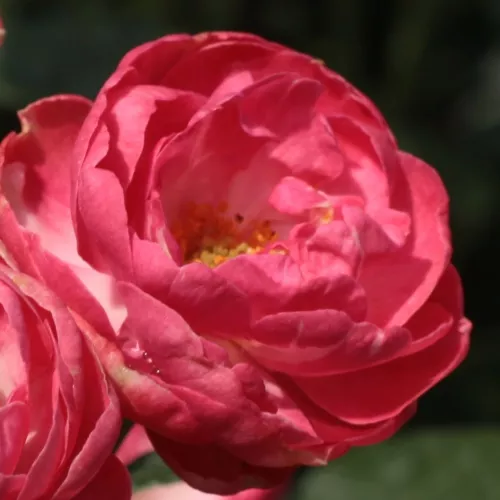
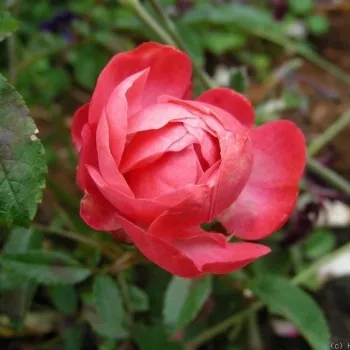
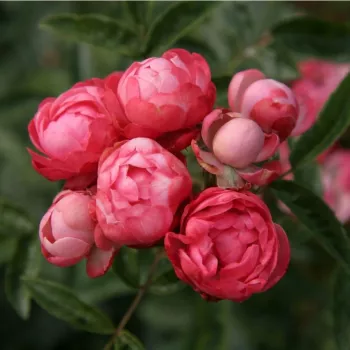
Bears small, 0.5–1.5 inch semi-double pompon, ball-shaped flowers with 13–25 petals, carried in clusters, flowering remontantly with a notably abundant second flush supporting extended seasonal display. |
| Colour data and phenology |
Deep pink with a slight raspberry-red tinge; buds dark pink, then briefly paler-centred, maturing to even deep pink before fading to delicate powder-pink with lighter edges; ARS DP, RHS 55A outer, 55B inner. |
| Fragrance and aroma |
Fragrance is very weak and barely perceptible, with no specific scent character recorded; moderate pollinator value arises from the semi-double form rather than from fragrance-driven attraction. |
| Hip characteristics |
Produces moderate quantities of small, spherical hips 5–7 mm in diameter, coloured orange-red at maturity, adding a discrete late-season feature without dominating the plant’s primary bedding role. |
| Resistance and winter hardiness |
Hardy to approximately −26 to −23 °C (RHS H7, Swedish Zone 4, USDA 5b) with medium resistance to common fungal diseases, including powdery mildew, black spot and rust under standard maintenance. |
| Horticultural recommendations |
Suited to flower beds, edging, containers, parks and urban green spaces; moderate maintenance with occasional plant protection; ideal for uniform, dense, bush-trained finished products for project mass planting. |
DICK KOSTER™ offers compact, uniform coverage with remontant cluster flowering on predictable, long-lived own-root stock, providing stable, low-replacement beds and dependable volume for project programmes; please contact us to align scheduling and capacity.