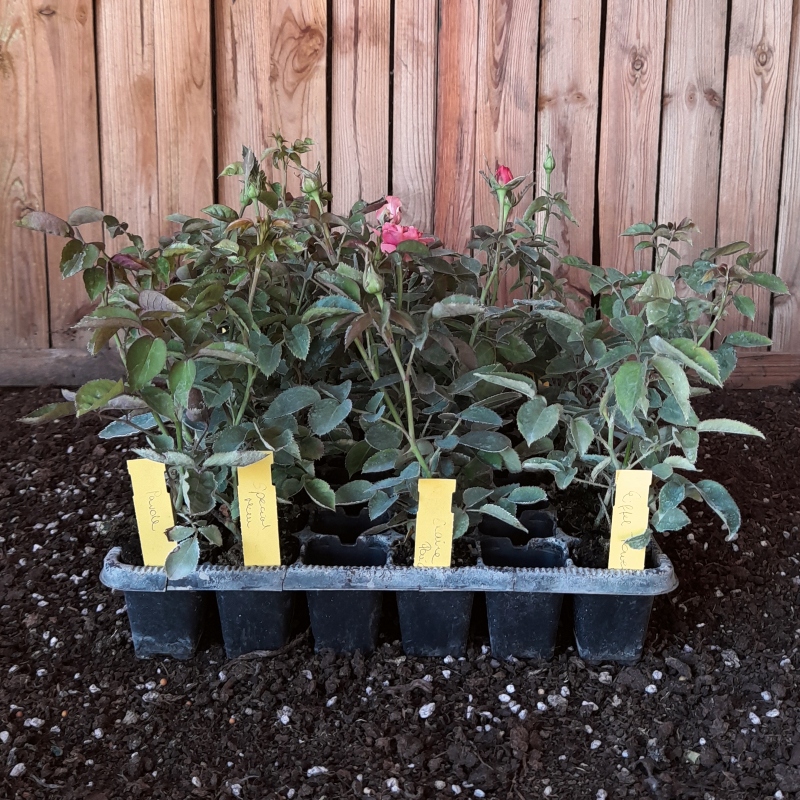
Hybrid tea rose

20-025-1
20-025-2

Double Delight

Hybrid tea rose

ANDeli – Herbert C. Swim; A. E. Ellis; A. W. Ellis

The edges of the cream-white petals are marked by an intense carmine-red band. The red shade deepens in sunlight. - hybrid tea rose - very strong, detectable from a distance rose - rich, sweet-spicy fragrance

– Iconic Double Delight bicolour blooms.
– Very strong, sweet‑spicy fragrance.
– High-centred, exhibition-quality flower form.
– Vigorous, bushy growth for specimen planting.
– Excellent disease resistance in garden use.
– Special feature: Multiple international awards, including World’s Favourite Rose / Rose Hall of Fame.
Exclusive finished product
Double Delight
pharmaROSA® NEONATAL rooted rose cutting
28,92 £
Due to courier service regulations – and the introduction of customs clearance – delivery to Ireland is temporarily suspended.
5 (10861)
facebook   twitter

DOUBLE DELIGHT – red-and-white hybrid tea rose – pharmaROSA® NEONATAL

Premium own-root pharmaROSA® NEONATAL material of DOUBLE DELIGHT offers professional growers a stable base for exclusive hybrid tea production where flower quality and high exhibition value are central. Bush-trained, 3–6‑month‑old rooted cuttings establish quickly into 5–7 L premium containers, forming 3–5 strong framework canes suitable for upscale retail and reseller channels. The rich, sweet‑spicy fragrance, large double blooms and reliable remontancy support cut‑flower and specimen‑bed product routes, while resilient disease resistance and H7 winter hardiness ease maintenance loads and replacement risk. Own‑root production underpins long‑term longevity and regeneration in nursery beds, helping maintain homogeneous, authentic stocks over multiple crop cycles. Over a natural development arc—roots in year one, framework and flowering strength in year two, then full ornamental expression from year three—this cultivar can anchor thematic and collection‑grade ranges, supporting continuous, predictable supply even for projects exposed to colder, wind‑affected conditions typical of northern UK regions. In this way DOUBLE DELIGHT aligns with nursery networks seeking reliable capacity, predictable scheduling and sustainable own‑root technology for a comprehensive market offer.


Usage options

Target area Reasoning
Premium 5–7 L container production for retail/reseller DOUBLE DELIGHT’s large, exhibition‑grade, high‑centred flowers and very strong fragrance translate well into premium 5–7 L containers, matching the recommended product path and exclusive positioning. Bush‑trained NEONATAL material with 3–5 framework canes develops quickly into saleable plants that justify higher price points in retail and reseller channels, while own‑root longevity supports re‑cropping from retained stock plants for predictable capacity. Especially suited to premium garden-centre assortments
Cut‑flower oriented container lines The solitary, pointed‑budded, cut‑rose flower form and long, straight flowering stems suit dedicated cut‑flower container lines produced from 5–7 L pots. Using own‑root NEONATAL material allows nurseries to build stable mother‑plant blocks for stem harvesting while maintaining identity, with low intervention thanks to good disease resistance. This supports premium, fragrance‑led cut‑flower offerings to florist-focused wholesalers
Specimen and feature plants for thematic rose gardens The striking red‑and‑white bicolour effect, very good colour retention and repeat flowering provide strong visual focus in thematic and collection plantings. Premium 5–7 L containers grown from bush‑trained NEONATAL cuttings can be finished as high‑impact specimens with 3–5 sturdy canes, suitable for show gardens and curated public spaces where exclusive flower form is key. Ideal for public-realm rose collections
Low‑maintenance flower‑bed programs Good resistance to powdery mildew and black spot, combined with low general maintenance needs, reduces after‑sale support issues in larger beddings. Own‑root plants derived from NEONATAL stock provide durable framework and regeneration if top growth is damaged, ensuring beds remain full without significant replacement. 5–7 L premium containers can be used as plug‑in units for designed schemes that serve municipal and institutional buyers
Collection and gene‑bank style stock maintenance The cultivar’s historical importance and awards justify maintaining it in collection or gene‑bank type stands built from uniform own‑root NEONATAL material. Bush‑trained young plants can be lined out in propagation beds, taking advantage of long‑term root system stability and true‑to‑name authenticity across many production cycles. Suitable for specialist rose collections
Climate‑tolerant backbone for northern UK supply H7 hardiness (down to approximately –26 to –23 °C) and Swedish zone 4 performance allow reliable overwintering, reducing stock loss risk and stabilising capacity planning for nurseries supplying cooler parts of the UK. When grown on from NEONATAL trays into 5–7 L premium containers, plants can be scheduled for early‑season despatch, supporting programmes where dependable performance in colder, wind‑exposed locations is essential. Particularly relevant for Scottish and northern-English projects
Fragrance‑led premium ranges The very strong, rich sweet‑spicy fragrance and recognised international awards for scent allow growers to create fragrance‑themed premium ranges. Using own‑root NEONATAL starting material ensures uniformity of scent expression and plant structure, especially in 5–7 L containers sold as exclusive finished products, and supports marketing built on sensory experience rather than volume. Best suited to upmarket fragrance collections
Show and exhibition plant production The high‑centred, exhibition‑grade hybrid tea blooms, strong stem presentation and excellent colour stability lend themselves to exhibition and show preparation. NEONATAL cuttings produce homogeneous, bush‑trained plants whose 3–5 canes can be managed intensively for show performance, with own‑root longevity supporting multi‑year use of selected plants. This is attractive for specialist exhibition growers

Finished-product ideas

  • Premium 5–7 L Double Delight bush – Own‑root, bush‑trained plants in 5–7 L pots, selected for strong fragrance and exhibition‑grade flower form, positioned as exclusive hybrid tea specimens – premium retail and garden‑centre ranges
  • Fragrance collection feature line – 5–7 L containers grouped with other highly scented cultivars, leveraging DOUBLE DELIGHT’s award‑winning scent and good disease resistance to anchor a stable fragrance‑led block – concept ranges for lifestyle‑oriented resellers
  • Cut‑flower patio hybrid tea – Bush‑trained 5–7 L plants managed for long, straight, solitary stems and high‑centred buds, promoted for home cutting from durable own‑root stock – florist‑linked retail and webshop assortments
  • Thematic bicolour showcase – Use homogeneous own‑root plants in 5–7 L pots as core SKU within a curated red‑and‑white theme, exploiting the stable bicolour pattern and low maintenance needs – design‑driven nurseries and project suppliers
  • Collection-grade heritage hybrid tea – Market DOUBLE DELIGHT as a historically significant, award‑winning cultivar in 5–7 L premium format, with own‑root longevity supporting long‑term collection plantings – specialist collectors and rose gardens

Technical cultivar profile
Parameter Data
Name and registration Hybrid tea rose ANDeli, marketed as DOUBLE DELIGHT – red‑and‑white hybrid tea rose; American Rose Society exhibition name DOUBLE DELIGHT; current trade name Double Delight Hybrid tea rose ANDeli.
Origin and breeding Bred in the United States in 1976 by Herbert C. Swim with A. E. and A. W. Ellis at Armstrong Nurseries; ‘Granada’ × ‘Garden Party’; introduced and registered in 1977 by Armstrong Nurseries.
Awards and recognition Gold Medals Baden‑Baden and Rome 1976, Most Fragrant Rose Geneva 1976, All‑America Rose Selections 1977, World’s Favourite Rose / Rose Hall of Fame 1985, James Alexander Gamble Fragrance Award 1986.
Growth and structural characteristics Bushy hybrid tea, 110–150 cm high with 75–105 cm spread; moderately dense, glossy medium green foliage (RHS 137A), moderately thorny canes, bush‑trained form with 3–5 strong framework canes recommended.
Flower morphology Large, double‑flowered blooms with 26–39 petals; solitary, high‑centred, pointed buds of classic cut‑rose type; remontant with abundant rebloom, including a strong, reliable second flowering flush under good culture.
Colour data and phenology Cream‑white petals edged by intense carmine‑red band; ARS code RB, RHS 53A and 155D; very good colour retention with slight deepening of red; subtle shifts to salmon‑pink and yellowish tones as flowers age in strong light.
Fragrance and aroma Very strong, rich sweet‑spicy rose fragrance detectable from a distance; primarily ornamental rather than pollinator‑oriented due to its double form with 26–39 petals and restricted access to reproductive structures.
Hip characteristics Hip set generally scant because of the double flowers; when present, forms occasional small spherical red hips about 10–14 mm in diameter, with limited ornamental or production significance for most programs.
Resistance and winter hardiness Rated resistant overall: good resistance to powdery mildew and black spot, moderate rust susceptibility; hardy to about –26 to –23 °C (RHS H7, Swedish zone 4, USDA 5b); moderate heat and drought tolerance needing watering in prolonged dry periods.
Horticultural recommendations Suitable for flower beds, cut‑flower use and specimen planting; preferred as premium container product, especially 5–7 L; maintenance generally low but poor self‑cleaning means spent blooms benefit from manual removal to maintain presentation.

DOUBLE DELIGHT combines exhibition flower quality, powerful fragrance and reliable disease resistance on long‑lived own‑root stock, offering predictable, regenerating stands for premium programmes; please contact us to align capacity and scheduling to your requirements.

Detailed product attributes

Product Identification Data

Product Name: DOUBLE DELIGHT – red-and-white hybrid tea rose - Swim & Ellis & Ellis
Product Type: pharmaROSA® NEONATAL - rooted rose cutting
Cultivar Authenticity: Verified:30.07.2025
Cultivar Quality Rating: premium silver
Item Number: [356] 20-025 (14.02.2026) pharmarosaneonatal.co.uk

Name and Registration

Meaning of Cultivar Name: The name "Kettős öröm" refers both to the bicoloured flower and to its exceptional fragrance.
Original Trade Name: Double Delight
Current Trade Name: Double Delight Hybrid tea rose ANDeli
Rose Group: Hybrid Tea
Commercial Type: hybrid tea rose
Commercial Group: Hybrid tea rose
Exhibition Category: exhibition hybrid tea; cut flower
Collection: Hybrid tea rose

Origin and Breeding

Initial Distributor: Armstrong Nurseries (USA)
Breeder: Herbert C. Swim; A. E. Ellis; A. W. Ellis
Breeding Company / Institution: Armstrong Nurseries
Breeding Year: United States, 1976
Parentage: 'Granada' × 'Garden Party'

Awards and Honours

Global and Lifetime Awards: World’s Favourite Rose / Rose Hall of Fame (1985)
Competition and Show Awards: Baden-Baden – Gold Medal (1976); Rome – Gold Medal (1976); Geneva – Most Fragrant Rose Award (1976); All-America Rose Selections – Winner (1977); World’s Favourite Rose / Rose Hall of Fame (1985); James Alexander Gamble Fragrance Award (1986)

Growth and Structural Characteristics

Height: 3.6-4.9ft (110-150 cm)
Spread: 2.5-3.4ft (75-105 cm)
Growth Habit: bushy
Foliage: The variety has moderately dense foliage. The leaves have a glossy surface and a medium green shade (RHS 137A).
Prickliness: moderately thorny
Self-Cleaning Description: Spent flowers mostly remain on the plant and require manual removal.
Self-Cleaning Intensity: Self-cleaning: poor.

Flower Morphology

Petal Count: 26-39
Flower Fullness: double-flowered
Flower Shape: high-centred, pointed-budded (cut-rose type)
Flower Size: L (2,75-3,95 in)
Inflorescence Type: solitary
Colour Code: ARS code: RB RHS code: 53A, 155D
Repeat Flowering: Remonts well; the second flowering is also abundant.

Colour Data and Phenology

Colour: red -white
Flower Colour Description: The edges of the cream-white petals are marked by an intense carmine-red band. The red shade deepens in sunlight.
Closed Bud: Ivory-based with a pale rose-pink tint at the tip and along the edges.
Newly Opened Flower: The inner surface is still almost white, while a soft raspberry-red edging is already appearing on the outer petal sections.
Full Bloom: The outer third of the petals is bright carmine red, their interior cream‑white, with a softly blended border between the two colours.
Before Fading: The red zone fades slightly to a salmon-pink, and the inner white area takes on a faint yellowish tone.
Colour Fading Description: In strong sunlight the red hue deepens and the flower fades only slightly.

Fragrance and Aroma

Fragrance Strength: very strong, detectable from a distance rose
Fragrance Character: rich, sweet-spicy fragrance
Pollinator Attraction: Its double‑flowered form (26–39 petals) and the limited accessibility of the stamens mean it attracts pollinators poorly.
Pollinator-Friendly Rating: Double, 26–39-petalled flowers mean it attracts pollinators only to a limited extent; primarily an ornamental variety.

Hip Characteristics

Hip Shape: spherical
Hip Colour: red
Hip Comment: Rose hip formation is expected to be scant due to the double flowers; occasionally a red, spherical hip 10–14 mm in diameter will appear.

Resistance and Hardiness

Hardiness (°C): -26–-23 °C
Heat and Drought Tolerance Description: Performs well in warm conditions; during prolonged drought it requires regular watering.
Disease Resistance: resistant
  • powdery mildew – resistant
  • black spot – resistant
  • rust – moderate

Horticultural Recommendations

Recommended product path: Premium container
Release form: Bush-trained, with 3–5 strong framework canes
Recommended use: Maintenance requirement low; good disease resistance, generally requires little intervention.
Primary Uses: flower bed, cut flower, specimen plant

Comments

Positioning: Exclusive finished product
Target customer/channel: Retail / reseller
Main value proposition: Flower quality, form
DOUBLE DELIGHT – red-and-white hybrid tea rose - Swim & Ellis & Ellis
The edges of the cream-white petals are marked by an intense carmine-red band. The red shade deepens in sunlight. - hybrid tea rose - very strong, detectable from a distance rose - rich, sweet-spicy fragrance
The rose webshop. - red -white - very strong, detectable from a distance rose - Double Delight - hybrid tea rose - (3.6-4.9ft (110-150 cm))
Inflorescence: solitary Height: 3.6-4.9ft (110-150 cm) Flower shape: high-centred, pointed-budded (cut-rose type) Winter hardiness: - red -white - Armstrong Nurseries (USA) hybrid tea rose - Flower size: L (2,75-3,95 in) Flower size: L (2,75-3,95 in) - Height: 3.6-4.9ft (110-150 cm) Height: 3.6-4.9ft (110-150 cm) - Flower fullness: double-flowered Double Delight - Roses in the garden | pharmaROSA® Neonatal - premium silver Herbert C. Swim; A. E. Ellis; A. W. Ellis

We showcase the external appearance of the roses available for online purchase from our webshop.


Which product type is right for you?


PharmaRosa® NEONATAL is the cost‑effective starting point for rose product production.

As a uniform, own‑rooted propagation material, it provides a stable basis for further growing-on and can be integrated flexibly into different finished product production technologies.
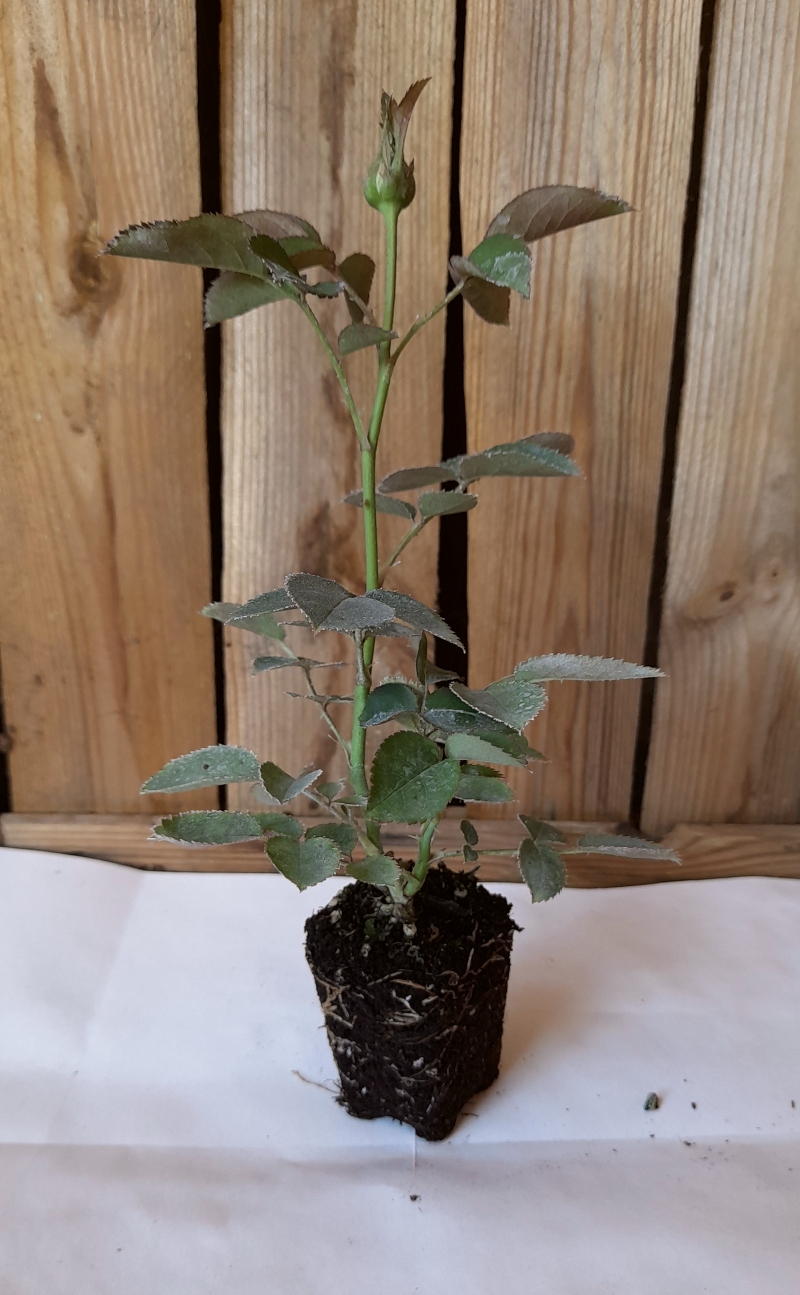
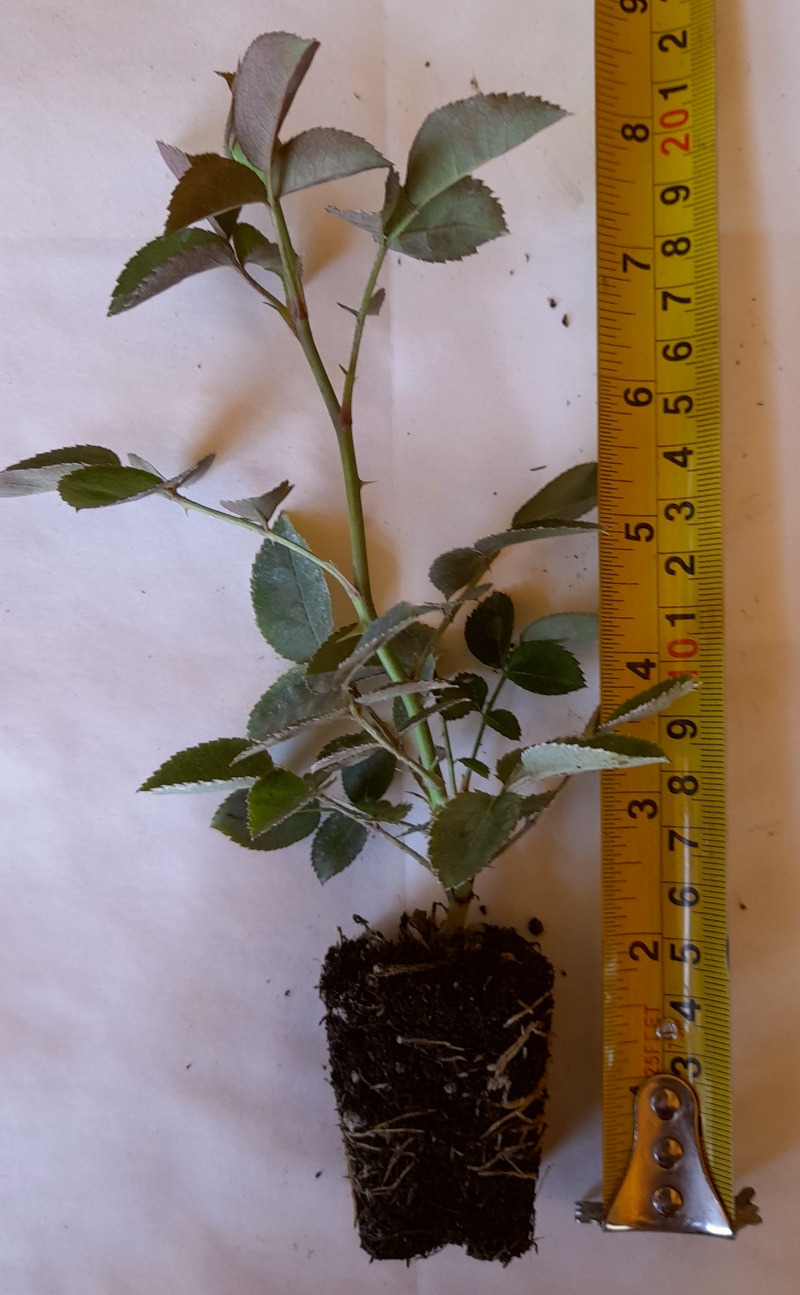
Rooted in trays (rooted), 3–6‑month‑old, own‑rooted rose cutting.
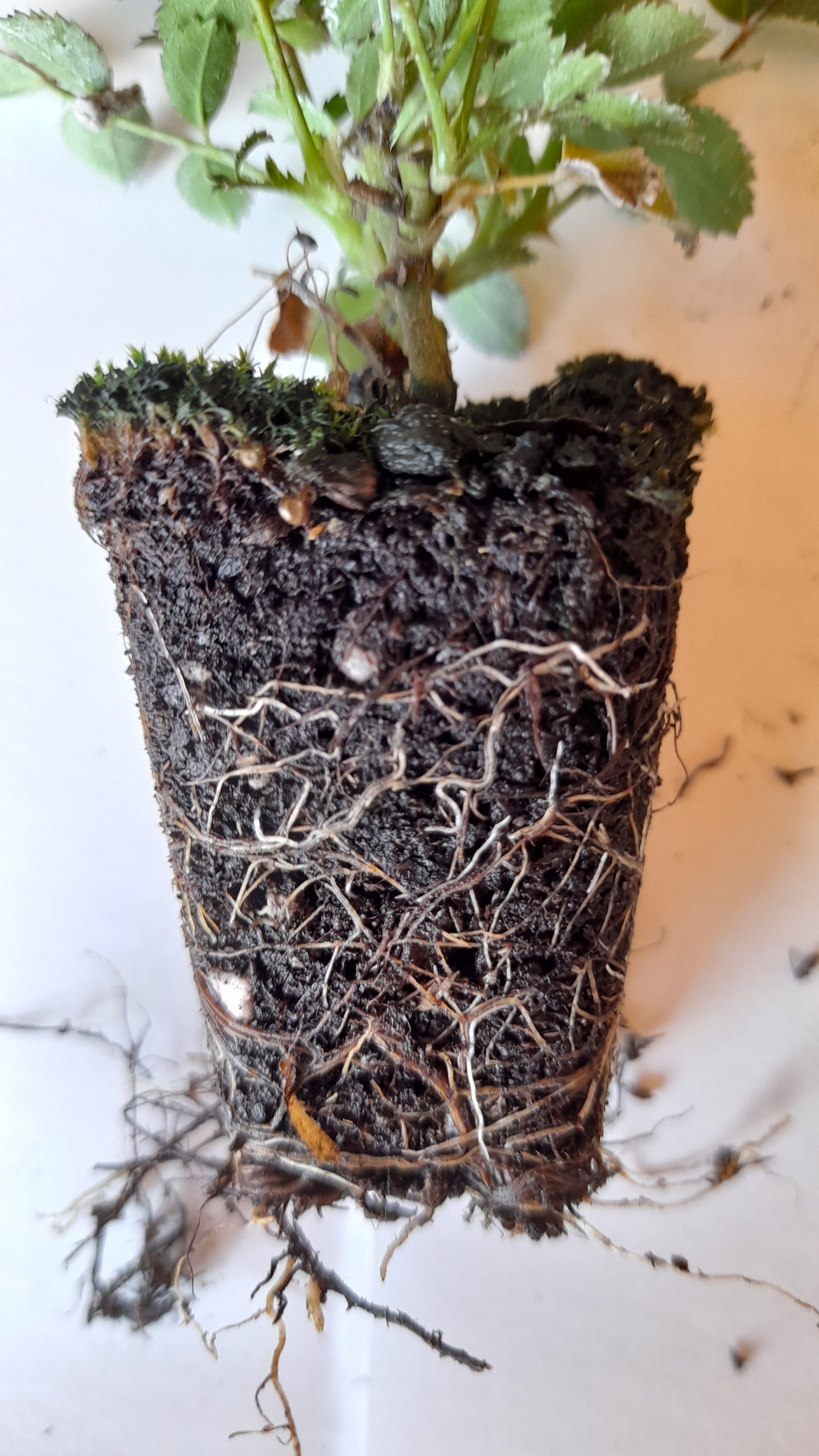
Uniform developmental stage, with a root system that has thoroughly penetrated the plug.
For professional growing‑on.
Tray packaging: 10 pcs/tray.
Quality and varietal identity: production supported by a dedicated identification and traceability logic.
Can be transplanted during frost‑free periods, designed for finished product production.

PharmaRosa® NEONATAL provides a controlled, uniform starting stock for planned growing‑on that can be integrated into your own technology – especially where scheduling and varietal identity are paramount.


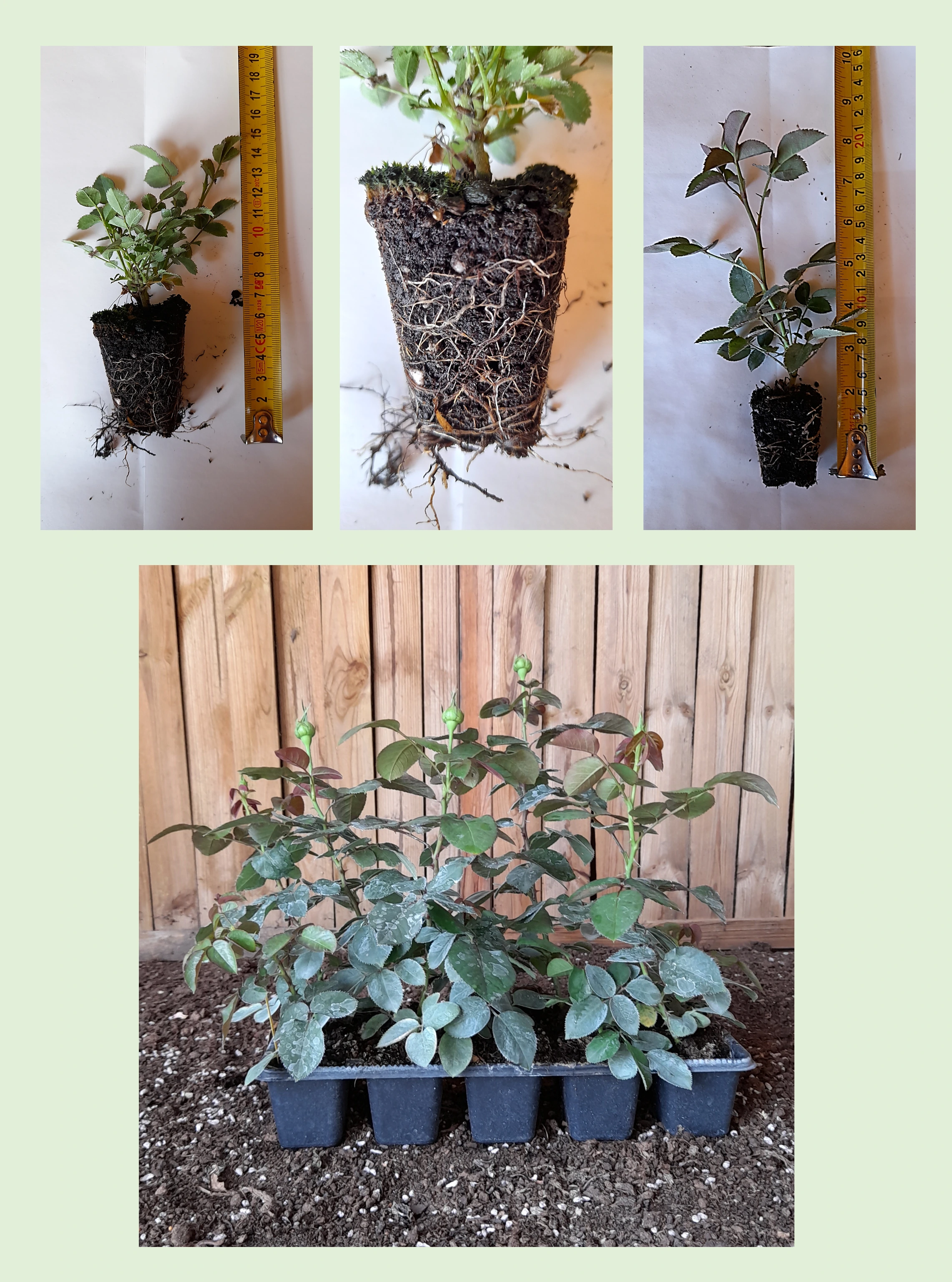
PharmaRosa® NEONATAL own-rooted rose propagation material in a plug, with a root system penetrating the plug (semi-finished product / semi-finished rose). PharmaRosa® NEONATAL rose propagation material size: 3–6‑month‑old, own-rooted cutting with a uniform developmental stage. PharmaRosa® NEONATAL rose propagation material root system: plug densely penetrated by well-developed white roots (root system detail). PharmaRosa® NEONATAL tray stock: own-rooted rose propagation material in trays, uniform developmental stage (10 pcs/tray).

Captions (from left to right): Semi-finished product (NEONATAL own-rooted rose propagation material in a plug with a fully developed root system) • Size demonstration (3–6‑month‑old, uniform cutting) • Root system detail (plug penetrated by the root system) • Tray stock (10 pcs/tray, uniform developmental stage)

pharmarosaneonatal.hupharmarosaneonatal.skpharmarosaneonatal.ropharmarosaneonatal.depharmarosaneonatal.co.ukpharmarosaneonatal.sipharmarosaneonatal.czpharmarosaneonatal.atpharmarosaneonatal.frpharmarosaneonatal.plpharmarosaneonatal.itpharmarosaneonatal.espharmarosaneonatal.nlpharmarosaneonatal.ptpharmarosaneonatal.lupharmarosaneonatal.sepharmarosaneonatal.lvpharmarosaneonatal.fipharmarosaneonatal.ltpharmarosaneonatal.ee

Which product type is right for you?

Pages for private customers
Garden roses for the family garden, with minimal care  → ORIGINAL®
Premium garden roses – instant impact, a truly showpiece garden  → EXTRA®
Pages for professionals and private customers
Roses for public spaces – large areas, sustainable maintenance  → NATURAL®
Roses for projects – hedge and row planting, fast implementation  → RAPID®
For professional partners only
Production – propagation material for garden roses, wholesale  → NEONATAL®

Company details

PharmaRosa Ltd.
Company registration number: 01-09-717479
VAT number: 13075314-2-43
Plant health registration no.: HU130721
Bank account (IBAN):
HU85117631891388688400000000
BIC (SWIFT): OTPVHUHB
Bank name: OTP Bank Nyrt.