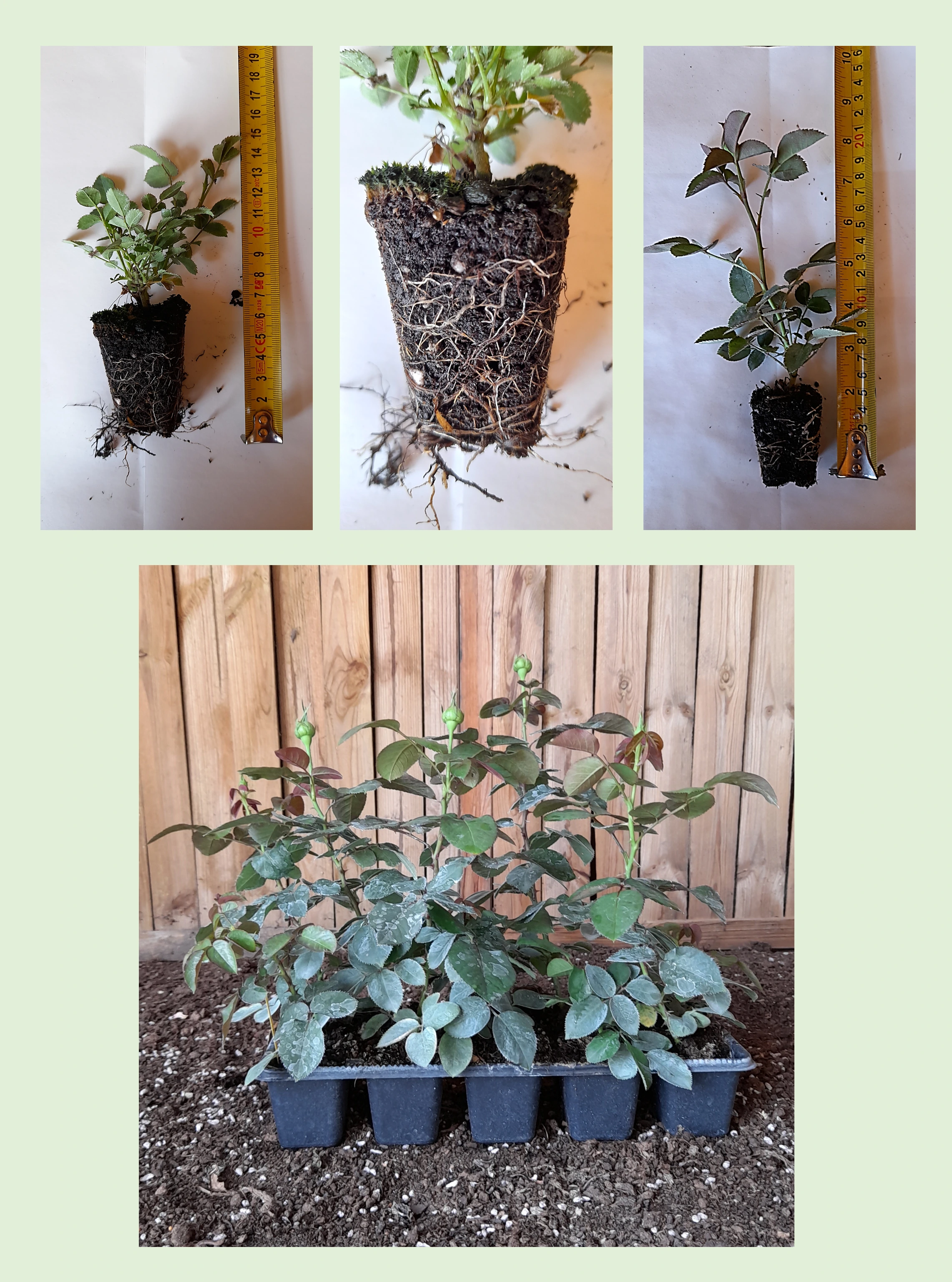
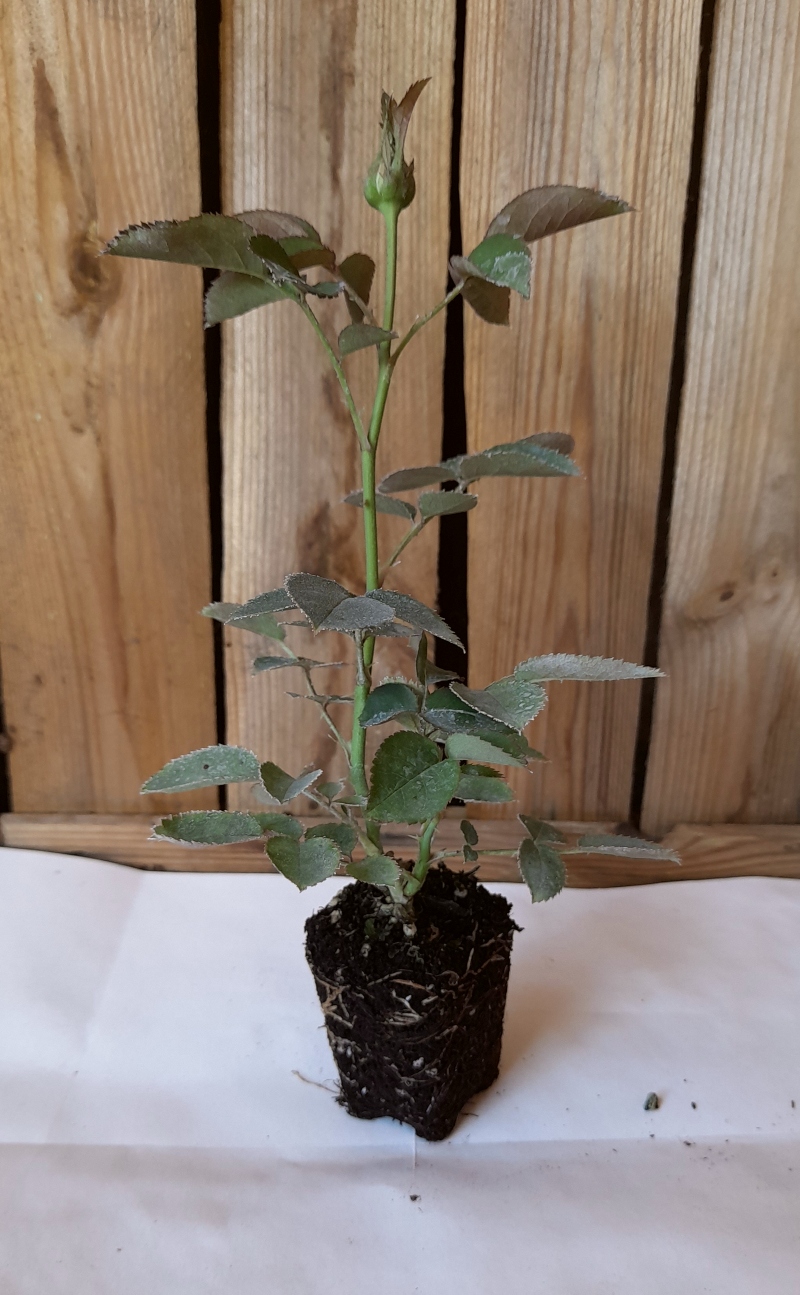
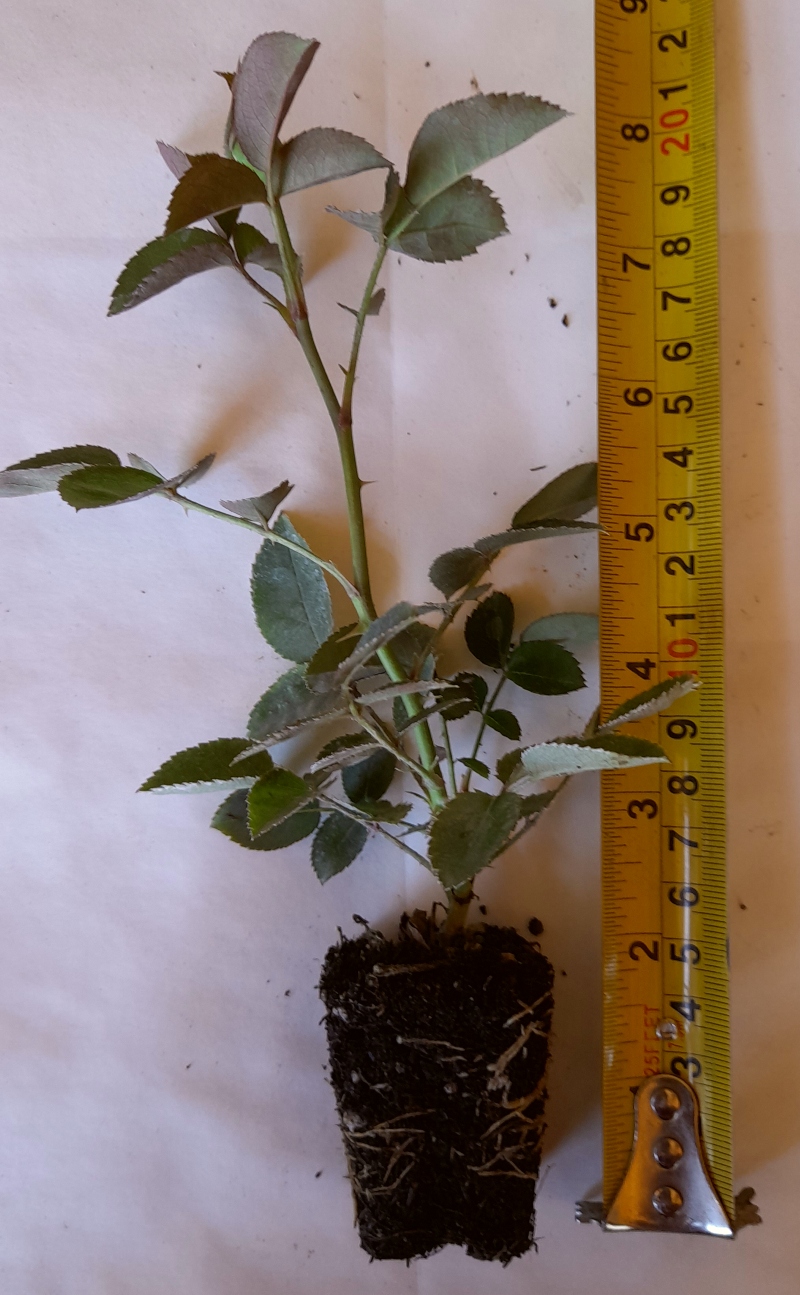
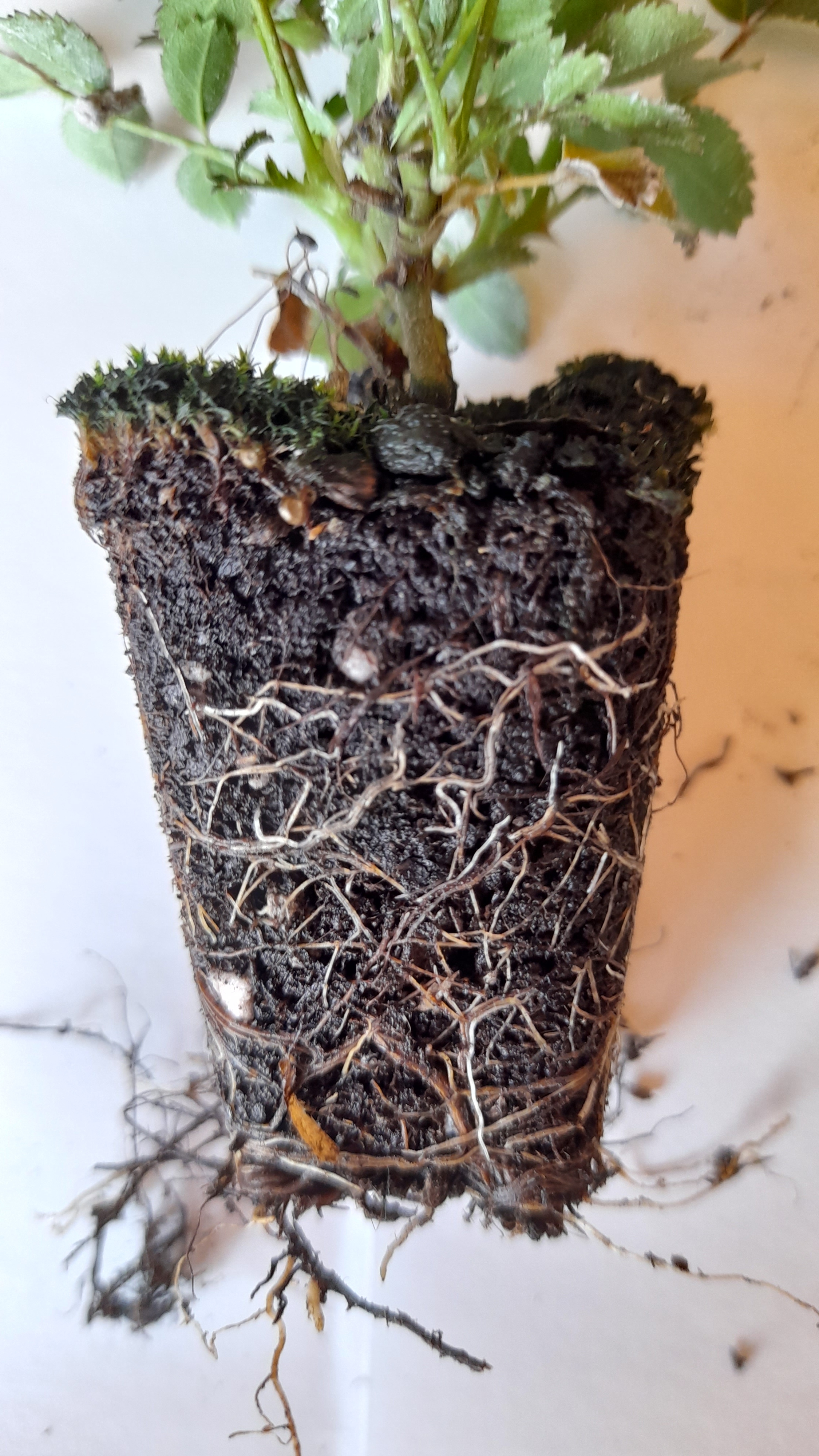
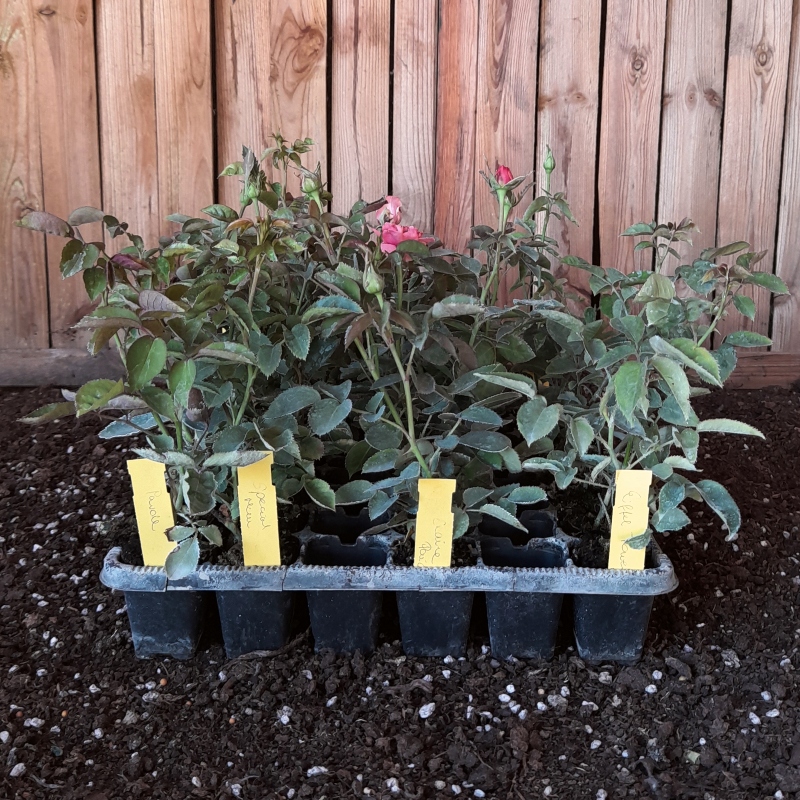
Eugénie Guinoisseau – pharmaROSA® NEONATAL own-root propagation material
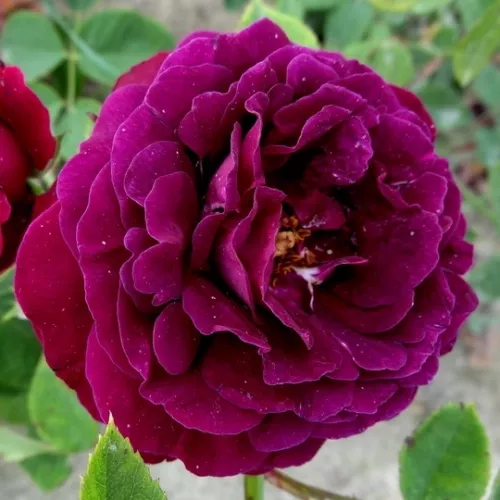
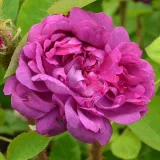
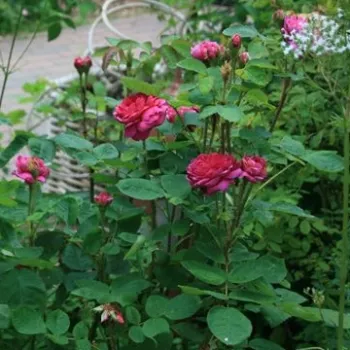
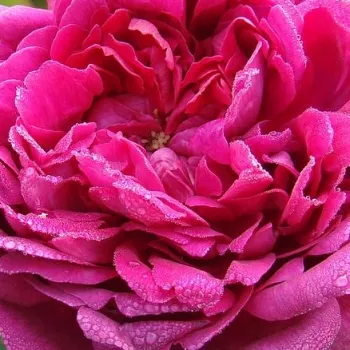
As a historical moss cultivar with distinctive heritage appeal, Eugénie Guinoisseau offers professional growers a characterful, own-root starting point for premium, collector-focused shrub production. Its upright, medium-to-tall structure, dense dark-green foliage and very double, cluster-flowered, crimson-red blooms support a clear route into 5–7 L premium container lines for specialist retail and thematic rose gardens. The large, cup-shaped, strongly scented flowers with a sweet, berry-fruity fragrance evolve through raspberry-red, crimson and lavender-lilac tones, creating strong visual impact for show gardens and dedicated heritage collections. Own-root propagation gives a renewable, long-lived base for building homogeneous blocks and stable stock, helping to reduce replacement and protect capacity planning over multiple cycles. Across UK projects, it supports historical-rose ranges where dependable winter hardiness is needed in colder northern sites, benefiting professional supply into public and institutional schemes. As with most own-root shrub roses, expect a natural development arc of roots in year one, building shoots in year two, and full ornamental value expression from year three onwards, ideal for premium container scheduling. This aligns well with nurseries and wholesalers aiming to strengthen specialist heritage ranges on a predictable, own-root technology platform.
Usage options
Finished-product ideas
- Premium 5–7 L heritage collector shrub – Upright, dense, own-root shrubs finished in 5–7 L premium containers, emphasising 1864 origin, moss heritage and strong fragrance for specialist retail collectors and thematic rose gardens – target: heritage-focused garden centres and mail-order specialists.
- Fragrance-featured historic range – Grouped with other strongly scented historical roses in uniform 5–7 L lines, using own-root stability and powerful berry-fruity fragrance as key differentiators – target: nurseries supplying fragrance-led retail and show-garden partners.
- Thematic show-garden specimen – Selected, well-branched plants grown on from NEONATAL cuttings for use as focal shrubs in historic displays, highlighting colour evolution and moss character – target: public-realm and exhibition garden contractors.
- Cold-hardy heritage border unit – Upright shrubs positioned as hardy historic elements for mixed heritage borders, leveraging H7 hardiness and own-root regeneration for dependable long-term performance – target: landscape nurseries serving northern and exposed UK sites.
- Curated gene-bank collection plant – Own-root plants maintained as labelled accessions in cultivar collections where poor hip set limits unwanted spread and identity is critical – target: specialist nurseries and institutions curating historical rose collections.
Technical cultivar profile
| Parameter |
Data |
| Name and registration |
Historical moss rose from the Heritage rose collection, traded as Eugénie Guinoisseau Heritage rose Guinoisseau-Flon, with ARS exhibition name Eugénie Guinoisseau and no separate registered cultivar name. |
| Origin and breeding |
French historical cultivar bred by Bertrand Guinoisseau-Flon and introduced in 1864; parentage and breeding institution are unknown, and the variety remains an unregistered, traditionally maintained selection. |
| Growth and structural characteristics |
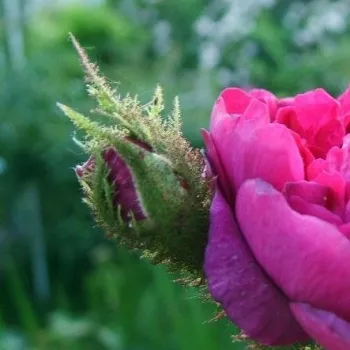
Upright historic shrub reaching around 150–220 cm in height with a 90–150 cm spread, very dense, glossy dark-green foliage and strong prickliness, recommended as bush-trained with discreet support in professional production. |
| Flower morphology |
Very double flowers with more than 40 petals, large size in the 2.75–3.95 inch range, cup-shaped and borne in clusters; remontant with a weaker second flush, forming a classic historic moss rose floral display. |
| Colour data and phenology |
Crimson-red base colour with ARS code mr and RHS 60A–60B; blooms open intense raspberry red then soften towards lavender-lilac with a silvery veil, though colour retention is poor and tones fade noticeably as flowers age. |
| Fragrance and aroma |
Powerful, strongly scented flowers with a sweetish, berry-fruity aromatic profile; the very double form reduces stamen exposure, making it only weakly attractive to pollinators despite the pronounced fragrance. |
| Hip characteristics |
Hip set is expected to be poor due to strong doubleness; when formed, hips are red, ellipsoidal, about 11–17 mm in diameter, contributing limited ornamental or propagation value in professional production contexts. |
| Resistance and winter hardiness |
Moderate overall disease resistance, with good resistance to black spot and moderate sensitivity to powdery mildew and rust; winter hardy to approximately -21 – -18 °C, rated RHS H7, Swedish zone 3 and USDA zone 6b. |
| Horticultural recommendations |
Best suited to premium container, specialty routes in 5–7 L pots; medium maintenance, occasionally requiring plant protection, and positioned as a selection or specialty item for retail collectors and heritage-focused projects. |
Eugénie Guinoisseau offers historical character, strong fragrance and reliable cold hardiness on a long-lived own-root base, giving nurseries predictable, regenerating stock for premium heritage lines; we would be pleased to discuss volumes and scheduling.