Hybrid tea rose

20-173-1
20-173-2

Fabulous™

Hybrid tea rose

FORfab – John Ford

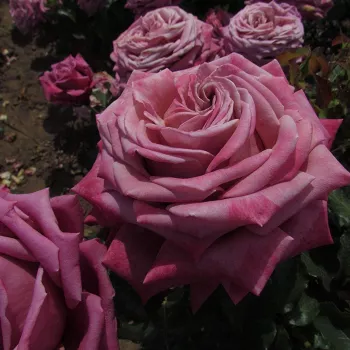
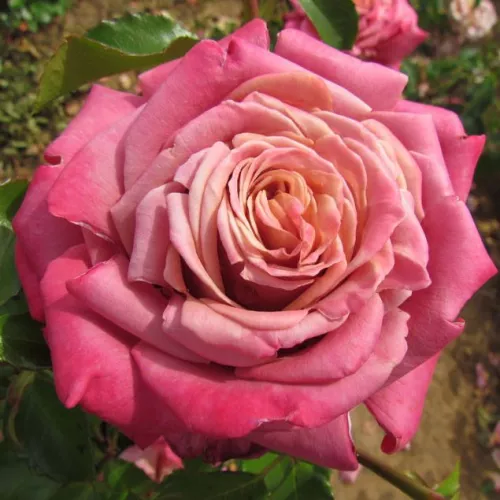
Soft, pastel pink base colour, veiled by a delicate lavender hue. - hybrid tea rose - mild, subtly scented rose - pleasant, soft character

– Elegant, high‑centred blooms with exhibition form.
– Refined soft pink tones with lavender veil.
– Strongly remontant, generous second flush.
– Glossy, dark green foliage for a polished look.
– Mild, pleasantly scented hybrid tea rose.
Special feature: Premium gold‑rated variety bred by John Ford in New Zealand, ideal as an exclusive cut flower.
Exclusive finished product
Fabulous™
pharmaROSA® NEONATAL rooted rose cutting
30,92 £
Due to courier service regulations – and the introduction of customs clearance – delivery to Ireland is temporarily suspended.
3 (4567)
facebook   twitter

FABULOUS™ – pink hybrid tea rose – Ford

Exhibition quality blooms with soft pastel-lavender tonality make this cultivar a focused choice for premium container rose programmes where flower form and colour definition drive value in retail and reseller channels. As a bush-trained own-root starting point with 3–5 strong framework canes it aligns well with 5–7 L premium container targets, supporting exclusive finished-product positioning based on consistent, solitary blooms suitable for cut and specimen use. The mildly scented, high-centred, pointed-budded flowers deliver a cut-rose style look in garden production, while the strongly remontant habit provides a dependable second flush that underpins repeated sales and display windows. H7 hardiness down to -21–-18 °C offers reassuring structural stability for nurseries planning nationwide supply, including colder regions, within systems that demand uniform, high-grade own-root stock. Dense, glossy, dark green foliage supports bench appeal and maintains ornamental value between flushes, though disease susceptibility means this is a managed, high-input option for growers prepared to run regular protection programmes. Own-root propagation material gives a predictable base for collection and show-garden ranges, moving from root establishment in year one, structural shoot build-up in year two, to full ornamental expression by year three for consistent performance.


Usage options

Target area Reasoning
Premium 5–7 L patio and terrace containers The high-centred, solitary blooms and soft pastel pink-lavender colour suit premium 5–7 L containers where flower form justifies higher price points and exclusive finished-product positioning. As own-root bush-trained material with 3–5 strong canes, it establishes rapidly into a balanced, upright plant structure, with year one focused on root consolidation and then canopy build for year two container sales. Disease susceptibility calls for scheduled plant protection, but in managed nursery environments this is acceptable where visual quality and exhibition-style flower presentation are the main drivers for retail and reseller partners.
Cut-flower orientated garden production lines Solitary, long-stemmed, high-centred flowers with 26–39 petals are well aligned to garden cut-flower concepts, where hybrid tea form is a clear selling point. Using the premium container route with 5–7 L pots allows growers to offer a dual-purpose SKU (garden and cutting), leveraging its exclusive positioning based on bloom quality rather than robustness. Own-root stock gives long-term regenerative capacity and predictable stem architecture over several cutting seasons, offsetting the higher maintenance required for rust and black spot with reliable structural continuity for independent nurseries and specialist retailers.
Specimen focal plants in thematic rose collections The pastel pink, lavender-veiled colour progression and upright habit make this cultivar suitable as an individual focal specimen within thematic or collection beds. Bush-trained own-root plants with 3–5 framework canes integrate cleanly into curated ranges, supporting private-label or brand-blocked premium lines. Strong remontancy and a notable second flush help maintain continuity of display in show gardens, even when disease management requires tighter spray regimes, which is generally acceptable where the main promise is high-end flower form for rose collections and show-garden suppliers.
Exclusive hybrid tea lines for specialist rose nurseries As a hybrid tea bred by John Ford and introduced in 2016, this cultivar fits neatly into specialist hybrid tea assortments emphasising origin, pedigree and precise flower form. Premium container production using 5–7 L pots allows clear up‑trading from standard garden lines, while own-root material ensures homogeneity and reliable replacement stock for ongoing catalogue continuity. Although disease susceptibility increases input needs, it also positions the variety as a managed, high-value choice where customers expect to invest in care in exchange for distinctive blooms, aligning with heritage-focused and specialist rose outlets.
Show-bench and exhibition-support plantings The pointed-budded, high-centred flower shape, solitary presentation and uniform, light pink exhibition finish lend themselves to growers supporting local show-bench and exhibition supply. Own-root propagation material provides consistency across batches, which is essential when selecting uniform stems for events. Using premium containers as the main product route keeps logistics flexible: plants can be finished for either direct retail or pre-show conditioning. Although rust susceptibility is high, professional plant protection can mitigate this where the goal is exhibition-standard blooms for show growers and exhibition-focused resellers.
Curated retail concepts for pastel and soft-toned assortments The delicate pastel pink base colour with a lavender veil, and silvery-pink fading stages, makes this cultivar ideal in curated pastel or “romantic” colour blocks at point of sale. Premium 5–7 L containers underscore its exclusive positioning and help differentiate it from mass-market pink roses. Own-root trays enable stable, repeatable batch production so assortments can be replenished without colour drift. While higher maintenance is required due to disease susceptibility, the visual pay-off justifies its place in carefully managed, high-margin displays for garden centres and style-led retail concepts.
Public-realm demonstration beds for premium rose ranges Where local authorities or institutional clients commission demonstration beds showcasing premium cultivars for visitors and stakeholders, this variety can represent the exhibition-style hybrid tea segment. Its upright, dense, glossy foliage and strong remontancy support season-long interest under close management. Own-root material secures identity and long-term stand regeneration, which is useful in demonstration or trial sites that act as living catalogues, even though disease control regimes must be robust, matching expectations for public-realm and institutional showcase projects.
Collection and gene-bank style maintenance plantings For nurseries maintaining a broad genetic and cultivar portfolio, this hybrid tea is a logical candidate for inclusion in thematic or breeder-focused blocks. Own-root propagation secures true-to-type regeneration and simplifies long-term stand renewal, reducing the risk of rootstock interference. Producing it in premium containers ensures that, when required, plants can be diverted directly into retail or exhibition-focussed sales. Although disease susceptibility raises maintenance work, this is typically acceptable in curated collections where documentation, diversity and flower form are prioritised by collection managers and specialist assortment curators.

Finished-product ideas

  • Premium 5–7 L hybrid tea feature rose – Own-root, bush-trained plants in 5–7 L pots, marketed on high-centred bloom form and pastel-lavender colour progression as an exclusive feature rose – retail garden centres and quality-led resellers
  • Garden cut-flower hybrid tea line – Solitary, exhibition-style blooms and strong remontancy presented in premium containers as “garden cut-flower” stock, highlighting stem quality and repeat flowering – specialist nurseries and mail-order partners
  • Pastel romance colour-collection trio – Integrated into a three-cultivar pastel scheme, with FABULOUS™ carrying the soft pink-lavender segment, supplied in matched 5–7 L pots for high-impact benches – style-focused garden centres and concept retailers
  • Exhibition and show-support stock – Selected, evenly grown plants in 5–7 L containers for exhibitors needing reliable sources of exhibition-form hybrid tea blooms, emphasising pedigree and form – show growers and rose society networks
  • Breeder and origin highlight block – Positioned as part of a “New Zealand-bred hybrid tea” feature, finished in premium containers to underline exclusive status and distinct colour tonality – collection gardens and destination retail sites

Technical cultivar profile
Parameter Data
Name and registration Hybrid tea rose, registered as FORfab, traded as Fabulous™ Hybrid tea rose FORfab; exhibition category cut flower and exhibition hybrid tea; name reflects the meaning “wonderful, excellent”.
Origin and breeding Bred by John Ford of Ford Roses, Palmerston North, New Zealand; introduced and initially distributed in the United Kingdom by Style Roses in 2016; breeding year before 2016, parentage not provided.
Growth and structural characteristics Upright hybrid tea shrub to about 85–115 cm high and 60–90 cm spread, with dense, glossy dark green foliage and moderate prickliness; self-cleaning performance not provided, best treated as a groomed, managed plant.
Flower morphology Large, double flowers with 26–39 petals, high-centred and pointed-budded in classic cut-rose style, presented mainly solitary; strongly remontant habit with an abundant second flush after the main flowering period.
Colour data and phenology Soft pastel pink base colour with delicate lavender veil; buds pale mauve-pink with silvery tip; newly opened blooms soft pink, uniform light pink at full bloom, then pale to silvery-pink with creamy tones; colour retention moderate.
Fragrance and aroma Mild, pleasantly soft rose fragrance, subtly scented and not overpowering, supporting comfortable use in containers and near seating; double, pointed blooms make stamens less accessible, so it is only moderately attractive to pollinators.
Hip characteristics Occasional ovoid hips, about 10–14 mm diameter, orange-red when mature; ornamental effect is secondary to the primary use of the cultivar for its hybrid tea flower form and colour quality.
Resistance and winter hardiness Hardy to approximately -21 to -18 °C, RHS H7, Swedish zone 3, USDA 6b; disease resistance modest with moderate powdery mildew and black spot susceptibility and very high rust susceptibility, requiring regular plant protection.
Horticultural recommendations Recommended as a flower bed, cut flower and specimen rose; supplied bush-trained with 3–5 strong framework canes; best routed into premium container production in 5–7 L pots; maintenance needs are high due to low disease tolerance.

FABULOUS™ offers exhibition-form hybrid tea blooms and strong remontancy on own-root stock that supports long-term, predictable premium container production; its managed, high-input profile suits growers ready to discuss capacity and scheduling.

Detailed product attributes

Product Identification Data

Product Name: FABULOUS™ – pink hybrid tea rose - Ford
Product Type: pharmaROSA® NEONATAL - rooted rose cutting
Cultivar Authenticity: Verified:20.07.2025
Cultivar Quality Rating: premium gold
Item Number: [1044] 20-173 (14.02.2026) pharmarosaneonatal.co.uk

Name and Registration

Meaning of Cultivar Name: The word 'Fabulous' means wonderful, excellent.
Cultivar Synonym: Special Sister
Original Trade Name: Fabulous™ (Fab-u-lous!)
Current Trade Name: Fabulous™ Hybrid tea rose FORfab
Rose Group: Hybrid Tea
Commercial Type: hybrid tea rose
Commercial Group: Hybrid tea rose
Exhibition Category: cut flower; exhibition hybrid tea
Collection: Hybrid tea rose

Origin and Breeding

Initial Distributor: Style Roses (United Kingdom)
Breeder: John Ford
Breeding Company / Institution: Ford Roses (Palmerston North, New Zealand)
Breeding Year: -, before 2016
Parentage: unknown

Growth and Structural Characteristics

Height: 2.8-3.8ft (85-115 cm)
Spread: 2-3ft (60-90 cm)
Growth Habit: upright
Foliage: The variety has dense foliage. The leaves are glossy and dark green.
Prickliness: moderately thorny
Self-Cleaning Description: No data on self‑cleaning.

Self-Cleaning Intensity: No data available on self-cleaning strength.

Flower Morphology

Petal Count: 26-39
Flower Fullness: double-flowered
Flower Shape: high-centred, pointed-budded (cut-rose type)
Flower Size: L (2,75-3,95 in)
Inflorescence Type: solitary
Colour Code: ARS code: LPk RHS code: 68C (outer), 75B (inner)
Repeat Flowering: It is strongly remontant, with an abundant second flush.

Colour Data and Phenology

Colour: pink
Flower Colour Description: Soft, pastel pink base colour, veiled by a delicate lavender hue.
Closed Bud: Pale mauve-pink with a silvery sheen at the tip.
Newly Opened Flower: Soft pink outer petals with a slight purplish tint on the inner side.
Full Bloom: Uniform light pink, slightly deeper mauve-pink in the centre.
Before Fading: Fading silvery-pink, with creamy shades in places.
Colour Fading Description: During opening the soft pink gradually lightens; at full bloom it is light pink, and before fading it pales to silvery‑pink, in places to creamy.

Fragrance and Aroma

Fragrance Strength: mild, subtly scented rose
Fragrance Character: pleasant, soft character
Pollinator Attraction: Double, pointed blooms make the stamens less accessible, so the variety is only moderately attractive to pollinators.
Pollinator-Friendly Rating: Because of its double‑flowered form, it is not particularly pollinator-friendly; it is mainly ornamental.

Hip Characteristics

Hip Shape: egg shaped
Hip Colour: orange-red
Hip Comment: Occasionally produced, 10–14 mm-diameter, ovoid, orange-red rose hip.

Resistance and Hardiness

Hardiness (°C): -21–-18 °C
Heat and Drought Tolerance Description: No data are available on heat–drought tolerance.
Disease Resistance: susceptible
  • powdery mildew – moderate
  • black spot – moderate
  • rust – very susceptible

Horticultural Recommendations

Recommended product path: Premium container
Release form: Bush-trained, with 3–5 strong framework canes
Recommended use: Maintenance requirement high; due to its low disease tolerance it may require regular plant protection and more frequent interventions.
Primary Uses: flower bed, cut flower, specimen

Comments

Positioning: Exclusive finished product
Target customer/channel: Retail / reseller
Main value proposition: Flower quality, form
FABULOUS™ – pink hybrid tea rose - Ford
Soft, pastel pink base colour, veiled by a delicate lavender hue. - hybrid tea rose - mild, subtly scented rose - pleasant, soft character
Rose Shopping Online - pink - mild, subtly scented rose - Fabulous™ - hybrid tea rose - (2.8-3.8ft (85-115 cm))
Inflorescence: solitary Height: 2.8-3.8ft (85-115 cm) Flower shape: high-centred, pointed-budded (cut-rose type) Winter hardiness: - pink - Style Roses (United Kingdom) hybrid tea rose - Flower size: L (2,75-3,95 in) Flower size: L (2,75-3,95 in) - Height: 2.8-3.8ft (85-115 cm) Height: 2.8-3.8ft (85-115 cm) - Flower fullness: double-flowered Fabulous™ - Roses in the garden | pharmaROSA® Neonatal - premium gold John Ford

We showcase the external appearance of the roses available for online purchase from our webshop.


Which product type is right for you?


PharmaRosa® NEONATAL is the cost‑effective starting point for rose product production.

As a uniform, own‑rooted propagation material, it provides a stable basis for further growing-on and can be integrated flexibly into different finished product production technologies.
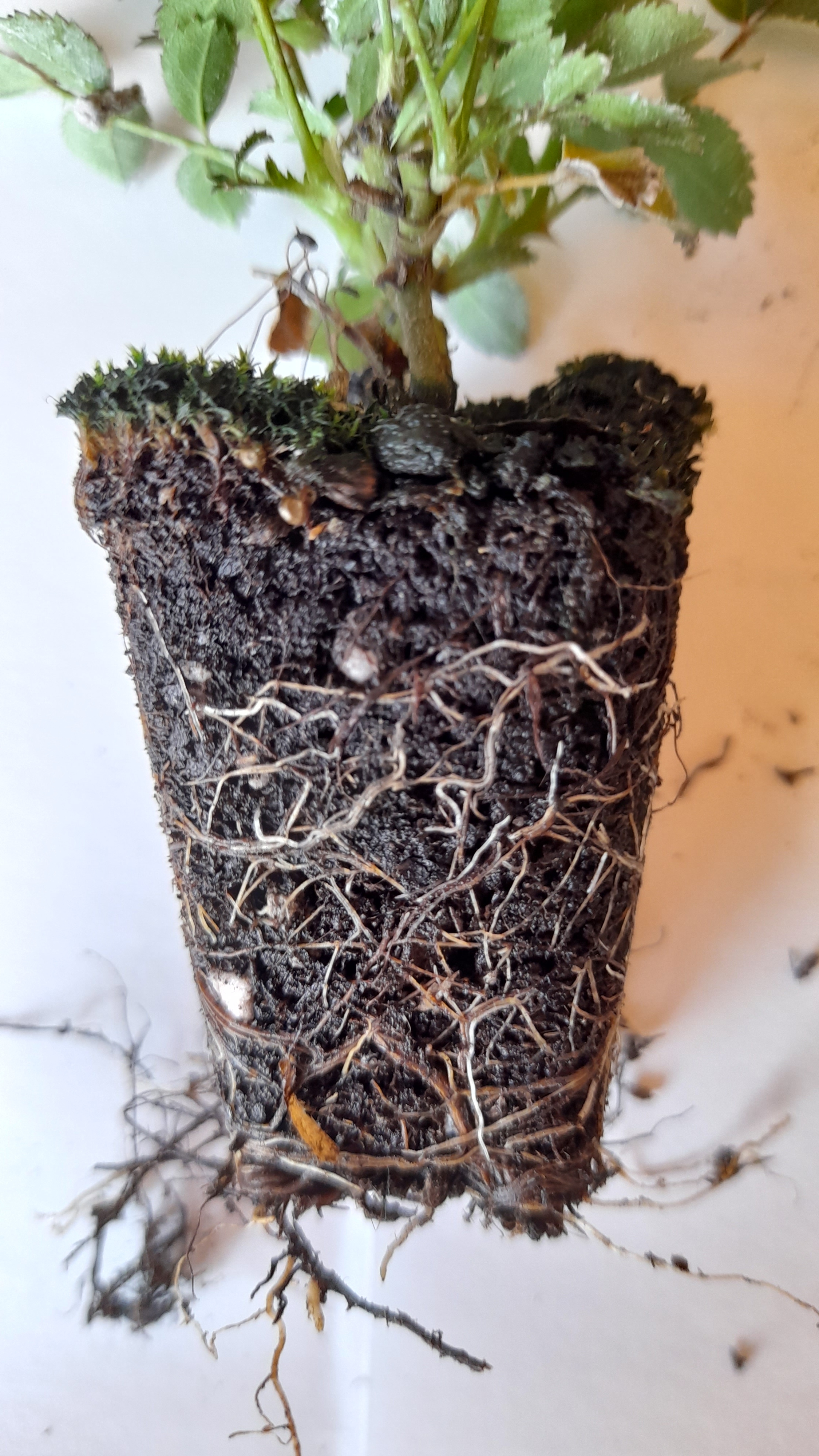
Rooted in trays (rooted), 3–6‑month‑old, own‑rooted rose cutting.

Uniform developmental stage, with a root system that has thoroughly penetrated the plug.
For professional growing‑on.
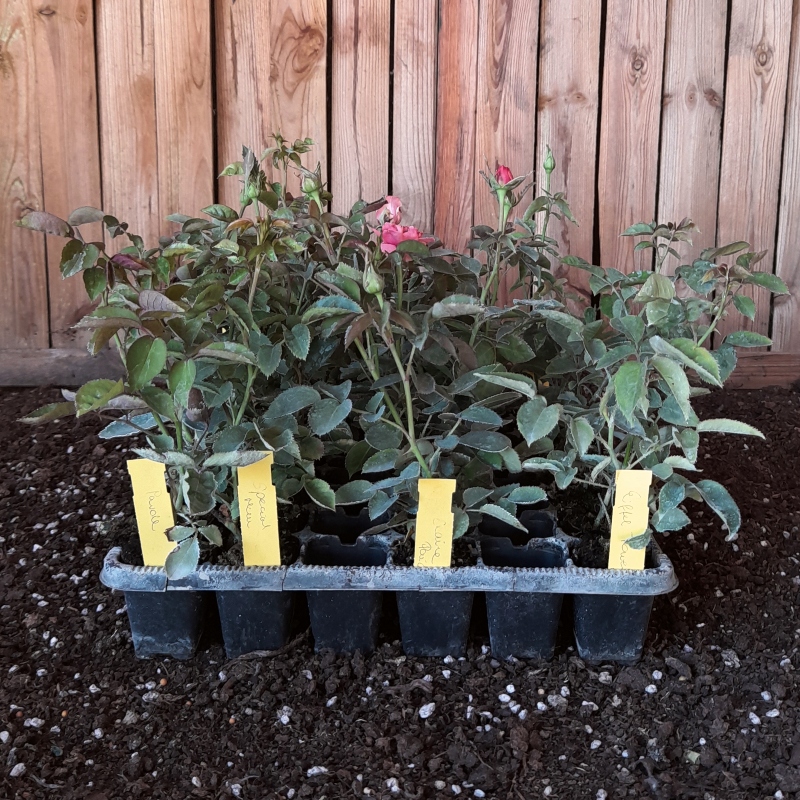
Tray packaging: 10 pcs/tray.
Quality and varietal identity: production supported by a dedicated identification and traceability logic.
Can be transplanted during frost‑free periods, designed for finished product production.

PharmaRosa® NEONATAL provides a controlled, uniform starting stock for planned growing‑on that can be integrated into your own technology – especially where scheduling and varietal identity are paramount.


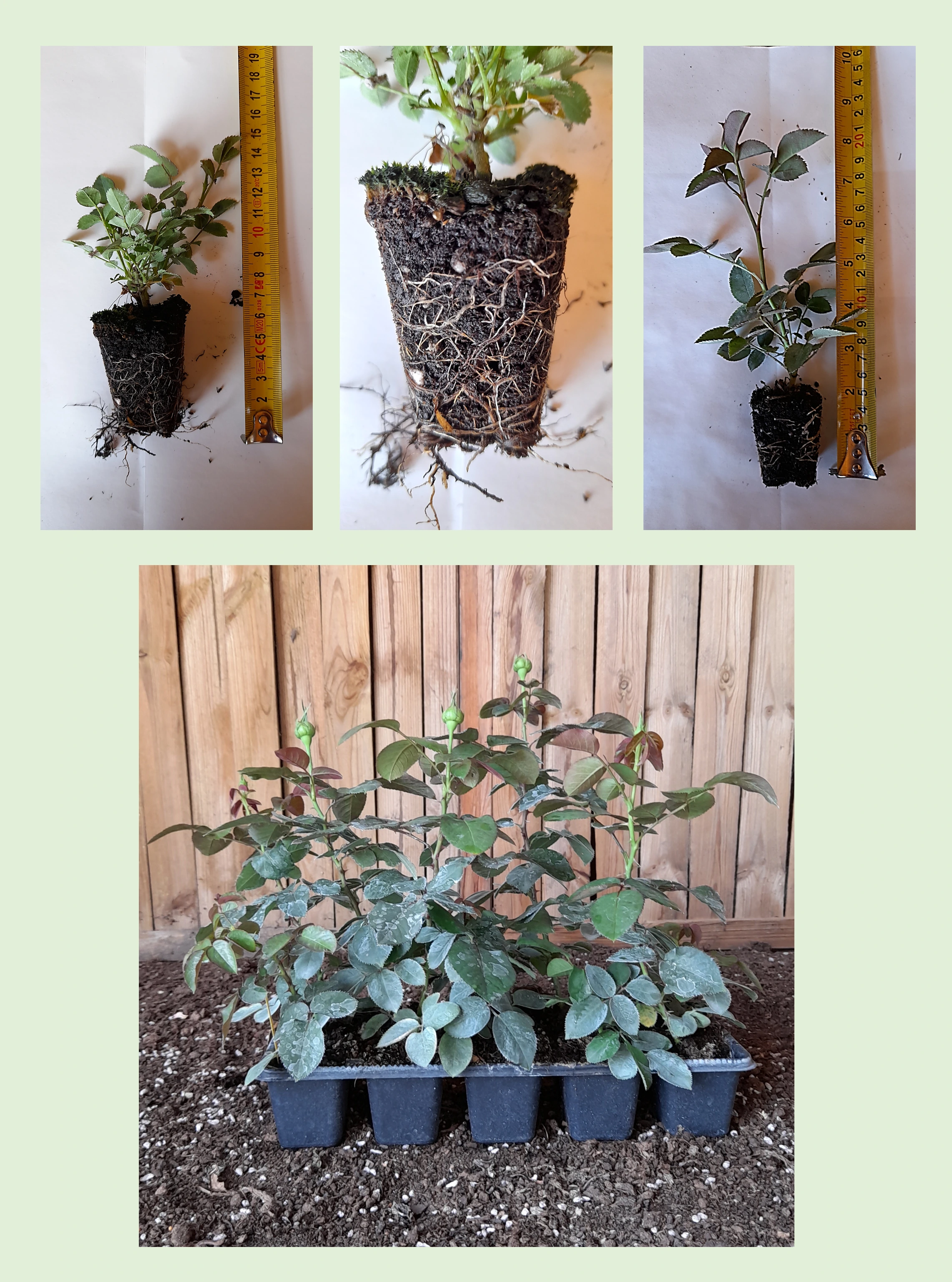
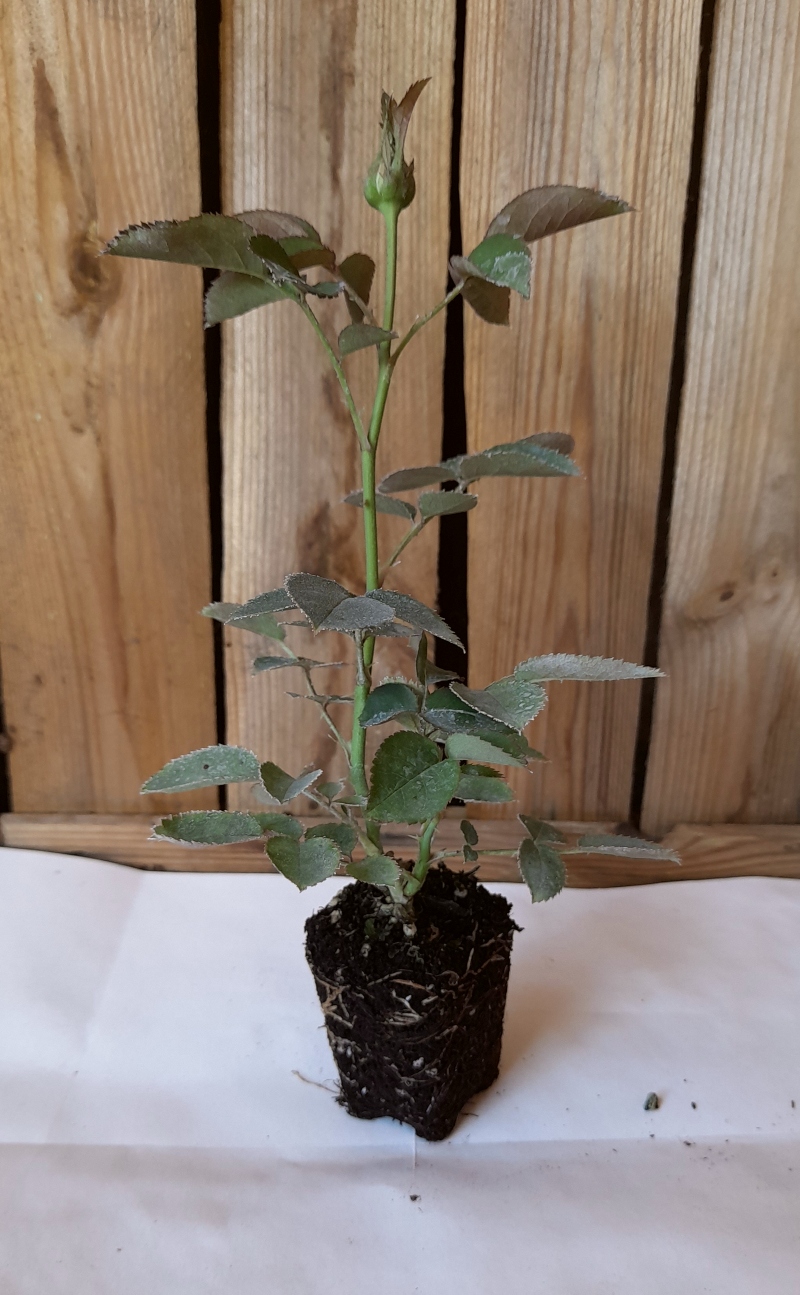
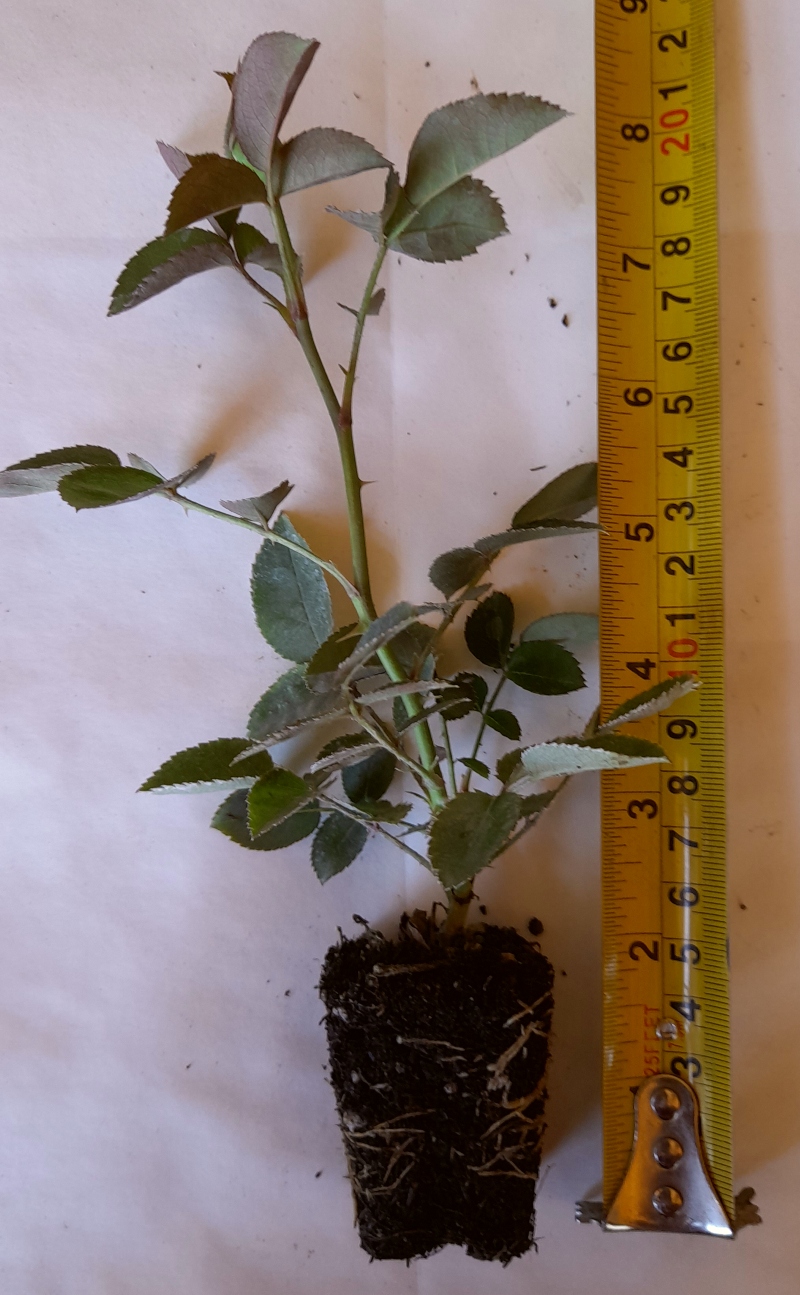
PharmaRosa® NEONATAL own-rooted rose propagation material in a plug, with a root system penetrating the plug (semi-finished product / semi-finished rose). PharmaRosa® NEONATAL rose propagation material size: 3–6‑month‑old, own-rooted cutting with a uniform developmental stage. PharmaRosa® NEONATAL rose propagation material root system: plug densely penetrated by well-developed white roots (root system detail). PharmaRosa® NEONATAL tray stock: own-rooted rose propagation material in trays, uniform developmental stage (10 pcs/tray).

Captions (from left to right): Semi-finished product (NEONATAL own-rooted rose propagation material in a plug with a fully developed root system) • Size demonstration (3–6‑month‑old, uniform cutting) • Root system detail (plug penetrated by the root system) • Tray stock (10 pcs/tray, uniform developmental stage)

pharmarosaneonatal.skpharmarosaneonatal.ropharmarosaneonatal.depharmarosaneonatal.co.ukpharmarosaneonatal.sipharmarosaneonatal.czpharmarosaneonatal.atpharmarosaneonatal.frpharmarosaneonatal.plpharmarosaneonatal.itpharmarosaneonatal.espharmarosaneonatal.nlpharmarosaneonatal.ptpharmarosaneonatal.lupharmarosaneonatal.sepharmarosaneonatal.lvpharmarosaneonatal.fipharmarosaneonatal.ltpharmarosaneonatal.eepharmarosaneonatal.hu

Which product type is right for you?

Pages for private customers
Garden roses for the family garden, with minimal care  → ORIGINAL®
Premium garden roses – instant impact, a truly showpiece garden  → EXTRA®
Pages for professionals and private customers
Roses for public spaces – large areas, sustainable maintenance  → NATURAL®
Roses for projects – hedge and row planting, fast implementation  → RAPID®
For professional partners only
Production – propagation material for garden roses, wholesale  → NEONATAL®

Company details

PharmaRosa Ltd.
Company registration number: 01-09-717479
VAT number: 13075314-2-43
Plant health registration no.: HU130721
Bank account (IBAN):
HU85117631891388688400000000
BIC (SWIFT): OTPVHUHB
Bank name: OTP Bank Nyrt.