Historical Rose

20-422-1
20-422-2

Félicité et Perpétue

Historic rose

- – Antoine Jacques

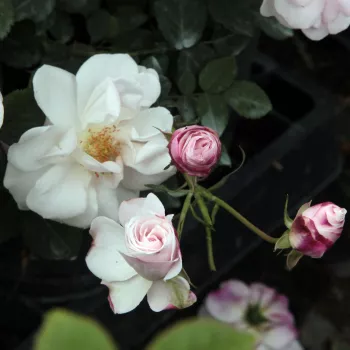
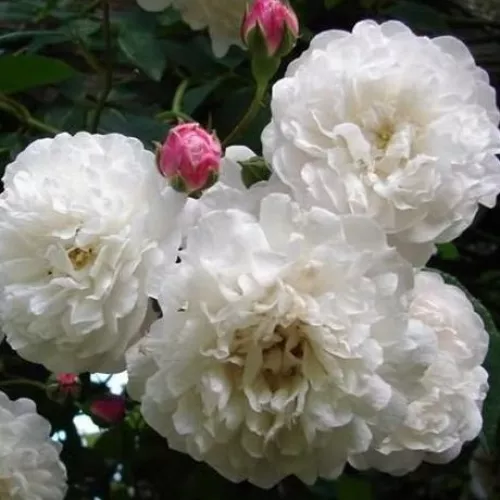
Creamy-white base colour with a faint pinkish sheen, fading to a clean off-white when fully open. - heritage - rambler, climbing - creeping rose - very weak, barely noticeable scented rose - classic rose character

– Historic rambler with RHS AGM award.
– Masses of creamy white pompon clusters.
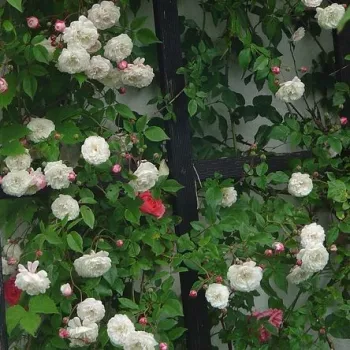
– Vigorous climber for walls, trees, pergolas.
– Very good disease and winter hardiness.
– Sparse thorns and dense, glossy foliage.
– Special feature: Romantic, once-a-year flowering veil of blossom on mature structures.
Exclusive, space-defining – specialty
Félicité et Perpétue
pharmaROSA® NEONATAL rooted rose cutting
29,49 £
Due to courier service regulations – and the introduction of customs clearance – delivery to Ireland is temporarily suspended.
5 (6901)
facebook   twitter

FÉLICITÉ ET PERPÉTUE – white historic rambler rose (climbing/trailing) - Jacques

Historic yet highly suitable for today’s professional production, FÉLICITÉ ET PERPÉTUE offers vigorous, climbing structure with dense, mid‑green, glossy foliage that readily fills walls, pergolas and arbours for vertical feature projects. As tray‑grown pharmaROSA® NEONATAL own‑root material, it provides a stable, renewable base for nursery propagation beds and 5–7 L trained climber programmes, supporting reliable, exclusive, space‑defining finished lines. Its very double, globular flowers form clustered, once‑blooming displays of creamy‑white with faint pink nuances that retain colour well in summer conditions. Good disease resistance, H7 winter hardiness down to −21 °C and proven awards such as the RHS Award of Garden Merit support low‑intervention, long‑term plantings across varied UK schemes, including regions where wind and cold require robust, established frameworks. Own‑root longevity and regeneration mean production stands and client plantings maintain stable ornamental value with low replacement, fitting nursery and wholesale supply chains that plan capacity over many seasons. With training from early stages, the NEONATAL material moves from root establishment in year one, framework extension in year two and full vertical ornamental effect from year three onward, aligning well with phased stock‑build and project scheduling.


Usage options

Target area Reasoning
Trained climber for 5–7 L retail / reseller lines The vigorous climbing habit and 5–7 L target pot size support a clear trained climber route with 3–5 main canes, ideal where retail and reseller partners expect instant vertical impact. Own-root NEONATAL material gives predictable, renewable vigour for building uniform batches that tolerate handling and onward training. Framing it as an exclusive, space-defining specialty aligns with vertical garden feature ranges and supports premium shelf presentation for the Retail / reseller.
Vertical feature for pergolas, arbours and trellis projects The combination of 5–8 m height and dense, glossy foliage delivers strong vertical enclosure and screening on pergolas, arbours and decorative trellises, matching project specifications that call for space-defining heritage climbers. Using staked, pre-trained own-root material allows nurseries to ship plants already structured for quick establishment on site, reducing formative work for landscape teams and underpinning high-value vertical garden feature contracts for the public‑realm suppliers.
Historic and thematic rose collections Its documented 1827 origin and historic rambler classification suit thematic rose gardens and museum-style collections where cultivar authenticity and traceable heritage are important. Own-root propagation stabilises identity over time and simplifies maintenance of collection beds, particularly when plants must be renewed or propagated further. Positioning it as an exclusive, space-defining historic vertical accent strengthens curated ranges aimed at collectors through the nursery / wholesale channel.
Low-intervention park and estate plantings Good disease resistance across powdery mildew, black spot and rust, combined with low stated maintenance requirements, reduces routine intervention in extensive park and estate schemes. Once trained onto structures, the rambling framework and self-cleaning clusters keep visual quality acceptable with limited deadheading. Own-root resilience supports long-term stands, so nurseries can offer it confidently for vertical garden feature use in lower-input municipal and institutional plantings serviced by public‑realm suppliers.
Once-blooming seasonal highlight plantings The single, concentrated flowering period with abundant, small, globular pompon clusters is well suited to schemes planned around a strong early-summer highlight, particularly in show or display gardens. Producers can time NEONATAL intake so that year-one is root build, year-two is structural extension, and from year three the full ornamental effect supports event calendars. Marketed as an exclusive, space-defining seasonal feature, it fits curated selections for thematic rose gardens.
Heritage product lines with recognised awards The RHS Award of Garden Merit and Dowager Queen recognition provide independent validation that supports listing in higher-tier heritage assortments. Combining these awards with its historical background helps differentiate it within crowded climber ranges and reassures professional buyers regarding garden performance. Offered as trained 5–7 L climbers, it can anchor premium, vertical garden feature categories for specialist rose collections.
Own-root stock beds for nursery propagation As a hybrid Sempervirens rambler, this cultivar builds substantial, renewable frameworks that are well suited to establishing own-root stock beds for future cutting material. The NEONATAL format integrates easily into propagation schedules, allowing nurseries to secure their own long-term supply of this historic genetics. Its reliable performance in colder, wind-exposed regions supports robust mother blocks that back exclusive, space-defining climber programmes for integrator systems.
Space-efficient vertical screening in constrained sites The long, climbing stems and 3–5 m spread allow growers and designers to create vertical screens where ground footprint is limited, such as narrow borders along boundaries, walls or infrastructure. Training NEONATAL plants early onto supports or wires produces clean frameworks suitable for 5–7 L or larger project containers, making it easy to specify as a vertical garden feature in public-realm and institutional routes. This supports value-dense assortments for wholesale distribution.

Finished-product ideas

  • 5–7 L trained heritage climber – Own-root NEONATAL plants established and trained to 3–5 canes in 5–7 L containers, positioned as an exclusive, award-backed vertical garden feature for premium retail and reseller displays – target audience/channel: retail / reseller
  • Pergola and arbour project line – Vigorous, low-maintenance ramblers pre-trained on stakes for rapid establishment on pergolas and arbours, supplied in uniform batches from nursery propagation beds – target audience/channel: public-realm suppliers
  • Historic collection series – Curated heritage rambler assortment built around authentic, own-root material, ideal for thematic rose gardens and show collections needing traceable, long-lived cultivars – target audience/channel: nursery / wholesale
  • Park and estate climber selection – Disease-resistant, low-intervention climbers in 5–7 L pots, grown from NEONATAL stock for robust, long-term park and estate structures where vertical garden features must remain reliable – target audience/channel: municipal and institutional buyers
  • Awarded heritage vertical highlight – RHS AGM-recognised climber produced as a ready-to-train unit suitable for larger, 40–50 L on-site planters, delivering a once-blooming seasonal highlight in high-profile spaces – target audience/channel: landscape contractors

Technical cultivar profile
Parameter Data
Name and registration Current trade name FÉLICITÉ ET PERPÉTUE – Historic rose – Jacques; American Rose Society exhibition name Félicité-Perpétue; unregistered cultivar within the historic rambler group, ARS colour code W.
Origin and breeding Hybrid Sempervirens rambler bred by Antoine Jacques in the Château de Neuilly gardens, France; parentage Rosa sempervirens L. × a Noisette rose; introduction recorded as 1827.
Awards and recognition Royal Horticultural Society Award of Garden Merit granted in 1993, confirming reliable garden performance; American Rose Society Dowager Queen award in 2001, recognising merit in historic exhibition classes.
Growth and structural characteristics Strong climbing habit with 5–8 m height and 3–5 m spread; dense, mid-green, glossy foliage on sparsely thorned shoots; moderate self-cleaning, with some benefit from post-flowering cluster tidy-up.
Flower morphology Very double, small S-sized flowers approximately 0.5–1.5 inches, globular to pompon form, held in clusters along the canes; once-blooming habit providing a concentrated seasonal display rather than repeat flowering.
Colour data and phenology Creamy-white blooms opening from pale pink-cream buds, with subtle pink edging on newly opened petals, maturing to clean off-white; RHS 155D outer and 155C inner surfaces; colour generally stable without significant fading.
Fragrance and aroma Classic rose fragrance character but very weak overall, with only a barely noticeable scent in most conditions; primarily selected and deployed for visual and structural impact rather than olfactory performance.
Hip characteristics Occasional spherical hips, around 8–12 mm diameter, orange-red when mature; may add a minor ornamental accent later in the season but are not typically a primary selection or marketing criterion.
Resistance and winter hardiness Rated resistant to powdery mildew, black spot and rust; tolerates heat and moderate drought, including poorer soils; hardy to approximately −21 to −18 °C, corresponding to RHS H7 and USDA Zone 6b, Swedish Zone 3.
Horticultural recommendations Recommended for walls, pergolas, arbours, tree training and park use where maintenance can be limited; best offered as a staked, trained climber from 5–7 L containers, with low-intervention care once frameworks are established.

FÉLICITÉ ET PERPÉTUE combines vigorous, award-backed vertical structure, low-intervention resilience and long-lived, predictable own-root performance, making it a dependable choice for trained climber programmes where we can jointly plan volumes and scheduling.

Detailed product attributes

Product Identification Data

Product Name: FÉLICITÉ ET PERPÉTUE – white historic rambler rose (climbing/trailing) - Jacques
Product Type: pharmaROSA® NEONATAL - rooted rose cutting
Cultivar Authenticity: Verified:10.11.2025
Cultivar Quality Rating: premium silver
Item Number: [529] 20-422 (14.02.2026) pharmarosaneonatal.co.uk

Name and Registration

Meaning of Cultivar Name: The name honours two third-century Carthaginian martyr saints, Félicité and Perpétue, after whom the breeder named two daughters.
Cultivar Synonym: Lily Ito; Mademoiselle Euphrasie; Seven Sisters
Original Trade Name: Félicité-Perpétue
Current Trade Name: Félicité et Perpétue Historic rose Jacques
Rose Group: Rambler, Historical roses, Hybrid Sempervirens
Commercial Type: heritage - rambler, climbing - creeping rose
Commercial Group: Historical rose
Exhibition Category: Dowager (old, bred rambler); suitable for decorative trellis, walls and pergolas
Collection: Historic rose

Origin and Breeding

Registration Year: unregistered cultivar
Breeder: Antoine Jacques
Breeding Company / Institution: Château de Neuilly gardens (estate of Louis-Philippe, Duke of Orléans; France)
Breeding Year: France, 1828
Parentage: Rosa sempervirens L. × a Noisette rose

Awards and Honours

Horticultural Ratings and Recommendations: RHS Award of Garden Merit (1993)
Competition and Show Awards: Royal Horticultural Society – Award of Garden Merit (1993); American Rose Society – Dowager Queen (2001, Greater Atlanta Rose Society Show)

Growth and Structural Characteristics

Height: 16.4-26.2ft (500-800 cm)
Spread: 9.8-16.4ft (300-500 cm)
Growth Habit: climbing
Foliage: The variety has dense foliage, with leaves that have a glossy surface and a mid-green tone.
Prickliness: sparsely thorned
Self-Cleaning Description: Some spent blooms remain on the clusters; subsequent cleaning improves the appearance.
Self-Cleaning Intensity: Self-cleaning: moderate.

Flower Morphology

Flower Fullness: very double-flowered
Flower Shape: globular, pompon
Flower Size: S (0,5-1,5 in)
Inflorescence Type: clustered
Colour Code: ARS code: W RHS code: 155D (outer), 155C (inner)
Repeat Flowering: Not remontant; blooms once.

Colour Data and Phenology

Colour: white
Flower Colour Description: Creamy-white base colour with a faint pinkish sheen, fading to a clean off-white when fully open.
Closed Bud: Pale pink‑cream exterior, inner surface off‑white.
Newly Opened Flower: Cream-white outer petals with a subtle pink edge and a white centre.
Full Bloom: Uniform off-white colour.
Before Fading: Pale whitish-cream tone with reduced colour saturation.
Colour Fading Description: Opens from pink buds to creamy white; significant fading is not typically observed in strong sunlight.

Fragrance and Aroma

Fragrance Strength: very weak, barely noticeable scented rose
Fragrance Character: classic rose character
Pollinator Attraction: Fully double, small flowers restrict access to the stamens, making it of low attractiveness to pollinators.
Pollinator-Friendly Rating: Very double flowers that hide the stamens, primarily an ornamental variety

Hip Characteristics

Hip Shape: spherical
Hip Colour: orange-red
Hip Comment: Occasionally formed, 8–12 mm in diameter, spherical, orange-red rose hip; may be of ornamental value.

Resistance and Hardiness

Hardiness (°C): -21–-18 °C
Heat and Drought Tolerance Description: Performs well in heat and tolerates moderate drought, remaining reliable even in poorer soils.
Disease Resistance: resistant
  • powdery mildew – resistant
  • black spot – resistant
  • rust – resistant

Horticultural Recommendations

Recommended product path: Trained climber finished product
Release form: Staked, trained (3–5 main canes)
Recommended use: Maintenance requirement low; good disease resistance, generally requires little intervention.
Primary Uses: wall, pergola, arbour, tree training, specimen, park

Comments

Positioning: Exclusive, space-defining – specialty
Target customer/channel: Retail / reseller
Main value proposition: Vertical garden feature, distinctive habit
FÉLICITÉ ET PERPÉTUE – white historic rambler rose (climbing/trailing) - Jacques
Creamy-white base colour with a faint pinkish sheen, fading to a clean off-white when fully open. - heritage - rambler, climbing - creeping rose - very weak, barely noticeable scented rose - classic rose character
Online rose purchase - white - very weak, barely noticeable scented rose - Félicité et Perpétue - heritage - rambler, climbing - creeping rose - (16.4-26.2ft (500-800 cm))
Inflorescence: clustered Height: 16.4-26.2ft (500-800 cm) Flower shape: globular, pompon Winter hardiness: 4b white - - heritage - rambler, climbing - creeping rose - Flower size: S (0,5-1,5 in) Flower size: S (0,5-1,5 in) - Height: 16.4-26.2ft (500-800 cm) Height: 16.4-26.2ft (500-800 cm) - Flower fullness: very double-flowered Félicité et Perpétue - Roses in the garden | pharmaROSA® Neonatal - premium silver Antoine Jacques

We showcase the external appearance of the roses available for online purchase from our webshop.


Which product type is right for you?


PharmaRosa® NEONATAL is the cost‑effective starting point for rose product production.

As a uniform, own‑rooted propagation material, it provides a stable basis for further growing-on and can be integrated flexibly into different finished product production technologies.
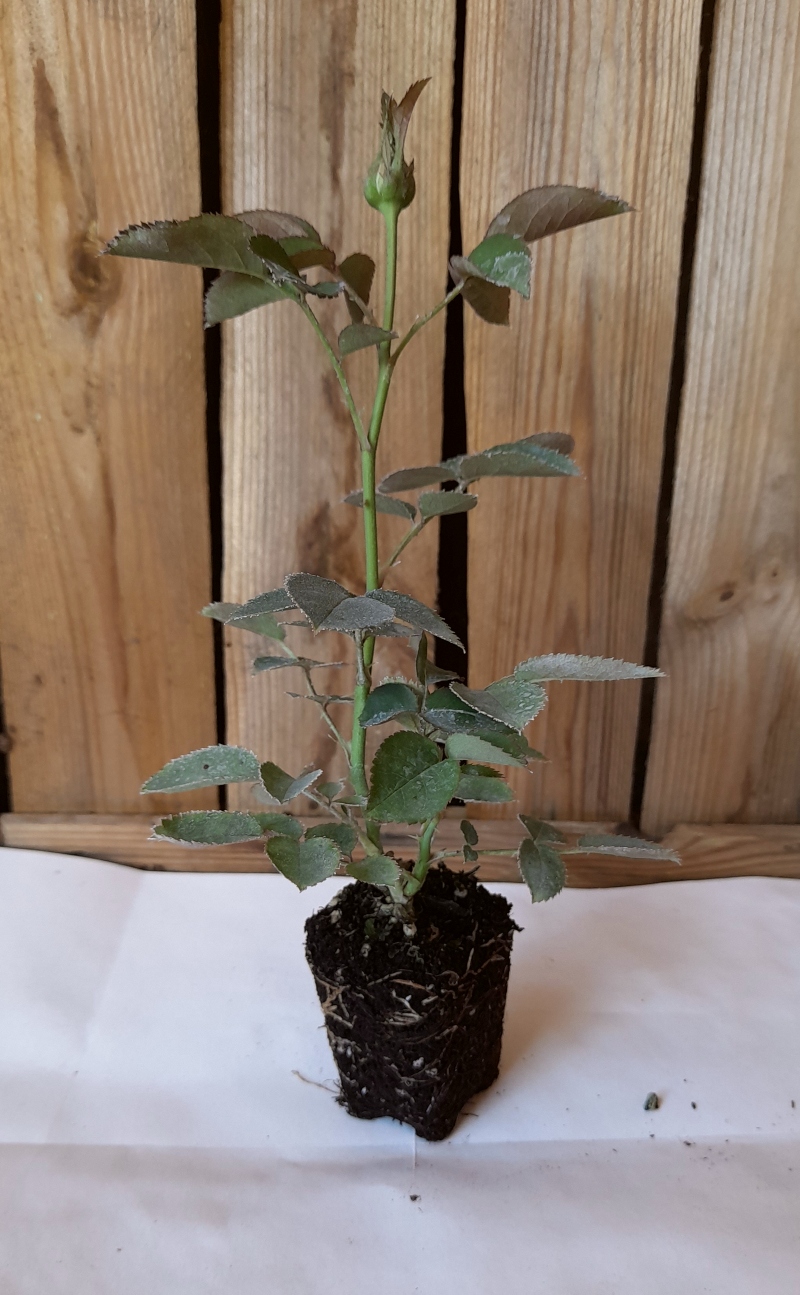
Rooted in trays (rooted), 3–6‑month‑old, own‑rooted rose cutting.

Uniform developmental stage, with a root system that has thoroughly penetrated the plug.
For professional growing‑on.
Tray packaging: 10 pcs/tray.
Quality and varietal identity: production supported by a dedicated identification and traceability logic.
Can be transplanted during frost‑free periods, designed for finished product production.

PharmaRosa® NEONATAL provides a controlled, uniform starting stock for planned growing‑on that can be integrated into your own technology – especially where scheduling and varietal identity are paramount.


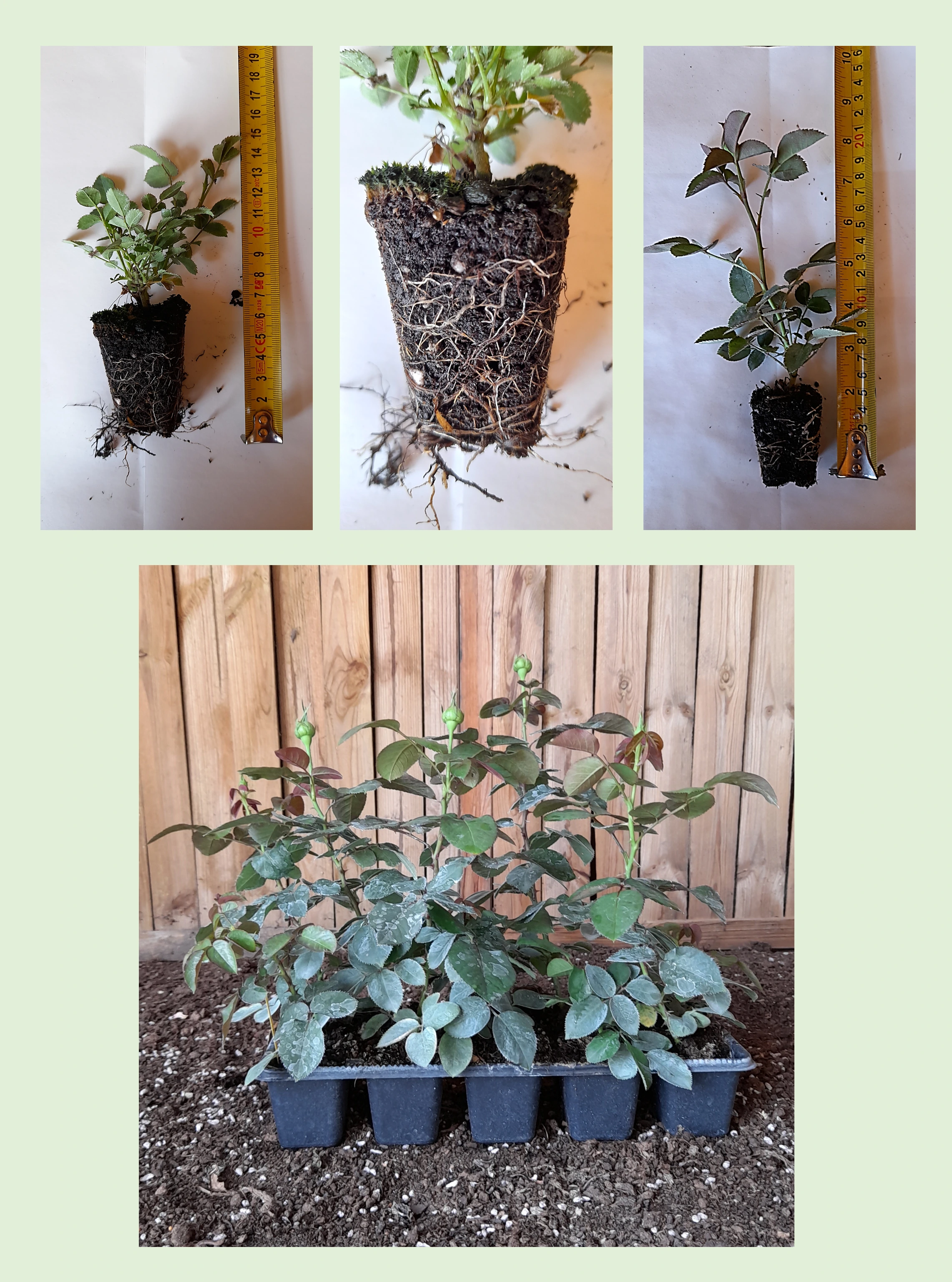
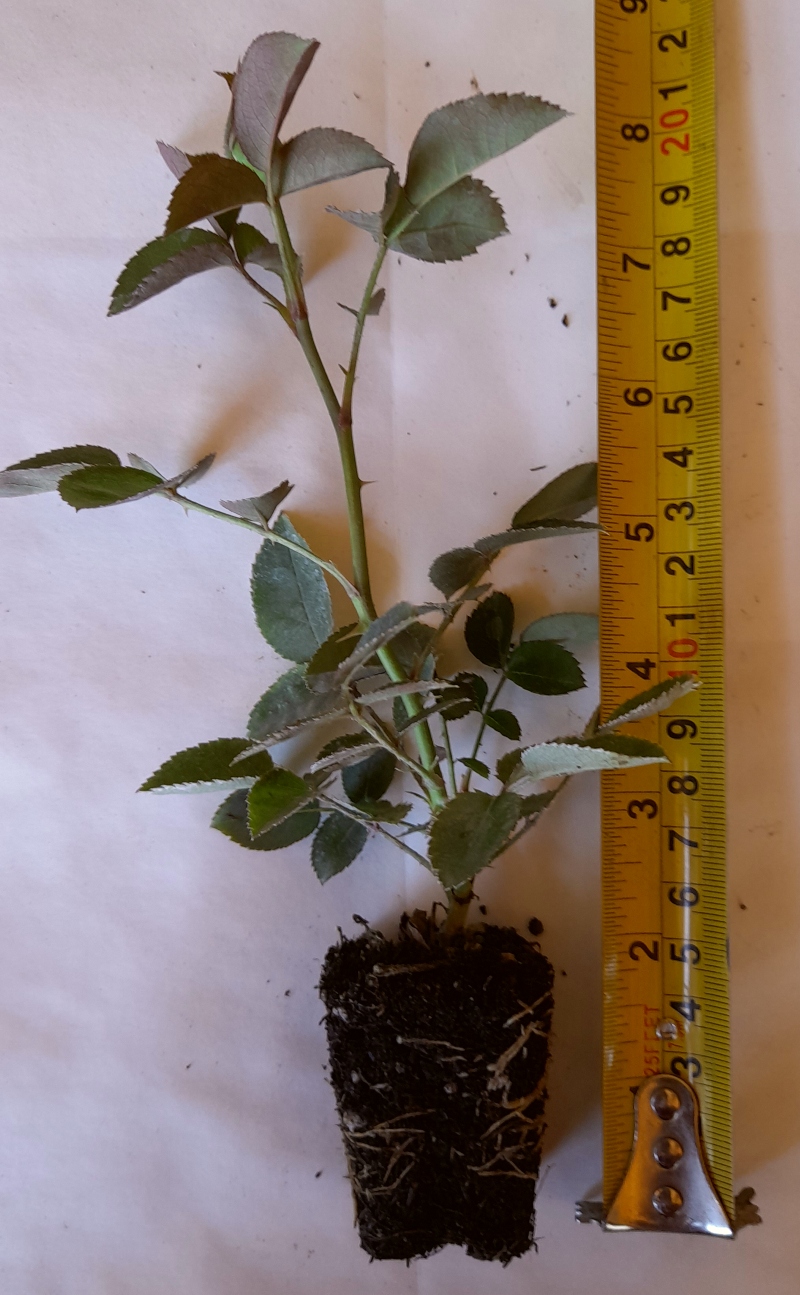
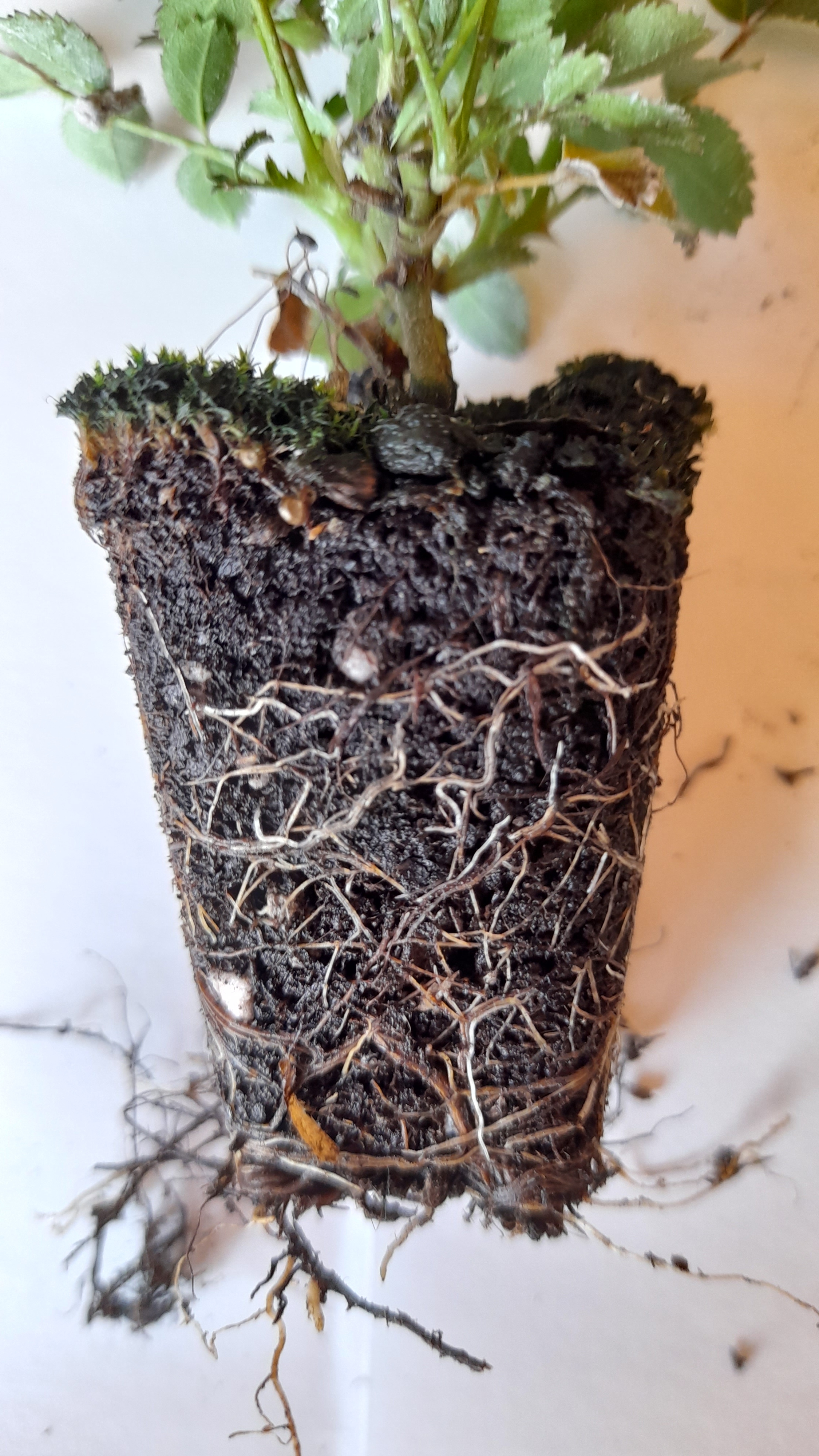
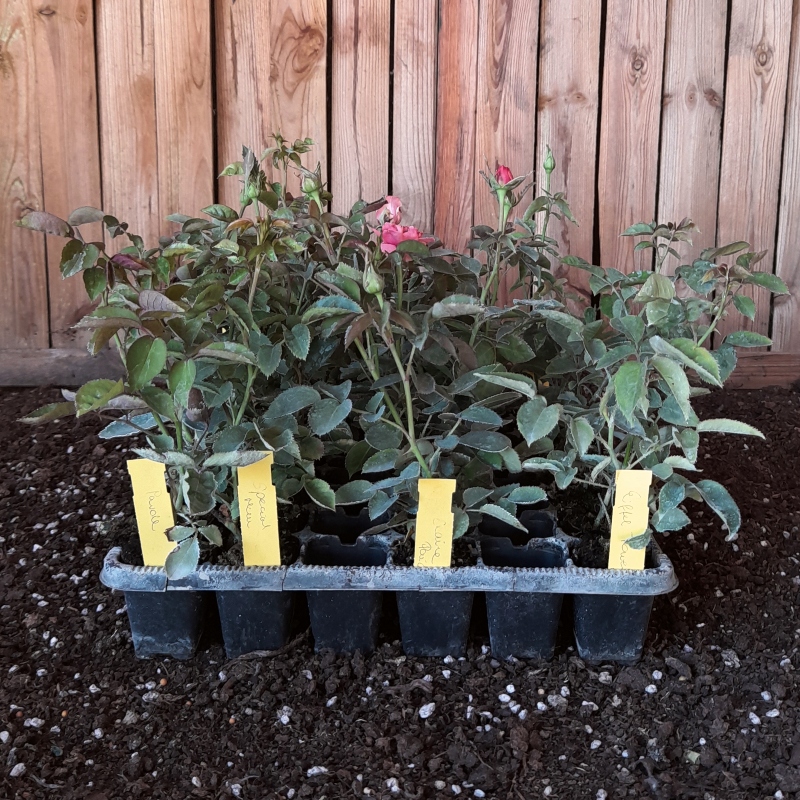
PharmaRosa® NEONATAL own-rooted rose propagation material in a plug, with a root system penetrating the plug (semi-finished product / semi-finished rose). PharmaRosa® NEONATAL rose propagation material size: 3–6‑month‑old, own-rooted cutting with a uniform developmental stage. PharmaRosa® NEONATAL rose propagation material root system: plug densely penetrated by well-developed white roots (root system detail). PharmaRosa® NEONATAL tray stock: own-rooted rose propagation material in trays, uniform developmental stage (10 pcs/tray).

Captions (from left to right): Semi-finished product (NEONATAL own-rooted rose propagation material in a plug with a fully developed root system) • Size demonstration (3–6‑month‑old, uniform cutting) • Root system detail (plug penetrated by the root system) • Tray stock (10 pcs/tray, uniform developmental stage)

pharmarosaneonatal.hupharmarosaneonatal.skpharmarosaneonatal.ropharmarosaneonatal.co.ukpharmarosaneonatal.depharmarosaneonatal.sipharmarosaneonatal.czpharmarosaneonatal.atpharmarosaneonatal.frpharmarosaneonatal.plpharmarosaneonatal.itpharmarosaneonatal.espharmarosaneonatal.nlpharmarosaneonatal.ptpharmarosaneonatal.lupharmarosaneonatal.sepharmarosaneonatal.lvpharmarosaneonatal.fipharmarosaneonatal.ltpharmarosaneonatal.ee

Which product type is right for you?

Pages for private customers
Garden roses for the family garden, with minimal care  → ORIGINAL®
Premium garden roses – instant impact, a truly showpiece garden  → EXTRA®
Pages for professionals and private customers
Roses for public spaces – large areas, sustainable maintenance  → NATURAL®
Roses for projects – hedge and row planting, fast implementation  → RAPID®
For professional partners only
Production – propagation material for garden roses, wholesale  → NEONATAL®

Company details

PharmaRosa Ltd.
Company registration number: 01-09-717479
VAT number: 13075314-2-43
Plant health registration no.: HU130721
Bank account (IBAN):
HU85117631891388688400000000
BIC (SWIFT): OTPVHUHB
Bank name: OTP Bank Nyrt.