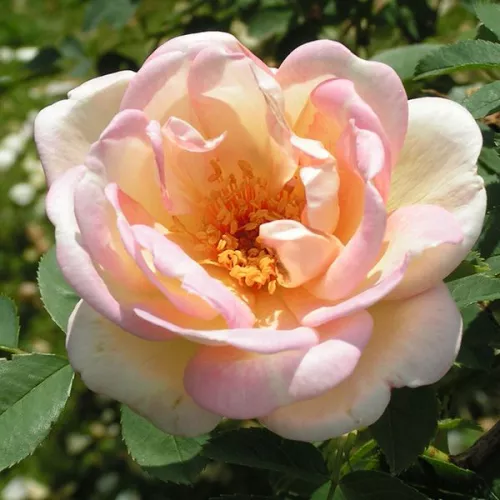
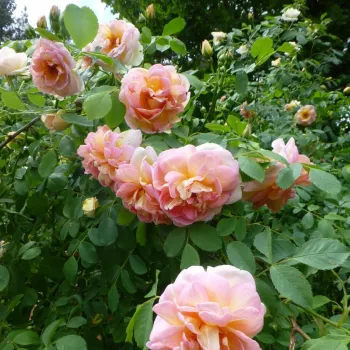
FRÜHLINGSDUFT – cream-yellow wild rose – Kordes
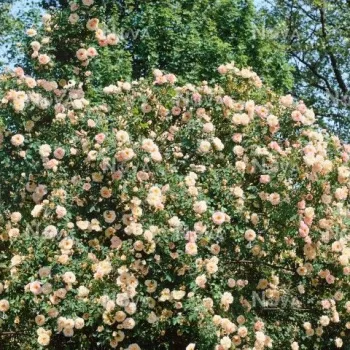
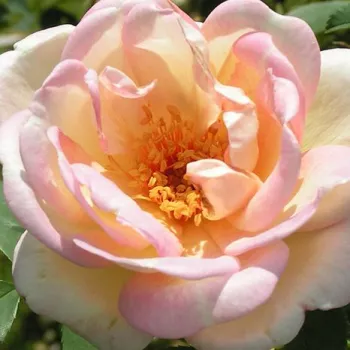
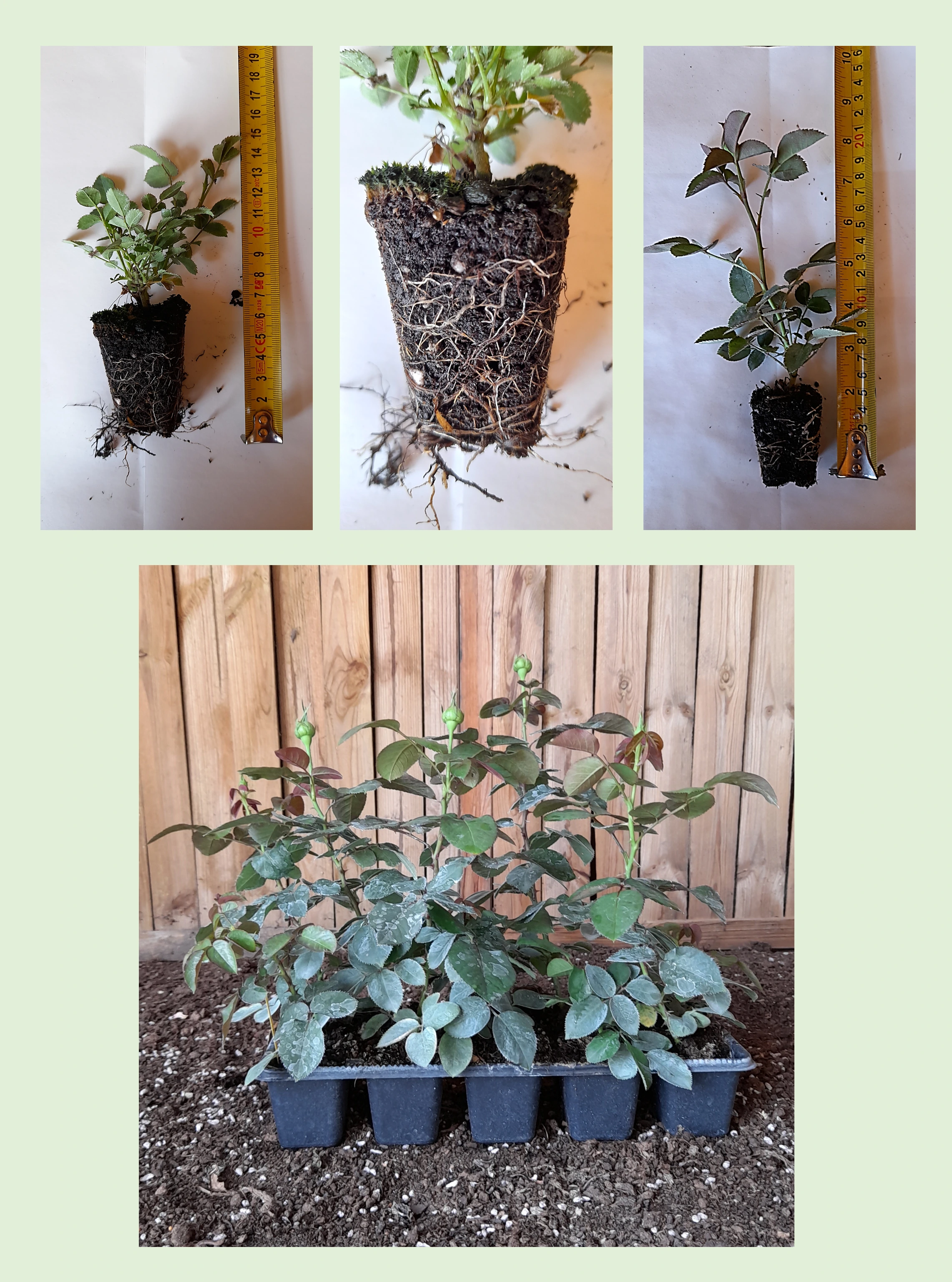
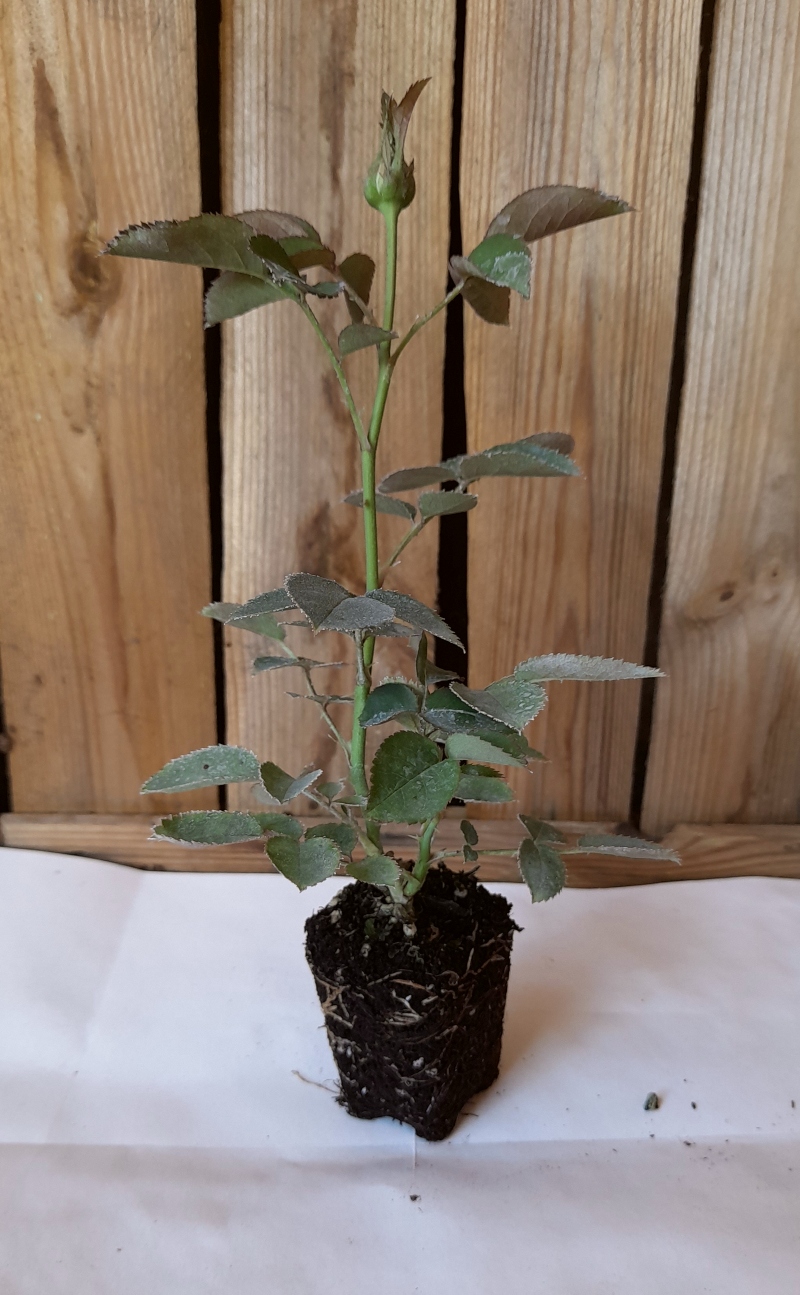
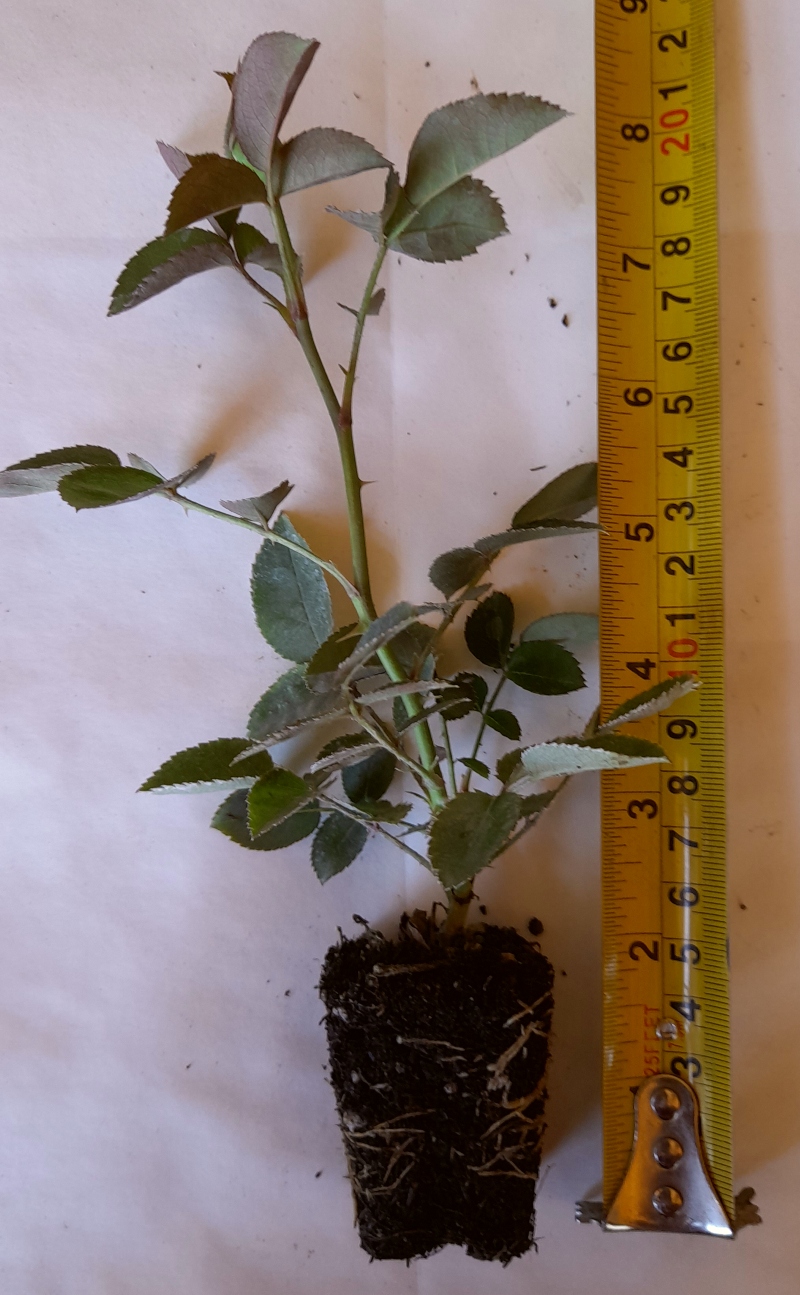
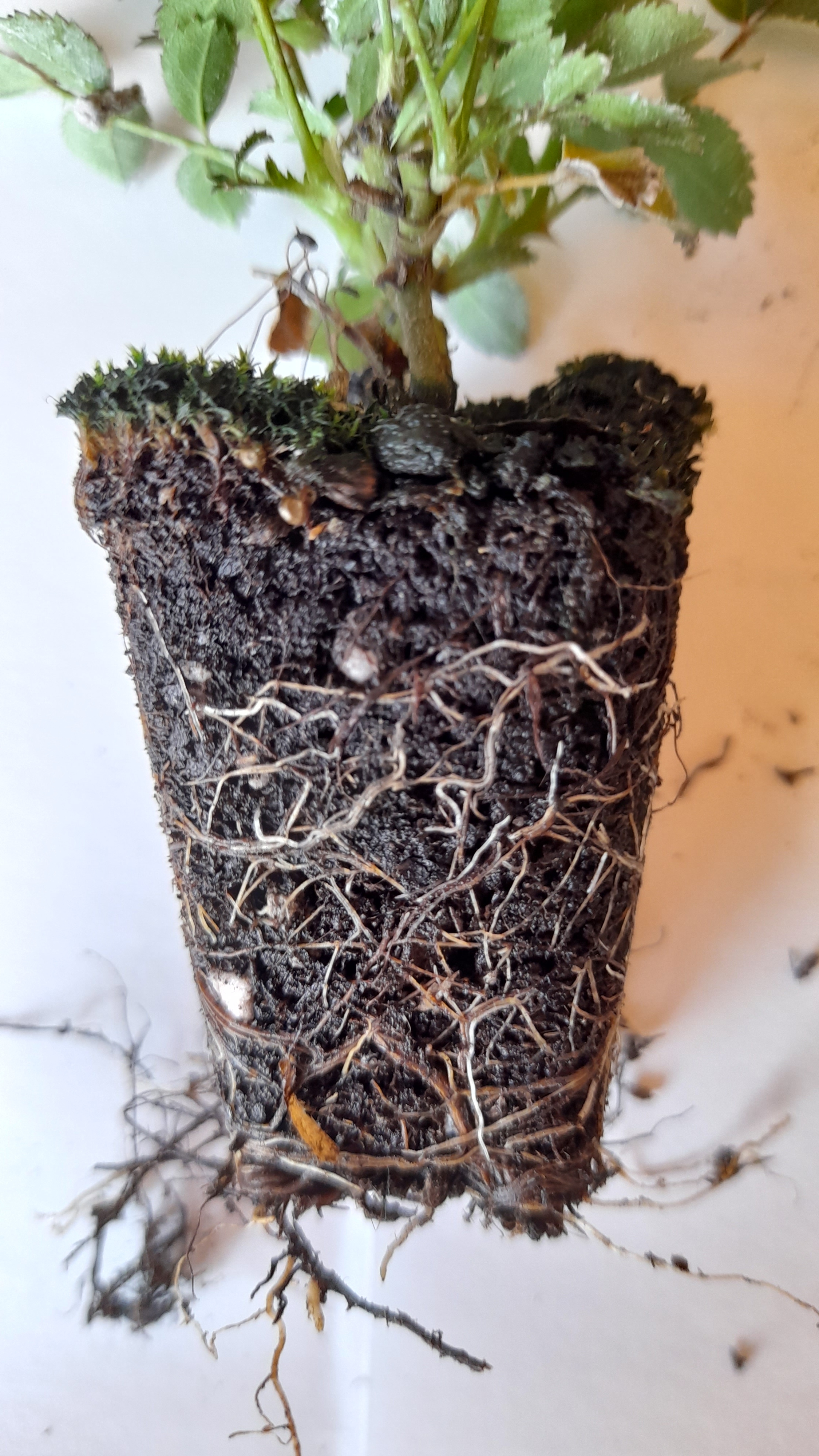
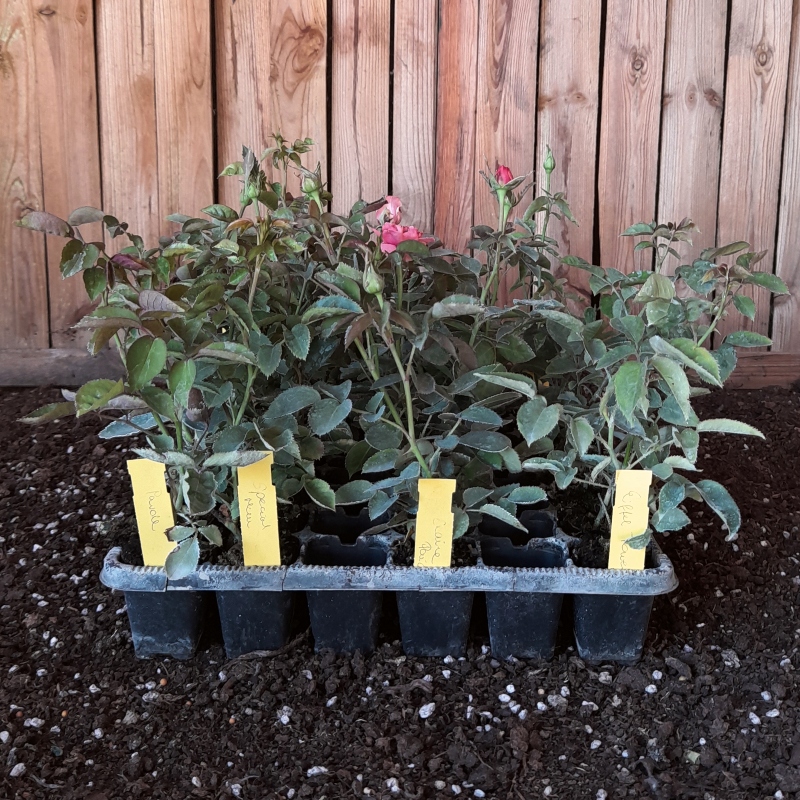
The Frühlingsduft botanical rose in pharmaROSA® NEONATAL form offers a vigorous own-root propagation base for professional growers who target eco-landscape and collector markets with reliable shrub roses. Its tall, bushy, arching habit, dense foliage and 176–275 cm structure support specimen, hedge, pergola and wall-trained concepts that perform in public and private projects where visual impact and longevity are key. The once-flowering, large, cluster-flowered, double blooms deliver a landscape statement through strong, room-filling fragrance and a refined cream-yellow to cream-white colour play with pink-edged petals, providing a distinctive thematic-garden accent. Own-root production of this wild hybrid Spinosissima shrub gives long-term structural stability, regenerative capacity under pruning and reduced replacement risk in nursery beds and park-scale plantings. pharmaROSA® NEONATAL 3–6‑month tray-rooted cuttings support efficient container and field workflow integration, with a consistent starting stage for 2–3 L standard/botanical containers and subsequent build-up into 40–50 litre and larger landscape units. Development follows a natural arc from root establishment in year one through strong shoot framework in year two to full ornamental and fragrance display from year three onwards. With good frost tolerance suited to exposed UK sites, it serves projects where winter and wind resilience is required in Scottish and northern English schemes, providing a stable eco and collection component for thematic rose gardens. This medium-maintenance, moderately disease-tolerant shrub aligns well with professional wholesale planning, supporting scalable, predictable stock for landscape contractors, maintenance operators and specialist rose collections.
Usage options
Finished-product ideas
- Eco-hedge 40–50 L module – Own‑root Frühlingsduft shrubs grown from NEONATAL cuttings through 2–3 L into 40–50 litre containers as ready‑to‑plant hedge units, leveraging vigorous, bushy habit and hardiness – landscape contractor and municipal supply.
- Pergola accent container – Vigorous, arching plants trained in 40–50 litre standard/botanical containers from NEONATAL starts, highlighting structure and fragrance for pergolas and walls – public‑garden projects and premium landscapers.
- Fragrance specimen 15–20 L – Strongly scented, once‑flowering shrubs in 15–20 litre pots produced via 2–3 L liners, positioned as key notes in fragrance and eco gardens – specialist nurseries and destination retail partners.
- Collector botanical line 2–3 L – Uniform 2–3 L own‑root containers emphasising botanical rose identity, colour transition and Kordes origin, ideal for curated rose collections – arboreta, botanic gardens and collector mail‑order.
- Landscape liner pack – Cost‑efficient 2–3 L liners from NEONATAL trays targeted at large‑area eco‑landscape schemes, exploiting shrub vigour, dense foliage and climate tolerance – framework suppliers to public‑realm contracts.
Technical cultivar profile
| Parameter |
Data |
| Name and registration |
Botanical wild rose marketed as FRÜHLINGSDUFT – cream-yellow wild rose – Kordes; American Rose Society exhibition name Fruhlingsduft; unregistered cultivar name, verified authenticity for professional use. |
| Origin and breeding |
Bred by Wilhelm J. H. Kordes II in Germany, 1949, from cross ‘Joanna Hill’ × Rosa pimpinellifolia L; introduced by W. Kordes’ Söhne, forming part of the historic Kordes botanical shrub portfolio for landscape use. |
| Growth and structural characteristics |
Strong, bushy, arching shrub 176–275 cm high with 128–200 cm spread; densely thorned shoots, dense mid‑green matte foliage; moderate self‑cleaning of spent blooms, sometimes requiring supplementary deadheading in production or display. |
| Flower morphology |
Once‑flowering shrub with large, flat, double blooms (26–39 petals) carried in clusters; non‑remontant flower habit provides a single main seasonal display suitable for landscape and collection settings rather than continuous bedding. |
| Colour data and phenology |
Cream‑yellow to cream‑white flowers with pale pink edges and buttery‑yellow centre; colour lightens markedly during opening, retaining a delicate pink halo; ARS PB, RHS 155D and 11C references support consistent colour communication. |
| Fragrance and aroma |
Very strong, room‑filling fragrance with classic rosy character; double, reasonably open flower form offers only moderate pollinator access, but scent performance is a key differentiator for fragrance gardens and sensory planting schemes. |
| Hip characteristics |
Hip formation is not typical; when present, produces small spherical green hips 9–15 mm diameter that usually do not ripen fully, so hips contribute minimally to autumn effect or wildlife food value in most plantings. |
| Resistance and winter hardiness |
Hardy to approximately –29 to –26 °C (RHS H7, Swedish zone 4, USDA 5a); moderate overall disease resistance with moderate susceptibility to powdery mildew and black spot and good rust resistance; good heat tolerance with irrigation in drought. |
| Horticultural recommendations |
Suitable as specimen, park, pergola, wall‑trained or hedge shrub; medium maintenance and occasional plant protection required; best produced as vigorous, bush‑trained finished product from own‑root NEONATAL cuttings in 2–3 L containers. |
FRÜHLINGSDUFT offers vigorous shrub structure, strong fragrance and reliable winter hardiness on a stable own-root base, supporting predictable, long-lived stands for eco and landscape projects; please contact us to align capacity, lead times and specification needs.