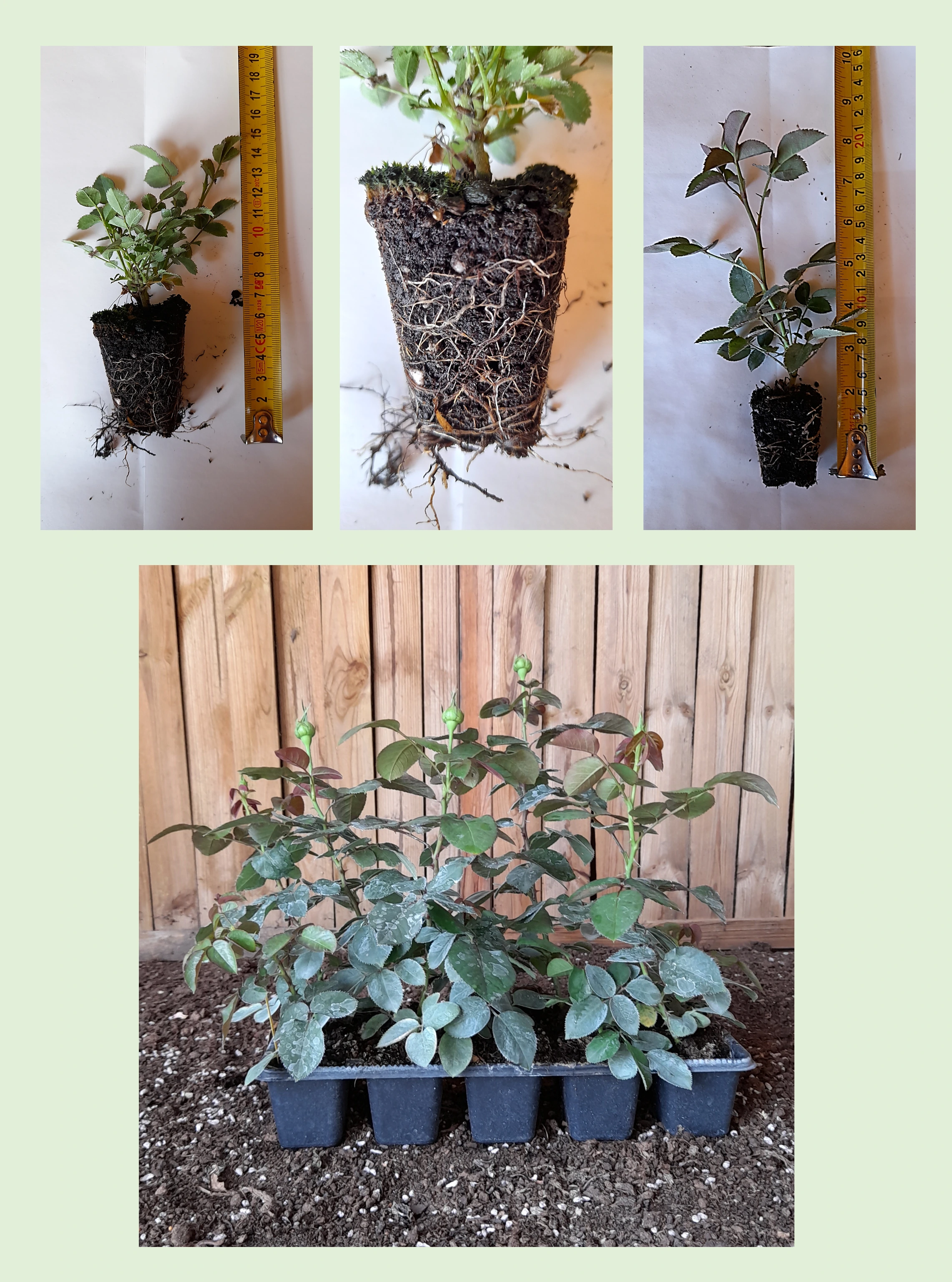
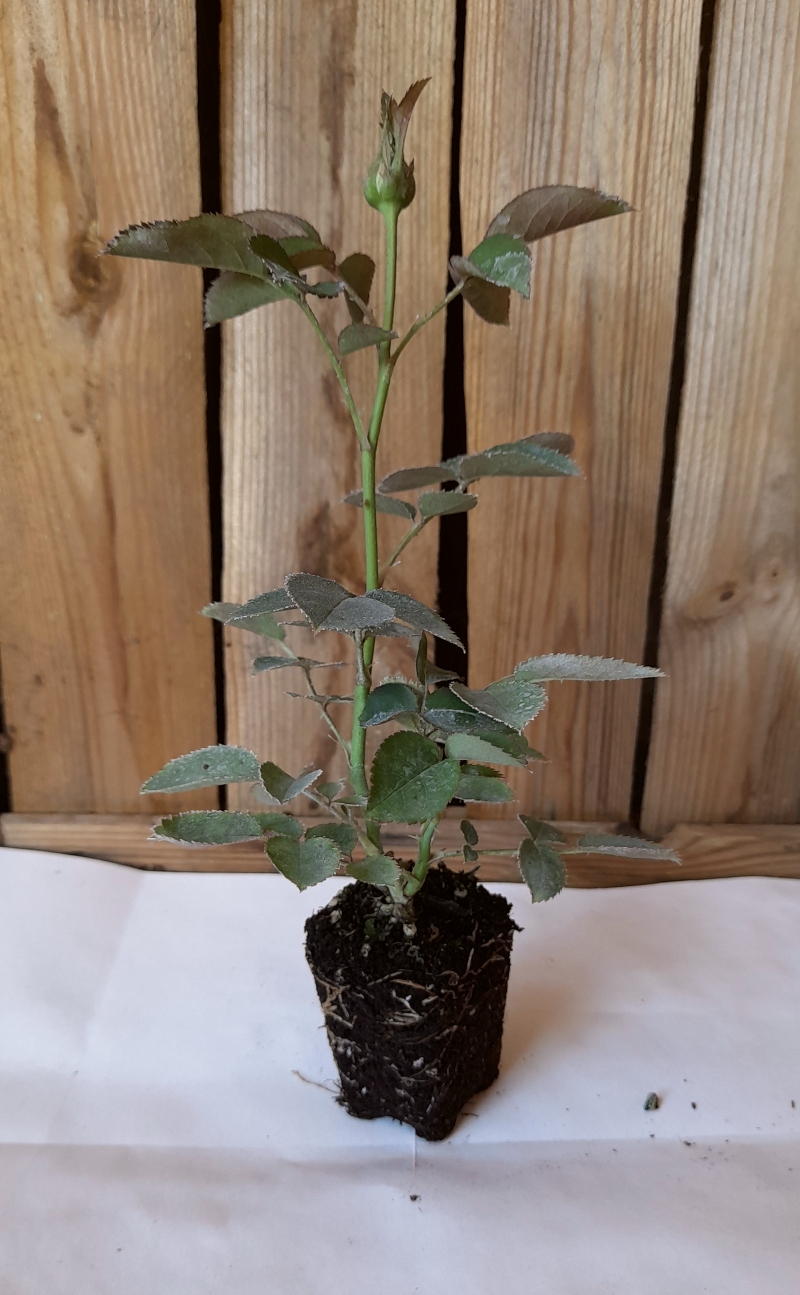
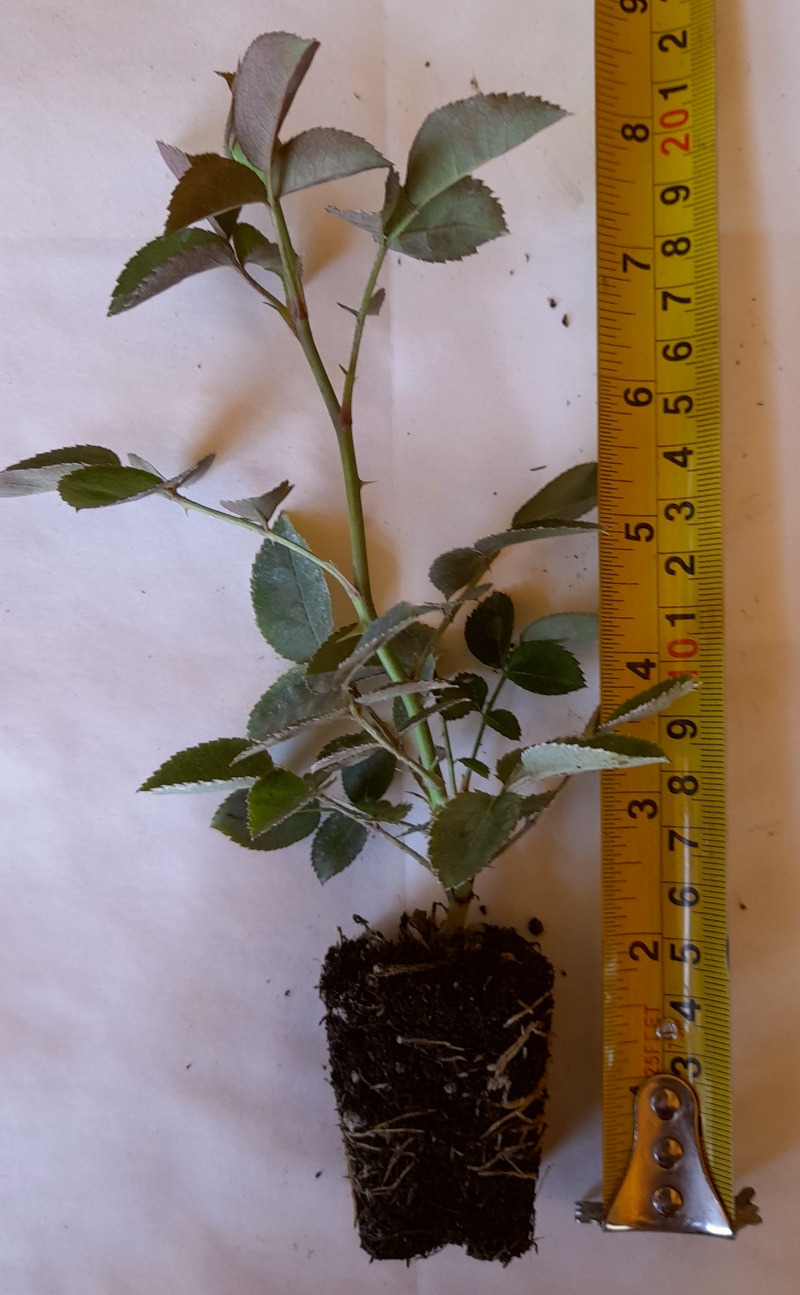
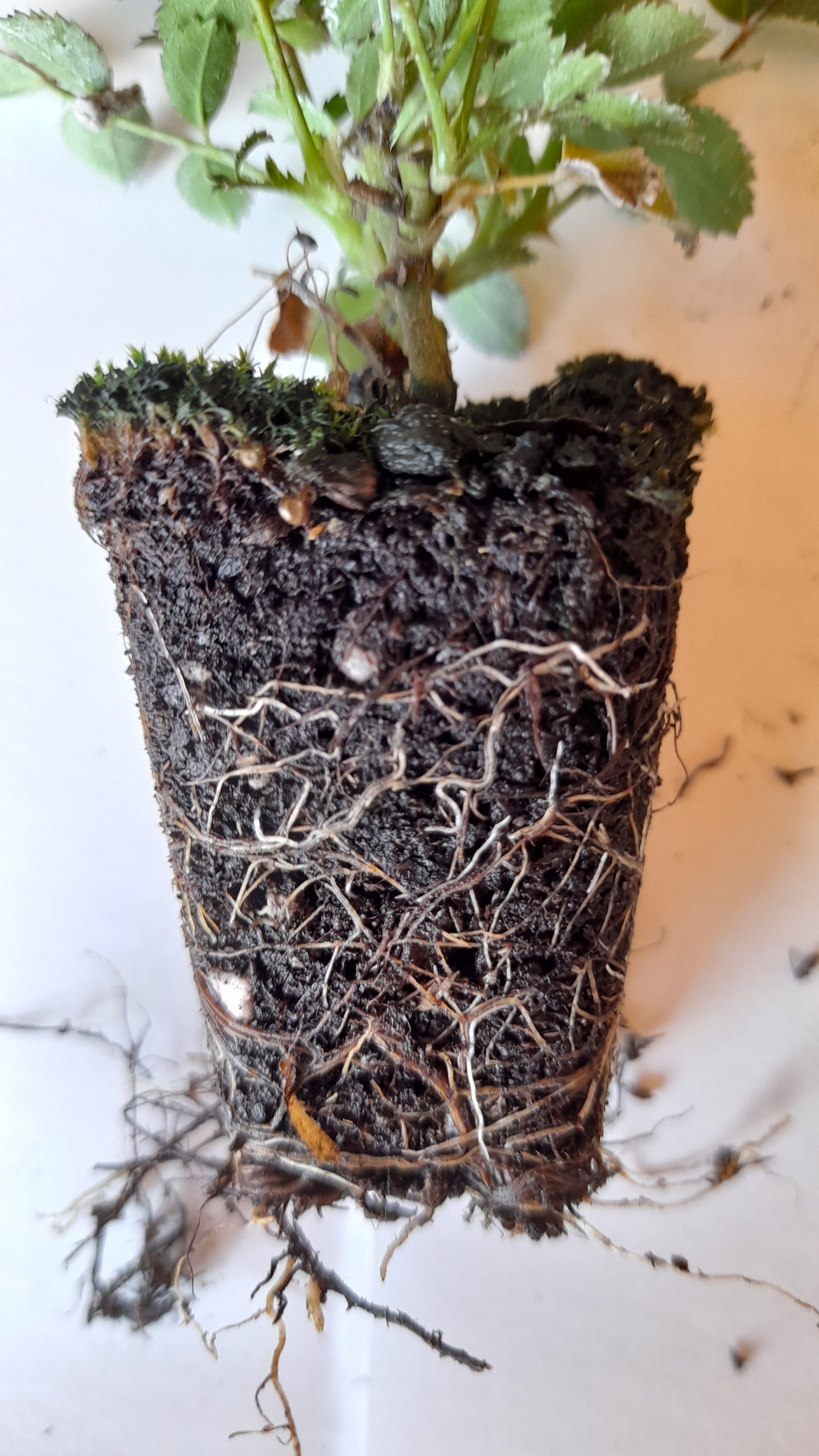
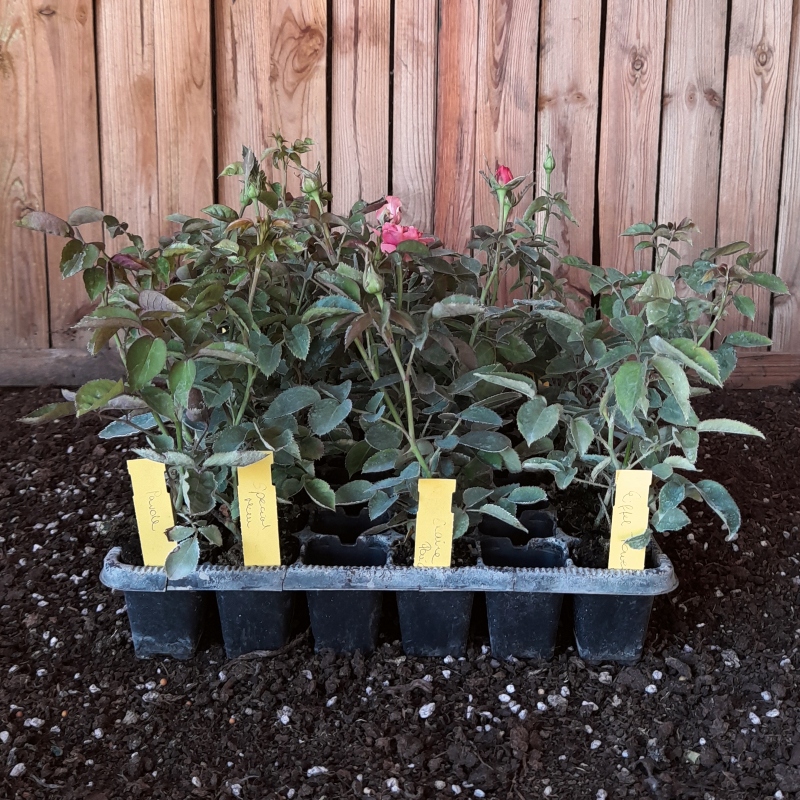
Goldfinch – pharmaROSA® NEONATAL rooted cutting
Historic own-root Goldfinch offers reliable propagation material for UK nurseries seeking characterful, climbing material for premium container production and specialist ranges. Its strongly fragrant clusters of small, semi-double yellow blooms deliver a concentrated, once-a-season display that suits themed and collection-led rose gardens where clear flowering windows are valuable for planning. With low maintenance and very good disease resistance, it integrates efficiently into propagation beds and 5–7 L crop systems aimed at retail collectors and specialist outlets. The barely thorny, climbing habit with moderate foliage density supports tidy training on arches, pergolas, fences and walls, while own-root longevity underpins long-term stock blocks and repeat cutting cycles. In line with UK nursery practice, its hardiness and durability make it suitable for regions where cold, wind and exposure demand robust woody structure, and the own-root structure supports a natural progression from Year 1 roots, Year 2 framework, to full ornamental value by Year 3. As part of a 1600-cultivar own-root platform focused on sustainability and range depth, Goldfinch strengthens portfolio breadth for wholesale partners building differentiated historic rose collections.
Usage options
Finished-product ideas
- 5–7 L historic climber for pergolas – Once-flowering, fragrant, cluster-flowered climber trained on a compact frame in 5–7 L, released as bush-trained with discreet support into premium container, specialty historic ranges – target audience/channel: retail collectors and specialist nurseries.
- Historic rose arch collection SKU – Paired with other historic climbers as a themed “arch and pergola” series, using own-root, low-maintenance, disease-resistant stock for reliable premium container supply – target audience/channel: garden centre groups and integrator networks.
- Low-thorn collector’s feature rose – Marketed on minimal prickliness and strong scent, positioned as an accessible structural rose in 5–7 L for walls and fences, grown from own-root cuttings for long-term stand stability – target audience/channel: mail-order and online heritage specialists.
- Pollinator-accent heritage line – Semi-double, pollinator-attractive flowers used as part of a curated historic, biodiversity-friendly range, produced in premium containers for thematic rose gardens – target audience/channel: public-realm and institutional project suppliers.
- Timed once-flowering showcase batch – Batch-scheduled Goldfinch crops targeted to peak flowering for key retail windows or show-garden installations, capitalising on its concentrated flush – target audience/channel: event-linked retail promotions and show-garden partners.
Technical cultivar profile
| Parameter |
Data |
| Name and registration |
Goldfinch, a historical old garden rose marketed as Goldfinch Historic rose Goldfinch, unregistered as a formal cultivar yet authenticated and verified for accurate identity in professional propagation. |
| Origin and breeding |
Bred by George Paul Jr. in the United Kingdom, introduced in 1907 by Hazlewood Bros. from parentage ‘Hélène’ × unknown seedling, representing an early 20th-century Hybrid Multiflora–Polyantha rambler type. |
| Growth and structural characteristics |
Climbing habit with 320–500 cm height and 180–280 cm spread, moderately dense, glossy dark green foliage and barely thorny shoots, suitable for pergolas, arches, walls and fences under bush-trained management. |
| Flower morphology |
Semi-double blooms with 13–25 petals, small 0.5–1.5 inch flowers in cluster-flowered inflorescences, cupped to flat-opening form, producing a dense, once-per-season display across the trained framework. |
| Colour data and phenology |
Initially deep golden yellow with lemon tones (RHS 11C outer, 4D inner), fading quickly through buttery yellow to cream and almost white by the end of flowering, with colour retention rated poor in strong sunlight. |
| Fragrance and aroma |
Strongly scented with a fresh, fruity fragrance character, providing a notable aromatic effect in full bloom, enhancing its value for pergolas, arches and close-viewing historic collections where scent is a key feature. |
| Hip characteristics |
Produces moderately formed, spherical red hips 6–9 mm in diameter, adding modest seasonal interest after flowering and indicating successful pollination in open, semi-double blooms. |
| Resistance and winter hardiness |
Resistant to powdery mildew, black spot and rust, rated RHS H6 with Swedish Zone 2 and USDA 7b hardiness, tolerating moderate heat and short droughts but needing irrigation in prolonged dry periods. |
| Horticultural recommendations |
Recommended as a low-maintenance, disease-resistant climber for pergolas, arches, fences, walls and solitary specimens, best marketed via premium container, specialty routes using bush-trained forms with discreet support. |
Goldfinch combines strong fragrance, low maintenance, disease resistance and a manageable climbing habit in an own-root form that secures predictable, long-lived stock stands; please contact us to coordinate capacity and scheduling for your programmes.