Hybrid tea rose

20-777-1
20-777-2

Horticolor™

Hybrid tea rose

LAPbal – Louis Laperrière

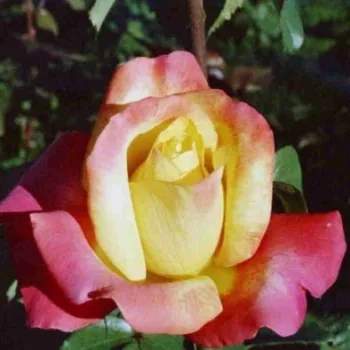
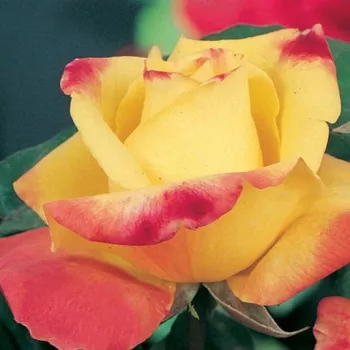
Cream-yellow petals with a pale pink edging and a soft transition. - hybrid tea rose - medium-strength, noticeably scented rose - pleasant, soft character

– Elegant, premium gold hybrid tea blooms
– Distinctive yellow‑pink bicolour, softly evolving
– High‑centred flowers ideal for cutting
– Compact, bushy habit suits flower beds
– Excellent resistance to major rose diseases
Special feature: Medium, pleasantly scented flowers for both garden and vase.
Exclusive finished product
Horticolor™
pharmaROSA® NEONATAL rooted rose cutting
30,92 £
Due to courier service regulations – and the introduction of customs clearance – delivery to Ireland is temporarily suspended.
3.5 (4935)
facebook   twitter

Horticolor™ hybrid tea rose LAPbal – pharmaROSA® NEONATAL rooted cutting

Premium own-root Horticolor™ offers a bushy, erect habit and exhibition-grade flowers tailored to premium container finishing, with 5–7 L as a practical target for retail-ready product. Its high-centred, pointed-budded form and very double blooms deliver consistent cut-flower and display quality, while the medium-strength fragrance and refined yellow-pink colour shift enhance perceived value in exclusive assortments. On own roots, it develops predictably—roots in year one, framework shoots in year two, and full ornamental performance from year three—supporting reliable capacity planning and low replacement in nursery networks. Strong disease resistance reduces intervention in propagation beds and container blocks, supporting homogeneous stands and stable margins. With hardiness down to H7, it adapts well to cooler, wind-exposed nursery sites often seen in Scotland and northern England, providing a broadly deployable resource for thematic rose collections and wholesale project supply where flower form and presentation are critical.


Usage options

Target area Reasoning
Premium 5–7 L container production The bushy, erect structure with 60–85 cm height fills 5–7 L premium containers evenly, matching the recommended product path and low-maintenance profile. High-centred, exhibition-type flowers support an exclusive finished product position in retail/reseller channels, optimising shelf impact for professional growers.
Cut-flower focused nursery blocks The solitary, high-centred blooms with 40+ petals and medium fragrance suit cut-flower and exhibition hybrid tea use from bush-trained plants with 3–5 strong canes. Own-root stability and low intervention needs help nurseries build consistent cutting beds for colour-and-form driven premium offers to reseller networks.
Thematic and collection rose gardens The distinctive yellow-pink bicolour and controlled bushy habit fit curated thematic gardens and cultivar collections where identity and flower quality matter. Own-root propagation via pharmaROSA® NEONATAL supports long-term stand renewal with minimal distortion, strengthening credibility for public-realm suppliers.
Low-intervention retail assortments Good resistance to powdery mildew, black spot and rust, combined with generally low maintenance needs, reduces after-sales risk when supplying retail/reseller partners with premium containers. This aligns well with exclusive positioning built on reliable flower quality and form for garden-centre ranges.
Remontant colour for extended sales windows Remontant flowering with a plentiful second flush allows staggered sales and display refreshes from the same production batch, particularly in premium container routes. Colour evolution from butter-yellow to cream with soft pink-salmon edges enriches benches aimed at premium retailers.
Cool-climate propagation and stock fields H7 hardiness and suitability for cooler conditions support dependable overwintering of own-root propagation beds and containerised stock in northern UK nurseries, including more exposed, windy sites. This underpins stable volume supply for exclusive, flower-form focused assortments for regional wholesalers.
Bush-trained framework for upscale displays Delivery as bush-trained material with 3–5 strong framework canes shortens the time to a balanced, saleable canopy in 5–7 L pots. The erect habit and solitary, exhibition-type blooms create a clear premium visual, supporting exclusive positioning in upmarket channels.
Own-root base for private-label hybrid tea ranges Own-root NEONATAL cuttings provide renewable, genetically stable stock ideal for private-label hybrid tea lines focused on flower quality. Predictable growth, low replacement and manageable maintenance simplify planning for nursery networks feeding retail and project-focused thematic rose gardens for integrated operators.

Finished-product ideas

  • Premium 5–7 L exhibition hybrid tea – Bush-trained plants finished in 5–7 L containers, highlighting high-centred, very double blooms and medium fragrance, positioned as an exclusive hybrid tea for colour-and-form driven benches – target audience/channel: premium retail and specialist resellers
  • Cut-and-garden display line – Own-root stock selected for strong framework canes, marketed for dual-use (garden and cutting) with remontant, solitary blooms and stable plant habit – target audience/channel: nurseries supplying floristry-oriented garden centres
  • Thematic bicolour collection unit – Part of a curated hybrid tea bicolour set using Horticolor™ for its refined yellow-pink transition and compact, bushy habit – target audience/channel: wholesalers building thematic rose garden and show-garden assortments
  • Low-care premium patio rose – Finished in 5–7 L with emphasis on disease resistance and low intervention needs, positioned for consumers wanting a premium look without complex care – target audience/channel: retail chains and quality-focused independent garden centres
  • Own-root breeder’s and collector’s stock – NEONATAL trays used to establish long-lived, identifiable own-root stands in propagation beds, supporting cultivar maintenance where flower form is key – target audience/channel: specialist nurseries and collection gardens

Technical cultivar profile
Parameter Data
Name and registration Hybrid tea rose, registered as LAPbal, marketed as Horticolor™ hybrid tea rose LAPbal; exhibition category cut flower / exhibition hybrid tea; ARS approved exhibition name Horticolor.
Origin and breeding Bred by Louis Laperrière, Roseraie Laperrière (France); breeding, registration and introduction all dated to 1989; parentage not provided, initial distributor data not provided.
Growth and structural characteristics Bushy, erect shrub reaching 60–85 cm in height and 65–95 cm spread, with moderately dense, matt dark green foliage and moderate prickliness; self-cleaning behaviour and spent-bloom fall not provided.
Flower morphology Very double, solitary, large flowers (2.75–3.95 in) with high-centred, pointed-budded hybrid tea form, suitable for exhibition and cutting; remontant with a plentiful second flowering phase in season.
Colour data and phenology Cream-yellow petals with pale pink edging; newly opened blooms show butter-lemon centres, cream outer petals and raspberry-pink rims, softening to straw-yellow and rosy-salmon tones as they mature; moderate colour retention.
Fragrance and aroma Medium-strength, pleasant, soft fragrance clearly noticeable at close range; very double flower form encloses stamens, making it primarily an ornamental rather than pollinator-oriented variety.
Hip characteristics Rose hip formation generally limited due to very double blooms; where present, spherical orange-red hips around 10–14 mm in diameter may occasionally appear late in the season.
Resistance and winter hardiness Rated H7, USDA zone 6b and Swedish zone 3; tolerant of -21 to -18 °C; resistant to powdery mildew, black spot and rust; no specific data on heat or drought tolerance currently provided.
Horticultural recommendations Recommended for flower beds and cut-flower use; low maintenance requirement with good overall disease resistance; best routed as a premium container product in 5–7 L pots, supplied bush-trained with 3–5 strong framework canes.

Horticolor™ hybrid tea rose LAPbal, supplied as pharmaROSA® NEONATAL own-root material, combines premium flower form, strong health and a bushy habit for predictable, long-lived stands; please contact us to align capacities and scheduling.


Detailed product attributes

Product Identification Data

Product Name: HORTICOLOR™ – yellow-pink hybrid tea rose - Laperrière
Product Type: pharmaROSA® NEONATAL - rooted rose cutting
Cultivar Authenticity: Verified:20.08.2025
Cultivar Quality Rating: premium gold
Item Number: [281] 20-777 (14.02.2026) pharmarosaneonatal.co.uk

Name and Registration

Meaning of Cultivar Name: The name "Horticolor" is formed from the Latin elements hortus (garden) and color (colour), meaning "colourful garden".
Original Trade Name: Horticolor™
Current Trade Name: Horticolor™ Hybrid tea rose LAPbal
Rose Group: Hybrid Tea
Commercial Type: hybrid tea rose
Commercial Group: Hybrid tea rose
Exhibition Category: cut flower; exhibition hybrid tea
Collection: Hybrid tea rose

Origin and Breeding

Breeder: Louis Laperrière
Breeding Company / Institution: Roseraie Laperrière (France)
Breeding Year: France, 1989
Parentage: unknown

Growth and Structural Characteristics

Height: 2-2.8ft (60-85 cm)
Spread: 2.1-3.1ft (65-95 cm)
Growth Habit: bushy, erect
Foliage: The variety has moderately dense foliage; the leaves have a matt surface and a dark green hue.
Prickliness: moderately thorny
Self-Cleaning Description: No data available on the behaviour of fully open flowers.
Self-Cleaning Intensity: No data on self-cleaning strength.

Flower Morphology

Flower Fullness: very double-flowered
Flower Shape: high-centred, pointed-budded (cut-rose type)
Flower Size: L (2,75-3,95 in)
Inflorescence Type: solitary
Colour Code: ARS code: MR RHS code: 53A (outer), 53B (inner)
Repeat Flowering: It is remontant, with a plentiful second flowering.

Colour Data and Phenology

Colour: yellow-pink
Flower Colour Description: Cream-yellow petals with a pale pink edging and a soft transition.
Closed Bud: Cream–ivory base with a pale lemon-yellow glow in the centre and a delicate rosy blush on the tips.
Newly Opened Flower: Centre warm butter-/lemon-yellow, outer petal zone cream-white with a raspberry–pink edging.

Full Bloom: Sunny yellow centre fading outward to cream–ivory, with a soft, gradually widening pink rim and a subtle salmon hue.
Before Fading: The yellow tone lightens to straw-yellow cream, the pink edge softens, fading to a soft rosy-salmon hue.
Colour Fading Description: As the bloom opens, the yellow centre fades to a creamy straw-yellow, while the pink edge softens and shifts to a gentle rose–salmon hue.

Fragrance and Aroma

Fragrance Strength: medium-strength, noticeably scented rose
Fragrance Character: pleasant, soft character
Pollinator Attraction: The fully double flower form and limited accessibility of the stamens make it less attractive to pollinators.
Pollinator-Friendly Rating: Its double blooms enclose the stamens, making it primarily an ornamental variety.

Hip Characteristics

Hip Shape: spherical
Hip Colour: orange-red
Hip Comment: Rose hip formation is expected to be limited because of the double flowers; occasionally spherical, orange-red hips 10–14 mm in diameter may appear.

Resistance and Hardiness

Hardiness (°C): -21–-18 °C
Heat and Drought Tolerance Description: No data are available on heat–drought tolerance.
Disease Resistance: resistant
  • powdery mildew – resistant
  • black spot – resistant
  • rust – resistant

Horticultural Recommendations

Recommended product path: Premium container
Release form: Bush-trained, with 3–5 strong framework canes
Recommended use: Maintenance requirement low; good disease resistance, generally requires little intervention.
Primary Uses: flower bed, cut flower

Comments

Positioning: Exclusive finished product
Target customer/channel: Retail / reseller
Main value proposition: Flower quality, form
HORTICOLOR™ – yellow-pink hybrid tea rose - Laperrière
Cream-yellow petals with a pale pink edging and a soft transition. - hybrid tea rose - medium-strength, noticeably scented rose - pleasant, soft character
Rose Shopping Online - yellow-pink - medium-strength, noticeably scented rose - Horticolor™ - hybrid tea rose - (2-2.8ft (60-85 cm))
Inflorescence: solitary Height: 2-2.8ft (60-85 cm) Flower shape: high-centred, pointed-budded (cut-rose type) Winter hardiness: 3a yellow-pink - - hybrid tea rose - Flower size: L (2,75-3,95 in) Flower size: L (2,75-3,95 in) - Height: 2-2.8ft (60-85 cm) Height: 2-2.8ft (60-85 cm) - Flower fullness: very double-flowered Horticolor™ - Roses in the garden | pharmaROSA® Neonatal - premium gold Louis Laperrière

We showcase the external appearance of the roses available for online purchase from our webshop.


Which product type is right for you?


PharmaRosa® NEONATAL is the cost‑effective starting point for rose product production.

As a uniform, own‑rooted propagation material, it provides a stable basis for further growing-on and can be integrated flexibly into different finished product production technologies.
Rooted in trays (rooted), 3–6‑month‑old, own‑rooted rose cutting.
Uniform developmental stage, with a root system that has thoroughly penetrated the plug.
For professional growing‑on.
Tray packaging: 10 pcs/tray.
Quality and varietal identity: production supported by a dedicated identification and traceability logic.
Can be transplanted during frost‑free periods, designed for finished product production.

PharmaRosa® NEONATAL provides a controlled, uniform starting stock for planned growing‑on that can be integrated into your own technology – especially where scheduling and varietal identity are paramount.


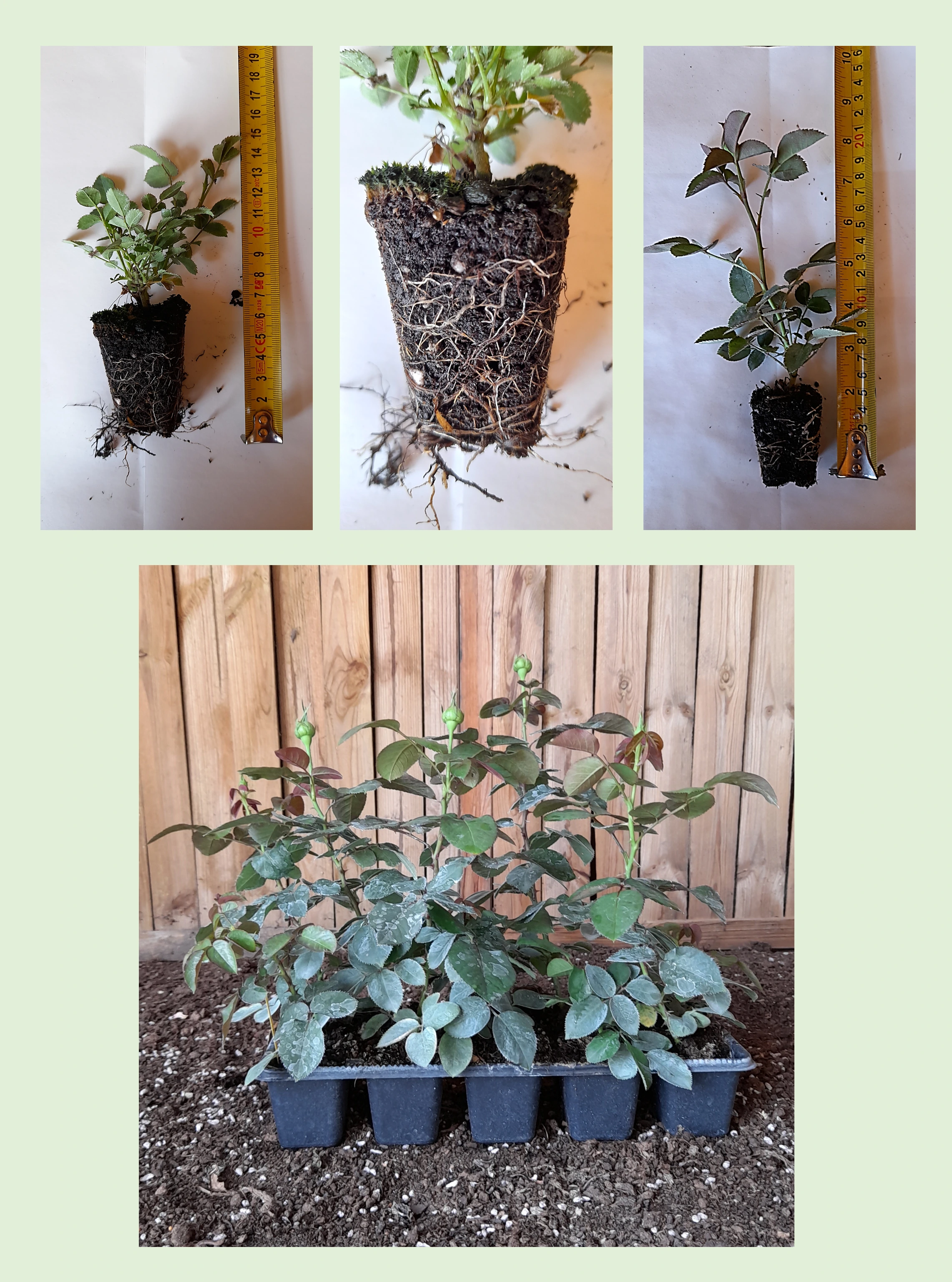
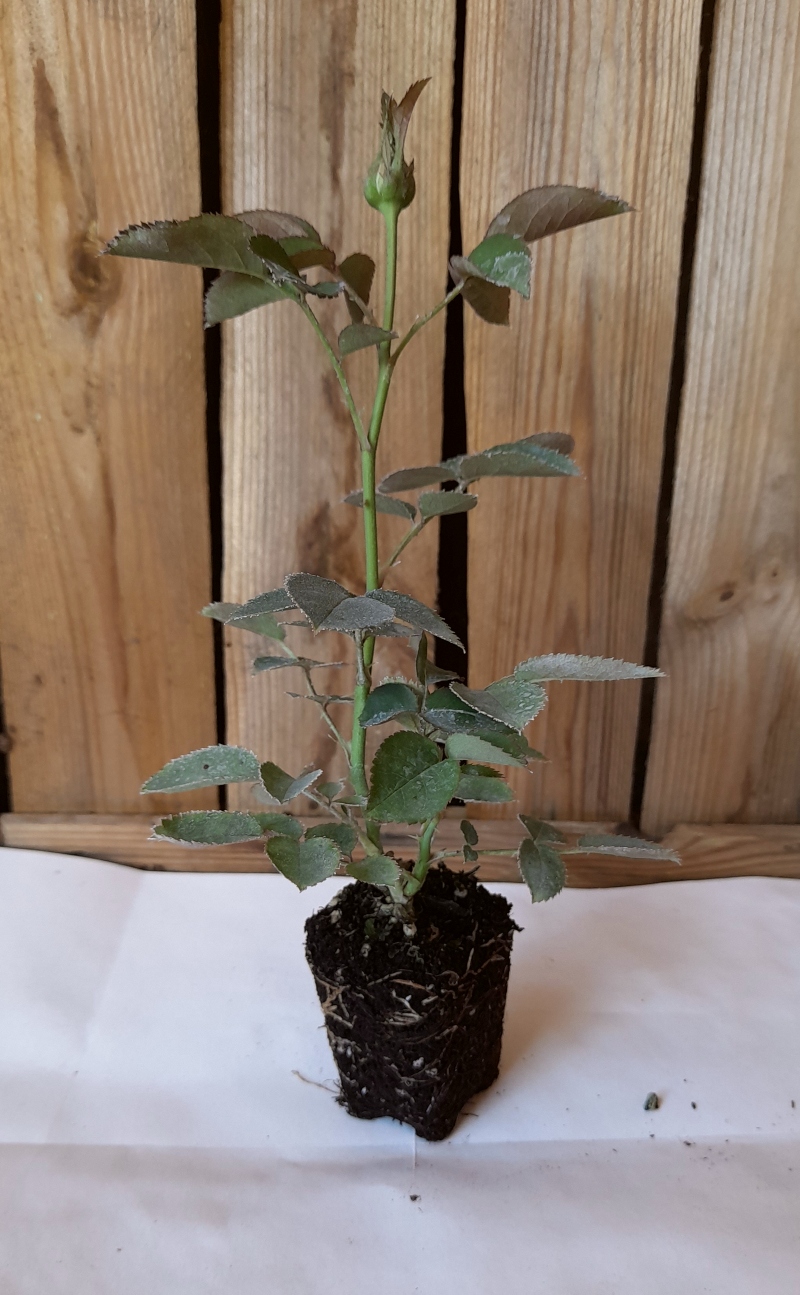
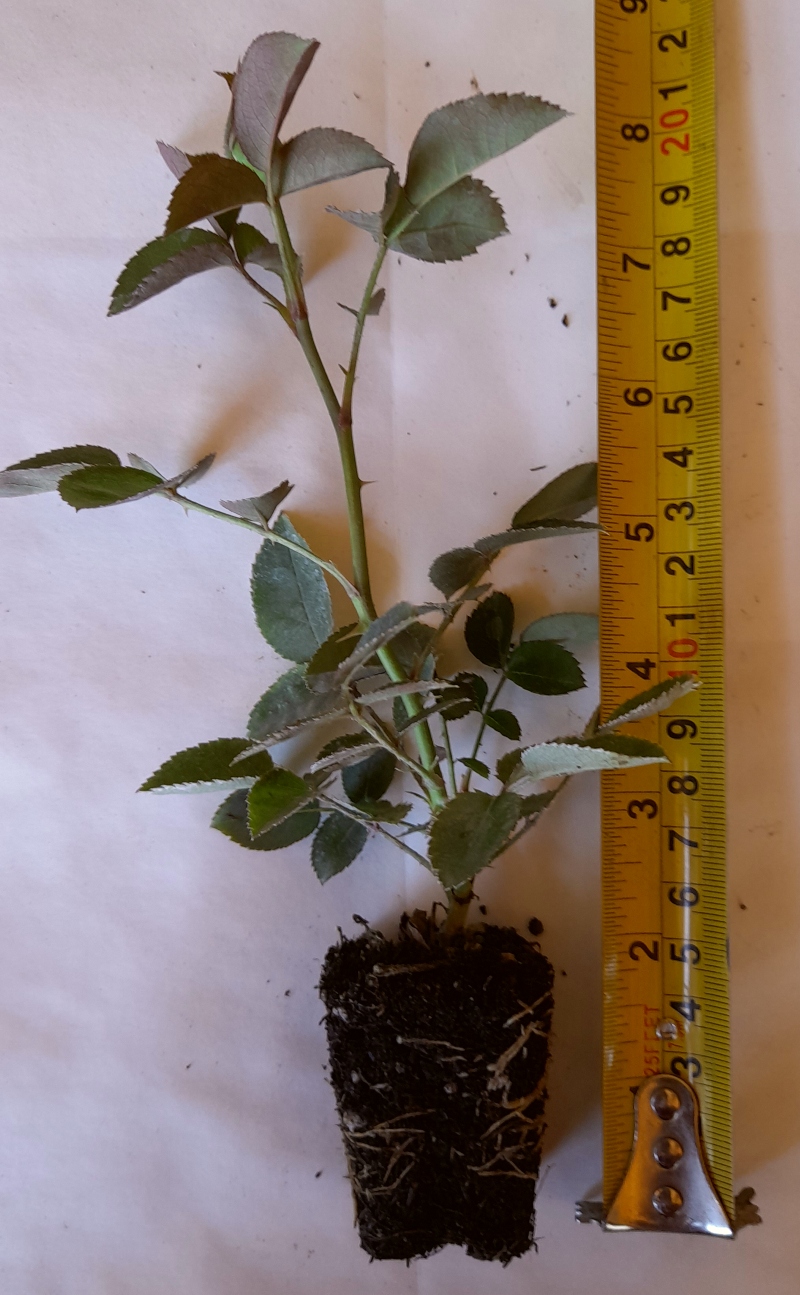
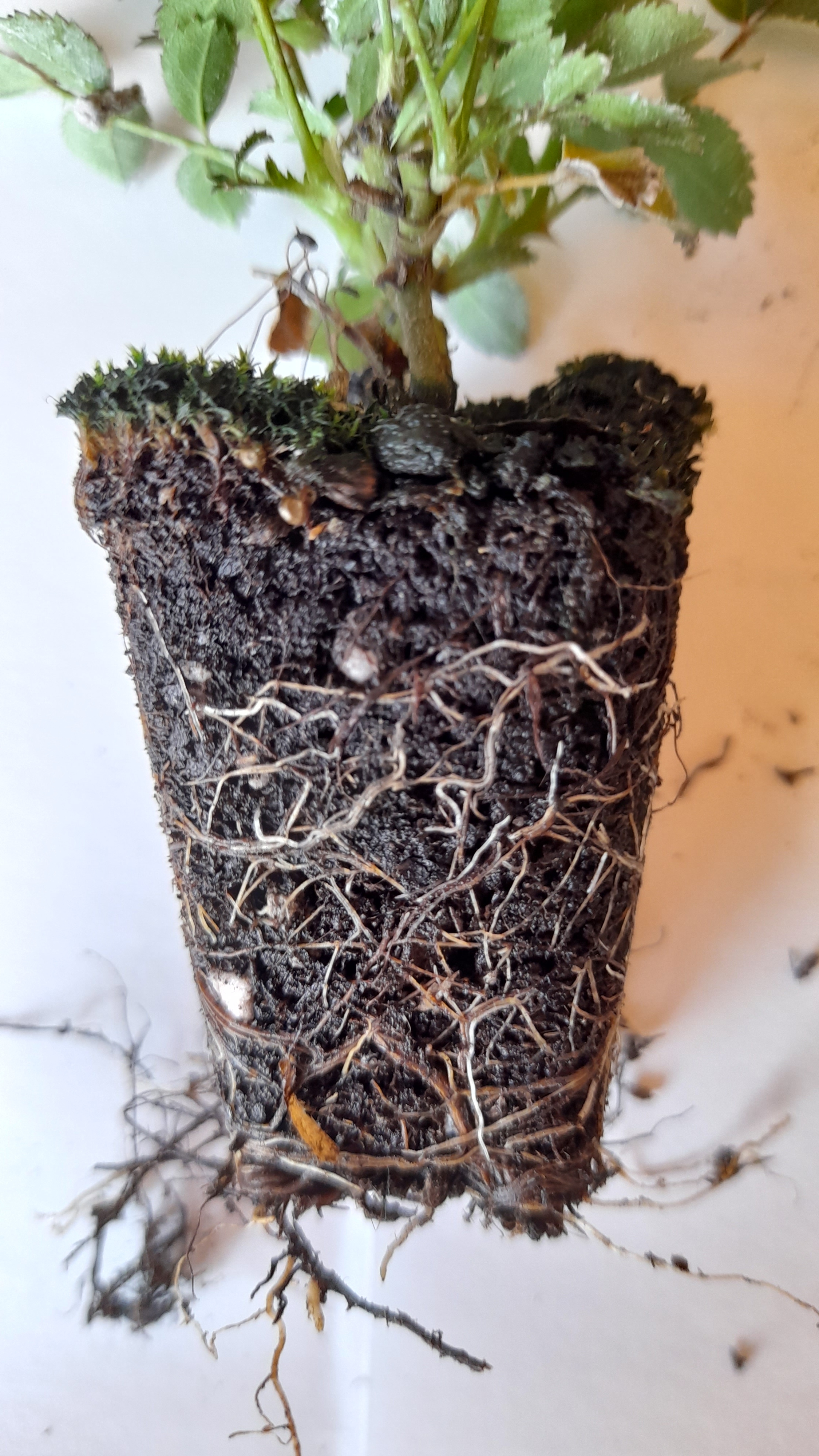
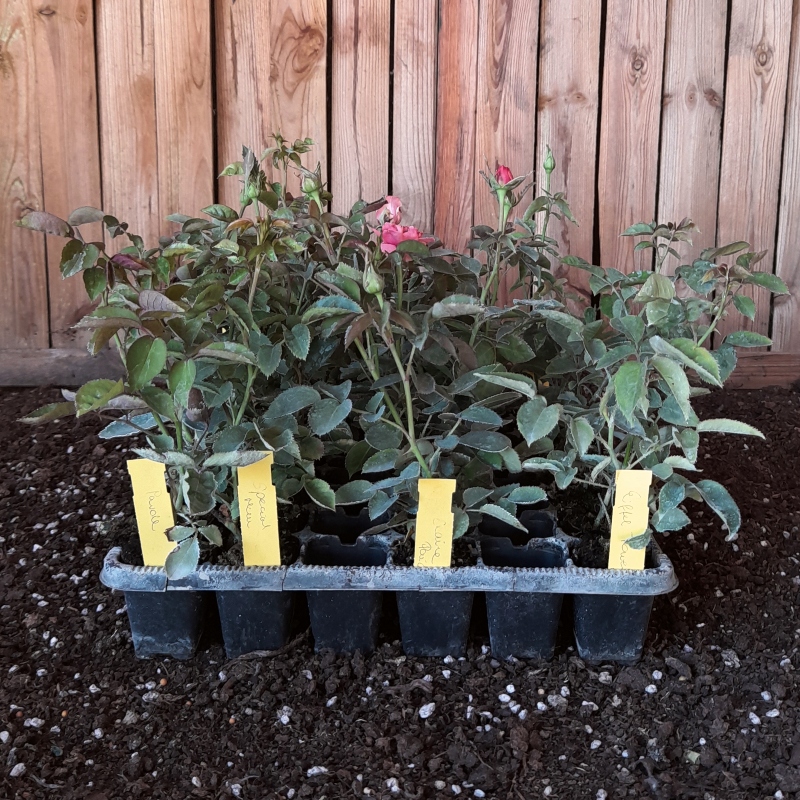
PharmaRosa® NEONATAL own-rooted rose propagation material in a plug, with a root system penetrating the plug (semi-finished product / semi-finished rose). PharmaRosa® NEONATAL rose propagation material size: 3–6‑month‑old, own-rooted cutting with a uniform developmental stage. PharmaRosa® NEONATAL rose propagation material root system: plug densely penetrated by well-developed white roots (root system detail). PharmaRosa® NEONATAL tray stock: own-rooted rose propagation material in trays, uniform developmental stage (10 pcs/tray).

Captions (from left to right): Semi-finished product (NEONATAL own-rooted rose propagation material in a plug with a fully developed root system) • Size demonstration (3–6‑month‑old, uniform cutting) • Root system detail (plug penetrated by the root system) • Tray stock (10 pcs/tray, uniform developmental stage)

pharmarosaneonatal.co.ukpharmarosaneonatal.ropharmarosaneonatal.skpharmarosaneonatal.depharmarosaneonatal.sipharmarosaneonatal.czpharmarosaneonatal.atpharmarosaneonatal.frpharmarosaneonatal.itpharmarosaneonatal.plpharmarosaneonatal.espharmarosaneonatal.nlpharmarosaneonatal.lupharmarosaneonatal.ptpharmarosaneonatal.lvpharmarosaneonatal.sepharmarosaneonatal.fipharmarosaneonatal.ltpharmarosaneonatal.eepharmarosaneonatal.hu

Which product type is right for you?

Pages for private customers
Garden roses for the family garden, with minimal care  → ORIGINAL®
Premium garden roses – instant impact, a truly showpiece garden  → EXTRA®
Pages for professionals and private customers
Roses for public spaces – large areas, sustainable maintenance  → NATURAL®
Roses for projects – hedge and row planting, fast implementation  → RAPID®
For professional partners only
Production – propagation material for garden roses, wholesale  → NEONATAL®

Company details

PharmaRosa Ltd.
Company registration number: 01-09-717479
VAT number: 13075314-2-43
Plant health registration no.: HU130721
Bank account (IBAN):
HU85117631891388688400000000
BIC (SWIFT): OTPVHUHB
Bank name: OTP Bank Nyrt.