Rosa pimpinellifolia Frühlingsmorgen – pharmaROSA® NEONATAL rooted cutting
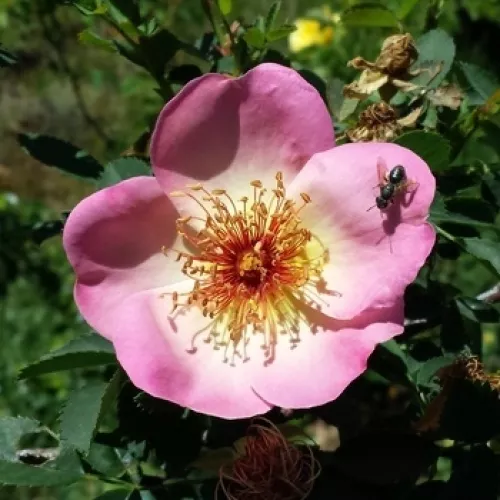
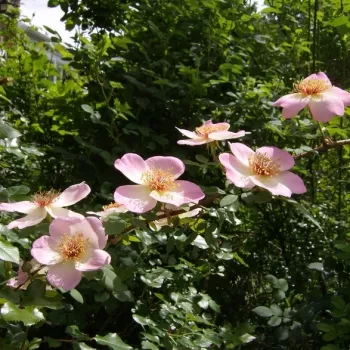
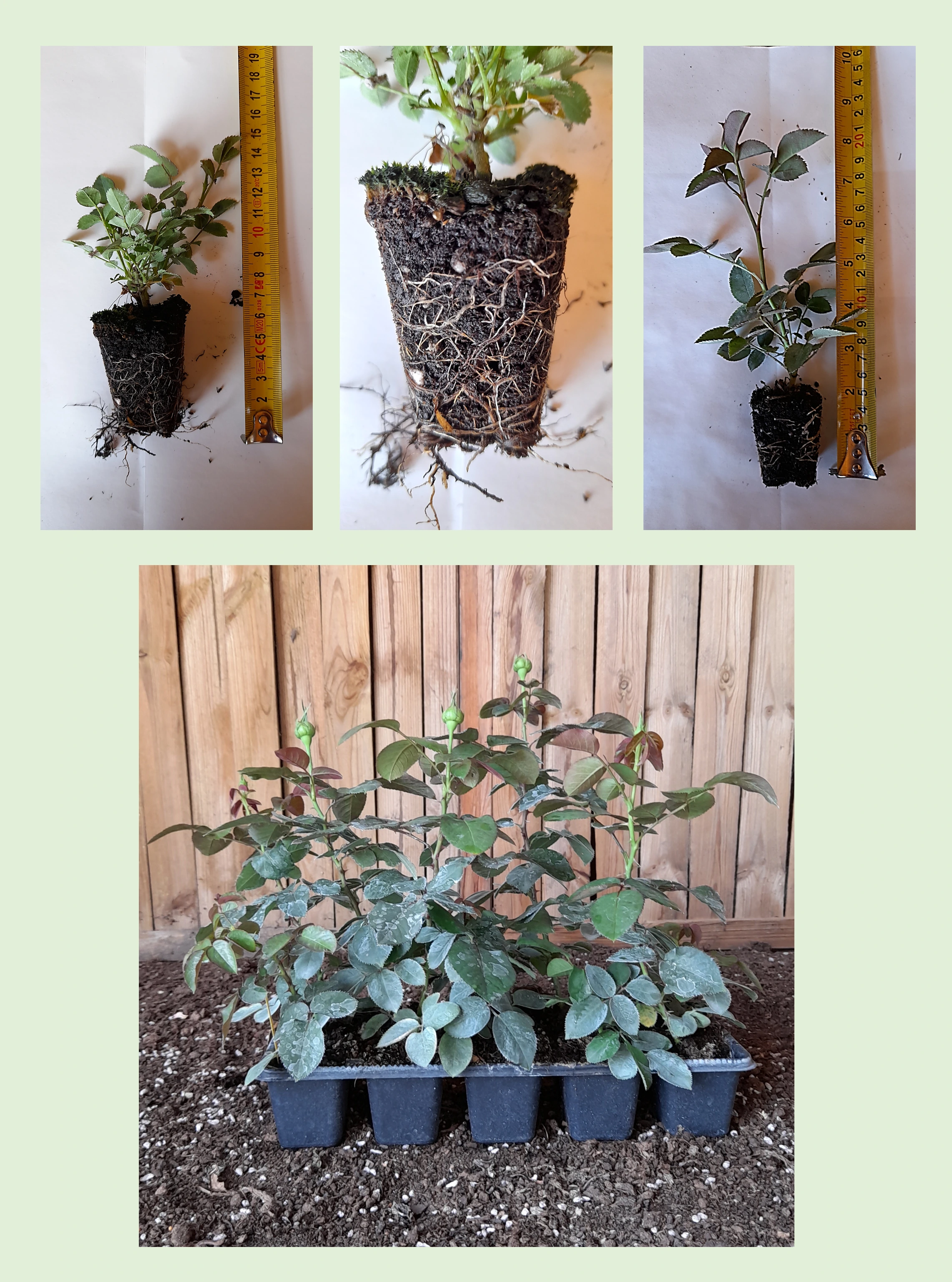
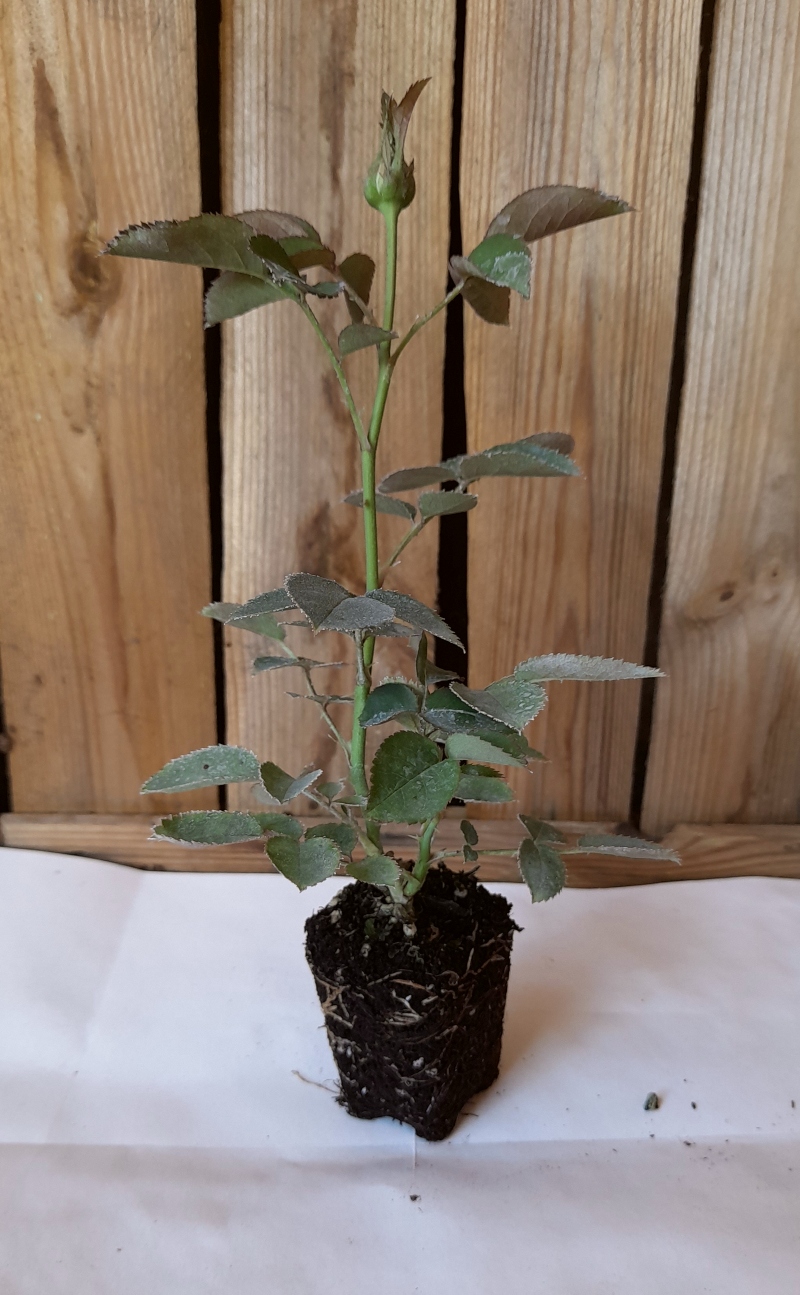
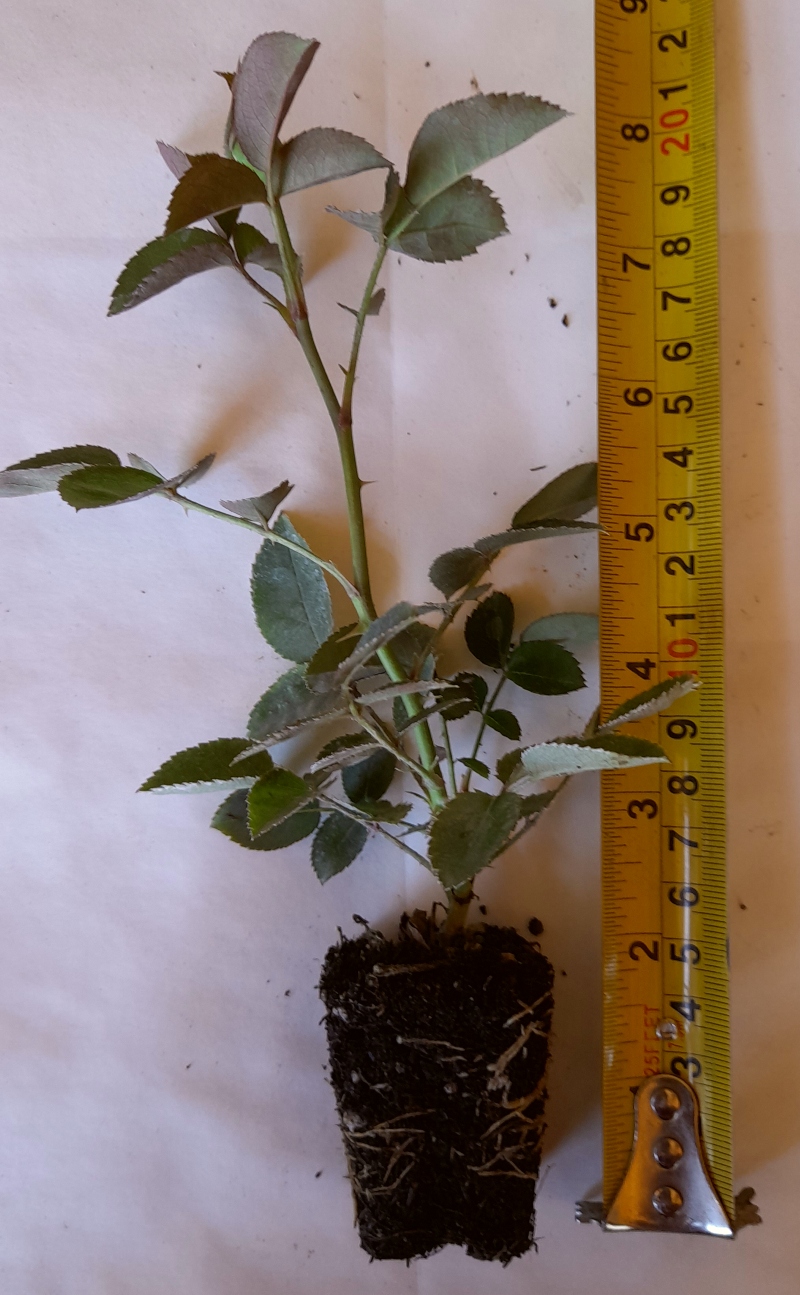
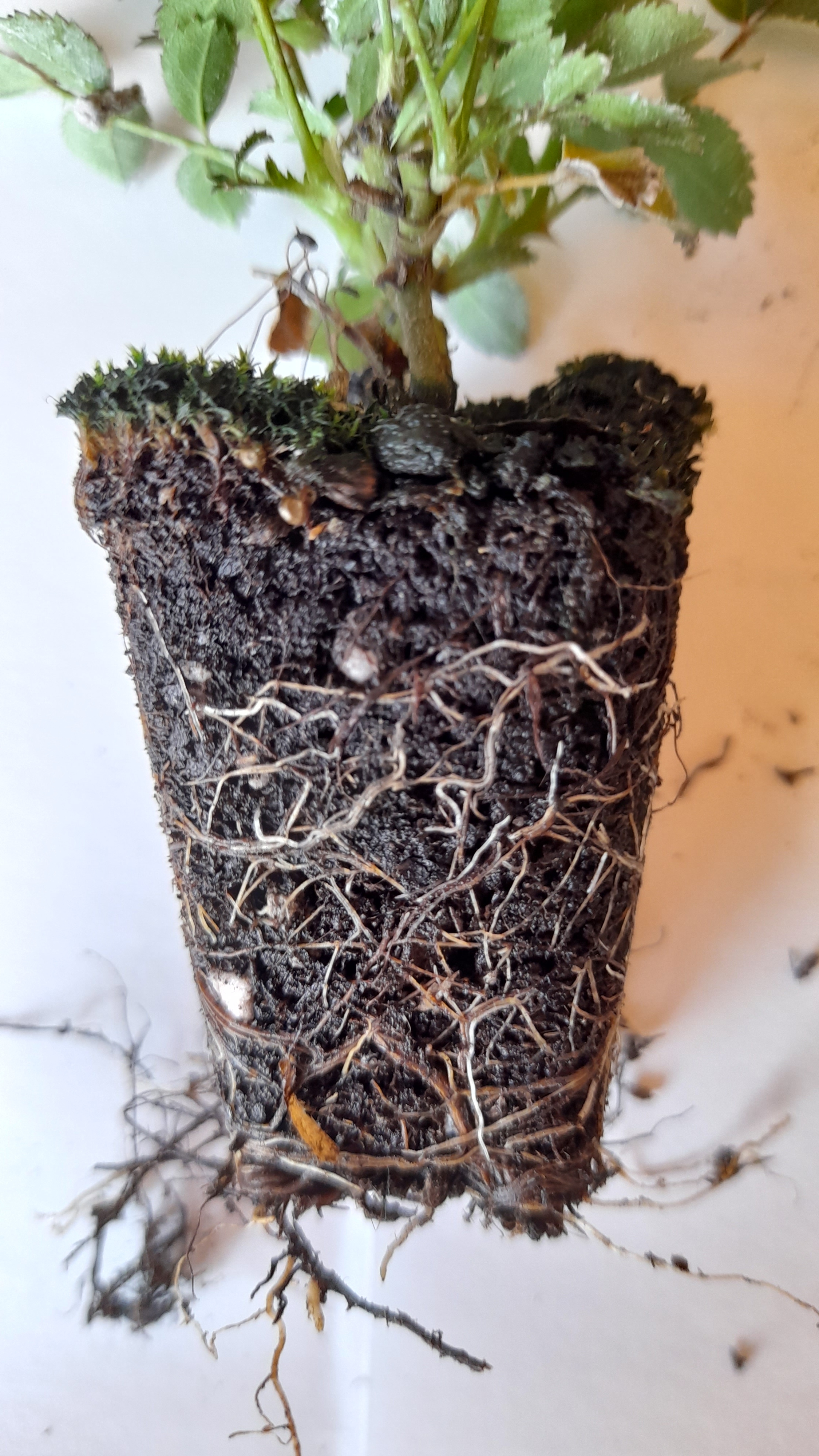
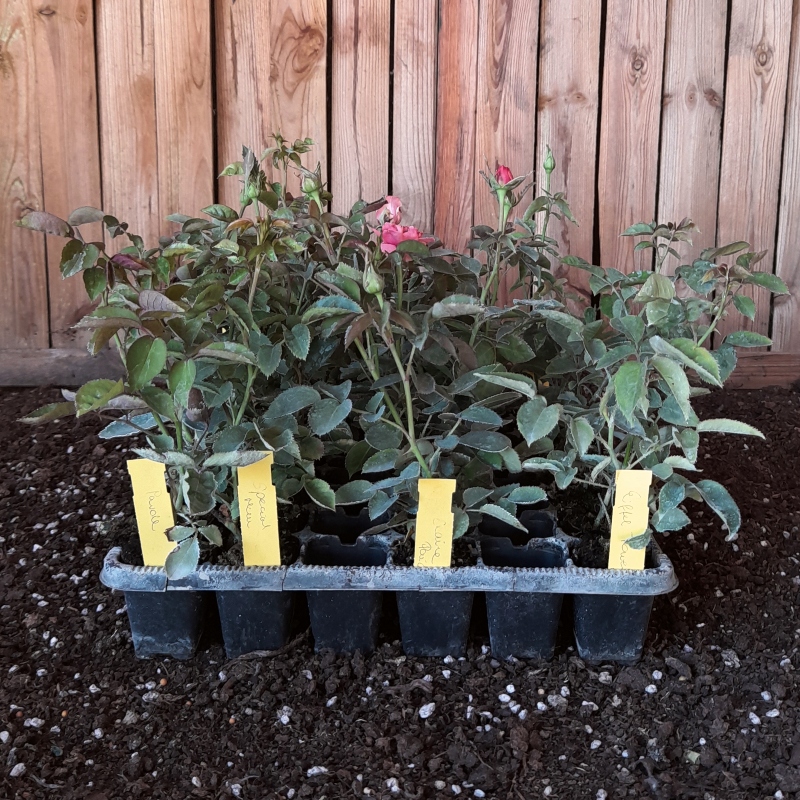
Landscape growers looking for dependable project material gain a vigorous, bushy shrub from Rosa pimpinellifolia Frühlingsmorgen, combining uniform coverage, dense foliage and a clearly defined hedge and screening role for projects in public or naturalistic schemes. As own-root pharmaROSA® NEONATAL material, 3–6‑month tray-rooted cuttings support predictable crop timing into 1.5–2 L production and beyond, building homogeneous blocks for mass planting with low maintenance demand and stable long-term structure. The once-flowering, single pink-yellow blooms are strongly pollinator-oriented, followed by plentiful crimson hips for seasonal interest in thematic and collection plantings. In practice, Year 1 focuses on root establishment, Year 2 on structural shoot build-up and Year 3 on full ornamental and hedging performance, aligning well with nursery scheduling for wholesale landscape supply, including colder Scottish and northern English sites where proven winter resilience supports reliable contract delivery.
Usage options
Finished-product ideas
- Project hedge module 40–50 L – Own-root plants grown from NEONATAL 1.5–2 L starters into 40–50 L units, emphasising dense, bushy, upright structure and low maintenance for quick-install screening hedges in landscape contracts – landscape contractor / project wholesaler
- Pollinator shrub drift 5 L – Uniform 5 L shrubs focused on single, accessible blooms and documented pollinator attraction, offered as repeated drifts for thematic public and institutional pollinator schemes – ecology-focused public-realm supplier
- AGM collection specimen 7.5–10 L – Premium 7.5–10 L specimens highlighting RHS Award of Garden Merit status and botanical rose grouping for curated collection beds and show gardens – heritage and botanic garden partners
- Hip-interest landscape block 10–15 L – Bush-trained plants in 10–15 L containers positioned for autumn hip display and strong structural foliage, ideal for mixed borders and naturalistic mass plantings in public landscapes – municipal and campus projects
- Fragrant park border unit 5 L – 5 L NEONATAL-derived shrubs selected for consistent architecture and medium, clear fragrance, designed as repeatable modules for sensory routes and park borders – healthcare, education and leisure schemes
Technical cultivar profile
| Parameter |
Data |
| Name and registration |
Current trade name Rosa pimpinellifolia Frühlingsmorgen Spring Wilhelm J.H. Kordes II; ARS name Fruhlingsmorgen; shrub / park rose and hedging plant within the landscaping shrub rose commercial type. |
| Origin and breeding |
Bred by Wilhelm J. H. Kordes II at W. Kordes’ Söhne, Germany, from (‘E. G. Hill’ × ‘Cathrine Kordes’) × Rosa spinosissima var. altaica; breeding completed 1941 with introduction to commerce in 1942. |
| Awards and recognition |
Holds the Royal Horticultural Society Award of Garden Merit (United Kingdom, 2012), supporting reliable garden and landscape performance under UK conditions and reinforcing confidence for professional specification. |
| Growth and structural characteristics |
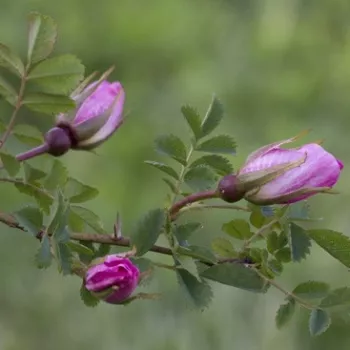
Bushy, upright shrub with dense, matte medium-dark, slightly grey-green foliage and dense thorniness; forms solid structural mass for hedges and borders, though precise height and spread data are not provided. |
| Flower morphology |
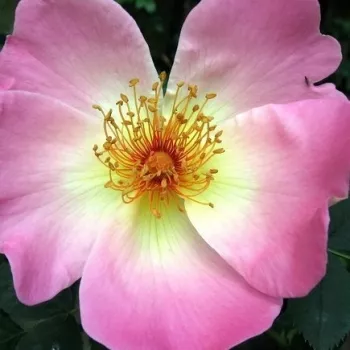
Single, flat, cluster-flowered blooms with approximately 5–12 petals, large-flowered for the class; non-remontant, flowering once, with sizeable, open faces that sit clearly above foliage for maximum visual and ecological effect. |
| Colour data and phenology |
Medium-intensity pink–carmine outer petal zones lightening to cream or pale yellowish tones toward the base, creating a subtle pink–cream–yellow two-tone effect; newly opened blooms display particularly clear pink–carmine shades. |
| Fragrance and aroma |
Medium-strength, clearly noticeable fragrance with muscatel and wild-rose–violet notes, giving a light yet distinct floral character that enhances sensory value in close-contact landscapes such as paths, seating areas and entrances. |
| Hip characteristics |
Produces numerous ornamental, crimson-red, egg-shaped hips of around 10–20 mm diameter in autumn, giving strong seasonal follow-on interest and wildlife value where hips are allowed to form in landscape or collection settings. |
| Resistance and winter hardiness |
Rated resistant to powdery mildew, black spot and rust; hardy to approximately -35 °C (H7, Swedish zones 1–4, USDA 6b), supporting robust performance in colder or exposed locations when used in landscape or park schemes. |
| Horticultural recommendations |
Suited to hedges, screening, mixed borders, cottage and naturalistic plantings and pollinator-friendly schemes; maintenance needs are low, pruning is moderate and infrequent, and finished products are best offered as uniform, dense, bush-trained shrubs. |
Rosa pimpinellifolia Frühlingsmorgen offers dense, low-maintenance, disease-resistant own-root structure with strong hip and pollinator value, giving predictable, long-lived landscape stands; we would welcome discussing scheduling and volume for your project programmes.