Bedding rose

21-078-1
21-078-2

Katharina Zeimet®

Bedding rose

- – Peter Lambert

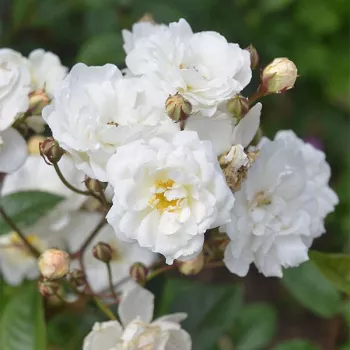
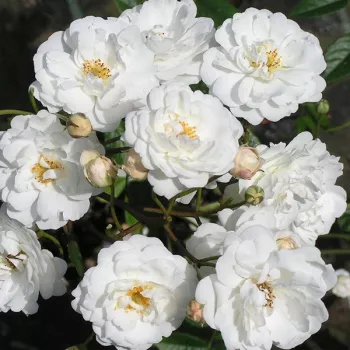
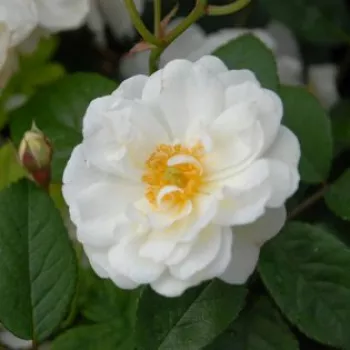
Uniform, pure white shade that remains throughout the entire flowering cycle. - polyantha bedding rose - mild, understated scented rose - softly sweet scent

– Compact, bushy habit for neat bedding displays.
– Reliable remontant flowering with strong second flush.
– Pure, snow‑white pompon blooms hold colour well.
– Good self‑cleaning, minimal deadheading needed.
– Mild, softly sweet fragrance on summer days.
Special feature: Historic 1901 polyantha, still prized in modern rose shows.
Project (landscape architecture / mass use)
Katharina Zeimet®
pharmaROSA® NEONATAL rooted rose cutting
26,99 £
Due to courier service regulations – and the introduction of customs clearance – delivery to Ireland is temporarily suspended.
4 (5865)
facebook   twitter

KATHARINA ZEIMET® – white bedding polyantha rose – pharmaROSA® NEONATAL

For nurseries building reliable project volumes, KATHARINA ZEIMET® offers a compact, uniform polyantha base ideal for dense flowerbed and border concepts, as own-root pharmaROSA® NEONATAL material supports predictable, renewable stands for long-term contract planting. Its bushy habit, dense, glossy dark foliage and naturally clustered snow-white pompon blooms create fast, even coverage that fits mass planting schemes and high-density container lines. The semi-double, well self-cleaning sprays reduce grooming on 1.5–2 L production, making it practical for project-focused ranges where medium maintenance and occasional plant protection are acceptable. With H7 hardiness ensuring dependable performance in colder UK regions and exposed northern sites described as offering steady winter and wind tolerance in demanding schemes, own-root propagation gives a long-lived, regenerating base that tolerates production loads. Remontant flowering with an abundant second flush supports extended visual impact in public-realm and park projects, while the mild, softly sweet fragrance and historic 1901 Lambert origin strengthen its role in thematic and collection plantings. Across nursery networks, the uniform, dense bush-trained finished product route allows efficient scheduling from tray-rooted cuttings through to project-ready containers, following a natural progression of root establishment in the first year, stronger shoot structure in the second, and full ornamental expression from the third year onward.


Usage options

Target area Reasoning
Mass bedding for public and municipal projects The compact 50–75 cm, bushy growth with dense coverage suits project mass planting where a low, even carpet is required. Producing uniform, dense, bush-trained plants in 1.5–2 L gives landscape contractors a consistent module for flowerbeds and park borders, aligning with the “Project mass planting” route and “Fast coverage – uniformity” promise. The own-root form underpins predictable, renewable stock for project-serving wholesaler lines supporting public-realm schemes, including harsher northern sites with reliable winter and wind tolerance in exposed plantings. Landscape contractor / project-serving wholesaler
High-density 1.5–2 L container production The moderate height and 65–95 cm spread combine with naturally clustered, small S-sized blooms to create a well-filled canopy even in modest containers, allowing dense benching and efficient space use. Targeting 1.5–2 L pots and releasing as uniform, dense, bush-trained finished plants gives nurseries a repeatable specification for wholesale bedding and polyantha ranges. Own-root NEONATAL material maintains stand homogeneity and reduces replacement risk across production batches, supporting nursery and cash-and-carry channels needing reliable, compact white bedding roses. Nursery and cash-and-carry wholesale
Historic and thematic rose collections As a Lambert polyantha introduced in 1901, this cultivar supports thematic rose gardens and collection plantings focused on heritage breeding lines. The pure, long-lasting white and ball/pompon sprays present well in curated beds where visual continuity matters more than pollinator value. Using NEONATAL cuttings as a stable own-root base helps maintain cultivar identity over time, with a uniform, dense, bush-trained habit ideal for labelled collection blocks and show-garden schemes aligned to the “Thematic rose garden / collection” focus. Specialist rose collections and show gardens
Fast coverage in project borders The fast, bushy structural development and dense, glossy dark foliage close gaps quickly in borders, meeting the “Fast coverage – uniformity” value proposition for project work. When grown on from NEONATAL trays into 1.5–2 L containers, blocks can be planted at scale to deliver immediate visual mass in municipal and institutional schemes. Own-root resilience supports regeneration after trimming or stress, helping maintain continuous ornamental coverage in borders supplied via integrator and framework-contract channels. Framework-contract and integrator supply chains
Remontant white accent blocks in parks Remontant flowering with an abundant second flush gives extended seasonal impact compared with single-flush bedding options, adding value where white accent blocks need to perform over a long display window. In project mass planting, this supports reduced replanting and more stable presentation between maintenance visits. NEONATAL own-root stock underpins predictable flowering behaviour across batches, suitable for park departments and public-realm suppliers building dependable white polyantha segments into their catalogues. Public-realm and park suppliers
Medium-maintenance institutional plantings With medium maintenance requirements and moderate disease tolerance, this cultivar fits institutional sites where basic plant protection is feasible but low-skilled teams require forgiving material. Good self-cleaning, with most spent blooms dropping naturally, limits deadheading demands across large project beds, especially when plants are supplied as uniform, dense, bush-trained modules from 1.5–2 L pots. Own-root durability supports lower long-term replacement in campus, healthcare and education landscapes sourced through project-serving wholesalers. Institutional landscape frameworks
White-focus bedding and border assortment building The solid snow-white colour that remains pure throughout the flowering cycle simplifies assortment design where clean white is needed as a structuring element. In nursery production, this reduces colour variability within blocks, improving batch presentation in wholesale offers. Built on NEONATAL own-root cuttings and a defined 1.5–2 L project route, it gives buyers confidence in consistent colour performance for thematic white schemes and coordinated bedding programmes. Colour-focused nursery and wholesale programmes
Containers for representative entrances and courtyards The compact, bushy habit and snow-white sprays suit representative access points in civic and corporate settings where a neat, formal look is required from medium containers upwards. While primary production is aimed at 1.5–2 L, selected plants can be stepped up into larger containers (including 40–50 litre) for higher-impact display at key entrances. Own-root structure allows long-term regeneration and stable form in these semi-permanent planters, supporting landscape contractors servicing prestige frontage contracts. Corporate and civic entrance landscaping

Finished-product ideas

  • Project white bedding module – Uniform, dense, bush-trained 1.5–2 L plants with compact, bushy habit and fast coverage, tailored to project mass planting specifications for municipal beds and borders – landscape contractor / project-serving wholesaler
  • Heritage polyantha collection line – Own-root containers highlighting the 1901 Lambert origin with pure white, clustered pompon blooms, positioned for thematic and show gardens requiring traceable, stable identity – specialist rose collections and public gardens
  • Remontant park border unit – 1.5–2 L finished plants selected for remontant, abundant second flowering and good self-cleaning to support extended, lower-maintenance displays in park and institutional borders – public-realm and park maintenance suppliers
  • White structure block for colour schemes – Consistent, solid snow-white flowering units produced on NEONATAL own roots for reliable colour blocks within coordinated bedding and border assortments – nursery and integrator programmes
  • Entrance feature container upgrade – Vigorous, compact plants stepped on from 1.5–2 L into 40–50 litre containers, using dense foliage and snow-white sprays for long-term formal accents at corporate and civic entrances – corporate landscape service providers

Technical cultivar profile
Parameter Data
Name and registration KATHARINA ZEIMET® is a polyantha bedding rose within the bed rose commercial group; American Rose Society exhibition name Katharina Zeimet, unregistered cultivar for formal registration purposes.
Origin and breeding Bred by Peter Lambert, Peter Lambert Nursery (Lambert & Söhne, Trier, Germany); cross of ‘Étoile de Mai’ × ‘Marie Pavié’; introduced in Germany in 1901 and verified for authenticity in 2025.
Awards and recognition Recognised in multiple rose society shows as Polyantha Spray: Syracuse Rose Society (1999–2001), Gateway Rose Society (2000), and Greenville & Greer Rose Society (1999), reflecting consistent exhibition performance.
Growth and structural characteristics Bushy, compact plants 50–75 cm high with 65–95 cm spread, dense dark green glossy foliage and slightly thorny shoots; structure lends itself to uniform, dense, bush-trained finished products and cohesive mass plantings.
Flower morphology Sized S (0.5–1.5 in) semi-double blooms with 13–25 petals, forming ball to pompon shapes in clustered inflorescences; remontant with abundant second flowering and good self-cleaning as most spent blooms drop naturally.
Colour data and phenology Uniform pure white flowers, ARS code W, RHS 155C outer and 155D inner; colour remains solid snow-white, only slightly creamy or edged brown under strong sun, giving stable visual impact over the flowering period.
Fragrance and aroma Mild, softly sweet scent that is understated rather than dominant; semi-double flowers and dense clusters offer at most partial pollinator friendliness, with limited access to stamens and modest wildlife attraction value.
Hip characteristics Occasional very small hips with diameters up to 4 mm may form; hips are not a key ornamental or production feature and generally do not influence maintenance or visual effect in bedding and border use.
Resistance and winter hardiness Hardy to approximately -21 to -18 °C (H7, Swedish zone 3, USDA 6b), suitable for colder UK regions; moderate resistance to black spot, powdery mildew and rust, heat-tolerant with medium drought tolerance requiring watering in dry spells.
Horticultural recommendations Recommended for flowerbeds, borders, containers and park plantings; medium maintenance with occasional plant protection; suited to project mass planting via 1.5–2 L, uniform, dense, bush-trained finished products sourced as own-root NEONATAL cuttings.

KATHARINA ZEIMET® combines compact bushy structure, fast uniform coverage and pure white clustered flowering on a stable own-root base, offering predictable, regenerating stands for project mass planting; please contact us to coordinate volumes and scheduling.


Detailed product attributes

Product Identification Data

Product Name: KATHARINA ZEIMET® – white bedding polyantha rose - Lambert
Product Type: pharmaROSA® NEONATAL - rooted rose cutting
Cultivar Authenticity: Verified:20.07.2025
Item Number: [878] 21-078 (14.02.2026) pharmarosaneonatal.co.uk

Name and Registration

Meaning of Cultivar Name: The name is an honour commemorating Katharina Zeimet, a relative of Peter Lambert.
Cultivar Synonym: White Baby Rambler
Original Trade Name: Katharina Zeimet
Current Trade Name: Katharina Zeimet® Bedding rose Lambert
Rose Group: Polyantha
Commercial Type: polyantha bedding rose
Commercial Group: Bed rose
Exhibition Category: polyantha; spray
Collection: Bedding rose

Origin and Breeding

Registration Year: unregistered cultivar
Breeder: Peter Lambert
Breeding Company / Institution: Peter Lambert Nursery (Lambert & Söhne, Trier, Germany)
Breeding Year: Germany, 1901
Parentage: ‘Étoile de Mai’ × ‘Marie Pavié’

Awards and Honours

Competition and Show Awards: Polyantha Spray – Syracuse Rose Society Show (1999, 2000, 2001); Polyantha Spray – Gateway Rose Society Show (2000); Polyantha Spray – Greenville & Greer Rose Society Show (1999)

Growth and Structural Characteristics

Height: 1.6-2.5ft (50-75 cm)
Spread: 2.1-3.1ft (65-95 cm)
Growth Habit: bushy
Foliage: The variety has dense foliage, with leaves that are glossy and dark green in colour.
Prickliness: slightly thorny
Self-Cleaning Description: Most spent blooms drop naturally.
Self-Cleaning Intensity: Self-cleaning: good.

Flower Morphology

Petal Count: 13-25
Flower Fullness: semi-double-flowered
Flower Shape: ball, pompon
Flower Size: S (0,5-1,5 in)
Inflorescence Type: clustered
Colour Code: ARS code: W RHS code: 155C (outer), 155D (inner)
Repeat Flowering: Remontant, with an abundant second flowering.

Colour Data and Phenology

Colour: white
Flower Colour Description: Uniform, pure white shade that remains throughout the entire flowering cycle.
Closed Bud: Silky-surfaced, glossy white.
Newly Opened Flower: Bright white with a slight pearlescent sheen.
Full Bloom: Solid snow-white, without a matt tone.
Before Fading: Unfading, consistent white shade.
Colour Fading Description: Its white colour is generally long‑lasting; in strong sunlight it may take on a slight creamy tint or the edges may brown.

Fragrance and Aroma

Fragrance Strength: mild, understated scented rose
Fragrance Character: softly sweet scent
Pollinator Attraction: Its very double (telt), clustered flowers make it less attractive to pollinators, as the double form restricts access to the stamens.
Pollinator-Friendly Rating: Semi-double-flowered variety, pollinator friendliness at most partial, attracts pollinators poorly.

Hip Characteristics

Hip Comment: Occasionally produced rose hip with a diameter of 0–4 mm.

Resistance and Hardiness

Hardiness (°C): -21–-18 °C
Heat and Drought Tolerance Description: Flowers reliably in hot conditions; during prolonged dry periods it requires regular watering.

Disease Resistance: moderate
  • powdery mildew – moderate
  • black spot – moderate
  • rust – moderate

Horticultural Recommendations

Recommended product path: Project mass planting
Release form: Uniform, dense, bush-trained finished product
Recommended use: Maintenance requirement medium; occasionally requires plant protection.
Primary Uses: flowerbed, border, container, park

Comments

Positioning: Project (landscape architecture / mass use)
Target customer/channel: Landscape contractor, project-serving wholesaler / maintenance
Main value proposition: Fast coverage – uniformity
KATHARINA ZEIMET® – white bedding polyantha rose - Lambert
Uniform, pure white shade that remains throughout the entire flowering cycle. - polyantha bedding rose - mild, understated scented rose - softly sweet scent
Online rose order - white - mild, understated scented rose - Katharina Zeimet® - polyantha bedding rose - (1.6-2.5ft (50-75 cm))
Inflorescence: clustered Height: 1.6-2.5ft (50-75 cm) Flower shape: ball, pompon Winter hardiness: 6b white - - polyantha bedding rose - Flower size: S (0,5-1,5 in) Flower size: S (0,5-1,5 in) - Height: 1.6-2.5ft (50-75 cm) Height: 1.6-2.5ft (50-75 cm) - Flower fullness: semi-double-flowered Katharina Zeimet® - Roses in the garden | pharmaROSA® Neonatal - standard Peter Lambert

We showcase the external appearance of the roses available for online purchase from our webshop.


Which product type is right for you?


PharmaRosa® NEONATAL is the cost‑effective starting point for rose product production.

As a uniform, own‑rooted propagation material, it provides a stable basis for further growing-on and can be integrated flexibly into different finished product production technologies.
Rooted in trays (rooted), 3–6‑month‑old, own‑rooted rose cutting.
Uniform developmental stage, with a root system that has thoroughly penetrated the plug.
For professional growing‑on.
Tray packaging: 10 pcs/tray.
Quality and varietal identity: production supported by a dedicated identification and traceability logic.
Can be transplanted during frost‑free periods, designed for finished product production.

PharmaRosa® NEONATAL provides a controlled, uniform starting stock for planned growing‑on that can be integrated into your own technology – especially where scheduling and varietal identity are paramount.


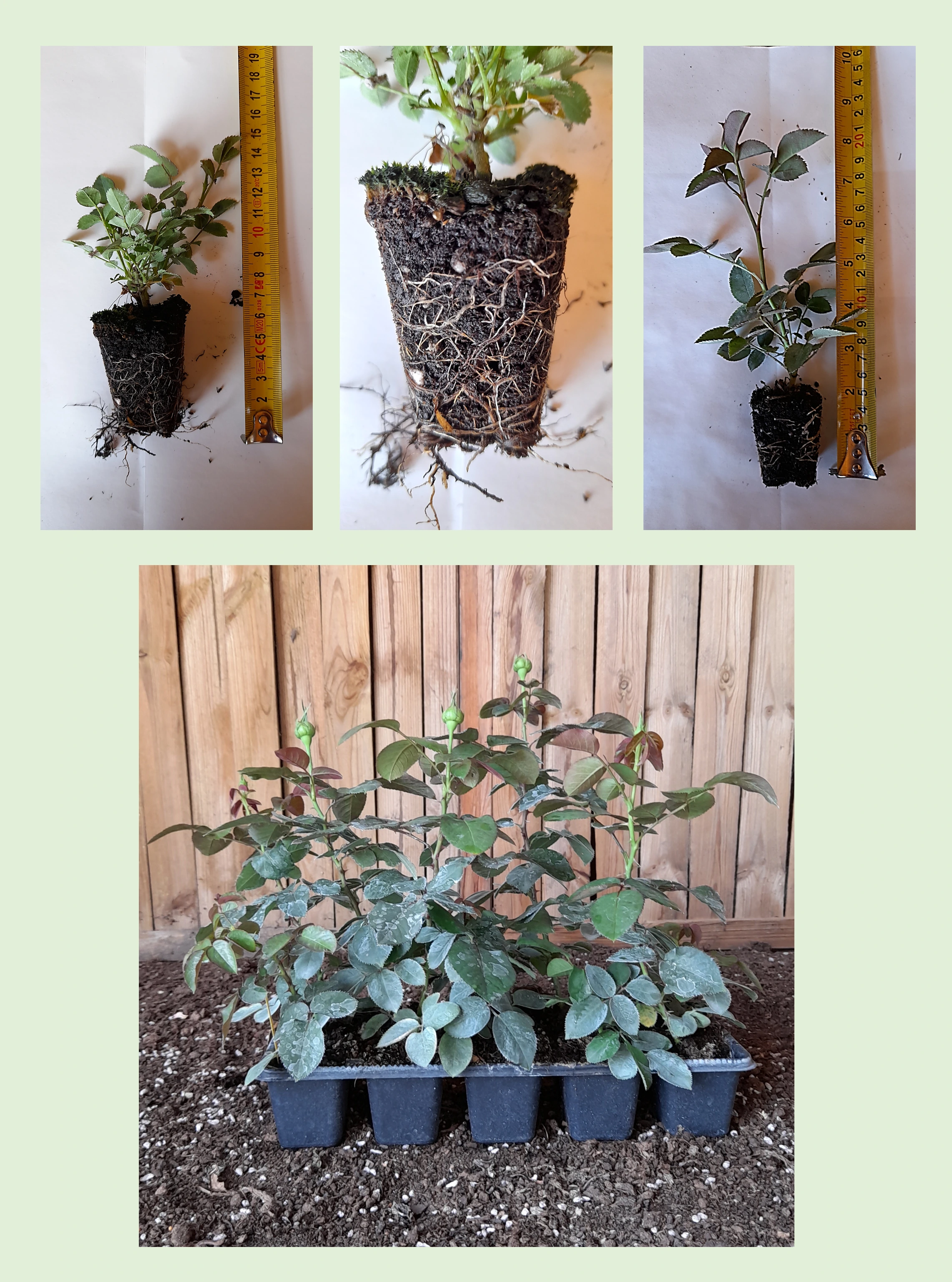
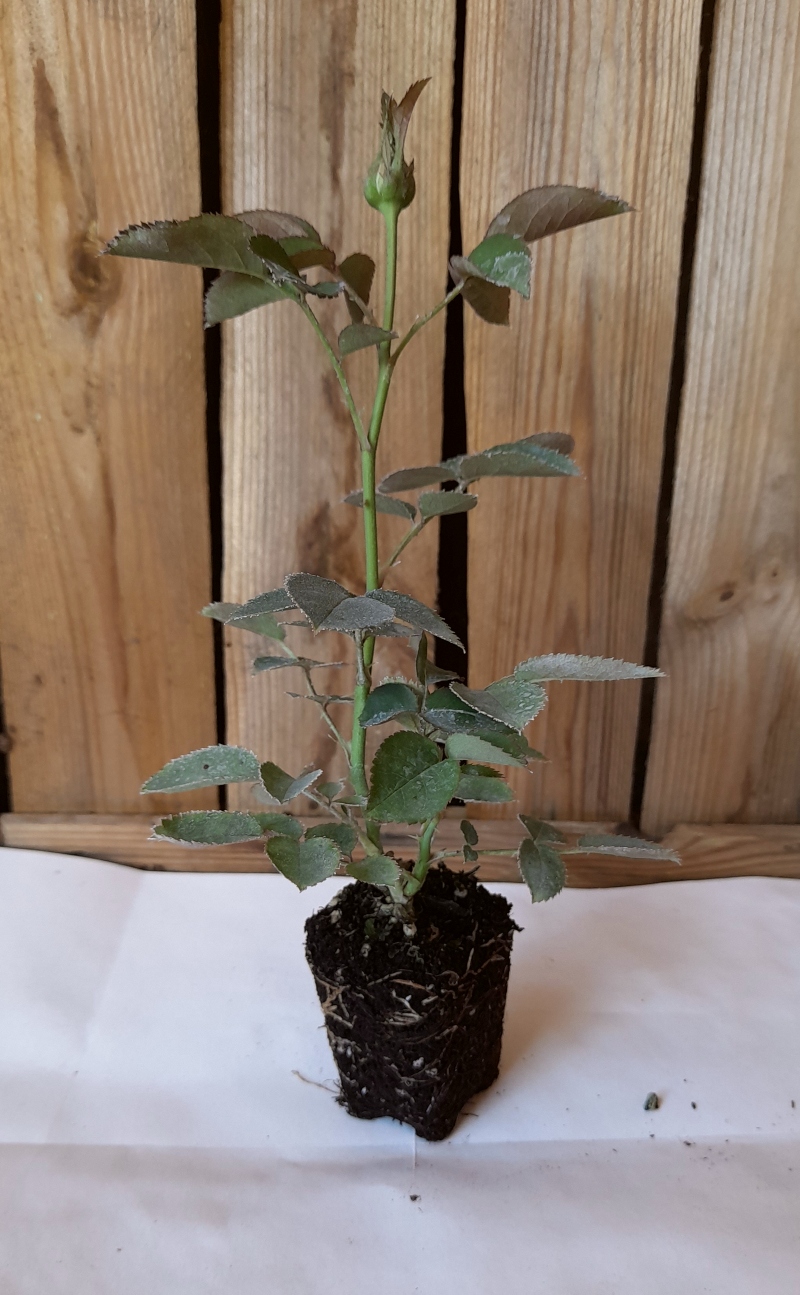
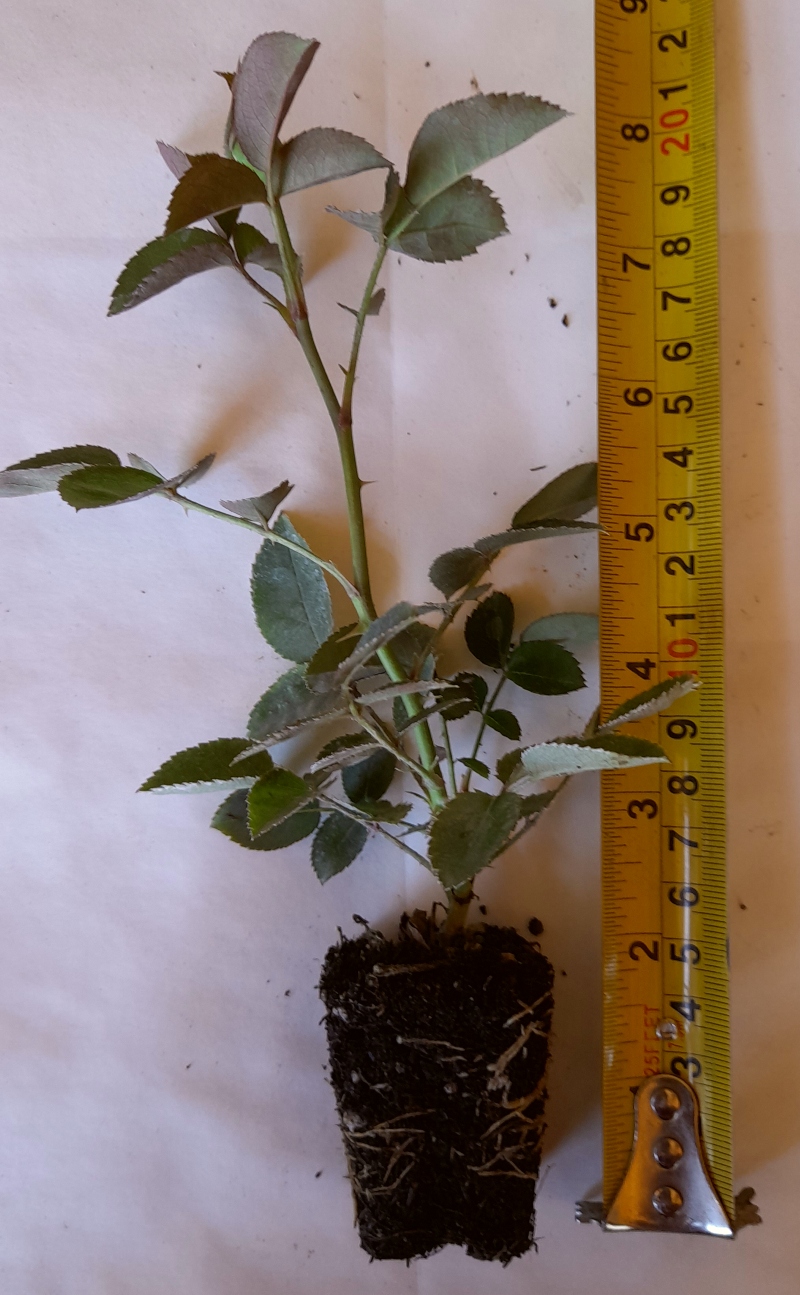
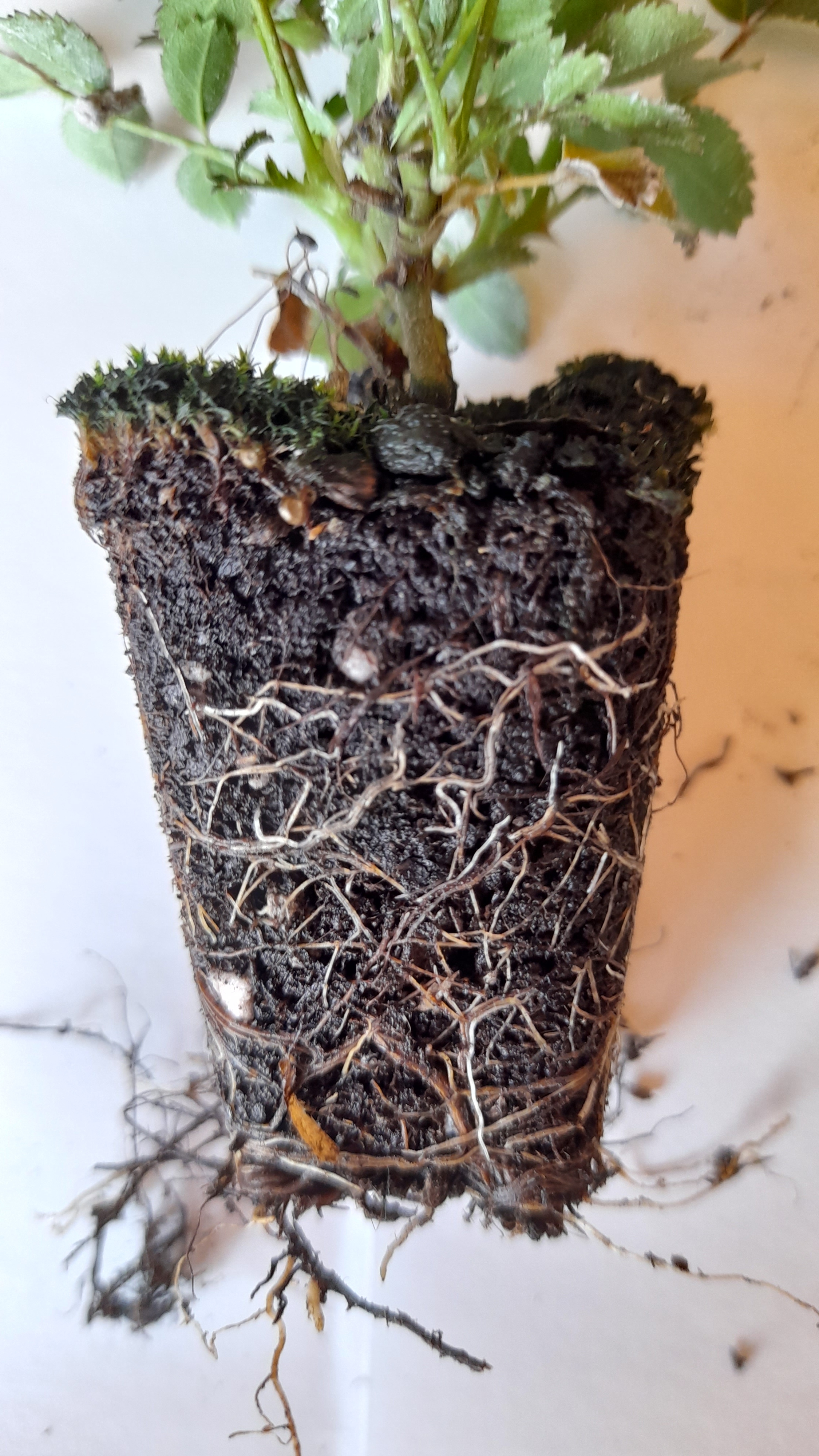
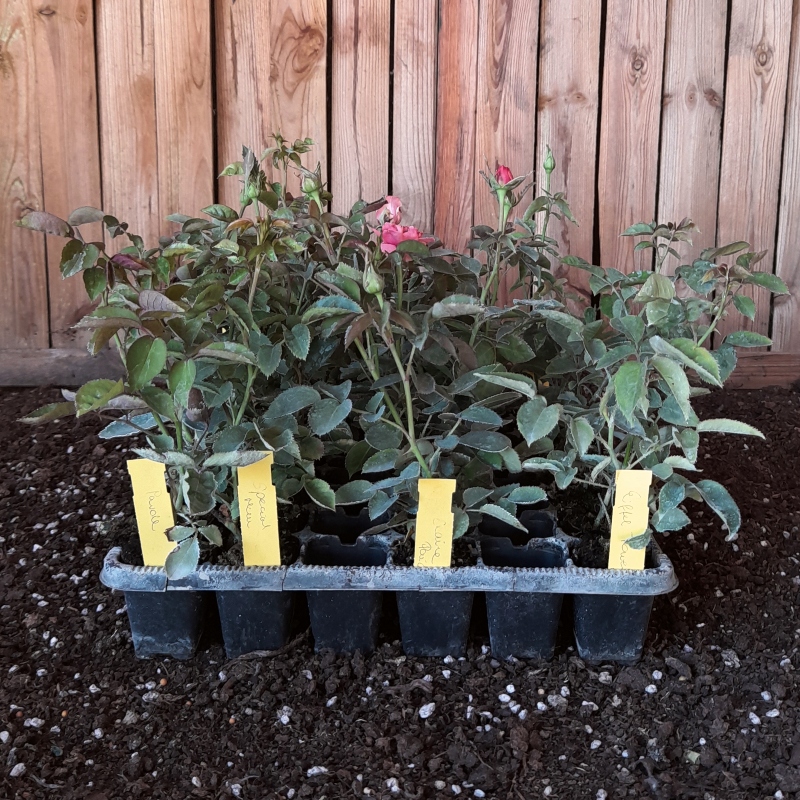
PharmaRosa® NEONATAL own-rooted rose propagation material in a plug, with a root system penetrating the plug (semi-finished product / semi-finished rose). PharmaRosa® NEONATAL rose propagation material size: 3–6‑month‑old, own-rooted cutting with a uniform developmental stage. PharmaRosa® NEONATAL rose propagation material root system: plug densely penetrated by well-developed white roots (root system detail). PharmaRosa® NEONATAL tray stock: own-rooted rose propagation material in trays, uniform developmental stage (10 pcs/tray).

Captions (from left to right): Semi-finished product (NEONATAL own-rooted rose propagation material in a plug with a fully developed root system) • Size demonstration (3–6‑month‑old, uniform cutting) • Root system detail (plug penetrated by the root system) • Tray stock (10 pcs/tray, uniform developmental stage)

pharmarosaneonatal.hupharmarosaneonatal.atpharmarosaneonatal.co.ukpharmarosaneonatal.czpharmarosaneonatal.depharmarosaneonatal.ropharmarosaneonatal.sipharmarosaneonatal.skpharmarosaneonatal.itpharmarosaneonatal.frpharmarosaneonatal.nlpharmarosaneonatal.plpharmarosaneonatal.lupharmarosaneonatal.ptpharmarosaneonatal.espharmarosaneonatal.ltpharmarosaneonatal.sepharmarosaneonatal.lvpharmarosaneonatal.eepharmarosaneonatal.fi

Which product type is right for you?

Pages for private customers
Garden roses for the family garden, with minimal care  → ORIGINAL®
Premium garden roses – instant impact, a truly showpiece garden  → EXTRA®
Pages for professionals and private customers
Roses for public spaces – large areas, sustainable maintenance  → NATURAL®
Roses for projects – hedge and row planting, fast implementation  → RAPID®
For professional partners only
Production – propagation material for garden roses, wholesale  → NEONATAL®

Company details

PharmaRosa Ltd.
Company registration number: 01-09-717479
VAT number: 13075314-2-43
Plant health registration no.: HU130721
Bank account (IBAN):
HU85117631891388688400000000
BIC (SWIFT): OTPVHUHB
Bank name: OTP Bank Nyrt.