Bedding rose

20-177-1
20-177-2

Kempelen Farkas emléke

Bedding rose

- – Márk Gergely

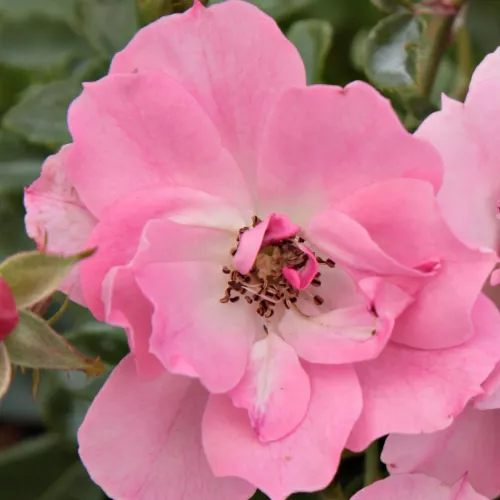
Light pink with a slight purplish tint. - polyantha bedding rose - unscented rose - no noticeable fragrance

– Light pink clusters give soft, romantic colour.
– Compact, spreading habit for fast ground cover.
– Dense, glossy foliage looks neat and healthy.
– Hardy to H7, reliable in colder climates.
– Self-cleaning blooms reduce maintenance needs.
Különlegesség: Narancsvörös, gömbölyű csipkebogyóival ősszel is díszít.
Project (landscape architecture / mass use)
Kempelen Farkas emléke
pharmaROSA® NEONATAL rooted rose cutting
28,34 £
Due to courier service regulations – and the introduction of customs clearance – delivery to Ireland is temporarily suspended.
3.5 (5064)
facebook   twitter

Kempelen Farkas emléke – pharmaROSA® NEONATAL own-root propagation material

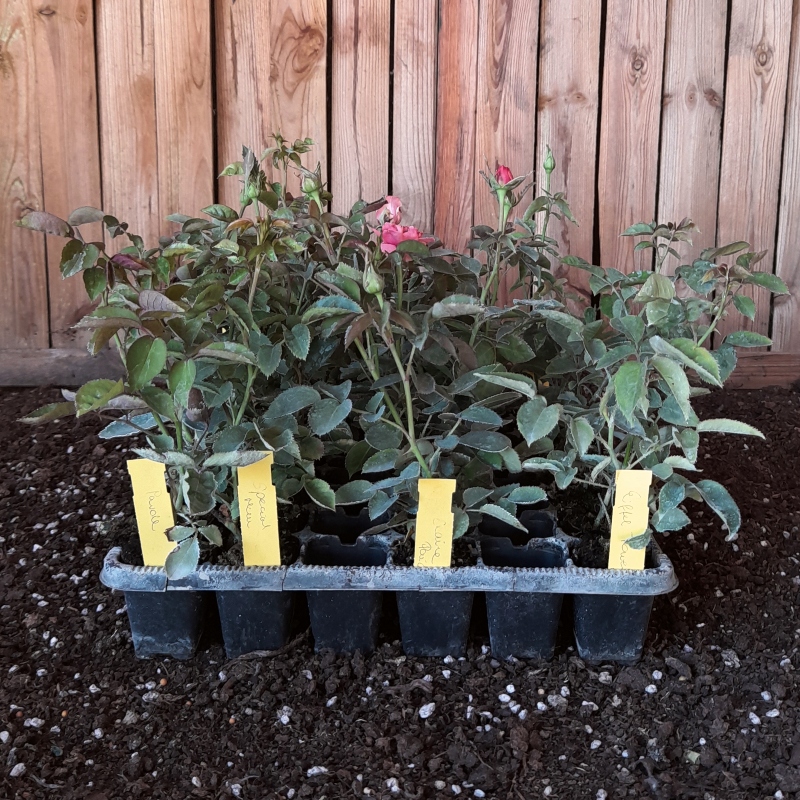
Uniformity and coverage are central to project-driven rose production, and Kempelen Farkas emléke supports this with a low, spreading polyantha habit that quickly forms dense, glossy foliage carpets in nursery beds and landscape schemes. As a tray-grown, 3–6‑month‑old pharmaROSA® NEONATAL rooted cutting, it integrates smoothly into 1.5–2 L container programmes aimed at uniform, dense, bush-trained finished stock for project mass planting. Its semi-double, cluster-flowering, light-pink inflorescences read clearly in bedding and edging runs, while own-root propagation underpins long-term sustainability and predictable regrowth in renovation cycles, supporting homogeneous stands with low replacement in thematic collections. Over a natural development arc—strong root base in year one, framework shoots in year two, and full ornamental effect from year three—it offers dependable capacity for UK nursery and public-realm supply chains, including sites where reliable winter and wind tolerance is needed in exposed northern locations. This makes it a practical, repeatable choice when building scalable ranges for landscape contractors and project-serving wholesalers.


Usage options

Target area Reasoning
Mass bedding for public projects The compact, spreading polyantha habit delivers fast ground coverage and visual uniformity, ideal for the “fast coverage – uniformity” positioning in project mass planting. NEONATAL cuttings move efficiently into 1.5–2 L pots, producing a uniform, dense, bush-trained finished product that can be batch-released on a predictable schedule. The own-root base supports long-lived, homogeneous beds with reduced replacement in high-use schemes for landscape contractors.
Edging and path-line plantings The low height and dense, mid‑green glossy foliage create a controlled edging line that holds form without obscuring sightlines, useful in parks and urban walkways. Semi-double, small clusters of light-pink flowers add a consistent colour band without requiring complex maintenance. NEONATAL material supports tight batch scheduling into uniform edging stock for project-serving wholesalers.
Urban green space and park borders The combination of spreading habit, good self-cleaning and medium maintenance needs suits large urban borders where visual continuity is more important than individual blooms. Own-root plants allow renewal from the base after harder pruning or incidental damage, stabilising ornamental value over time. The development from root establishment to full ornamental expression aligns well with multi-year urban planting plans for public-realm suppliers.
Thematic and commemorative rose collections The cultivar’s commemorative naming and pastel, slightly purplish light-pink flowers make it suitable for curated thematic collections and rose walks. Own-root NEONATAL propagation supports identity-true stock and simplifies long-term collection maintenance. Uniform, dense bush form from 1.5–2 L production makes it easy to integrate into labelled, grid-style layouts for show-garden managers.
High-density project mass planting blocks The strong tendency to form dense foliage and closely spaced branching enables high planting densities without gaps, useful in large, repeating blocks specified in landscape architecture plans. NEONATAL supply ensures consistent plant size and vigour, simplifying planting-out logistics on time-critical contracts. The noted winter hardiness supports reliable establishment in colder project locations for integrator nurseries.
Container production for resale The naturally compact spread and moderate height are well suited to 1.5–2 L containers as a dense, bush-trained bedding rose for project-focused resale, while larger 40–50 L units can serve as ready-made park modules where rapid effect is required. The semi-double, clustered flowering pattern provides clear product identity on the bench without dependency on fragrance for sell-through, supporting trade cash-and-carry.
Low-input maintenance schemes Moderate disease resistance and good self-cleaning help keep maintenance within reasonable bounds, provided routine plant protection is scheduled. Own-root plants regenerate well after periodic renovation pruning, maintaining bed density and ornamental continuity and supporting the long lifespan expected in municipal schemes. This is particularly useful where reliable winter and wind tolerance is needed in exposed northern locations for municipal tendering.
Pollinator-acknowledging ornamental plantings The semi-double flower form with partially accessible stamens offers at least partial pollinator interest without compromising the clean, bedding-style display, which can support specifications that call for some biodiversity value in otherwise formal schemes. NEONATAL material feeds into project mass planting workflows, delivering uniform batches that still meet these criteria for specifying designers.

Finished-product ideas

  • Project bedding block 2 L – Own-root NEONATAL plants finished in 1.5–2 L pots as dense, bush-trained polyantha bedding units for rapid coverage and uniformity in public beds – landscape contractor frameworks
  • Urban edge line series – Compact, spreading plants in 2 L containers, selected for consistent height and glossy foliage to form continuous edging lines in parks and streetscapes – project-serving wholesalers
  • Collection grid module – Uniform own-root plants staged for thematic rose collections, supplied as calibrated 2 L material for precise spacing and long-term identity stability – rose garden and show-ground operators
  • Ready-plant park tray – High-density trays of NEONATAL-derived 1.5–2 L bushes standardised for mass planting blocks, optimised for quick installation into large municipal schemes – public-realm supply chains
  • Large-tub display unit – Selected, well-branched plants upshifted into 40–50 L containers for immediate impact on plazas and formal entrances, leveraging fast coverage and stable own-root structure – institutional site managers

Technical cultivar profile
Parameter Data
Name and registration Current trade name Kempelen Farkas emléke, a polyantha bedding rose in the bed rose commercial group; ARS exhibition name identical, other formal registration data not provided.
Origin and breeding Polyantha rose bred by Márk Gergely in Hungary, 1994; parentage and breeding institution not provided; initially distributed by PharmaRosa® Ltd., introduction and registration years not provided.
Growth and structural characteristics Low, spreading habit reaching about 40–60 cm high with 55–85 cm spread; dense, mid‑green glossy foliage, moderately thorny shoots, forming compact, ground-covering bedding structures under professional culture.
Flower morphology Semi-double, cupped flowers with 13–25 petals, small size around 0.5–1.5 inches, produced in clusters; repeat flowering with a plentiful second flush, aiding continuous bedding and edging display in season.
Colour data and phenology Light-pink flowers with a slight purplish tint; ARS code lp, RHS 65C outer and 65D inner; colour fades from lilac-toned light pink to pastel, then to powder pink with a creamy-white centre glow under garden conditions.
Fragrance and aroma No noticeable fragrance recorded; bloom effect is carried by colour and clustering rather than scent, which simplifies positioning in projects where fragrance is non-essential or potentially conflicting with site requirements.
Hip characteristics Forms moderately abundant, spherical orange-red hips about 6–9 mm in diameter; hips can add discreet seasonal interest, though not dominant in the overall ornamental effect for bedding and project applications.
Resistance and winter hardiness Moderate disease resistance to powdery mildew, black spot and rust; average heat and drought tolerance requiring irrigation in prolonged dry periods; hardy to approximately –21 to –18 °C, RHS H7, Swedish zone 3, USDA 6b.
Horticultural recommendations Recommended for flower beds, edging, parks and urban green spaces; medium maintenance with occasional plant protection; suited to uniform, dense, bush-trained finished forms for project mass planting from 1.5–2 L pots.

Kempelen Farkas emléke offers compact, fast-covering, uniform bedding performance from predictable own-root NEONATAL material, supporting stable long-term stands and scalable project capacity; please contact us to coordinate volumes and scheduling for your programmes.

Detailed product attributes

Product Identification Data

Product Name: KEMPELEN FARKAS EMLÉKE – light pink flowerbed polyantha rose - Márk
Product Type: pharmaROSA® NEONATAL - rooted rose cutting
Cultivar Authenticity: Verified:19.02.2025
Cultivar Quality Rating: premium bronze
Item Number: [332] 20-177 (14.02.2026) pharmarosaneonatal.co.uk

Name and Registration

Meaning of Cultivar Name: The name commemorates Kempelen Farkas, an 18th-century Hungarian inventor.
Original Trade Name: Kempelen Farkas emléke
Current Trade Name: Kempelen Farkas emléke Bedding rose Márk
Rose Group: Polyantha
Commercial Type: polyantha bedding rose
Commercial Group: Bed rose
Exhibition Category: bed; cluster-flowered rose
Collection: Bedding rose

Origin and Breeding

Initial Distributor: PharmaRosa® Ltd. (Hungary)
Introduction Year: Data not available
Registration Year: Data not available
Breeder: Márk Gergely
Breeding Company / Institution: unknown / no data
Breeding Year: Hungary, 1994
Parentage: unknown

Growth and Structural Characteristics

Height: 1.3-2ft (40-60 cm)
Spread: 1.8-2.8ft (55-85 cm)
Growth Habit: spreading
Foliage: The variety has dense foliage, with leaves that have a glossy surface and a mid‑green hue.
Prickliness: moderately thorny
Self-Cleaning Description: According to the descriptions, most spent blooms shed their petals naturally.
Self-Cleaning Intensity: self-cleaning likely good

Flower Morphology

Petal Count: 13-25
Flower Fullness: semi-double-flowered
Flower Shape: cupped (cup-shaped)
Flower Size: S (0,5-1,5 in)
Inflorescence Type: clustered
Colour Code: ARS code: lp RHS code: 65C (outer), 65D (inner)
Repeat Flowering: It repeats well, with a plentiful second flowering.

Colour Data and Phenology

Colour: light-pink
Flower Colour Description: Light pink with a slight purplish tint.
Closed Bud: Silky pale pink with a delicate lavender veil at the tips.
Newly Opened Flower: Pure light pink with a soft lilac tone on the inner side and uniform colour depth.
Full Bloom: Pastel pink, slightly paler towards the edges of the petals.
Before Fading: Pale powdery pink with a creamy-white inner sheen, the lilac tint barely perceptible.
Colour Fading Description: On opening, the light pink fades from a slight mauve tone to a pastel, then to a faded powder-pink, with a creamy-white glow in the centre.

Fragrance and Aroma

Fragrance Strength: unscented rose
Fragrance Character: no noticeable fragrance
Pollinator Attraction: Semi-double, smaller flowers with partially accessible stamens moderately attract pollinators because the semi-double form and limited stamen access reduce their appeal.
Pollinator-Friendly Rating: Due to its semi-double flowers, it can be considered partly pollinator-friendly.

Hip Characteristics

Hip Shape: spherical
Hip Colour: orange-red
Hip Comment: Moderately abundant, 6–9 mm in diameter, spherical, orange-red rose hip.

Resistance and Hardiness

Hardiness (°C): -21–-18 °C
Heat and Drought Tolerance Description: Average heat–drought tolerance; requires irrigation during prolonged drought.
Disease Resistance: moderate
  • powdery mildew – moderate
  • black spot – moderate
  • rust – moderate

Horticultural Recommendations

Recommended product path: Project mass planting
Release form: Uniform, dense, bush-trained finished product
Recommended use: Maintenance requirement medium; occasionally requires plant protection.
Primary Uses: flower bed, edging, park, urban green space, standard (high-stem)

Comments

Positioning: Project (landscape architecture / mass use)
Target customer/channel: Landscape contractor, project-serving wholesaler / maintenance
Main value proposition: Fast coverage – uniformity
KEMPELEN FARKAS EMLÉKE – light pink flowerbed polyantha rose - Márk
Light pink with a slight purplish tint. - polyantha bedding rose - unscented rose - no noticeable fragrance
Online rose purchase - light-pink - unscented rose - Kempelen Farkas emléke - polyantha bedding rose - (1.3-2ft (40-60 cm))
Inflorescence: clustered Height: 1.3-2ft (40-60 cm) Flower shape: cupped (cup-shaped) Winter hardiness: 6b light-pink - PharmaRosa® Ltd. (Hungary) polyantha bedding rose - Flower size: S (0,5-1,5 in) Flower size: S (0,5-1,5 in) - Height: 1.3-2ft (40-60 cm) Height: 1.3-2ft (40-60 cm) - Flower fullness: semi-double-flowered Kempelen Farkas emléke - Roses in the garden | pharmaROSA® Neonatal - premium bronze Márk Gergely

We showcase the external appearance of the roses available for online purchase from our webshop.


Which product type is right for you?


PharmaRosa® NEONATAL is the cost‑effective starting point for rose product production.

As a uniform, own‑rooted propagation material, it provides a stable basis for further growing-on and can be integrated flexibly into different finished product production technologies.

Rooted in trays (rooted), 3–6‑month‑old, own‑rooted rose cutting.
Uniform developmental stage, with a root system that has thoroughly penetrated the plug.
For professional growing‑on.
Tray packaging: 10 pcs/tray.
Quality and varietal identity: production supported by a dedicated identification and traceability logic.
Can be transplanted during frost‑free periods, designed for finished product production.

PharmaRosa® NEONATAL provides a controlled, uniform starting stock for planned growing‑on that can be integrated into your own technology – especially where scheduling and varietal identity are paramount.


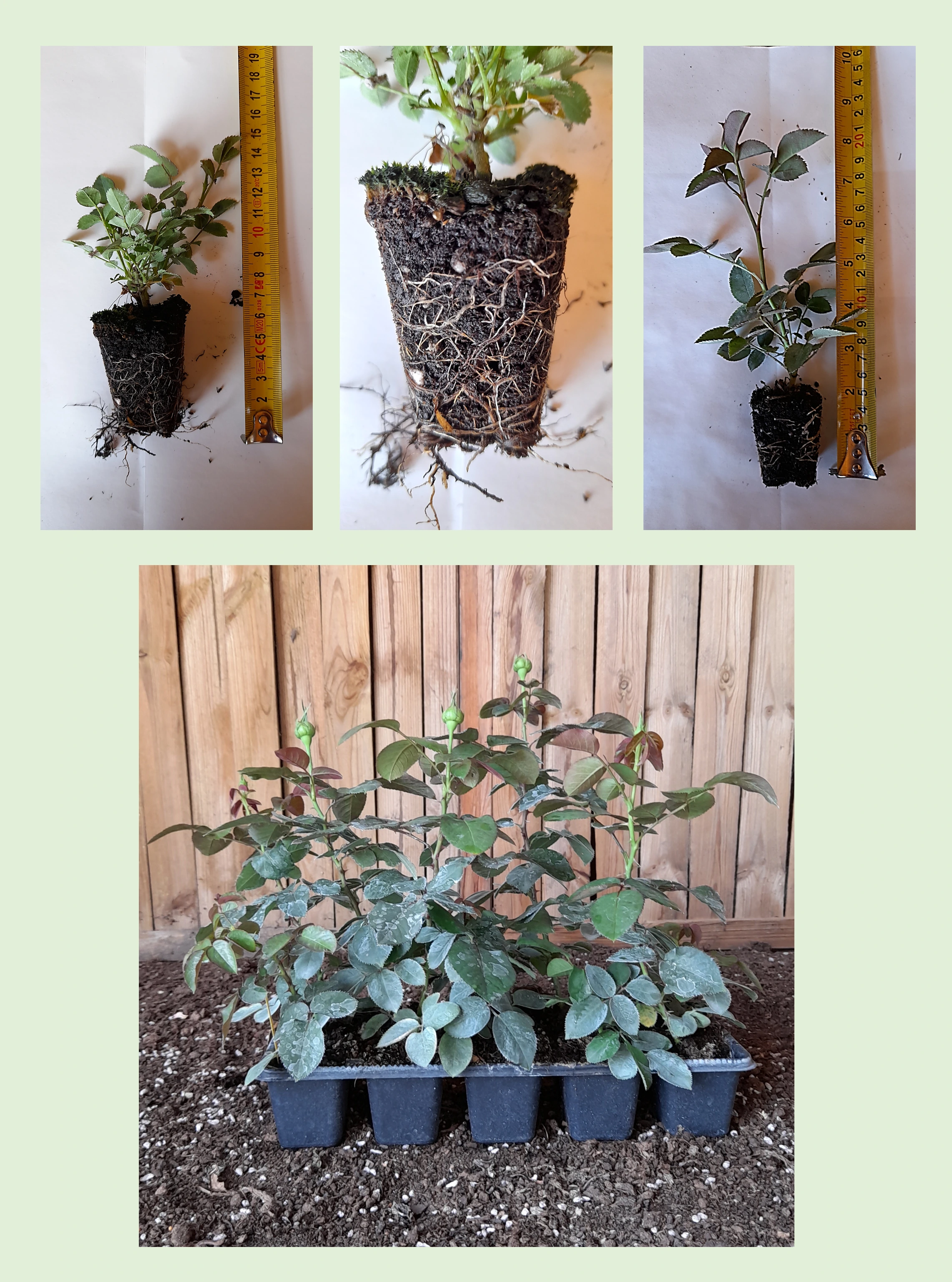
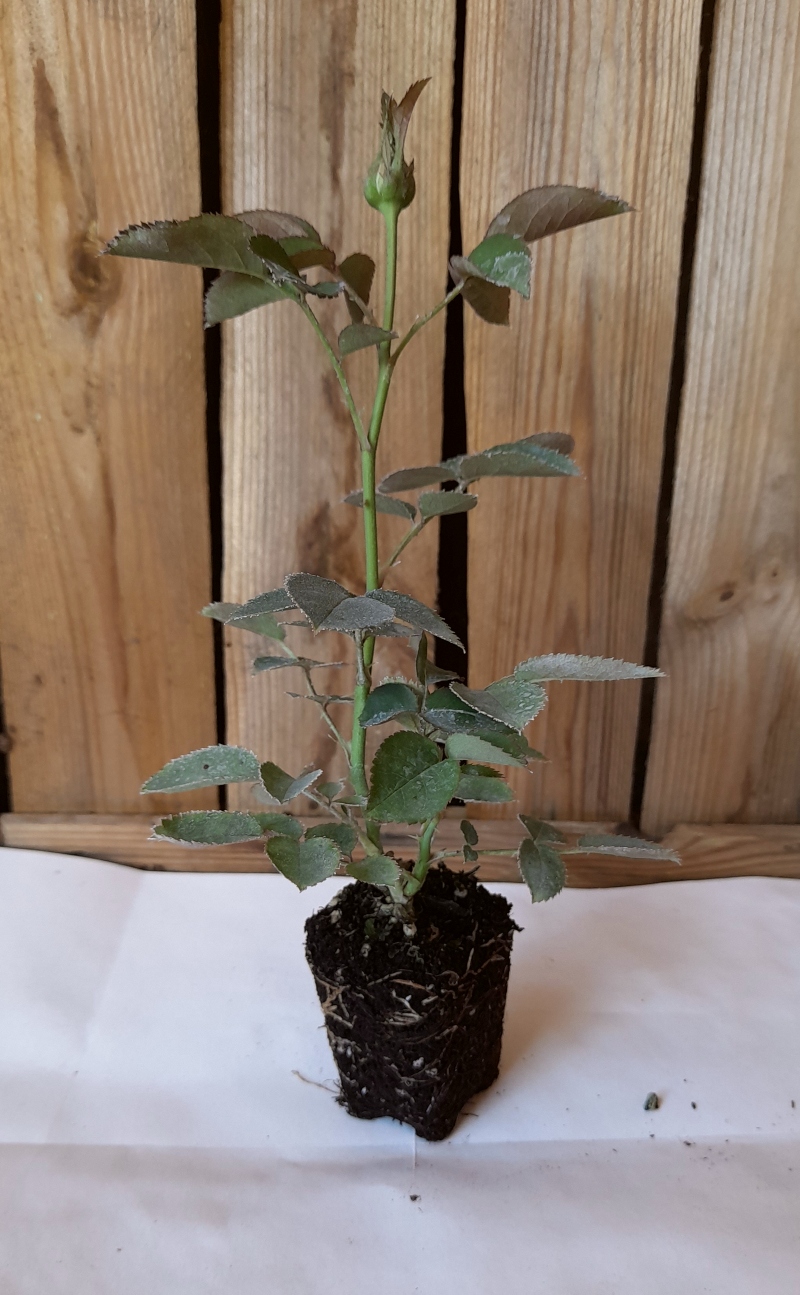
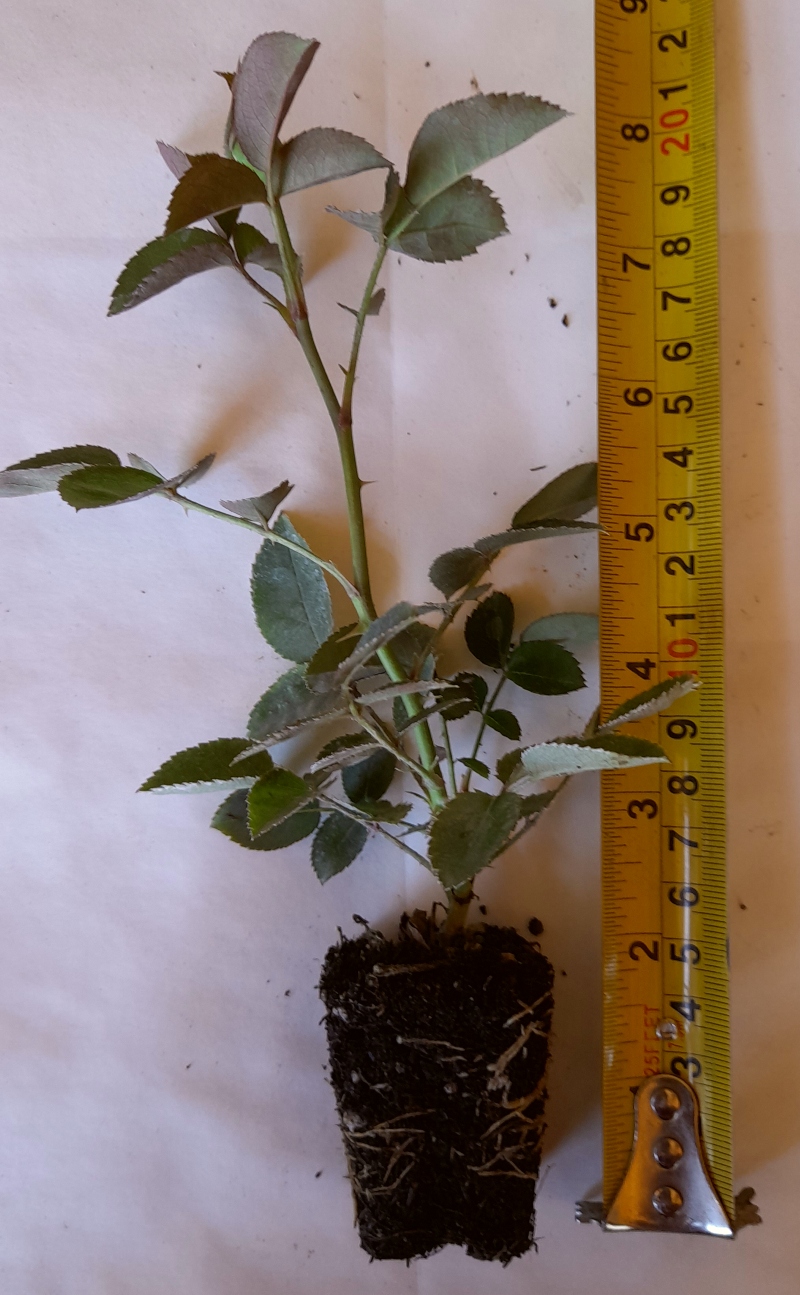
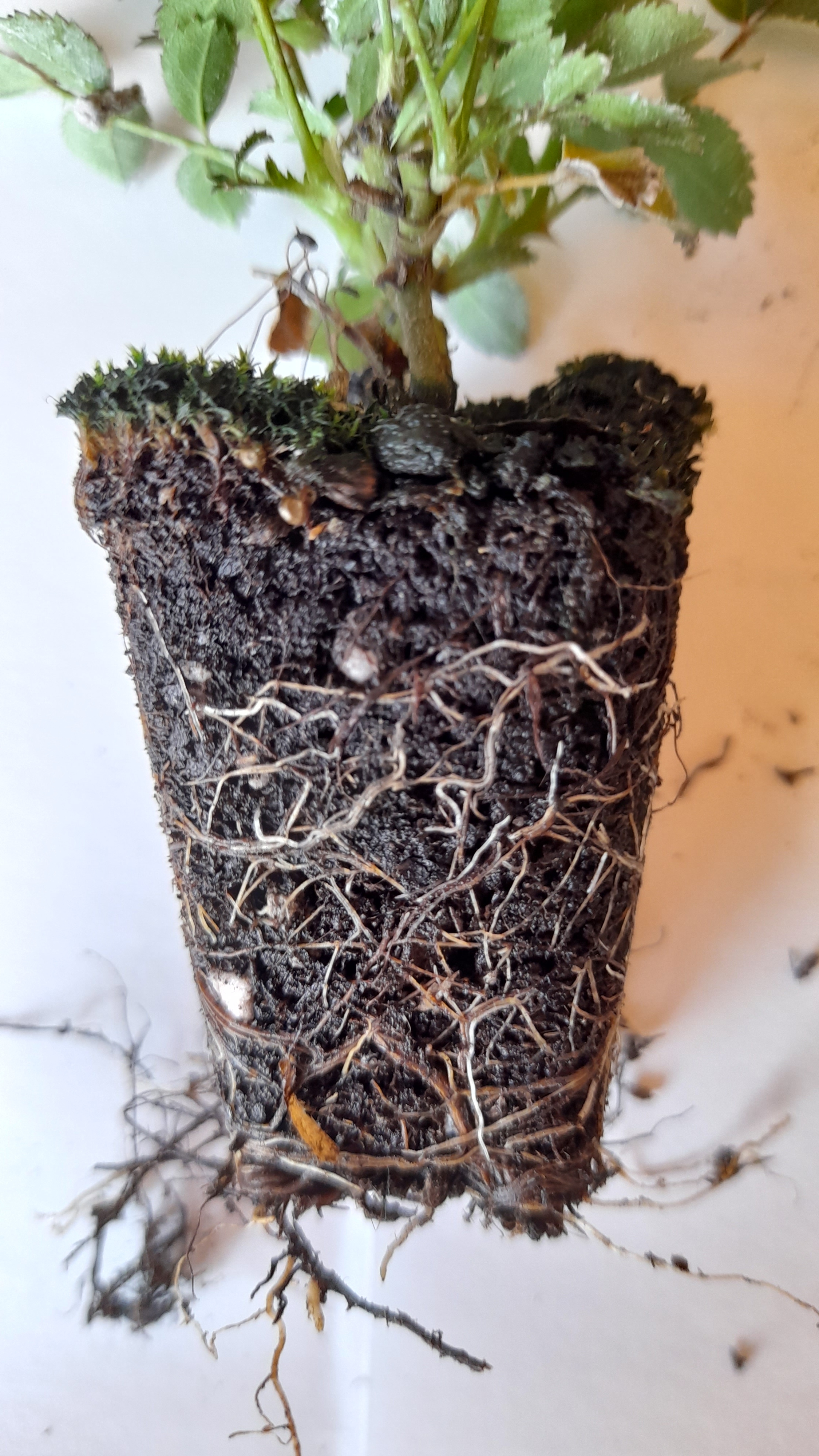
PharmaRosa® NEONATAL own-rooted rose propagation material in a plug, with a root system penetrating the plug (semi-finished product / semi-finished rose). PharmaRosa® NEONATAL rose propagation material size: 3–6‑month‑old, own-rooted cutting with a uniform developmental stage. PharmaRosa® NEONATAL rose propagation material root system: plug densely penetrated by well-developed white roots (root system detail). PharmaRosa® NEONATAL tray stock: own-rooted rose propagation material in trays, uniform developmental stage (10 pcs/tray).

Captions (from left to right): Semi-finished product (NEONATAL own-rooted rose propagation material in a plug with a fully developed root system) • Size demonstration (3–6‑month‑old, uniform cutting) • Root system detail (plug penetrated by the root system) • Tray stock (10 pcs/tray, uniform developmental stage)

pharmarosaneonatal.co.ukpharmarosaneonatal.ropharmarosaneonatal.skpharmarosaneonatal.depharmarosaneonatal.sipharmarosaneonatal.czpharmarosaneonatal.atpharmarosaneonatal.itpharmarosaneonatal.frpharmarosaneonatal.plpharmarosaneonatal.espharmarosaneonatal.nlpharmarosaneonatal.ptpharmarosaneonatal.lupharmarosaneonatal.lvpharmarosaneonatal.sepharmarosaneonatal.fipharmarosaneonatal.ltpharmarosaneonatal.eepharmarosaneonatal.hu

Which product type is right for you?

Pages for private customers
Garden roses for the family garden, with minimal care  → ORIGINAL®
Premium garden roses – instant impact, a truly showpiece garden  → EXTRA®
Pages for professionals and private customers
Roses for public spaces – large areas, sustainable maintenance  → NATURAL®
Roses for projects – hedge and row planting, fast implementation  → RAPID®
For professional partners only
Production – propagation material for garden roses, wholesale  → NEONATAL®

Company details

PharmaRosa Ltd.
Company registration number: 01-09-717479
VAT number: 13075314-2-43
Plant health registration no.: HU130721
Bank account (IBAN):
HU85117631891388688400000000
BIC (SWIFT): OTPVHUHB
Bank name: OTP Bank Nyrt.