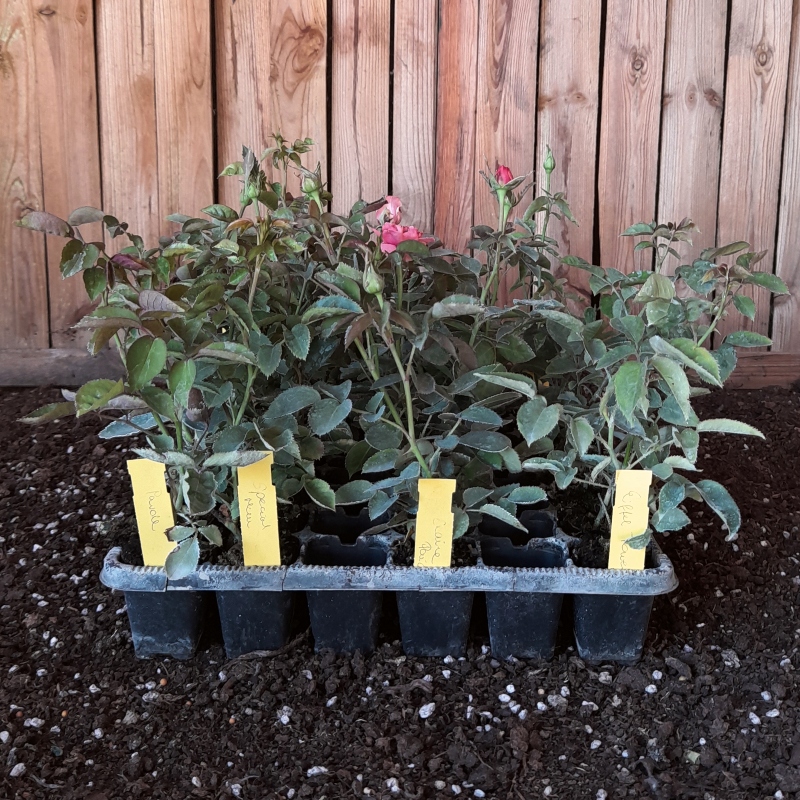
Kempelen Farkas emléke – pharmaROSA® NEONATAL own-root propagation material
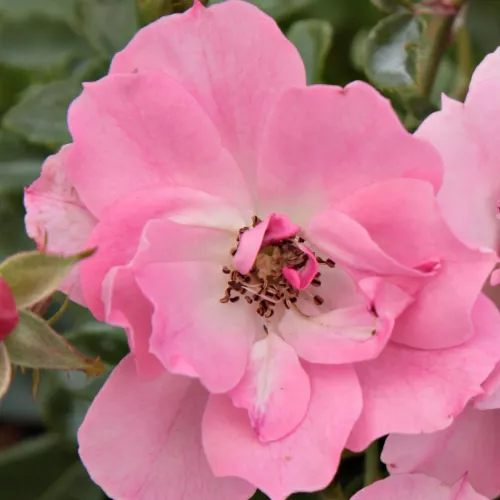
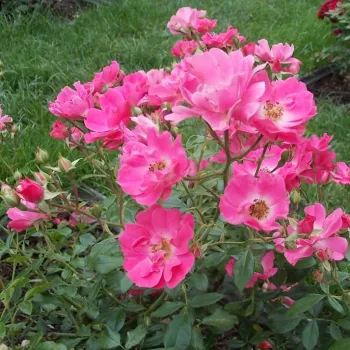
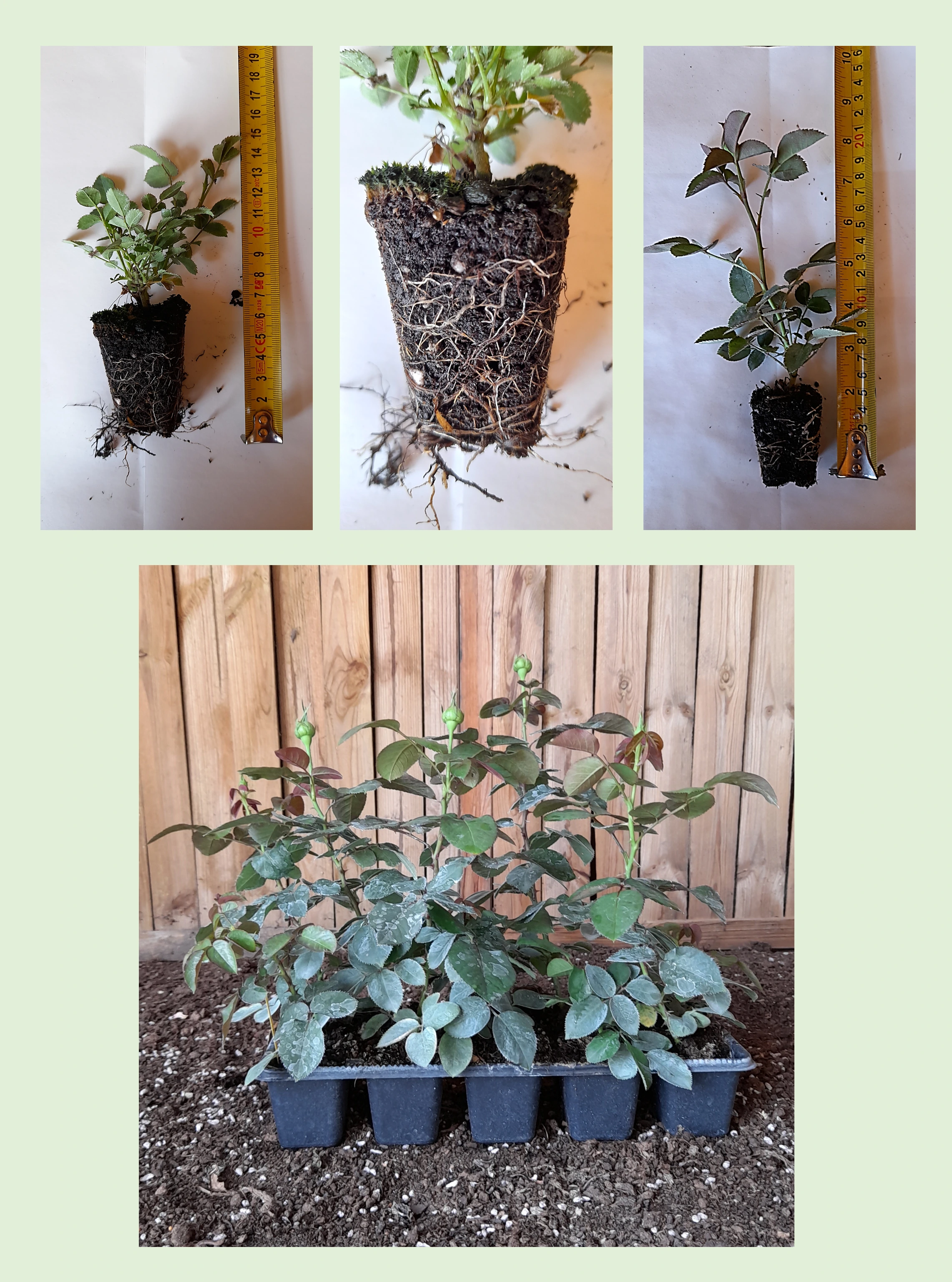
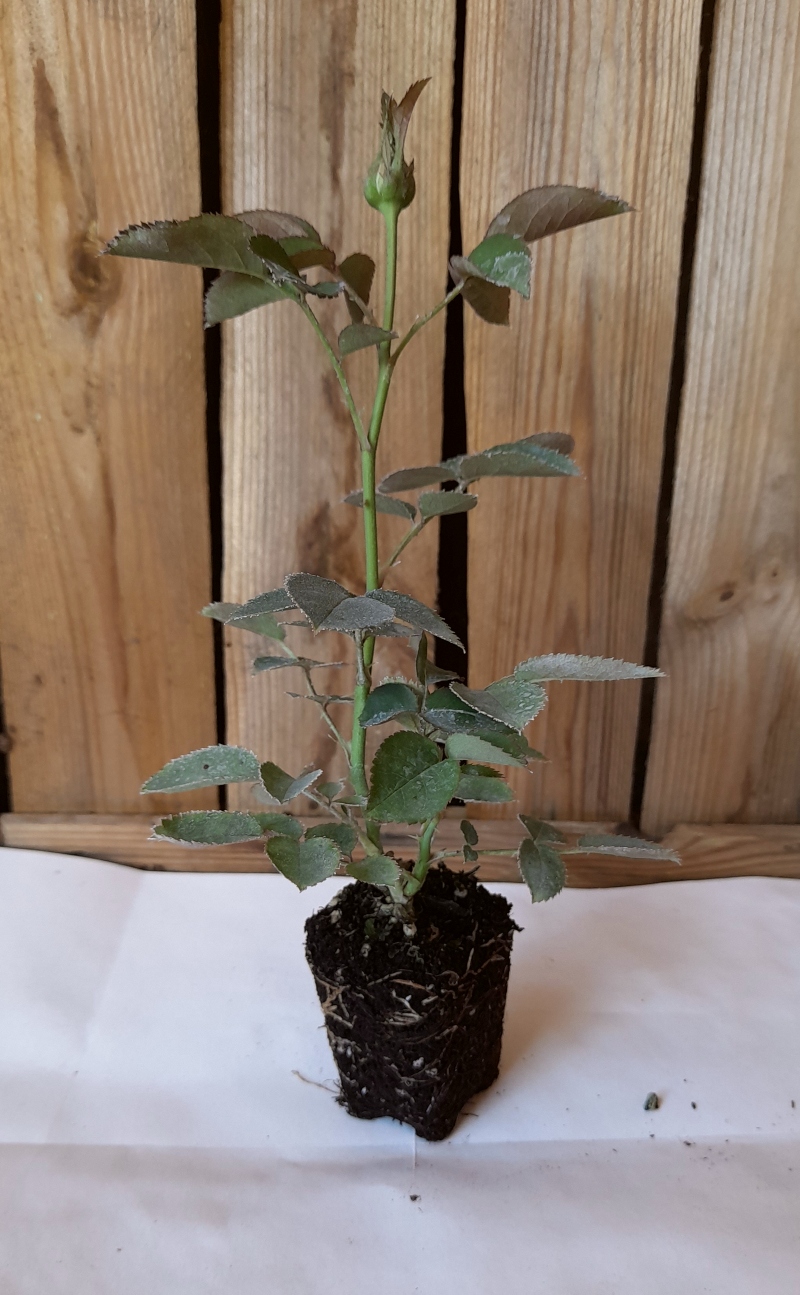
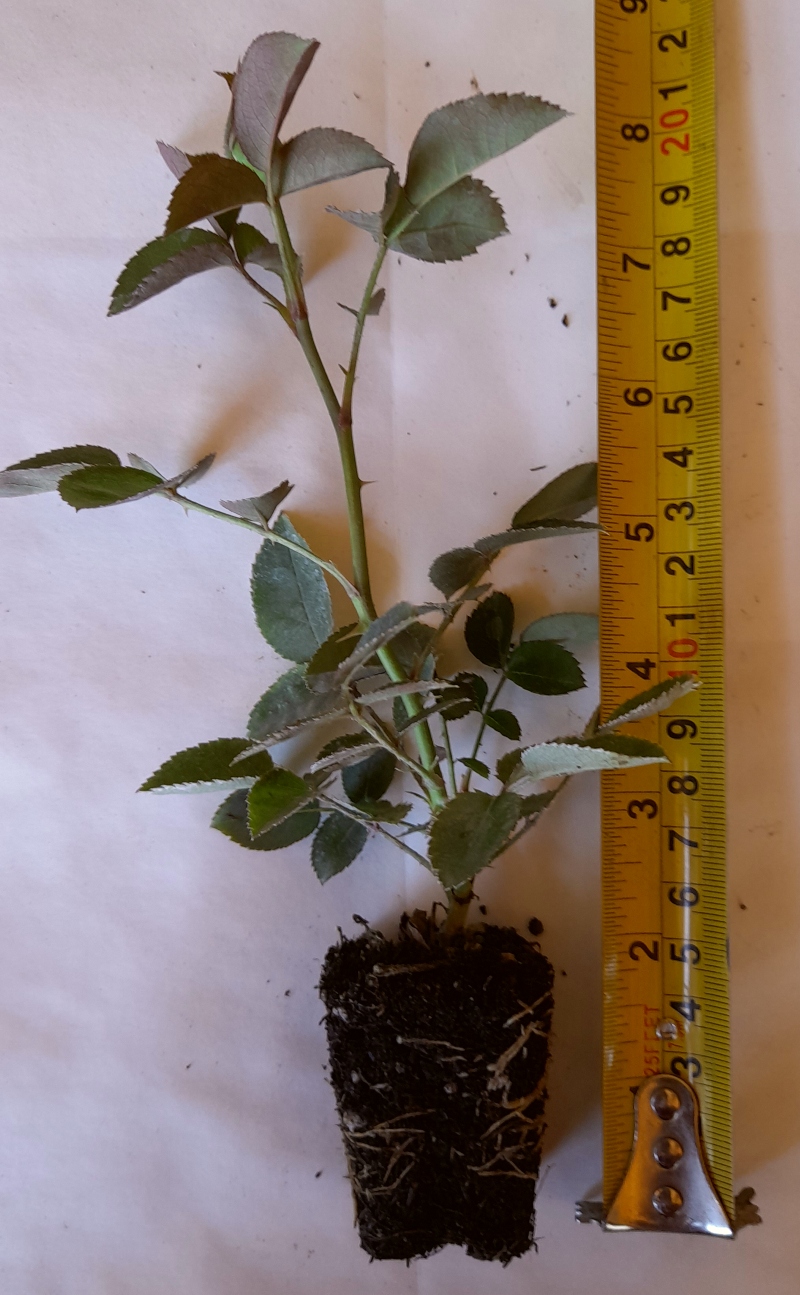
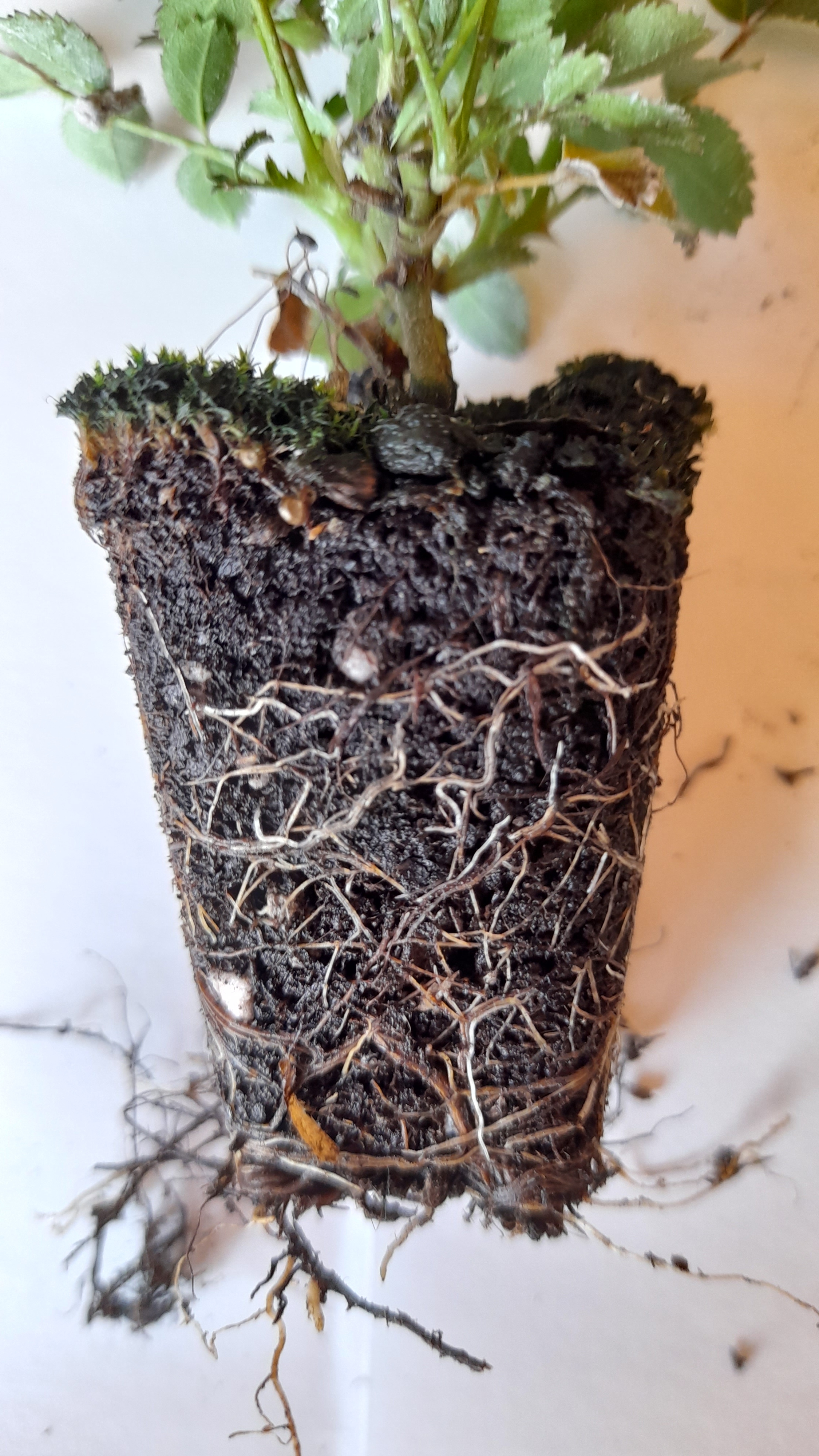
Uniformity and coverage are central to project-driven rose production, and Kempelen Farkas emléke supports this with a low, spreading polyantha habit that quickly forms dense, glossy foliage carpets in nursery beds and landscape schemes. As a tray-grown, 3–6‑month‑old pharmaROSA® NEONATAL rooted cutting, it integrates smoothly into 1.5–2 L container programmes aimed at uniform, dense, bush-trained finished stock for project mass planting. Its semi-double, cluster-flowering, light-pink inflorescences read clearly in bedding and edging runs, while own-root propagation underpins long-term sustainability and predictable regrowth in renovation cycles, supporting homogeneous stands with low replacement in thematic collections. Over a natural development arc—strong root base in year one, framework shoots in year two, and full ornamental effect from year three—it offers dependable capacity for UK nursery and public-realm supply chains, including sites where reliable winter and wind tolerance is needed in exposed northern locations. This makes it a practical, repeatable choice when building scalable ranges for landscape contractors and project-serving wholesalers.
Usage options
Finished-product ideas
- Project bedding block 2 L – Own-root NEONATAL plants finished in 1.5–2 L pots as dense, bush-trained polyantha bedding units for rapid coverage and uniformity in public beds – landscape contractor frameworks
- Urban edge line series – Compact, spreading plants in 2 L containers, selected for consistent height and glossy foliage to form continuous edging lines in parks and streetscapes – project-serving wholesalers
- Collection grid module – Uniform own-root plants staged for thematic rose collections, supplied as calibrated 2 L material for precise spacing and long-term identity stability – rose garden and show-ground operators
- Ready-plant park tray – High-density trays of NEONATAL-derived 1.5–2 L bushes standardised for mass planting blocks, optimised for quick installation into large municipal schemes – public-realm supply chains
- Large-tub display unit – Selected, well-branched plants upshifted into 40–50 L containers for immediate impact on plazas and formal entrances, leveraging fast coverage and stable own-root structure – institutional site managers
Technical cultivar profile
| Parameter |
Data |
| Name and registration |
Current trade name Kempelen Farkas emléke, a polyantha bedding rose in the bed rose commercial group; ARS exhibition name identical, other formal registration data not provided. |
| Origin and breeding |
Polyantha rose bred by Márk Gergely in Hungary, 1994; parentage and breeding institution not provided; initially distributed by PharmaRosa® Ltd., introduction and registration years not provided. |
| Growth and structural characteristics |
Low, spreading habit reaching about 40–60 cm high with 55–85 cm spread; dense, mid‑green glossy foliage, moderately thorny shoots, forming compact, ground-covering bedding structures under professional culture. |
| Flower morphology |
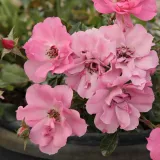
Semi-double, cupped flowers with 13–25 petals, small size around 0.5–1.5 inches, produced in clusters; repeat flowering with a plentiful second flush, aiding continuous bedding and edging display in season. |
| Colour data and phenology |
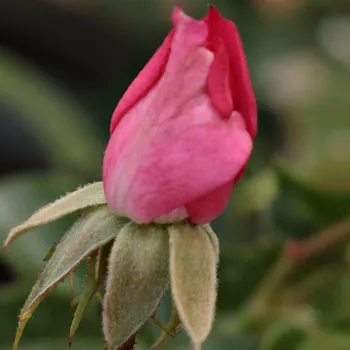
Light-pink flowers with a slight purplish tint; ARS code lp, RHS 65C outer and 65D inner; colour fades from lilac-toned light pink to pastel, then to powder pink with a creamy-white centre glow under garden conditions. |
| Fragrance and aroma |
No noticeable fragrance recorded; bloom effect is carried by colour and clustering rather than scent, which simplifies positioning in projects where fragrance is non-essential or potentially conflicting with site requirements. |
| Hip characteristics |
Forms moderately abundant, spherical orange-red hips about 6–9 mm in diameter; hips can add discreet seasonal interest, though not dominant in the overall ornamental effect for bedding and project applications. |
| Resistance and winter hardiness |
Moderate disease resistance to powdery mildew, black spot and rust; average heat and drought tolerance requiring irrigation in prolonged dry periods; hardy to approximately –21 to –18 °C, RHS H7, Swedish zone 3, USDA 6b. |
| Horticultural recommendations |
Recommended for flower beds, edging, parks and urban green spaces; medium maintenance with occasional plant protection; suited to uniform, dense, bush-trained finished forms for project mass planting from 1.5–2 L pots. |
Kempelen Farkas emléke offers compact, fast-covering, uniform bedding performance from predictable own-root NEONATAL material, supporting stable long-term stands and scalable project capacity; please contact us to coordinate volumes and scheduling for your programmes.