Hybrid tea rose

21-140-1
21-140-2

King David

Hybrid tea rose

TANmarsa – Hans Jürgen Evers

A rich orange shade with a coppery tinge. - hybrid tea rose - light, subtly scented rose - light, pleasantly fruity character

– XL, high‑centred blooms for cutting
– Rich copper‑orange colour, warm and luminous
– Good heat tolerance for sunny positions
– Medium disease resistance in the garden
– Dense, upright habit for beds and containers
– Special feature: Light, pleasantly fruity fragrance ideal for close‑up enjoyment.
Exclusive finished product
King David
pharmaROSA® NEONATAL rooted rose cutting
30,17 £
Due to courier service regulations – and the introduction of customs clearance – delivery to Ireland is temporarily suspended.
4.5 (6653)
facebook   twitter

King David – TANmarsa hybrid tea rose propagation material

Premium own-root pharmaROSA® NEONATAL cuttings of King David (TANmarsa) give nurseries a stable, exclusive propagation base for high-value hybrid tea production, with uniform tray-grown plants that integrate smoothly into container workflows and support collection projects in thematic rose gardens. The cultivar’s flower quality, XL high-centred solitary blooms and dense foliage structure suit a premium 5–7 L container route, while own-root longevity underpins long-term bed or show-garden use and predictable future lifting for cut-flower production. In UK nursery networks serving both retail resellers and institutional schemes, its good heat tolerance performs reliably even in warmer southern sites, complementing locations where winter hardiness and wind exposure are also critical. From Year 1 root consolidation through Year 2 framework establishment to full ornamental expression by Year 3, King David supports planned, low-replacement stock building and wholesale scheduling for integrators seeking distinctive orange hybrid tea ranges.


Usage options

Target area Reasoning
Premium 5–7 L exhibition-grade containers King David’s XL, high-centred hybrid tea blooms and premium gold rating provide the flower form and quality needed for an exclusive finished product in the recommended premium container route with 5–7 L pots. Bush-trained structure with 3–5 strong canes supports a clear, symmetrical outline that presents individual flowers effectively for retail and reseller display, aligned with a cut-flower/exhibition positioning. Own-root propagation gives predictable regrowth after pruning and low replacement rates, helping nurseries maintain consistent quality and volumes for retail-reseller networks.
Cut-flower and exhibition stem production blocks The solitary, pointed-budded cut-rose type flowers and repeat flowering habit make King David suitable for bed systems dedicated to stem harvesting for cut-flower or exhibition use. The premium container recommendation translates well into structured propagation beds where bush-trained canes are selected for long, straight flowering shoots. Medium maintenance and disease levels are manageable within professional spray and hygiene programmes, while own-root durability provides renewable growth after cutting cycles, supporting stable output for specialist-cut-rose channels.
Thematic orange-hued rose collections The rich copper-orange colour range, with attractive transition from deep coppery buds to peach‑orange fade, fits well in curated colour-themed sections of rose collections and show gardens. The cultivar’s positioning as an exclusive finished product allows nurseries to anchor premium orange hybrid tea segments around a recognisable trade name and ARS exhibition identity. Own-root stands support long-lived collection beds with reduced need for replanting, and tray-rooted NEONATAL material simplifies scaling volumes to support public-realm-collection projects.
Specimen feature plants in high-visibility beds The upright habit, dense, slightly glossy foliage and XL solitary blooms make King David suitable as an individual specimen in key viewing points or formal beds at garden attractions or retail display areas. Bush-trained 3–5 cane structure is straightforward to finish into strong-feature plants in 5–7 L containers before planting out. Medium disease resistance and self-cleaning that requires some deadheading suit sites where regular professional maintenance is planned, aligning with an exclusive, flower-quality-driven proposition for show-garden-oriented clients.
Own-root container production for retail / reseller brands As an exclusive finished product targeting retail and reseller customers, King David can underpin private-label hybrid tea offerings where consistent, own-root quality is essential. NEONATAL tray-rooted cuttings allow efficient storage, grading and batch scheduling into 5–7 L premium container lines, supporting predictable capacity for seasonal promotions. The balance of medium maintenance with good heat tolerance suits UK supply chains that must span cooler northern sites and warmer southern outlets, offering reliable performance for brand-focused-retailers.
Flower-bed plantings for institutional or hospitality sites King David’s upright, compact 60–80 cm habit and 50–70 cm spread make it practical for formal flower-bed layouts in hotels, campuses or high-profile landscapes where strong flower form matters. Medium disease levels are acceptable where scheduled maintenance is built in, and own-root plants provide long-term regeneration and stable ornamental value between pruning cycles. The cultivar’s good tolerance of heat, with regular irrigation, suits exposed southern urban plantings in the UK, while still offering hardiness appropriate to broader regional use for institutional-planting-specifiers.
Medium-maintenance show-garden demonstration beds The medium maintenance rating and moderate disease resistance enable King David to be used in demonstration or trial beds where ongoing professional care is available but extremely low-input behaviour is not required. Repeating flowering with an abundant second flush showcases the full cut-flower style potential within curated display areas. NEONATAL own-root plants support homogeneous, clearly labelled stands for cultivar comparison and education, with predictable multi-year performance attractive to demonstration-garden-programmes.
Container-based propagation for colour-themed retail benches For nurseries building retail benches around warm orange and copper tones, King David’s clear colour identity and exclusive positioning provide a reliable anchor cultivar. Tray-rooted NEONATAL material feeds into a premium 5–7 L container route, giving uniform plant size and presentation for in-store colour blocking. Own-root longevity and stable regrowth assist in managing over-wintered stock and rolling availability, ideal where retailers expect consistent, high-impact flowering lines across the season for colour-driven-retail-offers.

Finished-product ideas

  • Premium 5–7 L hybrid tea feature plant – Finished as a bush-trained King David with 3–5 strong canes and XL solitary blooms, targeting the premium container route and exclusive flower-quality positioning – target audience/channel: specialist retail / reseller benches.
  • Cut-flower trial and exhibition line – Own-root container-grown plants moved into beds for stem harvesting, using repeat flowering and pointed-budded form to support exhibition and small-scale cut-flower programmes – target audience/channel: specialist cut-rose growers and show exhibitors.
  • Thematic orange collection centrepiece – Deployed as a key cultivar in orange-themed rose collections, leveraging strong colour transitions and premium gold quality to anchor curated ranges – target audience/channel: public show gardens and thematic collection managers.
  • Hospitality flower-bed specification unit – Supplied in 5–7 L pots as ready-to-plant units for hotels and high-visibility sites, combining compact, upright habit with exclusive finished-product appeal – target audience/channel: landscape contractors and institutional buyers.
  • Private-label own-root hybrid tea SKU – NEONATAL rooted cuttings scaled into uniform premium containers, supporting brand-specific labelling built around flower form and exclusive positioning – target audience/channel: integrator systems and multi-site nursery chains.

Technical cultivar profile
Parameter Data
Name and registration Hybrid tea rose TANmarsa marketed as King David hybrid tea rose, also known in exhibition circles as Ashram; registered as a hybrid tea within the commercial Hybrid tea rose group for cut and garden use.
Origin and breeding Bred in Germany by Hans Jürgen Evers for Rosen Tantau, with parentage not provided; introduced and registered in 1998 by Rosen Tantau, positioning it as a modern hybrid tea suited to premium markets.
Awards and recognition Not provided; cultivar is positioned primarily through premium gold internal quality rating and its suitability as an exclusive finished product for retail and exhibition cut-flower categories.
Growth and structural characteristics Upright hybrid tea reaching about 60–80 cm in height with 50–70 cm spread, carrying dense, medium-dark green, slightly glossy foliage; moderately thorny canes and weak self-cleaning, so spent blooms usually require manual removal.
Flower morphology XL solitary, high-centred, pointed-budded flowers of semi-double fullness with 17–25 petals; classic cut-rose style blooms on upright stems, repeating well with an abundant second flowering flush under professional culture.
Colour data and phenology Rich orange with copper tinge; ARS OB, RHS 28A outer and 28C inner; buds deep brown-coppery orange, opening to vibrant copper-orange then soft peach-orange with rosy hint; colour lightens moderately, retaining warm tones before fading.
Fragrance and aroma Light, pleasantly fruity fragrance with subtly scented blooms; aroma is sufficient to complement premium positioning without being overpowering, supporting use in close-view beds and cut-flower or exhibition contexts.
Hip characteristics Hip set is generally sparse; where formed, hips are small ellipsoidal structures about 8–12 mm in diameter, taking on an orange-red colour that adds limited but attractive seasonal interest after flowering.
Resistance and winter hardiness Hardy to around -21 to -18 °C (RHS H7, Swedish Zone 3, USDA 6b); disease resistance is medium for powdery mildew, black spot and rust, requiring routine professional protection; tolerates heat well with adequate irrigation.
Horticultural recommendations Recommended for flower beds, cut-flower use, specimen planting and containers; medium maintenance with occasional pest and disease control; supply as bush-trained plants with 3–5 framework canes, ideal for premium 5–7 L container production.

King David TANmarsa offers premium flower quality, repeat flowering and reliable heat-tolerant performance on long-lived own-root plants, providing predictable, low-replacement stands that justify a closer look at capacities, timing and contract options.

Detailed product attributes

Product Identification Data

Product Name: KING DAVID – orange tea-hybrid rose - Evers
Product Type: pharmaROSA® NEONATAL - rooted rose cutting
Cultivar Authenticity: Verified:29.07.2025
Cultivar Quality Rating: premium gold
Item Number: [1016] 21-140 (14.02.2026) pharmarosaneonatal.co.uk

Name and Registration

Meaning of Cultivar Name: The name "King David" refers to David, the second king of biblical Israel.
Cultivar Synonym: Ashram®; Bora Bora®
Current Trade Name: King David Hybrid tea rose TANmarsa
Rose Group: Hybrid Tea
Commercial Type: hybrid tea rose
Commercial Group: Hybrid tea rose
Exhibition Category: cut flower; exhibition tea hybrid
Collection: Hybrid tea rose

Origin and Breeding

Initial Distributor: Rosen -Tantau (Germany)
Breeder: Hans Jürgen Evers
Breeding Year: Germany, 1998
Parentage: unknown

Growth and Structural Characteristics

Height: 2-2.6ft (60-80 cm)
Spread: 1.6-2.3ft (50-70 cm)
Growth Habit: upright
Foliage: The variety has dense foliage. The leaves have a slightly glossy surface and a medium‑dark green shade.
Prickliness: moderately thorny
Self-Cleaning Description: Most of the spent flowers remain on the plant and require subsequent cleaning.
Self-Cleaning Intensity: Self-cleaning: weak.

Flower Morphology

Petal Count: 17-25
Flower Fullness: semi-double
Flower Shape: high-centred, pointed-budded (cut-rose type)
Flower Size: XL (3,5 in -)
Inflorescence Type: solitary
Colour Code: ARS code: OB RHS code: 28A (outer), 28C (inner)
Repeat Flowering: Repeats well, producing an abundant second flowering.

Colour Data and Phenology

Colour: orange
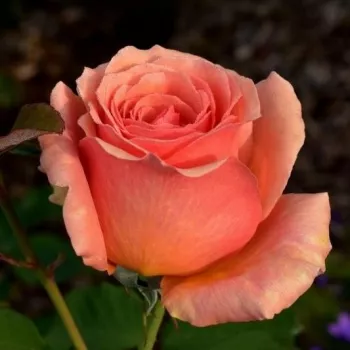
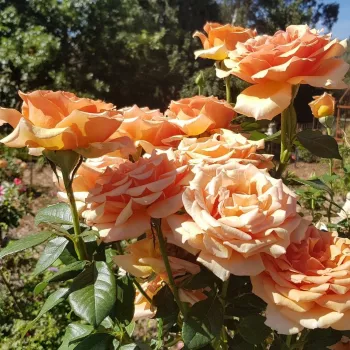
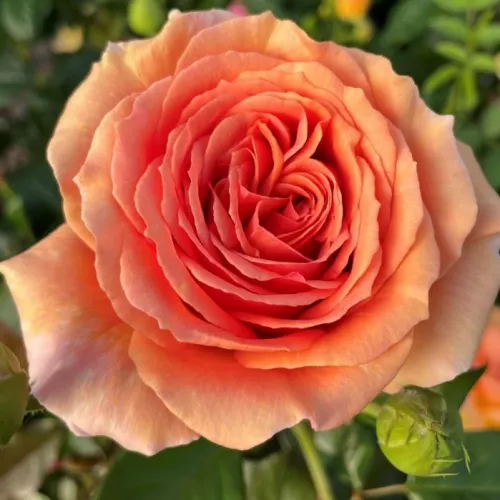
Flower Colour Description: A rich orange shade with a coppery tinge.
Closed Bud: Deep brown‑coppery orange surface with a slight glossy sheen.
Newly Opened Flower: Vibrant copper-orange outer petals and paler peach-toned inner petals.
Full Bloom: Uniform warm orange with a fine copper edging along the petal margins.

Before Fading: It lightens to a soft peach‑orange with a subtle rosy hint.
Colour Fading Description: It lightens moderately as it opens: the warm copper–orange hues mellow into a peachy, slightly pink tone before the blooms fade.

Fragrance and Aroma

Fragrance Strength: light, subtly scented rose
Fragrance Character: light, pleasantly fruity character
Pollinator Attraction: Attracts few pollinators; double or fully double flower forms, which often hide or impede access to the stamens, reduce nectar and pollen availability compared with single or semi‑double forms.
Pollinator-Friendly Rating: Its semi-double flowers partially obscure the stamens, so it attracts pollinators only to a limited extent and is primarily ornamental.

Hip Characteristics

Hip Shape: ellipsoidal
Hip Colour: orange-red
Hip Comment: Hip formation is expected to be sparse; occasionally ellipsoid, orange-red hips 8–12 mm in diameter may form.

Resistance and Hardiness

Hardiness (°C): -21–-18 °C
Heat and Drought Tolerance Description: Tolerates heat well; requires regular watering during prolonged drought.
Disease Resistance: medium
  • powdery mildew – medium
  • black spot – medium
  • rust – medium

Horticultural Recommendations

Recommended product path: Premium container
Release form: Bush-trained, with 3–5 strong framework canes
Recommended use: Maintenance requirement medium; occasionally requires pest and disease control.
Primary Uses: flower bed, cut flower, specimen plant, container

Comments

Positioning: Exclusive finished product
Target customer/channel: Retail / reseller
Main value proposition: Flower quality, form
KING DAVID – orange tea-hybrid rose - Evers
A rich orange shade with a coppery tinge. - hybrid tea rose - light, subtly scented rose - light, pleasantly fruity character
Online rose purchase - orange - light, subtly scented rose - King David - hybrid tea rose - (2-2.6ft (60-80 cm))
Inflorescence: solitary Height: 2-2.6ft (60-80 cm) Flower shape: high-centred, pointed-budded (cut-rose type) Winter hardiness: 6a orange - Rosen -Tantau (Germany) hybrid tea rose - Flower size: XL (3,5 in -) Flower size: XL (3,5 in -) - Height: 2-2.6ft (60-80 cm) Height: 2-2.6ft (60-80 cm) - Flower fullness: semi-double King David - Roses in the garden | pharmaROSA® Neonatal - premium gold Hans Jürgen Evers

We showcase the external appearance of the roses available for online purchase from our webshop.


Which product type is right for you?


PharmaRosa® NEONATAL is the cost‑effective starting point for rose product production.

As a uniform, own‑rooted propagation material, it provides a stable basis for further growing-on and can be integrated flexibly into different finished product production technologies.
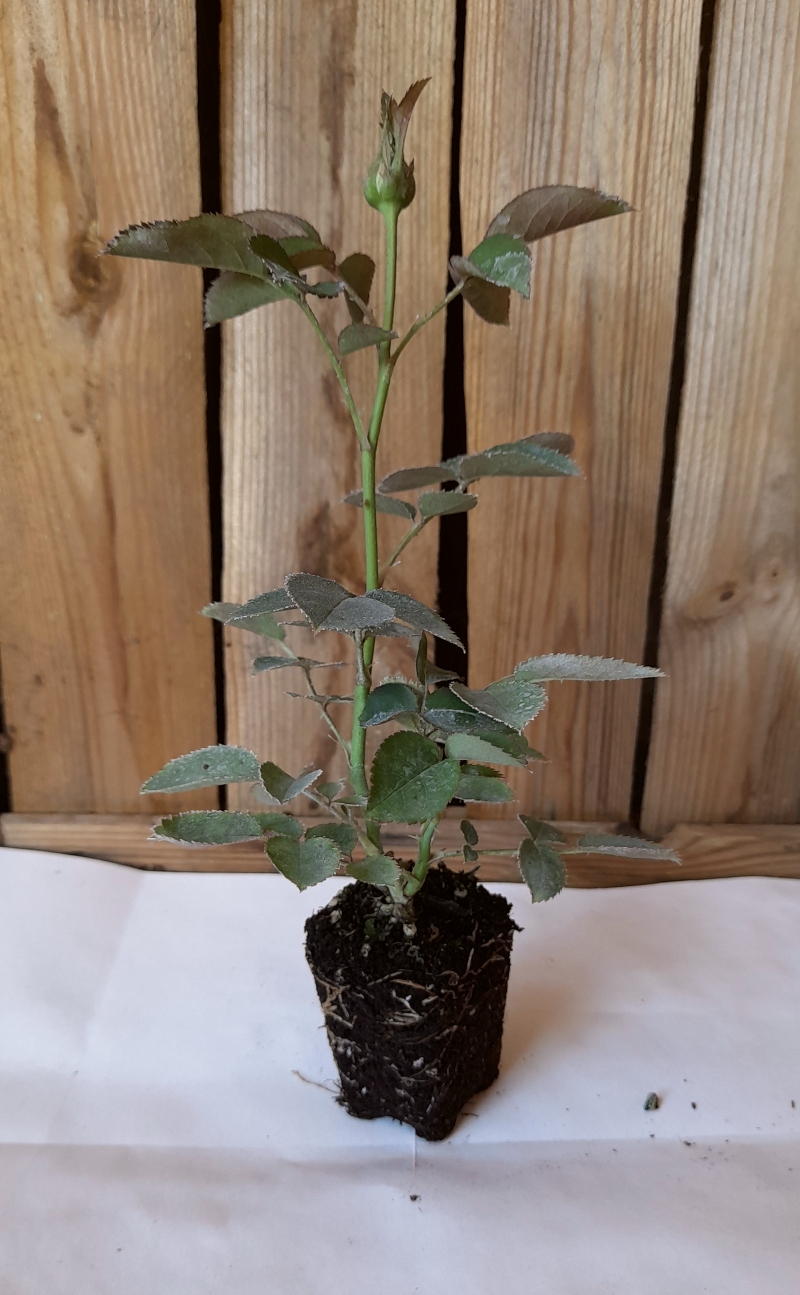
Rooted in trays (rooted), 3–6‑month‑old, own‑rooted rose cutting.
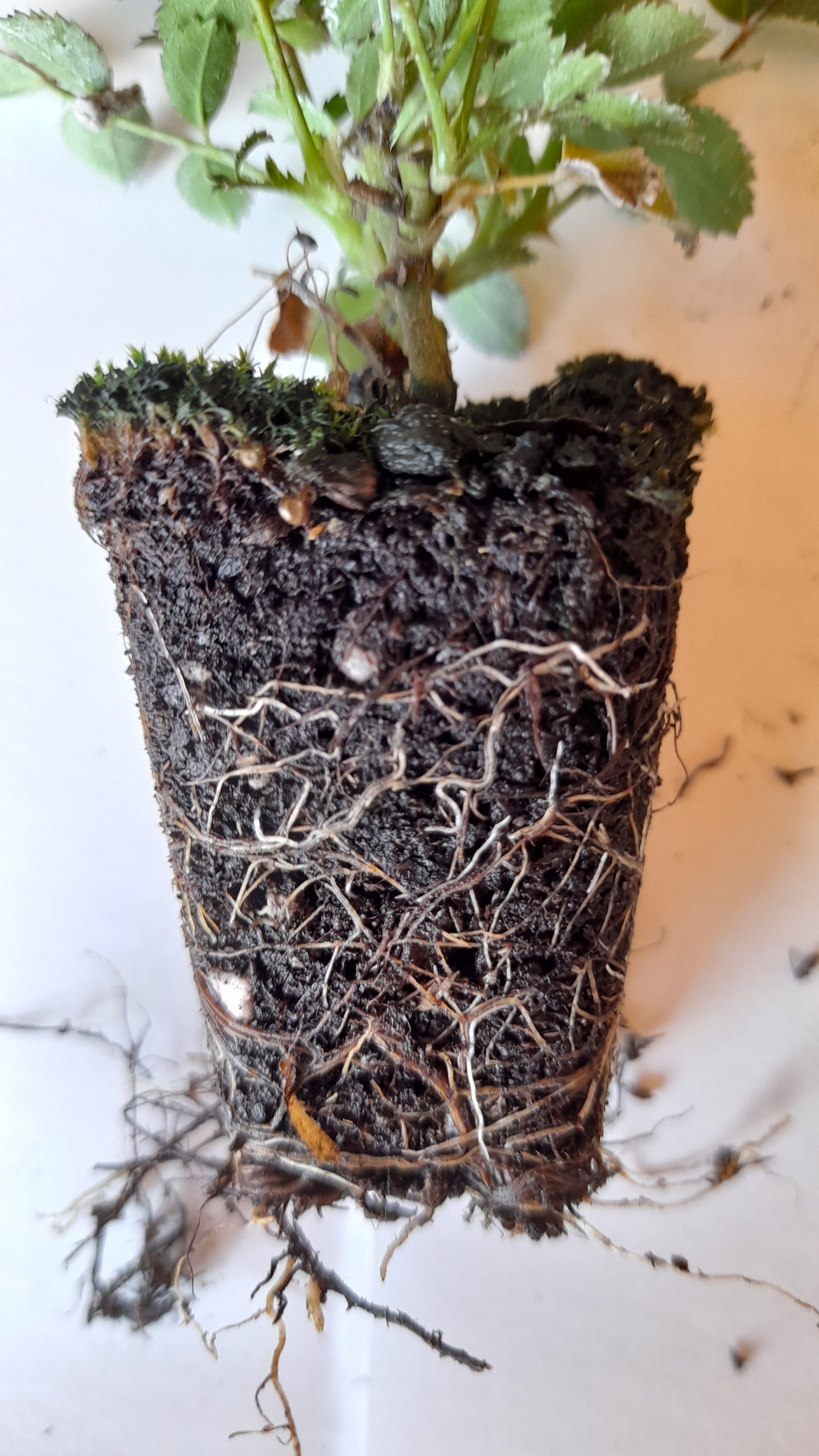
Uniform developmental stage, with a root system that has thoroughly penetrated the plug.
For professional growing‑on.
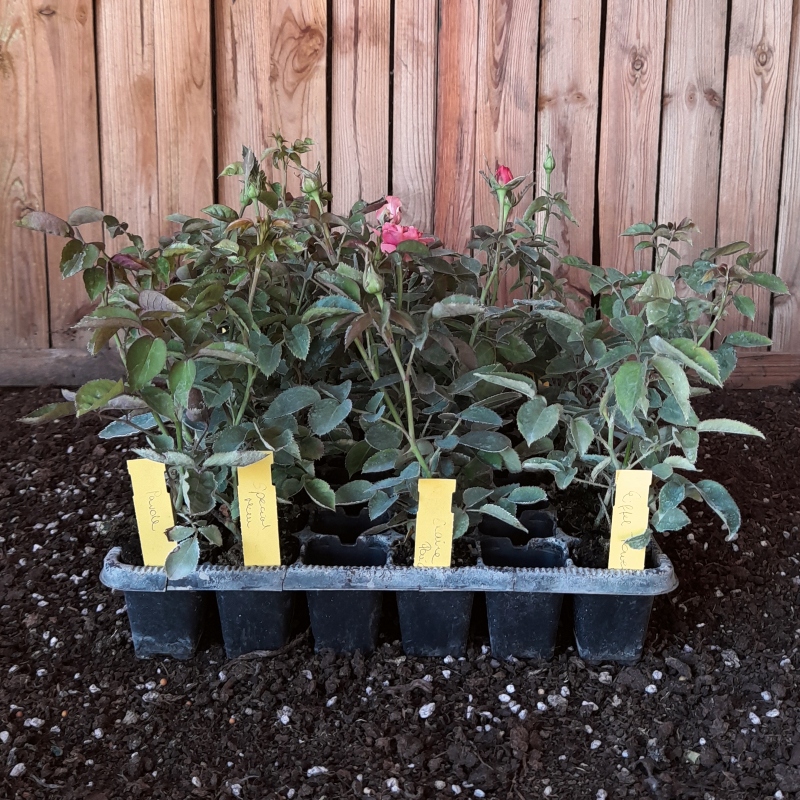
Tray packaging: 10 pcs/tray.
Quality and varietal identity: production supported by a dedicated identification and traceability logic.
Can be transplanted during frost‑free periods, designed for finished product production.

PharmaRosa® NEONATAL provides a controlled, uniform starting stock for planned growing‑on that can be integrated into your own technology – especially where scheduling and varietal identity are paramount.


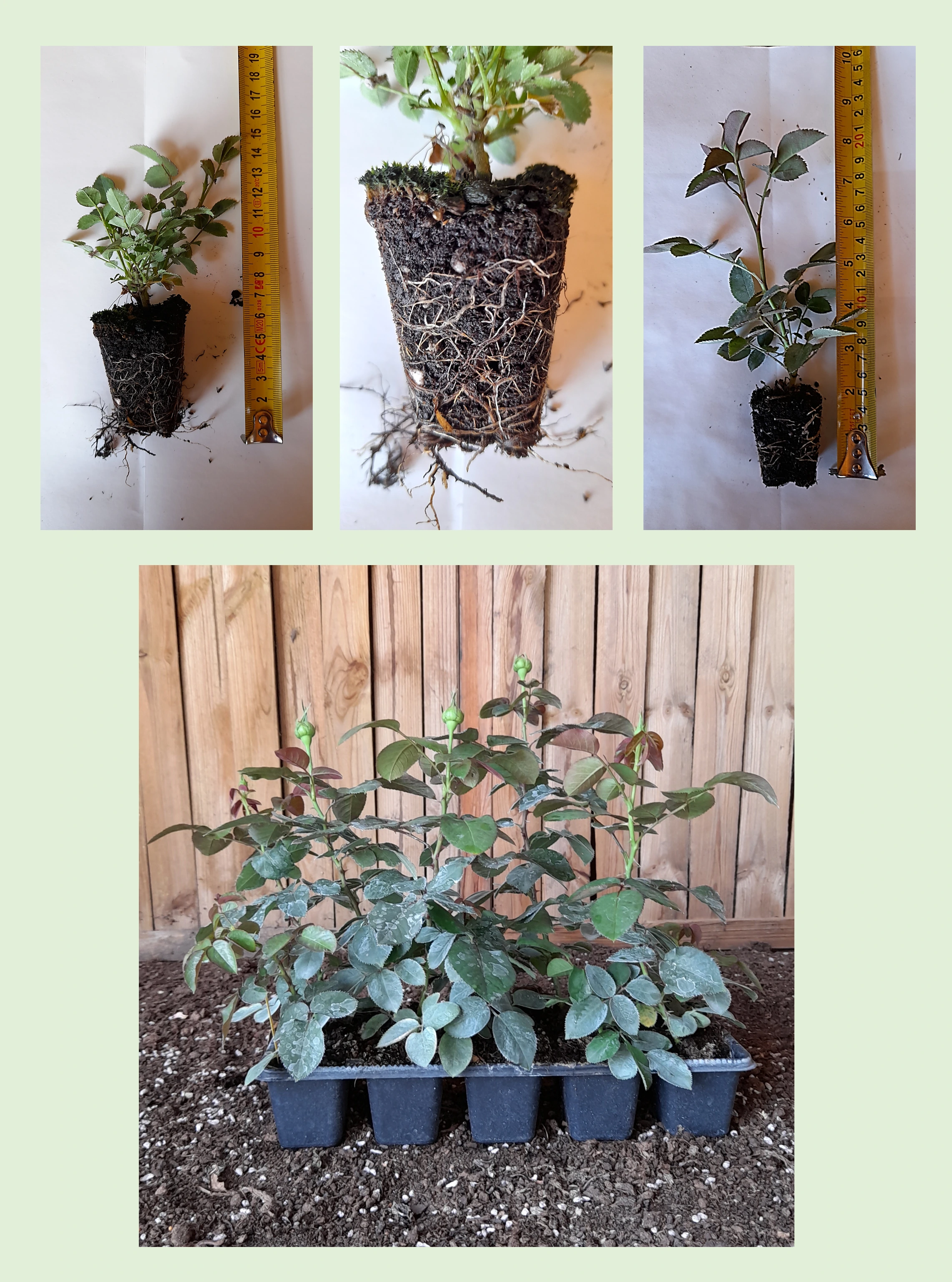
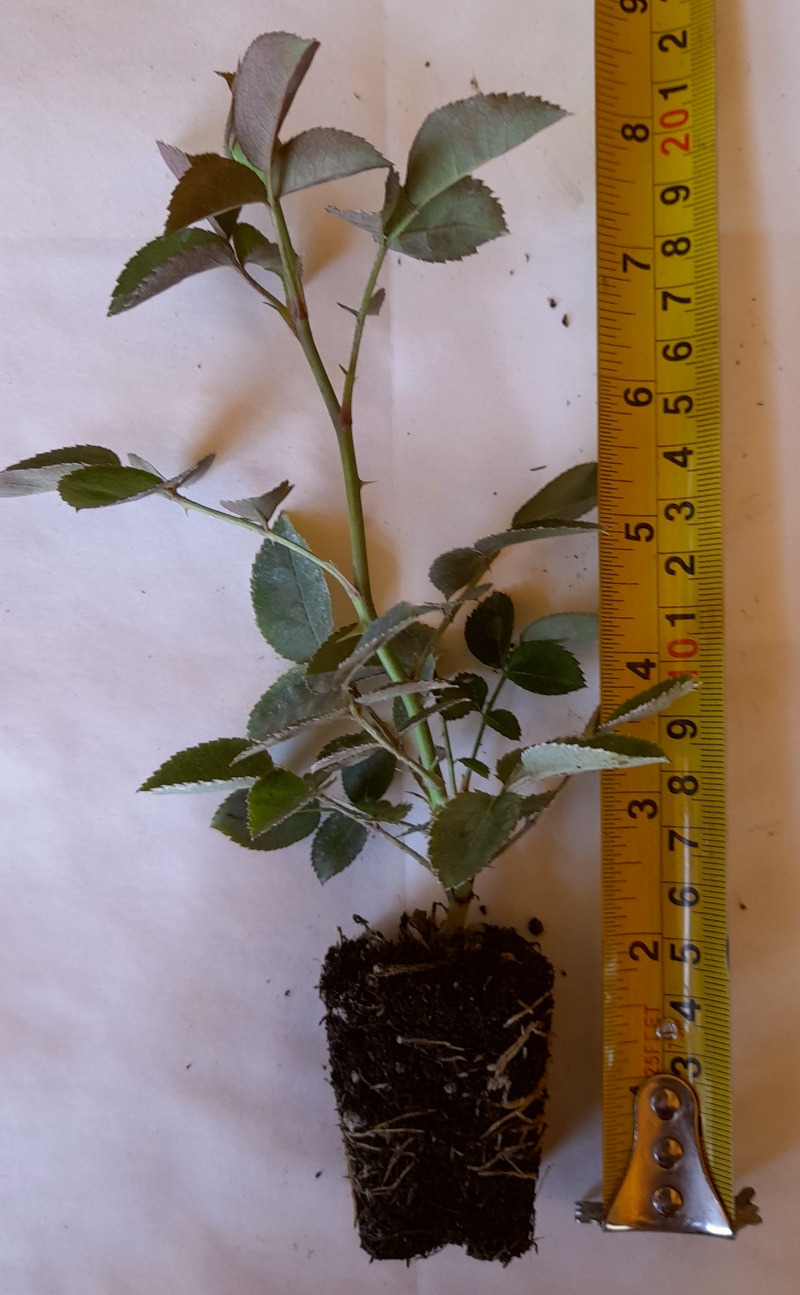
PharmaRosa® NEONATAL own-rooted rose propagation material in a plug, with a root system penetrating the plug (semi-finished product / semi-finished rose). PharmaRosa® NEONATAL rose propagation material size: 3–6‑month‑old, own-rooted cutting with a uniform developmental stage. PharmaRosa® NEONATAL rose propagation material root system: plug densely penetrated by well-developed white roots (root system detail). PharmaRosa® NEONATAL tray stock: own-rooted rose propagation material in trays, uniform developmental stage (10 pcs/tray).

Captions (from left to right): Semi-finished product (NEONATAL own-rooted rose propagation material in a plug with a fully developed root system) • Size demonstration (3–6‑month‑old, uniform cutting) • Root system detail (plug penetrated by the root system) • Tray stock (10 pcs/tray, uniform developmental stage)

pharmarosaneonatal.hupharmarosaneonatal.atpharmarosaneonatal.co.ukpharmarosaneonatal.czpharmarosaneonatal.depharmarosaneonatal.ropharmarosaneonatal.sipharmarosaneonatal.skpharmarosaneonatal.itpharmarosaneonatal.frpharmarosaneonatal.nlpharmarosaneonatal.plpharmarosaneonatal.lupharmarosaneonatal.ptpharmarosaneonatal.espharmarosaneonatal.ltpharmarosaneonatal.sepharmarosaneonatal.lvpharmarosaneonatal.eepharmarosaneonatal.fi

Which product type is right for you?

Pages for private customers
Garden roses for the family garden, with minimal care  → ORIGINAL®
Premium garden roses – instant impact, a truly showpiece garden  → EXTRA®
Pages for professionals and private customers
Roses for public spaces – large areas, sustainable maintenance  → NATURAL®
Roses for projects – hedge and row planting, fast implementation  → RAPID®
For professional partners only
Production – propagation material for garden roses, wholesale  → NEONATAL®

Company details

PharmaRosa Ltd.
Company registration number: 01-09-717479
VAT number: 13075314-2-43
Plant health registration no.: HU130721
Bank account (IBAN):
HU85117631891388688400000000
BIC (SWIFT): OTPVHUHB
Bank name: OTP Bank Nyrt.