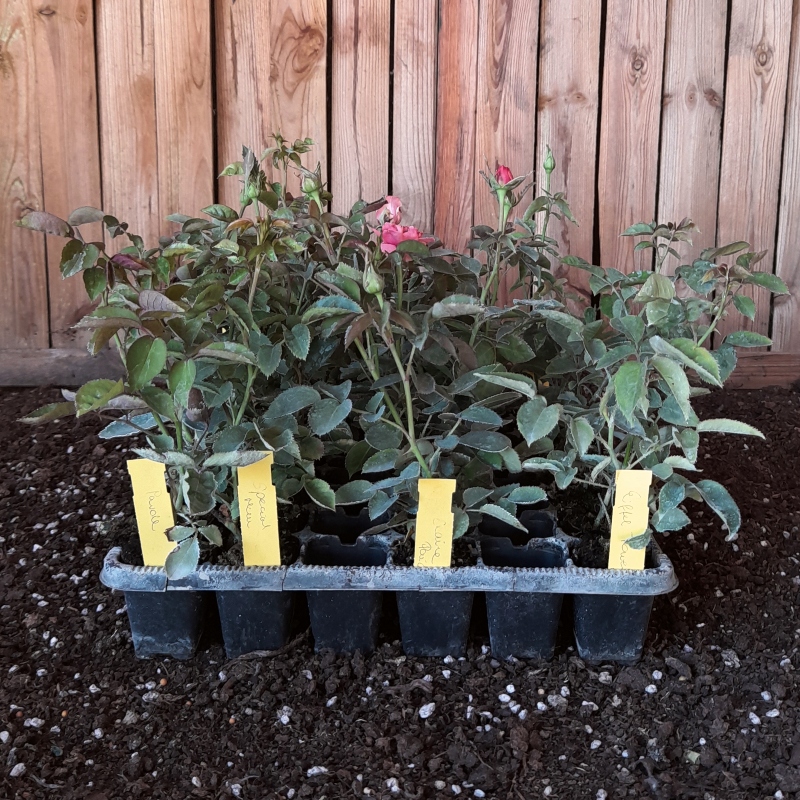
| Project mass planting for uniform beds |
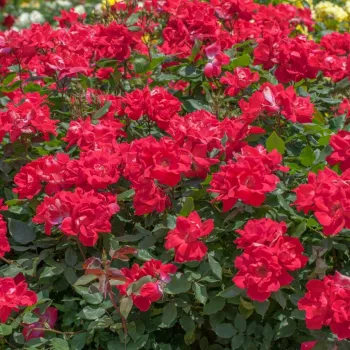
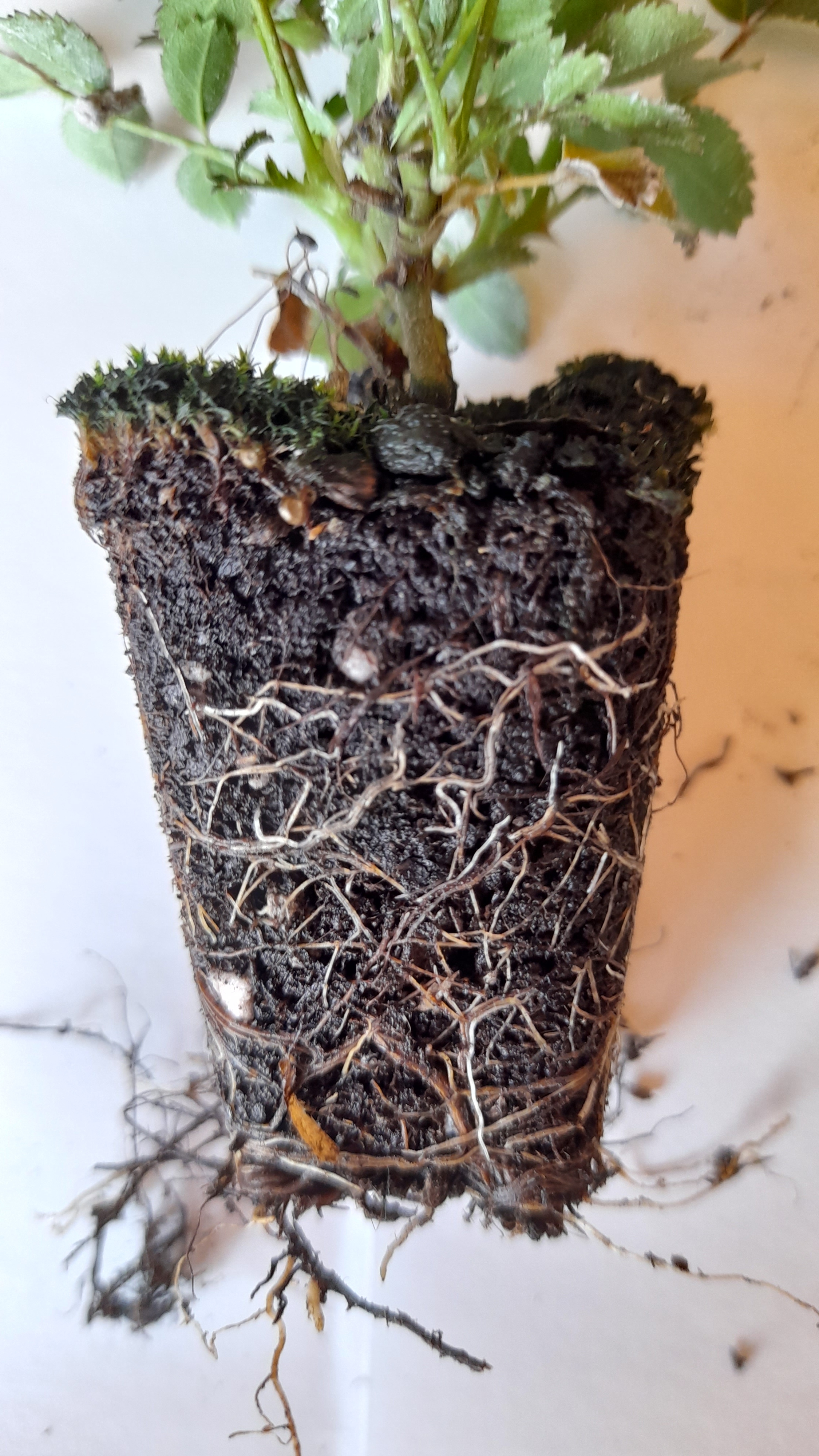
The dense, bushy habit and fast coverage support the core strength of bed-filling uniformity, ideal for project mass planting from 1.5–2 L lines into flower beds and borders. Own-root regeneration underpins long-term bed stability and repeat supply, which fits the project-focused positioning towards landscape contractor, project-serving wholesaler / maintenance demand, supporting thematic rose collections for institutional sites and nursery-wholesaler supply. |
| Low-maintenance urban and public-realm schemes |
Strong resistance to powdery mildew, black spot and rust means fewer interventions and lower chemical and labour inputs, aligning with low-maintenance recommendations and minimal pruning/feeding regimes. This supports predictable quality in urban green space and park projects using uniform, dense, bush-trained finished plants from 1.5–2 L production. It suits public-realm channels where reliable, sustainable planting is required and complements positioning towards landscape contractor, project-serving wholesaler / maintenance as the main value promise for public-realm suppliers. |
| Heat-exposed and drought-prone planting sites |
Good heat and short-term drought tolerance supports use in south-facing and exposure-prone beds, where consistent cherry-red display is required with controlled irrigation rather than intensive care. A 1.5–2 L route into bush-trained mass lines allows efficient bench use and quick turn, while own-root material stabilises performance over repeated dry seasons. This aligns with project mass planting for public and commercial sites and fits specifications where reliable performance in exposed beds and winter and wind can be significant is important for project-specifiers. |
| Pollinator-aware landscape concepts |
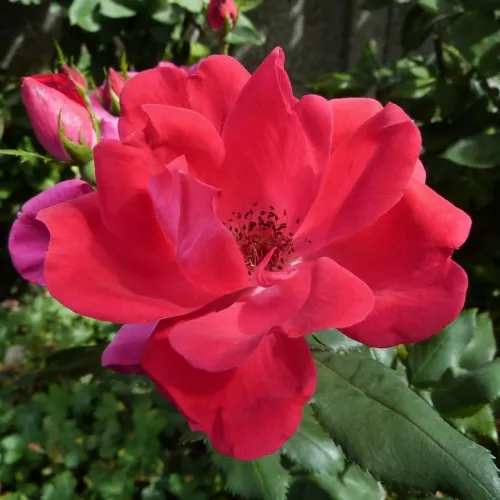
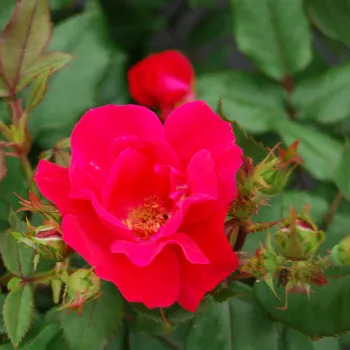
Semi-double, open-centred flowers with accessible stamens add moderate pollinator value in parks and public landscapes, an increasingly requested attribute in UK specifications. When grown on as uniform, dense, bush-trained stock in 1.5–2 L containers, beds can be designed for both visual impact and bee-attracting function, supporting thematic rose gardens and mixed pollinator schemes. This dovetails with project-oriented positioning and supports landscape contractor, project-serving wholesaler / maintenance channels aiming to meet biodiversity targets for contract-led projects. |
| Cold-exposed sites and robust regional schemes |
With H7 equivalent hardiness and USDA 4b performance, this cultivar offers reliable survival and recovery in colder UK regions and exposed sites, a valuable trait where replacement budgets are tight. Own-root architecture ensures that, once established from 1.5–2 L units, plants can regenerate from the base after adverse winters, easing long-term maintenance in parks and institutional grounds. This supports project mass planting for landscape contractor, project-serving wholesaler / maintenance channels looking for durable shrub structure within thematic or collection-based plantings for regional-contract growers. |
| Self-cleaning, low-service planting strips |
Good self-cleaning, with most spent blooms dropping naturally, directly reduces the need for dead-heading in extensive planting, verges and parking-lot beds. In combination with low pruning and feeding requirements and a project mass planting route from 1.5–2 L, this allows large areas to be maintained on tight schedules. The result is consistent cherry-red impact with minimal manual intervention, aligning with the positioning towards landscape contractor, project-serving wholesaler / maintenance, where operational efficiency is critical for maintenance-focused buyers. |
| Container production for shrub group and solitary use |
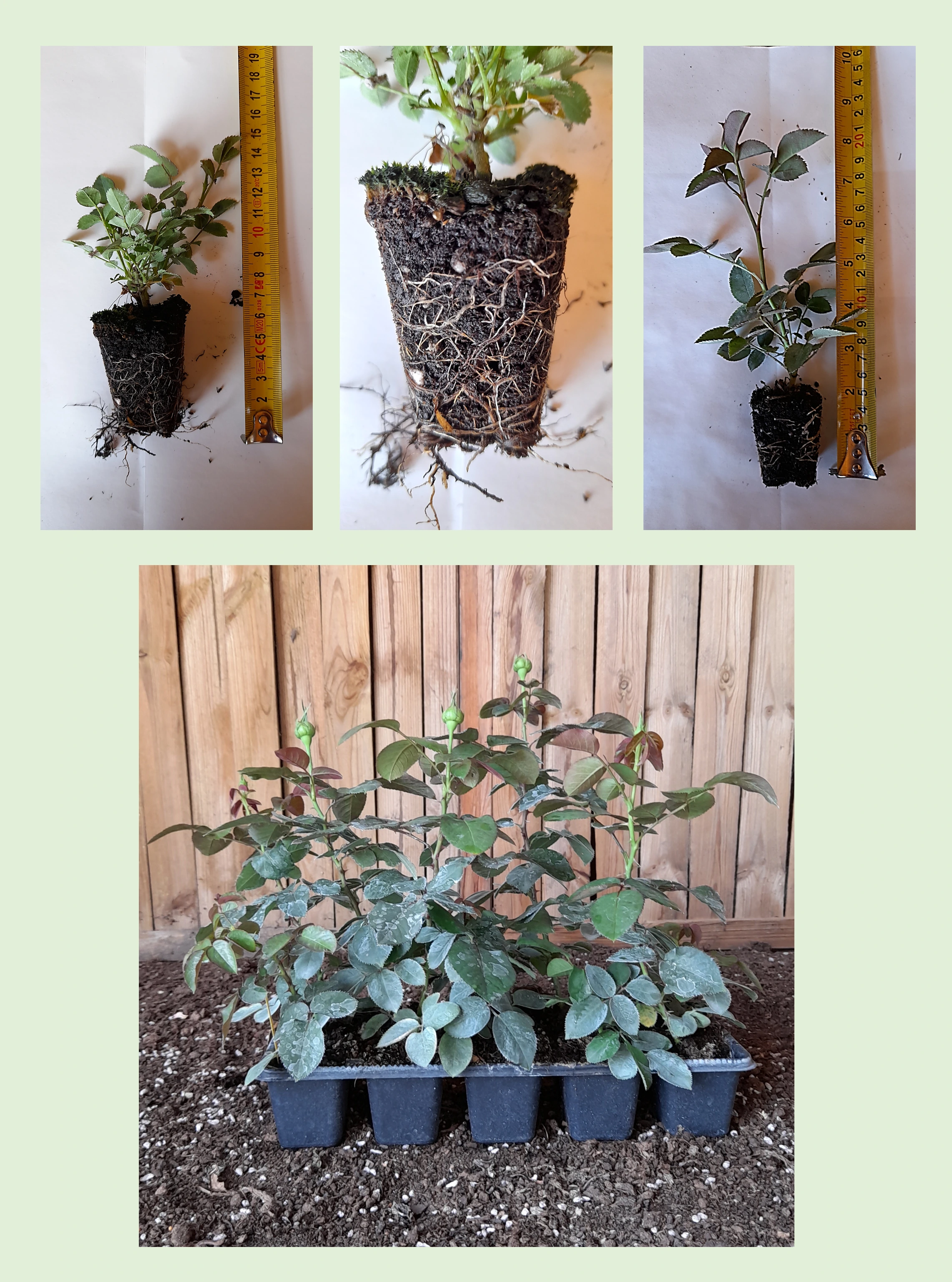
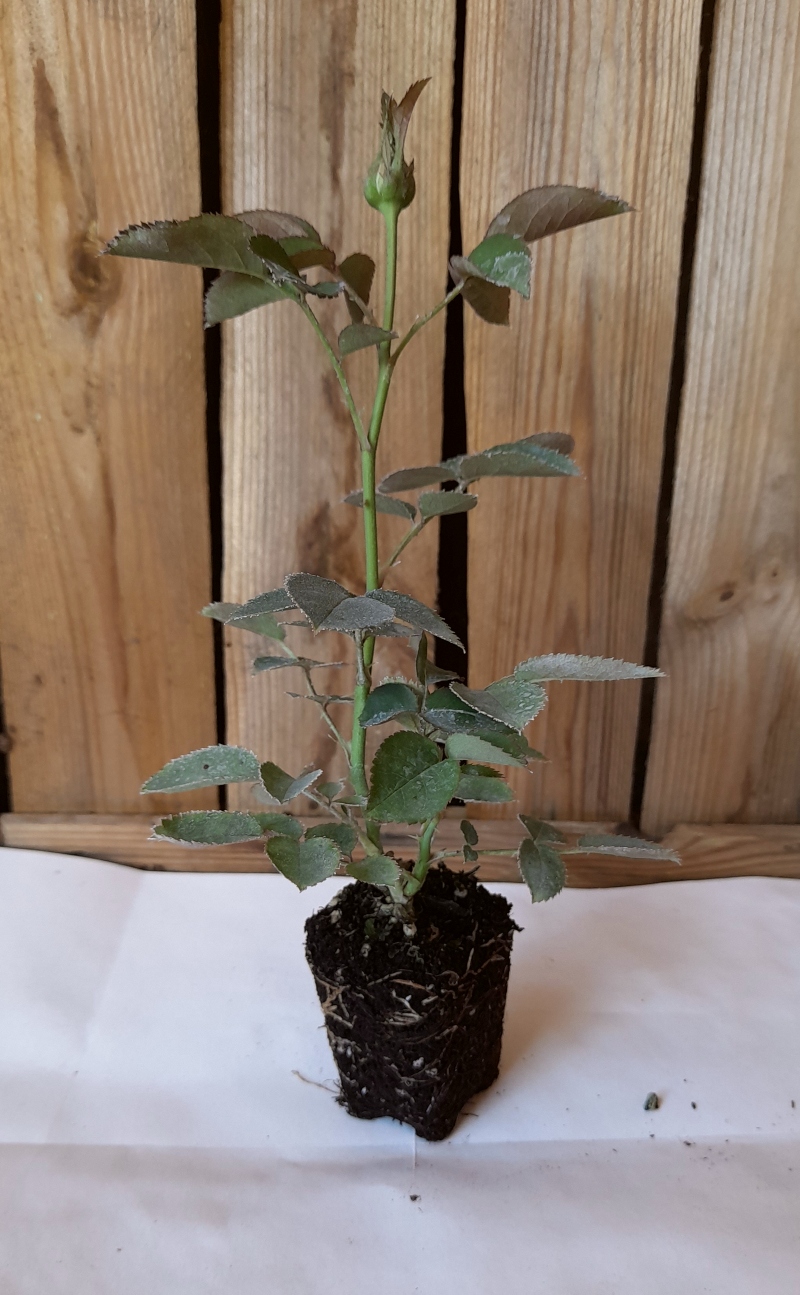
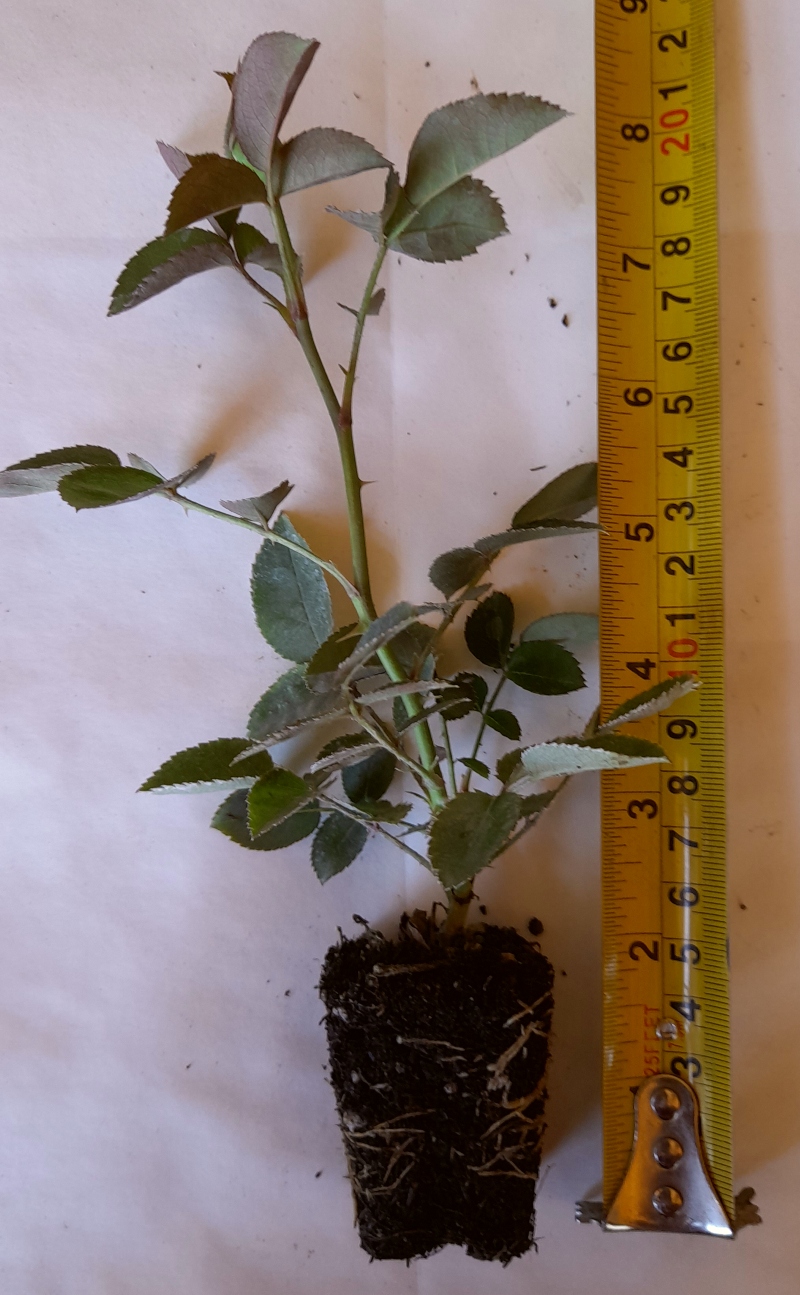
A naturally bushy, well-branched structure lends itself to forming uniform, dense, bush-trained shrubs, suitable for both shrub groups and solitary landscape accents. Starting from own-root NEONATAL trays into 1.5–2 L, then stepping into larger pots including 40–50 litre final containers, growers can offer a graded range for high-value projects. This supports project mass planting and premium solitary use, matching the project-facing positioning and serving landscape contractor, project-serving wholesaler / maintenance channels seeking scalable formats for specification-led sales. |
| Award-backed, collection and show-garden plantings |
Multiple international awards, including AARS, ADR and WFRS Hall of Fame, provide recognised credentials that add credibility in show gardens, thematic collections and branded municipal rose walks. Grown as uniform, dense, bush-trained plants from 1.5–2 L, this reputation combines with fast coverage to create high-impact displays in public or visitor-oriented schemes. The awards support the project positioning and give landscape contractor, project-serving wholesaler / maintenance partners a dependable, well-referenced cultivar for inclusion in curated collections for show-garden portfolios. |