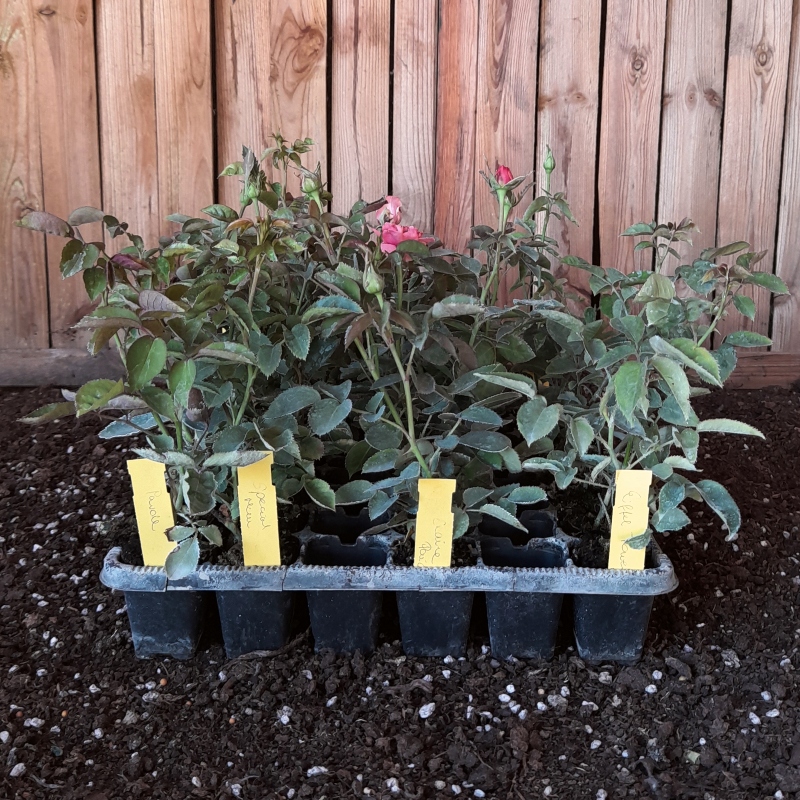
Bedding rose

20-936-1
20-936-2

Knock Out®

Knock Out®

RADrazz – William J. Radler

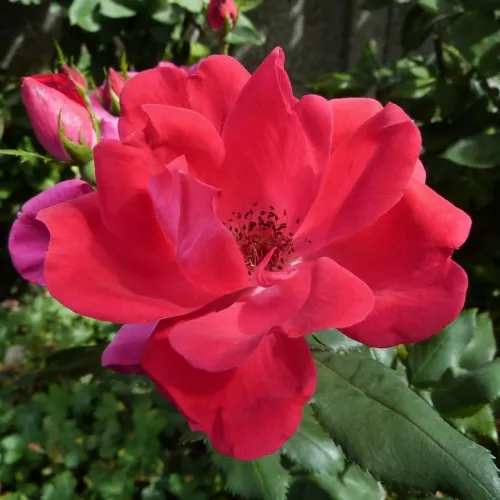
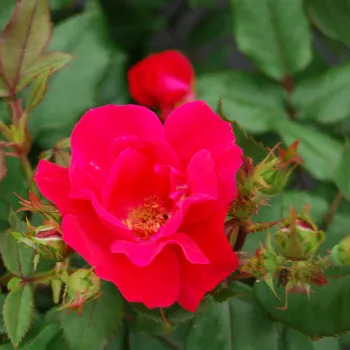
Uniform mid-cherry red shade with a subtle pinkish tone. In light the colour deepens slightly. - landscape shrub rose - very weak, barely noticeable-scented rose - scent description not available

– Masses of cherry-red blooms all season.
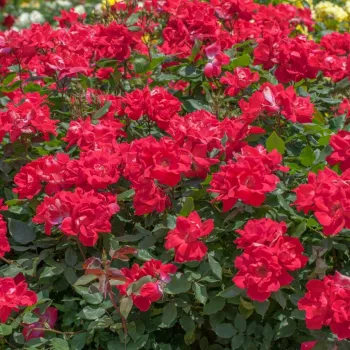
– Bushy, dense habit for quick ground coverage.
– Excellent disease resistance for low maintenance.
– Hardy to very low winter temperatures.
– Good heat and short-term drought tolerance.
– Special feature: Decorated with top awards including AARS, ADR and Hall of Fame recognition.
Project (landscape architecture / mass use)
Knock Out®
pharmaROSA® NEONATAL rooted rose cutting
28,20 £
Due to courier service regulations – and the introduction of customs clearance – delivery to Ireland is temporarily suspended.
3 (4086)
facebook   twitter

KNOCK OUT® – cherry-red landscape shrub rose - Radler – pharmaROSA® NEONATAL

Uniformity in mass plantings, reliable coverage, and low-input maintenance make pharmaROSA® NEONATAL KNOCK OUT® a highly efficient starting material for UK project-focused production. Its bushy, dense habit delivers rapid bed fill and repeat display from a 1.5–2 L route into uniform, dense, bush-trained finished stock that aligns well with landscape-architecture and public-realm specifications. The own-root form supports long-term regeneration and stable stands under repeated trimming and project re-ordering, helping You plan predictable capacity for nursery networks and project-serving wholesalers. Strong disease resistance, H7 winter hardiness, and good heat tolerance support reliable performance in exposed beds where winter and wind can be significant, while self-cleaning flowers further reduce maintenance load. As an own-root, tray-grown cutting You can expect roots to establish in year one, framework to build in year two and full ornamental performance to stabilise from year three, backing thematic and collection plantings with sustainable production.


Usage options

Target area Reasoning
Project mass planting for uniform beds The dense, bushy habit and fast coverage support the core strength of bed-filling uniformity, ideal for project mass planting from 1.5–2 L lines into flower beds and borders. Own-root regeneration underpins long-term bed stability and repeat supply, which fits the project-focused positioning towards landscape contractor, project-serving wholesaler / maintenance demand, supporting thematic rose collections for institutional sites and nursery-wholesaler supply.
Low-maintenance urban and public-realm schemes Strong resistance to powdery mildew, black spot and rust means fewer interventions and lower chemical and labour inputs, aligning with low-maintenance recommendations and minimal pruning/feeding regimes. This supports predictable quality in urban green space and park projects using uniform, dense, bush-trained finished plants from 1.5–2 L production. It suits public-realm channels where reliable, sustainable planting is required and complements positioning towards landscape contractor, project-serving wholesaler / maintenance as the main value promise for public-realm suppliers.
Heat-exposed and drought-prone planting sites Good heat and short-term drought tolerance supports use in south-facing and exposure-prone beds, where consistent cherry-red display is required with controlled irrigation rather than intensive care. A 1.5–2 L route into bush-trained mass lines allows efficient bench use and quick turn, while own-root material stabilises performance over repeated dry seasons. This aligns with project mass planting for public and commercial sites and fits specifications where reliable performance in exposed beds and winter and wind can be significant is important for project-specifiers.
Pollinator-aware landscape concepts Semi-double, open-centred flowers with accessible stamens add moderate pollinator value in parks and public landscapes, an increasingly requested attribute in UK specifications. When grown on as uniform, dense, bush-trained stock in 1.5–2 L containers, beds can be designed for both visual impact and bee-attracting function, supporting thematic rose gardens and mixed pollinator schemes. This dovetails with project-oriented positioning and supports landscape contractor, project-serving wholesaler / maintenance channels aiming to meet biodiversity targets for contract-led projects.
Cold-exposed sites and robust regional schemes With H7 equivalent hardiness and USDA 4b performance, this cultivar offers reliable survival and recovery in colder UK regions and exposed sites, a valuable trait where replacement budgets are tight. Own-root architecture ensures that, once established from 1.5–2 L units, plants can regenerate from the base after adverse winters, easing long-term maintenance in parks and institutional grounds. This supports project mass planting for landscape contractor, project-serving wholesaler / maintenance channels looking for durable shrub structure within thematic or collection-based plantings for regional-contract growers.
Self-cleaning, low-service planting strips Good self-cleaning, with most spent blooms dropping naturally, directly reduces the need for dead-heading in extensive planting, verges and parking-lot beds. In combination with low pruning and feeding requirements and a project mass planting route from 1.5–2 L, this allows large areas to be maintained on tight schedules. The result is consistent cherry-red impact with minimal manual intervention, aligning with the positioning towards landscape contractor, project-serving wholesaler / maintenance, where operational efficiency is critical for maintenance-focused buyers.
Container production for shrub group and solitary use A naturally bushy, well-branched structure lends itself to forming uniform, dense, bush-trained shrubs, suitable for both shrub groups and solitary landscape accents. Starting from own-root NEONATAL trays into 1.5–2 L, then stepping into larger pots including 40–50 litre final containers, growers can offer a graded range for high-value projects. This supports project mass planting and premium solitary use, matching the project-facing positioning and serving landscape contractor, project-serving wholesaler / maintenance channels seeking scalable formats for specification-led sales.
Award-backed, collection and show-garden plantings Multiple international awards, including AARS, ADR and WFRS Hall of Fame, provide recognised credentials that add credibility in show gardens, thematic collections and branded municipal rose walks. Grown as uniform, dense, bush-trained plants from 1.5–2 L, this reputation combines with fast coverage to create high-impact displays in public or visitor-oriented schemes. The awards support the project positioning and give landscape contractor, project-serving wholesaler / maintenance partners a dependable, well-referenced cultivar for inclusion in curated collections for show-garden portfolios.

Finished-product ideas

  • Project mass-bed 1.5–2 L line – uniform, dense, bush-trained shrubs in 1.5–2 L pots focusing on fast bed coverage and disease resistance for flower beds and borders – landscape contractor, project-serving wholesaler / maintenance.
  • Urban low-care landscape series – 1.5–2 L own-root plants positioned for urban green space and park use, promoting low maintenance, self-cleaning flowers and strong hardiness as core values – public-realm suppliers and integrator systems.
  • Large-container specimen programme – selected plants stepped from 1.5–2 L into 40–50 litre containers to deliver robust, bushy solitary or shrub-group units with award-backed credentials – project nurseries serving premium landscape contracts.
  • Pollinator-accent rose beds – cluster-flowered, semi-double plants supplied as uniform, dense, bush-trained stock in 1.5–2 L, marketed for pollinator-aware park and border concepts – wholesalers to municipal and institutional buyers.
  • Award collection feature blocks – batches grouped and labelled by international awards, offered in 1.5–2 L for show gardens and thematic rose collections emphasising recognition and reliability – collection-focused nurseries and public gardens.

Technical cultivar profile
Parameter Data
Name and registration Modern shrub (landscape shrub) rose, registered as RADrazz, traded as Knock Out®; commercial type landscape shrub, bed rose; ARS exhibition name Knock Out®, authenticity verified for professional propagation.
Origin and breeding Bred by William J. Radler in the USA (1988) from ‘Carefree Beauty’ × ‘Razzle Dazzle’; introduced 2000 after 1999 registration via Conard-Pyle and Star Roses, ensuring well-proven performance history.
Awards and recognition All-America Rose Selections 2000, ADR Germany 2002, Portland Gold Medal 2003, ARS David Fuerstenberg Prize 2003, and World Federation of Rose Societies Hall of Fame 2018 underline broad international acceptance.
Growth and structural characteristics Bushy, uniformly rounded shrub reaching about 90–120 cm in both height and spread, with dense, mid-green, slightly glossy foliage (RHS 136A) and moderate prickliness, forming coherent, filled beds and groups.
Flower morphology Semi-double, cup-shaped flowers with 13–25 petals, produced in clusters, large-flowered at approximately 2.75–3.95 inches, remontant with a generous second flush, supporting extended seasonal ornamental value.
Colour data and phenology Cherry-red flowers with ARS MR, RHS 53B outer and 53C inner tones; colour deepens slightly in light, holding better in cool conditions and fading lighter in heat, providing a consistently vivid mid cherry-red display.
Fragrance and aroma Very weakly scented, with barely noticeable fragrance; selection focus is ornamental and landscape performance rather than perfume, making it suited to visual-impact, low-maintenance planting where scent is secondary.
Hip characteristics Rose-hip formation is usually minimal due to strong self-cleaning; occasionally small, spherical, orange-red hips 7–11 mm appear, generally without major visual or management implications in landscape settings.
Resistance and winter hardiness Rated resistant to powdery mildew, black spot and rust; heat and drought tolerance is good with irrigation in prolonged dry periods. Hardy to around −32 to −29 °C (RHS H7, Swedish zone 5, USDA 4b) for robust regional use.
Horticultural recommendations Ideal for flower beds, parks, borders, urban green space, solitary specimens and shrub groups; low maintenance with minimal pruning and feeding; recommended as a uniform, dense, bush-trained finished product for project mass planting.

KNOCK OUT® as pharmaROSA® NEONATAL offers fast, uniform coverage, strong disease resistance and own-root longevity for predictable, low-replacement project beds; please contact us to align capacities and scheduling for your upcoming programmes.

Detailed product attributes

Product Identification Data

Product Name: KNOCK OUT® – cherry-red landscape shrub rose - Radler
Product Type: pharmaROSA® NEONATAL - rooted rose cutting
Cultivar Authenticity: Verified:20.06.2025
Cultivar Quality Rating: premium bronze
Item Number: [389] 20-936 (14.02.2026) pharmarosaneonatal.co.uk

Name and Registration

Meaning of Cultivar Name: The name 'RADrazz' originates from the combination of the breeder Radler's name and the cultivar name Razzle Dazzle.
Cultivar Synonym: Purple Meidiland™
Original Trade Name: Knock Out®
Current Trade Name: Knock Out® Knock Out® RADrazz
Rose Group: Modern Shrub (Landscape Shrub)
Commercial Type: landscape shrub rose
Commercial Group: Bed rose
Exhibition Category: shrub rose; landscape display
Collection: Knock Out®

Origin and Breeding

Initial Distributor: Conard-Pyle (USA); Star Roses (USA)
Breeder: William J. Radler
Breeding Company / Institution: unknown / no data
Breeding Year: USA, 1988
Parentage: ‘Carefree Beauty’ × ‘Razzle Dazzle’

Awards and Honours

Global and Lifetime Awards: World Federation of Rose Societies; Hall of Fame (2018)
Horticultural Ratings and Recommendations: ADR Award, Germany (2002)
Competition and Show Awards: All-America Rose Selections (AARS) winner (2000); Germany – ADR Award (2002); Portland Gold Medal (2003); American Rose Society David Fuerstenberg Prize (2003); ARS Members

Growth and Structural Characteristics

Height: 3-3.9ft (90-120 cm)
Spread: 3-3.9ft (90-120 cm)
Growth Habit: bushy
Foliage: The variety's foliage is dense, and the leaves have a slightly glossy surface and a mid-green shade (RHS 136A).
Prickliness: moderately thorny
Self-Cleaning Description: Most spent blooms drop off naturally.
Self-Cleaning Intensity: Self-cleaning: good

Flower Morphology

Petal Count: 13-25
Flower Fullness: semi-double
Flower Size: L (2,75-3,95 in)
Inflorescence Type: cluster-flowered
Colour Code: ARS code: MR RHS code: 53B (outer), 53C (inner)
Repeat Flowering: Remontant, with a generous second flowering.

Colour Data and Phenology

Colour: cherry-red
Flower Colour Description: Uniform mid-cherry red shade with a subtle pinkish tone. In light the colour deepens slightly.
Closed Bud: Dark cherry-red surface, matt finish, uniform shade.
Newly Opened Flower: Bright cherry red, softer inside and richer in colour on the outside.
Full Bloom: Uniform medium cherry red with a faint pinkish tinge at the petal base.
Before Fading: Fading cherry red with pale pink fading at the edges.
Colour Fading Description: In hot weather and strong sunshine it fades to a lighter colour, while in cool conditions it remains more vivid.

Fragrance and Aroma

Fragrance Strength: very weak, barely noticeable-scented rose
Fragrance Character: scent description not available
Pollinator Attraction: Its single, open-centred flowers with easily accessible stamens attract bees, as the simple flower form and exposed stamens improve pollinator access.
Pollinator-Friendly Rating: Semi-double, open-centred flowers with easily accessible stamens that attract bees well, therefore moderately pollinator-friendly.

Hip Characteristics

Hip Shape: spherical
Hip Colour: orange-red
Hip Comment: Rose-hip formation is generally scarce due to strong self-cleaning; occasionally a spherical, orange-red rose hip 7–11 mm in diameter is produced.

Resistance and Hardiness

Hardiness (°C): -32–-29 °C
Heat and Drought Tolerance Description: Tolerates heat and short periods of drought well; requires irrigation during prolonged drought.
Disease Resistance: resistant
  • powdery mildew – resistant
  • black spot – resistant
  • rust – resistant

Horticultural Recommendations

Recommended product path: Project mass planting
Release form: Uniform, dense, bush-trained finished product
Recommended use: Maintenance requirement low; requires minimal pruning and feeding.
Primary Uses: flower bed, park, border, urban green space, solitary specimen, shrub group

Comments

Positioning: Project (landscape architecture / mass use)
Target customer/channel: Landscape contractor, project-serving wholesaler / maintenance
Main value proposition: Fast coverage – uniformity
KNOCK OUT® – cherry-red landscape shrub rose - Radler
Uniform mid-cherry red shade with a subtle pinkish tone. In light the colour deepens slightly. - landscape shrub rose - very weak, barely noticeable-scented rose - scent description not available
Online rose purchase - cherry-red - very weak, barely noticeable-scented rose - Knock Out® - landscape shrub rose - (3-3.9ft (90-120 cm))
Inflorescence: cluster-flowered Height: 3-3.9ft (90-120 cm) Flower shape: cup Winter hardiness: 7b cherry-red - Conard-Pyle (USA); Star Roses (USA) landscape shrub rose - Flower size: L (2,75-3,95 in) Flower size: L (2,75-3,95 in) - Height: 3-3.9ft (90-120 cm) Height: 3-3.9ft (90-120 cm) - Flower fullness: semi-double Knock Out® - Roses in the garden | pharmaROSA® Neonatal - premium bronze William J. Radler

We showcase the external appearance of the roses available for online purchase from our webshop.


Which product type is right for you?


PharmaRosa® NEONATAL is the cost‑effective starting point for rose product production.

As a uniform, own‑rooted propagation material, it provides a stable basis for further growing-on and can be integrated flexibly into different finished product production technologies.
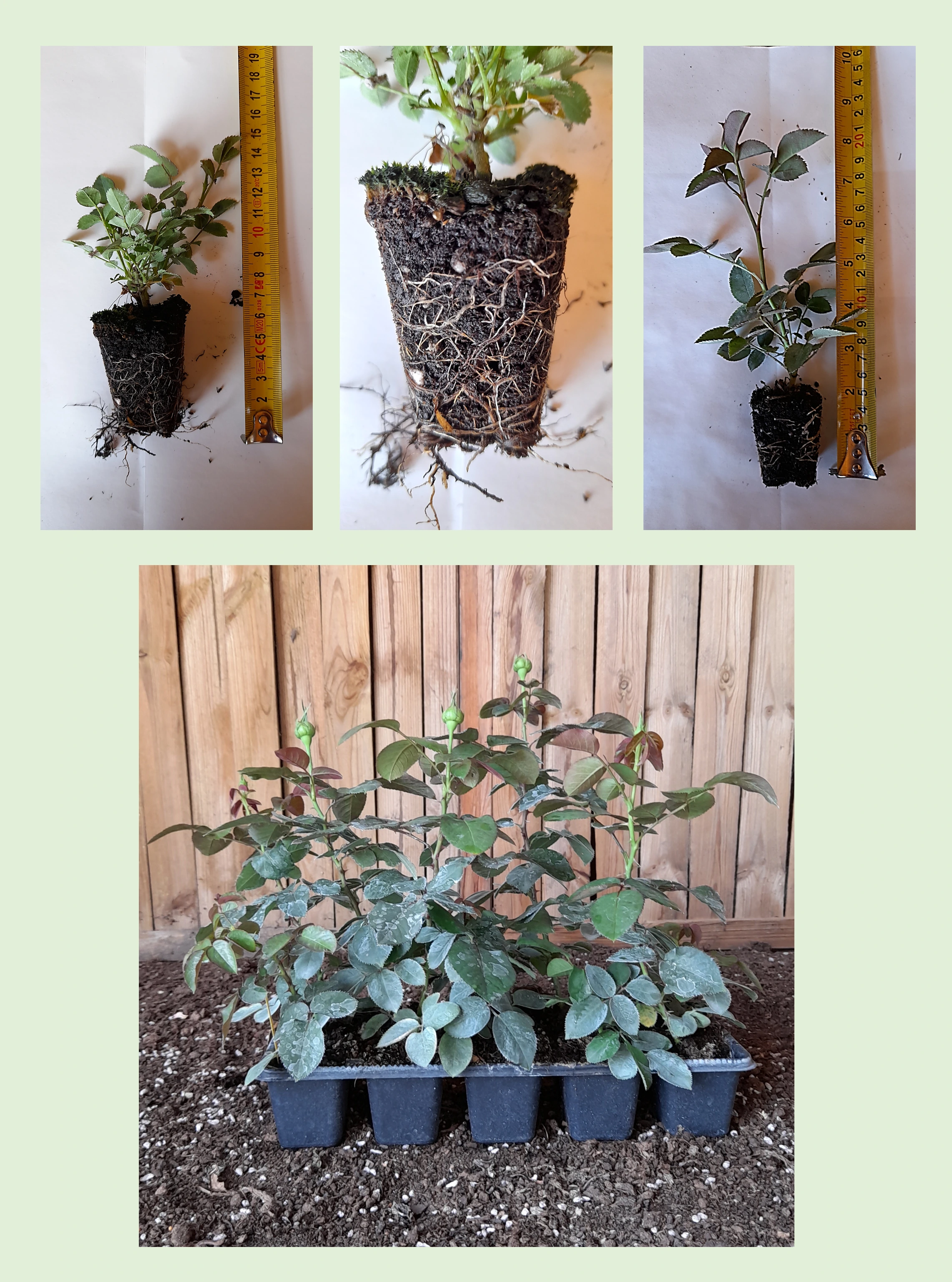
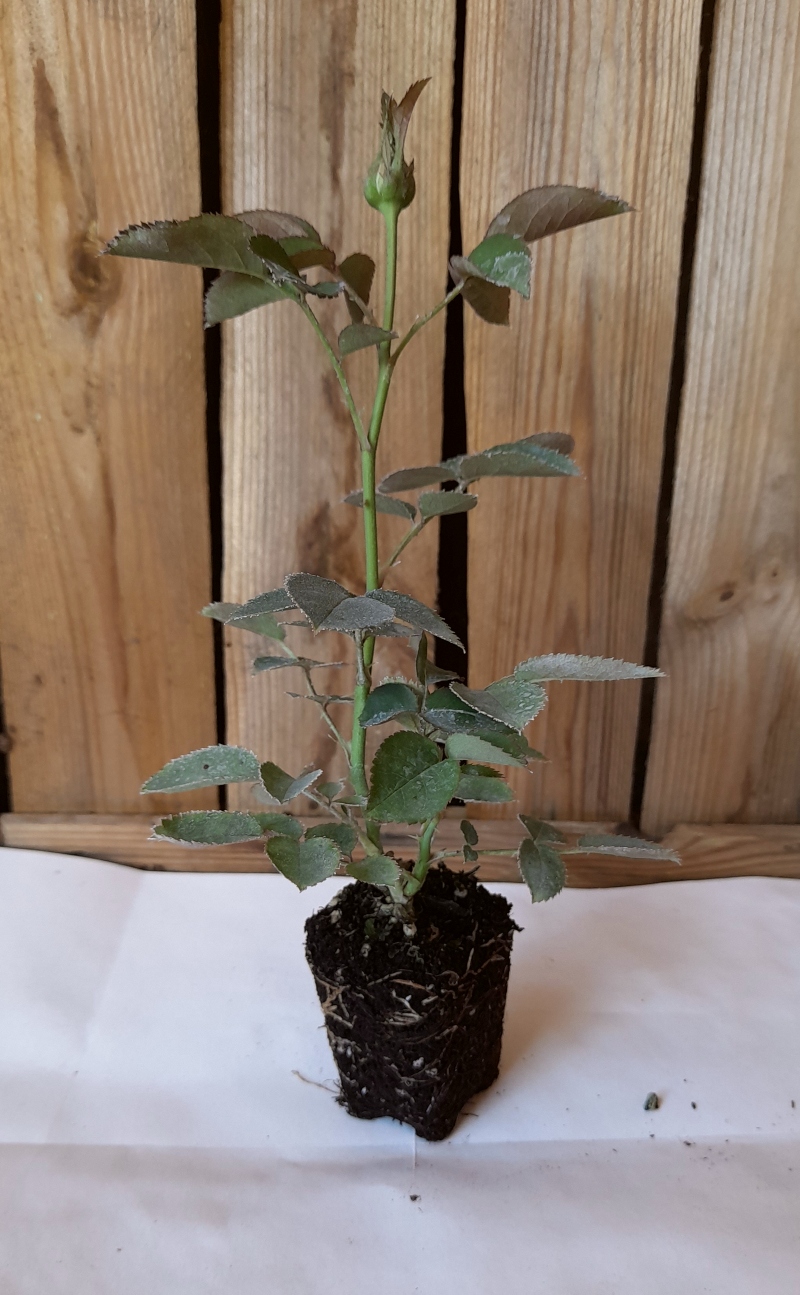
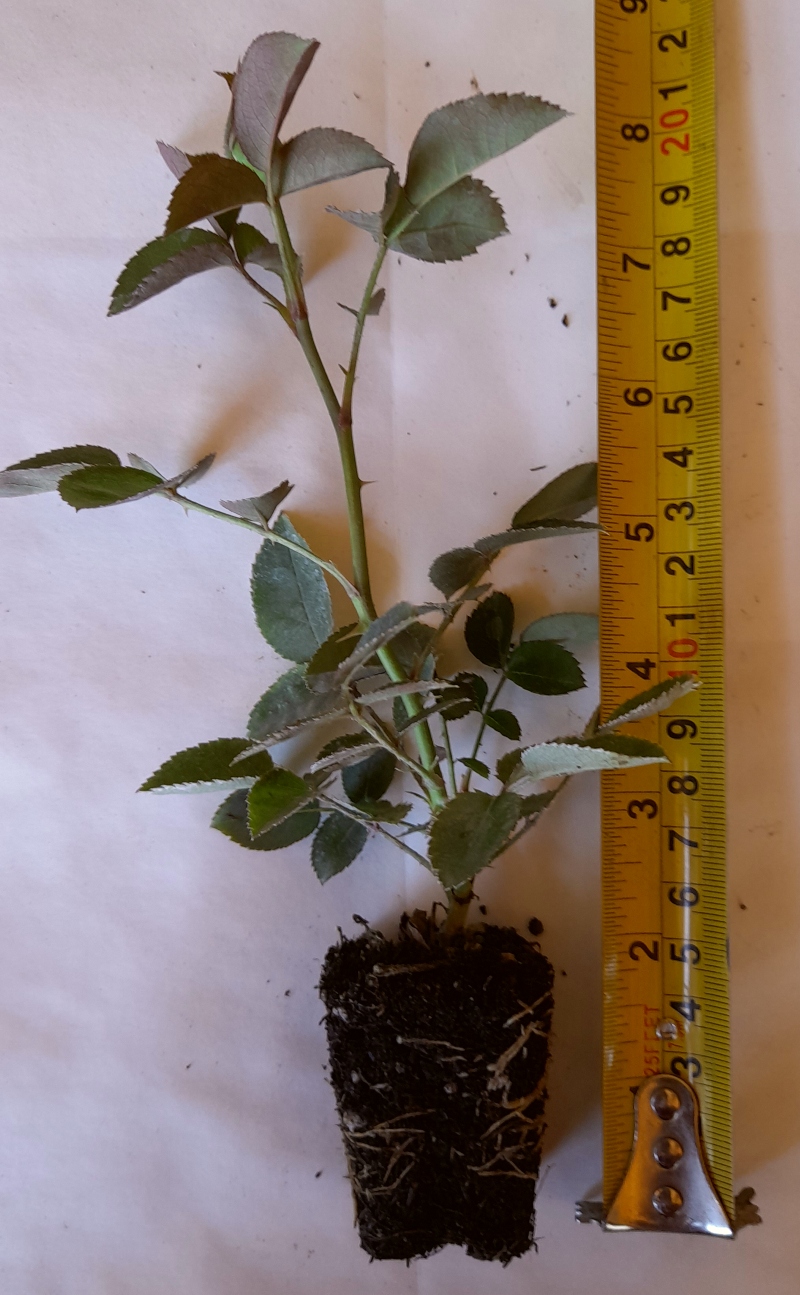
Rooted in trays (rooted), 3–6‑month‑old, own‑rooted rose cutting.
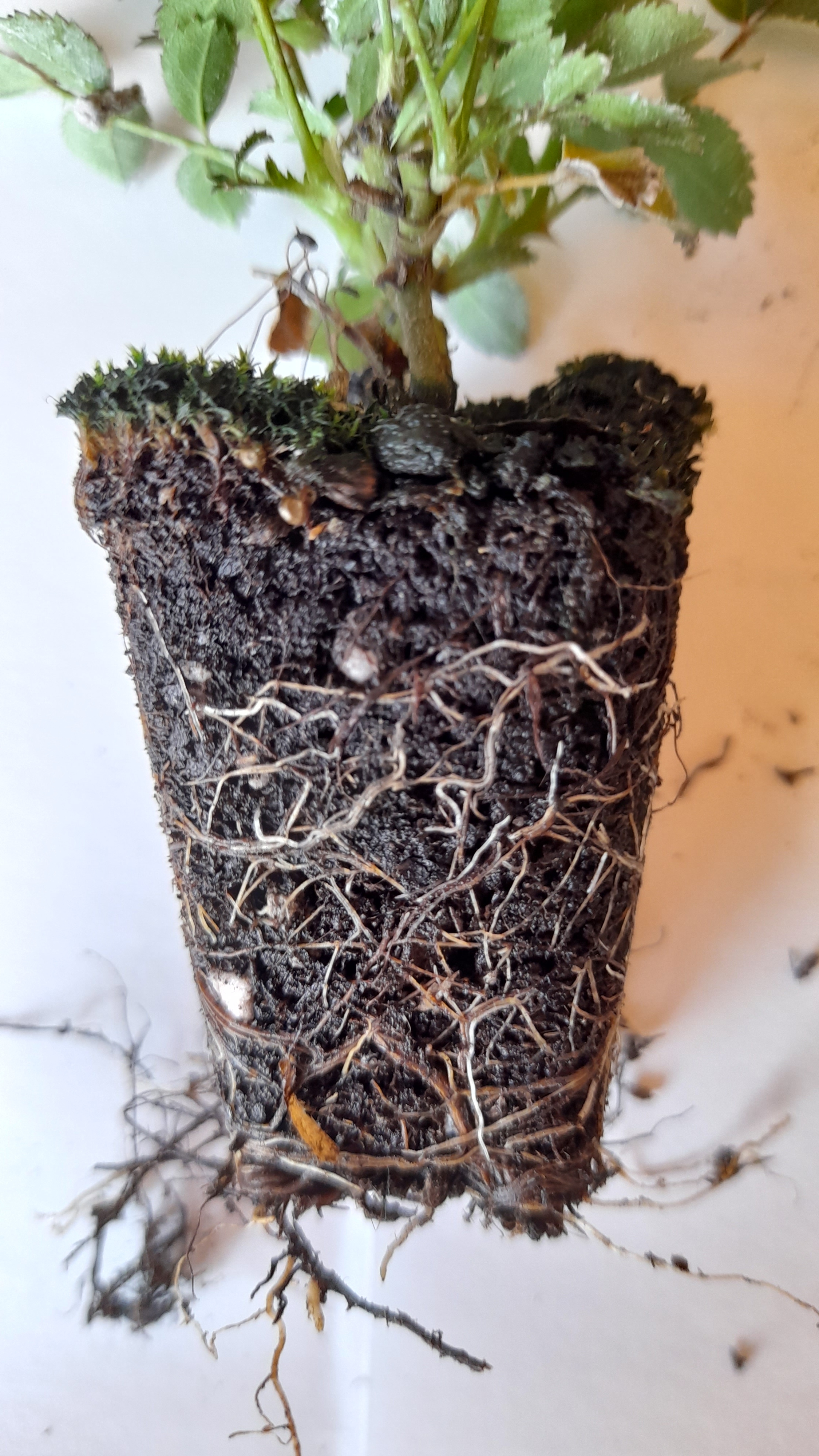
Uniform developmental stage, with a root system that has thoroughly penetrated the plug.
For professional growing‑on.
Tray packaging: 10 pcs/tray.
Quality and varietal identity: production supported by a dedicated identification and traceability logic.
Can be transplanted during frost‑free periods, designed for finished product production.

PharmaRosa® NEONATAL provides a controlled, uniform starting stock for planned growing‑on that can be integrated into your own technology – especially where scheduling and varietal identity are paramount.


PharmaRosa® NEONATAL own-rooted rose propagation material in a plug, with a root system penetrating the plug (semi-finished product / semi-finished rose). PharmaRosa® NEONATAL rose propagation material size: 3–6‑month‑old, own-rooted cutting with a uniform developmental stage. PharmaRosa® NEONATAL rose propagation material root system: plug densely penetrated by well-developed white roots (root system detail). PharmaRosa® NEONATAL tray stock: own-rooted rose propagation material in trays, uniform developmental stage (10 pcs/tray).

Captions (from left to right): Semi-finished product (NEONATAL own-rooted rose propagation material in a plug with a fully developed root system) • Size demonstration (3–6‑month‑old, uniform cutting) • Root system detail (plug penetrated by the root system) • Tray stock (10 pcs/tray, uniform developmental stage)

pharmarosaneonatal.ropharmarosaneonatal.co.ukpharmarosaneonatal.ltpharmarosaneonatal.atpharmarosaneonatal.plpharmarosaneonatal.sipharmarosaneonatal.czpharmarosaneonatal.itpharmarosaneonatal.depharmarosaneonatal.skpharmarosaneonatal.frpharmarosaneonatal.lupharmarosaneonatal.espharmarosaneonatal.hupharmarosaneonatal.nlpharmarosaneonatal.ptpharmarosaneonatal.sepharmarosaneonatal.lvpharmarosaneonatal.eepharmarosaneonatal.fi

Which product type is right for you?

Pages for private customers
Garden roses for the family garden, with minimal care  → ORIGINAL®
Premium garden roses – instant impact, a truly showpiece garden  → EXTRA®
Pages for professionals and private customers
Roses for public spaces – large areas, sustainable maintenance  → NATURAL®
Roses for projects – hedge and row planting, fast implementation  → RAPID®
For professional partners only
Production – propagation material for garden roses, wholesale  → NEONATAL®

Company details

PharmaRosa Ltd.
Company registration number: 01-09-717479
VAT number: 13075314-2-43
Plant health registration no.: HU130721
Bank account (IBAN):
HU85117631891388688400000000
BIC (SWIFT): OTPVHUHB
Bank name: OTP Bank Nyrt.