| Name and registration |
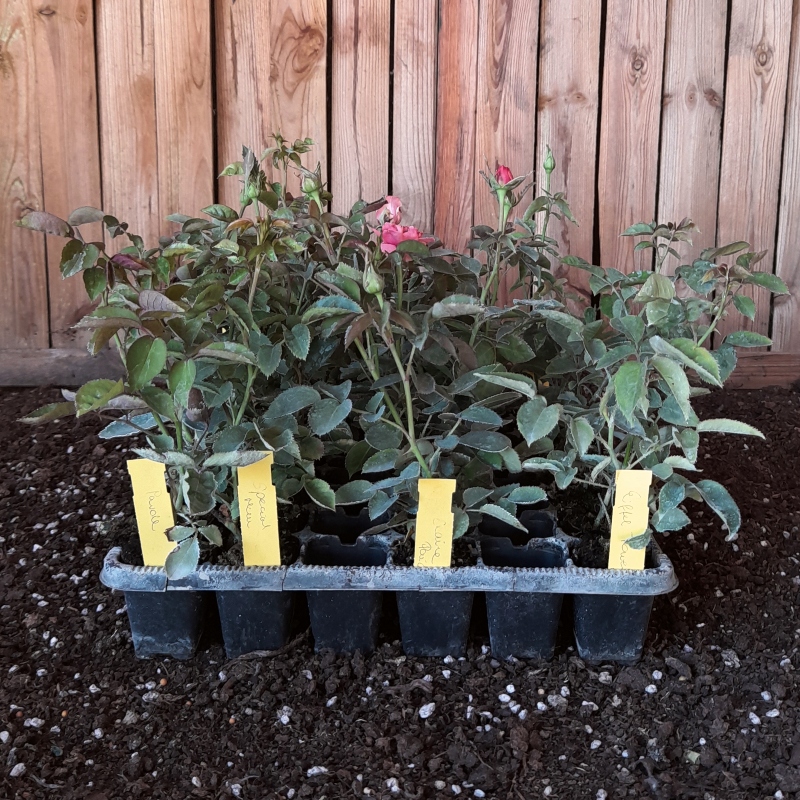
La Sevillana® Bedding rose MEIgekanu, exhibition floribunda, floribunda and landscape shrub group, commercial bed rose; ARS exhibition name La Sevillana®, registered as MEIgekanu, former name not provided. |
| Origin and breeding |
Bred by Marie-Louise Meilland, Meilland International, France, 1976; complex parentage involving MEIbrim, Jolie Madame, Zambra, Tropicana, Poppy Flash and Rusticana; registered 1978, introduced after 1978 via Meilland International. |
| Awards and recognition |
Silver Medal Valbypark Copenhagen 1978, Bronze Medal Japan 1978, ADR certification Germany 1979, Gold Medal Orléans 1980, first prize AJJH France 1980, Certificate Belfast 1980, Silver Medal Bagatelle Paris; ADR rating 1979. |
| Growth and structural characteristics |
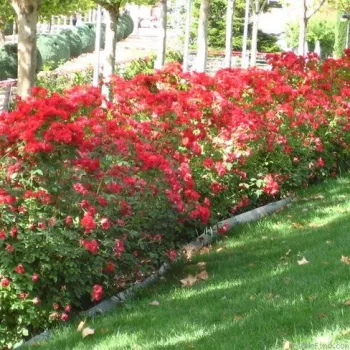
Bushy, upright, moderately thorny shrub, 90–130 cm high, 100–140 cm spread, dense slightly glossy bronze-green foliage; good self-cleaning with most spent blooms dropping naturally, supporting tidy mass plantings with minimal grooming. |
| Flower morphology |
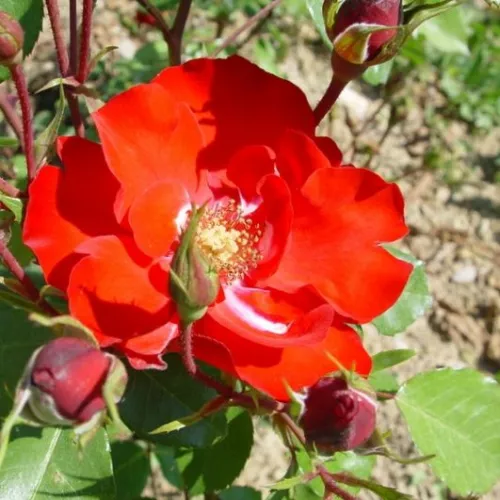
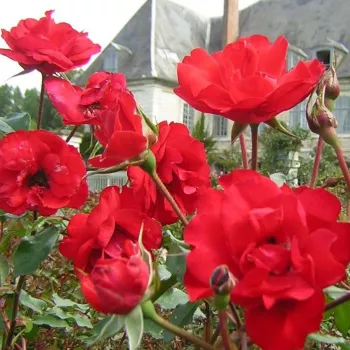
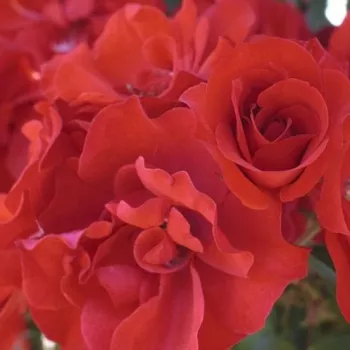
Semi-double, flat, cluster-flowered blooms, medium-sized at 1.5–2.75 inches, with approximately 13–25 petals; strongly remontant habit providing abundant second flowering, valuable for sustained display in beds and landscape schemes. |
| Colour data and phenology |
Vivid orange-red flowers blending red and orange tones, ARS code pb, RHS 40A outer and 40B inner; colour lightens slightly in strong sun to pale brick red yet retains an orange undertone, with a notable glowing effect in good light. |
| Fragrance and aroma |
Delicately rose-scented with mild, discreet fragrance; semi-double blooms offer moderately accessible stamens, giving partial pollinator friendliness without dominating by scent, suited to public spaces where strong fragrance is not required. |
| Hip characteristics |
Produces ovoid, scarlet-red hips in moderate quantities, typically 7–11 mm diameter; bright egg-shaped fruit can contribute some seasonal interest in landscape settings where flowers are not deadheaded rigorously after bloom. |
| Resistance and winter hardiness |
Resistant to powdery mildew, black spot and rust; hardy to approximately −23 to −21 °C, RHS H7, Swedish zone 3, USDA 6a; tolerates heat well, coping with moderate drought when supplemented by irrigation during extended dry periods. |
| Horticultural recommendations |
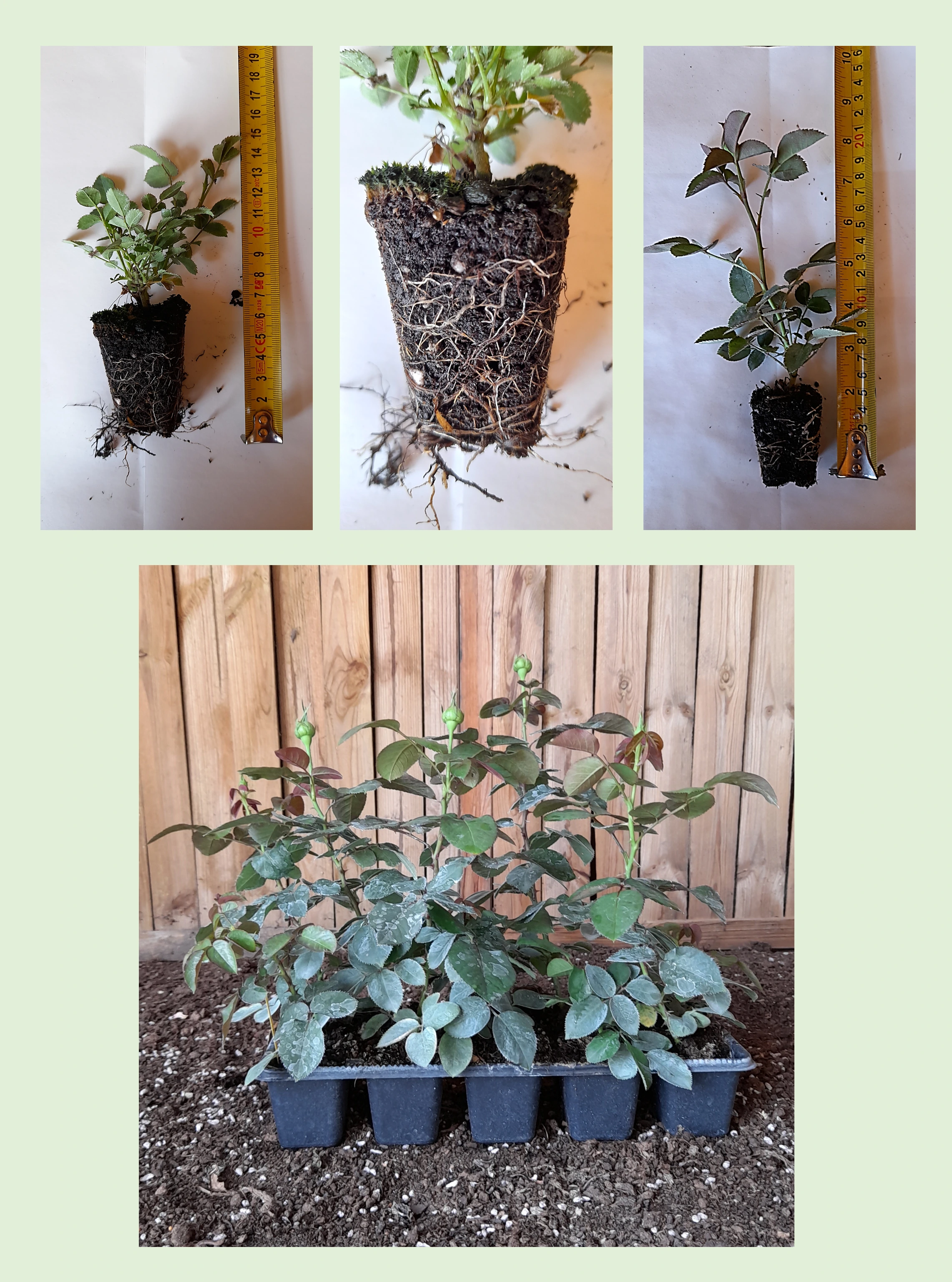
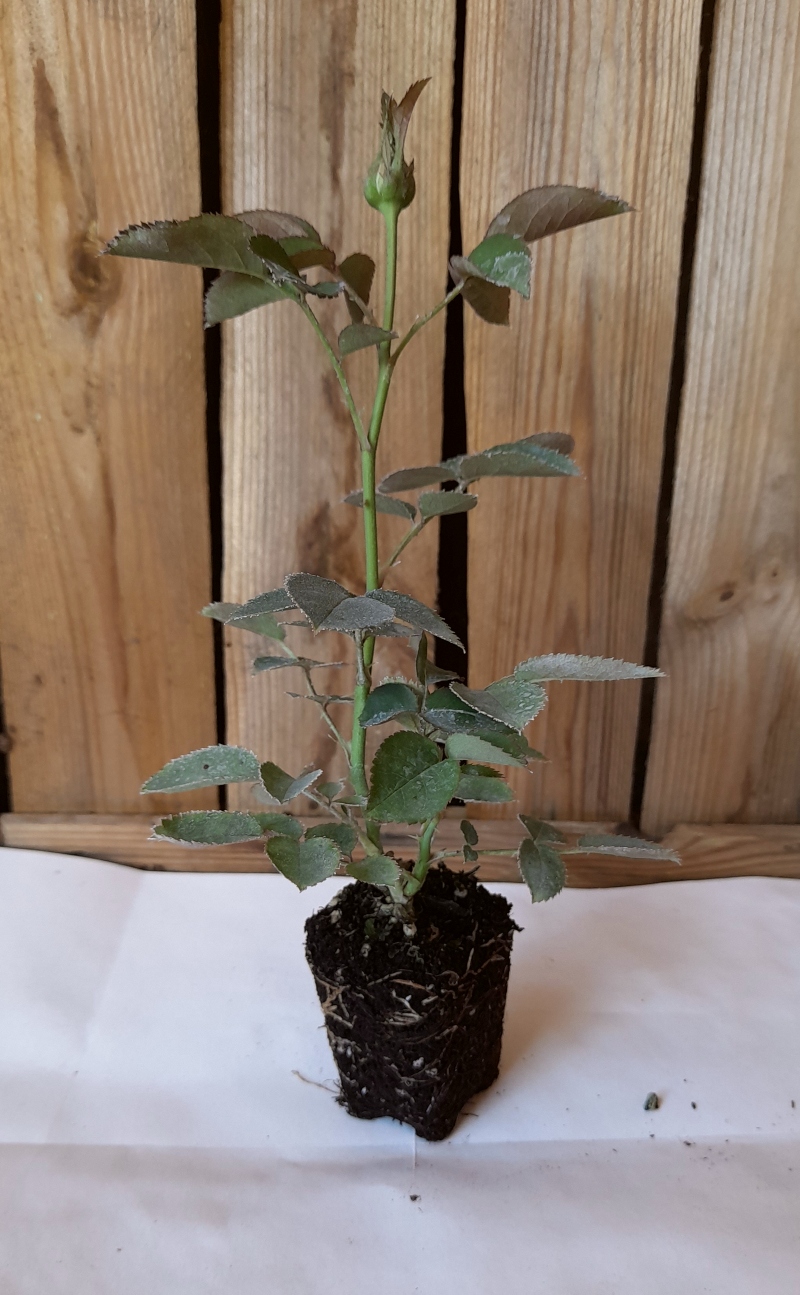
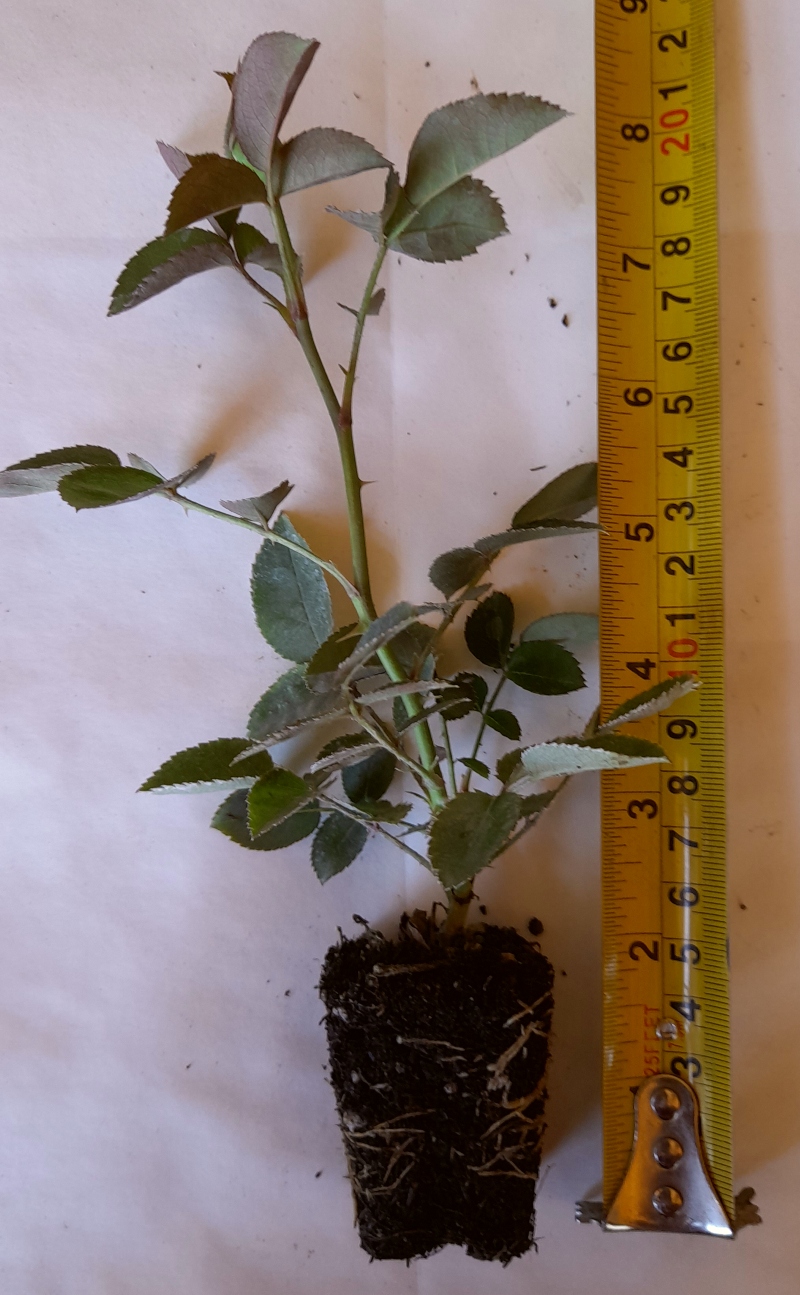
Best for flower beds, parks, urban green spaces, hedges and mass plantings; low maintenance needs with minimal feeding and pruning; suited to project mass planting, finished as uniform dense bushes, typically targeted to 1.5–2 L pots. |