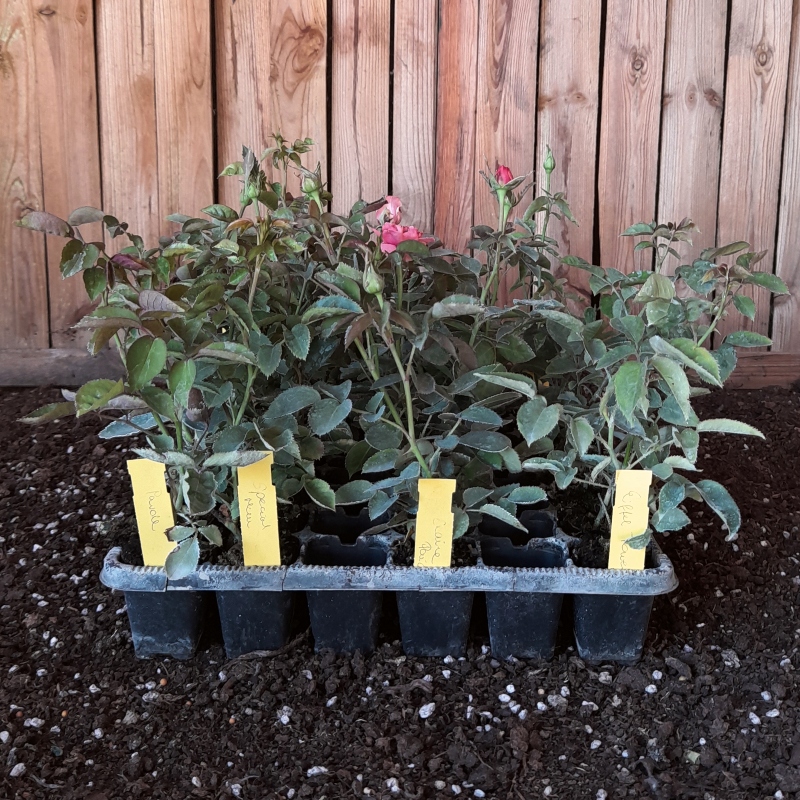
Lavender Pinocchio – bedding floribunda rose propagation material
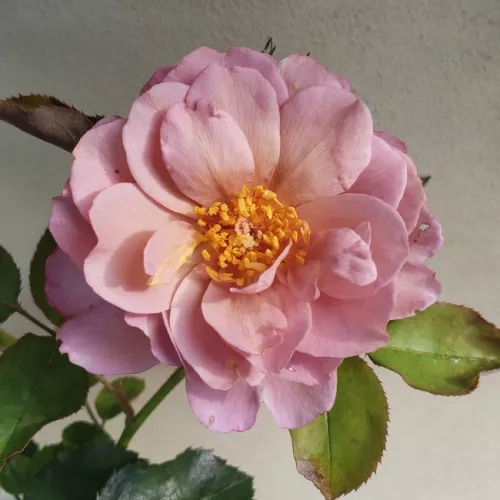
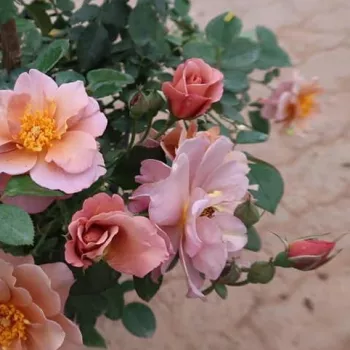
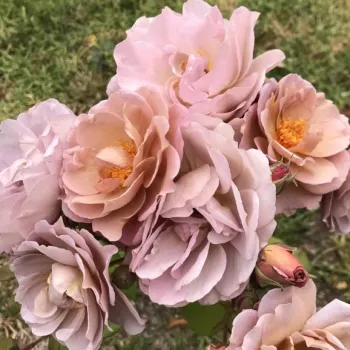
Floribunda production with own‑root stability makes Lavender Pinocchio a dependable option for nurseries building repeatable bedding and flowerbed ranges from standard containers upward. Its bushy, compact habit, dense mid‑green foliage and medium maintenance needs translate into predictable bench performance and straightforward crop planning on 2–3 L lines. The lavender‑purple to silvery‑lilac colour gradients support visually distinctive, yet reliable “purple bedding” concepts for retail and reseller channels, aligning well with UK projects where winter and wind tolerance are needed in exposed sites. Medium disease resistance and H7 hardiness support homogeneous stands and low replacement over multiple years, while own‑root resilience underpins long‑term stock blocks and cultivar integrity. Semi‑double, cluster‑flowered clusters with mild fragrance repeat well, giving sustained garden performance from a compact bush‑trained release form. In typical development, root systems consolidate in year one, structural shoots establish in year two and full ornamental value is realised from year three, matching professional expectations for durable, own‑root production.
Usage options
Finished-product ideas
- 2–3 L retail bedding floribunda – Core SKU using standard container production of bush‑trained, compact plants with repeat flowering and medium maintenance requirements, positioned as a reliable garden performance purple bedding rose for retail/reseller shelves.
- Purple floribunda theme collection – Multi‑cultivar tray or trolley offers built around Lavender Pinocchio’s distinctive lavender‑to‑silvery colour gradients and compact habit, supporting thematic rose garden or collection concepts for public‑realm and show‑garden oriented buyers.
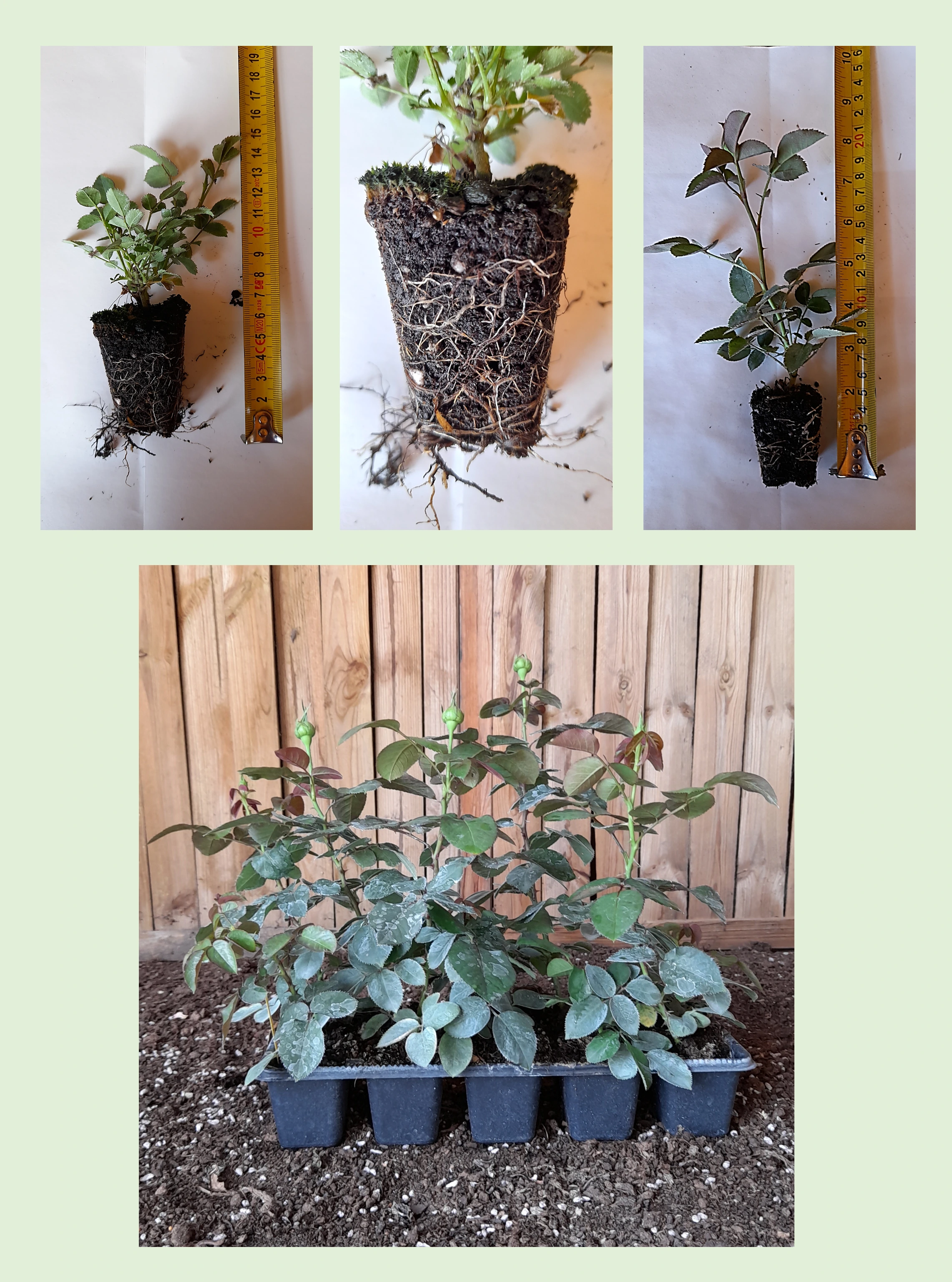
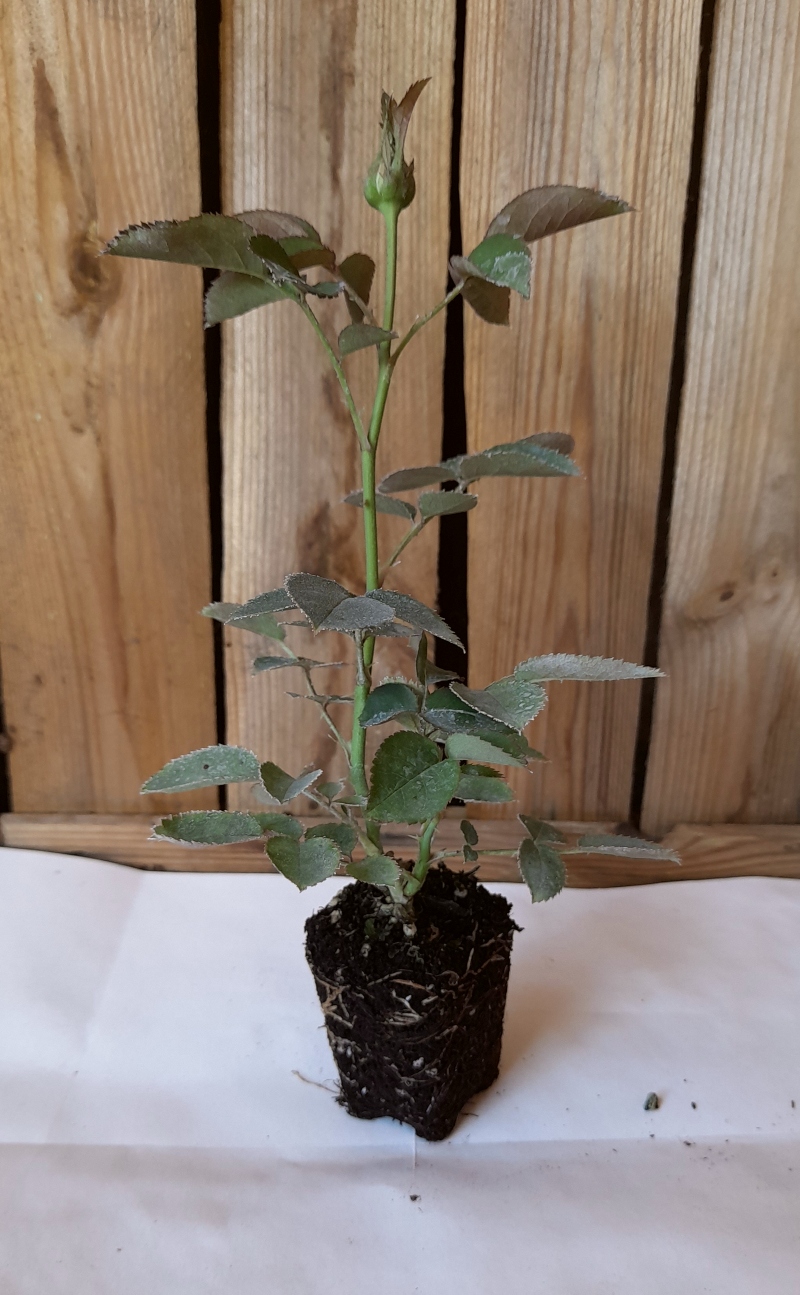
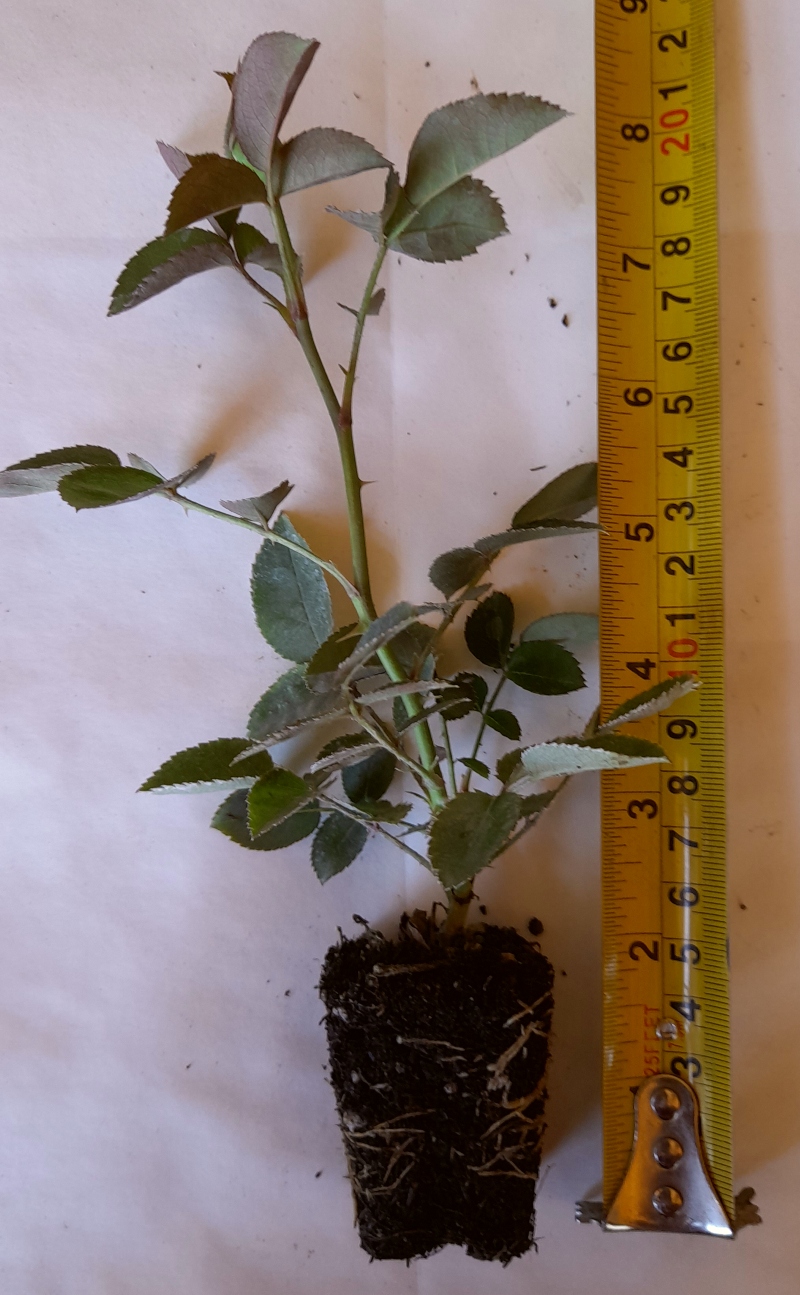
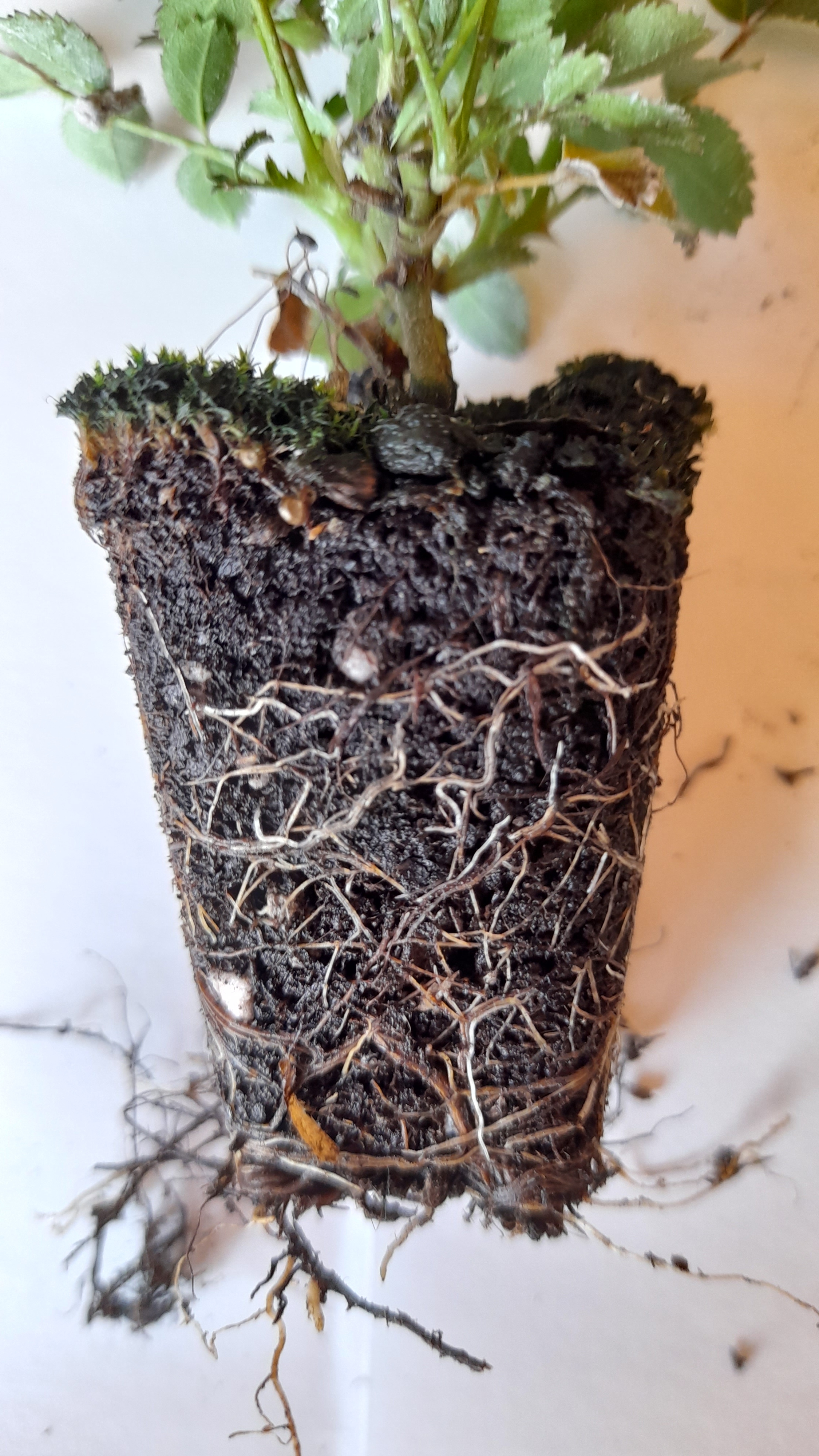
- Own‑root propagation block starter pack – Bulk delivery of pharmaROSA NEONATAL rooted cuttings for establishing long‑term stock beds, leveraging own‑root stability, H7 hardiness and medium disease resistance to underpin future large‑scale finished‑product production for nursery networks.
- Institutional flowerbed programme line – Contract‑oriented 2–3 L line using bush‑trained plants with reliable garden performance and winter hardiness, tailored to public‑realm, municipal and institutional bedding schemes requiring homogeneous, medium‑maintenance purple floribunda stands.
- Large container feature specimens – Selected plants taken beyond the standard container cycle into 40–50 L units, showcasing the dense foliage, bushy habit and repeat flowering as eye‑catching display or hero plants supporting broader Lavender Pinocchio ranges for wholesale presentations.
Technical cultivar profile
| Parameter |
Data |
| Name and registration |
Registered cultivar name Lavender Pinocchio, commercial type bedding floribunda rose within the Bed rose group; American Rose Society exhibition name Lavender Pinocchio; unregistered variety in formal registration terms. |
| Origin and breeding |
Bred by Eugene S. Boerner for Jackson & Perkins Company in the United States, introduced in 1948; a cross of ‘Pinocchio’ × ‘Grey Pearl’, reflecting its lavender interpretation of the original Pinocchio colour form. |
| Growth and structural characteristics |
Bushy, compact shrub typically 100–140 cm high with a 75–105 cm spread; moderately thorny shoots carry dense, mid‑green, slightly glossy foliage that gives good leaf mass and supports a solid bedding presence. |
| Flower morphology |
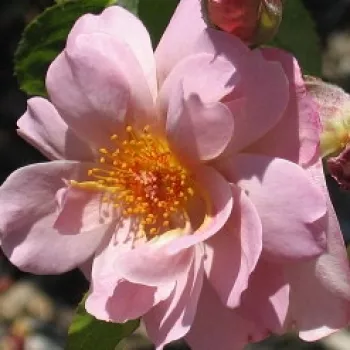
Semi‑double flowers with 13–25 petals, medium‑sized at approximately 1.5–2.75 inches, carried mainly in clusters on the bush; repeats well with abundant second flushes, supporting continuous bedding effect in season. |
| Colour data and phenology |
Colour code ARS m, RHS 75C and 75A; buds open deep lavender‑purple, shifting through mid lilac to fading lavender‑pink with a silvery‑lilac tint, giving moderate colour retention yet an attractive, evolving purple presentation. |
| Fragrance and aroma |
Mild, discreet scent with a delicate, classic rose character; not primarily a fragrance variety, but adds a subtle aromatic note that complements its ornamental bedding use without defining the product concept. |
| Hip characteristics |
Rose hip formation is generally limited due to flower form, though occasional small spherical orange‑red hips of about 10–14 mm diameter can appear, offering minor seasonal interest without becoming dominant. |
| Resistance and winter hardiness |
Medium disease resistance, with powdery mildew, black spot and rust all at medium levels; hardy to approximately −21 to −18 °C, RHS rating H7, aligning with USDA Zone 6b and Swedish Zone 3 performance expectations. |
| Horticultural recommendations |
Recommended for gardens and flowerbeds as a standard finished product from bush‑trained plants; medium maintenance with occasional pest control, ideally produced in 2–3 L standard containers for retail and reseller customers. |
Lavender Pinocchio offers compact bushy structure, distinctive lavender colour shifts and reliable own-root longevity, giving nurseries predictable, low-replacement bedding lines and a secure propagation base; we would be pleased to discuss timing and capacity.