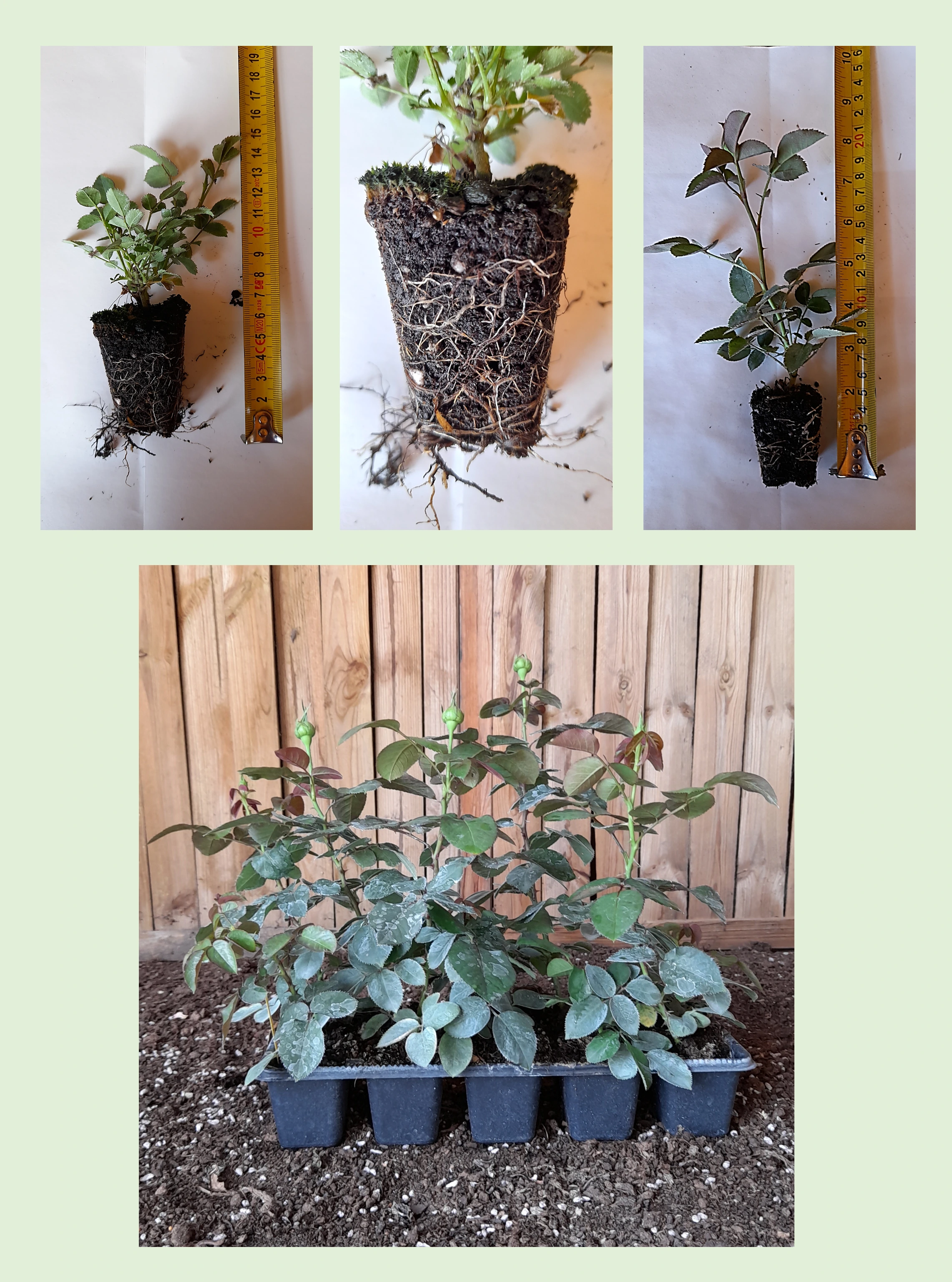
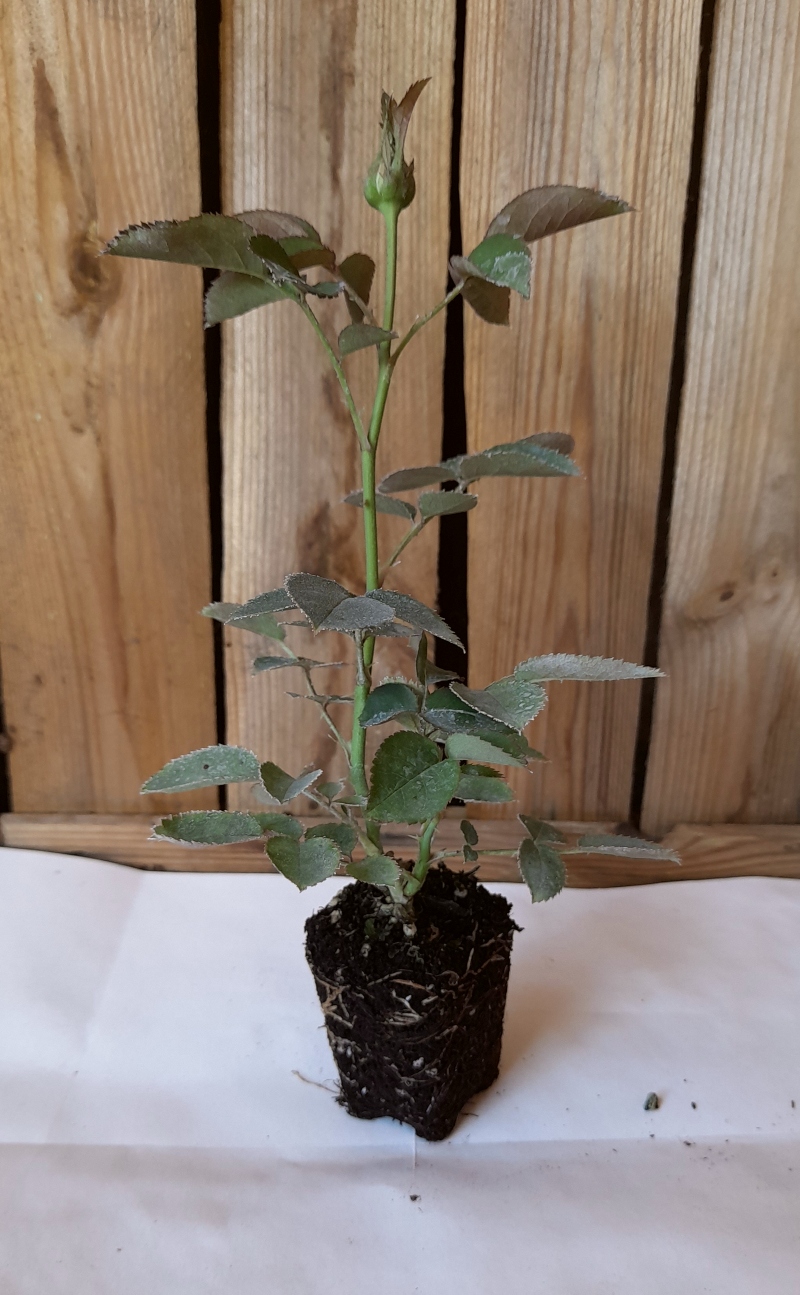
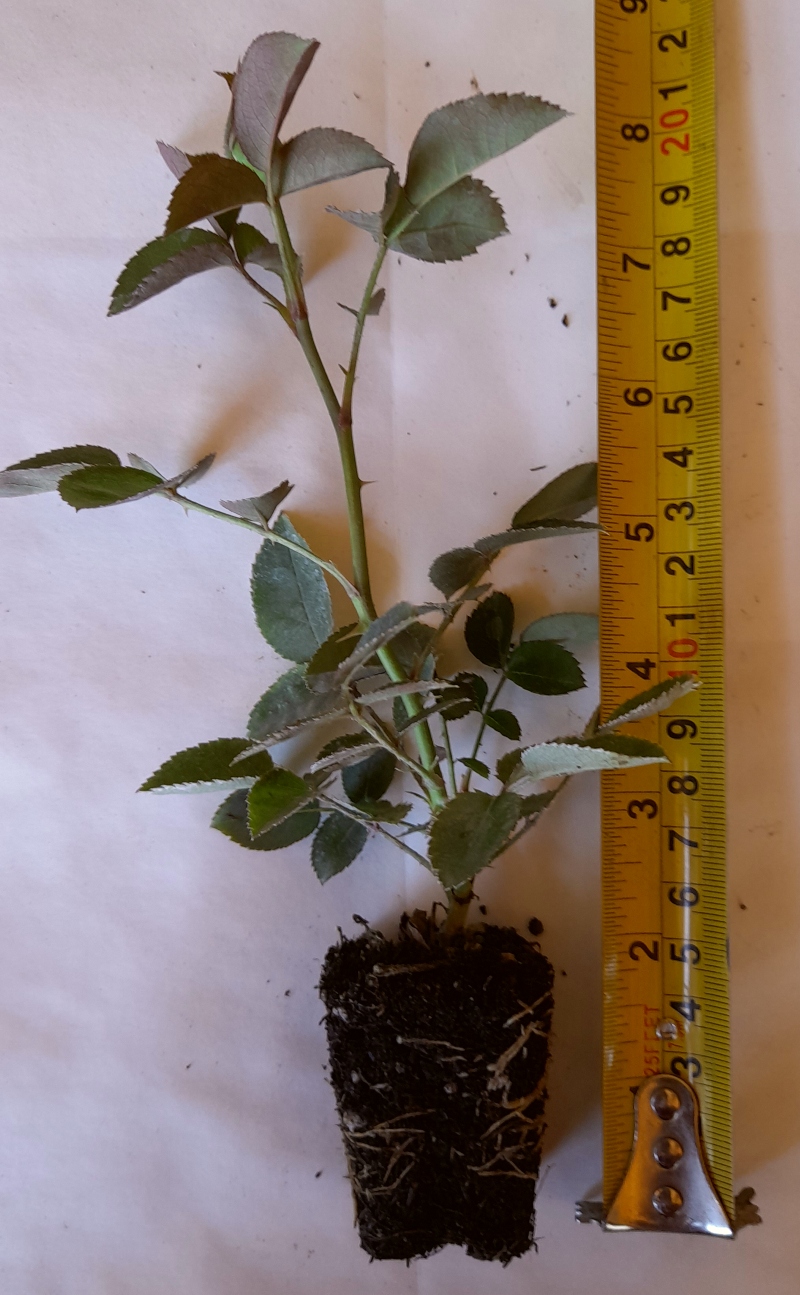
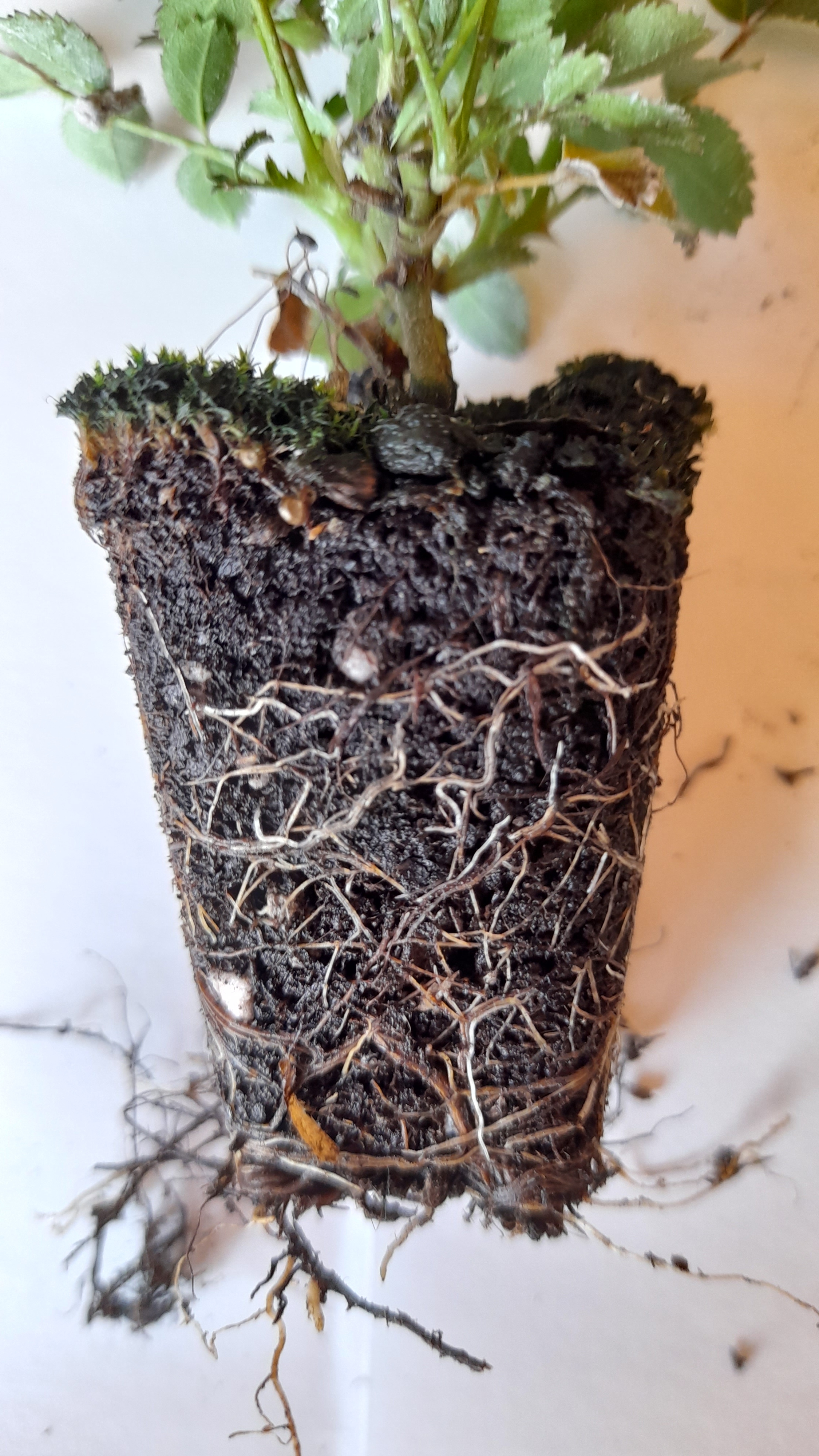
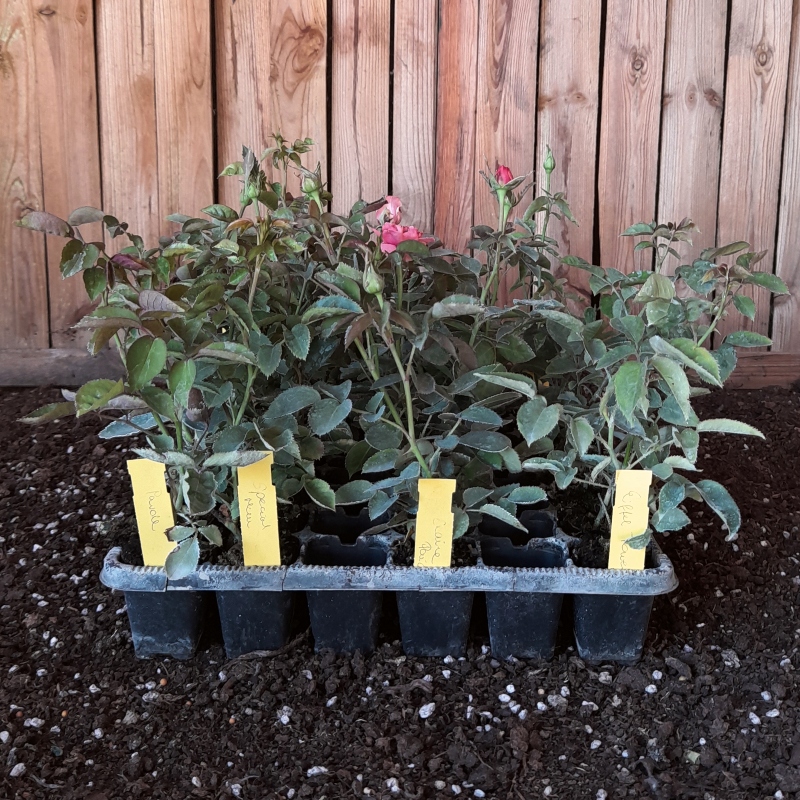
Léonie Lamesch – pharmaROSA® NEONATAL rooted cutting
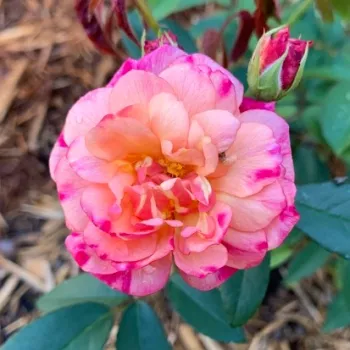
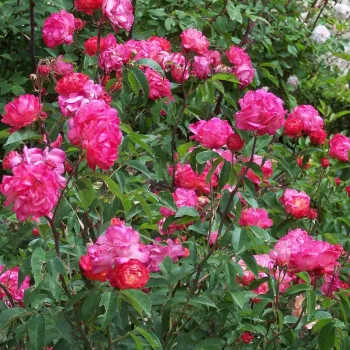
Professional growers looking to build reliable mass‑planting lines will find Léonie Lamesch a stable own‑root option for project‑driven bedding and border programmes where uniform, bush‑trained plants are essential. This historic polyantha shrub combines remontant flowering with compact, bushy structure, supporting a dense, tray‑to‑bench workflow into 1.5–2 L containers and onwards to uniform, dense, bush‑trained finished products for project mass planting. The semi‑double, small, clustered blooms deliver a distinctive orange‑yellow bicolour effect with a fine carmine edge, supported by mid‑green, slightly glossy foliage and moderate self‑cleaning to keep blocks visually tidy between maintenance visits. Own‑root NEONATAL material offers predictable renewal and stand longevity under repeated trimming and production stress, with development typically moving from root build‑up in year one, stronger framework in year two and full ornamental show from year three onwards. With moderate disease and winter tolerance aligned to UK nursery practice, it suits large‑scale propagation for landscape contractors and project‑serving wholesalers where dependable coverage and uniformity are required for public and park bedding schemes in conditions that handle regular wind and winter exposure in northern and higher sites.
Usage options
Finished-product ideas
- Project bedding 2 L line – Uniform, dense, bush‑trained Léonie Lamesch in 1.5–2 L containers for project mass planting, exploiting its bushy habit and fast coverage to serve park bed contracts – target audience/channel: landscape contractors via project-serving wholesalers
- Historic polyantha collection pot – NEONATAL own‑root material grown into compact 2 L shrubs as part of a curated historic polyantha range, using its 1899 Lambert origin and small, cluster‑flowered blooms – target audience/channel: specialist nurseries and collection-focused wholesalers
- Park edge 40 L module – Larger 40–50 litre containerised shrubs for park borders and path edges, leveraging the upright bush habit, remontant flowering and moderate hardiness for robust, long‑term installations – target audience/channel: public-realm and municipal project suppliers
- Colour‑themed bed mix – 1.5–2 L plants batched by flower colour effect, using the copper‑orange to creamy yellow bicolour and remontant habit to anchor orange‑yellow project schemes – target audience/channel: design-led landscape firms and public garden projects
- Polyantha shrub range block – Standardised NEONATAL‑based production of Léonie Lamesch as a key SKU in a broader polyantha shrub assortment, built on its compact structure and moderate maintenance requirement – target audience/channel: integrator wholesalers serving regional nursery networks
Technical cultivar profile
| Parameter |
Data |
| Name and registration |
Current trade name Léonie Lamesch, commercial polyantha bedding rose in the bed rose group; exhibition category shrub rose; unregistered variety with American Rose Society exhibition name Léonie Lamesch. |
| Origin and breeding |
Bred by Peter Lambert, Lambert & Söhne, Germany, from ‘Aglaia’ × (‘Mignonette’ × ‘Shirley Hibberd’); introduced and first distributed by Lambert & Söhne in 1899 as a historic shrub polyantha rose. |
| Awards and recognition |
not provided |
| Growth and structural characteristics |
Bushy, upright shrub with height around 80–120 cm and spread 100–140 cm; moderately dense, mid‑green, slightly glossy foliage (RHS 137A); sparsely thorned shoots for easier handling in nursery and landscape use. |
| Flower morphology |
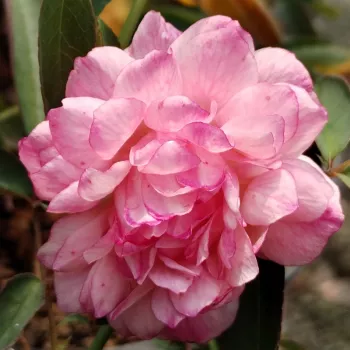
Semi‑double, cup‑shaped blooms with 13–25 petals and small 0.5–1.5 inch diameter; cluster‑flowered inflorescences; remontant with abundant second flush; medium self‑cleaning, some spent blooms retained on the plant. |
| Colour data and phenology |
Light copper‑orange base with golden‑yellow centre and fine carmine‑red edges; opens copper‑orange, then fades to creamy yellow with a purplish‑red veil; ARS code ob, RHS 24B outer and 14B inner petal zones described. |
| Fragrance and aroma |
Pleasant spicy, fruity fragrance of medium strength, clearly noticeable in flower beds; semi‑double flowers offer limited but present pollinator interest, with partially obscured stamens reducing but not eliminating attraction. |
| Hip characteristics |
Rose‑hip set is generally sparse; when present, small spherical orange‑red hips around 5–8 mm diameter develop, adding minor autumn interest without significantly affecting ornamental bedding performance. |
| Resistance and winter hardiness |
Moderate overall disease tolerance, with powdery mildew, black spot and rust rated moderate; winter hardy to approximately –21 to –18 °C, RHS H7, corresponding to USDA zone 6b and Swedish zone 3 in temperate climates. |
| Horticultural recommendations |
Suited to beds, borders, parks and containers; medium maintenance, occasional pest and disease control advised; recommended as uniform dense bush‑trained finished product for project mass planting, typically in 1.5–2 L production pots. |
Léonie Lamesch as pharmaROSA® NEONATAL own-root material combines compact bushy structure, remontant cluster flowering and moderate hardiness into predictable, regenerative, long-lived stands; we invite you to discuss capacity planning and scheduling options.