Rosa pimpinellifolia Mary Queen of Scots – pharmaROSA® NEONATAL
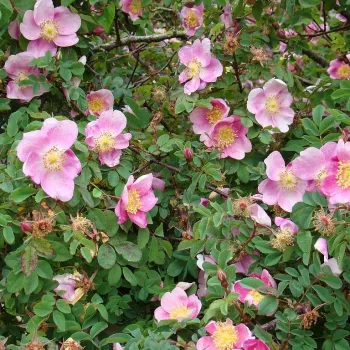
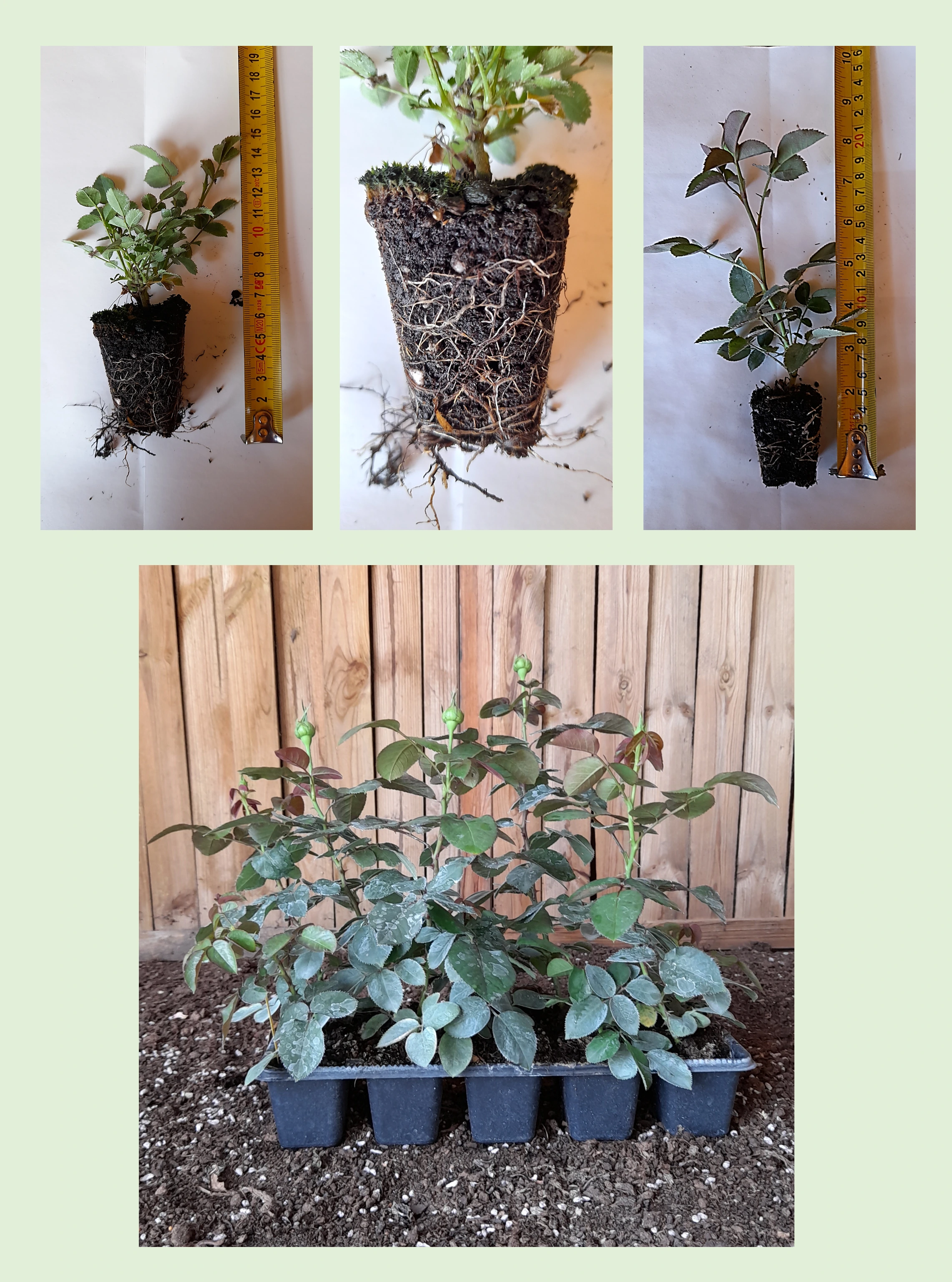
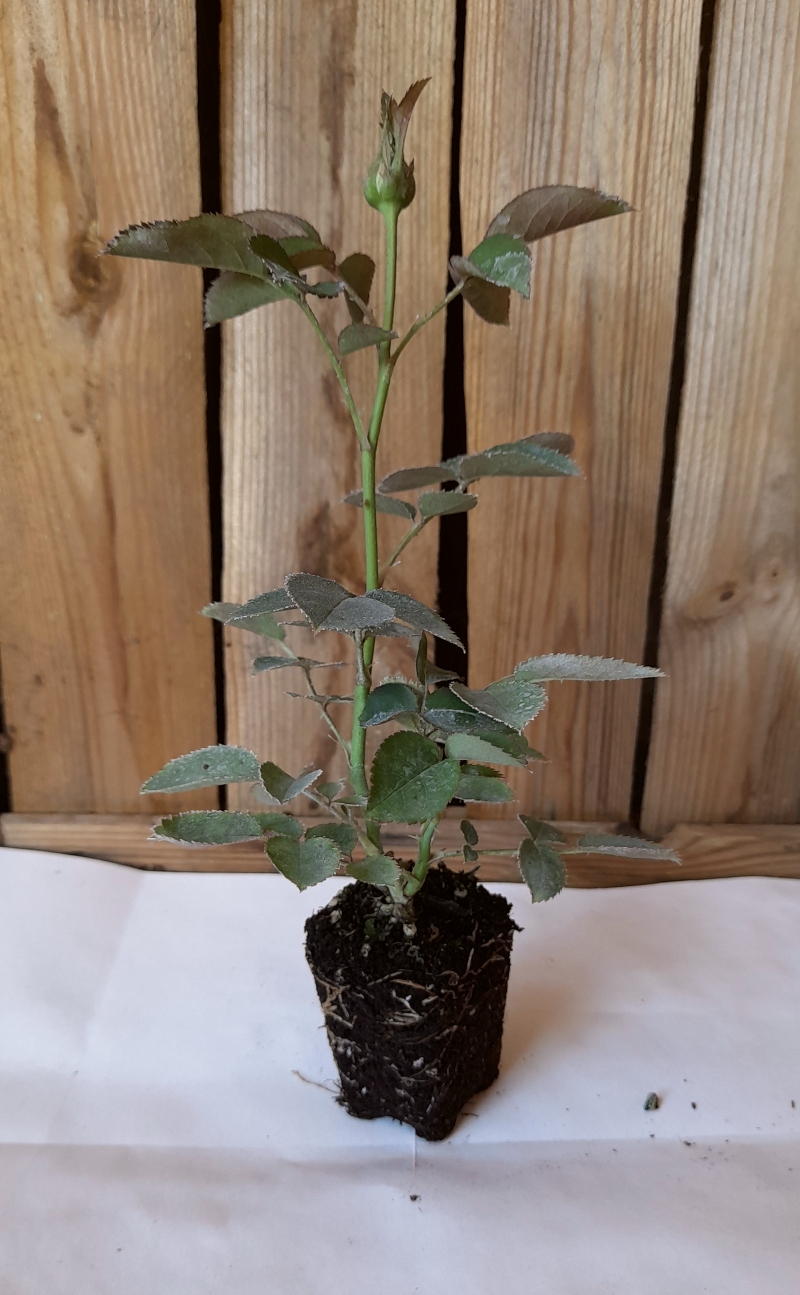
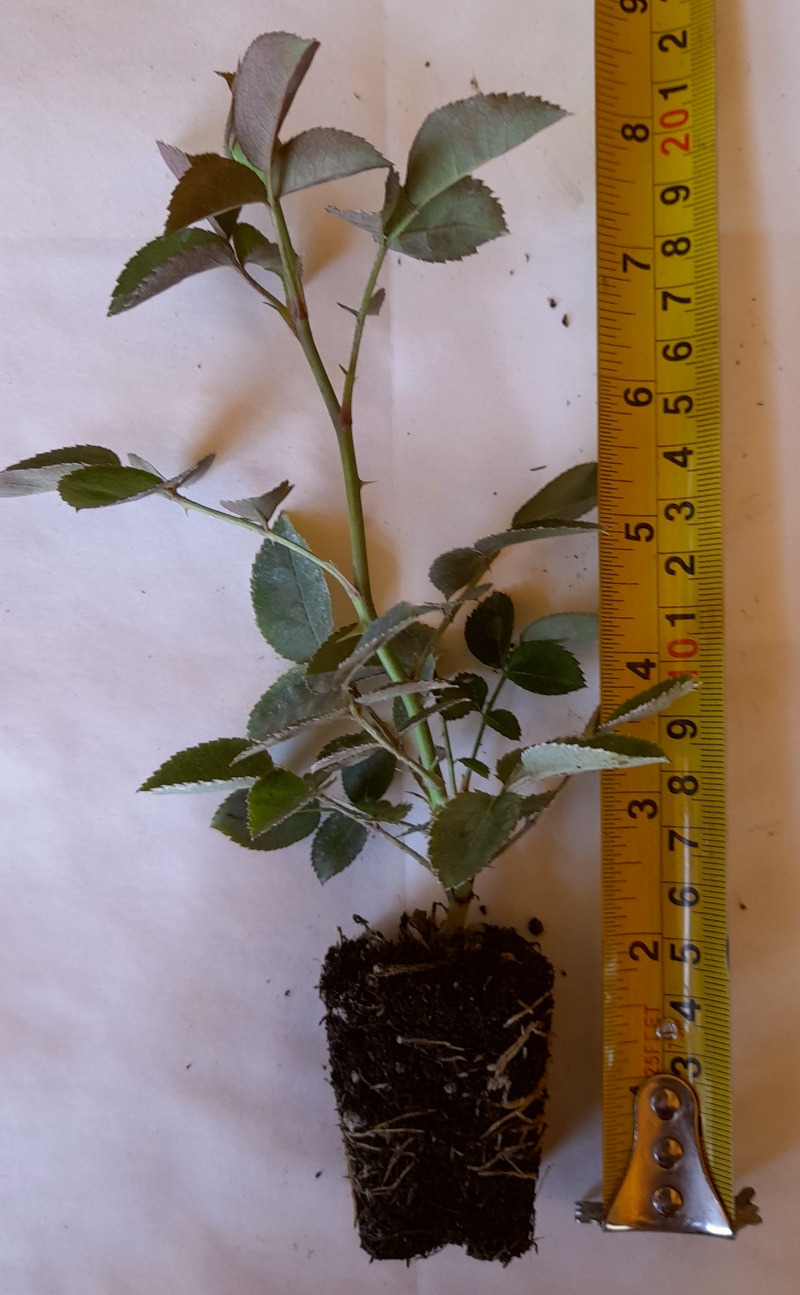
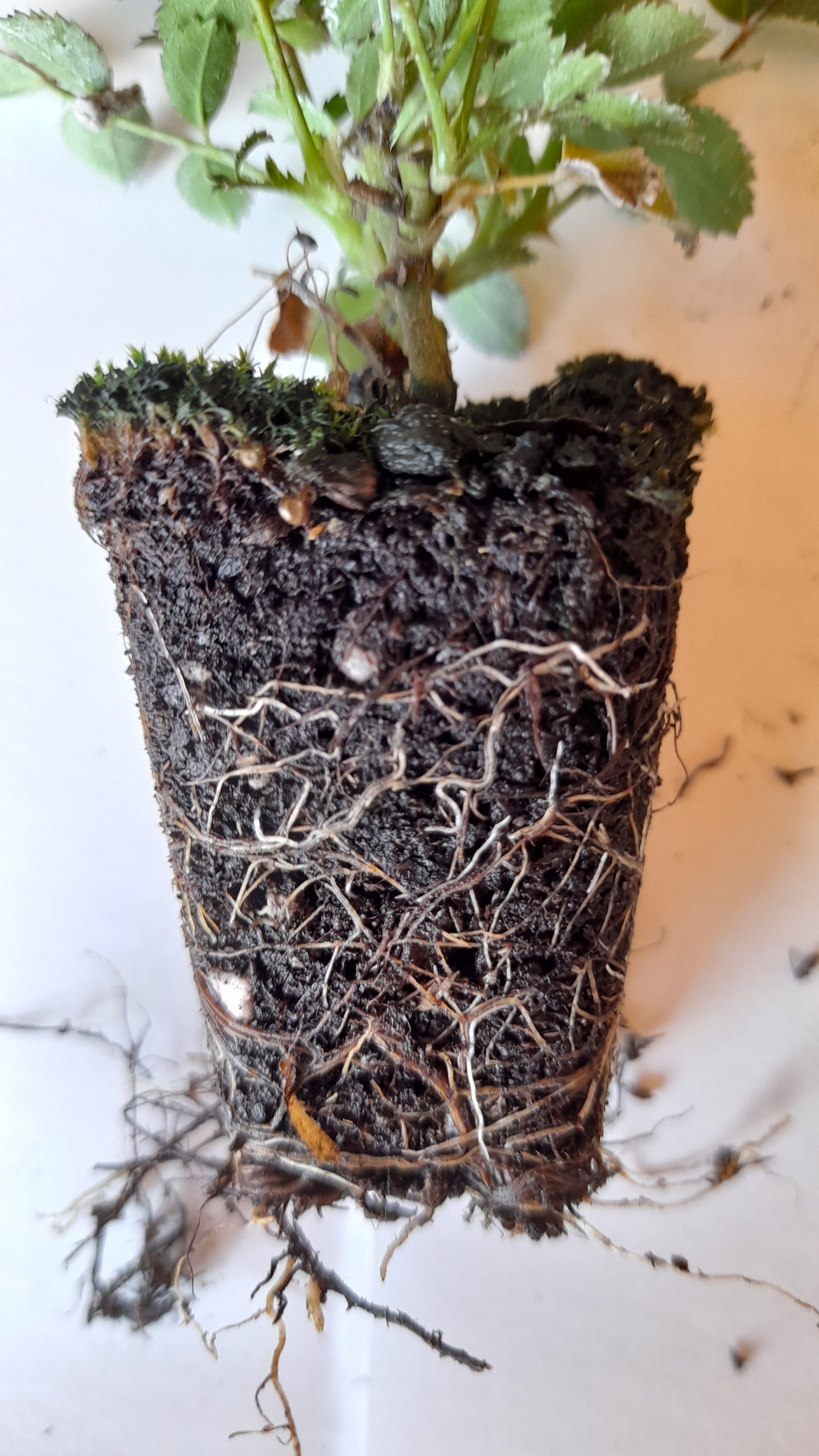
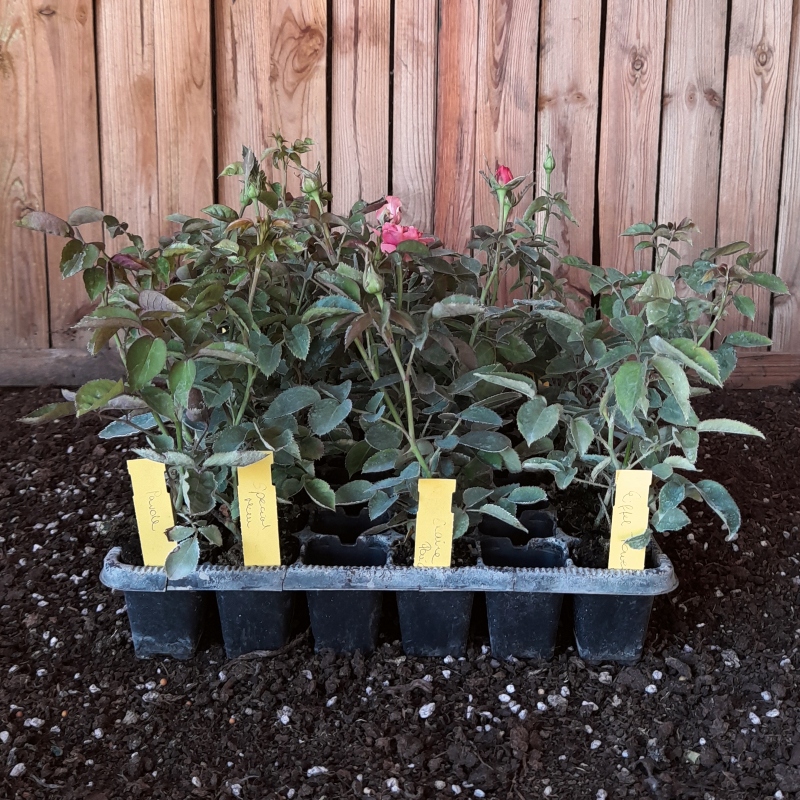
As a historical landscape shrub rose on own roots, Rosa pimpinellifolia Mary Queen of Scots offers growers a robust, uniform propagation base for border, hedging and project-led ranges, with dense, bushy structure and reliable once-season flowering. Its moderate heat tolerance and very high winter hardiness support consistent performance in exposed UK sites, for example where strong winds and low winter temperatures must be accommodated. Strong disease resistance and low maintenance needs reduce plant protection inputs, while self-cleaning flowers and ornamental hips sustain visual value well beyond the flowering window. The semi-double, pollinator-friendly blooms with visible stamens add ecological diversity to project portfolios, and own-root longevity supports stable, repeatable mass-planting schemes in nursery networks. With tray-rooted cuttings designed for 1.5–2 L production and eventual use in large-scale project mass planting, this cultivar delivers a predictable, premium component for thematic rose collections and wholesale supply, following the natural development arc from root establishment in year one, structural build in year two and full ornamental expression from year three.
Usage options
Finished-product ideas
- Project mass-planting shrub block – Uniform, dense, bush-trained 1.5–2 L shrubs emphasising fast coverage, low maintenance and strong disease resistance for large schemes – target audience/channel: landscape contractor ranges via project-serving wholesalers
- Low hedge and screen line – Own-root 1.5–2 L units selected for bushy, upright habit and dense foliage, positioned as low hedging and screening elements in landscape specifications – target audience/channel: wholesale nursery hedge programmes for public-realm projects
- Pollinator-focused rose collection – Semi-double, pollinator-friendly blooms with visible stamens grouped into curated 1.5–2 L assortments for ecological and biodiversity-focused contracts – target audience/channel: nurseries supplying municipal and institutional ecology schemes
- Historical and botanical range – Themed collection built around botanical roses with historical provenance, supplied as uniform bush-trained 1.5–2 L stock from own-root propagation – target audience/channel: specialist nurseries and show gardens building thematic rose plantings
- Premium container specimen shrub – Selected vigorous plants grown on from 1.5–2 L into 40–50 litre containers, highlighting dense structure, strong winter hardiness and ornamental hips for focal planting – target audience/channel: project-serving wholesalers and larger nurseries supplying designed landscapes
Technical cultivar profile
| Parameter |
Data |
| Name and registration |
Current trade name Rosa pimpinellifolia Mary Queen of Scots, botanical rose landscape shrub; American Rose Society exhibition name Mary Queen of Scots; unregistered historical variety with verified authenticity. |
| Origin and breeding |
Historical Scottish shrub rose bred by Robert Brown, Perth, Scotland, introduced by Dickson and Brown before 1803; parentage unknown and recorded as botanical rose within the shrub group. |
| Awards and recognition |
Not provided |
| Growth and structural characteristics |
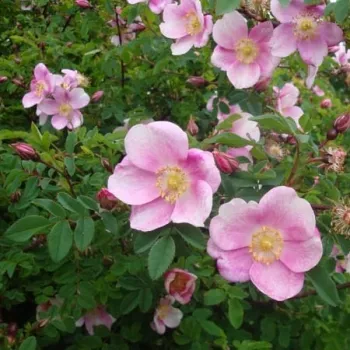
Bushy, upright shrub with dense foliage and strong prickliness; precise height and spread not provided; suited to border, hedging, coastal and container roles where robust structure is required. |
| Flower morphology |
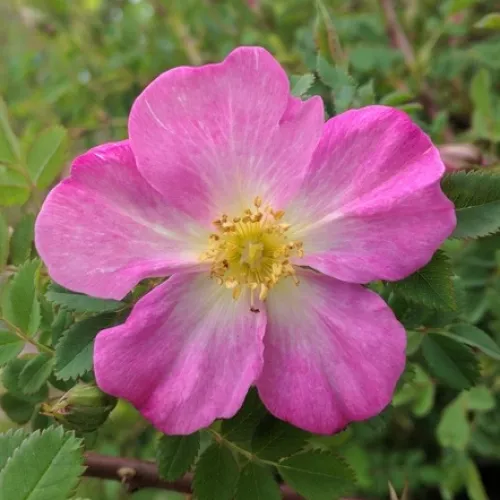
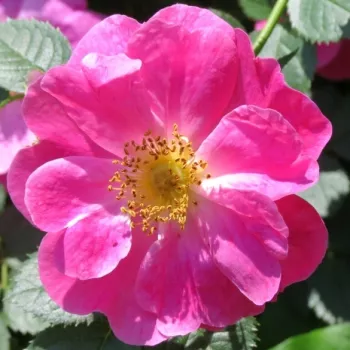
Semi-double, solitary flowers of large size with approximately 13–25 petals; blooms are non-remontant, providing a single main flowering period followed by ornamentally valuable hip set. |
| Colour data and phenology |
Bright pink flowers with a whitish centre and yellow stamens; ARS code MP, RHS 62C outer and 62D inner; colour softens to pastel pink while the white centre intensifies as blooms age. |
| Fragrance and aroma |
Medium-strength fragrance, clearly noticeable in flower; detailed scent character not provided, but intensity sufficient to contribute to sensory value in borders, collections and specimen use. |
| Hip characteristics |
Rounded, dark hips, around 10–15 mm, spherical and black, forming after petal fall and remaining to provide autumn interest; hips are ornamental only and not recommended for consumption. |
| Resistance and winter hardiness |
Rated resistant to powdery mildew, black spot and rust; hardy to approximately −34 to −29 °C, RHS H7, Swedish zone 6, USDA zone 3a, with good tolerance of moderate heat and drier, poorer soils. |
| Horticultural recommendations |
Suited to border edges, low hedging, shrub screens, coastal and naturalistic gardens, containers and cut use; low maintenance with minimal plant protection, forming uniform, dense, bush-trained finished material. |
Rosa pimpinellifolia Mary Queen of Scots offers dense, uniform shrub structure, strong disease resistance and ornamental hips on a predictable, long-lived own-root base; we would welcome discussing scheduling and capacity for your project-led programmes.