Bedding rose

20-444-1
20-444-2

Lippay János

Bedding rose

- – Márk Gergely

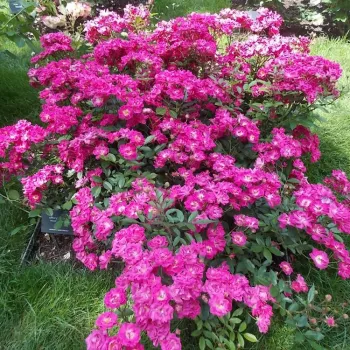
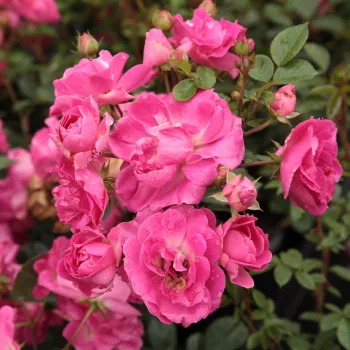
Vibrant pink flowers with a pale, whitish centre and contrasting yellow stamens. - polyantha bedding rose - scentless rose - no noticeable fragrance

– Vivid dark‑pink clusters with pale centres.
– Reliable repeat flowering with rich second flush.
– Compact, upright habit ideal for bedding.
– Very good colour retention, minimal fading.
– Tolerates heat and drought in sunny sites.
Special feature: Bronze Medal winner in Rome and at BUGA, proven for high‑impact mass plantings.
Project (landscape architecture / mass use)
Lippay János
pharmaROSA® NEONATAL rooted rose cutting
27,05 £
Due to courier service regulations – and the introduction of customs clearance – delivery to Ireland is temporarily suspended.
3.5 (4900)
facebook   twitter

LIPPAY JÁNOS – dark pink bedding polyantha rose – pharmaROSA® NEONATAL

Uniformity and coverage are the defining strengths of LIPPAY JÁNOS in professional project work, where dense, upright shrub structure and reliable repeat flowering support fast establishment of flower beds and edging in public and private schemes. As a tray-grown, 3–6‑month‑old pharmaROSA® NEONATAL own‑root cutting, it fits smoothly into nursery systems focused on mass planting lines, supplying a predictable base for 1.5–2 L project plants and uniform, bush‑trained finished stock. Its compact 45–65 cm height and 40–55 cm spread make it particularly efficient for high‑density layout planning and wholesale batches requiring a consistent, exhibition‑grade polyantha bedding effect. Own‑root production supports long‑term regeneration and stable ornamental value in planting schemes, building homogeneous stands and reducing replacement risk in extended maintenance contracts. This is especially relevant where reliable heat and drought performance is needed in exposed urban beds and parks, coping consistently with warmer, drier project sites across the South‑East and similar conditions. Framed for thematic rose gardens and collection plantings, the cultivar’s dark‑pink, colour‑fast clusters add identity value in curated ranges, while the development arc from root build‑up in Year 1, structural canopy in Year 2 and full ornamental expression in Year 3 supports predictable programming for professional nursery, wholesale, project, landscape and collection portfolios.


Usage options

Target area Reasoning
Project mass bedding for rapid surface coverage The compact 45–65 cm height and 40–55 cm spread support dense spacing and quick canopy closure, making this variety well suited to project mass planting in flower beds and edging using 1.5–2 L bush‑trained finished plants. Own‑root propagation material gives durable, renewable stands that tolerate production loads and reduce long‑term replacement in urban green spaces focused on fast coverage and uniformity for landscape contractors
Colour‑intensive urban and park planting The vibrant dark‑pink clusters with a pale centre deliver strong visual impact and very good colour retention over repeat flushes, supporting high‑impact park and urban green‑space beds from relatively small 1.5–2 L units. Using uniform, dense, bush‑trained finished plants from own‑root stock underpins consistent, repeatable colour blocks in project planting lines, adding reliability to public‑realm schemes that prioritise stable visual value for project-serving wholesalers
Heat‑exposed public‑realm schemes Good heat and drought tolerance allows this cultivar to perform reliably in exposed or paved‑adjacent beds where irrigation may be constrained, particularly in warmer regions and south‑facing urban schemes. pharmaROSA® NEONATAL own‑root cuttings support scalable volumes for project mass planting in 1.5–2 L formats, helping planners specify resilient, repeat‑flowering polyantha blocks that cope well with prolonged warm, dry spells typical of south‑eastern urban climates for urban green-space managers
High‑volume nursery lines for project supply The compact polyantha habit and exhibition‑category flower quality make it efficient for bench‑run production, generating uniform batches destined for project mass planting in beds and edging. Starting from tray‑rooted own‑root material stabilises development across batches, supporting predictable cropping windows for 1.5–2 L release and consistent bush‑trained finish, simplifying scheduling for wholesalers building dedicated, project‑oriented rose assortments for integrator systems
Thematic and collection rose gardens The named link to János Lippay and its exhibition polyantha category give this cultivar added interest in collection and thematic rose gardens, where identity and story matter alongside colour performance. Own‑root NEONATAL material offers a secure base for long‑term maintenance or gene‑bank‑style plantings, enabling structured use in beds and edging within curated collections that require consistent, repeatable plant quality for rose collections
Show‑garden and competition‑grade displays Bronze medals from Rome and BUGA underline the cultivar’s capacity to deliver visually coherent, exhibition‑grade bedding and shrub displays under professional management. Propagating on own roots in pharmaROSA® NEONATAL format allows nurseries to build stable mother‑stock and high‑uniformity 1.5–2 L lines, supplying designers and contractors needing award‑proven cultivars for showcase beds and demonstration projects in public gardens for show-garden projects
Pollinator‑supportive ornamental beds Semi‑double clusters with 13–25 petals moderately attract pollinators, which can be integrated into biodiversity‑aware urban and park schemes while preserving a tidy, bedding‑style aesthetic. From a production perspective, own‑root NEONATAL cuttings scaled into bush‑trained 1.5–2 L units give reliable structure for mixed beds, supporting contracts that combine ornamental effect with measurable ecological contribution in long‑term park maintenance for public-realm suppliers
Renewable project stock with own‑root stability Own‑root technology supports regeneration after stress or canopy loss, promoting longer stand life and homogeneity in intensively used project beds and edging. Raised from pharmaROSA® NEONATAL cuttings, nurseries can plan stepwise development—root mass in Year 1, framework in Year 2 and full bedding performance from Year 3—allowing more accurate scheduling of project planting and replacement cycles in schemes demanding fast coverage and uniformity for large horticultural operators

Finished-product ideas

  • 1.5–2 L project bedding line – compact 45–65 cm plants with dense, upright habit and rapid surface coverage, supplied as uniform bush‑trained 1.5–2 L units for mass bedding contracts – landscape contractors
  • Colour‑accent edging series – dark‑pink, colour‑fast clusters in narrow 1.5–2 L edging plants, leveraging uniform canopy and repeat flowering to outline paths and beds in public parks – project-serving wholesalers
  • Urban heat‑tolerant rose bed mix – own‑root plants selected for good heat and drought tolerance, delivered as bush‑trained 1.5–2 L stock for exposed urban schemes requiring stable, renewable stands – municipal green-space departments
  • Thematic collection feature blocks – exhibition‑category polyantha with historical naming used in grouped 1.5–2 L plantings to build recognisable, uniform patches in rose collections and show gardens – public and private rose gardens
  • Award‑labelled showcase batches – batches flagged with international bronze medals to support premium, yet scalable, 1.5–2 L project offers focused on fast coverage and visual reliability – specialist rose nurseries

Technical cultivar profile
Parameter Data
Name and registration LIPPAY JÁNOS is a dark‑pink polyantha bedding rose by Márk Gergely, marketed as a bed rose for mass use; introduced internationally in 2005, with registration and breeding completed in Hungary in 2002.
Origin and breeding Bred in Hungary from the cross ‘Minililla’ × ‘Titanilla’, with initial distribution by PharmaRosa® Ltd.; breeding year 2002, offering a relatively modern, project‑orientated polyantha type for bedding and landscape applications.
Awards and recognition Recognised with Bronze Medal at the Rome International New Rose Competition in 2005 and a further Bronze Medal at Bundesgartenschau (BUGA) Gera‑Ronneburg in 2007, confirming strong ornamental display under trial conditions.
Growth and structural characteristics Compact, upright shrubs reaching about 45–65 cm in height and 40–55 cm spread, with moderately dense, glossy dark‑green foliage (≈ RHS 137A) and moderate prickliness; structural self‑cleaning data are not provided for this cultivar.
Flower morphology Semi‑double, cup‑shaped, small flowers (about 0.5–1.5 in) borne in clusters, with 13–25 petals and good repeat‑flowering capacity, including an abundant second flush that supports season‑long bedding effect in professionally managed schemes.
Colour data and phenology Dark‑pink blooms with pale, whitish centres and yellow stamens; outer petals around RHS 53A, inner 60A, with minimal fading and very good colour retention, shifting towards a softer mauve‑pink tone as flowers age while maintaining contrast.
Fragrance and aroma No noticeable fragrance; the semi‑double form with 13–25 petals gives moderate pollinator attraction, as the partially filled structure limits access compared with single flowers, yet still allows some foraging on accessible stamens and nectar.
Hip characteristics Produces moderate quantities of small, 6–9 mm, spherical hips coloured bright red (RHS 43A), which can add discrete seasonal interest but generally remain secondary to its primary role as a repeat‑flowering bedding and project rose.
Resistance and winter hardiness Rated to approximately −21 to −18 °C, RHS H7, corresponding to about USDA Zone 6b and Swedish Zone 3; disease resistance is sensitive, with medium susceptibility to powdery mildew and black spot and very high sensitivity to rust.
Horticultural recommendations Recommended for flower beds, edging, parks and urban green spaces, with high maintenance needs and regular plant‑protection input; best channelled into uniform, dense, bush‑trained finished products for project mass planting from 1.5–2 L pots.

LIPPAY JÁNOS offers compact, uniform coverage, vivid repeat‑flowering colour and own‑root longevity for stable project beds, giving nurseries and wholesalers a predictable platform for urban and park supply—please contact us to discuss volume, timing and assortment fit.


Detailed product attributes

Product Identification Data

Product Name: LIPPAY JÁNOS – dark pink bedding polyantha rose - Márk
Product Type: pharmaROSA® NEONATAL - rooted rose cutting
Cultivar Authenticity: Verified:30.06.2025
Item Number: [424] 20-444 (14.02.2026) pharmarosaneonatal.co.uk

Name and Registration

Meaning of Cultivar Name: The name refers to the memory of the 17th-century Jesuit botanist and gardener János Lippay.
Cultivar Synonym: Lippay János emléke
Original Trade Name: Lippay János
Current Trade Name: Lippay János Bedding rose Márk
Rose Group: Polyantha
Commercial Type: polyantha bedding rose
Commercial Group: Bed rose
Exhibition Category: exhibition polyantha; shrub rose
Collection: Bedding rose

Origin and Breeding

Initial Distributor: PharmaRosa® Ltd. (Hungary)
Introduction Year: 2005 (international introduction)
Breeder: Márk Gergely
Breeding Company / Institution: unknown / no data
Breeding Year: Hungary, 2002
Parentage: ‘Minililla’ × ‘Titanilla’

Awards and Honours

Competition and Show Awards: Bronze Medal – Rome International New Rose Competition (2005); Bronze Medal – Bundesgartenschau (BUGA) Gera-Ronneburg (2007)

Growth and Structural Characteristics

Height: 1.5-2.1ft (45-65 cm)
Spread: 1.3-1.8ft (40-55 cm)
Growth Habit: upright
Foliage: The variety has moderately dense foliage; the leaves are glossy and dark green in colour (≈ RHS 137A).
Prickliness: moderately thorny
Self-Cleaning Description: No data on self-cleaning.
Self-Cleaning Intensity: No data on self-cleaning strength.

Flower Morphology

Petal Count: 13-25
Flower Fullness: semi-double
Flower Shape: cup-shaped
Flower Size: S (0,5-1,5 in)
Inflorescence Type: cluster-flowered
Colour Code: ARS code: DR RHS code: 53A (outer), 60A (inner)
Repeat Flowering: It is a good repeat-flowering variety, with an abundant second flush.

Colour Data and Phenology

Colour: dark-pink
Flower Colour Description: Vibrant pink flowers with a pale, whitish centre and contrasting yellow stamens.
Closed Bud: Vibrant, full dark-pink bud with a slightly deeper pink tone at the tip and a subtle purplish hue on the outer bud leaves.
Newly Opened Flower: Petals open in an intense pink, rapidly lightening towards the petal bases to a whitish–creamy transition. By this stage the central yellow crown of stamens is already visible.
Full Bloom: Rich, vivid pink flower with a striking, pale whitish centre. The outer zone of the petals is fuller, a deeper pink, while a soft, light transition towards the centre is visible, creating a strong contrast with the yellow stamens.
Before Fading: The pink tone softens slightly, becoming more pastel and leaning towards a mauve-pink. The lighter central area spreads further, and a subtle lightening appears along the edges of the petals.
Colour Fading Description: During opening the pink becomes slightly muted, but significant fading is not typical.

Fragrance and Aroma

Fragrance Strength: scentless rose
Fragrance Character: no noticeable fragrance
Pollinator Attraction: Semi-double flowers with 13–25 petals are moderately attractive to pollinators, as the partially filled (semi-double) form can limit access to the stamens and nectar compared with simple blooms, reducing overall pollinator visitation.
Pollinator-Friendly Rating: Semi-double (13–25 petalled) flowers moderately attract pollinators, so this is a partially pollinator-friendly variety.

Hip Characteristics

Hip Shape: spherical
Hip Colour: bright-red (RHS 43A)
Hip Comment: Moderately produced, 6–9 mm in diameter, globular, bright red (RHS 43A) rose hip.

Resistance and Hardiness

Hardiness (°C): -21–-18 °C
Heat and Drought Tolerance Description: Descriptions state it is drought‑tolerant and copes well with heat.
Disease Resistance: sensitive
  • powdery mildew – medium
  • black spot – medium
  • rust – very sensitive

Horticultural Recommendations

Recommended product path: Project mass planting
Release form: Uniform, dense, bush-trained finished product
Recommended use: Maintenance requirement high; requires regular plant protection due to poor disease resistance.
Primary Uses: flower bed, edging, park, urban green space

Comments

Positioning: Project (landscape architecture / mass use)
Target customer/channel: Landscape contractor, project-serving wholesaler / maintenance
Main value proposition: Fast coverage – uniformity
LIPPAY JÁNOS – dark pink bedding polyantha rose - Márk
Vibrant pink flowers with a pale, whitish centre and contrasting yellow stamens. - polyantha bedding rose - scentless rose - no noticeable fragrance
Rose Shopping Online - dark-pink - scentless rose - Lippay János - polyantha bedding rose - (1.5-2.1ft (45-65 cm))
Inflorescence: cluster-flowered Height: 1.5-2.1ft (45-65 cm) Flower shape: cup-shaped Winter hardiness: 4a dark-pink - PharmaRosa® Ltd. (Hungary) polyantha bedding rose - Flower size: S (0,5-1,5 in) Flower size: S (0,5-1,5 in) - Height: 1.5-2.1ft (45-65 cm) Height: 1.5-2.1ft (45-65 cm) - Flower fullness: semi-double Lippay János - Roses in the garden | pharmaROSA® Neonatal - standard Márk Gergely

We showcase the external appearance of the roses available for online purchase from our webshop.


Which product type is right for you?


PharmaRosa® NEONATAL is the cost‑effective starting point for rose product production.

As a uniform, own‑rooted propagation material, it provides a stable basis for further growing-on and can be integrated flexibly into different finished product production technologies.
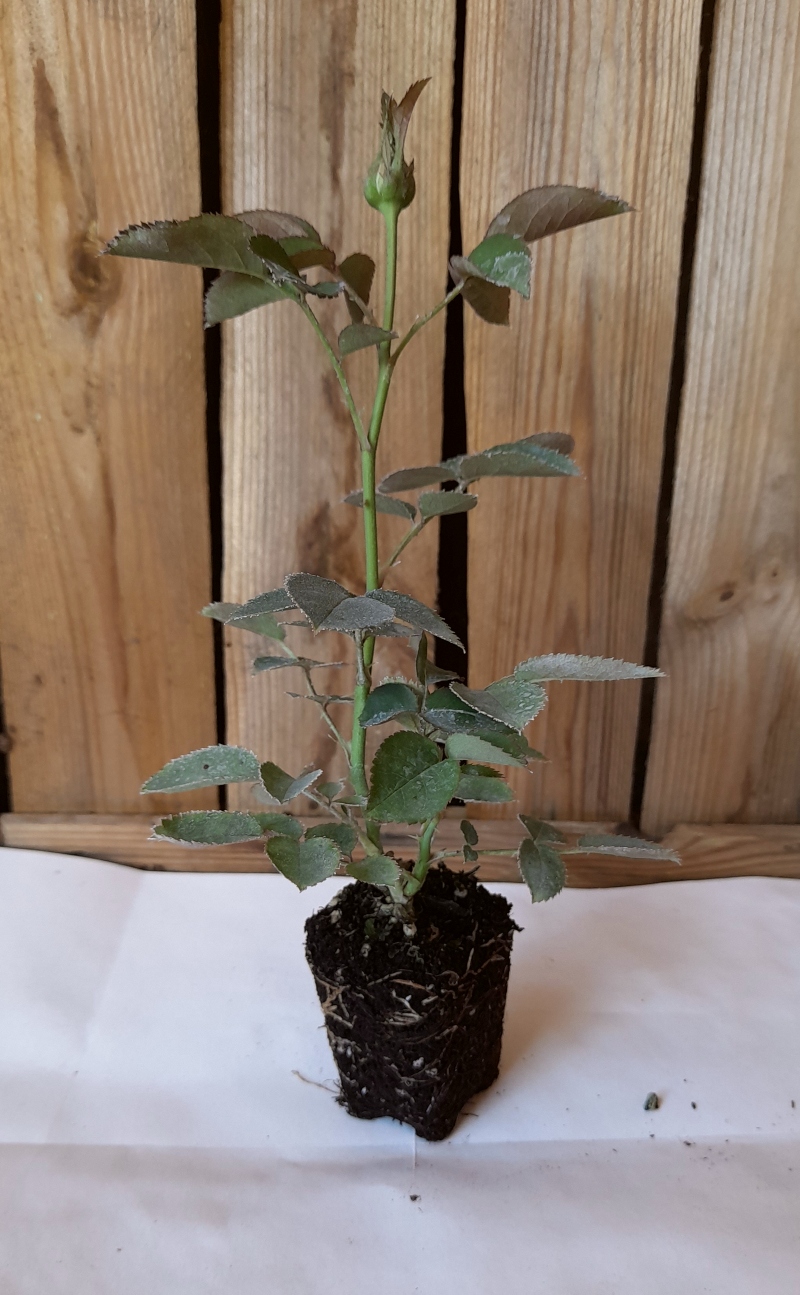
Rooted in trays (rooted), 3–6‑month‑old, own‑rooted rose cutting.
Uniform developmental stage, with a root system that has thoroughly penetrated the plug.
For professional growing‑on.
Tray packaging: 10 pcs/tray.
Quality and varietal identity: production supported by a dedicated identification and traceability logic.
Can be transplanted during frost‑free periods, designed for finished product production.

PharmaRosa® NEONATAL provides a controlled, uniform starting stock for planned growing‑on that can be integrated into your own technology – especially where scheduling and varietal identity are paramount.


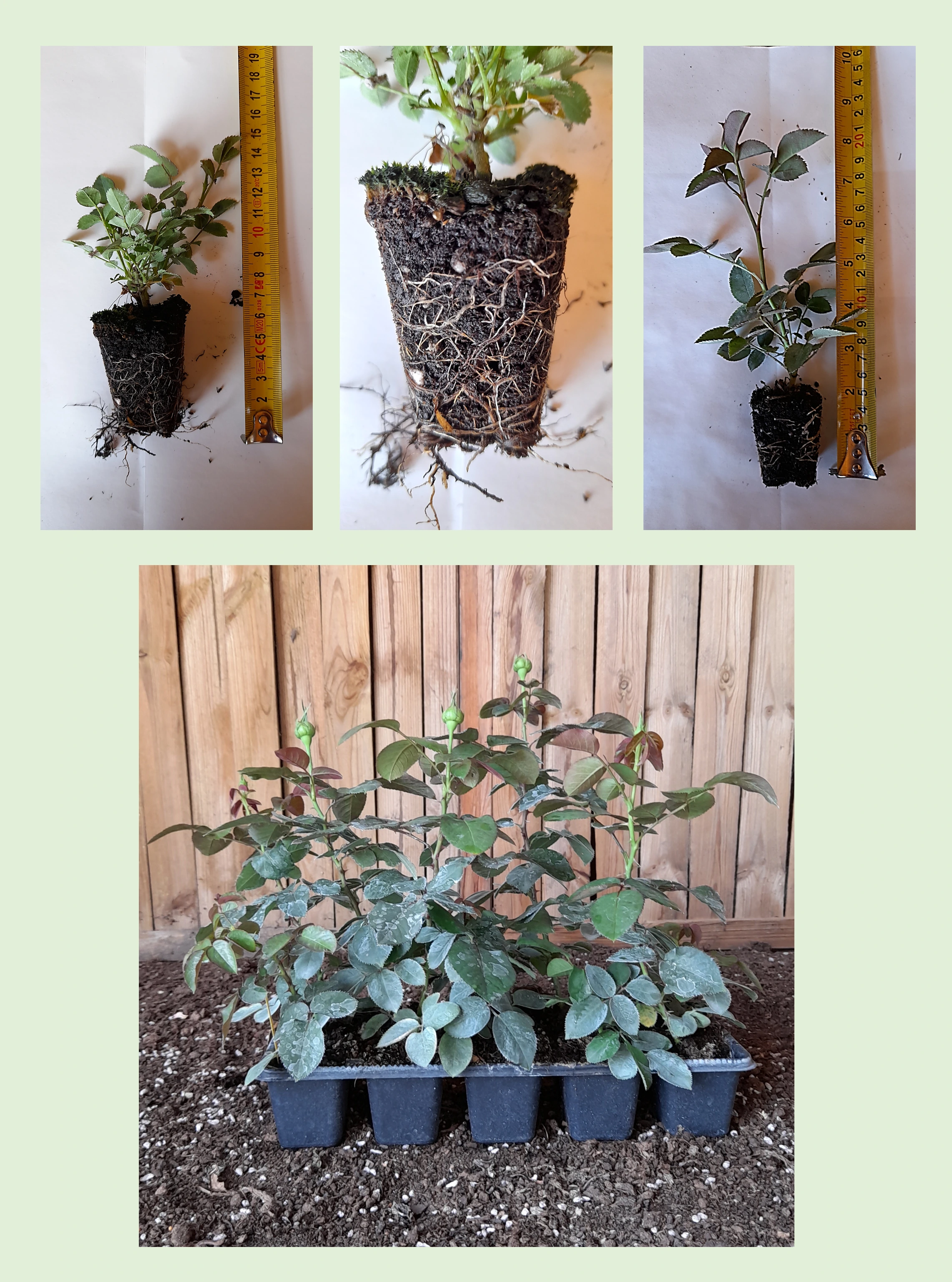
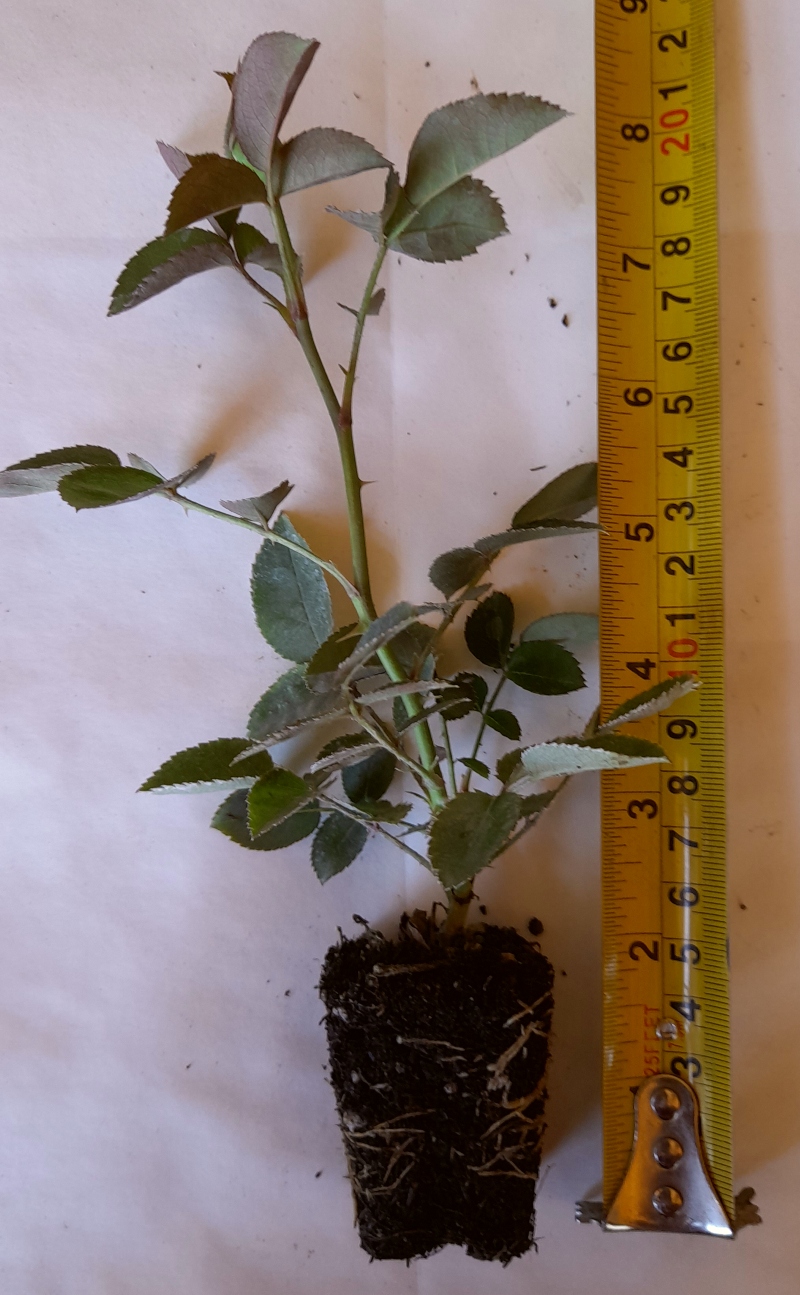
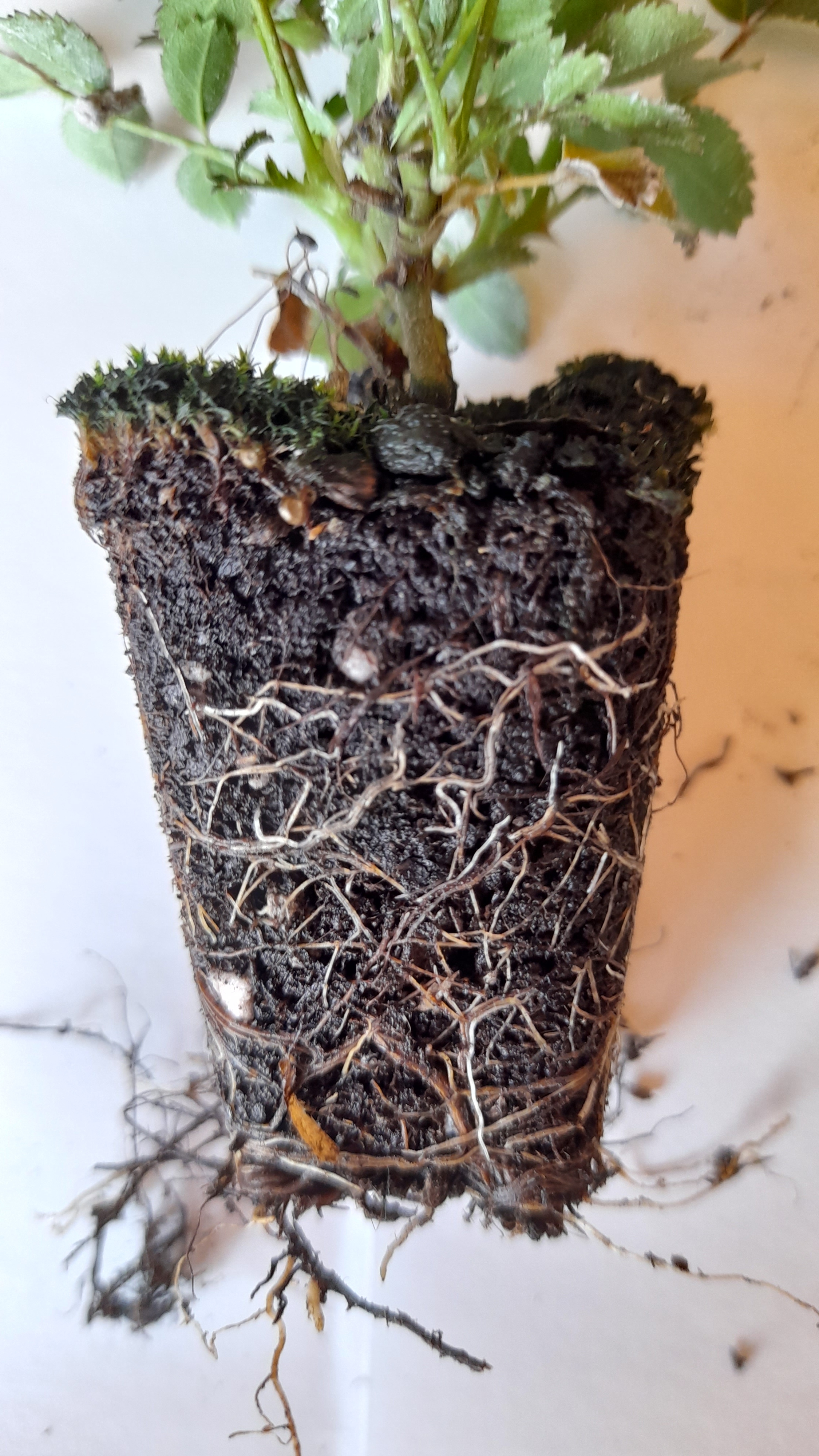
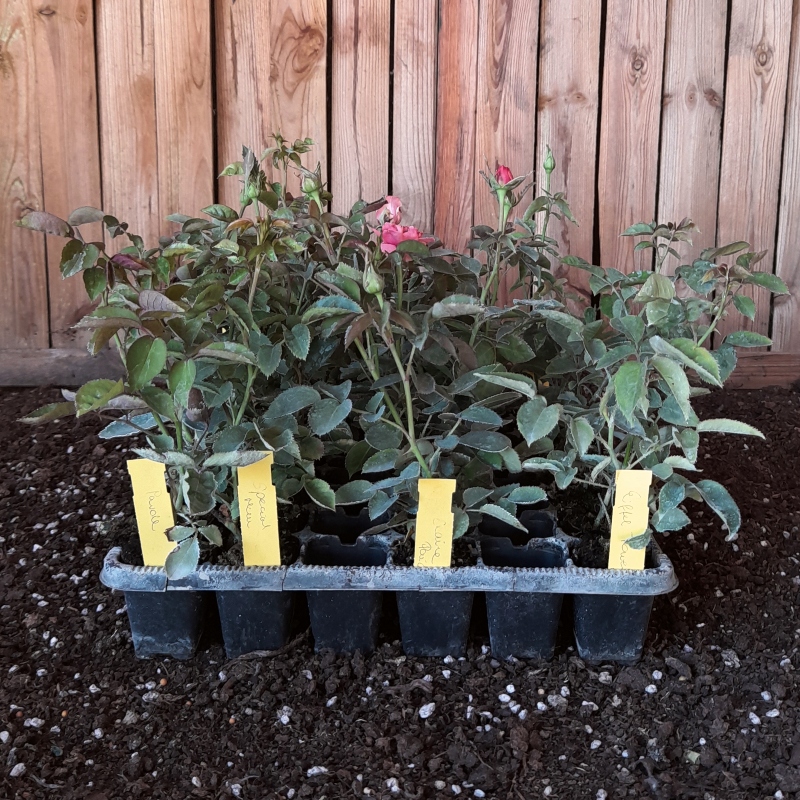
PharmaRosa® NEONATAL own-rooted rose propagation material in a plug, with a root system penetrating the plug (semi-finished product / semi-finished rose). PharmaRosa® NEONATAL rose propagation material size: 3–6‑month‑old, own-rooted cutting with a uniform developmental stage. PharmaRosa® NEONATAL rose propagation material root system: plug densely penetrated by well-developed white roots (root system detail). PharmaRosa® NEONATAL tray stock: own-rooted rose propagation material in trays, uniform developmental stage (10 pcs/tray).

Captions (from left to right): Semi-finished product (NEONATAL own-rooted rose propagation material in a plug with a fully developed root system) • Size demonstration (3–6‑month‑old, uniform cutting) • Root system detail (plug penetrated by the root system) • Tray stock (10 pcs/tray, uniform developmental stage)

pharmarosaneonatal.hupharmarosaneonatal.co.ukpharmarosaneonatal.ltpharmarosaneonatal.atpharmarosaneonatal.plpharmarosaneonatal.sipharmarosaneonatal.czpharmarosaneonatal.itpharmarosaneonatal.depharmarosaneonatal.skpharmarosaneonatal.frpharmarosaneonatal.lupharmarosaneonatal.ropharmarosaneonatal.espharmarosaneonatal.nlpharmarosaneonatal.ptpharmarosaneonatal.sepharmarosaneonatal.lvpharmarosaneonatal.eepharmarosaneonatal.fi

Which product type is right for you?

Pages for private customers
Garden roses for the family garden, with minimal care  → ORIGINAL®
Premium garden roses – instant impact, a truly showpiece garden  → EXTRA®
Pages for professionals and private customers
Roses for public spaces – large areas, sustainable maintenance  → NATURAL®
Roses for projects – hedge and row planting, fast implementation  → RAPID®
For professional partners only
Production – propagation material for garden roses, wholesale  → NEONATAL®

Company details

PharmaRosa Ltd.
Company registration number: 01-09-717479
VAT number: 13075314-2-43
Plant health registration no.: HU130721
Bank account (IBAN):
HU85117631891388688400000000
BIC (SWIFT): OTPVHUHB
Bank name: OTP Bank Nyrt.