| Project mass bedding for public landscapes |
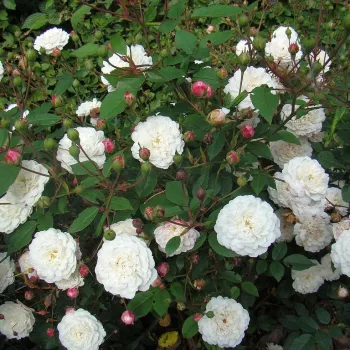
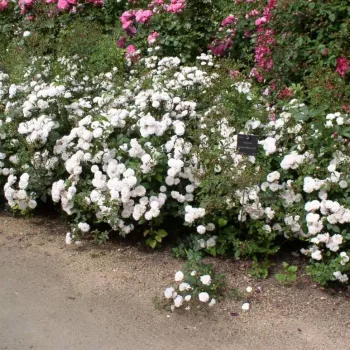
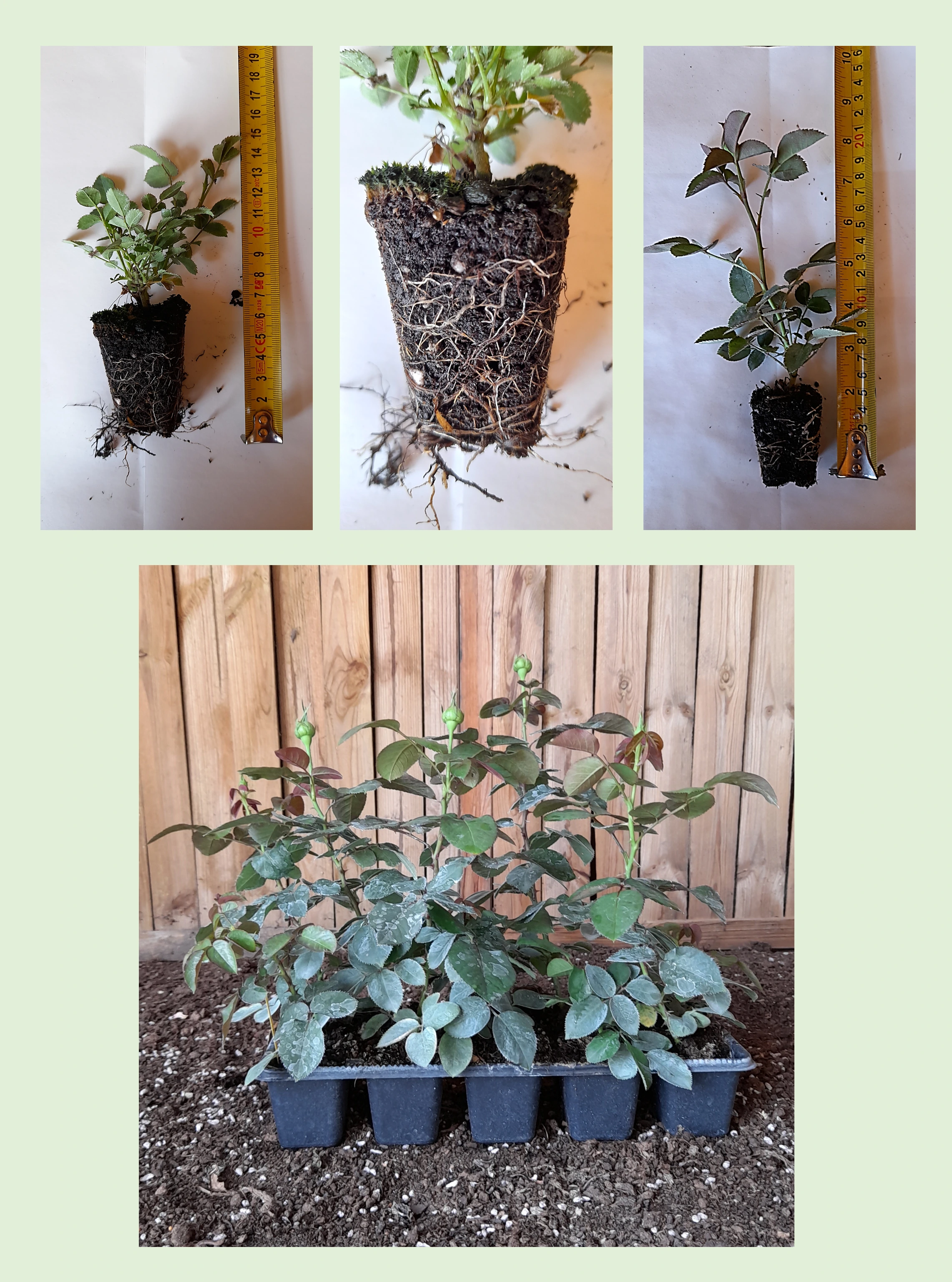
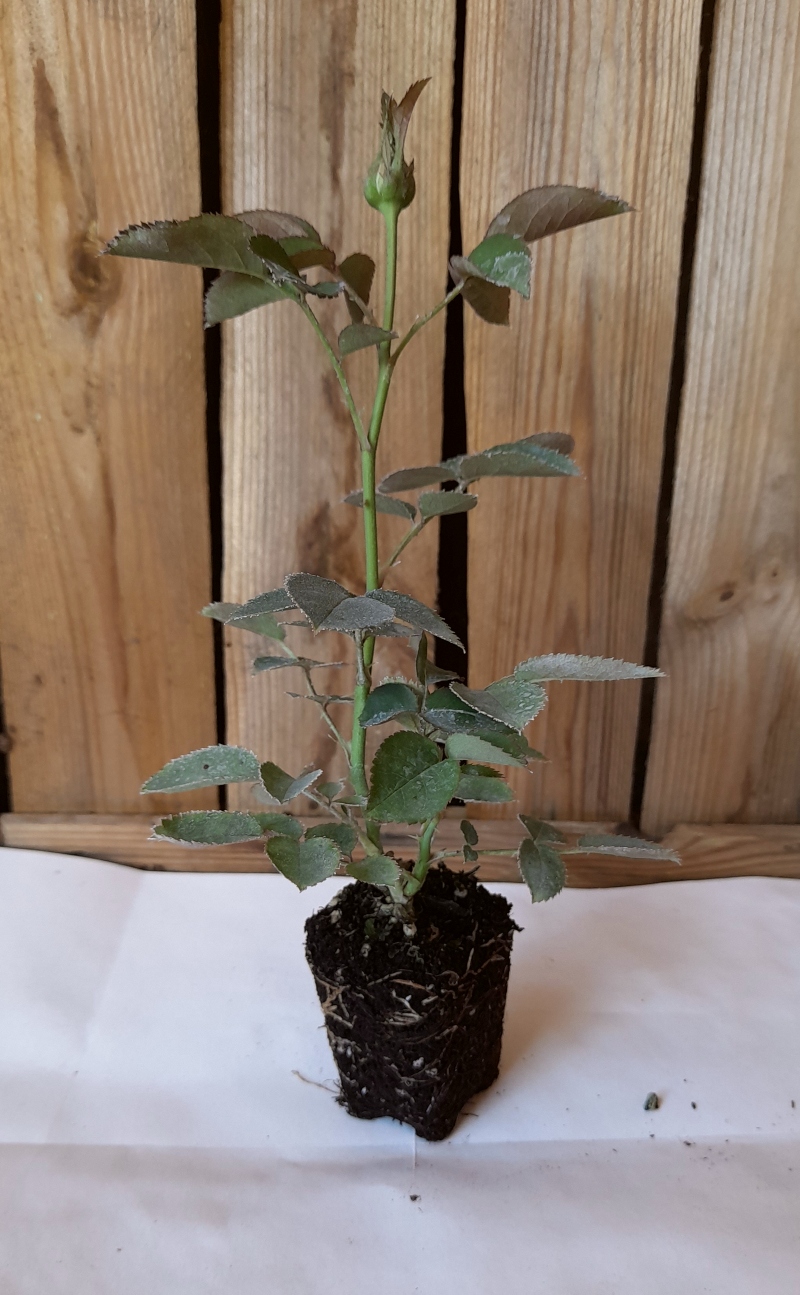
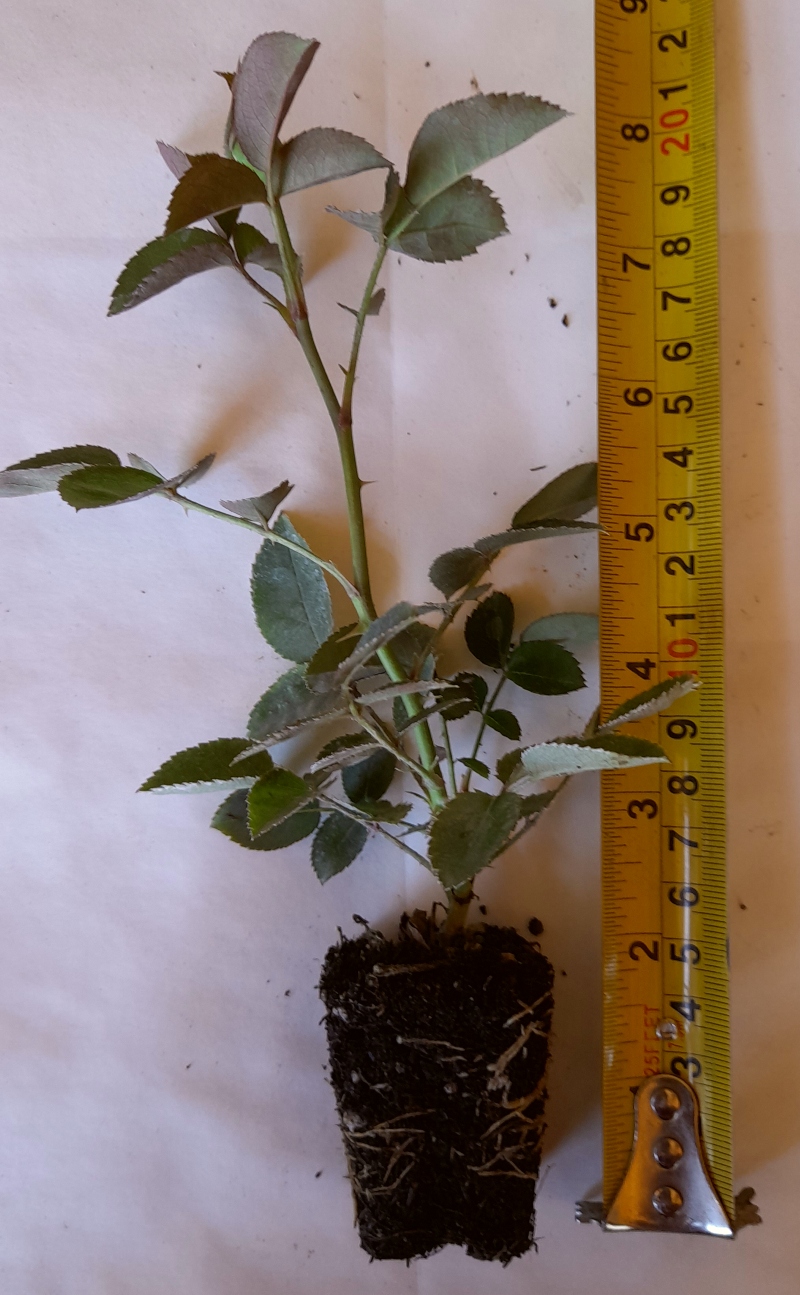
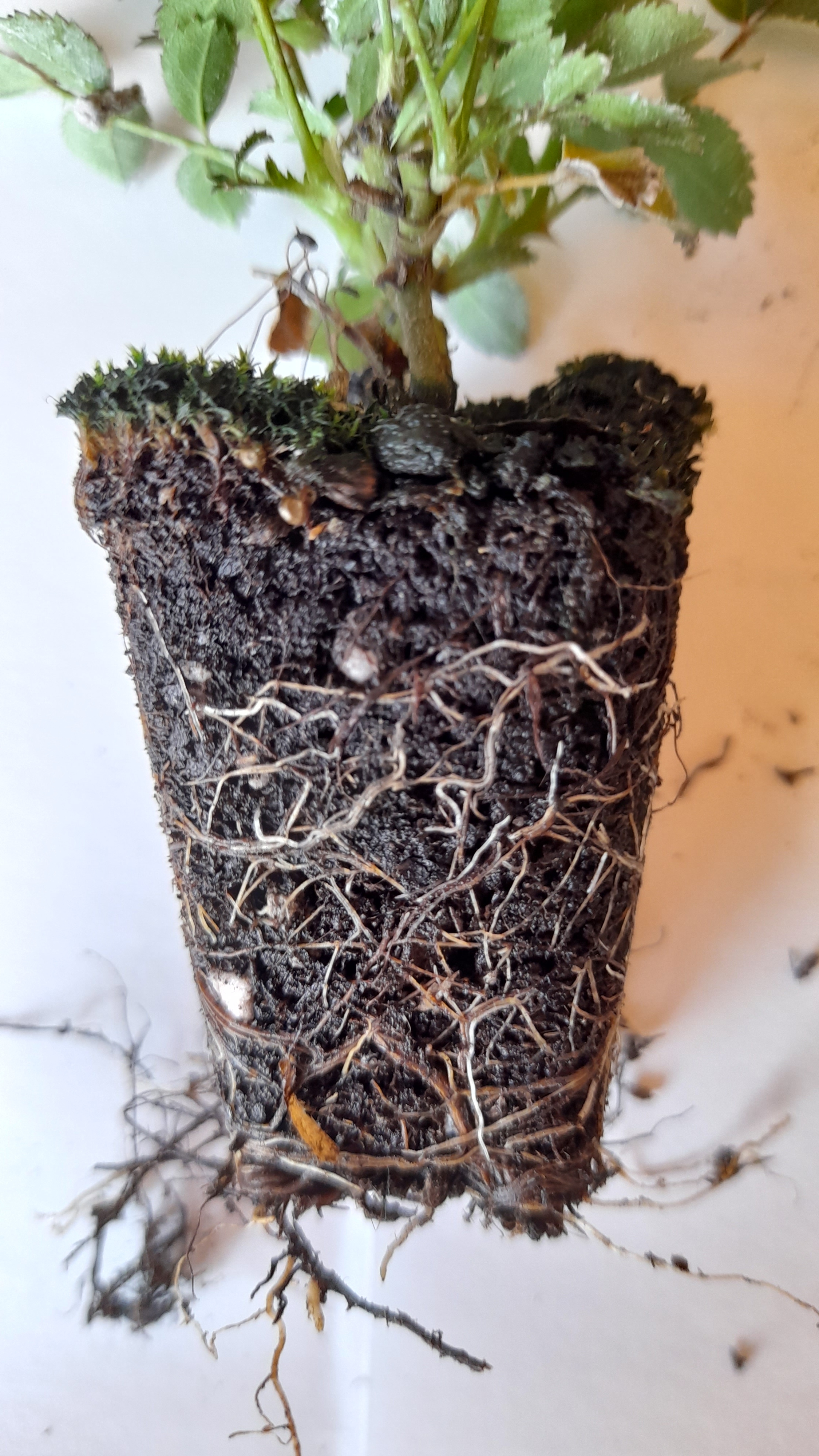
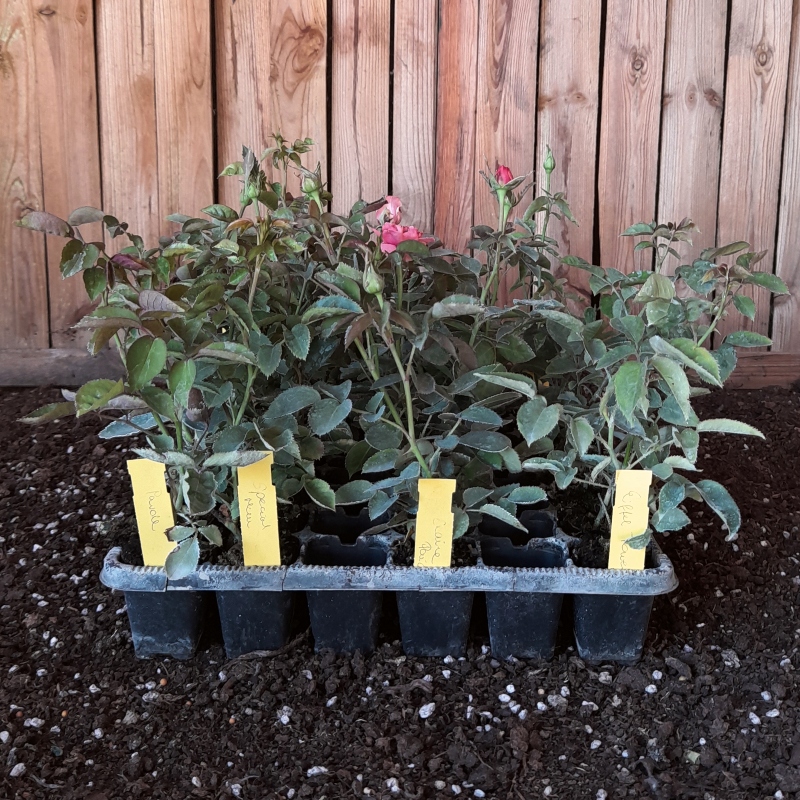
The compact, 50–80 cm habit and 50–75 cm spread give tight, predictable bedding geometry that suits project mass planting schedules. Propagated as own-root pharmaROSA NEONATAL material for 1.5–2 L production, it can be batch-finished into uniform, dense, bush-trained units, then lined out at scale for landscape architecture schemes prioritising fast coverage and visual regularity. Its hardiness to approximately -26 °C underpins reliable overwintering performance attractive to landscape contractor and project-serving wholesaler partners, particularly for exposed public plantings in cooler regions with regular wind and winter episodes, supporting stable specification for landscape contractor supply. |
| Edging strips and pathway definition |
The low, compact structure and small flower size create a clear edging line that remains legible without becoming coarse, allowing nurseries to grow-on a consistent edging SKU from a single, predictable cultivar. Using pharmaROSA NEONATAL cuttings for 1.5–2 L pots, you can produce highly uniform runs for edging-focused project mass planting, then group them into 40–50 litre multi-plant containers where an instant, ready-shaped border effect is required. The finished bush-trained form means contractors receive edging units that drop straight into schemes with minimal on-site correction, aligning with project-based positioning for public-realm wholesalers. |
| Specimen accents in small-format beds |
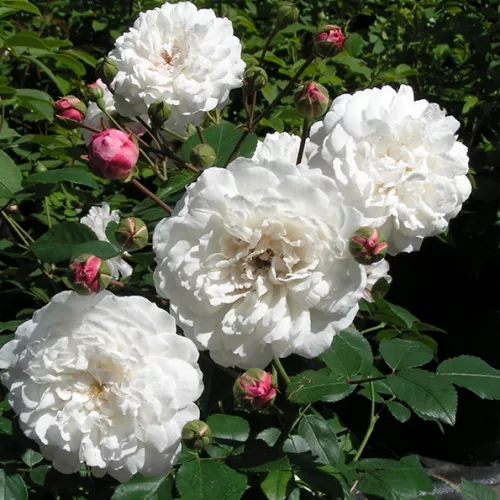
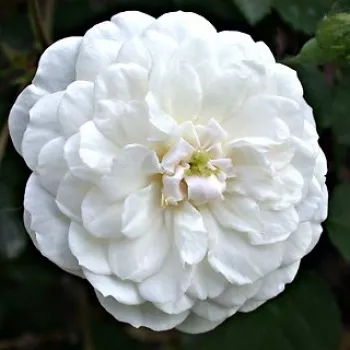
Although primarily a bedding polyantha, LITTLE WHITE PET’s dense foliage and snow-white pompon clusters allow it to act as a clean focal accent in smaller beds when handled as a uniform, dense, bush-trained finished product. NEONATAL own-root material offers a stable base for nurseries to develop specimens in 40–50 litre containers, timed for release into curated thematic rose gardens or smaller institutional projects. The medium maintenance requirement is manageable within professional regimes that already factor in occasional plant protection and structured deadheading, supporting the value promise of fast coverage combined with reliable structure for project-based plant ranges. |
| Container lines for retail and project call-off |
The recommended 1.5–2 L route enables efficient container production where benches must hold large, homogeneous batches for call-off into landscape and project channels. Compact vigour keeps plants in proportion to the pot, reducing corrective pruning and supporting clean, bush-trained presentation. NEONATAL own-root stock helps maintain long-lived, renewable container lines that tolerate staggered dispatch into public and institutional projects. This supports nursery networks and integrator systems wanting scalable, predictable container supply that reflects a professional wholesale proposition for project-focused resellers. |
| Monoculture blocks in thematic rose collections |
As a historic polyantha from 1879 with a distinct ‘Little White Favourite’ character, this cultivar delivers clear identity in monoculture blocks within thematic or collection rose gardens. Own-root NEONATAL plants support long-term stand stability and facilitate cultivar maintenance where genetic and name fidelity matter. The remontant flowering pattern gives repeated displays, justifying its use in gene-bank style beds and show collections that feed into landscape project inspiration. Recommended bush-trained forms from 1.5–2 L production can later be stepped up into 40–50 litre display containers, strengthening professional collection offers for thematic garden suppliers. |
| High-density nursery propagation beds |
The compact habit and moderate thorniness make LITTLE WHITE PET straightforward to manage in nursery propagation beds, where density and access are both important. Using pharmaROSA NEONATAL as the own-root starting point, you can build renewable mother blocks that underpin further cutting production or direct bed-lifting for project mass planting. Medium disease resistance and maintenance needs fit UK nursery practices where scheduled crop-walking and occasional treatments are standard. This approach pairs well with wholesale-scale propagation aimed at project and landscape channels demanding consistent, long-run volumes for integrator-style distribution. |
| Low, coherent planting for institutional sites |
The fast-coverage value proposition is particularly relevant for schools, healthcare sites and civic grounds where low, coherent planting is required for ease of supervision and maintenance. 1.5–2 L bush-trained plants from NEONATAL material can be specified as a single, repeatable item number for large areas, simplifying both procurement and installation. The own-root base offers long lifespan and regeneration capacity under institutional maintenance regimes, where pruning intensity and timing may vary, helping reduce replacement rates and supporting predictable capacity planning for institutional project frameworks. |
| White-theme and contrast plantings |
The uniform snow-white flower colour with subtle ivory tones allows LITTLE WHITE PET to function as a neutral contrast element in mixed but tightly controlled white or pastel schemes. Nurseries can position it as a reliable white bedding polyantha line grown in 1.5–2 L pots, ready for mass use where colour consistency and uniform bush form are essential. Own-root NEONATAL production underpins stable structure and reduces variability between batches, which is valuable for landscape contractor specifications focusing on visual coherence. This predictability is attractive to wholesale partners building coordinated white-theme project ranges for design-led landscapers. |