Park shrub rose

20-446-1
20-446-2

Lydia®

Park - shrub rose

- – Reimer Kordes

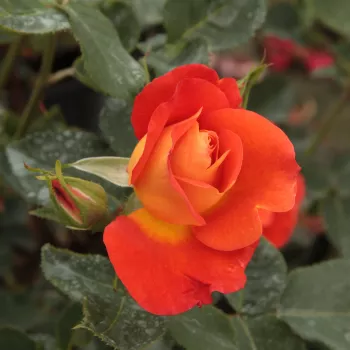
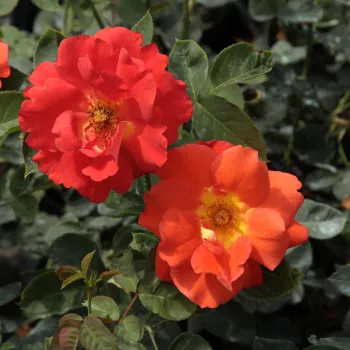
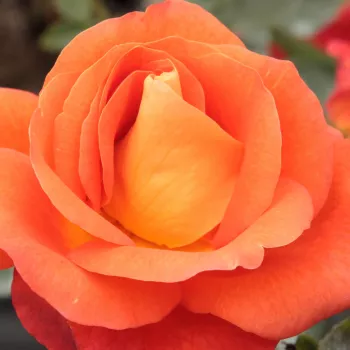
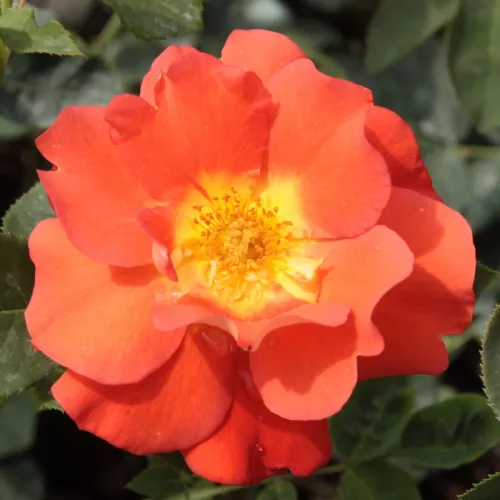
Warm, sun‑kissed orange‑pink base colour with a slight yellowish sheen. - park rose - strong, distinct-scented rose - rich, fruity

– Strong, rich fruity fragrance in bloom
– Warm orange‑pink flowers with soft colour shifts
– Upright, bushy shrub for parks and hedges
– Good self‑cleaning, needs little deadheading
– Hardy to H7, reliable in cold climates
– Special feature: Bronze medal winner at Baden-Baden 1975.
Standard finished product
Lydia®
pharmaROSA® NEONATAL rooted rose cutting
29,49 £
Due to courier service regulations – and the introduction of customs clearance – delivery to Ireland is temporarily suspended.
4 (6233)
facebook   twitter

LYDIA® – orange-pink park rose – Kordes | pharmaROSA® NEONATAL rooted cutting

Professional growers looking for reliable shrub material for UK nursery networks will find LYDIA® a versatile park rose that fits standard container production and urban-specification planting, offering remontant flowering on an upright, bushy frame suited to 2–3 L lines and later step-up into 40–50 litre landscape formats. As own-root propagation base, it develops renewable structure with predictable regrowth after heavier pruning and collection maintenance, supporting homogeneous batches and low replacement across reseller and project ranges. Strong, rich fragrance, warm orange-pink colour play and good self-cleaning reinforce its positioning as a dependable, medium-maintenance park rose for standard finished product programmes. Its H7 hardiness and zoning up to Swedish Zon 4 give dependable winter field performance, supporting nursery beds and container blocks even in more exposed northern sites with good cold and wind tolerance, while moderate disease profile and accessible stamens for partial pollinator value add balanced appeal for thematic rose gardens and public-realm schemes, aligning with sustainable own-root ranges and wholesale park assortments.


Usage options

Target area Reasoning
Standard 2–3 L shrub container line Upright, bushy growth and compact, bush-trained habit translate well into standard container production, matching the recommended 2–3 L route and medium-maintenance positioning. Own-root material builds predictable structure for a strong first retail season, then steps on reliably in the landscape. This supports standard finished product programmes offering reliable garden performance to retail and reseller partners.
Park and specimen production for public-realm contracts The height and spread range allow LYDIA® to develop into visible park and specimen subjects, with remontant flowering and strong fragrance adding season-long interest in urban green space schemes. Own-root regeneration supports longer planting cycles and lower replacement, aligning with nursery propagation beds and container grow-on for public-realm and institutional projects serving municipal and landscape contractors.
Thematic rose collections and show gardens The Kordes origin, named cultivar identity and colour progression from deep orange-red to peach and creamy yellow make LYDIA® a clear candidate for curated thematic rose gardens and collection beds. Own-root stability simplifies long-term cultivar maintenance, renewal pruning and stock replacement within show-garden style ranges targeting specialist collection builders.
Hedge and linear structure plantings Dense, dark green, slightly glossy foliage and upright, bushy habit suit hedge and linear planting concepts around parks and residential schemes. Medium maintenance with occasional pest control is practical at scale, while predictable own-root regrowth supports trimming and rejuvenation cycles over many years, serving wholesale hedge and structure suppliers.
Urban and streetscape container schemes The shrub form, rich fruity fragrance and warm orange-pink colour perform well in urban containers and mixed planters, particularly where accessible stamens bring partial pollinator interest. Using 2–3 L as the core commercial format with potential step-up into 40–50 litre planters, own-root stock gives resilience under pruning and traffic, ideal for public-realm specification growers.
Pollinator-supporting rose concepts Semi-double, clustered, strongly fragrant flowers with visible stamens provide partial pollinator-support value, useful in schemes where ornamental quality must align with biodiversity messaging. Own-root plants support long-lived, renewable stands, building consistent flowering frames over time for environmentally focused project ranges.
Cold-climate nursery and field production With hardiness to about -26 °C (H7, Swedish Zon 4, USDA 5b), LYDIA® supports field or container production for northern and more exposed UK sites, giving dependable overwintering and reducing winter-loss risk in propagation beds. In practice, the root system establishes in year one, the framework consolidates in year two, and by year three full ornamental value is typically expressed, benefiting Scotland and North England oriented nurseries.
Colour-focused retail shrub assortments The multi-stage colour play from deep orange-red bud to orange-pink and finally peach and creamy yellow provides visual differentiation in shrub benches and park assortments. Remontant flowering with a generous second flush underpins “reliable garden performance” positioning, while own-root uniformity helps maintain consistent shelf quality for colour-led retail assortments.

Finished-product ideas

  • Core 2–3 L park shrub line – Own-root LYDIA® in 2–3 L pots as a standard container shrub, highlighting remontant flowering and rich fragrance for reliable garden performance – target: garden-centre focused retail/reseller programmes.
  • Urban park and hedge module – Bush-trained plants supplied in 5–7.5 L or stepped into 40–50 litre units for instant-structure hedges and park plantings, using dense foliage and upright habit – target: public-realm and municipal contractors via wholesale nurseries.
  • Thematic Kordes collection block – Own-root production batches for collection beds, emphasising cultivar authenticity, colour progression and stable long-term structure – target: show-garden operators, rose gardens and heritage parks.
  • Pollinator-accent shrub concept – Semi-double, strongly fragrant clusters positioned as partial pollinator-support roses within mixed shrub assortments, using remontant flowering for extended value – target: environmentally positioned retail and project ranges.
  • Cold-hardy landscape shrub pack – H7 hardy, own-root stock assembled as a resilient shrub package for cooler and exposed UK regions, leveraging long-lived stands and regenerative capacity – target: regional wholesalers serving northern and coastal schemes.

Technical cultivar profile
Parameter Data
Name and registration LYDIA® (Registered name: Lydia), shrub / park rose, exhibition category shrub rose; commercial group Park – shrub rose, ARS approved exhibition name Lydia; feminine given-name origin.
Origin and breeding Raised by Reimer Kordes, W. Kordes’ Söhne, Germany; parentage unknown seedling × ‘Circus’ (Swim, 1954); bred and introduced 1973 in Germany, with initial distribution by W. Kordes’ Söhne.
Awards and recognition Bronze medal at the Baden-Baden International Novelty Competition in 1975, providing a historical quality reference for performance and ornamental value within professional shrub rose assortments.
Growth and structural characteristics Upright, bushy shrub with dense, dark green, slightly glossy foliage (RHS 137A); height about 140–220 cm, spread 120–180 cm; moderately thorny shoots and good self-cleaning, most spent blooms dropping naturally.
Flower morphology Semi-double blooms with 13–25 petals, small flower size (approx. 0.5–1.5 in), goblet to cup-shaped, borne in clusters; remontant with a generous second flowering, supporting season-long ornamental interest.
Colour data and phenology Warm orange-pink base with yellowish sheen; buds deep orange-red, opening to vibrant salmon-orange with yellow wash, then fading through peach to creamy yellow; colour retention moderate; ARS OB; RHS 24B outer, 14B inner.
Fragrance and aroma Strong, distinct rich fruity fragrance; semi-double, fragrant flowers with visible stamens attract pollinators, offering partial pollinator-friendly value in addition to ornamental and sensory performance.
Hip characteristics Moderately abundant hips, ellipsoidal, about 8–12 mm diameter, red (RHS 44A); can contribute seasonal interest and seed-set where not fully deadheaded in landscape or collection plantings.
Resistance and winter hardiness Hardy to approximately -26 to -23 °C (H7), Swedish hardiness zone 4, USDA 5b; disease resistance moderate to powdery mildew, black spot and rust; no specific data on heat or drought tolerance available.
Horticultural recommendations Primary uses: park, specimen, hedge, container and urban green space; medium maintenance with occasional pest control; recommended as bush-trained, compact plant for standard container production with 2–3 L target pots.

LYDIA® offers remontant flowering, strong fragrance and cold-hardy shrub structure on a predictable own-root base, giving long-lived, homogeneous stands for professional programmes where it is worth aligning capacity and scheduling in advance.
Detailed product attributes

Product Identification Data

Product Name: LYDIA® – orange-pink park rose - Kordes
Product Type: pharmaROSA® NEONATAL - rooted rose cutting
Cultivar Authenticity: Verified:27.06.2025
Cultivar Quality Rating: premium silver
Item Number: [339] 20-446 (14.02.2026) pharmarosaneonatal.co.uk

Name and Registration

Meaning of Cultivar Name: The name is a feminine given name.
Cultivar Synonym: Clubrose Lydia
Current Trade Name: Lydia® Park - shrub rose Lydia
Rose Group: Shrub
Commercial Type: park rose
Commercial Group: Park - shrub rose
Exhibition Category: shrub rose
Collection: Park - shrub rose

Origin and Breeding

Initial Distributor: W. Kordes’ Söhne (Germany)
Introduction Year: 1973 (Germany)
Breeder: Reimer Kordes
Breeding Company / Institution: W. Kordes' Söhne (Klein Offenseth-Sparrieshoop, Germany)
Breeding Year: Germany, 1973
Parentage: unknown seedling × ‘Circus’ (Swim, 1954)

Awards and Honours

Competition and Show Awards: Bronze medal – Baden-Baden, International Novelty Competition (1975)

Growth and Structural Characteristics

Height: 4.6-7.2ft (140-220 cm)
Spread: 3.9-5.9ft (120-180 cm)
Growth Habit: upright, bushy
Foliage: The variety has dense foliage with leaves that have a slightly glossy surface and a dark green shade (RHS 137A).
Prickliness: moderately thorny
Self-Cleaning Description: Most spent flowers fall off naturally.
Self-Cleaning Intensity: Self-cleaning: good.

Flower Morphology

Petal Count: 13-25
Flower Fullness: semi-double flowered
Flower Shape: goblet, cup
Flower Size: S (0,5-1,5 in)
Inflorescence Type: clustered
Colour Code: ARS code: OB RHS code: 24B (outer), 14B (inner)
Repeat Flowering: Remontant, with a generous second flowering.

Colour Data and Phenology

Colour: orange-pink
Flower Colour Description: Warm, sun‑kissed orange‑pink base colour with a slight yellowish sheen.
Closed Bud: Deep orange‑red with a pale yellowish tint at the base.
Newly Opened Flower: Vibrant salmon‑orange petals with a delicate yellowish wash on their inner surfaces.
Full Bloom: Medium-intense orange-pink with a light lemon-yellow tone on the reverse of the petals.
Before Fading: The outer petals fade to a pale peach, the inner ones to creamy yellow.
Colour Fading Description: As it opens the deep orange-red fades through vivid salmon-orange to a medium orange-pink, then before the bloom finishes it softens to peach and creamy yellow.

Fragrance and Aroma

Fragrance Strength: strong, distinct-scented rose
Fragrance Character: rich, fruity
Pollinator Attraction: Semi-double, fragrant flowers with visible, accessible stamens attract pollinators.
Pollinator-Friendly Rating: Because of its semi-double blooms, it is considered partially pollinator-friendly.

Hip Characteristics

Hip Shape: ellipsoidal
Hip Colour: red (RHS 44 A)
Hip Comment: Moderately abundant, 8–12 mm in diameter, ellipsoid, red (RHS 44A) rose hip.

Resistance and Hardiness

Hardiness (°C): -26–-23 °C
Heat and Drought Tolerance Description: No data are available on heat–drought tolerance.

Disease Resistance: moderate
  • powdery mildew – moderate
  • black spot – moderate
  • rust – moderate

Horticultural Recommendations

Recommended product path: Standard container
Release form: Bush-trained, compact plant
Recommended use: Maintenance requirement medium; occasionally requires pest control.
Primary Uses: park, specimen, hedge, container, urban green space

Comments

Positioning: Standard finished product
Target customer/channel: Retail / reseller
Main value proposition: Reliable garden performance
LYDIA® – orange-pink park rose - Kordes
Warm, sun‑kissed orange‑pink base colour with a slight yellowish sheen. - park rose - strong, distinct-scented rose - rich, fruity
Online rose purchase - orange-pink - strong, distinct-scented rose - Lydia® - park rose - (4.6-7.2ft (140-220 cm))
Inflorescence: clustered Height: 4.6-7.2ft (140-220 cm) Flower shape: goblet, cup Winter hardiness: 6b orange-pink - W. Kordes’ Söhne (Germany) park rose - Flower size: S (0,5-1,5 in) Flower size: S (0,5-1,5 in) - Height: 4.6-7.2ft (140-220 cm) Height: 4.6-7.2ft (140-220 cm) - Flower fullness: semi-double flowered Lydia® - Roses in the garden | pharmaROSA® Neonatal - premium silver Reimer Kordes

We showcase the external appearance of the roses available for online purchase from our webshop.


Which product type is right for you?


PharmaRosa® NEONATAL is the cost‑effective starting point for rose product production.

As a uniform, own‑rooted propagation material, it provides a stable basis for further growing-on and can be integrated flexibly into different finished product production technologies.
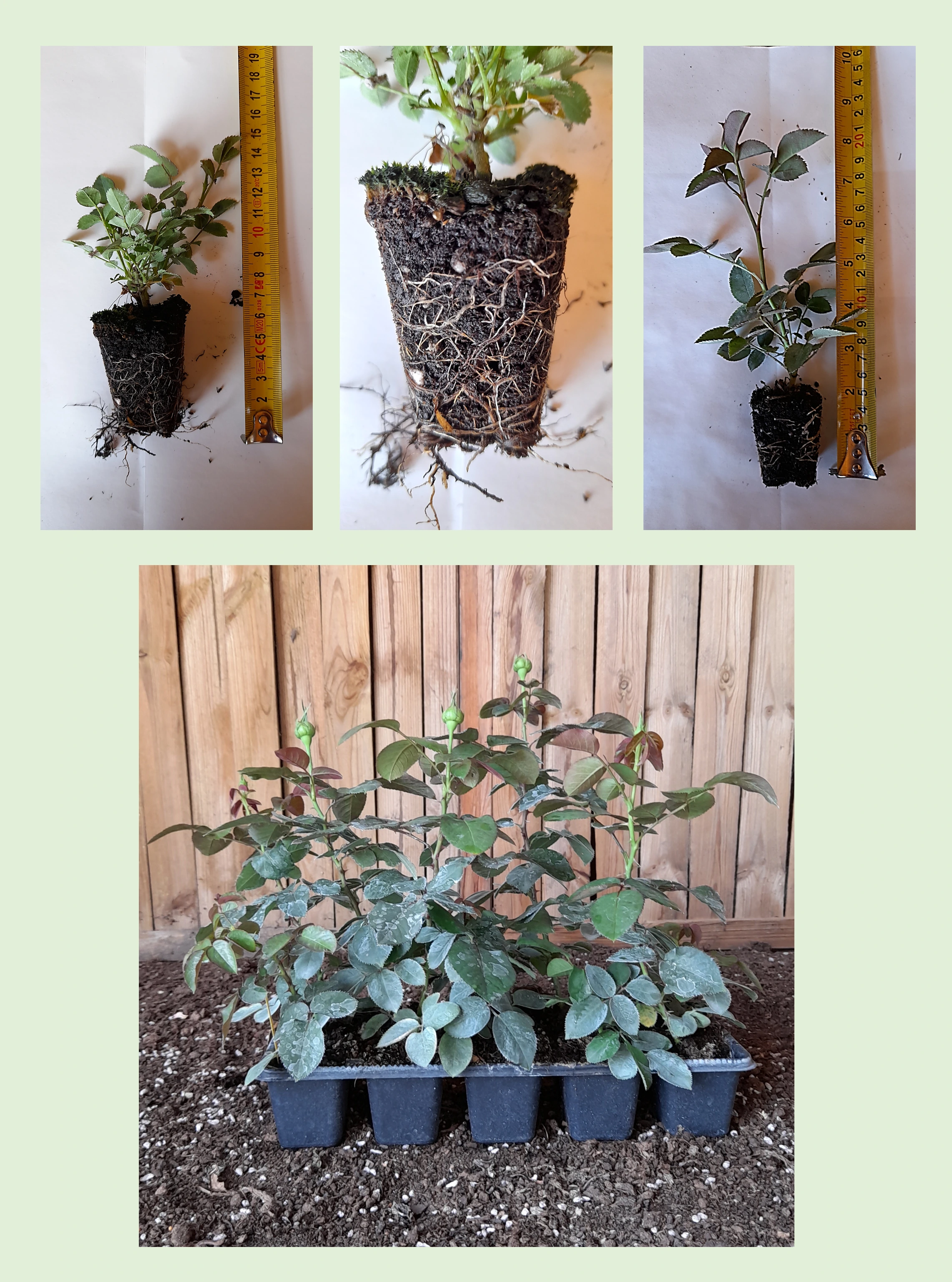
Rooted in trays (rooted), 3–6‑month‑old, own‑rooted rose cutting.
Uniform developmental stage, with a root system that has thoroughly penetrated the plug.
For professional growing‑on.
Tray packaging: 10 pcs/tray.
Quality and varietal identity: production supported by a dedicated identification and traceability logic.
Can be transplanted during frost‑free periods, designed for finished product production.

PharmaRosa® NEONATAL provides a controlled, uniform starting stock for planned growing‑on that can be integrated into your own technology – especially where scheduling and varietal identity are paramount.


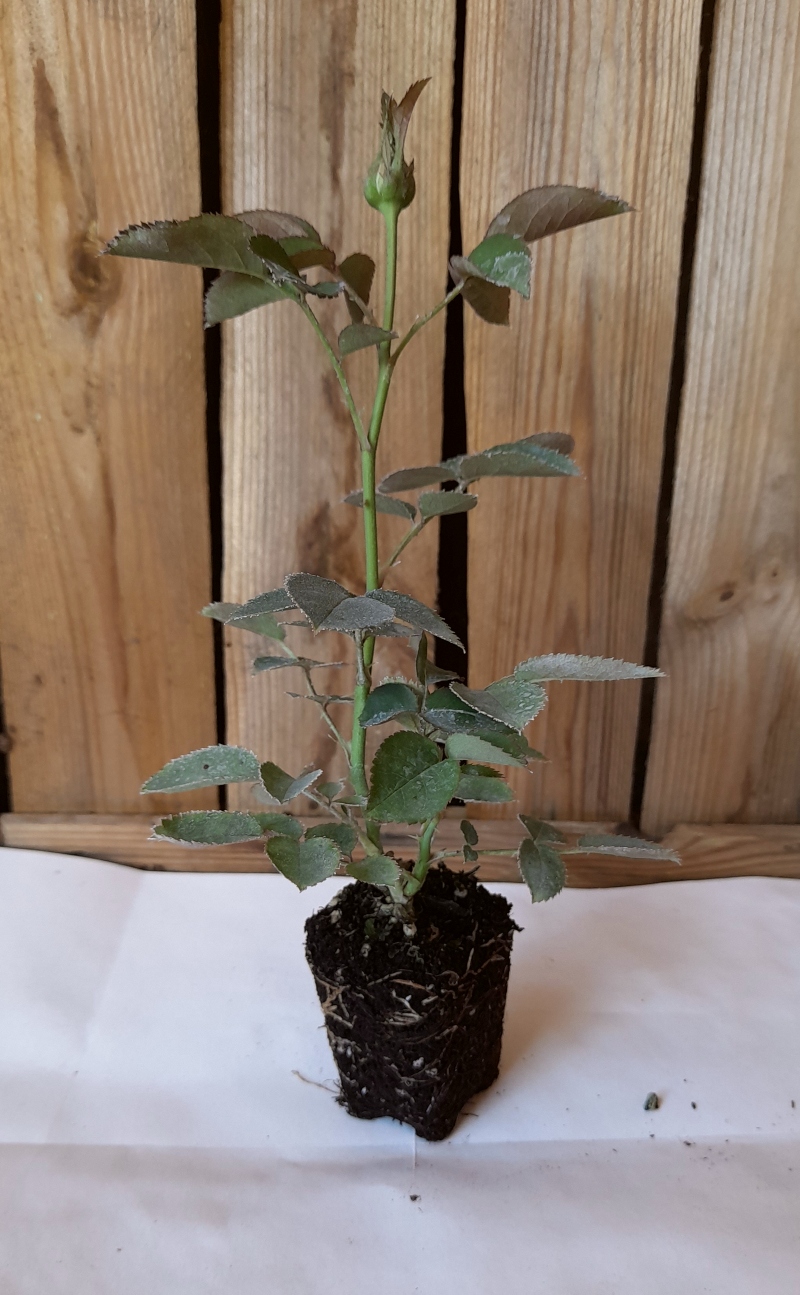
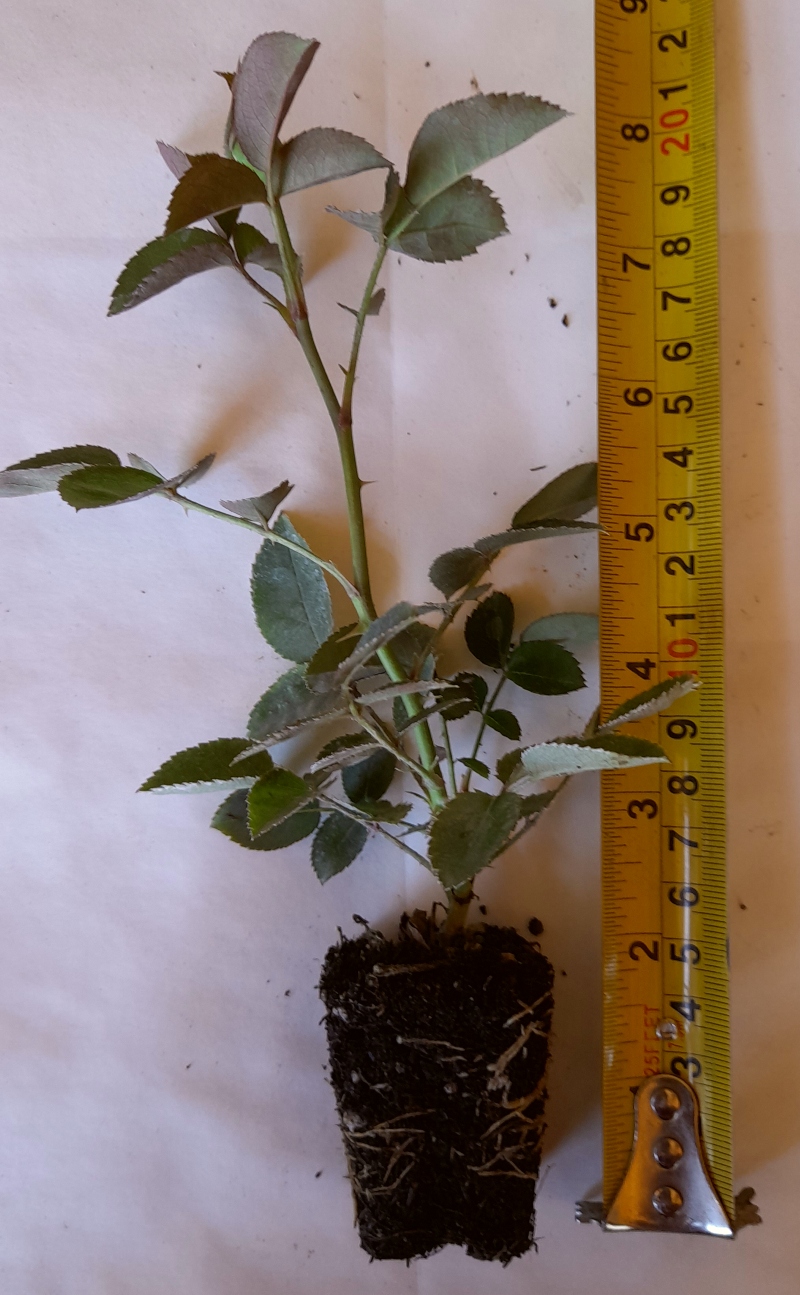
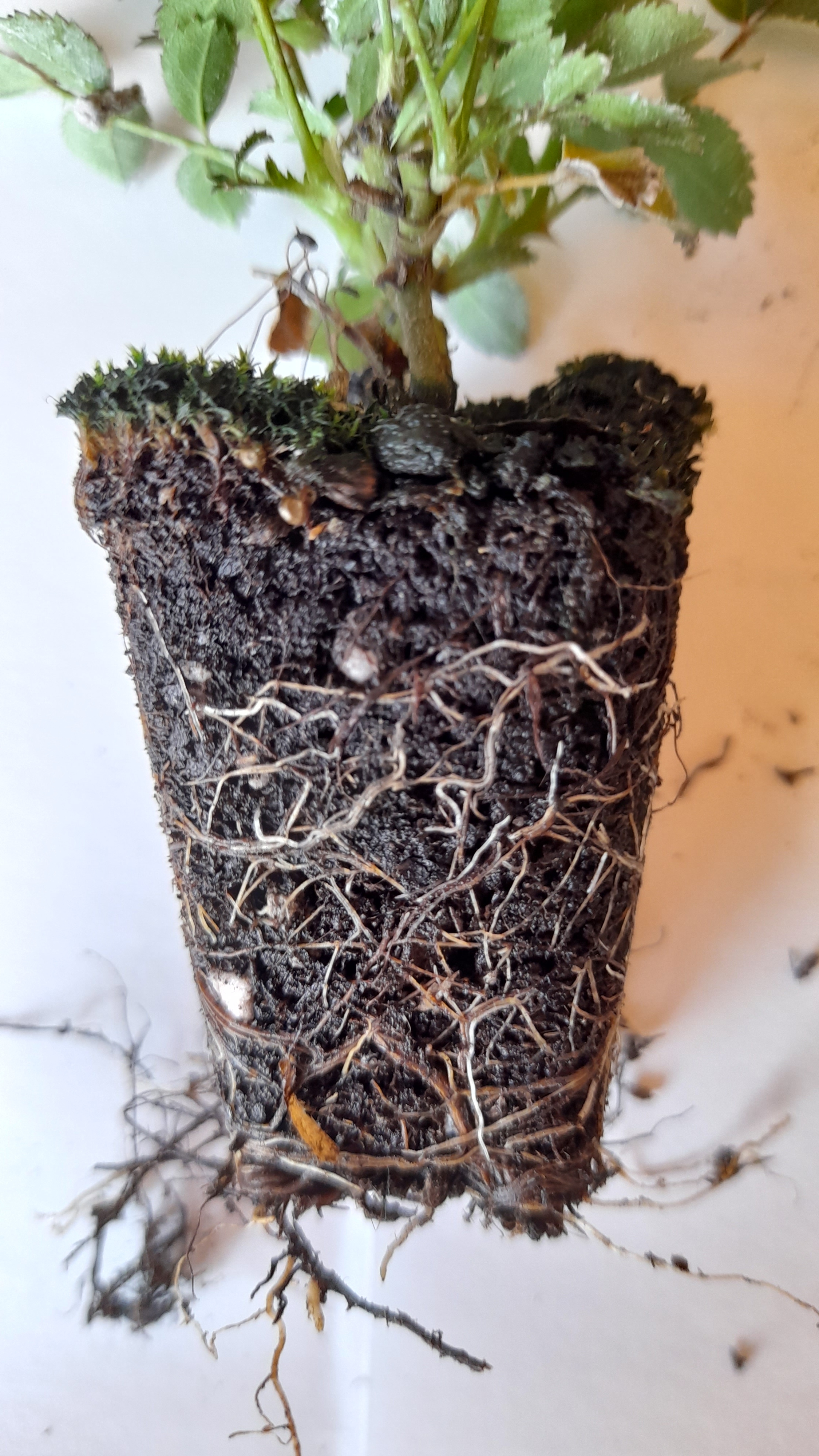
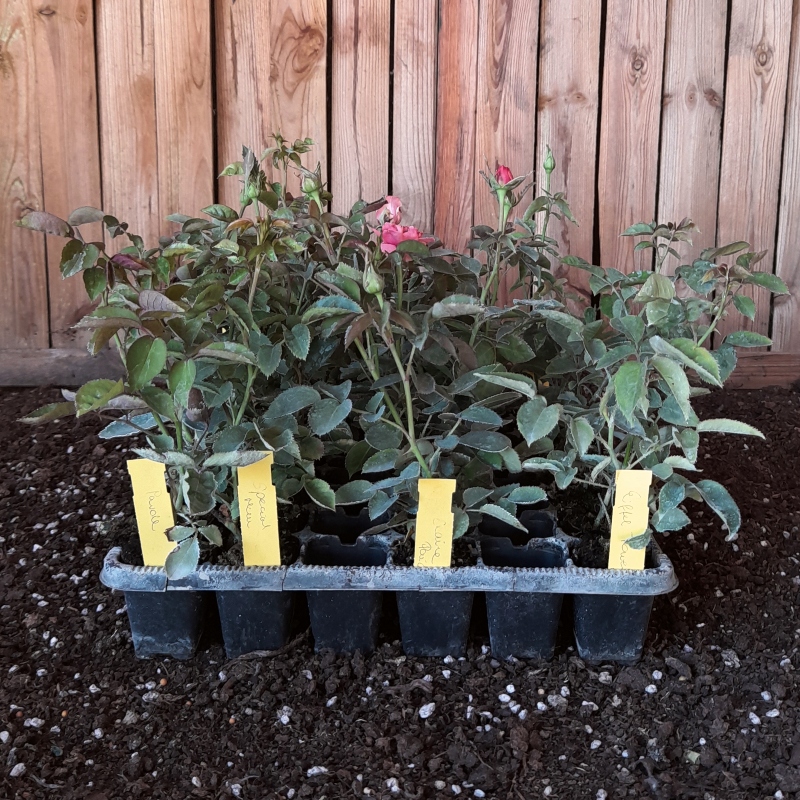
PharmaRosa® NEONATAL own-rooted rose propagation material in a plug, with a root system penetrating the plug (semi-finished product / semi-finished rose). PharmaRosa® NEONATAL rose propagation material size: 3–6‑month‑old, own-rooted cutting with a uniform developmental stage. PharmaRosa® NEONATAL rose propagation material root system: plug densely penetrated by well-developed white roots (root system detail). PharmaRosa® NEONATAL tray stock: own-rooted rose propagation material in trays, uniform developmental stage (10 pcs/tray).

Captions (from left to right): Semi-finished product (NEONATAL own-rooted rose propagation material in a plug with a fully developed root system) • Size demonstration (3–6‑month‑old, uniform cutting) • Root system detail (plug penetrated by the root system) • Tray stock (10 pcs/tray, uniform developmental stage)

pharmarosaneonatal.hupharmarosaneonatal.co.ukpharmarosaneonatal.ltpharmarosaneonatal.atpharmarosaneonatal.plpharmarosaneonatal.sipharmarosaneonatal.czpharmarosaneonatal.itpharmarosaneonatal.depharmarosaneonatal.skpharmarosaneonatal.frpharmarosaneonatal.lupharmarosaneonatal.ropharmarosaneonatal.espharmarosaneonatal.nlpharmarosaneonatal.ptpharmarosaneonatal.sepharmarosaneonatal.lvpharmarosaneonatal.eepharmarosaneonatal.fi

Which product type is right for you?

Pages for private customers
Garden roses for the family garden, with minimal care  → ORIGINAL®
Premium garden roses – instant impact, a truly showpiece garden  → EXTRA®
Pages for professionals and private customers
Roses for public spaces – large areas, sustainable maintenance  → NATURAL®
Roses for projects – hedge and row planting, fast implementation  → RAPID®
For professional partners only
Production – propagation material for garden roses, wholesale  → NEONATAL®

Company details

PharmaRosa Ltd.
Company registration number: 01-09-717479
VAT number: 13075314-2-43
Plant health registration no.: HU130721
Bank account (IBAN):
HU85117631891388688400000000
BIC (SWIFT): OTPVHUHB
Bank name: OTP Bank Nyrt.