Historical Rose

20-515-1
20-515-2

Madame Plantier

Heritage rose

- – Plantier

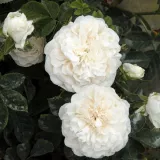
Soft, creamy-white petals in an even tone. - historical, alba rose - very strong, noticeable from a distance scented rose - sweet, musky

– Very strong, sweet musky fragrance
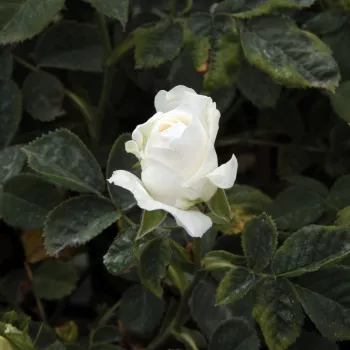
– Abundant, large creamy-white rosette blooms
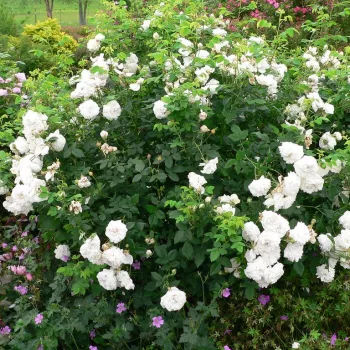
– Vigorous, tall shrub for hedges and arches
– Sparse thorns for easier handling
– Exceptionally hardy down to –37 °C
– Special feature: Historic 1835 alba bringing romantic, old‑garden charm.
Selection / specialty
Madame Plantier
pharmaROSA® NEONATAL rooted rose cutting
29,52 £
Due to courier service regulations – and the introduction of customs clearance – delivery to Ireland is temporarily suspended.
4 (6039)
facebook   twitter

Madame Plantier – pharmaROSA® NEONATAL rooted cutting

Historic yet highly usable in modern UK production, Madame Plantier offers a distinctive identity for premium, own-root ranges aimed at thematic and heritage-led projects. As a vigorous alba-derived shrub with substantial 240–360 cm height and 150–250 cm spread, it gives growers reliable structural scale for pergolas, arbours and specimen hedging in park and collection contexts. The creamy-white, rosette, very double blooms with a very strong, sweet-musky fragrance deliver clear added value wherever historic ambiance and sensory impact are prioritised. On its own roots, this cultivar supports long-term hedge and feature plantings through regenerative growth and stable stands, fitting nursery and integrator systems where predictable capacity and low replacement are important. Recommended as a bush-trained plant with discreet support into 5–7 L premium containers, it aligns with specialty positioning for retail collectors and dedicated rose gardens, particularly where public-realm and show-garden schemes value historic character and curated collections. Cold tolerance down to -37–-34 °C (H7) supports UK-wide deployment, including exposed northern and inland sites with reliable winter performance in demanding Scottish and North of England locations. Disease management requirements are higher, but in professionally protected systems this is manageable in exchange for period authenticity, strong perfume and a cultivar suited to curated collections. Development typically follows a steady arc from root establishment in year one, framework and shoot build-up in year two, and full ornamental expression from year three, supporting long-term planning and rotation scheduling.


Usage options

Target area Reasoning
Heritage collection ranges for retail collectors Historic origin (France, 1835) and clear heritage identity make Madame Plantier a strong anchor for historical rose lines. In premium 5–7 L containers, bush-trained with discreet support, it fits selection/specialty positioning where end buyers specifically seek historic ambiance and strong fragrance. Own-root form underpins long-term stock plants for repeat production, supporting predictable capacity and curated thematic rose garden ranges for retail/collector.
Park and estate hedge features The substantial height and spread allow creation of characterful hedges and boundary features in parks and large gardens. When finished as a well-developed 5–7 L plant, it can be marketed for pergola and arbour-adjacent hedging, with premium container presentation justifying its maintenance needs. Own-root regeneration is valuable for long-lived hedge lines, while historic styling aligns with institutional projects and curated rose collections for public-realm suppliers.
Pergola and arbour focal points Vigorous, bushy growth with dense foliage and sparse thorns makes this cultivar practical for training over pergolas and arbours using discreet support from a bush base. In a premium container route, growers can present it as a ready-structure plant for landscape use. Own-root durability and stable stands reduce long-term replacement risk in high-visibility installations serving thematic rose gardens and show-garden style projects for nursery networks.
Fragrance-led show and display plantings The very strong, sweet-musky fragrance, noticeable from a distance, gives growers a clear specification advantage in fragrance-focused ranges. As a once-flowering cultivar, it is ideal for seasonal highlight programmes where concentrated display is valued. Premium 5–7 L containerisation positions it as a high-value centerpiece, while own-root longevity supports reuse of stock plants in fragrance collections and curated heritage displays for show-garden organisers.
Historically themed shrub-rose assortments Being an alba-based historical shrub with creamy-white rosette blooms, Madame Plantier fits well within curated historical assortments. Its single flush can be framed as “authentic period behaviour” for knowledgeable end users, while growers can standardise on the NEONATAL base for uniform plant architecture. Managed protection programmes offset disease susceptibility in nursery production, serving specialist catalogues and historic garden schemes for specialty wholesalers.
Cold-climate and exposed-site plantings Hardiness down to approximately -37–-34 °C (H7, USDA 3b) allows secure supply for colder UK regions and more exposed inland sites. Own-root material minimises loss in harsh winters and supports regeneration after damage. Grown on into 5–7 L containers, it can be promoted for demanding northern landscapes, aligning well with public and institutional schemes where robustness and long-term reliability in Scottish and northern English climates matter for landscape contractors.
Specialist pergola/hedge lines for integrator systems The combination of height, dense foliage and manageable thorniness allows integrators to define a clear specification for pergola and hedge products. Using NEONATAL own-root cuttings as a base ensures homogeneous lines and predictable development from rooting to framework formation, with year 1 root build, year 2 structure and year 3 full ornamental value. This supports planned rotations and capacity across networks serving thematic and collection gardens for integrator systems.
Curated mother-stock and gene-bank style stands Historic status and clear cultivar identity make this variety suitable for long-term mother-stock and collection plantings. Own-root form supports renewal without graft-related variability, useful in cultivar maintenance beds. Whilst protection inputs must be planned due to disease susceptibility, the trade-off is secure identity and consistent material for future 5–7 L premium container production, supporting long-term thematic ranges and institutional collections for heritage institutions.

Finished-product ideas

  • Premium heritage 5–7 L shrub – Own-root, bush-trained shrub in 5–7 L with discreet support, marketed as a single-season, intensely fragrant historic feature; ideal for specialist retailers and collector-focused mail-order ranges – retail/collector channels
  • Historic pergola starter kit – Pair of well-branched plants grown from NEONATAL material, framed as a matched set for pergolas and arbours where height and fragrance matter; positioned as a specialty structural element – landscape and estate suppliers
  • Fragrance highlight hedge module – Batch-produced 5–7 L units selected for uniform height and framework, offered as repeatable hedge modules for parks and estates prioritising scent and period style – public-realm and municipal framework contracts
  • Collection-grade mother plants – Strong, own-root containers reserved for cultivar maintenance beds and gene-bank style plantings, forming the propagation base for future runs while preserving historic authenticity – nurseries building private-label heritage lines
  • Thematic white-rose feature line – Curated white historical assortment where Madame Plantier represents the alba group, produced in premium containers with clear labelling on origin, once-flowering habit and fragrance – specialist garden centres and show-garden supply

Technical cultivar profile
Name and registration Historical alba rose marketed under the trade names Madame Plantier and Mme. Plantier, with heritage-rose positioning; unregistered cultivar without a listed formal registration name in current records.
Origin and breeding Bred by Plantier in France around 1835, from a cross of Rosa alba and Rosa moschata; introduced as an early nineteenth-century garden rose, now widely recognised as a classic historical alba-type shrub.
Growth and structural characteristics Strong, bushy, clump-forming shrub reaching about 240–360 cm in height and 150–250 cm in spread, with dense, matt, light-green foliage and relatively sparse prickles, suitable for hedging and structural features.
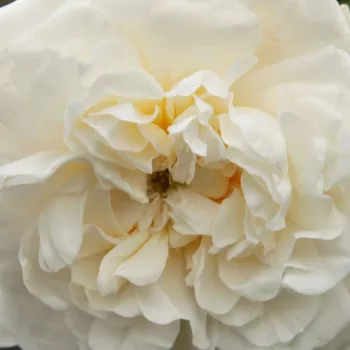
Flower morphology Large, very double rosette blooms with over 40 petals, carried in clusters; once-flowering rather than remontant, providing a concentrated seasonal display rather than extended repeat flowering over the season.
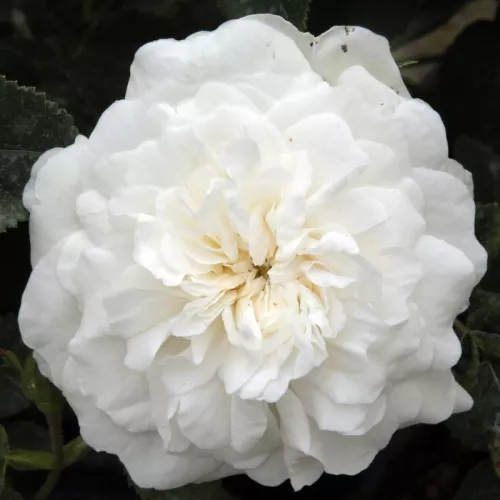
Colour data and phenology Soft creamy-white blooms, off-white to ivory with subtle pearlescent tones; colour holds well, though very double flowers may stick and brown in rain, while high heat can speed fading of individual flowers.
Fragrance and aroma Very strong, sweet, musky scent that is noticeable from a distance, giving high fragrance value; the very double flowers limit pollen access, so the variety is mainly suited to ornamental rather than pollinator-led use.
Hip characteristics No specific data on hip formation; production is likely limited due to the very double flower form, which reduces successful pollination and subsequent development of ornamental hips on mature plants.
Resistance and winter hardiness Very winter-hardy (H7, USDA 3b, Swedish Zone 6) tolerating approximately -37–-34 °C; however, disease resistance is poor, with high susceptibility reported to powdery mildew, black spot and rust in unprotected conditions.
Horticultural recommendations Best used as specimen, hedge, park, pergola or arbour shrub; requires regular plant protection and higher maintenance inputs, and is recommended as a premium, specialty product grown as a bush form with discreet structural support.

Madame Plantier offers historic character, strong structural scale and very strong fragrance on a predictable, regenerative own-root base, making it a considered option for heritage-focused programmes where you wish to discuss capacity and scheduling in detail.

Detailed product attributes

Product Identification Data

Product Name: MADAME PLANTIER – white historic alba rose - Plantier
Product Type: pharmaROSA® NEONATAL - rooted rose cutting
Cultivar Authenticity: Verified:01.03.2025
Cultivar Quality Rating: premium silver
Item Number: [36] 20-515 (14.02.2026) pharmarosaneonatal.co.uk

Name and Registration

Meaning of Cultivar Name: The name was given in honour of the breeder’s wife, Madame Plantierr.
Cultivar Synonym: Mme. Plantier; The Bride’s Rose
Original Trade Name: Madame Plantier
Current Trade Name: Madame Plantier Heritage rose Plantier
Rose Group: Alba, Hybrid China, Hybrid Noisette
Commercial Type: historical, alba rose
Commercial Group: Historical rose
Exhibition Category: shrub rose; park rose
Collection: Heritage rose

Origin and Breeding

Registration Year: unregistered cultivar
Breeder: Plantier
Breeding Company / Institution: unknown / no data
Breeding Year: France, 1835
Parentage: Rosa alba × Rosa moschata

Growth and Structural Characteristics

Height: 7.9-11.8ft (240-360 cm)
Spread: 4.9-8.2ft (150-250 cm)
Growth Habit: bushy (clump-forming)
Foliage: The variety has dense foliage, with leaves that have a matt surface and a light green hue.
Prickliness: sparsely thorned
Self-Cleaning Description: No data on self-cleaning.
Self-Cleaning Intensity: No data on self-cleaning ability.

Flower Morphology

Flower Fullness: very double-flowered
Flower Shape: rosette
Flower Size: L (2,75-3,95 in)
Inflorescence Type: clustered
Colour Code: ARS code: W RHS code: 155C (outer), 155D (inner)
Repeat Flowering: Not remontant; flowers once.

Colour Data and Phenology

Colour: white
Flower Colour Description: Soft, creamy-white petals in an even tone.
Closed Bud: The outer petals are greenish‑white, tending towards ivory, on a pure white background.
Newly Opened Flower: The petals are a clean off-white with a subtle ivory central shading.
Full Bloom: It is characterised by a uniform creamy-white colour, with faint pearl-white shades along the edges of the petals.
Before Fading: The colour is a pale off-white with a faint pearlescent yellowish-white fade.
Colour Fading Description: The colour is essentially stable; in rain, very double flowers can easily stick together and may turn brown.

Fragrance and Aroma

Fragrance Strength: very strong, noticeable from a distance scented rose
Fragrance Character: sweet, musky
Pollinator Attraction: Its very double blooms make it less attractive to pollinators, because the double flower form and reduced accessibility of the stamens limit access to nectar and pollen.
Pollinator-Friendly Rating: Its very double flowers hide the stamens, a variety intended mainly for ornamental value.

Hip Characteristics

Hip Comment: No data on hip production; formation is likely limited due to the double flowers.

Resistance and Hardiness

Hardiness (°C): -37–-34 °C
Heat and Drought Tolerance Description: Tolerates warm conditions; in periods of extreme heat the blooms fade more quickly. Requires watering during prolonged drought.
Disease Resistance: highly susceptible
  • powdery mildew – highly susceptible
  • black spot – highly susceptible
  • rust – highly susceptible

Horticultural Recommendations

Recommended product path: Premium container, specialty
Release form: Bush-trained + discreet support
Recommended use: Maintenance need high; poor disease resistance, requires regular plant protection.
Primary Uses: specimen, hedge, park, pergola, arbour

Comments

Positioning: Selection / specialty
Target customer/channel: Retail/collector
Main value proposition: Delicate fragrance, historic ambiance
MADAME PLANTIER – white historic alba rose - Plantier
Soft, creamy-white petals in an even tone. - historical, alba rose - very strong, noticeable from a distance scented rose - sweet, musky
The rose webshop. - white - very strong, noticeable from a distance scented rose - Madame Plantier - historical, alba rose - (7.9-11.8ft (240-360 cm))
Inflorescence: clustered Height: 7.9-11.8ft (240-360 cm) Flower shape: rosette Winter hardiness: 5b white - - historical, alba rose - Flower size: L (2,75-3,95 in) Flower size: L (2,75-3,95 in) - Height: 7.9-11.8ft (240-360 cm) Height: 7.9-11.8ft (240-360 cm) - Flower fullness: very double-flowered Madame Plantier - Roses in the garden | pharmaROSA® Neonatal - premium silver Plantier

We showcase the external appearance of the roses available for online purchase from our webshop.


Which product type is right for you?


PharmaRosa® NEONATAL is the cost‑effective starting point for rose product production.

As a uniform, own‑rooted propagation material, it provides a stable basis for further growing-on and can be integrated flexibly into different finished product production technologies.
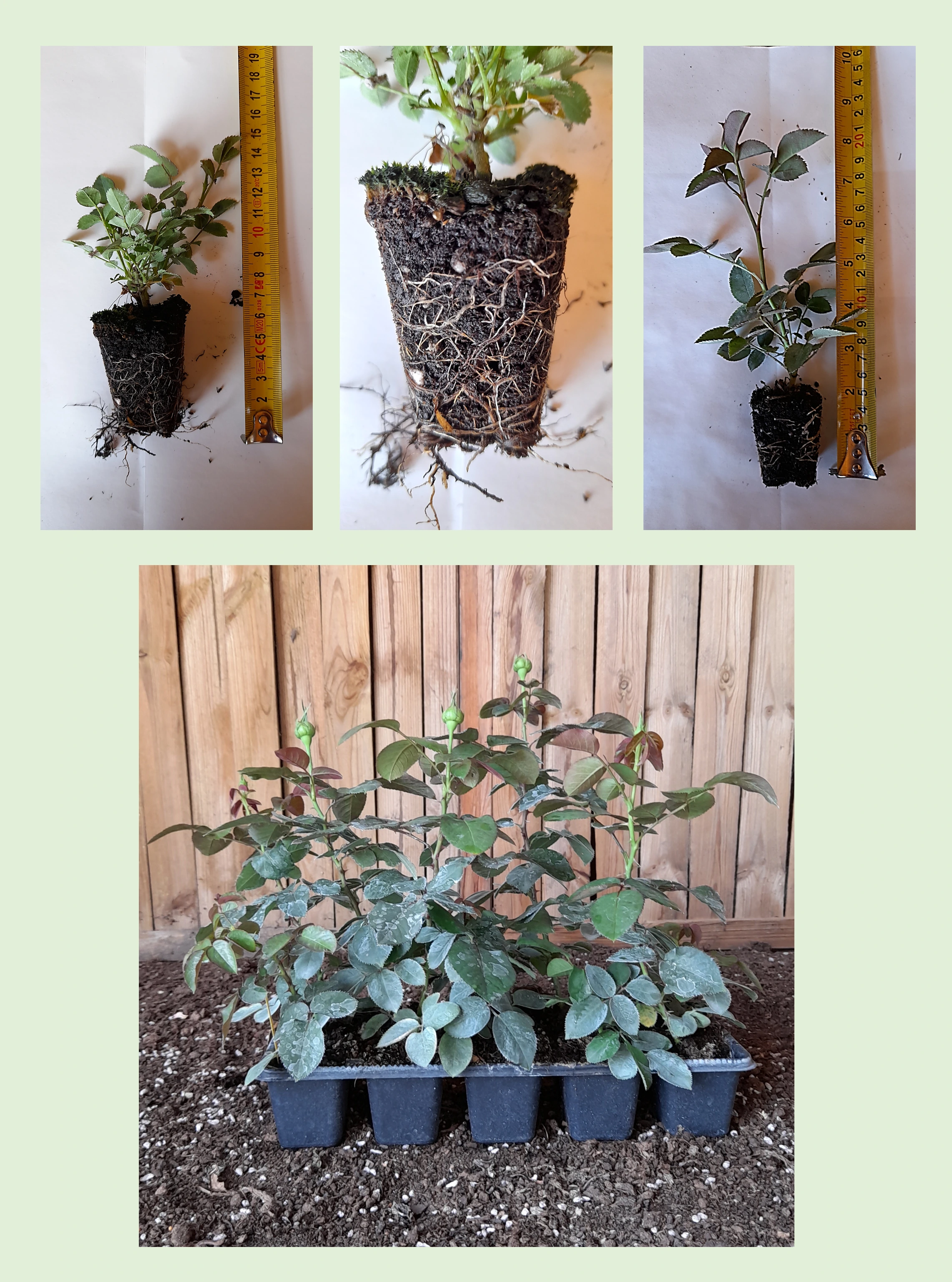
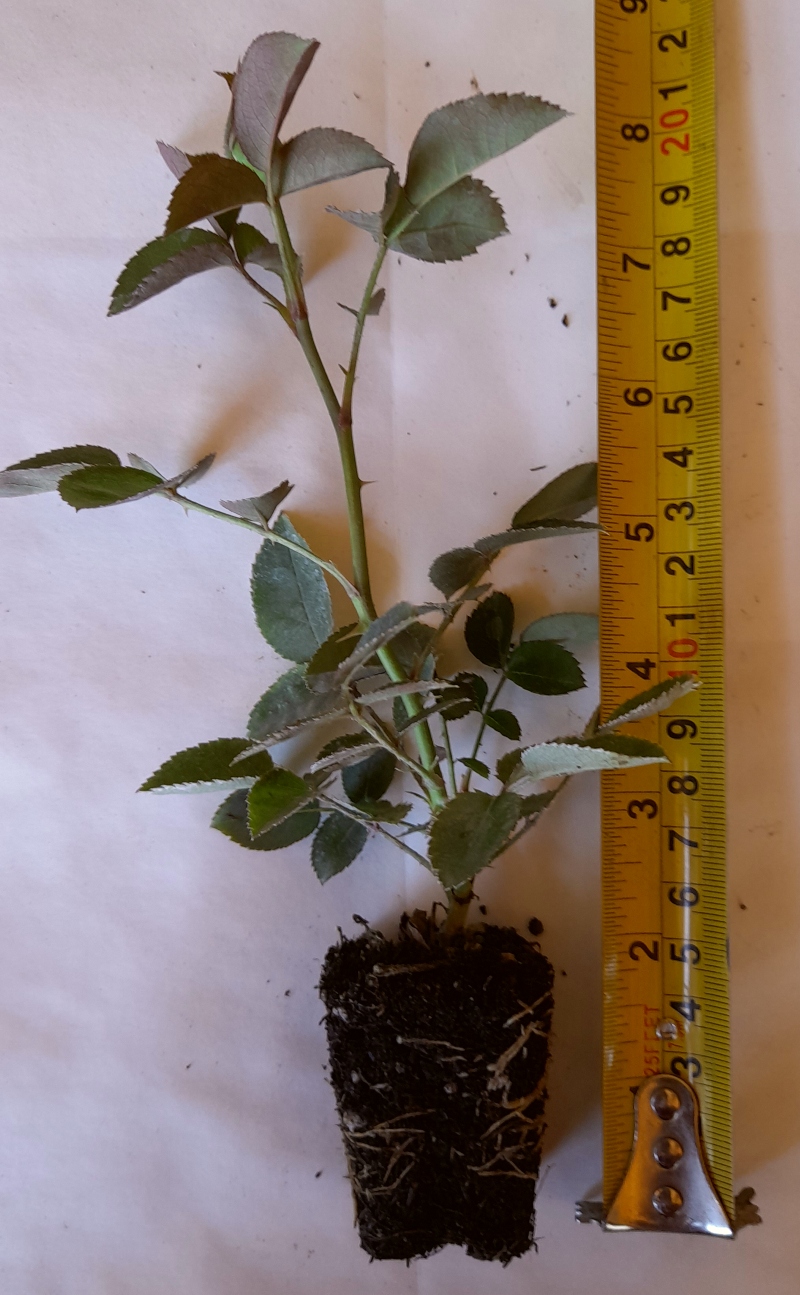
Rooted in trays (rooted), 3–6‑month‑old, own‑rooted rose cutting.
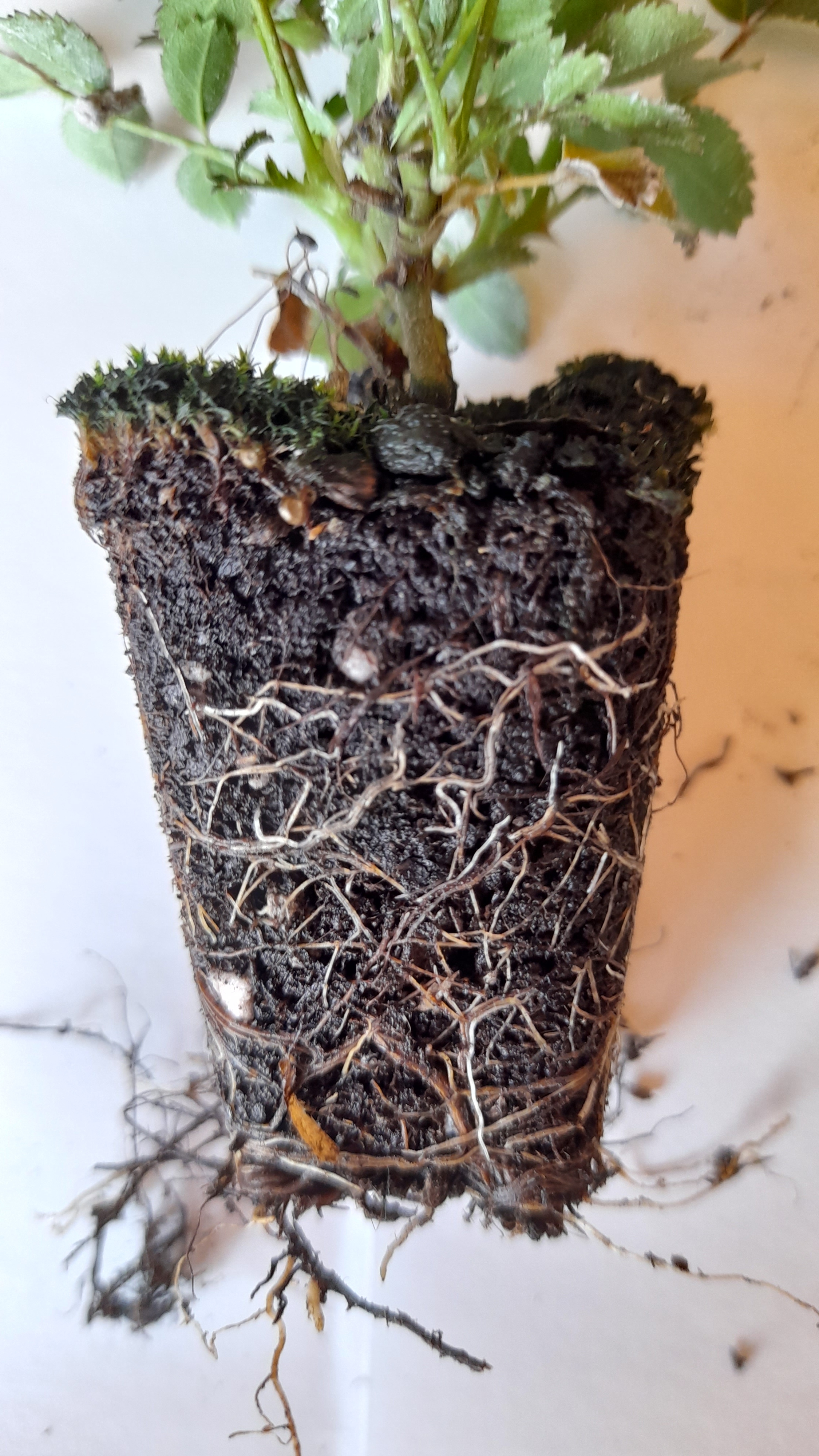
Uniform developmental stage, with a root system that has thoroughly penetrated the plug.
For professional growing‑on.
Tray packaging: 10 pcs/tray.
Quality and varietal identity: production supported by a dedicated identification and traceability logic.
Can be transplanted during frost‑free periods, designed for finished product production.

PharmaRosa® NEONATAL provides a controlled, uniform starting stock for planned growing‑on that can be integrated into your own technology – especially where scheduling and varietal identity are paramount.


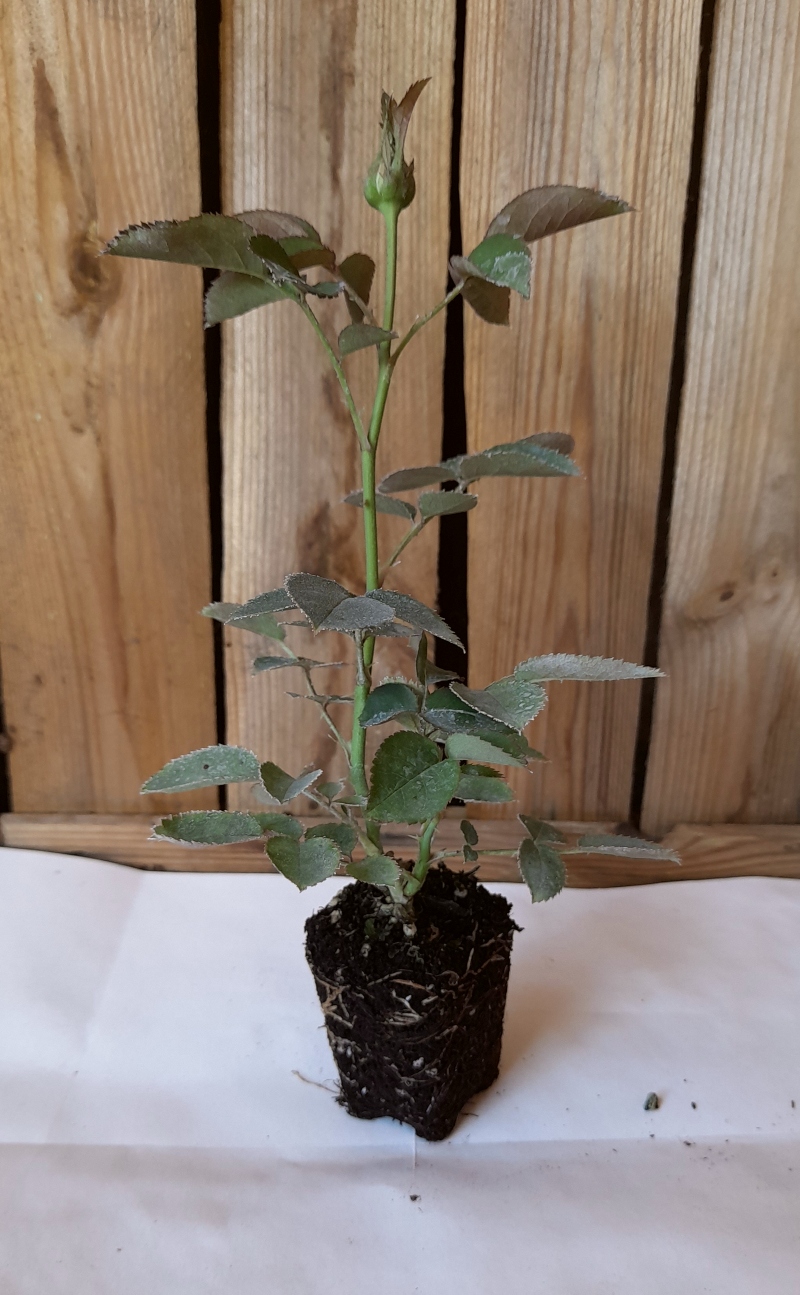
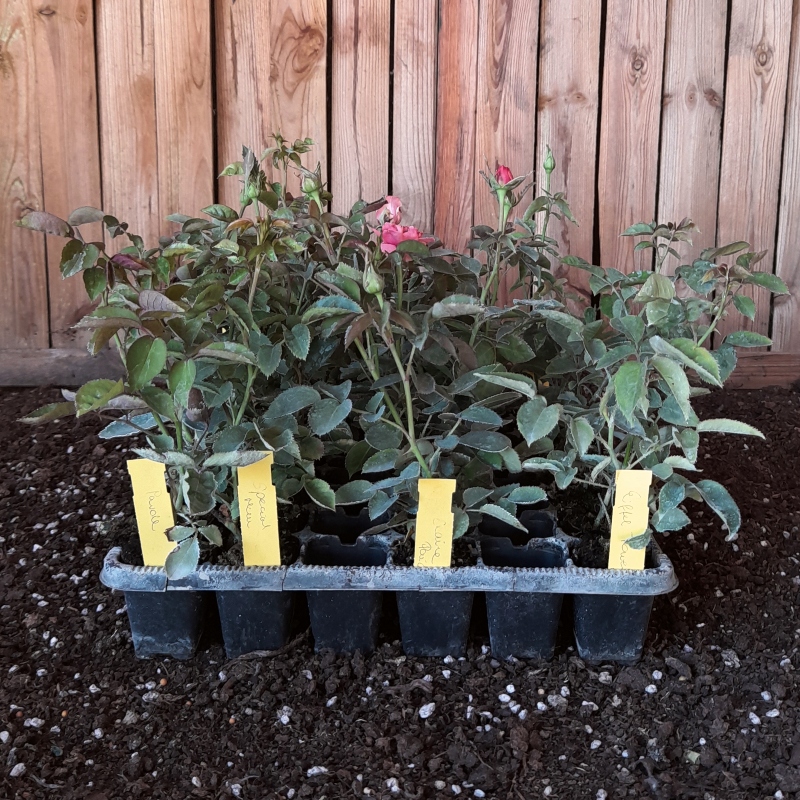
PharmaRosa® NEONATAL own-rooted rose propagation material in a plug, with a root system penetrating the plug (semi-finished product / semi-finished rose). PharmaRosa® NEONATAL rose propagation material size: 3–6‑month‑old, own-rooted cutting with a uniform developmental stage. PharmaRosa® NEONATAL rose propagation material root system: plug densely penetrated by well-developed white roots (root system detail). PharmaRosa® NEONATAL tray stock: own-rooted rose propagation material in trays, uniform developmental stage (10 pcs/tray).

Captions (from left to right): Semi-finished product (NEONATAL own-rooted rose propagation material in a plug with a fully developed root system) • Size demonstration (3–6‑month‑old, uniform cutting) • Root system detail (plug penetrated by the root system) • Tray stock (10 pcs/tray, uniform developmental stage)

pharmarosaneonatal.hupharmarosaneonatal.co.ukpharmarosaneonatal.atpharmarosaneonatal.plpharmarosaneonatal.sipharmarosaneonatal.czpharmarosaneonatal.itpharmarosaneonatal.depharmarosaneonatal.skpharmarosaneonatal.frpharmarosaneonatal.lupharmarosaneonatal.ropharmarosaneonatal.espharmarosaneonatal.nlpharmarosaneonatal.ptpharmarosaneonatal.ltpharmarosaneonatal.sepharmarosaneonatal.lvpharmarosaneonatal.eepharmarosaneonatal.fi

Which product type is right for you?

Pages for private customers
Garden roses for the family garden, with minimal care  → ORIGINAL®
Premium garden roses – instant impact, a truly showpiece garden  → EXTRA®
Pages for professionals and private customers
Roses for public spaces – large areas, sustainable maintenance  → NATURAL®
Roses for projects – hedge and row planting, fast implementation  → RAPID®
For professional partners only
Production – propagation material for garden roses, wholesale  → NEONATAL®

Company details

PharmaRosa Ltd.
Company registration number: 01-09-717479
VAT number: 13075314-2-43
Plant health registration no.: HU130721
Bank account (IBAN):
HU85117631891388688400000000
BIC (SWIFT): OTPVHUHB
Bank name: OTP Bank Nyrt.