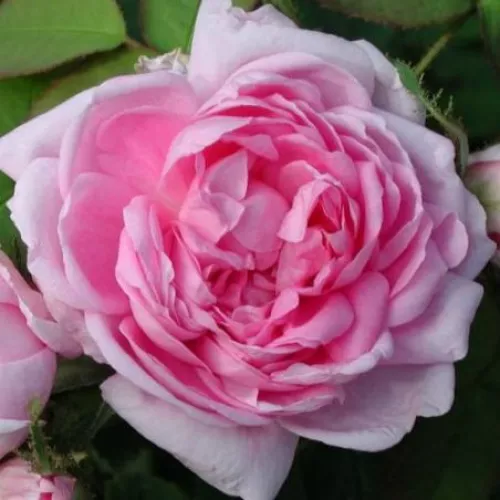
MARIE DE BLOIS – pale pink historic moss rose – Français & Robert
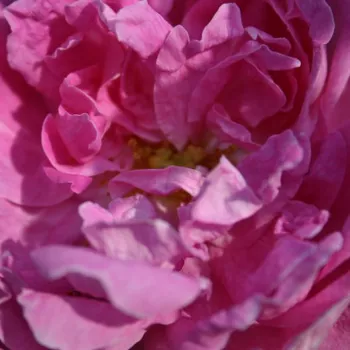
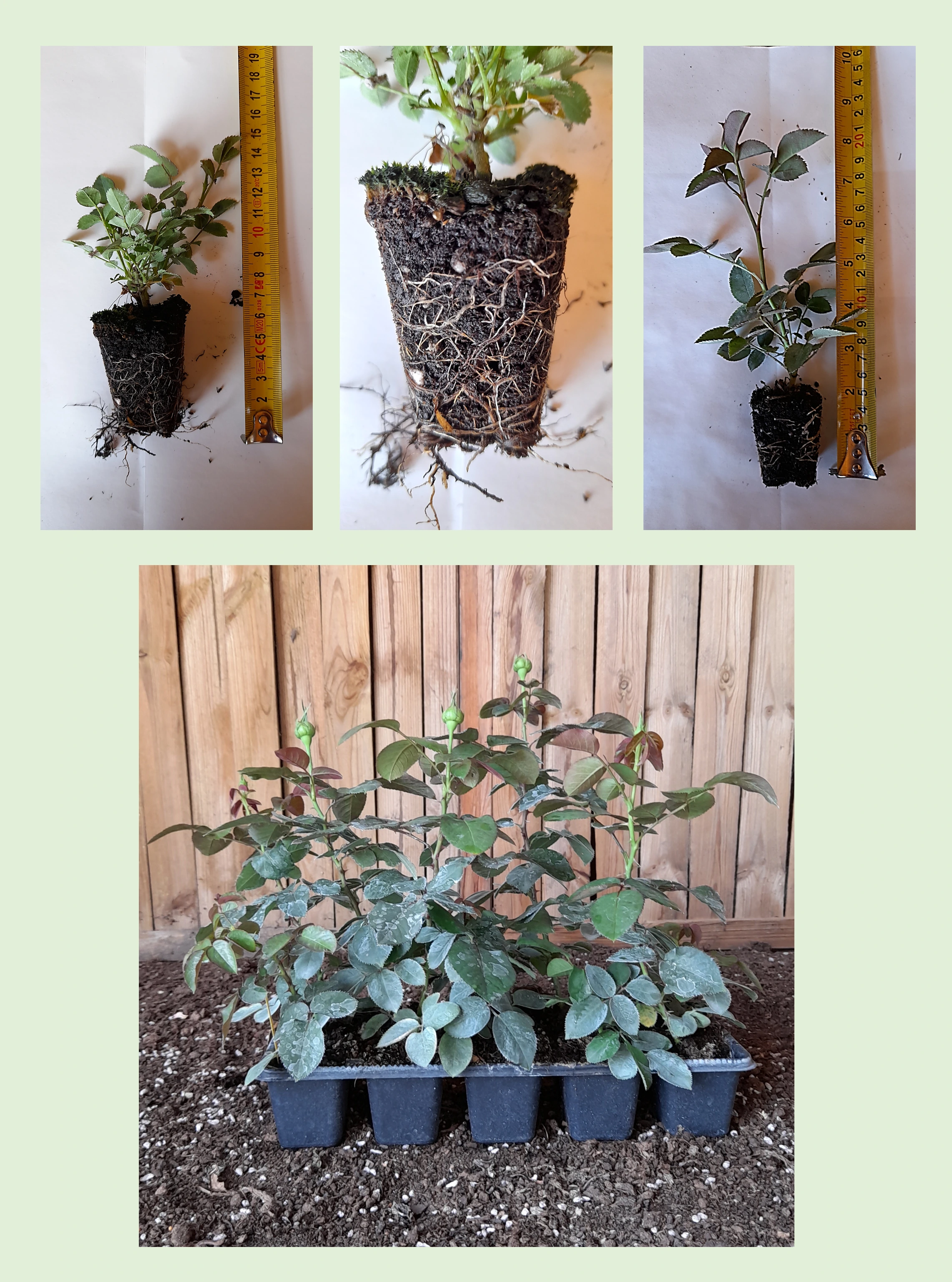
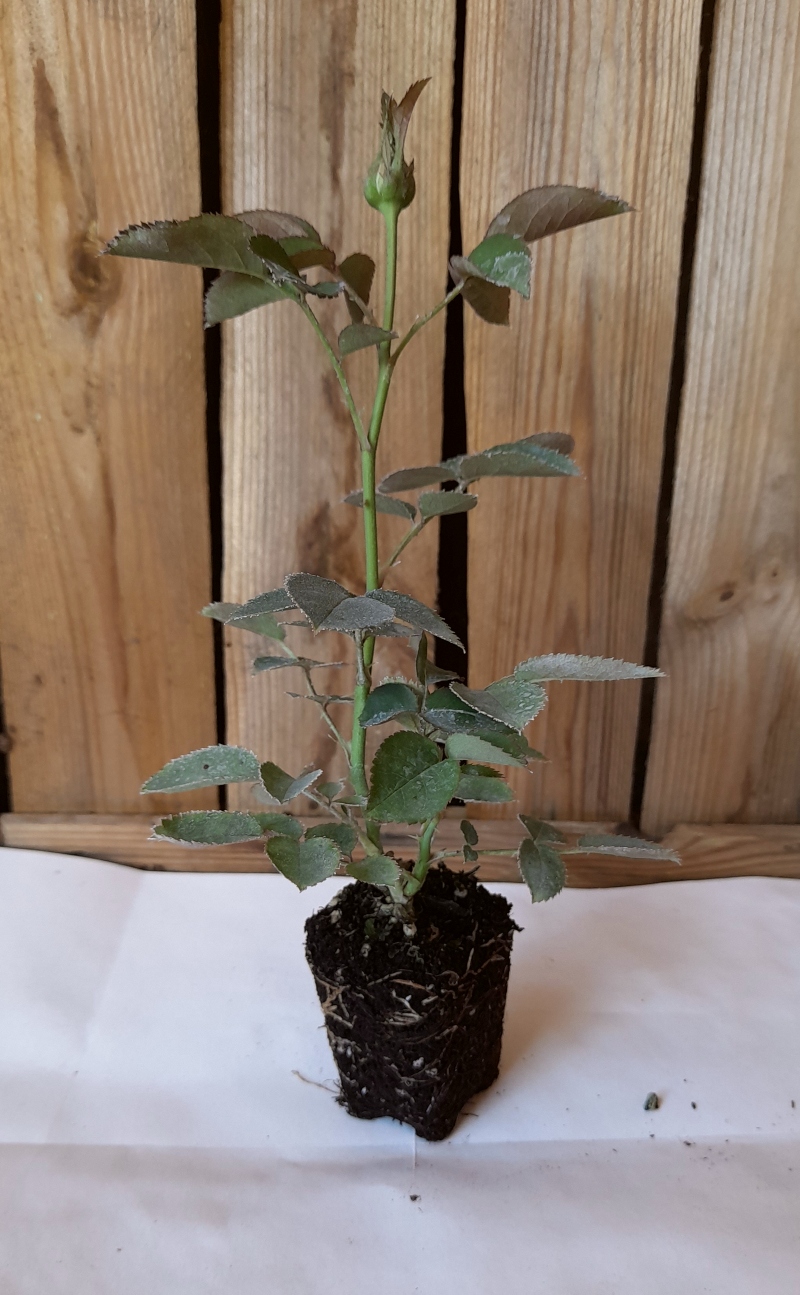
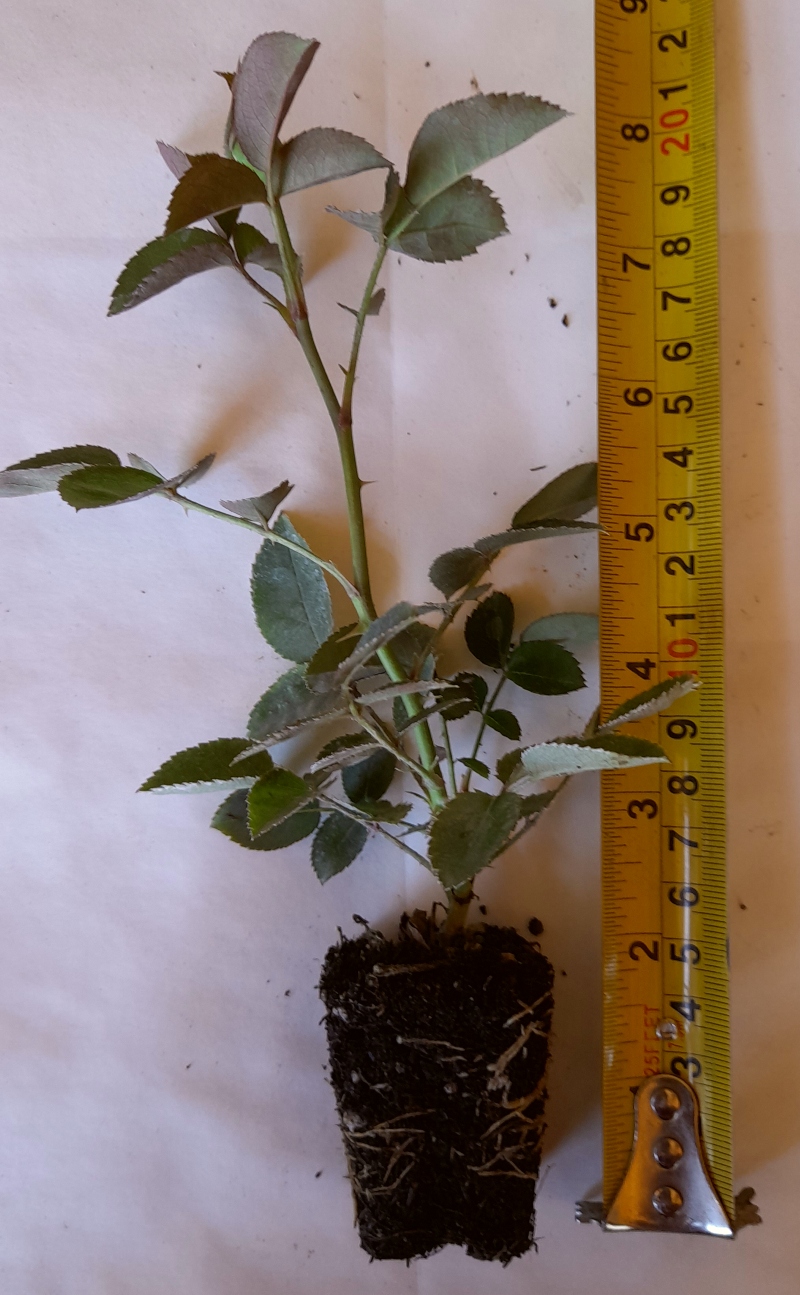
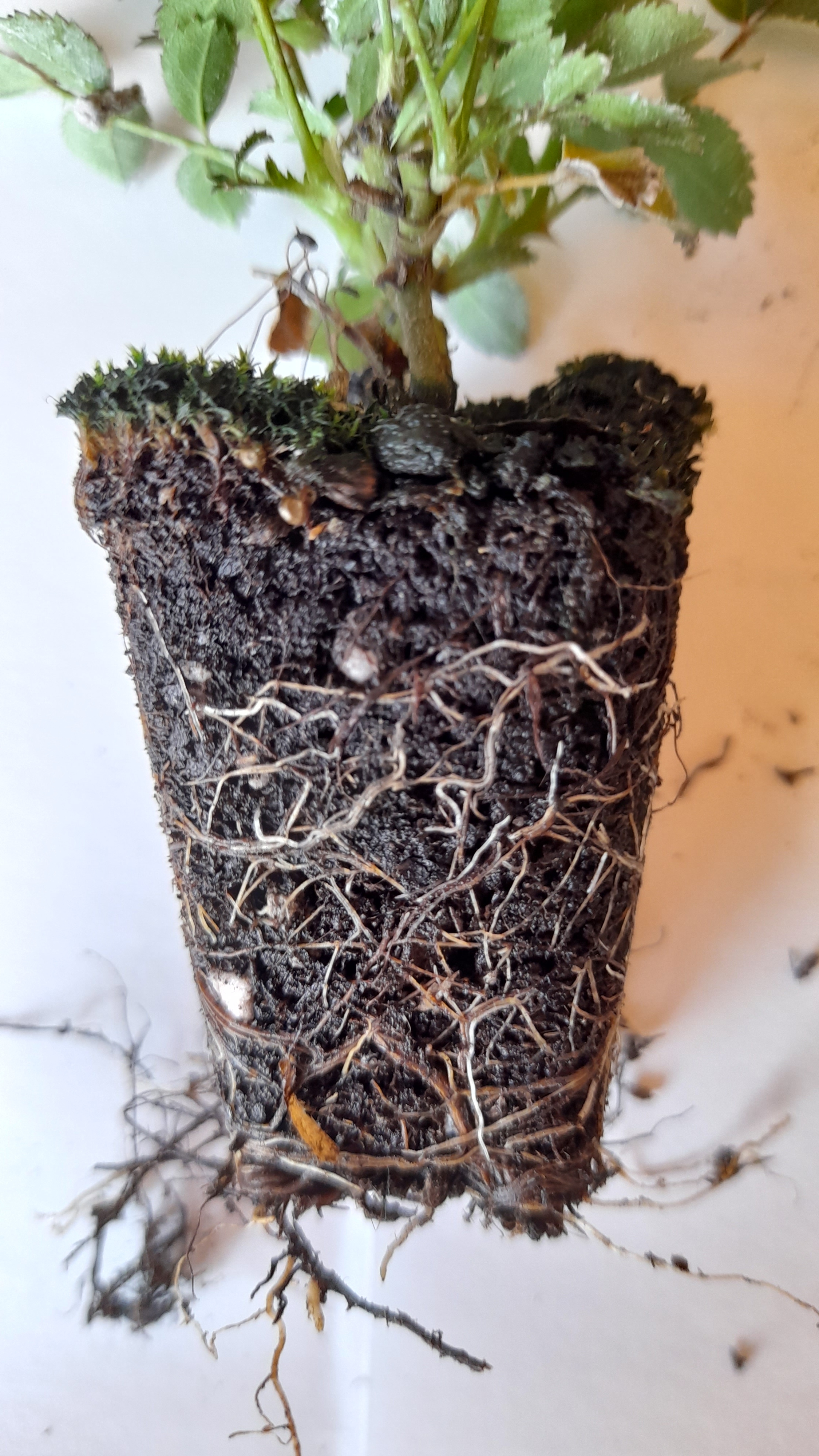
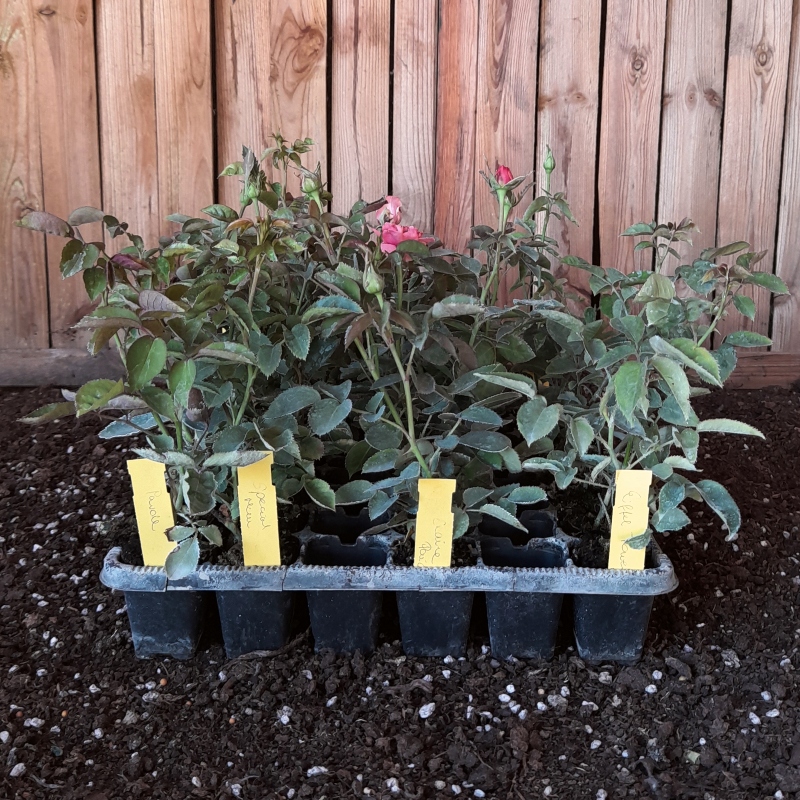
Heritage charm and collector appeal make MARIE DE BLOIS a focused choice for premium, own-root propagation where you deliberately cultivate distinctive, niche lines rather than mass landscaping items; this moss rose combines remontant flowering with strongly scented, very full rosette blooms in a pale pink palette that matures towards creamy white, ideal for historic ranges and thematic rose collections. As a tall, upright shrub with moderately dense foliage and dense prickliness it works well as a specimen or focal plant in dedicated beds, trained as a bush with discreet support into 5–7 L containers for a specialty, premium product path. Own-root NEONATAL material underpins long-lived, renewable stands with predictable structural performance, aligning with nursery systems that build curated stock for show gardens and heritage projects, while supporting a Scotland and North England supply context needing winter and wind tolerant historic roses, and fitting into a professional development arc where roots establish in the first year, structural shoots in the second, and full ornamental value expresses in the third. The cultivar’s historic provenance (France, 1852) and moss character support selection and specialty positioning towards retail collectors, museum-style gardens, and public-realm heritage plantings, where you can trade on authenticity and story rather than broad utility, using stable own-root propagation as a foundation for a long-term, traceable assortment.
Usage options
Finished-product ideas
- Premium 5–7 L moss-rose collector line – Bush-trained, discreetly supported plants in 5–7 L containers, highlighted for strong fragrance and historic moss character, positioned as premium specialties for retail collectors and heritage rose nurseries – retail/collector channel.
- Heritage park specimen shrub – Own-root plants grown on into 40–50 L final containers, selected for tall, upright habit and scented, very full flowers, offered as focal specimens for estates and municipal heritage projects – public-realm/estate buyers.
- French 1852 themed assortment – Curated batch of MARIE DE BLOIS within a “French historic 1850s” range, leveraging provenance and name story, supplied in uniform 5–7 L pots for thematic and show gardens – landscape designers and show-garden organisers.
- Moss rose reference block stock – NEONATAL own-root material multiplied into stable reference stands, prioritising authenticity and structural reliability over ease of care, to underpin long-term moss rose collections – gene-banks and specialist collections.
- Fragrance-focused heritage feature bed – Plants selected for strong, long-lasting scent and remontant flowering, batch-produced for grouped planting in dedicated fragrance or sensory beds, supplied as premium container, specialty SKUs – public gardens and curated visitor attractions.
Technical cultivar profile
| Parameter |
Data |
| Name and registration |
Historical moss rose classified as a shrub and historic rose; current trade name MARIE DE BLOIS – pale pink historic moss rose – Français & Robert; unregistered cultivar used under a long-established exhibition name. |
| Origin and breeding |
French moss rose bred by Français and André Robert and introduced in France in 1852, with initial wider distribution via Lens Roses in Belgium; exact parentage and breeding institution data are not provided. |
| Growth and structural characteristics |
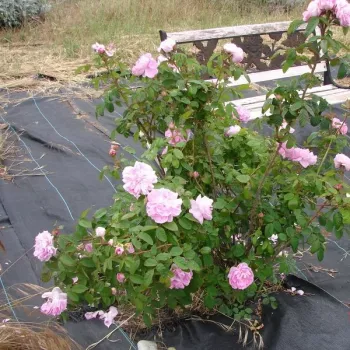
Upright shrub reaching approximately 130–210 cm in height with a 105–175 cm spread, moderately dense, mid-green, slightly glossy foliage and densely thorned shoots; weak self-cleaning, so spent blooms generally need manual removal. |
| Flower morphology |
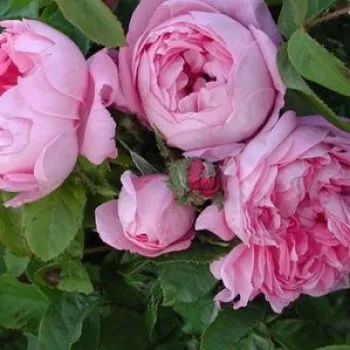
Large, very full, rosette-shaped blooms of around 40 or more petals, borne mainly in clusters; remontant, with a plentiful second flowering period, but not self-cleaning so finished plants require regular deadheading for best appearance. |
| Colour data and phenology |
Overall pale-pink flowers with a subtle lavender undertone; newly open blooms are pastel pink, buds powder pink and pearlescent, then lighten towards creamy white with outer petals almost white by senescence; colour retention is moderate. |
| Fragrance and aroma |
Strong, long-lasting fragrance with a slightly sweet character, making the cultivar particularly suitable where scent is prioritised; very double flower form reduces stamen access, so it is primarily ornamental with low pollinator interest. |
| Hip characteristics |
Rose-hip formation is generally sparse due to the densely double blooms, but where they develop they are spherical, about 12–18 mm in diameter, and orange-red, adding occasional late-season ornamental interest. |
| Resistance and winter hardiness |
Classified to around -21 to -18 °C (USDA 6b, Swedish zone 3, RHS H7), giving good cold hardiness; disease resistance is weak with moderate powdery mildew and black spot sensitivity and very sensitive rust response; moderate heat and drought tolerance. |
| Horticultural recommendations |
Best used as a flower-bed, specimen or park shrub in managed settings, with high maintenance needs and regular plant-protection inputs; recommended as bush-trained with discreet support in premium container, specialty production targeting collectors. |
MARIE DE BLOIS offers scented, remontant, historically authentic shrubs on a reliable own-root base that supports long-lived, predictable stands for curated ranges; please contact us to discuss propagation volumes and scheduling.