Climbing rose

21-230-1
21-230-2

Millard de Martigny

Climbing rose

- – Fabien Ducher; Dominique Massad

A vivid, pure fire-red shade which is homogeneous across the entire surface of the petals. - climber, climbing rose - very weak, barely noticeable scented rose - rosy character

– Striking fire-red blooms with golden stamens.
– Upright climber for vertical garden accents.
– Dense, slightly glossy mid‑green foliage.
– Good heat and drought tolerance in summer.
– Hardy to around –20 °C, reliable in cold.
– Special feature: Semi-double flowers form attractive orange-red hips later in the season.
Exclusive, space-defining – specialty
Millard de Martigny
pharmaROSA® NEONATAL rooted rose cutting
27,66 £
Due to courier service regulations – and the introduction of customs clearance – delivery to Ireland is temporarily suspended.
4 (5704)
facebook   twitter

Millard de Martigny – fiery-red climbing rose – pharmaROSA NEONATAL

Climbing production with Millard de Martigny offers a reliably fiery-red vertical feature for nurseries building exclusive, space‑defining assortments, with own‑root regeneration supporting long planting cycles and predictable replacement rates. The upright, dense‑foliage habit and medium maintenance needs suit trained‑climber lines in 5–7 L containers, where staked, pre‑formed 3–5 cane plants can be scheduled cleanly into UK retail and project calendars. Colour stability in heat and a bountiful second flush underpin consistent ornamental value in thematic collections, while its moderate disease profile remains manageable under standard nursery protection. In UK conditions it performs reliably even in colder regions with good winter hardiness, supporting public‑realm and institutional schemes that expect long‑term structure, and aligning well with professional networks that require dependable own‑root propagation material. As a shrub‑category exhibition climber with cluster‑flowered, semi‑double blooms, it lends itself to collection‑worthy specimen and border concepts, and can be used confidently as a vertical feature in dedicated rose gardens where uniformity over multi‑year rotations is important.


Usage options

Target area Reasoning
Retail-trained climber in 5–7 L container lines Trained climber finished products in 5–7 L pots are straightforward to standardise with this cultivar’s upright habit and 4.3–7.2 ft potential, allowing you to release staked, 3–5 cane plants in a predictable height band. Own-root material supports medium-maintenance, occasional plant-protection programmes with lower long-term replacement, ideal for vertical garden feature assortments in Scottish and northern schemes where winter and wind tolerance are expected, and suited to branded ranges aimed at retail / reseller
Park and public-realm vertical accents The dense, mid-green foliage and fire-red, semi-double clusters deliver an exclusive, space-defining look when trained onto park structures, while own-root longevity supports multi-year contracts. A trained climber route from rooted cutting to finished 5–7 L stock simplifies planning for project-based orders, where medium maintenance and occasional plant protection are acceptable in tender specifications. This aligns well with a vertical garden feature promise for public parks and institutional landscapes supplied via public-realm suppliers
Border and mixed-planting structures The plant’s moderate spread and upright, climbing capability make it suitable for integrating as a vertical element in mixed borders, offering a strong fire-red accent without excessive lateral sprawl. Propagating as own-root rooted cuttings and finishing as trained climbers ensures homogeneous stands with reliable remontant performance and a bountiful second flowering, meeting expectations for distinctive habit in thematic borders. This supports curated offers for professional rose growers
Show-garden and collection pieces As a cultivar with exhibition shrub and floribunda classification and an eye-catching, uniform fiery-red disc bloom, Millard de Martigny fits well into show gardens and specialist collections focused on clear colour blocks. Using own-root NEONATAL material, growers can build staked, 3–5 cane pieces that display structural maturity early in the season; year 1 roots, year 2 structural shoots, year 3 full ornamental value provides a realistic planning arc for collection updates. This level of predictability suits thematic and collection ranges managed by nurseries
Vertical features for private-label climber ranges The combination of large-flowered climber classification, bountiful second flush and very good colour retention makes this cultivar a strong candidate for private-label vertical features with a clear red identity. Starting from own-root tray cuttings allows you to protect naming and assortment concepts long term, while trained climber production in 5–7 L ensures a recognisable product form for chain-wide listings. This supports exclusive, space-defining positioning for integrator systems
Heat-tolerant climber for southern and urban projects Good heat tolerance and minimal colour fading in strong sunlight enable reliable performance in south-facing or urban microclimates, where many reds bleach. Own-root propagation and trained product routing reduce risk in hotter sites by supporting consistent regrowth after stress, while medium maintenance requirements remain compatible with urban maintenance contracts. This fits assortments serving heat-exposed vertical garden feature roles via urban project contractors
Moderate-maintenance offers for institutional clients Moderate disease resistance and medium maintenance needs make this variety realistically manageable for institutional and municipal clients that accept occasional plant protection but seek robust climbers. Producing it as a trained climber in 5–7 L pots, derived from own-root cuttings, offers homogeneous performance and simplifies replacement planning within framework agreements, while its exclusive, space-defining character enhances perceived project quality. This is attractive to framework-oriented public-realm suppliers
Pollinator-conscious yet ornamental vertical plantings Semi-double flowers with accessible stamens provide partial pollinator value without compromising the clean, vertical ornamental effect, suitable for clients balancing biodiversity concerns and visual strength. Own-root production ensures long lifespan and stable flowering on re-formed canes, enabling repeated use of the same trained climber concept in border, park and specimen roles, and can be integrated into ranges that emphasise vertical garden feature benefits for discerning retail / reseller

Finished-product ideas

  • 5–7 L trained climber spine range – Own-root, staked 3–5 cane Millard de Martigny in 5–7 L pots as a core vertical garden feature SKU with reliable colour stability and remontant flowering – target: retail / reseller climber programmes.
  • Collection-grade fiery-red climber – Curated batch of uniform, own-root plants for thematic rose gardens and show collections, highlighting its exclusive, space-defining habit and dense foliage – target: specialist nurseries and collection managers.
  • Project-spec park climber – Contract-grown, trained climbers built from NEONATAL material for parks and institutional borders, leveraging good heat tolerance and medium maintenance requirements – target: public-realm and municipal suppliers.
  • Private-label red vertical accent – Branded private-label climber SKU based on own-root predictability, upright habit and strong colour retention, supplied as a trained climber route product – target: integrator systems and chain retailers.
  • Pollinator-aware structure line – Semi-double, partially pollinator-friendly climber line combined with own-root longevity and manageable care needs for environmentally conscious schemes – target: nurseries serving institutional and landscape contractors.

Technical cultivar profile
Parameter Data
Name and registration Millard de Martigny is a large-flowered climbing rose marketed as Millard de Martigny Climbing rose Ducher & Massad; American Rose Society exhibition name Millard de Martigny; registered cultivar name not provided.
Origin and breeding Bred in France by Fabien Ducher and Dominique Massad; parentage unknown. Introduced and registered in 2009 by Roseraie Ducher, which also acted as initial distributor for this climber in European markets.
Awards and recognition Not provided; no competition, collectors’ or global awards recorded in the available data, so decisions should be based on structural, colour and usage characteristics rather than formal distinctions.
Growth and structural characteristics Upright, climbing habit with dense, mid-green, slightly glossy foliage; moderately thorny shoots. Height around 130–220 cm with 80–150 cm spread, forming a compact yet effective vertical element when trained on supports.
Flower morphology Semi-double, flat, cluster-flowered blooms with 13–25 petals, medium-sized at approximately 1.5–2.75 inches. Remontant flowering pattern with a notably bountiful second flush, supporting extended display when well managed.
Colour data and phenology Vivid, homogeneous fire-red petals (RHS 46A outer, 45A inner; ARS code mr) with a golden-yellow stamen ring. Colour retention is very good in heat, with only slight lightening in strong sun and little perceptible fading overall.
Fragrance and aroma Fragrance described as having a rosy character but very weak, barely noticeable in garden use. Semi-double flowers expose stamens and are considered partially pollinator-friendly, offering some ecological value alongside ornamental impact.
Hip characteristics Rose hip formation expected to be low, with spherical orange-red hips around 10–15 mm in diameter when present. Hips can add a discrete seasonal interest but are not a primary decorative or commercial feature.
Resistance and winter hardiness Moderate resistance to powdery mildew, black spot and rust; medium maintenance with occasional plant protection recommended. Rated H7 with hardiness approximately –21 to –18 °C, corresponding to Swedish zone 3 and USDA 6b conditions.
Horticultural recommendations Recommended for borders, parks, specimen use and as a climber. Best marketed as a trained climber finished product, supplied staked and trained with 3–5 main canes, typically in 5–7 L containers for versatile planting schemes.

Millard de Martigny offers reliable fiery-red vertical impact, good heat tolerance and moderate maintenance on a long-lived, own-root base that supports predictable, homogeneous stands, making it a sound option for growers looking to discuss volumes and scheduling.

Detailed product attributes

Product Identification Data

Product Name: MILLARD DE MARTIGNY – fiery-red climbing rose - Ducher & Massad
Product Type: pharmaROSA® NEONATAL - rooted rose cutting
Cultivar Authenticity: Verified:16.05.2025
Cultivar Quality Rating: premium bronze
Item Number: [897] 21-230 (14.02.2026) pharmarosaneonatal.co.uk

Name and Registration

Meaning of Cultivar Name: The name likely bears the family name of Alain Millard de Martigny, a French football coach.
Original Trade Name: Millard de Martigny®
Current Trade Name: Millard de Martigny Climbing rose Ducher & Massad
Rose Group: Climber, Large -Flowered Climber
Commercial Type: climber, climbing rose
Commercial Group: Climbing rose
Exhibition Category: shrub rose; exhibition floribunda
Collection: Climbing rose

Origin and Breeding

Initial Distributor: Roseraie Ducher (France)
Breeder: Fabien Ducher; Dominique Massad
Breeding Year: France, 2009
Parentage: unknown

Growth and Structural Characteristics

Height: 4.3-7.2ft (130-220 cm)
Spread: 2.6-4.9ft (80-150 cm)
Growth Habit: upright
Foliage: The variety has dense foliage; the leaves are slightly glossy and mid‑green in colour.
Prickliness: moderately thorny
Self-Cleaning Description: Some of the spent flowers shed naturally, but occasional cleaning of large clusters is useful.
Self-Cleaning Intensity: Self-cleaning: medium

Flower Morphology

Petal Count: 13-25
Flower Fullness: semi-double
Flower Shape: flat
Flower Size: M (1,5-2,75 in)
Inflorescence Type: cluster-flowered
Colour Code: ARS code: mr RHS code: 46A (outer), 45A (inner)
Repeat Flowering: Remontant, with a bountiful second flowering.

Colour Data and Phenology

Colour: fire-red
Flower Colour Description: A vivid, pure fire-red shade which is homogeneous across the entire surface of the petals.
Closed Bud: Deep scarlet-red bud with a slightly glossy surface.
Newly Opened Flower: Bright fiery-red outer petals and slightly darker inner petals with strong colour intensity.
Full Bloom: Uniform, double, fiery-red disc-shaped bloom with a golden-yellow ring of stamens in the centre.
Before Fading: The red tone is slightly subdued, with a crimson-leaning hue, but without any fading.

Colour Fading Description: Retains its colour well even in heat; in strong sunlight it only lightens slightly.

Fragrance and Aroma

Fragrance Strength: very weak, barely noticeable scented rose
Fragrance Character: rosy character
Pollinator Attraction: Its semi‑double, open flower form leaves the stamens partially accessible, so it only partially attracts pollinating insects.
Pollinator-Friendly Rating: Considered partially pollinator-friendly because its semi-double flowers reveal their stamens when open.

Hip Characteristics

Hip Shape: spherical
Hip Colour: orange-red
Hip Comment: Rose hip formation is expected to be low; spherical orange-red hips 10–15 mm in diameter.

Resistance and Hardiness

Hardiness (°C): -21–-18 °C
Heat and Drought Tolerance Description: According to the descriptions, it copes well with heat; during dry periods it requires watering.
Disease Resistance: moderate
  • powdery mildew – moderate
  • black spot – moderate
  • rust – moderate

Horticultural Recommendations

Recommended product path: Trained climber finished product
Release form: Staked, trained (3–5 main canes)
Recommended use: Maintenance requirement medium; occasional plant protection required.
Primary Uses: border, park, specimen, climber

Comments

Positioning: Exclusive, space-defining – specialty
Target customer/channel: Retail / reseller
Main value proposition: Vertical garden feature, distinctive habit
MILLARD DE MARTIGNY – fiery-red climbing rose - Ducher & Massad
A vivid, pure fire-red shade which is homogeneous across the entire surface of the petals. - climber, climbing rose - very weak, barely noticeable scented rose - rosy character
Online rose purchase - fire-red - very weak, barely noticeable scented rose - Millard de Martigny - climber, climbing rose - (4.3-7.2ft (130-220 cm))
Inflorescence: cluster-flowered Height: 4.3-7.2ft (130-220 cm) Flower shape: flat Winter hardiness: 6b fire-red - Roseraie Ducher (France) climber, climbing rose - Flower size: M (1,5-2,75 in) Flower size: M (1,5-2,75 in) - Height: 4.3-7.2ft (130-220 cm) Height: 4.3-7.2ft (130-220 cm) - Flower fullness: semi-double Millard de Martigny - Roses in the garden | pharmaROSA® Neonatal - premium bronze Fabien Ducher; Dominique Massad

We showcase the external appearance of the roses available for online purchase from our webshop.


Which product type is right for you?


PharmaRosa® NEONATAL is the cost‑effective starting point for rose product production.

As a uniform, own‑rooted propagation material, it provides a stable basis for further growing-on and can be integrated flexibly into different finished product production technologies.
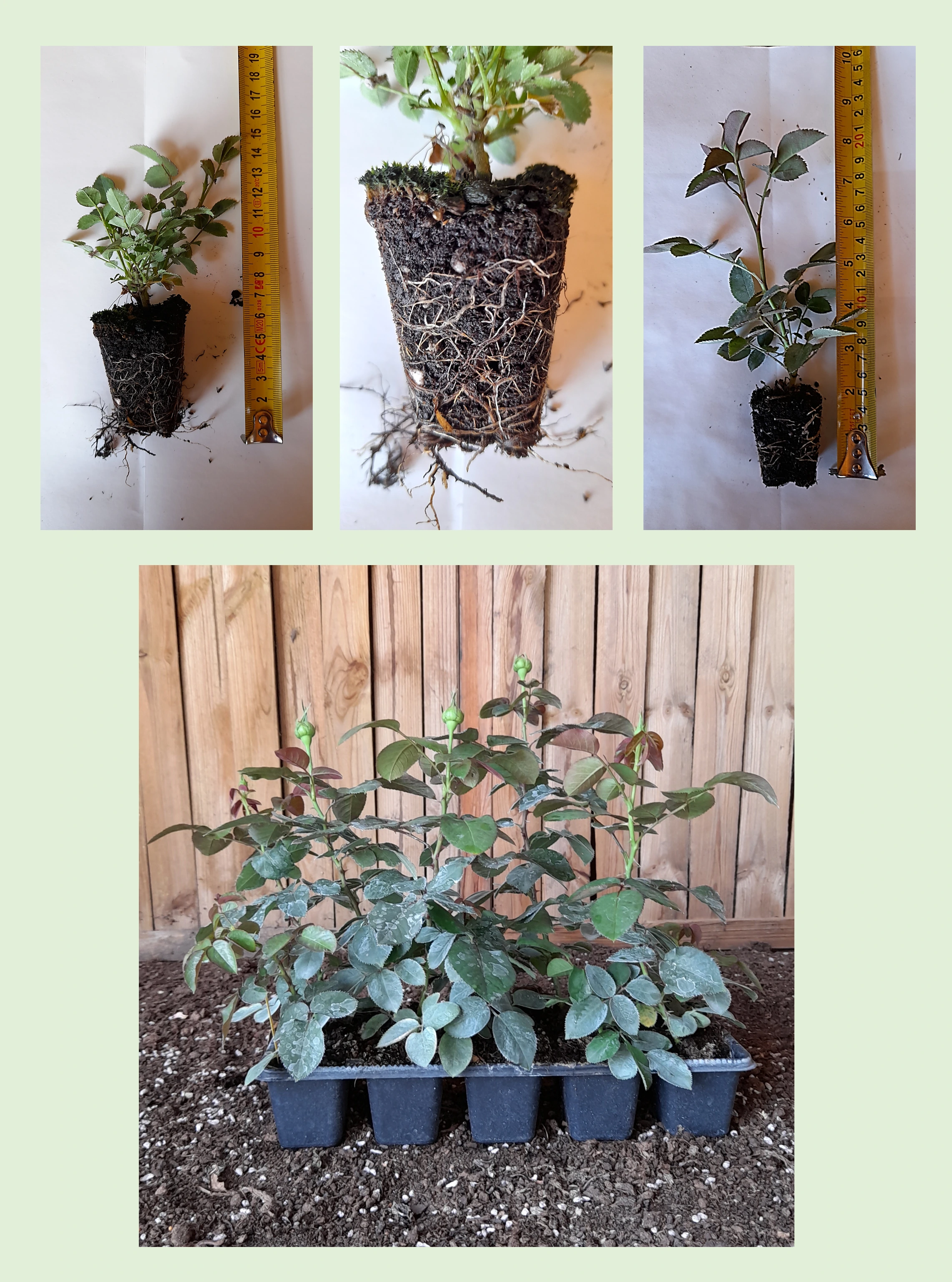
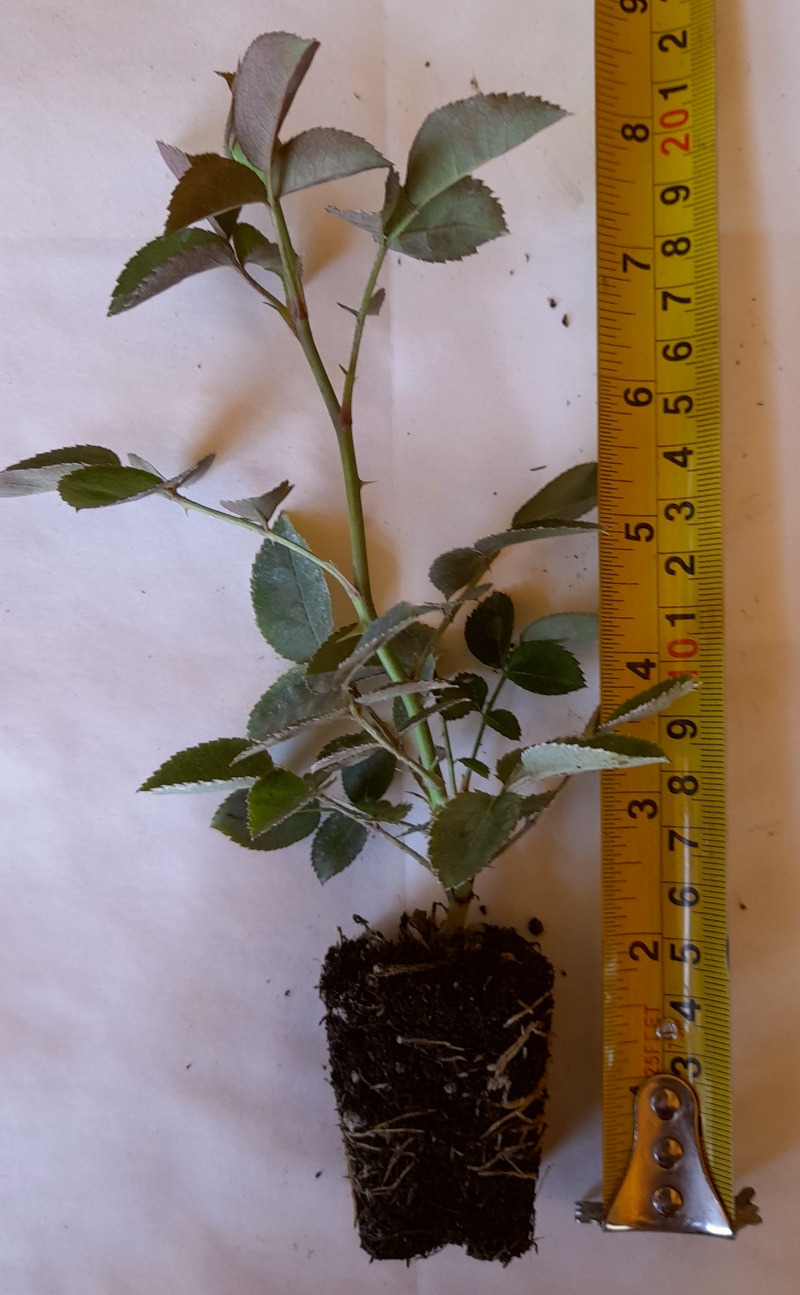
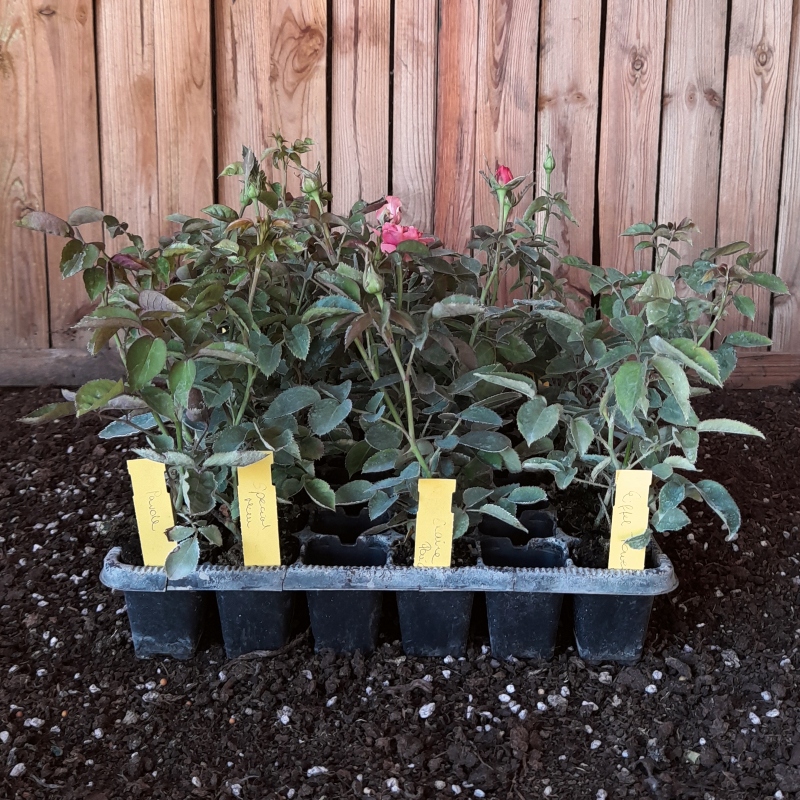
Rooted in trays (rooted), 3–6‑month‑old, own‑rooted rose cutting.
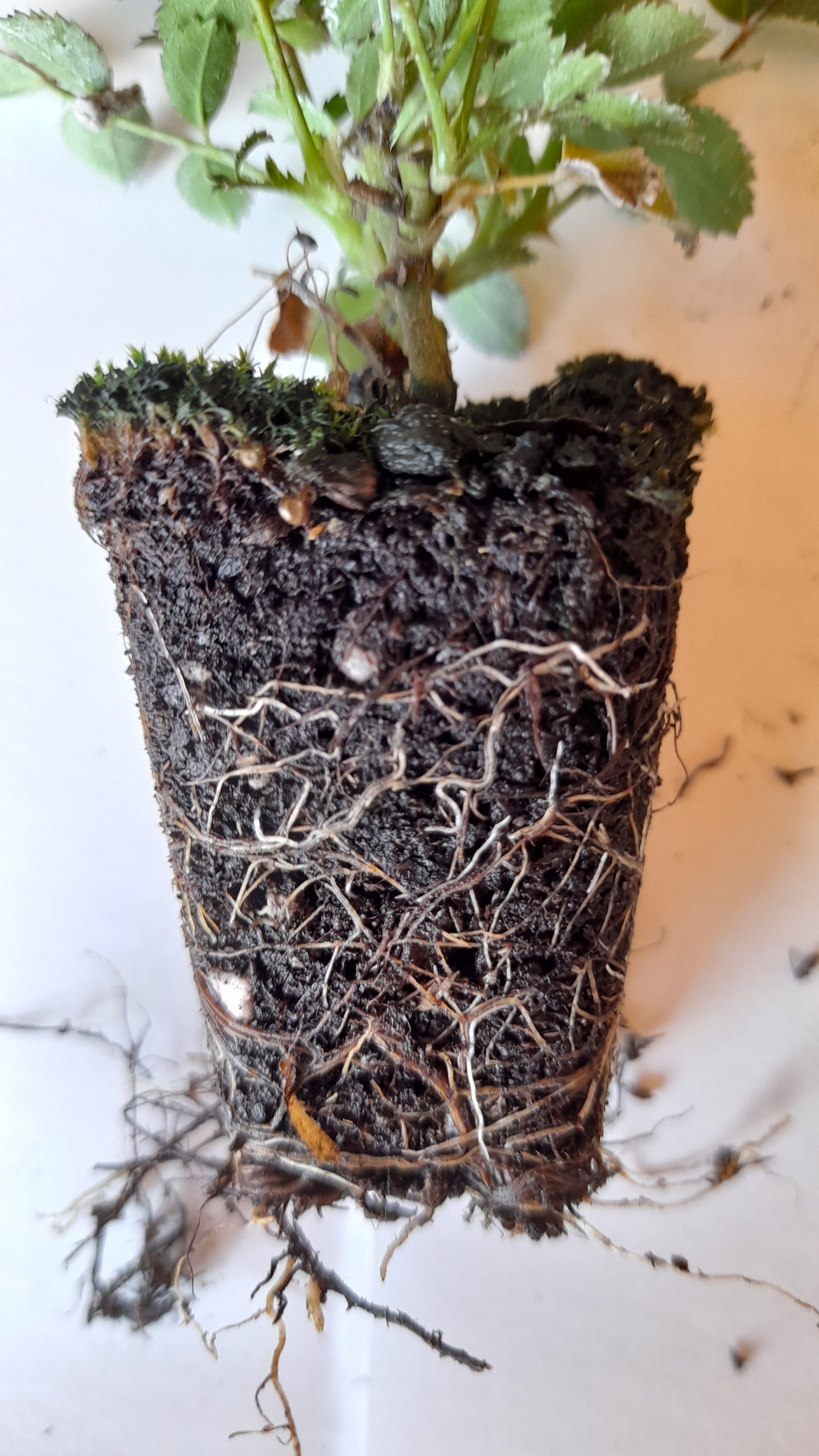
Uniform developmental stage, with a root system that has thoroughly penetrated the plug.
For professional growing‑on.
Tray packaging: 10 pcs/tray.
Quality and varietal identity: production supported by a dedicated identification and traceability logic.
Can be transplanted during frost‑free periods, designed for finished product production.

PharmaRosa® NEONATAL provides a controlled, uniform starting stock for planned growing‑on that can be integrated into your own technology – especially where scheduling and varietal identity are paramount.


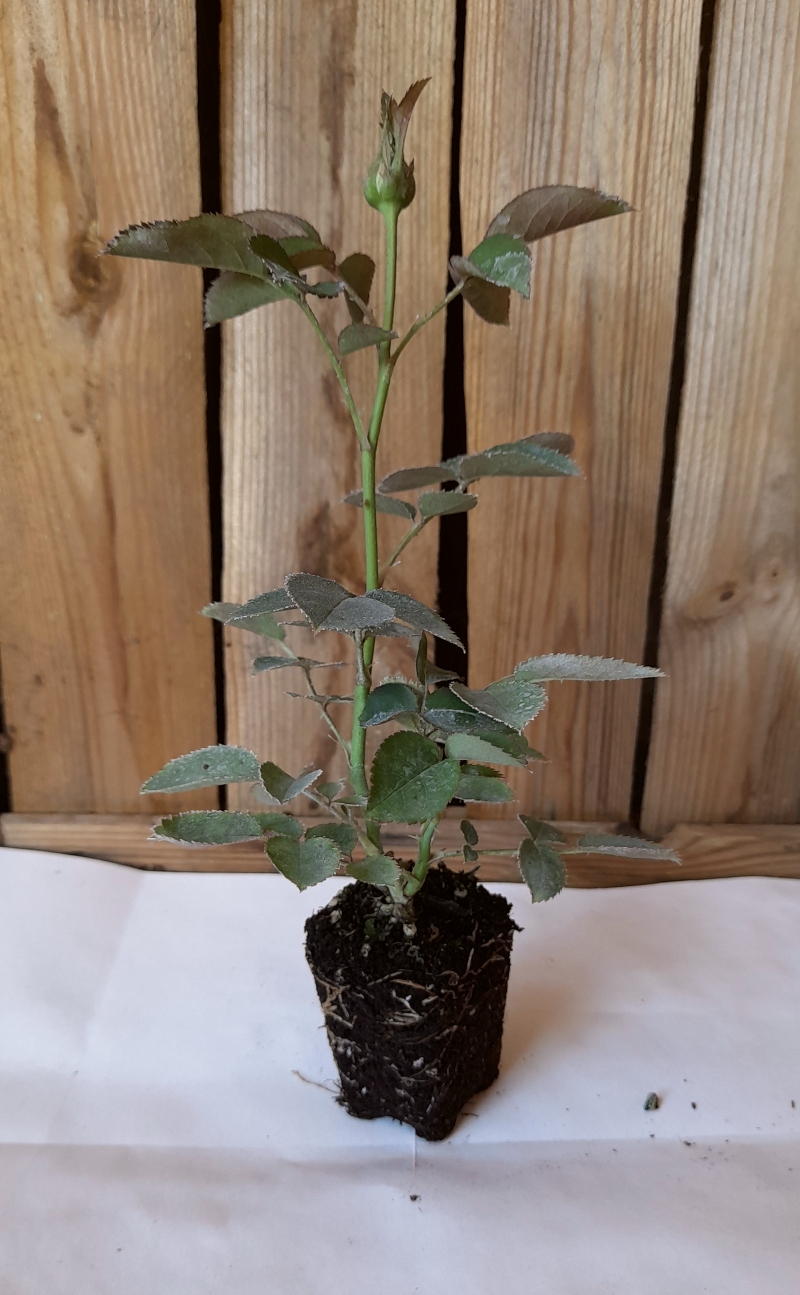
PharmaRosa® NEONATAL own-rooted rose propagation material in a plug, with a root system penetrating the plug (semi-finished product / semi-finished rose). PharmaRosa® NEONATAL rose propagation material size: 3–6‑month‑old, own-rooted cutting with a uniform developmental stage. PharmaRosa® NEONATAL rose propagation material root system: plug densely penetrated by well-developed white roots (root system detail). PharmaRosa® NEONATAL tray stock: own-rooted rose propagation material in trays, uniform developmental stage (10 pcs/tray).

Captions (from left to right): Semi-finished product (NEONATAL own-rooted rose propagation material in a plug with a fully developed root system) • Size demonstration (3–6‑month‑old, uniform cutting) • Root system detail (plug penetrated by the root system) • Tray stock (10 pcs/tray, uniform developmental stage)

pharmarosaneonatal.hupharmarosaneonatal.atpharmarosaneonatal.co.ukpharmarosaneonatal.czpharmarosaneonatal.depharmarosaneonatal.ropharmarosaneonatal.sipharmarosaneonatal.skpharmarosaneonatal.itpharmarosaneonatal.frpharmarosaneonatal.nlpharmarosaneonatal.plpharmarosaneonatal.lupharmarosaneonatal.ptpharmarosaneonatal.espharmarosaneonatal.ltpharmarosaneonatal.sepharmarosaneonatal.lvpharmarosaneonatal.eepharmarosaneonatal.fi

Which product type is right for you?

Pages for private customers
Garden roses for the family garden, with minimal care  → ORIGINAL®
Premium garden roses – instant impact, a truly showpiece garden  → EXTRA®
Pages for professionals and private customers
Roses for public spaces – large areas, sustainable maintenance  → NATURAL®
Roses for projects – hedge and row planting, fast implementation  → RAPID®
For professional partners only
Production – propagation material for garden roses, wholesale  → NEONATAL®

Company details

PharmaRosa Ltd.
Company registration number: 01-09-717479
VAT number: 13075314-2-43
Plant health registration no.: HU130721
Bank account (IBAN):
HU85117631891388688400000000
BIC (SWIFT): OTPVHUHB
Bank name: OTP Bank Nyrt.