| Nursery propagation beds for own container crop |
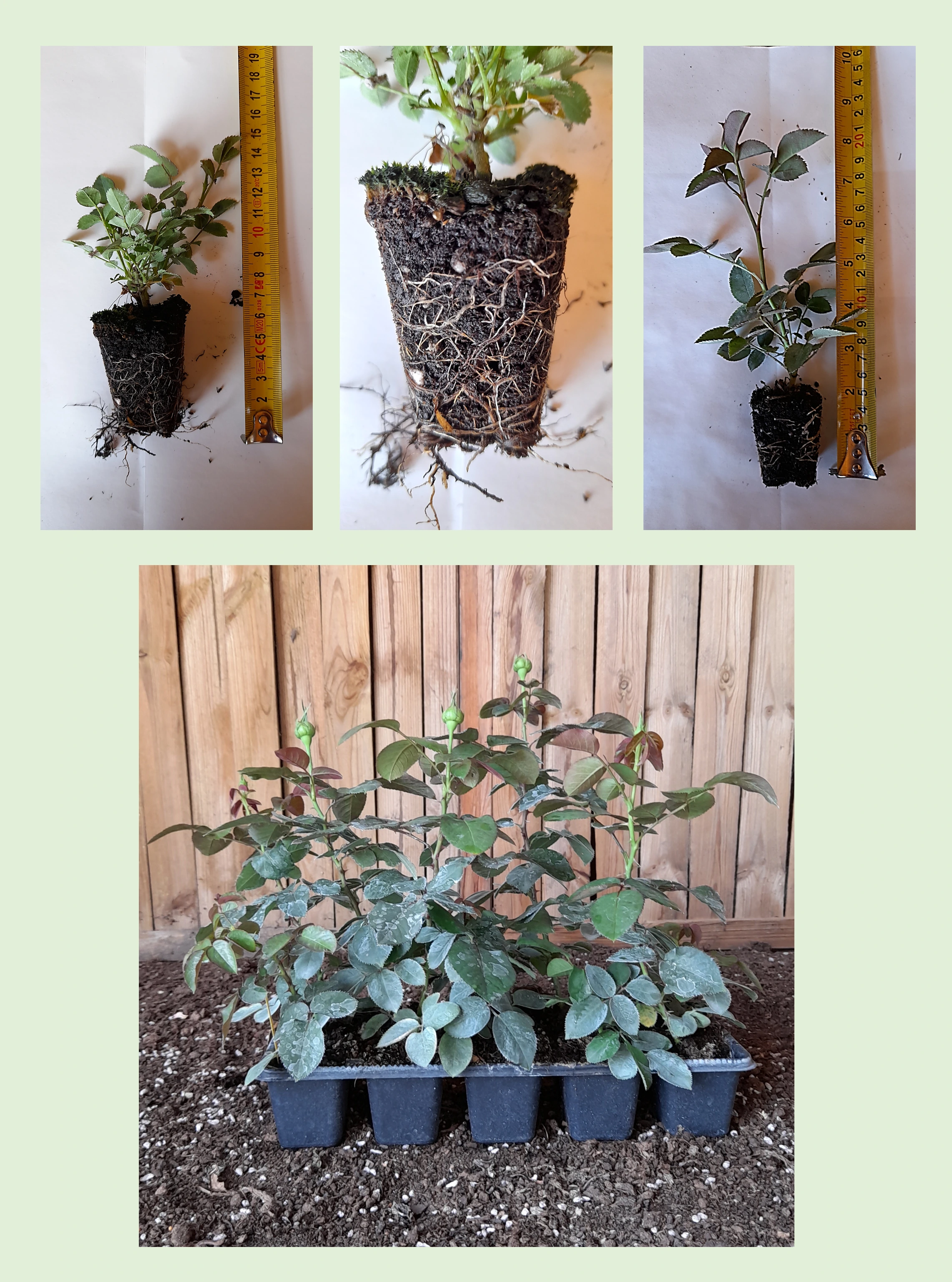
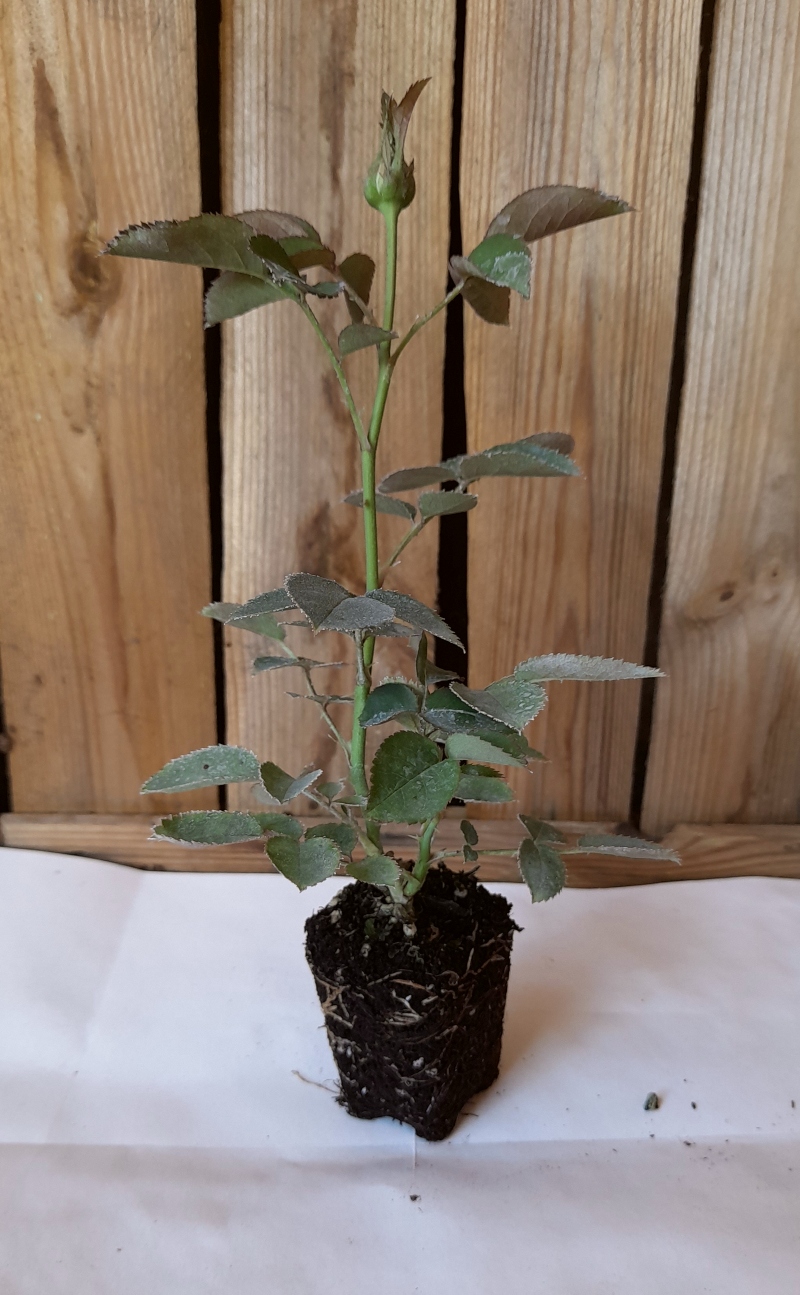
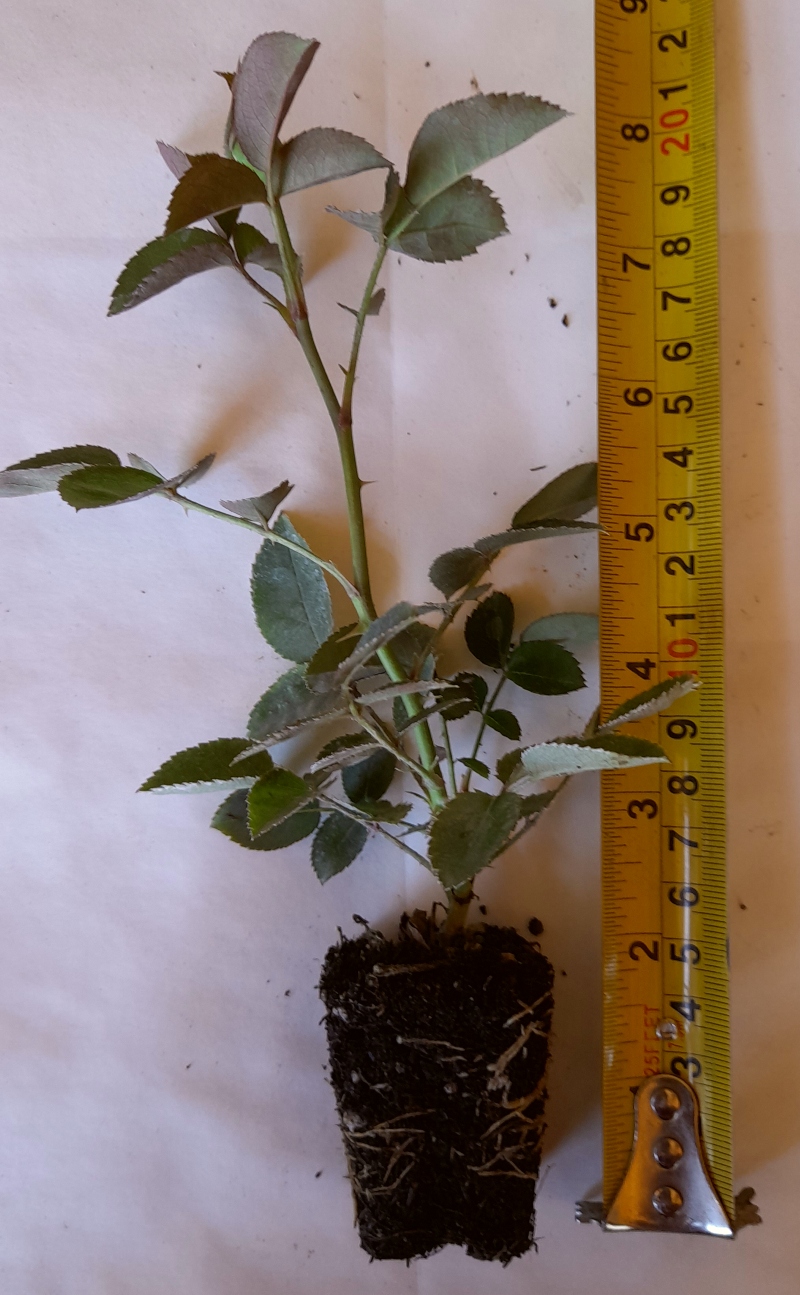
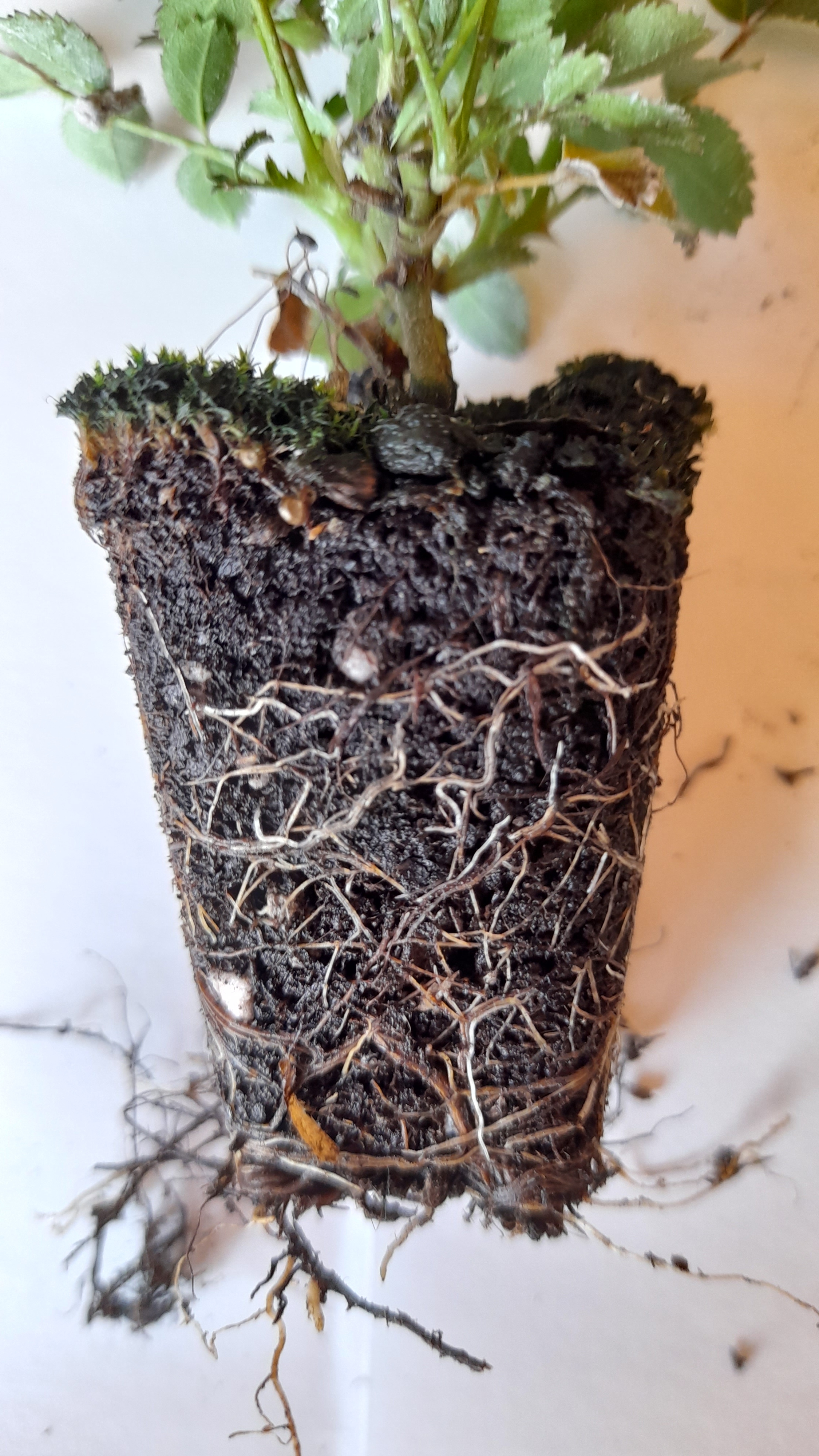
The compact, bushy growth habit and 80–105 cm height allow dense spacing in propagation beds feeding standard-container lines, with predictable plant architecture for uniform 2–3 L outputs. Using pharmaROSA NEONATAL own-root cuttings as the base improves stand homogeneity and reduces replacement over repeated lifting cycles, supporting a stable, long-term propagation block. Aligning this with standard finished-product positioning for reliable garden performance keeps the crop closely matched to UK retail and reseller demand patterns, particularly where curated assortments of floribundas are required for bedding ranges and project supply. This also suits nursery networks and integrator systems looking to rationalise their propagation base across multiple sites and seasons for professional growers. |
| Standard 2–3 L container production for retail programmes |
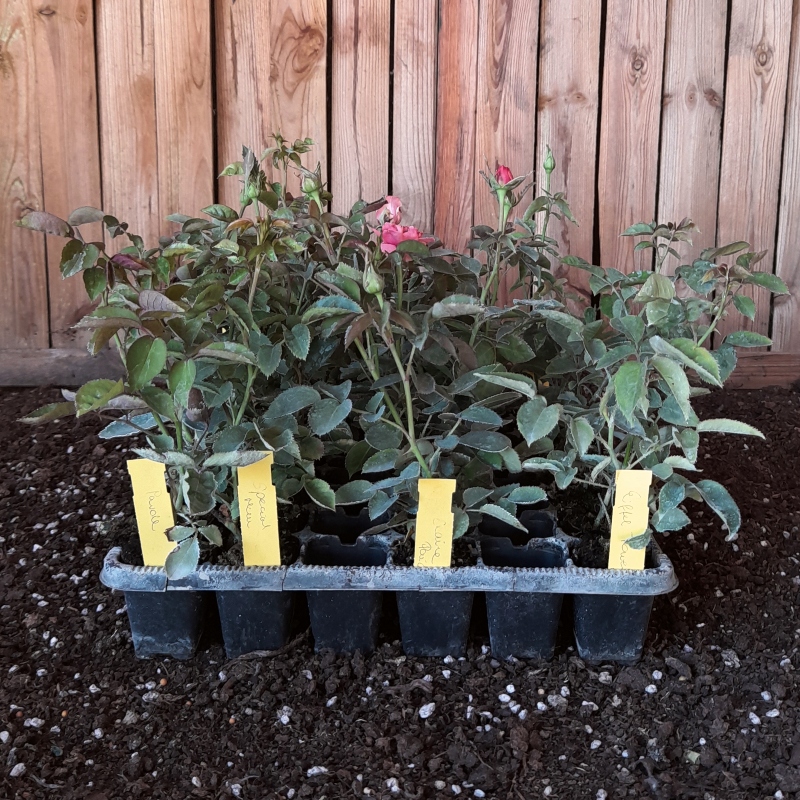
The cultivar’s bedding floribunda character, cluster-flowering habit and medium plant size are well suited to standard-container production, delivering an immediately presentable bush-trained plant in 2–3 L pots. Remontant flowering with a plentiful second flush supports sell-through in main and late-season retail windows, while the medium maintenance requirement fits routine care in commercial yards. Own-root propagation material gives stable, predictable performance from batch to batch, easing planning for seasonal retail programmes that expect standard finished products with consistent garden results. This makes scheduling and replenishment simpler for growers servicing garden-centre and DIY chains as wholesale partners. |
| Park and public-realm bedding blocks |
The reliable bedding performance, bushy structure and repeat-flowering clusters allow Moonsprite to be used in massed blocks in parks and urban green spaces where visual continuity is required. Medium maintenance needs and moderate self-cleaning mean occasional grooming and health checks are sufficient within typical municipal service schedules, while own-root stands regenerate well after pruning, extending bed life. The H7 hardiness rating supports use in colder public-realm sites, including northern UK locations with exposure and winter stress, giving local authorities confidence in multi-year planting plans. With a standard garden-performance positioning, it integrates smoothly into public-realm and institutional project supply lines for project contractors. |
| Edging and low-hedge lines in thematic rose gardens |
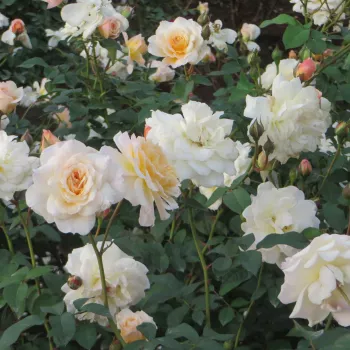
Compact height and 60–85 cm spread make the cultivar suitable for edging roles and low, informal hedging that defines paths and borders in themed rose collections. The very double, cream-yellow flowers shifting to white provide subtle colour structure without overpowering focal cultivars, while the strong citrus fragrance adds sensory value in show gardens. Own-root plants maintain identity and character over time, important in collection plantings and gene-bank style stands. Using rooted cuttings in standard containers simplifies staging and phasing for thematic rose displays whose core promise is reliable, long-term garden performance to visiting audiences and collection managers. |
| Urban and streetscape plantings with irrigation |
Moderate heat and drought tolerance, combined with a need to avoid prolonged dry periods, suits irrigated urban schemes and managed streetscapes where basic watering infrastructure is in place. The bushy habit and dark green, slightly glossy foliage provide structure even between flushes, while remontant flowering restores colour after routine trimming or weather events. Own-root stock tolerates pruning and regeneration loads better than grafted plants, helpful where municipal crews maintain roses as part of mixed shrub regimes. With a standard finished-product profile centred on reliable performance, it integrates well into framework contracts for urban greening and streetscape upgrades for public‑realm suppliers. |
| Collection and show-garden specimen groups |
The cultivar’s breeding background, exhibition floribunda classification and historic gold medals at Baden-Baden and Rome make it attractive for collection beds and show-garden groupings focused on notable varieties. Medium-height, bush-trained plants in 2–3 L containers are easy to stage into curated layouts, and the strong citrus fragrance enhances visitor experience. Own-root NEONATAL material is advantageous where long-term genetic and identity integrity of the stand is required, such as collection blocks or interpretive gardens. As a standard finished product with reliable garden performance, it can underpin specialist ranges aimed at enthusiasts via nurseries and mail-order reseller partners. |
| Private-label bedding floribunda assortments |
The combination of bedding floribunda habit, medium maintenance and clear cream-yellow colour position Moonsprite well within structured private-label ranges that segment by use and hue. Uniform 2–3 L standard containers from own-root propagation simplify branding and labelling workflows across large production runs. The cultivar’s remontant flowering and moderate self-cleaning support consumer satisfaction, aligning with a value proposition of dependable garden performance for branded lines. This reliability allows wholesalers and integrators to plan capacity with confidence for national distribution, including routes into regions where colder, more exposed sites demand robust, winter-tolerant roses in retail programmes. |
| Step-up production to 40–50 L display and feature containers |
From tray-rooted own-root cuttings, growers can step Moonsprite through standard 2–3 L pots into 40–50 L containers for feature use at entrances, terraces and high-visibility public sites. The bushy form, medium height and remontant, cluster-flowered display provide a full, balanced canopy suited to large decorative containers, while strong fragrance enhances perceived value in premium offerings. Own-root longevity and regenerative capacity support multi-year reuse of these containerised specimens, reducing replacement costs in display rotations. Positioned as a reliable, standard finished product, such large-container units can service higher-margin contracts and curated retail presentations for premium stockists. |