MORSDAG® – red bedding polyantha rose – rooted cutting for professional production
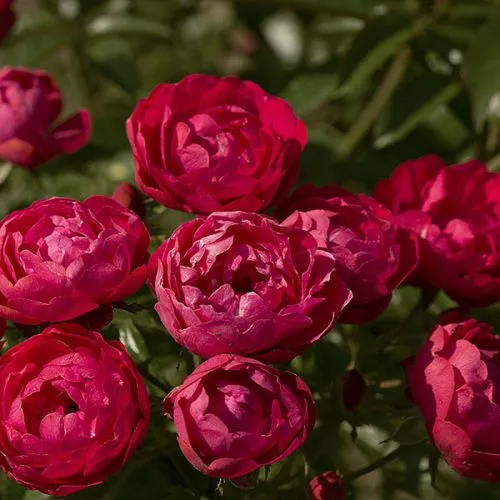
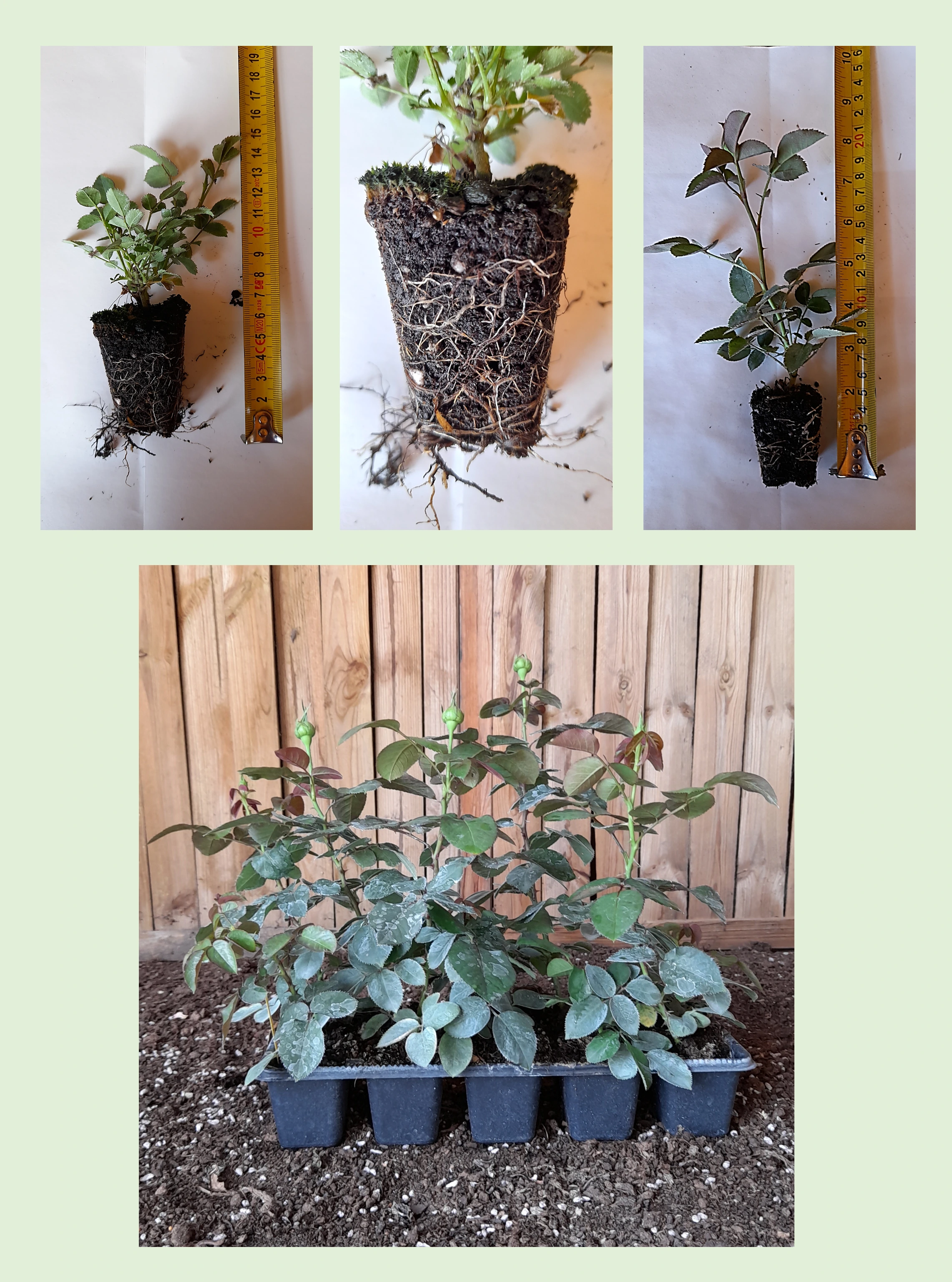
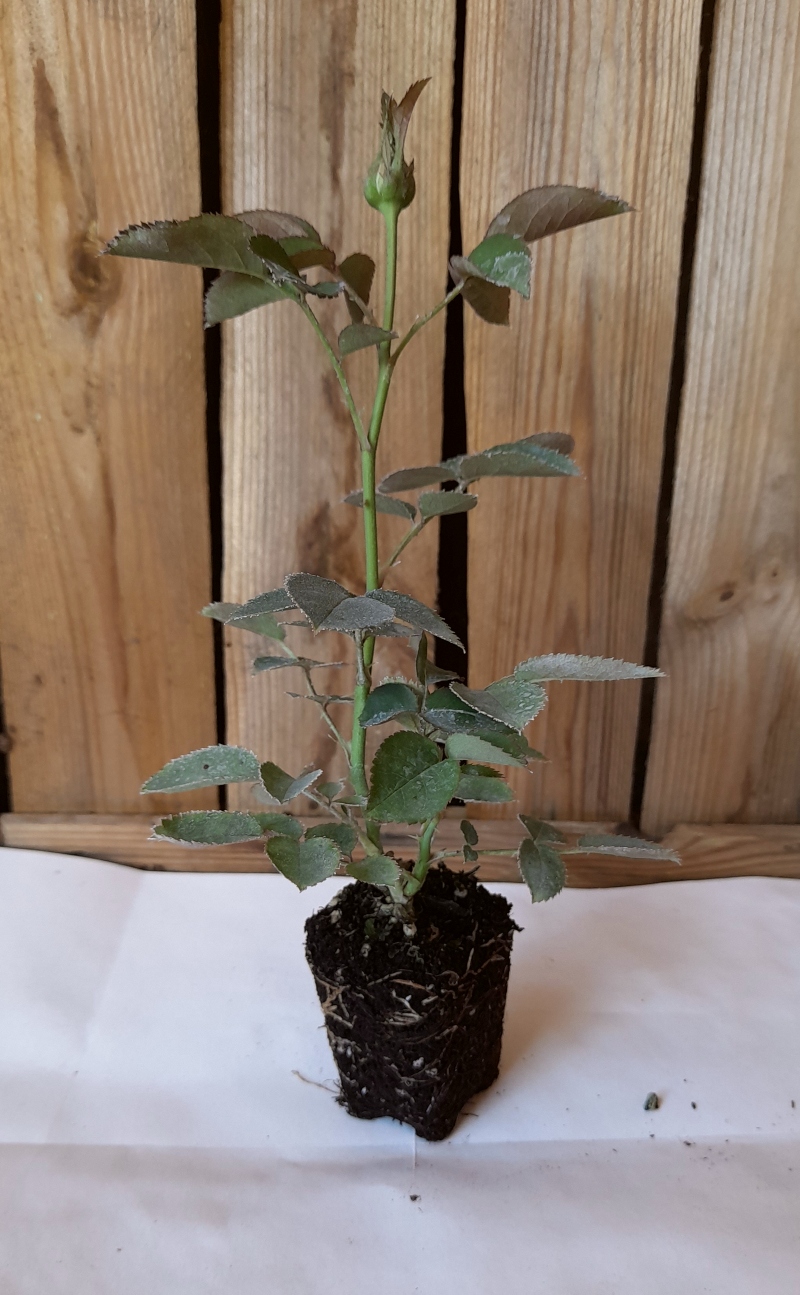
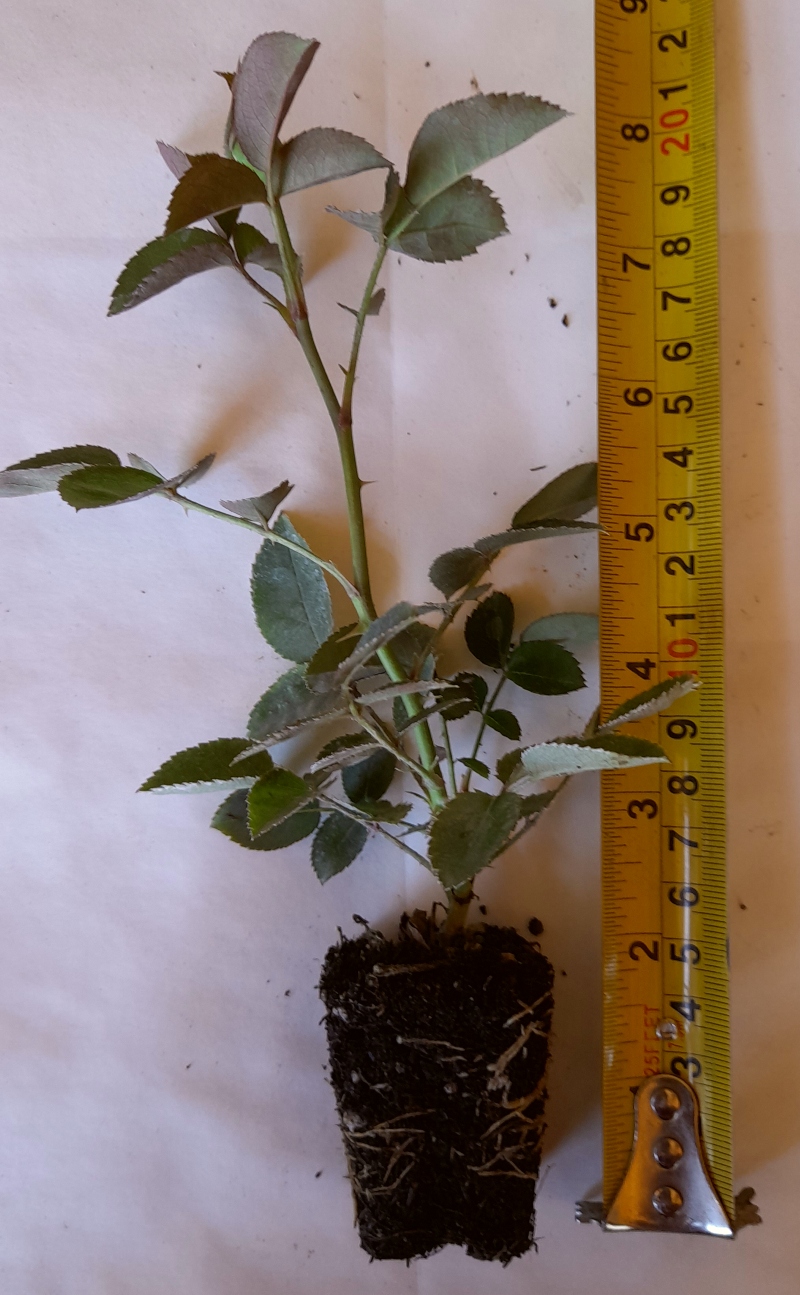
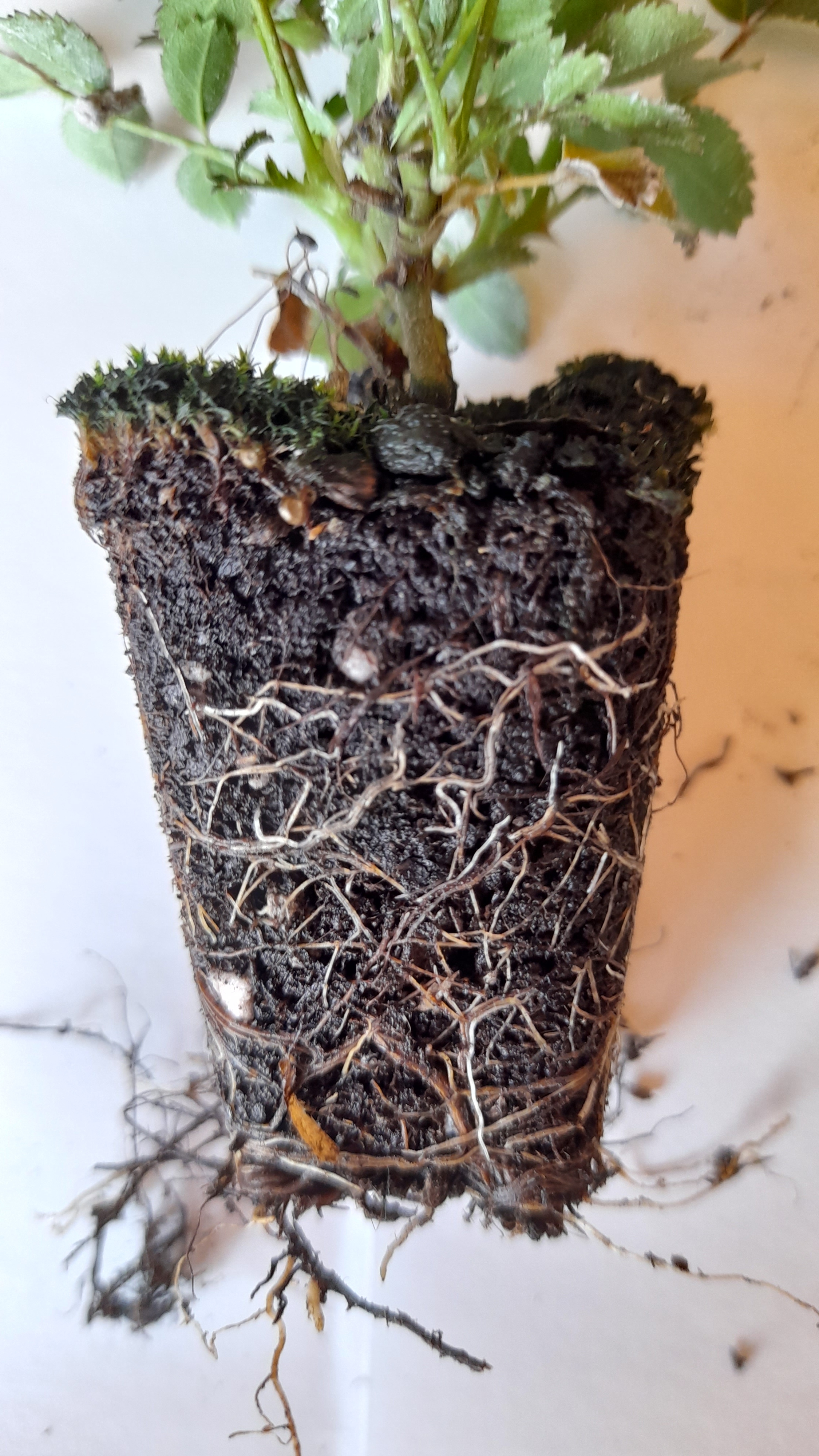
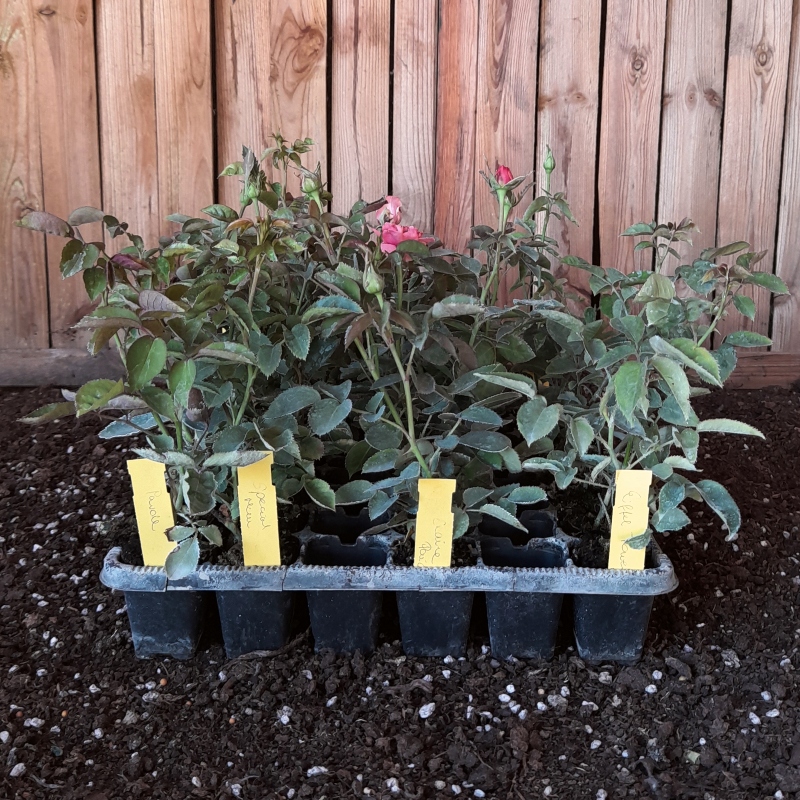
As a compact polyantha bedding cultivar with dense foliage and uniform cluster flowering, MORSDAG® supports uniformity and fast ground-level coverage in nursery and project pipelines where predictable, own-root material is essential for scalable volume production. Its compact, low habit suits 1.5–2 litre container routes and bed-production systems configured for project mass planting and urban edging, while the moderate maintenance profile aligns well with UK landscape and municipal schemes subject to medium maintenance regimes. Colour stability is a core visual asset, with very good retention of a rich, deep-red tone for coverage in public-realm and thematic rose collections, even in schemes near coastal locations with exposure to salt-laden winds. Own-root NEONATAL material gives a practical development arc from strong Year 1 rooting, through structural shoot build-up in Year 2, to full ornamental value by Year 3, supporting reliable planning for collection-style plantings and massed beds. In large nursery networks, this tray-rooted starting point simplifies logistics and harmonises scheduling for wholesalers serving rose-centric projects and dedicated rose gardens.
Usage options
Finished-product ideas
- Mass-bedding project line – Uniform 1.5–2 litre bush-trained plants targeting fast coverage and compact structure, ideal for project mass planting where reliable, own-root longevity underpins multi-season beds – target audience/channel: landscape contractors via project-serving wholesalers
- Red edging series – Compact, lightly thorned units selected for low edging and border fronts, with colour-stable deep-red clusters providing consistent lines along paths and frontages – target audience/channel: nurseries supplying design-led commercial schemes
- Urban park groundcover block – Medium-maintenance, disease-resilient batches structured for high-density planting, using NEONATAL material to create durable own-root groundcover in municipal parks and estates – target audience/channel: public-realm and municipal framework suppliers
- Collection-garden crimson bed – Carefully graded, homogeneous lots for thematic red beds in dedicated rose or show gardens, exploiting colour retention and remontant flowering for extended display – target audience/channel: specialist nurseries and collection-focused resellers
- Container project stock – Production-focused 1.5–2 litre containers built from tray-rooted cuttings for flexible storage and delivery, giving dense, compact bushes ready for rapid installation on phased projects – target audience/channel: integrators coordinating multi-site landscape roll-outs
Technical cultivar profile
| Parameter |
Data |
| Name and registration |
MORSDAG® red bedding polyantha rose, commercial type polyantha bedding rose in the Bed rose group; ARS exhibition name Mothersday; unregistered cultivar used widely in professional bedding production. |
| Origin and breeding |
Polyantha sport of ‘Dick Koster’, with Rosa rugosa rubra × ‘Madame Norbert Levavasseur’ in the background; bred by F. J. Grootendorst and J. de Goey in the Netherlands, introduced from 1918 to 1949. |
| Awards and recognition |
Recognised in American Rose Society local exhibitions with repeated first-place results in the Polyantha spray category between 1998 and 2001, supporting its use as a reliable, decorative spray-type bedding cultivar. |
| Growth and structural characteristics |
Compact, lightly thorned shrub reaching about 40–60 cm height and 60–90 cm spread, with dense, glossy dark green foliage forming tight, uniform bushes suitable for edging, bedding, and low structural plantings. |
| Flower morphology |
Small, double pompon to ball-shaped blooms, 0.5–1.5 inches across, carried in clusters; 26–39 petals per flower, medium self-cleaning so deadheading improves appearance and encourages continued cluster production. |
| Colour data and phenology |
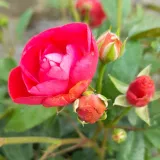
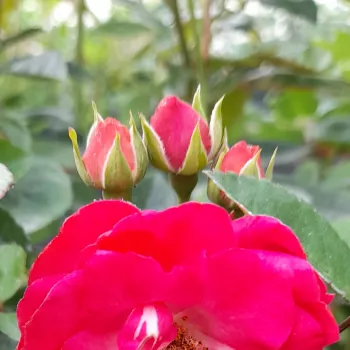
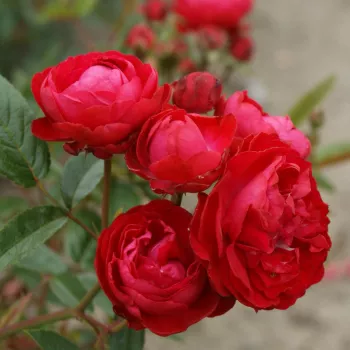
Rich, uniform deep red (ARS MR, RHS 53A outer, 53B inner) with very good colour retention; dark crimson buds open to velvety deep red, then lighten to mid-red while remaining clear, forming coherent red clusters over remontant flushes. |
| Fragrance and aroma |
Very weak, barely perceptible scent with a rose-like character; primarily selected for visual effect, cluster habit, and bedding performance rather than fragrance or pollinator attraction, fitting ornamental mass-planting applications. |
| Hip characteristics |
Hip set is generally poor due to the fully double flower form; where present, it produces occasional small spherical red hips about 5–7 mm in diameter, without significant impact on visual performance or maintenance. |
| Resistance and winter hardiness |
Hardy to approximately -26 to -23 °C (RHS H7, Swedish zone 4, USDA 5b); moderate overall disease resistance with resistance to powdery mildew and black spot, but only moderate rust resistance, supporting medium-maintenance programmes. |
| Horticultural recommendations |
Best for flowerbeds, edging, containers and groundcover in parks and urban green spaces; suits uniform, dense, bush-trained finished products from NEONATAL own-root cuttings, under medium maintenance with occasional pest and disease control. |
MORSDAG® offers compact, uniform ground-level coverage, stable colour-retentive cluster flowering and durable own-root stands that support predictable, regenerating project beds, making it a practical option to discuss for future capacity and scheduling.